Singapore
 Australia
 Indonesia
 Japan
Japan Malaysia
 New Zealand
 Philippines
 South Korea
 Taiwan
 Thailand
 VIETNAM
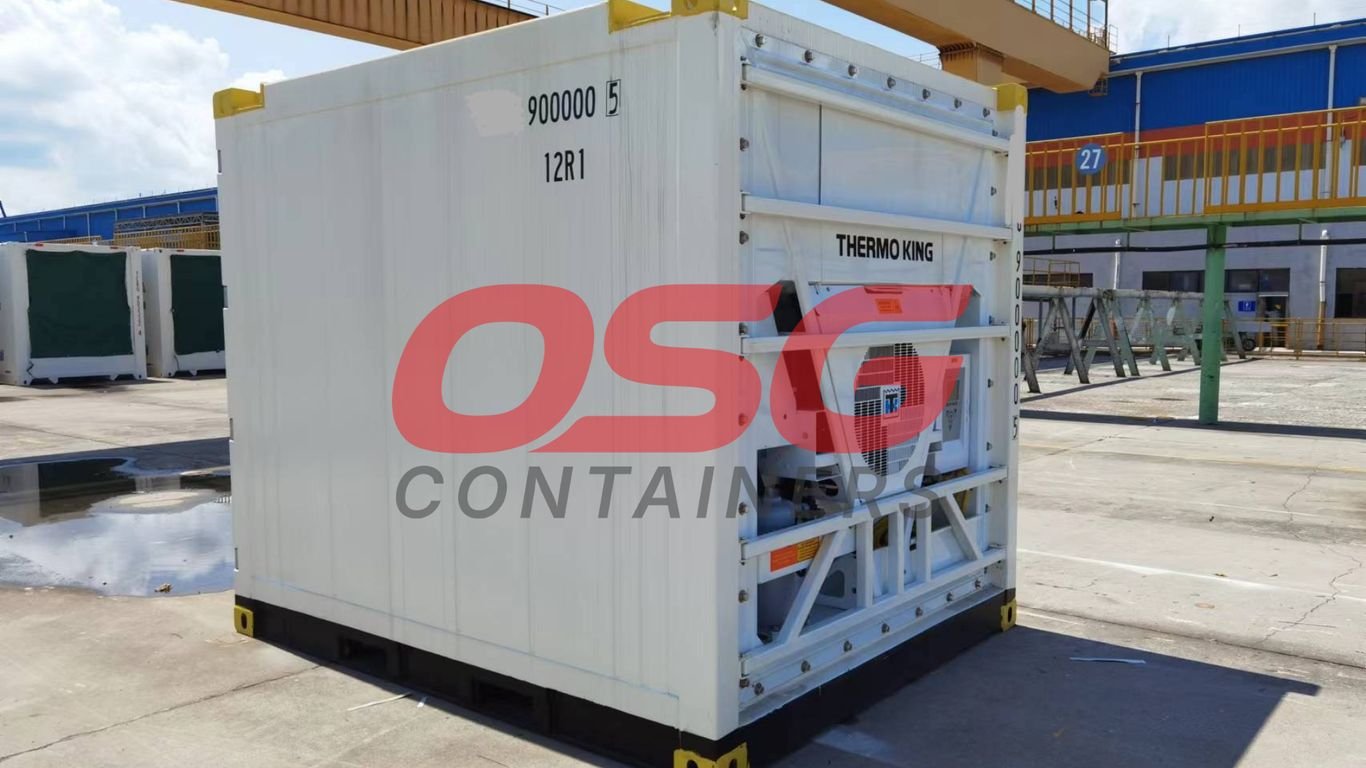
Keeping things cool during shipping is a big deal, right? Especially when you’re moving stuff that spoils easily or needs to stay just so, like food or medicine. That’s where reefer containers come in. Think of them as super-powered refrigerators on wheels, or ships, or trains. They’re not just boxes; they’re smart containers that actively manage temperature to make sure your goods arrive in the same condition they left. We’ll look at how these special containers work and why they’re so important for getting things from A to B without a hitch.
Key Takeaways
- Reefer containers are specialized shipping units that actively control temperature, preserving the quality and safety of perishable and sensitive goods during transit.
- Precise temperature control, advanced insulation, and robust construction are core features that make reefer containers reliable for maintaining product integrity.
- Safe operation of reefer containers involves understanding potential hazards from refrigeration units, proper handling techniques, and using protective gear.
- Best practices for managing reefer containers include regular maintenance, efficient loading/unloading, and careful monitoring of temperature settings and airflow.
- Electrical safety is critical, requiring certified professionals for maintenance and inspection of components to prevent accidents.
The Crucial Role Of Reefer Containers In Global Trade
Maintaining Product Integrity Through Precise Temperature Control
Think about your last grocery run. Those berries, that milk, maybe even some fancy cheese – they all need to stay cold, right? Well, when these items travel across oceans or continents, they rely on reefer containers. These aren’t your average shipping boxes; they’re like mobile refrigerators. Their main job is to keep things at just the right temperature, preventing spoilage and keeping products safe to eat or use. Without them, a lot of the food and medicine we depend on simply wouldn’t make it to us in good condition.
Here’s a quick look at why that temperature control is so important:
- Food Safety: Keeping food at consistent, cold temperatures stops harmful bacteria from growing. This is super important for things like meat, seafood, and dairy.
- Quality Preservation: Fruits, vegetables, and even flowers can wilt or rot if the temperature isn’t right. Reefers keep them fresh, so they look and taste good when they reach the store.
- Pharmaceuticals: Many medicines and vaccines are really sensitive. Even a small temperature change can make them useless, or worse, dangerous.
These containers use advanced refrigeration units and insulation to create a stable environment. It’s a complex system, but it means that a shipment of ice cream from Brazil can arrive in Europe just as frozen as when it left.
The ability to maintain a narrow temperature range, often within half a degree Celsius, is what separates a standard container from a reefer. This precision is non-negotiable for many sensitive goods.
Ensuring Safety For Pharmaceuticals And Biologics
When it comes to medicines, vaccines, and other biological materials, the stakes are incredibly high. A slight temperature fluctuation can render a life-saving vaccine ineffective or compromise a critical research sample. This is where reefer containers truly shine. They are designed with pharmaceutical and healthcare logistics in mind, meeting strict standards like Good Distribution Practice (GDP).
- Vaccine Transport: Many vaccines require ultra-cold temperatures, sometimes as low as -80°C. Reefers can achieve and maintain these extreme conditions reliably.
- Biologic Samples: Blood, tissue, and other biological samples need consistent temperatures during transit to research labs or testing facilities.
- Medication Stability: Temperature-sensitive medications, like insulin or certain chemotherapy drugs, must be kept within a specific range to remain potent and safe.
These specialized containers offer the controlled environment needed to protect these valuable and often irreplaceable items, making global health initiatives and medical advancements possible.
Extending Shelf Life Of Perishable Goods
Imagine a world where you could only buy produce grown within a few miles of your home. That’s pretty much the reality without reefer containers. By providing a controlled, cool environment, these containers significantly slow down the natural ripening and spoilage processes of fruits, vegetables, and other perishable items. This means:
- Reduced Waste: Less food spoils during transit, meaning more of what’s harvested actually makes it to consumers.
- Wider Availability: We can enjoy a variety of fruits and vegetables year-round, even if they are out of season locally.
- Global Markets: Farmers and producers can access international markets, expanding their reach and economic opportunities.
Essentially, reefer containers act as a bridge, connecting producers of perishable goods with consumers across vast distances, all while keeping the products in peak condition.
Advanced Technologies Powering Reefer Container Performance
Superior Insulation For Stable Internal Environments
Reefer containers are built with really good insulation, usually made from polyurethane foam. This stuff is great at stopping heat from getting in or out. Think of it like a super-thermos for your cargo. The walls are typically between 50 to 120 mm thick, depending on what the container is used for. This thickness is key to keeping the inside temperature steady, even when it’s crazy hot or freezing cold outside. It means less work for the refrigeration unit and a more consistent environment for whatever you’re shipping.
High Mechanical Strength For Durability
These containers aren’t just about keeping things cold; they’re also built tough. They’re usually made from strong steel, which helps them handle the bumps and shakes of being moved around the world. This means they can resist damage from impacts, stacking, and all sorts of weather. The design often includes reinforced parts and careful welding to make sure they hold up over time, protecting the cargo inside.
Integrated Refrigeration And Monitoring Systems
At the heart of a reefer container is its refrigeration system. It’s not just a simple cooler; it’s a complex setup that actively controls the temperature. Many modern units have digital controls that let you set a very specific temperature, often within half a degree of your target. Plus, they come with sensors that constantly check the temperature and humidity inside. Some even have remote monitoring, so you can check on your cargo from your computer or phone. This is super important for things like medicines or delicate foods where even a small temperature change can cause problems.
Here’s a quick look at what makes them work:
- Refrigeration Unit: The engine that cools (or sometimes heats) the air.
- Insulated Walls: The barrier that keeps the outside weather from affecting the inside.
- Air Circulation Fans: These move the air around to make sure the temperature is even everywhere.
- Temperature Sensors: The eyes and ears that tell the system what the current temperature is.
- Control Panel: Where you set the desired temperature and monitor the system.
The combination of robust insulation and precise climate control systems means that reefer containers can maintain very specific temperature ranges, often from -25°C to +25°C, with minimal fluctuation. This level of control is vital for preserving the quality and safety of sensitive goods during long transit times.
Ensuring Safety In Reefer Container Operations
Reefer containers are workhorses for keeping things cold, but they’ve got their own set of risks. It’s not just about the temperature; these units have complex machinery and electrical bits that need careful handling. Think of it like any powerful tool – you wouldn’t just pick it up without knowing how it works, right? The same goes for reefers. Everyone involved, from the folks loading them to the ones monitoring them, needs to be aware of what could go wrong and how to prevent it.
Understanding Potential Hazards Of Refrigeration Units
The refrigeration unit itself is the heart of the reefer, but it’s also where some of the biggest safety concerns lie. These units can get seriously hot or cold, and they have moving parts. Direct contact can lead to nasty burns or frostbite, and getting too close to the machinery while it’s running is just asking for trouble. Plus, airflow is super important for keeping things cool. If something blocks the vents, the cooling system struggles, and that’s bad news for the cargo. It’s a good idea to check for any obstructions before you seal up the container.
Essential Handling Techniques For Personnel
When you’re working with reefer containers, how you handle them makes a big difference. Always use the right equipment for the job – don’t try to move a heavy reefer with a forklift that’s too small. Make sure the container is locked down tight when it’s on a truck or ship; you don’t want it sliding around during transit. And always keep a safe distance from the refrigeration unit when it’s running. It’s loud, it’s got moving parts, and it’s not something you want to bump into.
- Use appropriate lifting gear: Cranes and forklifts designed for container handling are a must.
- Secure loads properly: Ensure the container is stable and won’t shift during transport.
- Maintain a safe working zone: Keep clear of the refrigeration unit’s moving components.
- Distribute weight evenly: This prevents tipping and instability.
Importance Of Protective Gear And Training
Safety isn’t just about following rules; it’s also about being prepared. This means having the right gear and knowing what to do if something goes sideways. For instance, when you’re working near the refrigeration unit, insulated gloves can save your hands from extreme temperatures. Safety glasses are a good idea too, just in case. But gear is only part of the picture. Proper training is key. Everyone who interacts with reefer containers needs to understand the risks and know the correct procedures. This includes knowing how to respond to a unit malfunction or an electrical issue.
Regular safety drills are a smart way to make sure everyone remembers what to do in an emergency. It’s better to practice a shutdown procedure when everything is calm than to figure it out when there’s a real problem.
Ultimately, a well-trained team that respects the potential hazards is the best defense against accidents when operating reefer containers.
Best Practices For Reefer Container Management
Managing reefer containers, or cntr reefer units, properly is key to keeping your temperature-sensitive goods in good shape. It’s not just about setting the temperature and forgetting it; there’s more to it than that. Think of it like taking care of a special kind of fridge that travels the world. Doing things right helps avoid spoilage, keeps things safe, and makes sure your cargo arrives as it should.
Regular Inspections And Maintenance Schedules
Before you even think about loading anything, give that container reefer a good look-over. You want to catch any dings, dents, or weird noises before they become big problems. A little check-up can save a lot of headaches later on. This applies whether you’re receiving a container or sending one out.
- Visual checks: Look for any obvious damage to the exterior or interior. Check the seals on the doors – a good seal is vital for keeping the cold in.
- Refrigeration unit check: Make sure the unit itself looks okay. Listen for any strange sounds when it’s running briefly.
- Cleanliness: A clean container is a happy container. Make sure it’s free of debris or anything that could affect airflow.
Efficient Loading And Unloading Procedures
When it’s time to load or unload, speed and care are your friends. The longer those doors are open, the more the temperature inside can change. This is especially true for things like pharmaceuticals or ice cream that can’t handle much fluctuation.
- Minimize door open time: Have everything ready to go so you can load or unload quickly. Don’t leave the doors open longer than absolutely necessary.
- Even weight distribution: Spread the weight of your cargo evenly inside the container. This stops it from tipping or shifting around during transport, which is safer for everyone and the cargo.
- Proper stacking: Make sure items are stacked securely. You don’t want things falling over and damaging other goods or the container itself.
Monitoring Temperature Settings And Airflow
This is where the "reefer" part really comes into play. You’ve got to keep an eye on those settings and make sure the air can move around properly inside.
- Verify settings: Double-check that the temperature is set correctly for the specific cargo you’re shipping. Different products need different temperatures.
- Check airflow: Don’t block the vents inside the container. Good airflow is what keeps the temperature consistent throughout the whole space. Things like packing too tightly can mess this up.
Keeping a close watch on the temperature and airflow inside your container reefer isn’t just about product quality; it’s a core part of safe operation. Any lapse here can lead to spoilage, safety issues, and costly losses.
Here’s a quick look at what to watch for:
| Aspect | What to Check |
|---|---|
| Temperature | Correct setting for cargo, stable readings |
| Airflow | Vents clear, no blockages from cargo |
| Refrigeration Unit | No unusual noises, proper operation |
| Door Seals | Intact and creating a tight seal |
Electrical Safety Considerations For Reefer Containers
The Importance Of Certified Professionals
When it comes to the electrical guts of a reefer container, you really don’t want to mess around. These units have complex wiring and power systems that keep your cargo at the perfect temperature. Trying to fix something yourself if you’re not trained is just asking for trouble. Only folks who are properly certified and know their way around these specific electrical setups should be touching them. It’s not just about preventing damage to the unit; it’s about keeping yourself and others safe from shocks or fires. Think of it like going to a doctor for a serious health issue – you want someone with the right qualifications.
Procedures For Disconnecting Power Safely
Before anyone even thinks about poking around inside a reefer’s electrical system, the power absolutely has to be off. This sounds obvious, right? But it’s a step that can be overlooked in a rush. Here’s the general idea:
- Locate the main power source: This is usually where the reefer plugs into the ship’s power or a shore-side connection.
- Follow the correct disconnection sequence: There’s often a specific order for unplugging or switching off breakers to avoid electrical surges or accidental re-energizing.
- Verify power is off: Use a voltage tester to confirm there’s no electricity flowing before starting any work. Don’t just assume it’s off because you unplugged it.
Always double-check that the power is completely disconnected and locked out if necessary. This simple step prevents a lot of potential accidents and injuries. It’s the first line of defense when working on any electrical equipment.
Inspecting Electrical Components For Damage
Regular checks of the electrical bits are super important. You’re looking for anything that looks worn out or damaged. This includes:
- Power cords and plugs: Keep an eye out for any cuts, cracks, fraying, or melted spots. A damaged cord is a major hazard.
- Connections and terminals: Make sure they’re clean, tight, and free from corrosion. Loose connections can cause overheating and electrical faults.
- The unit’s internal wiring: If you can see it safely, check for any signs of wear, damage, or improper connections. This is where having a certified professional do the inspection is best.
Catching these issues early can save you from bigger problems down the line, like equipment failure during a critical shipment or, worse, an electrical fire.
Emergency Preparedness For Reefer Container Incidents
Developing Clear Emergency Response Protocols
When you’re dealing with reefer containers, things can go wrong. It’s not just about keeping things cold; there are electrical systems and mechanical parts that can fail. Having a solid plan for what to do when something unexpected happens is super important. This means thinking about all the possible problems, like the refrigeration unit breaking down completely, or maybe an electrical issue that could be dangerous. You need to know who to call, what steps to take immediately, and how to keep people safe while you sort things out. It’s about being ready before an incident even occurs.
Conducting Regular Safety Drills
Just having a plan isn’t enough, right? You’ve got to practice it. Regular safety drills are key to making sure everyone involved knows their role. Think of it like a fire drill at school – you do it so that if a real fire happens, everyone knows exactly what to do without panicking. For reefer containers, these drills could involve simulating a refrigeration failure or a minor electrical issue. The goal is to test the response protocols, identify any weak spots in the plan, and make sure the team can react quickly and correctly. It builds confidence and competence.
Procedures For Emergency Shutdowns
Sometimes, the best thing to do in an emergency is to shut things down safely. This is especially true for the refrigeration units on reefer containers. If a unit starts acting up in a way that could cause more damage or become a safety hazard, knowing the proper shutdown procedure is vital. This isn’t just flipping a switch; it involves specific steps to safely disengage the power and stop the machinery without causing further problems. All personnel who might be in a position to need to do this should be thoroughly trained on these procedures. It’s a critical part of preventing a small issue from becoming a big one.
Accidents happen, but being prepared can make a huge difference in how quickly and safely an incident is resolved. It’s about minimizing risk and protecting both the cargo and the people working with these specialized containers.
The Evolving Landscape Of Reefer Container Technology
Innovations In Energy Efficiency
Reefer containers are getting a serious upgrade when it comes to saving power. Think of it like your home appliances getting a ‘smart’ makeover, but for shipping. Manufacturers are packing these units with better insulation, which means they don’t have to work as hard to keep things cold. Some are even using heat recovery systems – basically, they capture waste heat from the refrigeration unit and use it for something else. It’s a clever way to cut down on energy use and, let’s be honest, save some money on those electricity bills.
The Rise Of IoT And Data Analytics
This is where things get really interesting. The latest reefer containers are packed with sensors and connected to the internet. This means we can track exactly what’s happening inside the container, in real-time. Temperature, humidity, even how much the container is being jostled – it’s all recorded. This data is a goldmine for logistics companies. They can spot problems before they become big issues, like a temperature spike that could ruin a shipment of fruit. This constant stream of information helps make sure products arrive in perfect condition.
Sustainable Refrigerants For Environmental Protection
There’s a big push to make reefer containers more environmentally friendly. For years, some refrigerants used in these units weren’t great for the planet. Now, companies are switching to greener options, like CO₂ or ammonia. These new refrigerants have a much smaller impact on the environment. It’s a big step towards making global shipping a bit kinder to the Earth.
The future of reefer containers is all about being smarter, more efficient, and better for the environment. We’re seeing a move towards technology that not only keeps our goods perfectly chilled but also uses less energy and has a smaller carbon footprint. It’s a win-win for businesses and the planet.
Wrapping It Up
So, when you think about it, these reefer containers are pretty amazing. They’re not just big metal boxes; they’re like high-tech refrigerators on wheels, or ships, or trains. They keep our food fresh, our medicines safe, and basically make sure that stuff we want arrives in good shape, no matter how far it travels. It’s a pretty big deal for how we get things done these days, and it’s cool to see how they keep getting better and more efficient. They really are the backbone for a lot of what we rely on.
Frequently Asked Questions
What exactly is a reefer container and why is it important?
A reefer container is like a big, special fridge on wheels or on a ship! It’s designed to keep things like food, medicine, and other sensitive items at a very specific, cold temperature while they travel long distances. This is super important because if the temperature changes too much, the stuff inside could go bad, become unsafe, or lose its quality.
How do reefer containers keep things so cold and steady?
These containers have special walls that are really good at keeping the cold air inside and the warm air outside, kind of like a super-insulated thermos. They also have a built-in cooling system, like a refrigerator, that constantly works to maintain the exact temperature you set. Some even have fans to make sure the cold air moves around evenly.
Can reefer containers keep things warm too, or just cold?
Yes, they can! While they are mostly known for keeping things frozen or chilled, reefer containers can also be set to maintain warmer temperatures if needed. This is useful for certain types of products that might be damaged by extreme cold but still need a controlled environment.
What happens if a reefer container’s cooling system breaks down?
If the cooling system stops working, it’s a big problem because the temperature inside can quickly change. That’s why companies have special plans for this. They might try to fix it quickly, move the goods to another reefer, or have backup power. It’s also why checking and fixing these units regularly is so important.
Are there any special safety rules for people working with reefer containers?
Definitely! Because reefer containers have electrical parts and powerful cooling systems, people working with them need to be careful. They need to know how to handle the equipment safely, wear protective gear like gloves, and understand what to do in case of an emergency, like a power issue or a leak.
How are reefer containers getting better over time?
Scientists and engineers are always trying to make reefer containers smarter and better for the planet. They’re making them use less energy, finding greener types of cooling gases, and adding technology that lets people check the temperature and status from far away using their phones or computers. This makes them more efficient and environmentally friendly.