Singapore
 Australia
 Indonesia
 Japan
Japan Malaysia
 New Zealand
 Philippines
 South Korea
 Taiwan
 Thailand
 VIETNAM
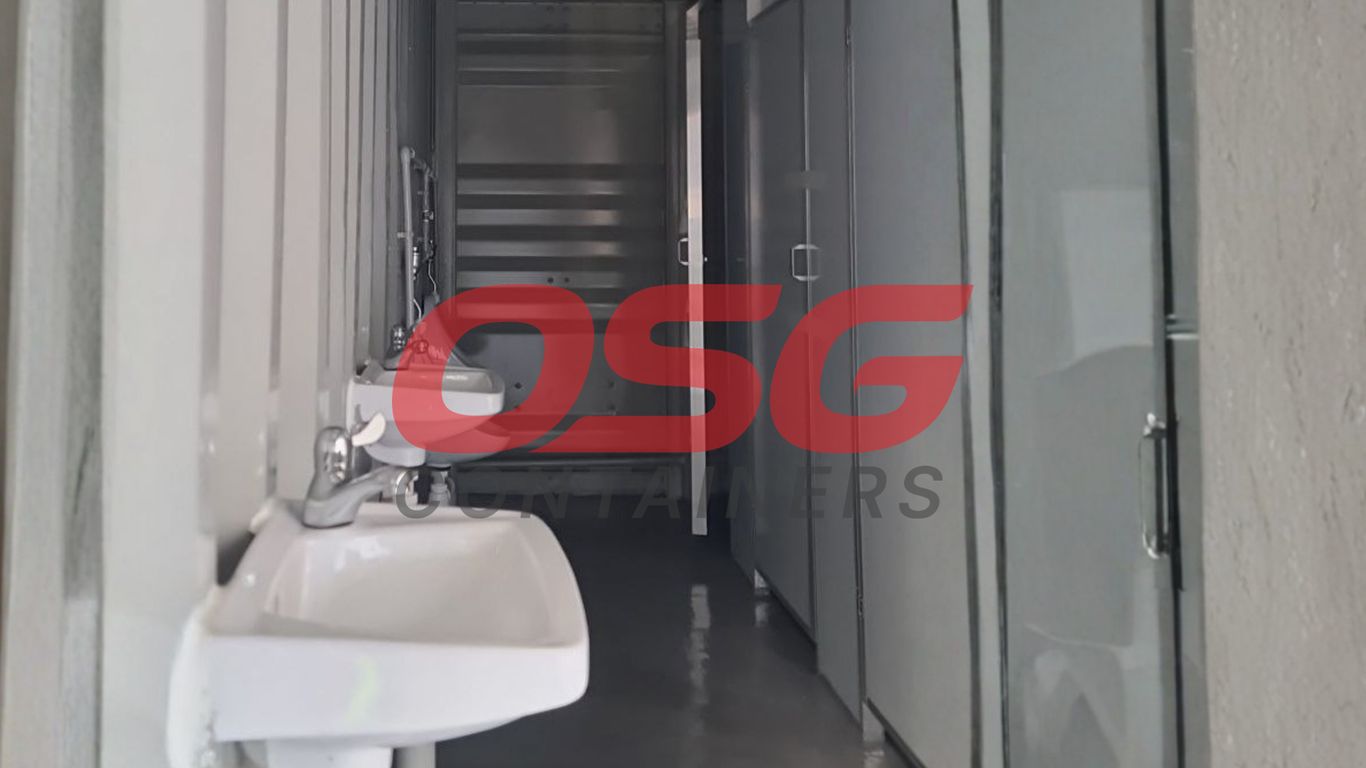
Planning any event or site setup means thinking about all the little details, and sometimes, the most overlooked ones are the most important. When it comes to providing facilities for your guests or workers, getting the right portable toilet rent is a big part of making sure things run smoothly. It’s not just about having a place to go; it’s about comfort, cleanliness, and making sure everyone has a good experience, whether it’s a big festival or a construction site. Let’s break down how to figure out your needs and get the best portable toilet rent for your project.
Key Takeaways
- Figure out how many portable toilet units you’ll need by considering how many people will attend and how long the event will last. More people and longer times mean more toilets.
- Think about the type of event. A fancy wedding might need luxury trailers, while a music festival can use standard units. Always include ADA-compliant options for accessibility.
- Placement matters. Put toilets where they’re easy to find but not in the way, and make sure service vehicles can get to them easily for cleaning.
- Hygiene is super important. Make sure there are handwashing stations or hand sanitizer available with every portable toilet.
- Check local rules and regulations. Different places have different requirements for how many toilets you need and how waste is handled.
Understanding Your Portable Toilet Rent Needs
Figuring out how many portable toilets you’ll need for your event or site might seem like a guessing game, but it’s actually pretty straightforward if you break it down. Getting this right is super important for keeping your guests or workers comfortable and happy. Nobody likes waiting in a long line for the restroom, right? A good portable john rental plan means fewer headaches for you and a better experience for everyone involved.
Calculating The Right Number Of Units
So, how many units are enough? There are some general guidelines that most people in the industry use. The basic rule of thumb is to plan for one unit per 50 to 75 attendees for a standard event. But this number can change based on a few other factors we’ll get into.
Here’s a quick look at how different scenarios might affect your needs:
- Small Gathering (e.g., backyard party): You might get away with fewer units, maybe one for every 75-100 people if it’s short and no alcohol is served.
- Medium Event (e.g., community fair): Stick closer to the 1:50 ratio, especially if it’s an all-day affair.
- Large Festival or Concert: You’ll definitely want to be at the lower end of the ratio (1:50) and consider placing units strategically.
It’s always better to have one or two extra temporary toilet rental units than to run short. Running out of facilities can really put a damper on things.
Considering Event Duration And Attendance
Your guest count is a big deal, but so is how long everyone will be sticking around. A quick two-hour gathering won’t see the same usage as an all-day music festival.
- Events under 4 hours: The standard ratio usually works well.
- Events 4-8 hours: You’ll likely need to increase your unit count by about 15-20% to account for longer usage.
- Multi-day events: This is where things get more complex. You’ll need more units, and you’ll also need to think about more frequent servicing to keep them clean and functional.
More people staying longer means more trips to the porta potty rental, so plan accordingly.
The Impact Of Food And Alcohol Service
This is a big one that many people forget. If you’re serving food, especially anything messy or greasy, or if alcohol is flowing, expect restroom usage to go up significantly. People tend to use the restroom more often when they’re drinking or after they’ve eaten.
When food and alcohol are part of the equation, it’s wise to add an extra 15-20% to your initial portable bathroom rental estimate. This simple adjustment can prevent long lines and keep your guests comfortable throughout the event.
Think about the type of food being served too. A sit-down meal will likely lead to more restroom visits than a simple snack bar. Planning for these extras ensures your portable toilet rental is adequate for all your guests’ needs.
Selecting The Appropriate Unit Types
When you’re planning an event or a work site, picking the right kind of portable toilet is more than just a detail; it really makes a difference in how comfortable everyone is. You’ve got a few main options, and each one is suited for different situations. It’s not a one-size-fits-all deal, so let’s break down what’s available.
Standard Units For High-Traffic Events
These are your workhorses. Standard portable toilets are built tough and are perfect for places where lots of people will be using them, like big festivals, concerts, or busy construction sites. They’re straightforward, reliable, and get the job done without any fuss. Think of them as the dependable option that can handle a lot of use. They usually come with a basic toilet and a place for toilet paper, and often a small hand sanitizer dispenser on the outside. They’re designed to be easy to clean and maintain, which is a big plus when you’re expecting a crowd.
Deluxe And Flushing Options For Enhanced Comfort
If you want to step things up a bit from the basic model, deluxe and flushing units are a great choice. These offer a more comfortable experience for your guests. Many deluxe units include features like a small sink with running water (usually foot-pump operated), soap, and paper towels, so people can wash their hands right there. Some even have better ventilation or mirrors. Flushing units give that familiar feeling of an indoor restroom, which can be a real comfort upgrade, especially for longer events like weddings or corporate gatherings where people expect a bit more.
Luxury Trailers For Premium Experiences
For those events where you really want to impress, or if you’re aiming for a high-end feel, luxury restroom trailers are the way to go. These aren’t your typical portable toilets; they’re more like small, self-contained bathrooms. They often come with air conditioning or heating, flushing toilets, running water sinks, nice lighting, and even decorative touches. They’re perfect for black-tie events, VIP areas, or any situation where you want to provide a top-notch experience that guests won’t forget. They definitely cost more, but the impression they make can be well worth it.
ADA-Compliant Units For Inclusivity
Making sure everyone can use the facilities is super important. ADA-compliant units are designed specifically for people with disabilities. They’re larger inside to accommodate wheelchairs, have sturdy grab bars for support, and often come with ramps for easy access. These aren’t just a nice-to-have; they’re often legally required for public events. Providing these units shows that you care about inclusivity and are prepared to welcome all guests, no matter their needs. It’s a sign of a well-planned and considerate event.
Strategic Placement And Logistics
Okay, so you’ve figured out how many toilets you need and what kind. Great! Now, where do these things actually go? This is where things get a little more involved than just dropping them off. It’s all about making them easy for people to find and use, without being an eyesore or a hassle for anyone.
Balancing Convenience And Aesthetics
Think about where people are going to be during your event. You want the restrooms to be accessible, right? So, putting them near the main action – like food areas or stages – makes sense. But you probably don’t want them right next to the buffet table, for obvious reasons. It’s a bit of a balancing act. Sometimes, you can use natural features of the site, like trees or small hills, to tuck them away a bit. For more formal events, you might even rent some temporary screens or fencing to make them blend in better with the overall look. The goal is to make them visible enough that people don’t get lost looking for them, but not so prominent that they become the main focus.
Ensuring Service Vehicle Access
This is a big one that often gets overlooked. Those portable toilets need to be cleaned and restocked, right? The service trucks need to be able to get to them easily. This means you need to make sure there are clear pathways, no locked gates they can’t get through, and that the ground is firm enough for a truck. It’s a good idea to walk the site with the rental company beforehand to point out any potential problems. You don’t want a service truck getting stuck or blocking a main pathway during your event.
Placement Near High-Traffic Zones
Let’s talk numbers for a second. For larger events, grouping a few units together can be way more efficient than scattering them all over. Think about placing them in logical spots where people are already congregating. For example, if you have a food truck area and a seating area, putting a cluster of restrooms nearby makes sense. It cuts down on how far people have to walk and can help manage lines better. Here’s a quick guide:
- Near Entrances/Exits: Easy access as people arrive and leave.
- Adjacent to Food/Beverage Areas: Convenient for guests enjoying refreshments.
- Close to Main Activity Hubs: Like stages, vendor areas, or sports fields.
- Away from Quiet Zones: Avoid placing them near relaxation areas or VIP sections.
Remember to consider the flow of foot traffic. You don’t want a bottleneck forming around the restroom area, especially during peak times. Clear signage pointing the way is also super helpful, especially for larger or more spread-out venues.
Prioritizing Hygiene And Amenities
When planning any event, from a small backyard party to a large festival, keeping your guests comfortable and clean is a big deal. It’s not just about having toilets available; it’s about making sure they’re pleasant to use. This means thinking about more than just the basic unit.
The Importance Of Hand Hygiene Stations
Having places for people to wash their hands or use sanitizer is super important. It helps stop germs from spreading, which is good for everyone’s health. You want to make it easy for people to find these stations, so think about putting them in spots where lots of people will be, like near food areas or main entrances.
- Foot-pump handwashing stations: These are great because people don’t have to touch anything to get water. They usually come with soap and paper towels.
- Hand sanitizer dispensers: These are quick and easy for people who are on the go.
- Consider placement: Put these stations where they’re visible and accessible, not hidden away.
Hand Sanitizer And Soap Dispensers
Even if you have full handwashing stations, having extra hand sanitizer available is a good idea. It’s a quick fix for people who are in a hurry. For handwashing stations, make sure they are always stocked with soap and clean paper towels. Keeping these supplies full is key to good hygiene.
Maintaining Cleanliness Throughout The Event
Nobody likes using a dirty restroom. It can really ruin the experience for your guests. So, it’s important to have a plan for keeping the portable toilets clean during the event.
Regular cleaning and servicing are not optional extras; they are fundamental to a positive guest experience and reflect well on the event organizers. A clean facility shows you care about your attendees.
- Pre-event cleaning: Make sure every unit is thoroughly cleaned and sanitized before it even gets to your event site. This means scrubbing, washing, and disinfecting.
- Odor control: Good rentals will use special chemicals in the tanks to break down waste and stop bad smells before they start.
- Servicing during the event: For events that last more than a day, you’ll need regular check-ins. This means pumping out the tanks, cleaning the surfaces, and restocking supplies like toilet paper and soap. It’s a good idea to schedule this service, especially for longer events or those with a lot of people.
Navigating Regulations And Compliance
Okay, so you’ve got the units ordered and a rough idea of where they’ll go. But before you get too far, we really need to talk about the rules and regulations. It’s not the most exciting part, but trust me, ignoring it can cause a whole lot of headaches later on. Think of it like this: you wouldn’t build a deck without checking local building codes, right? Same idea here.
Understanding ADA Requirements
The Americans with Disabilities Act (ADA) is a big deal, and it applies to portable restrooms too, especially for public events. Basically, it means you need to make sure everyone, regardless of mobility, can use your facilities. This usually means having a certain number of accessible units available. These aren’t just slightly bigger units; they have specific dimensions, grab bars, and ramp access to accommodate wheelchairs. It’s not just about following the law; it’s about being a good host to all your guests.
Adhering To Local Health Codes
Every town, city, and county has its own set of health codes. These can cover everything from how many units you need based on expected attendance to where you can and can’t place them. For instance, some places might have rules about how close units can be to food service areas or water sources. It’s your job, or your client’s job, to find out what these local rules are. A quick call to the local health department or city planning office is usually all it takes.
Permitting And Waste Disposal Regulations
Depending on the size and type of event, you might need permits to have portable toilets on site. This is especially true for longer-term rentals or large public gatherings. On top of that, there are strict rules about how the waste from these units is handled and disposed of. You can’t just dump it anywhere. It needs to go to an approved treatment facility. Reputable rental companies handle this, but it’s good to know the regulations are in place to protect public health and the environment.
It’s easy to think of portable toilets as just basic necessities, but there’s a whole layer of legal and health considerations that go into them. Getting this right means your event is not only comfortable for guests but also compliant and responsible.
Integrating Portable Toilet Rent Into Site Planning
Construction Site Requirements
When you’re managing a construction site, the restroom situation is pretty straightforward, but you still need to plan it right. It’s not just about having a toilet, it’s about having enough toilets for everyone on site, considering how long they’ll be there. OSHA has some guidelines, and they’re a good starting point. Basically, you need to figure out how many workers you have and how long their shifts are. This helps determine the minimum number of units required to keep things compliant and, honestly, just decent for the crew.
Here’s a general idea for construction sites:
- 1 unit per 10 workers for a standard 40-hour work week.
- Increase the number if shifts are longer or if there are more than 10 workers.
- Regular servicing is a must. Construction sites can get messy, and you don’t want toilets backing up or becoming unusable.
It’s always better to have one extra unit than not enough.
Planning for construction sites means focusing on durability, ease of access for service vehicles, and meeting basic worker needs. It’s less about fancy features and more about reliable functionality.
Outdoor Venues and Rural Locations
Planning for outdoor venues or rural spots is where portable toilets really shine because, let’s face it, permanent restrooms are usually nowhere to be found. Think about festivals, weddings out in a field, or even just a large family reunion at a park. You’re bringing the facilities with you. This means you need to think about more than just the number of people. You’ve got to consider the terrain – can a service truck get to the units easily? Is the ground level enough so the units don’t tip? And how will people find them? Good signage is key, especially if the venue is spread out.
- Accessibility: Make sure there are units that people with disabilities can use. This is a big one for inclusivity and often a legal requirement.
- Hygiene: Since you’re likely dealing with food or longer durations, handwashing stations or sanitizing units are a really good idea. Nobody likes sticky hands.
- Placement: Try to put them in spots that are easy to get to but not right in the middle of the main gathering area. A little bit of privacy goes a long way.
Temporary Restroom Solutions For Any Site
No matter the site – whether it’s a bustling construction zone, a serene rural wedding venue, or a busy city park for a community event – portable toilets are the go-to solution when permanent facilities aren’t available or sufficient. The key is to treat them as an integral part of your site plan from the very beginning, not as an afterthought. This means calculating needs based on attendance, duration, and any special considerations like food or alcohol service. It also involves thinking about the practicalities: where will they go, how will they be serviced, and what types will best suit your guests or workers? Getting this right means fewer headaches down the road and a more comfortable experience for everyone involved.
Wrapping It Up
So, when you’re mapping out your next big project or party, don’t let the restroom situation be an afterthought. Thinking ahead about portable toilets, whether for a busy construction site or a festive outdoor wedding, really makes a difference. Getting the right number of units, placing them smart, and picking the type that fits your guests – it all adds up to a smoother experience for everyone involved. It’s one of those behind-the-scenes details that, when done right, just lets your event or site run without a hitch. Plus, a good rental company can really take the guesswork out of it, helping you nail down exactly what you need.
Frequently Asked Questions
How many portable toilets do I really need for my event?
It’s not just a wild guess! Think about how many people will be there and for how long. A good rule of thumb is one toilet for every 50 guests for a few hours. But if you’re serving food or drinks, especially alcohol, you’ll need more because people use the restroom more often. Longer events also mean more usage. Many rental companies have online tools called ‘calculators’ that can help you figure out the exact number based on your event’s specifics.
What’s the difference between a standard porta potty and a deluxe one?
A standard portable toilet is your basic, no-frills option. It gets the job done. A deluxe unit, however, offers a bit more comfort. It might have a small sink inside for washing hands, a mirror, better lighting, and sometimes even a flushing mechanism, making it feel more like a real bathroom. Think of it as an upgrade for guests who deserve a little extra comfort.
Do I really need to rent handwashing stations too?
Yes, especially if you’re serving food or have a lot of people. Handwashing stations are super important for keeping everyone healthy. They usually have fresh water, soap, and paper towels. Hand sanitizer is also a great addition. It shows you care about your guests’ well-being and helps prevent the spread of germs.
What are ADA-compliant units and why are they important?
ADA-compliant units are specially designed portable toilets that people with disabilities can use. They are bigger inside, have grab bars for support, and often have a ramp for wheelchair access. Having at least one of these is not just a nice thing to do; it’s often required by law for public events. It ensures everyone, no matter their mobility, can comfortably use the facilities.
Where is the best place to put the portable toilets at my event?
You want to put them where they are easy for people to find but not right in the middle of everything. Think about placing them near high-traffic areas like food courts or main gathering spots, but maybe tucked away slightly so they don’t spoil the view. Also, make sure the rental company’s service trucks can easily get to them for cleaning and restocking.
How often do the portable toilets get cleaned during an event?
That really depends on the event and the rental company. For shorter events, they might just be delivered clean and picked up afterward. But for longer events, especially those with lots of people or where food and drinks are served, you’ll want to arrange for regular cleaning and restocking. Ask your rental company about their servicing schedule – some offer mid-event cleanings.