Singapore
 Australia
 Indonesia
 Japan
Japan Malaysia
 New Zealand
 Philippines
 South Korea
 Taiwan
 Thailand
 VIETNAM
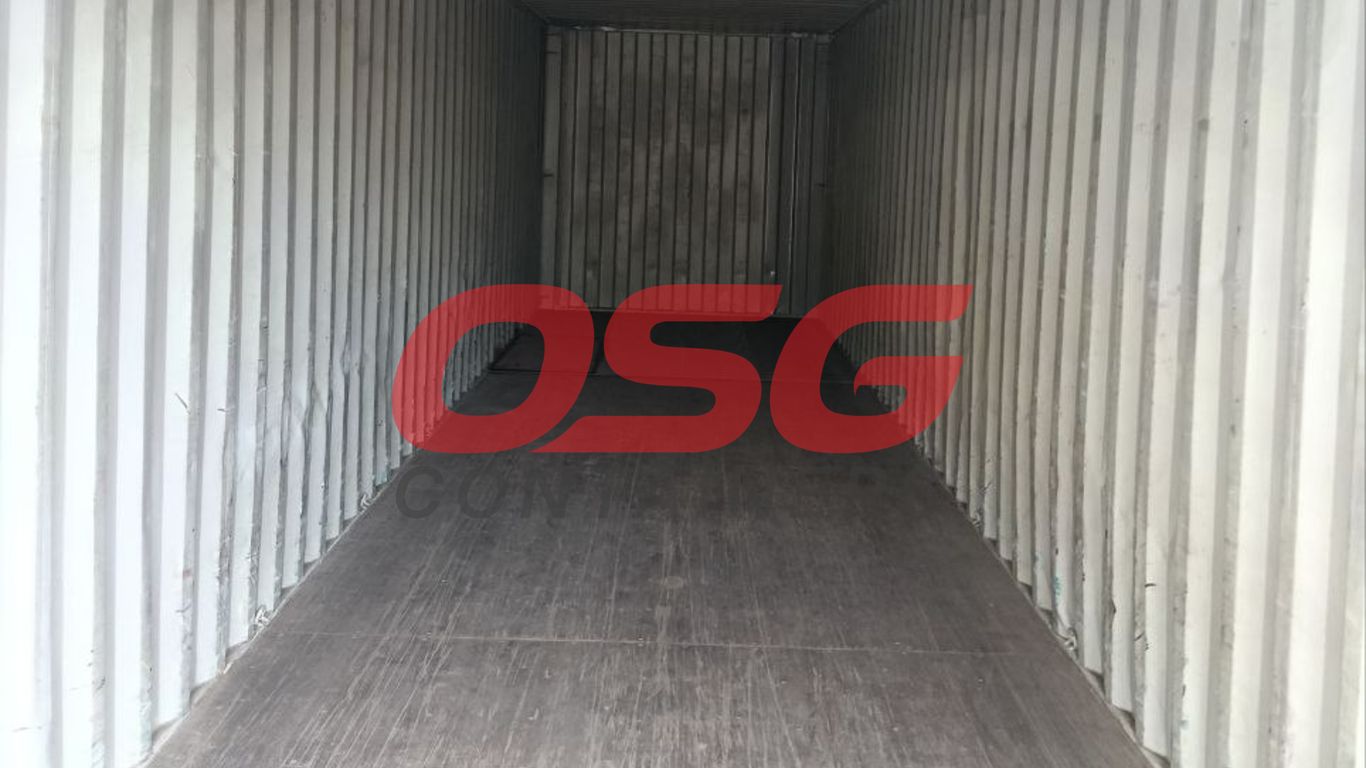
Shipping big stuff can be a real headache, right? Standard containers just don’t cut it sometimes. That’s where open top containers come in. They’re basically like regular shipping containers, but without a solid roof. This makes them super handy for loading and moving things that are too tall, too heavy, or just plain awkward to fit into a normal box. Think big machinery, construction materials, or anything that needs to be lifted from above. They’re a pretty smart solution for some tricky shipping jobs.
Key Takeaways
- Open top containers feature a removable roof, making them ideal for loading oversized or heavy items from above using cranes or forklifts.
- They are perfect for shipping items that won’t fit in standard containers, like heavy machinery, construction parts, and oddly shaped goods.
- The open design makes loading and unloading faster and easier, saving time and labor costs compared to regular containers.
- Available in common 20ft and 40ft sizes, these containers offer a lot of space for demanding shipments.
- While the top is open, a removable tarp cover protects cargo from weather, and securing points keep everything stable during transit.
Understanding The Open Top Container Design
What Defines An Open Top Container
So, what exactly makes an open top container different from the regular ones you see everywhere? Well, the main thing is right there in the name: it doesn’t have a solid, fixed roof. Instead of steel, the top is covered by a heavy-duty, removable tarpaulin. This makes it super handy for loading things that are too tall or too bulky to fit through the doors of a standard container. Think of it like a regular box, but you can load stuff straight down from the sky. This open design is the key feature that sets it apart.
Key Structural Components Of Open Top Containers
Even though the roof is missing, these containers are built to be tough. They have the same strong steel walls and a sturdy wooden floor as standard containers, so they can handle heavy loads. The walls are designed to stay rigid without a fixed roof, often with the help of metal bars, called roof bows, that support the tarp. These bows can usually be removed to give you even more clearance when loading. The base dimensions are also the same as standard 20-foot and 40-foot containers, meaning they fit on ships and trains just like any other.
Here’s a quick look at the main parts:
- Steel Walls: Provide the main structure and strength.
- Wooden Floor: A solid base for cargo.
- Removable Tarp: Covers the top to protect from weather.
- Roof Bows: Metal supports for the tarp, often removable.
- Lashing Points: Rings or hooks along the sides to secure the cargo.
Loading really tall or awkwardly shaped items can be a real pain with standard containers. You’re often stuck trying to maneuver things through a door that’s just too small. Open top containers get rid of that problem entirely by letting you load from directly above.
Removable Tarp Cover For Protection
Now, you might be thinking, ‘If the top is open, how does my stuff stay dry?’ That’s where the removable tarp comes in. It’s made of strong, waterproof material and is designed to fit snugly over the top. It’s secured down to the sides of the container, kind of like a big, heavy-duty blanket. This protects your cargo from rain, snow, and sun while it’s on its journey. When you need to load or unload, you just unstrap and roll it back. It’s a pretty simple but effective way to keep your goods safe from the elements.
Advantages Of Open Top Containers For Oversized Cargo
When you’ve got cargo that just doesn’t fit the usual mold, open top containers really come into their own. They’re built with a specific problem in mind: how to make moving big, awkward, or tall stuff a whole lot easier. Standard containers are great for a lot of things, but they have their limits, especially when you’re dealing with items that are taller than the door or too wide to maneuver.
Flexible Top Access For Loading
Forget trying to jam a giant piece of equipment through a regular container door. Open top containers ditch the fixed roof, giving you a wide-open space from above. This means you can use cranes or forklifts to lift cargo straight in from the top. It’s a total game-changer for items that are taller than a standard container or just too bulky to get in any other way. This makes loading much less of a headache.
Streamlined Loading And Unloading Processes
Because you can load from the top, the whole process gets a lot quicker. No more fiddling with tight door openings or complicated maneuvering. Cranes can just pick up the item and drop it right in. This speed translates directly into saving time and, let’s be honest, money on labor and equipment rental. It also makes it way easier to check on your cargo before you seal it up.
Accommodating Irregularly Shaped Items
Sometimes, cargo isn’t just big, it’s also oddly shaped. Think about large industrial parts, pre-fabricated building sections, or even large sculptures. Trying to fit these into a standard container can be a nightmare, leading to damage or the inability to ship them at all. The open top design removes the height restriction and allows for more flexible placement, making it possible to ship items that would otherwise be impossible to transport via container.
The ability to load from the top significantly reduces the risk of damage during the loading process. Instead of trying to force an item through a narrow opening, it can be carefully lowered into place, minimizing contact and potential scrapes or dents.
Here’s a quick look at how the loading process can be simplified:
- Crane Loading: The most common method for heavy or tall items. A crane can lift the cargo directly over the container and lower it into position.
- Forklift Loading: For items that can be lifted from the side but still exceed standard door height, forklifts can be used in conjunction with the open top.
- Direct Placement: For bulk materials, conveyor belts or other machinery can deposit goods directly into the container.
This flexibility in loading directly impacts the efficiency and cost-effectiveness of shipping oversized items. It’s not just about fitting the item; it’s about doing it safely and quickly.
Ideal Cargo Applications For Open Top Containers
Transporting Heavy Machinery and Equipment
When you’ve got massive pieces of machinery or equipment that just won’t fit through the doors of a standard container, the open top is your best friend. Think industrial presses, large generators, or even parts of construction vehicles. These items are often too tall or too wide. The beauty of the open top is that you can use a crane to lift the equipment straight down from above, placing it exactly where it needs to be inside the container. This makes loading way simpler and safer than trying to force a big item through a small opening.
Handling Bulk Materials Efficiently
Got a lot of loose stuff like coal, gravel, scrap metal, or even agricultural products? Open top containers are fantastic for this. Instead of struggling to load through side doors, you can just dump the material in from the top. This can be done with conveyor belts or by tipping trucks, which is a lot faster. The removable tarp cover is key here, keeping everything contained and protected from rain, sun, and wind during its journey. It really simplifies moving large quantities of raw materials.
Shipping Construction Components and Materials
Construction projects often involve items that are just too big for regular containers. We’re talking about things like pre-fabricated building sections, large pipes, steel beams, or even components for things like swimming pools. These items frequently go over the height or width limits of standard containers. Open top containers give you the necessary clearance and that easy top-access loading, making the whole shipping process much smoother. This flexibility is a big deal for keeping construction projects on schedule.
Open top containers are a game-changer for cargo that doesn’t conform to standard shipping dimensions. They simplify loading, reduce the risk of damage, and ultimately save time and money on transport.
Open Top Versus Standard Shipping Containers
Key Differences in Roof Type and Access
Standard shipping containers are built with a solid, fixed metal roof. This design is great for keeping everything inside protected from rain, snow, and dust, but it really limits what you can put inside. Loading tall items or things that are wider than the door opening becomes a real headache, if not impossible. You’re pretty much stuck with loading through the end doors.
Open top containers, on the other hand, ditch that fixed roof. Instead, they have a removable tarp that covers the top. This makes a huge difference. You can load cargo from directly above, usually with a crane. This is a game-changer for really tall equipment or irregularly shaped items that just won’t fit through standard doors. Think of loading a big piece of machinery or a large industrial component – an open top makes that way simpler.
When to Choose an Open Top Container
So, when should you go for an open top instead of a standard container? It really comes down to your cargo. If you’re shipping:
- Heavy machinery or equipment that’s taller than a standard container.
- Large, irregularly shaped items that are difficult to maneuver through doors.
- Bulk materials that can be easily loaded from above with a crane or conveyor.
- Construction materials like pipes or beams that exceed standard height limits.
Then an open top container is likely your best bet. They offer that flexibility that standard containers just can’t match for these types of loads.
Limitations and Considerations for Open Tops
While open tops are fantastic for certain jobs, they aren’t a perfect replacement for standard containers in every situation. The biggest consideration is weather protection. That removable tarp does a decent job, but it’s not as secure or waterproof as a solid metal roof. You’ll need to make sure the tarp is properly secured and might need extra measures for very sensitive cargo.
Also, while they come in standard sizes like the 20 ft container and 40 feet container, modified open tops might have slightly different load capacities compared to factory-built ones. Availability can sometimes be an issue too, especially for specific sizes or high-cube models. You’ll also find they can be a bit more expensive upfront than a standard container, and securing the cargo properly with lashing points is absolutely critical to prevent shifting during transit.
Loading and securing cargo in an open top container requires a bit more planning. You need to think about how the cargo will be lifted, how it will sit inside, and how it will be tied down securely to prevent movement. It’s not just about fitting it in; it’s about making sure it stays put for the entire journey.
Securing Cargo Within Open Top Containers
Alright, so you’ve got this big, awkward piece of equipment or a pile of bulk stuff that just won’t fit into a regular shipping container. You’ve opted for an open-top, which is smart. But now comes the really important part: making sure it doesn’t turn into a disaster halfway through its journey. Securing your load properly in an open-top container is absolutely key.
How Open Top Containers Secure Cargo
These containers are designed with security in mind, even without a solid roof. The main way things are kept in place is through a system of lashing points, which are basically strong metal loops welded onto the container’s internal walls and floor. Think of them as anchor points. You’ll use heavy-duty straps, ropes, or chains to tie down your cargo to these points. This stops your load from shifting around, which is super important when you’re dealing with heavy items that could cause a lot of damage if they start sliding.
Here’s a breakdown of how it works:
- Lashing Points: These are your primary tie-down spots. Make sure you know where they are and how many are available for your specific container.
- Straps and Chains: Use high-quality, load-rated straps or chains. The type you need will depend on the weight and shape of your cargo.
- Tensioning: Properly tensioning your straps or chains is vital. They need to be tight enough to prevent movement but not so tight that they damage the cargo or the container itself.
- Load Distribution: Evenly distributing the weight of your cargo is also a big part of securing it. A load that’s all bunched up on one side is more likely to shift, no matter how well it’s tied down.
When you’re loading, it’s not just about getting the item in. You need to think about how it will be secured before you start. Planning the tie-down points and method during the loading process saves a lot of headaches later. It’s about preventing movement in all directions – forward, backward, and sideways.
Reinforced Flooring For Heavy Loads
Beyond the lashing points, the floor of an open-top container is usually built to be pretty tough. They’re typically made of strong hardwood or steel, designed to handle significant weight. This reinforced flooring is the foundation for your cargo. It needs to be able to support the immense pressure of heavy machinery or dense bulk materials without buckling or breaking. When you’re placing heavy items, you want to ensure they’re positioned over the strongest parts of the floor, often directly above the cross members that run underneath. This prevents concentrated stress on any single point, which could lead to damage to the container floor.
Types Of Open Top Containers Available
When you’re looking at shipping solutions, especially for stuff that’s a bit too big or awkward for a regular box, you’ll find that open top containers aren’t all just one thing. They generally fall into a couple of categories, depending on how they’re made and what you need them for. It’s good to know the difference, especially if you’re thinking about container renting for a specific job.
Factory-Built Open Top Containers
These are the ones you’ll see most often. They’re built from the ground up with the open top design in mind. Think of them as purpose-built. They have the standard steel frame and walls, but instead of a solid roof, they have a strong metal bow system that supports a heavy-duty tarp. This is the most common type you’ll find when you’re looking for a cntr open top.
- Standard Sizes: Usually available in 20-foot and 40-foot lengths, just like regular containers.
- Durable Construction: Made with the same tough steel as standard containers, so they can handle rough transport.
- Removable Tarp: The tarp is designed to be secured tightly, protecting your cargo from weather while still allowing for that crucial top-loading access.
Modified Open Top Containers
Sometimes, you might need an open top container but can’t find a factory-built one in the exact size or configuration you need. That’s where modifications come in. People take standard shipping containers and cut off the roof, then add the necessary bows and tarp system. This is often done when a specific size isn’t readily available or for unique projects.
While modified containers can be a good solution, it’s important to check their structural integrity. Factory-built units are generally engineered for this specific design, so a modified one might have different load-bearing capabilities or require extra checks.
- Customization: Can be adapted to specific dimensions if needed.
- Cost-Effectiveness: Sometimes cheaper than sourcing a specialized factory-built unit, especially for short-term needs.
- Availability: Can be a good option if standard factory-built cntr open top units are scarce in your area or for container renting.
When you’re deciding, think about the weight and shape of your cargo, how you’ll be loading it, and how long you’ll need it. Both types serve the purpose of getting oversized items moved, but knowing the difference helps you make the best choice for your shipping needs.
Wrapping It Up
So, when you’ve got something that just won’t fit into a regular box, or when you need to load things from way up high, the open top container is your friend. They might seem a bit different with that missing roof, but they really solve some big problems for shipping all sorts of awkward, tall, or super heavy stuff. They make loading easier, save you time, and get the job done when standard containers just can’t. It’s a smart way to move things that would otherwise be a total headache.
Frequently Asked Questions
What makes an open top container different from a regular one?
The biggest difference is the roof! A regular container has a solid metal roof. An open top container doesn’t have a fixed roof; instead, it has a removable tarp that covers the top. This makes it easier to load really tall or bulky items from above.
What kind of stuff is best to ship in an open top container?
These containers are perfect for things that are too big or awkwardly shaped for a standard container. Think heavy machinery, large construction parts like beams, or even loose materials like scrap metal or gravel that can be loaded from the top.
How do you load heavy items into an open top container?
Loading is usually done from the top using a crane. The open space allows the crane to easily lift heavy equipment or materials and place them directly inside the container. This is much simpler than trying to fit them through the doors of a regular container.
Does the open top mean my cargo won’t be protected from the weather?
Not at all! While the roof is open for loading, a strong, waterproof tarp is used to cover the cargo once it’s inside. This tarp protects your shipment from rain, sun, and other weather conditions during its journey.
Are open top containers available in different sizes?
Yes, they generally come in the same common sizes as standard containers, like 20-foot and 40-foot lengths. This makes them compatible with standard shipping equipment and logistics.
Are there any downsides to using an open top container?
They can sometimes be a bit more expensive than standard containers. Also, because the top is exposed before being covered by the tarp, extra care is needed to make sure the cargo is properly secured and protected from the elements during transit.