Singapore
 Australia
 Indonesia
 Japan
Japan Malaysia
 New Zealand
 Philippines
 South Korea
 Taiwan
 Thailand
 VIETNAM
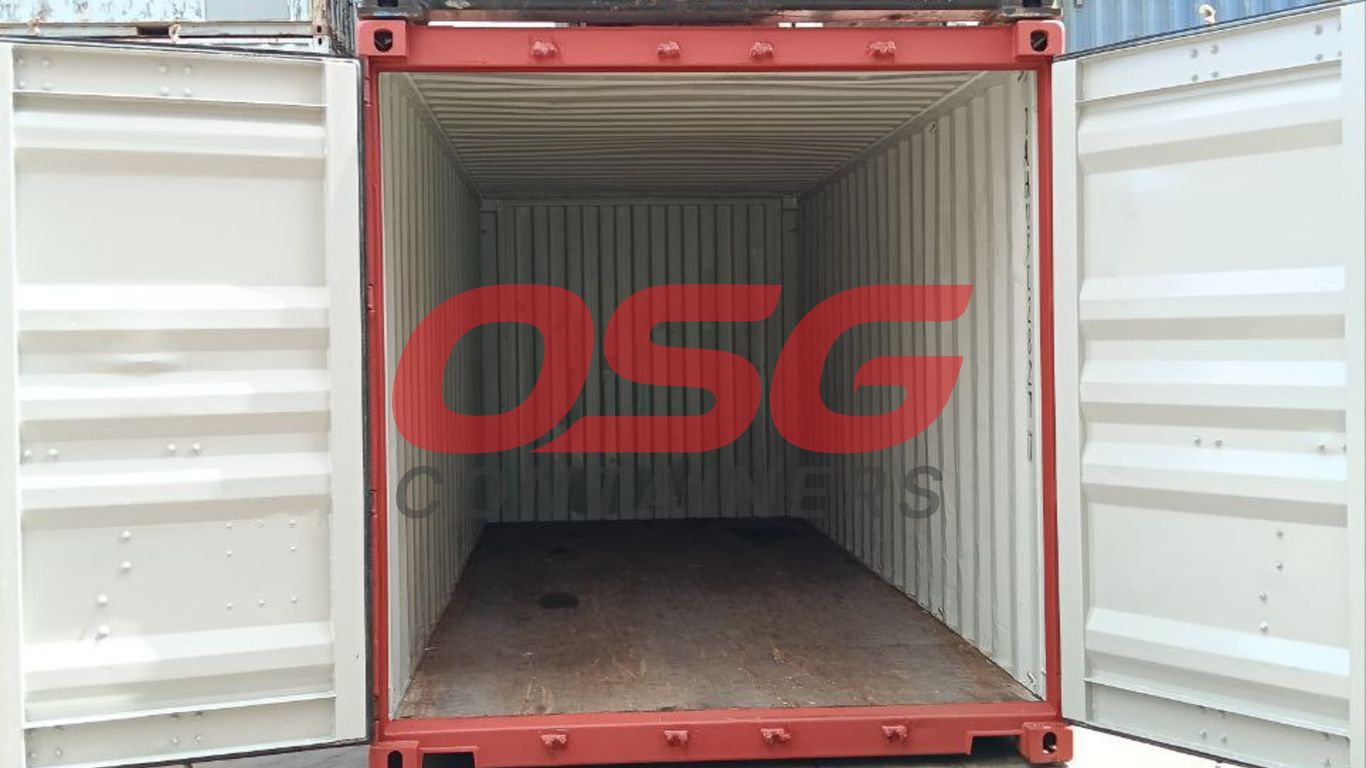
When you’re moving stuff, especially the big or oddly shaped kind, sometimes a regular box just won’t cut it. That’s where open-top containers come in. They’re like the workhorses of the shipping world, designed to make loading and moving things that don’t fit standard molds a whole lot easier. Think of them as giving you more room to play with when things get complicated.
Key Takeaways
- Open-top containers are great for stuff that’s too tall or awkwardly shaped for regular containers, making loading from the top simple with cranes.
- They have a removable cover, usually a tarp, that keeps your cargo protected from the weather once it’s loaded.
- You’ll find these containers used a lot for heavy machinery, big construction parts, and bulk materials that need easy top access.
- Standard sizes are 20-foot and 40-foot, but the real benefit is the extra height flexibility you get without a fixed roof.
- Using open-top containers can save time and money by making loading and unloading quicker and handling difficult items more straightforward.
The Unrivaled Versatility Of Open Top Containers
When standard shipping containers just won’t cut it, open-top containers step in to save the day. These aren’t your everyday boxes; they’re designed with a specific kind of flexibility in mind. Think of them as the adaptable workhorses of the shipping world, ready to handle cargo that defies conventional shapes and sizes. Whether you’re moving a massive piece of industrial equipment or a load of awkwardly shaped building materials, an open-top container offers a practical solution.
Accommodating Oversized And Awkwardly Shaped Cargo
This is where open-top containers truly shine. Because they lack a fixed roof, you can load items that are too tall or too wide to fit through the doors of a regular container. Loading happens from the top, usually with a crane, making it possible to handle things like large machinery, pre-fabricated building sections, or even specialized items like an isotank that might not fit standard dimensions. The ability to load vertically is a game-changer for bulky or irregularly shaped goods.
Simplifying Loading And Unloading Processes
Forget the struggle of trying to maneuver large items through narrow container doors. With an open top, loading and unloading become much more straightforward. Cranes can lift cargo directly into the container, and similarly, lift it out with ease. This not only speeds up the process but also reduces the risk of damage that can happen when trying to force oversized items into a confined space. It makes handling heavy loads significantly less of a headache.
Enhancing Ventilation For Sensitive Goods
While not their primary function, the open nature of these containers can also be beneficial for certain types of cargo that require airflow. For goods that need to breathe, like some agricultural products or specific chemicals, the ability to have air circulate can be important during transit. Of course, this comes with the need for proper covering to protect against the elements, but the option for ventilation is there, adding another layer to their versatility.
Key Features That Define Open Top Container Utility
The Advantage Of An Open Roof Design
What really sets open-top containers apart is, well, the open top. Unlike standard containers with solid roofs, these have no ceiling. This design choice is a game-changer for a few reasons. First off, it means you can load and unload cargo from directly above. Think big stuff, like industrial machinery or construction beams, that just won’t fit through a regular container door. Cranes can easily lift these items right into the container, saving a ton of hassle and time. It also means you can stack cargo higher than the container walls, making the most of the vertical space.
Removable Covers For Protection And Access
Now, just because it’s open at the top doesn’t mean your cargo is left out in the elements. Most open-top containers come with a heavy-duty tarpaulin or a removable hard-top cover. This cover is usually made of strong, weather-resistant material. It’s designed to be secured tightly, keeping rain, snow, and dust out. When you need to load or unload, this cover can be easily rolled back or lifted off. This combination of open access for loading and a secure cover for transit is pretty neat.
Integrated Lashing Points For Securement
Getting cargo safely secured inside any container is super important, and open-tops are no different. They’re built with a bunch of strong metal loops, called lashing points, welded along the inside walls and sometimes the floor. These points are where you attach straps, chains, or cables to hold your cargo firmly in place. This stops things from shifting around during the journey, which could cause damage or even be dangerous. Having plenty of these secure points means you can tie down all sorts of oddly shaped or heavy items effectively.
The ability to load from above and secure cargo with multiple tie-down points makes these containers incredibly useful for items that standard containers just can’t handle. It’s all about making sure big, awkward, or tall things can be shipped safely and efficiently.
Here’s a quick look at what makes them work:
- Open Top: Allows for overhead loading and extra height.
- Removable Cover: Provides weather protection when needed.
- Lashing Points: Multiple points for securing cargo firmly.
Strategic Applications Of Open Top Container Logistics
When it comes to tricky cargo, open top containers feel like a cheat code. Their design isn’t just for show—it’s the linchpin for moving the stuff people usually dread putting on a ship or truck. You start to see their value the minute you’re tasked with shipping something big, odd-shaped, or just plain heavy.
Transporting Heavy Machinery And Industrial Equipment
Open top containers really shine when machinery just doesn’t fit in a standard box. Think about cranes, turbines, engines, or even manufacturing presses. None of these things break down easily. Open tops let you load them from above using cranes, often in one piece, which saves everyone a lot of hassle and lowers the risk of damaging the equipment by having to disassemble and reassemble.
- No need to disassemble large items
- Overhead loading keeps things efficient (heavy lifts, minimal handling)
- Easy access for secure strapping and safety checks
Shipping Construction Materials And Infrastructure Components
If you’ve ever been to a construction site, you know steel beams, pipes, and precast concrete slabs don’t exactly slip into standard containers. Here’s where open tops rise above:
| Material Type | Standard Container Fit | Open Top Container Fit |
|---|---|---|
| Steel Beams | No | Yes |
| Concrete Segments | No | Yes |
| Pipes (long) | Rarely | Yes |
- Perfect for long items that need to be lifted and dropped in
- Reduces need for special trailers or flat racks
- Protects cargo with removable tarps when the job’s done
Handling Bulk Cargo And Raw Materials Efficiently
Certain goods like bulk minerals, scrap metal, or logs are notorious for causing headaches during shipping. Open tops make life easier because you can just pour, drop, or lower these materials straight in.
- Handles irregular shapes and loose materials
- Streamlines processes for both loading and unloading
- Reduces labor and time compared to old-school break bulk methods
Sometimes the biggest win is just not fighting your cargo. With open top containers, what once seemed like a logistical brick wall suddenly feels like another straightforward day at work.
Navigating The Dimensions Of Open Top Shipping
When you’re dealing with cargo that just won’t fit into a standard box, the dimensions of your container become super important. Open-top containers come in the usual lengths, but their real magic is in how they handle height and access. It’s not just about fitting things in; it’s about how you get them in and out, and how securely they travel.
Understanding Standard 20-Foot Open Top Dimensions
A 20-foot open-top container is a workhorse for many types of bulky goods. While the exterior length is around 19.4 feet, the real benefit is the ability to load items vertically. This means you can ship things that are taller than a regular container would allow, as long as they can be secured and covered.
- Length: Approximately 5.9 meters (19.4 feet)
- Width: Around 2.35 meters (7.7 feet)
- Internal Height (Max): Varies, but the open top allows for loads exceeding standard container height.
- Payload Capacity: Typically up to 28,000 kg (61,700 lbs).
Exploring The Capacity Of 40-Foot Open Top Containers
If you’ve got even bigger items, the 40-foot open-top is your go-to. It offers double the length of its smaller sibling, giving you much more room for lengthy or multiple oversized pieces. Like the 20-foot version, the lack of a fixed roof is the key feature.
| Dimension | Measurement (Approx.) |
|---|---|
| Length | 12.03 meters (39.4 feet) |
| Width | 2.35 meters (7.7 feet) |
| Internal Height (Max) | Varies, open top allows for taller loads |
| Payload Capacity | Up to 26,000 kg (57,300 lbs) |
The Impact Of Height Flexibility On Cargo Options
The most significant advantage these containers offer is their height flexibility. Because the roof is open and often covered with a removable tarpaulin, you aren’t limited by a fixed ceiling. This opens up shipping possibilities for items like:
- Tall industrial machinery
- Construction beams and columns
- Large vehicle parts or even whole vehicles
- Specialized equipment for energy projects
The ability to load cargo from above using cranes or other lifting gear is what truly defines the utility of open-top containers. This vertical access method simplifies the loading process for items that would be impossible or extremely difficult to maneuver through standard container doors. It’s a practical solution for goods that exceed typical size constraints, making global transport feasible for a wider range of industries and products.
This flexibility means that if your item is too tall for a standard container, an open-top might be the perfect solution, provided it can be properly secured and protected from the elements during transit.
The Strategic Advantage Of Open Top Container Transportation
When you’re moving stuff that just doesn’t fit neatly into a box, open-top containers really come into their own. They’re not just containers; they’re a smart way to handle tricky cargo. Think about it – trying to load a giant piece of machinery through the tiny door of a regular container? It’s a headache. Open tops let you just lift it straight in from the top. This makes a huge difference in how fast and how easily things get done.
Streamlining Complex Global Cargo Movements
Moving large or oddly shaped items across the globe used to be a massive puzzle. Open-top containers simplify this a lot. Because you can load from above, you can get things like industrial boilers, large pipes, or even parts of wind turbines onto a ship much faster. This means less time spent on the dock and less money spent on labor. It’s all about making those big, complicated moves feel a bit more straightforward.
Ensuring Cargo Security During Transit
Once your cargo is loaded, you need to make sure it stays put. Open-top containers have these strong metal loops, called lashing points, all around the inside. You can use heavy-duty straps or chains to tie down your cargo securely. Then, a tough, waterproof tarp is usually thrown over the top and secured. This keeps everything from shifting around during the journey and protects it from the weather. It’s a pretty solid system for keeping valuable or heavy items safe.
Reducing Costs Through Efficient Handling
Let’s be real, saving money is always a good thing. Open-top containers help with that in a few ways. First, the faster loading and unloading means you pay less for port fees and labor. Second, you often avoid the need for super specialized lifting equipment that you might need for other types of containers. And third, by not having to take apart large items to fit them into smaller spaces, you save on reassembly costs at the other end. It all adds up to a more budget-friendly way to ship.
Here’s a quick look at what makes them so useful:
- Vertical Loading: The open roof allows for easy loading with cranes or forklifts.
- Securement Options: Integrated lashing points provide strong anchor points for cargo.
- Weather Protection: Removable tarps or covers shield goods from rain and sun.
- Versatile Fit: Accommodates cargo that’s too tall or bulky for standard containers.
The real benefit of open-top containers is the flexibility they bring to the table. They solve problems that other container types just can’t, making them indispensable for certain types of shipments. It’s about finding the right tool for the job, and for big, awkward cargo, the open top is often the best choice.
Optimizing Logistics With Open Top Container Solutions
The Role of Expert Handlers in Open Top Logistics
Getting those big, awkward items from point A to point B isn’t just about having the right shipping container; it’s a whole process. Think of it like packing for a really complicated trip. You need someone who knows the best way to fit everything, where to put the heavy stuff, and how to make sure it doesn’t shift around. That’s where the pros come in. They’re the ones who really make open-top container logistics work smoothly. They know how to use every inch of space, plan the quickest routes, and steer clear of problems that can pop up.
- Understanding Cargo Needs: Experts can tell if an item is too tall for a standard container or if its shape makes loading difficult.
- Equipment Coordination: They arrange for cranes or other lifting gear needed for vertical loading.
- Securing the Load: Knowing the best way to use lashing points and straps to keep everything stable.
- Route Planning: Figuring out the best path, especially if the cargo is over-height or over-width.
Planning Efficient Routes for Specialized Cargo
When you’re dealing with something like a 20 ft container that needs to carry a piece of machinery taller than usual, or even a 40-foot sea container holding a long industrial pipe, the route matters a lot. It’s not just about getting from the factory to the port. You have to think about bridges, power lines, and any other obstacles that might be too low. This is where careful planning saves a ton of headaches and delays. A well-planned route means your cargo arrives on time and without any unexpected issues.
Specialized cargo often requires permits for over-dimensional loads. Coordinating these permits well in advance is a key part of route planning to avoid costly delays at checkpoints or during transit.
Leveraging Open Top Containers for a Competitive Edge
Using open-top containers can really set a business apart. If you can move large or oddly shaped items more easily and often faster than competitors who might have to break them down or use less efficient methods, that’s a big win. It means you can take on projects others can’t, or simply get goods to market quicker. Whether it’s a standard 20 foot container carrying construction beams or a specialized setup for a unique piece of equipment, the flexibility these containers provide translates directly into business advantages. This adaptability is what makes them so valuable in today’s fast-paced global trade.
| Container Type | Typical Payload (kg) | Key Advantage |
|---|---|---|
| 20 ft Open Top | ~28,000 | Vertical loading, accommodates taller items |
| 40 ft Open Top | ~30,000 | Larger volume, suitable for long, bulky items |
| Standard 20 ft | ~28,000 | General cargo, standard dimensions |
Wrapping It Up: Open-Top Containers and Your Logistics Game
So, we’ve talked a lot about these open-top containers. They’re not just some weird box without a roof; they’re actually pretty smart tools for moving stuff that doesn’t fit in your average shipping container. Think big machinery, long pipes, or anything awkward. Being able to load from the top with a crane really changes things, making the whole process faster and often cheaper. Plus, they’re tough and can handle rough journeys. As shipping keeps changing and we move bigger, weirder things, these containers are going to be even more important. They really do give you more options and make tough jobs easier. So, next time you’re thinking about moving something big, remember the open-top container – it might just be the perfect fit.
Frequently Asked Questions
What exactly is an open-top container?
Think of a regular shipping box, but without a roof! An open-top container is like that – it’s a big metal box that’s open at the very top. Instead of a solid roof, it usually has a strong, waterproof cover, like a tarp, that you can take off. This makes it super easy to load and unload tall or bulky stuff from above.
What kind of things do people usually ship in these containers?
These containers are awesome for stuff that’s too big, too tall, or shaped funny to fit in a normal container. Imagine shipping huge machines, long pipes for building things, big trucks, or even parts for airplanes. If it doesn’t fit through the doors of a regular container, an open-top is probably the way to go.
How do you keep the stuff inside safe and secure?
Even though it doesn’t have a roof, your cargo is still kept safe. The container has strong metal loops, called lashing points, all around the inside. You use tough straps or ropes to tie down your cargo really well. Then, the removable cover (like a tarp) goes over the top to protect it from rain, wind, and sun.
Are there different sizes of open-top containers?
Yes, just like regular shipping containers, they come in common sizes. The most popular ones are the 20-foot and 40-foot lengths. The main difference is how much space you have inside, especially vertically, since you can load things from the top.
Is it hard to load things into an open-top container?
Actually, it’s often easier! Because the top is open, you can use big cranes or forklifts to lift heavy or awkward items straight in from above. This is way simpler and faster than trying to force something through the side doors of a regular container.
Can these containers be used for regular trips around the world?
Absolutely! Open-top containers are used for shipping all over the globe. They’re a fantastic choice for moving big projects, like parts for new buildings or factories, from one country to another. They make shipping those tricky items much more manageable and often cheaper.