Singapore
 Australia
 Indonesia
 Japan
Japan Malaysia
 New Zealand
 Philippines
 South Korea
 Taiwan
 Thailand
 VIETNAM
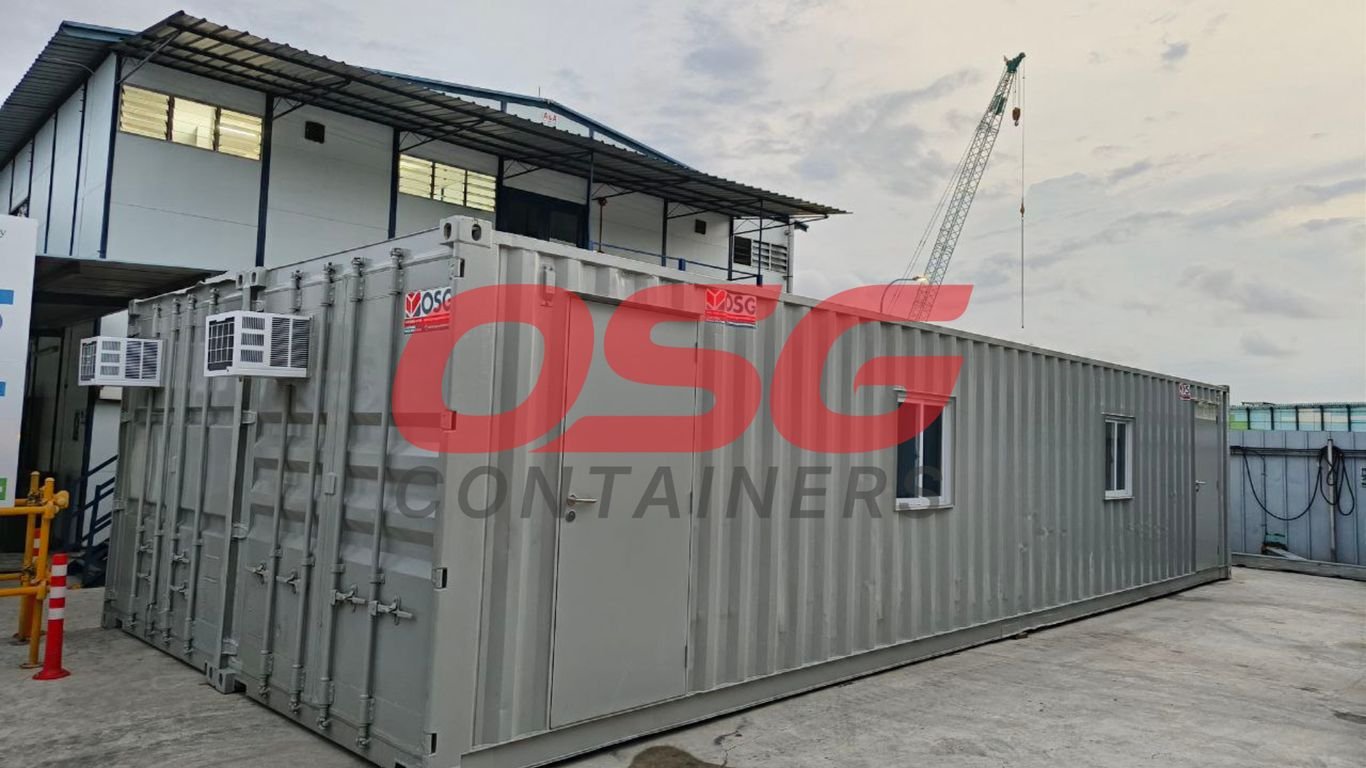
So, you’re wondering what exactly fits into a 20-foot container? It’s a common question, whether you’re moving house, starting a business, or just need some extra storage. These containers are surprisingly versatile, and understanding their capacity is key to making the most of them. We’re going to break down what a 20-foot container is all about, how much you can actually pack in there, and even some cool ways people use them beyond just shipping.
Key Takeaways
- A 20-foot container has specific external and internal dimensions, totaling about 1,172 cubic feet of space, which is important for planning what fits inside.
- You can store a wide variety of items, from household goods and appliances to multiple cars and thousands of smaller items like shoe boxes or paper clips.
- Maximizing space involves strategic packing, like dismantling furniture, using vertical space, filling gaps, and planning your loading order.
- Beyond storage and shipping, 20-foot containers are often converted into practical spaces like mobile offices, workshops, or home gyms.
- Shipping costs for a 20-foot container depend on what you’re sending, where it’s going, and the transport method, making a detailed loading plan important for accuracy.
Understanding The 20-Foot Container Dimensions
External Measurements Of A Container 20 Feet
When you picture a 20-foot shipping container, you’re probably thinking about its outside size. This is what matters most when you’re figuring out where it will go, whether that’s on a truck, a ship, or in your yard. These containers are built tough, usually from a special kind of steel that can handle pretty much anything the weather throws at it. They’re designed to be stacked, too, which is why they have a pretty standard shape.
Here are the typical outside measurements:
- Length: 20 feet (about 6.1 meters)
- Width: 8 feet (about 2.4 meters)
- Height: 8.5 feet (about 2.6 meters)
These external dimensions are key for logistics and placement. It’s like knowing the footprint of a small building.
Internal Space Within A Container 20 Feet
Now, the outside measurements are one thing, but what you can actually put inside is a bit different. The walls, floor, and ceiling take up some space. So, while the outside is 20 feet long, the usable length inside is less. This is where you really need to pay attention when you’re planning what to pack.
Think of it like buying a box – the box itself is a certain size, but the space inside where you put your stuff is a little smaller. For a 20-foot container, you’re looking at:
- Internal Length: Around 19 feet 4 inches (about 5.9 meters)
- Internal Width: Around 7 feet 9 inches (about 2.35 meters)
- Internal Height: Around 7 feet 10 inches (about 2.39 meters)
It’s not a huge difference, but it adds up, especially when you’re trying to fit a lot in.
Calculating Usable Capacity
So, how do you figure out the actual amount of stuff you can fit? It comes down to volume. We’ve got the internal dimensions, and we can use those to calculate the total space inside. This is usually measured in cubic feet or cubic meters.
For a standard 20-foot container, the internal volume is roughly:
- In Cubic Feet: About 1,172 cubic feet
- In Cubic Meters: About 33 cubic meters
This volume is your theoretical maximum. In reality, how you pack, the shape of your items, and whether you can stack things will affect how much you can actually use. It’s a bit like playing Tetris, but with your belongings.
Knowing these numbers helps you decide if a 20-foot container is the right size for your needs, whether you’re moving house, storing items, or even planning a cool conversion project.
What Can Be Stored In A Container 20 Feet
So, you’ve got a 20-foot container and you’re wondering what exactly can fit inside? It’s a common question, and the answer is, "a lot more than you might think." These containers are workhorses, whether you’re moving house, storing business inventory, or even planning a cool conversion project. Let’s break down what you can realistically pack into a 20ft container.
Estimating Box Capacity For A Container 20 Feet
When it comes to packing boxes, the number you can fit really depends on the size of those boxes. If you’re dealing with small archive boxes, you might be able to squeeze in around 933. But for the average person packing up household items, think more in the range of 200 to 300 boxes. It’s like playing a giant game of Tetris, really. You want to pack them snugly, but also make sure they’re secure so nothing shifts around during transport.
Fitting Household Goods Into A Container 20 Feet
For a typical one to two-bedroom apartment, a 20-foot container is often the perfect size. You can usually fit things like:
- 2-3 sofas
- 2 double beds (with frames and mattresses)
- A dining table with 4 chairs
- A couple of TVs
- A stereo system or other electronics
- 1-2 large dressers or wardrobes
- Several smaller tables or dressers
- 3-4 large appliances (think refrigerators, washers, dryers)
- A few bookcases or smaller cabinets
The key is smart packing; dismantle what you can, use plenty of padding, and stack heavier items below lighter ones.
Storing Appliances And Electronics
When it comes to appliances and electronics, a 20ft container can hold quite a bit. For instance, you could fit around 50-60 refrigerators, or about 400 flat-screen TVs. It’s important to pack these items carefully, using protective materials to prevent damage. If you’re not using a standard container, like an open top container, you might have different considerations for securing taller items.
Remember, the internal dimensions are roughly 19.4 feet long, 7.9 feet wide, and 7.10 feet high. Always measure your items and plan your packing strategy before you start loading. It makes a huge difference.
Maximizing Space Within Your Container 20 Feet
So, you’ve got your 20-foot container, and now it’s time to figure out how to cram as much as humanly possible into it without everything turning into a jumbled mess. It’s like playing a giant game of Tetris, but with your actual stuff. Getting this right means you might avoid needing a second container, which is always a win for your wallet.
Strategic Packing Of Furniture
When it comes to furniture, think about taking it apart. That big couch? If you can remove the legs or cushions, do it. Wardrobes, tables, even beds – if they can be disassembled into flatter, more manageable pieces, you’re golden. This not only makes them easier to fit but also protects them from getting banged up during the move. Imagine fitting two flat-packed tables where you could only fit one assembled one. It makes a difference.
- Disassemble: Take apart anything with removable legs, shelves, or sections.
- Protect: Wrap delicate parts or corners to prevent scratches.
- Stack: Arrange the disassembled pieces so they can be stacked efficiently, like a puzzle.
Utilizing Vertical Space And Corners
Don’t just think about the floor space. The walls and ceiling of the container are prime real estate too! You can use straps to secure items higher up, or even build makeshift shelves if you’re feeling ambitious (and have the right materials). Corners are often wasted space, but you can tuck smaller, oddly shaped items into them. Think about how a tall, skinny lamp might fit perfectly in a corner that would otherwise be empty.
- Stack high: Load heavier items on the bottom and build upwards carefully.
- Secure: Use straps or netting to keep items from shifting, especially if stacked high.
- Fill corners: Tuck in smaller boxes, bags, or loose items that won’t fit elsewhere.
Filling Gaps With Smaller Items
Once the big stuff is in place, you’ll notice all sorts of little gaps and spaces. This is where your smaller items come in handy. Think blankets, pillows, bags of clothes, or even smaller boxes. Stuff them into these nooks and crannies. It stops larger items from moving around and makes the most of every single inch. It’s the difference between a container that’s just ‘full’ and one that’s packed tight.
The goal is to create a solid, dense load. Every bit of empty space is an opportunity lost. Imagine trying to shake the container – ideally, nothing should move. This density not only maximizes capacity but also helps keep your belongings secure during transit.
Here’s a quick look at how different items can fill those tricky spots:
| Item Type | Best Use for Gaps |
|---|---|
| Soft Furnishings | Stuff into spaces around furniture, fill voids. |
| Bags/Duffels | Tuck into corners and between larger, rigid items. |
| Small Boxes | Fit into any remaining open areas on shelves or floor. |
| Loose Items | Wrap in blankets and place in any available space. |
Creative Uses For A Container 20 Feet
Transforming Into Mobile Offices
Forget the cramped cubicle! A 20-foot container can be surprisingly well-suited to become a functional and stylish container office. These units offer a blank canvas that can be outfitted with insulation, flooring, lighting, and even climate control. Imagine a dedicated workspace that you can set up almost anywhere, whether it’s at a remote job site or even in your own backyard. This flexibility makes a container office a game-changer for many businesses and individuals.
Key features to consider for a container office:
- Insulation: Crucial for temperature regulation and comfort.
- Electrical Wiring: For lights, computers, and other equipment.
- Windows and Doors: For natural light and access.
- Ventilation: To keep the air fresh.
Building Workshops And Home Gyms
Beyond office spaces, these containers are fantastic for creating dedicated areas for hobbies or fitness. Need a place to tinker with your projects? A 20-foot container can easily house tools, workbenches, and materials for a home workshop. Similarly, if you’re looking to set up a personal gym, the sturdy structure and ample space are perfect for housing treadmills, weight racks, and other exercise equipment. It’s a way to keep your hobbies and fitness separate from your living space without needing a whole new building.
Custom Solutions And Conversions
The real beauty of a 20-foot container lies in its adaptability. People have turned them into everything from pop-up shops and art studios to extra storage for a growing business. The possibilities are really only limited by your imagination and your budget. If you have a specific need, chances are a converted container can meet it.
When planning a conversion, always consider the local building codes and any necessary permits. While a container might seem simple, turning it into a habitable or functional space often requires approvals.
Here are a few more ideas:
- Storage Sheds: A classic, but always useful.
- Artist Studios: A private space to create.
- Event Booths: Easily transportable for markets or fairs.
- Extra Accommodation: With proper modifications, they can serve as guest rooms or small living spaces.
Shipping Vehicles With A Container 20 Feet
So, you’re thinking about shipping a car, maybe a motorcycle, or even a couple of smaller vehicles using a 20-foot container? It’s definitely doable, but it’s not quite as simple as just driving it in and calling it a day. You’ll need to be pretty strategic about how you load it to make sure everything stays put and doesn’t get damaged.
Considerations For Shipping Cars
When you’re looking at putting a car into a 20-foot container, the biggest thing is space. A standard car will pretty much fill up the container, leaving just a little bit of room, maybe enough for some spare parts or a few boxes if you’re really clever. If you’re thinking about squeezing in two smaller cars, like compacts or motorcycles, it’s technically possible, but it gets tricky. You’d likely have to overlap them a bit and definitely use straps to secure them, maybe even suspend one slightly. It’s a tight fit, and you’ve got to be careful.
Here’s a quick look at what you might fit:
| Vehicle Type | Number in 20ft Container |
|---|---|
| Standard Car | 1 |
| Small Car/SUV | 1 |
| Motorcycle | 2-3 |
| Compact Cars | 2 (with careful loading) |
Risks And Recommendations For Vehicle Transport
Loading a vehicle into a container isn’t without its risks. You’ve got to think about how it’s going to be secured. Using proper tie-down straps is a must. You don’t want your car shifting around during transit, especially on rough seas. It’s also a good idea to disconnect the battery and maybe even deflate the tires slightly to lower the center of gravity. If you’re shipping a car that runs, make sure it’s in good working order before you load it.
When shipping a vehicle, it’s generally best to use a Full Container Load (FCL) service. This means the container is exclusively for your use. Using Less Than Container Load (LCL) services, where your vehicle shares space with other cargo, significantly increases the risk of damage due to limited space and potential shifting of other goods.
International Import Regulations
This is a big one, and you absolutely cannot skip this step. Every country has its own rules about importing vehicles. Some places have really strict emissions standards, others have age limits, and some might even ban certain types of vehicles altogether. You’ll need to do your homework and check directly with the customs authorities of your destination country well in advance. Failing to do this could mean your car gets stuck at the port, you have to pay hefty fines, or worse, it might not be allowed in at all. It’s a real headache if you’re not prepared.
Cost Factors For A Container 20 Feet
So, you’re thinking about using a 20-foot container, maybe for shipping stuff overseas or just for storage. That’s cool, they’re pretty handy. But before you get too far, let’s talk about what actually goes into the price tag. It’s not just a flat fee, you know. A bunch of things can make that number go up or down.
Impact Of Item Types On Shipping Costs
What you’re actually putting inside the container makes a big difference. Are you shipping a bunch of heavy machinery? Or maybe just a few boxes of clothes? The weight and density of your items play a role. Some things might need special handling or packing, which adds to the cost. For example, shipping delicate electronics will likely cost more than shipping a load of lumber because of the extra care needed.
Destination And Transport Method Influence
Where your container is going is a huge factor. Shipping across the country is one thing, but sending it across the ocean? That’s a whole different ballgame. The distance, the ports involved, and even the time of year can affect prices. Plus, how it gets there matters. Are we talking by truck, train, or ship? Each method has its own pricing structure. Sometimes, a combination of transport methods is used, and that can add complexity to the bill.
Importance Of A Detailed Loading Plan
This is where you can actually save some money. Having a really good plan for how you’re going to load everything into the container is super important. It helps you use the space efficiently, which means you might not need a second container, or you can fit more in the one you have. This plan also gives the shipping company a clear picture of what’s going in, how heavy it is, and how it’s arranged. This accurate information helps them give you a precise quote and avoid those annoying surprise fees later on.
Here’s a quick look at what influences the cost:
- Item Characteristics: Weight, size, fragility, and any special handling needs.
- Route: Distance, number of stops, and specific port fees.
- Mode of Transport: Truck, rail, sea freight, or a combination.
- Transit Time: Expedited services usually cost more.
- Fuel Surcharges: These can fluctuate based on global oil prices.
- Insurance: Protecting your goods against loss or damage.
Think of it like packing for a trip. If you just throw things in a suitcase randomly, you might not fit everything you need and end up paying for extra baggage. But if you pack smart, folding clothes and using packing cubes, you can fit a lot more and avoid extra charges. A good loading plan for your container works the same way.
So, What’s the Verdict?
Alright, so we’ve looked at all the ways a 20-foot container can be used, from hauling tons of bananas to becoming someone’s tiny home. It’s pretty clear these metal boxes are way more than just something you see on a ship. They’re tough, they’re versatile, and honestly, they can hold a surprising amount of stuff. Whether you’re moving house, starting a business, or just need some extra space, a 20-footer is a solid option. It’s not just about fitting things in; it’s about how smartly you can use that space. So yeah, a 20-foot container can really do a lot more than you might think.
Frequently Asked Questions
What are the actual size and space inside a 20-foot container?
A standard 20-foot container is about 20 feet long, 8 feet wide, and 8.5 feet tall on the outside. Inside, you’ve got a bit less space: roughly 19.5 feet long, 7.9 feet wide, and 7.10 feet tall. This gives you about 1,172 cubic feet of room to work with, which is a good amount of space for many things!
How many moving boxes can fit into a 20-foot container?
It really depends on the size of your boxes! If you’re packing standard-sized moving boxes, you might fit around 200 to 300. But if you’re using smaller boxes, like those for office files, you could pack way more, maybe up to 933. It’s like playing Tetris, but with your stuff!
Can I ship my car in a 20-foot container?
Yes, you can ship a car in a 20-foot container! Usually, one car fits well, leaving a little extra room. While it’s possible to fit two smaller cars, it’s often not recommended because they might have to overlap, which can be risky. Always check the import rules of the country you’re sending it to, as some have strict rules about importing cars.
What kind of household items can fit inside a 20-foot container?
A 20-foot container is a great size for moving the contents of a one or two-bedroom apartment. You can fit furniture like sofas, beds, tables, chairs, plus appliances, electronics, and plenty of packed boxes. It’s like moving an average home’s worth of belongings, if you pack smart!
How should I pack furniture to make the most of the space?
To really maximize your space, try taking apart furniture that can be reassembled later. Use bubble wrap to protect everything, and stack heavier items on the bottom with lighter things on top. Fill any empty spots with smaller items or soft things like blankets to keep everything from moving around during transport.
Besides storage and moving, what else can I do with a 20-foot container?
These containers are super versatile! People turn them into cool mobile offices, handy workshops, home gyms, or even extra living spaces. With some creativity and modifications, a 20-foot container can become almost anything you need it to be, offering a strong and durable base.