Singapore
 Australia
 Indonesia
 Japan
Japan Malaysia
 New Zealand
 Philippines
 South Korea
 Taiwan
 Thailand
 VIETNAM
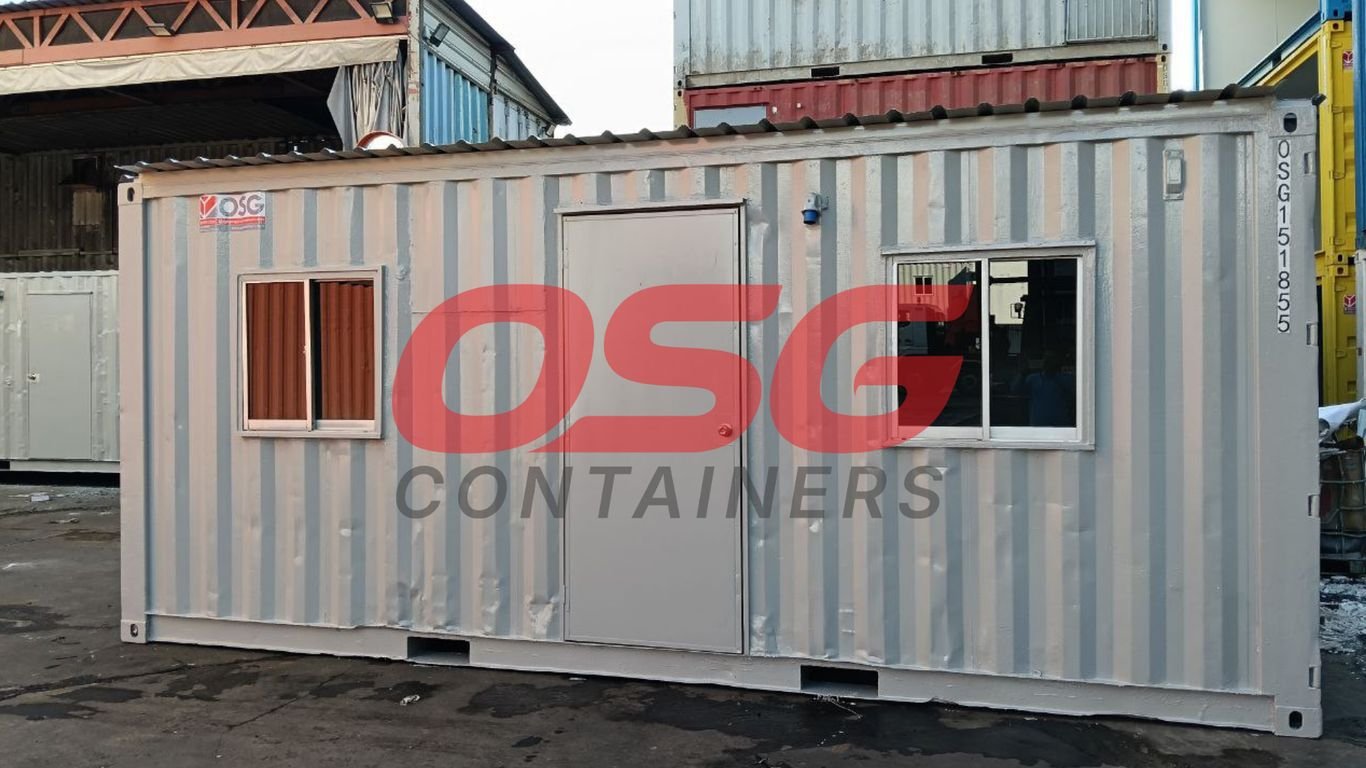
You’ve probably seen those big metal boxes used for shipping goods. Well, they’re not just for cargo anymore. People are turning them into offices, and it’s actually changing how teams work, especially when they need a space right where the action is. It sounds a bit different, but these container offices are becoming a really smart way to set up shop, offering a lot more than you might expect.
Key Takeaways
- Container offices are a cheaper way to get a workspace compared to building or renting traditional offices.
- These offices can be moved or changed easily, fitting different project needs as they come up.
- Using old shipping containers is good for the environment because it means less waste.
- You can design a container office to look good and have all the tools and comfort your team needs.
- Container offices work well for many different jobs, from construction sites to temporary shops.
The Rise Of Container Offices In Modern Business
Understanding The Appeal Of Container Offices
Remember when shipping containers were just those big metal boxes you saw at the docks? Yeah, me neither, not really. But it turns out, those humble containers have gone through a serious glow-up. We’re talking about them becoming actual offices now, and honestly, it makes a lot of sense. They used to be just for hauling stuff around the world, but now, people are seeing them as a smart way to set up shop, especially when you need a workspace that isn’t, you know, permanent or super expensive. It’s like giving these old boxes a whole new life, turning them into something useful and, dare I say, even cool. The transformation from utilitarian cargo hold to functional workspace is quite remarkable.
Why Container Offices Are Gaining Momentum
So, why are these container offices suddenly everywhere? Well, a few things are pushing this trend. For starters, traditional office spaces can be a real pain – think sky-high rent, long leases you can’t get out of, and all sorts of hidden costs. Container offices offer a way out of that. They’re quicker to set up, often cheaper, and you can move them if you need to. Plus, with more companies embracing remote or hybrid work, having a flexible space that can be adapted easily is a big win. It’s not just about saving money; it’s about being smarter with how and where we work.
Here’s a quick look at why they’re catching on:
- Cost Savings: Significantly less expensive than traditional builds or leases.
- Speed of Deployment: Can be ready for use much faster than conventional construction.
- Flexibility: Easily relocated or reconfigured as business needs change.
- Sustainability: Repurposing existing structures is good for the planet.
Key Advantages Of Container Offices For Teams
Forget about the massive upfront costs and long construction timelines associated with traditional office buildings. Container offices offer a seriously budget-friendly alternative. They’re built from repurposed shipping containers, which cuts down on material and labor expenses significantly. This means you can get a functional site office up and running much faster and for a fraction of the price. It’s a smart move for businesses that need to keep a close eye on their spending. For instance, a used 20 ft container, often referred to as a 20 feet container, can be a surprisingly affordable starting point for a compact office.
| Feature | Traditional Office | Container Office (20 ft) | Savings Potential |
|---|---|---|---|
| Initial Cost | $$$$$ | $$ | High |
| Setup Time | Months | Weeks | Significant |
| Relocation Cost | Very High | Moderate | High |
| Customization Ease | High | Moderate | Moderate |
The shift towards container offices isn’t just a fad; it’s a practical response to the evolving needs of modern businesses. They provide a tangible solution for companies seeking agility, affordability, and a reduced environmental footprint without compromising on functionality or aesthetics. Whether it’s a temporary setup or a more permanent fixture, these repurposed steel structures are proving their worth.
Versatility Across Industries And Applications
Temporary Workspaces For Remote Projects
Setting up a functional office in a remote location used to be a real headache. Think about construction projects miles from anywhere, or research teams heading out to study nature in far-off places. Traditionally, this meant a lot of time and money spent just getting a basic setup going. Container offices change that. They can be transported and put in place pretty quickly, giving your team a solid base of operations without a massive delay. This speed is a big deal for projects with tight deadlines or timelines that keep changing. Imagine needing a temporary field office for a film crew in a national park, or a base for geologists in a desert – a container unit can be there and ready to go in days, not weeks or months. It’s a practical solution when you need to get to work fast, no matter where that work happens to be.
Adaptable Solutions For Construction Sites
Construction sites are always on the move. What was the main office location last month might be a finished building this month. Container offices are perfect for this kind of environment. They can serve as site offices, meeting rooms, places to store tools and plans, or even temporary break rooms for workers. Their tough build means they can handle the rough and tumble of a busy site. Plus, when the project wraps up, you can easily move them to the next job. It’s a much smarter approach than building and then tearing down temporary structures.
Innovative Retail And Hospitality Uses
Beyond traditional office needs, container structures are popping up in surprising places. In retail, they’re being used for pop-up shops, seasonal stores, or even as unique kiosks in busy areas. Think about a trendy coffee stand or a small boutique that can be set up quickly for a summer festival or a holiday market. In hospitality, they can become charming cafes, small bars, or even temporary accommodation for event staff. Their distinctive look can add character to a location, and their portability means businesses can test out new markets or locations with less risk. This adaptability makes them a go-to for businesses looking for flexible, eye-catching spaces.
Container offices aren’t just for traditional office work anymore. Their ability to be placed almost anywhere and adapted for different uses makes them incredibly valuable for a wide range of businesses, from construction to retail and beyond. They offer a practical way to get a functional space up and running quickly, wherever it’s needed most.
Designing Functional And Inspiring Container Workspaces
Customisation For Unique Business Needs
Container offices are way more than just basic metal boxes. They’re like a blank slate, and the real magic happens when you start shaping them to fit exactly what your team needs to get their work done. Think about how your people actually operate day-to-day. Do they need quiet spots for deep focus? Maybe a central area where everyone can easily chat and brainstorm? You can easily put up walls to divide the space, add soundproofing if needed, or even link up a few containers to make a bigger, more complex setup. It’s all about making the space work for your business, not the other way around. This kind of tailored approach is a big step up from those old, unchangeable office buildings.
Creating Aesthetically Pleasing Environments
Forget those drab, grey boxes you might have seen years ago. Today’s container offices can actually look really good. We’re talking about adding big windows that let in loads of natural light, making the whole place feel much bigger and brighter. You can pick different exterior finishes to match your company’s style, whether you want something sleek and modern or a bit more down-to-earth. Inside, think about the colors you use, the flooring, and even how the walls look. A space that’s designed well isn’t just pretty; it genuinely makes people feel better about coming to work.
Integrating Essential Amenities And Technology
Making sure your container office has everything your team needs is key. This means thinking about the basics like heating, cooling, and good lighting. But it also goes into things like:
- Connectivity: Reliable internet and phone lines are non-negotiable these days. You don’t want your team struggling with slow connections.
- Power: Plenty of outlets for all the laptops, monitors, and other gear your team uses. Consider where you’ll place them for easy access.
- Comfort: Good insulation is a must to keep the temperature stable, no matter the weather outside. This makes a huge difference in how comfortable people feel.
- Sanitation: If it’s a remote site, you’ll need to plan for restroom facilities, whether that’s an attached unit or nearby facilities.
When you’re setting up a container office, especially something like a standard 20 feet container, it’s easy to get caught up in the novelty. But remember, the goal is a productive workspace. Every design choice, from the layout to the tech you install, should support your team’s ability to do their best work. Don’t overlook the practical stuff in favor of just looks.
Here’s a quick look at how different sizes might be configured:
| Container Size | Primary Use Case | Potential Layout Features |
|---|---|---|
| 20 feet | Small Team Office | Open plan, desk for 2-4, small storage |
| 40 feet | Medium Team Office | Separate work zones, small meeting area |
| Multiple Units | Larger Teams | Multiple offices, common area, kitchenette |
Getting the amenities right means your team can focus on their tasks without distractions. It’s about creating a space that’s not just functional but also a pleasant place to spend the workday.
The Evolution From Utilitarian To Aesthetic
Transforming Steel Boxes Into Desirable Workplaces
Remember those early days when a container office was just… well, a container? A basic steel box, probably painted a dull color, plopped down on a site. It did the job, sure, but nobody was exactly rushing to decorate it. That picture is changing, fast. Architects and designers have really started to see these containers not just as functional shelters, but as blank canvases. They’re figuring out how to make them look good, feel good, and actually be pleasant places to spend your workday. It’s about moving beyond just having a roof and walls to creating an environment that people feel good in.
Practicality Meets Style In Modern Designs
It’s pretty wild when you think about it – these sturdy metal boxes were designed for hauling goods across oceans, not for housing your team. But that’s exactly what’s happening now. The focus has shifted. It’s not just about slapping some windows in and calling it a day. We’re seeing smart layouts, good insulation, and finishes that make a real difference.
Here’s a look at how the style has changed:
- Natural Light: Big windows are a game-changer. They make the space feel larger and brighter, cutting down on the need for artificial lights during the day.
- Exterior Finishes: Forget plain metal. Now you can get cladding, paint jobs, or even wood accents to make the outside look sharp and fit in with its surroundings.
- Interior Comfort: Think beyond basic walls. People are adding better flooring, thoughtful color schemes, and even acoustic treatments to make the inside more comfortable and productive.
The shift from purely functional to aesthetically pleasing container offices shows a deeper respect for the people who will use them. It acknowledges that a workspace, no matter how temporary or unconventional, impacts mood, creativity, and overall well-being. This evolution proves that practicality and good design can absolutely go hand-in-hand.
It’s not just about looking nice, either. These design improvements often come with practical benefits. Better insulation means less energy used for heating and cooling. Good lighting reduces eye strain. It’s about making the space work better for everyone involved, proving that you don’t have to sacrifice comfort or style for a more budget-friendly or flexible building solution.
Sustainability And Environmental Benefits
When you think about building an office, you probably picture wood, concrete, and a whole lot of waste. But what if there was a better way? Choosing a container office is a smart move for the planet. We’re talking about taking old shipping containers, the kind that travel the world on ships and trains, and giving them a whole new life as your workspace. It’s a fantastic way to cut down on landfill waste and reduce the need for brand-new building materials. This approach significantly lowers the environmental impact compared to traditional construction.
Repurposing Shipping Containers For Eco-Conscious Building
Think about all the resources that go into making a new building – cement, steel, lumber. It adds up, and it takes a toll on the environment. By using a repurposed shipping container, you’re skipping a big chunk of that resource drain. It’s like giving a sturdy, retired piece of industrial equipment a second career. This upcycling process means less mining, less manufacturing, and less energy used overall. Plus, these containers are built tough, designed to handle harsh weather and rough handling, so they’re already set up for a long life as your office.
Durable Structures For Long-Term Use
These steel boxes aren’t flimsy. They’re made to withstand the rigors of global shipping, which means they’re incredibly robust. This durability translates directly into a long-lasting workspace for your team. You won’t have to worry about constant repairs or premature wear and tear like you might with some other temporary structures. Their strong construction means they can stand up to various conditions, providing a secure and reliable place for your team to get work done, no matter where you are.
The environmental advantages go beyond just recycling. Traditional construction often involves lengthy processes with heavy machinery, leading to significant emissions and site disruption. Container offices, with their pre-fabricated nature, drastically shorten build times, require less on-site activity, and consequently, produce fewer emissions. This means less noise pollution, less traffic, and a smaller disturbance to the surrounding area, making them a much quieter and cleaner option for setting up shop.
Here’s a quick look at why they’re a greener choice:
- Reduced Carbon Footprint: Repurposing a container avoids the carbon emissions associated with manufacturing new steel and other building materials. Recycling steel alone can save over 50% of the energy needed to produce it from raw ore.
- Waste Diversion: Instead of ending up in a scrap yard or landfill, these containers become functional spaces, directly reducing waste.
- Lower Material Consumption: You’re using a structure that already exists, cutting down on the demand for new concrete, wood, and other virgin resources.
- Energy Efficiency Potential: With proper insulation and design, container offices can be very energy efficient, especially when incorporating features like large windows for natural light and modern HVAC systems.
Enhanced Flexibility And Modularity
Scaling Your Workspace With Project Needs
One of the biggest wins with container offices is how adaptable they are. Need more space? Just add another container. Need to move your entire operation to a new site? No problem, these units are designed to be relocated. This modularity means your workspace can grow or shrink with your project needs, or follow you wherever the work takes you. It’s a game-changer for industries that are always on the move.
- Scalability: Easily add or remove units to adjust office size as your team or project demands change.
- Custom Configuration: Units can be joined side-by-side or stacked to create varied and complex layouts.
- Relocation Ease: Designed for transport, making them ideal for projects that change locations.
The ability to quickly reconfigure and expand or contract your office space without the lengthy processes of traditional construction offers a significant advantage in today’s fast-paced business environment.
Relocating Operations With Ease
Forget being tied down to one location. Container offices are built with transportability in mind. Whether your project shifts to a new city or you simply need to move your team across town, relocating a container office is straightforward. This isn’t just about moving a building; it’s about moving your entire operational hub with minimal disruption. This makes them perfect for temporary sites, event management, or any business that operates on a mobile basis. It’s a practical solution that keeps your team working efficiently, no matter where the job takes them.
Cost-Effectiveness Compared To Traditional Spaces
Let’s talk about the money side of things. Building a traditional office space can really drain your budget, not to mention take ages. You’ve got land costs, materials, a whole crew of workers, permits – it all adds up fast. Then there’s the ongoing rent or mortgage, plus upkeep. It’s a big commitment, financially and time-wise.
Container offices, on the other hand, offer a much more sensible approach for many businesses. Because they start with a pre-made structure – a shipping container – a lot of the heavy lifting, literally and figuratively, is already done. This means fewer materials are needed, labor is often less intensive, and the overall construction timeline is dramatically shorter. You can get a functional workspace up and running in weeks, not months or even years.
Budget-Friendly Alternatives To Conventional Builds
Think about it: a used shipping container can be bought for a few thousand dollars. Even with modifications, insulation, electrical work, and interior finishing, the total cost is frequently a fraction of what you’d pay for a comparable brick-and-mortar building. For instance, a basic 20-foot container office might run you anywhere from $12,000 to $18,000. If you go for a more tricked-out, custom version, you could be looking at $25,000 to $40,000. Compare that to renting a similar amount of space in a commercial building, which could easily cost $16,000 per year in rent alone, not counting utilities or maintenance. It’s a clear win for your bottom line.
Faster Deployment For Immediate Needs
Sometimes, you just need a place to work, like, yesterday. Maybe you’ve landed a big project and need an on-site office pronto, or perhaps your current space is no longer cutting it. Traditional construction just can’t keep up with urgent demands. Container offices, however, are built for speed. Their modular nature and pre-fabricated components mean they can be delivered and set up very quickly. This rapid deployment means your team can start working in a proper, comfortable environment much sooner, without the long delays and disruptions that come with conventional building projects. It’s about getting operational faster and keeping your projects on track.
The ability to repurpose existing structures significantly cuts down on material waste and the energy required for new manufacturing, making container offices a more resource-efficient choice from the outset.
Here’s a quick breakdown of why they save you cash:
- Lower Material Costs: Utilizes repurposed shipping containers.
- Reduced Labor: Simpler construction process compared to traditional buildings.
- Shorter Timelines: Faster setup means less time paying for temporary solutions or dealing with project delays.
- Minimized Site Disruption: Less impact on existing operations during setup.
- Potential for Relocation: Avoids the sunk costs of selling or abandoning a fixed structure if your needs change.
The Future is Mobile and Modular
So, it’s pretty clear that these container offices aren’t just a passing fad. They’re a smart, practical way for businesses to get the workspace they need without breaking the bank. Whether you’re a startup needing a flexible spot or a bigger company looking for temporary project space, these converted containers offer a solid solution. They’re good for the planet, look pretty sharp, and can be set up pretty quickly. It seems like we’ll be seeing a lot more of these adaptable spaces popping up as teams look for new ways to work efficiently and affordably.
Frequently Asked Questions
What exactly is a container office?
Think of a container office as a large metal shipping box that’s been turned into a usable workspace. People cut out doors and windows, add walls, and make it comfortable inside so teams can get their work done, kind of like a mini-office on wheels.
Why are companies using container offices more now?
Companies like them because they’re usually cheaper than building a regular office. They’re also super flexible – you can move them around or add more if you need extra space. Plus, using old containers is good for the planet because it means less waste.
Can container offices look nice, or are they just plain boxes?
They can definitely look good! While they start as plain boxes, they can be decorated with big windows, nice paint, and stylish interiors. It’s not just about having a place to work, but a place that looks good and makes people feel good too.
Are container offices good for the environment?
Yes, they are! By using old shipping containers, we’re giving them a new purpose instead of letting them become trash. This is a more eco-friendly way to build because it uses fewer new materials and helps reduce waste.
How quickly can I get a container office set up?
Much faster than a traditional building! Since the main structure is already there, they can be ready to use in weeks or a couple of months, not many months or even years. This means your team can start working in their new space much sooner.
Can I change the inside of a container office to fit my needs?
Absolutely! Container offices are like blank canvases. You can add walls to create different rooms, install the technology you need, and set it up so it works best for how your team does its job. You can make it just right for your specific tasks.