Singapore
 Australia
 Indonesia
 Japan
Japan Malaysia
 New Zealand
 Philippines
 South Korea
 Taiwan
 Thailand
 VIETNAM
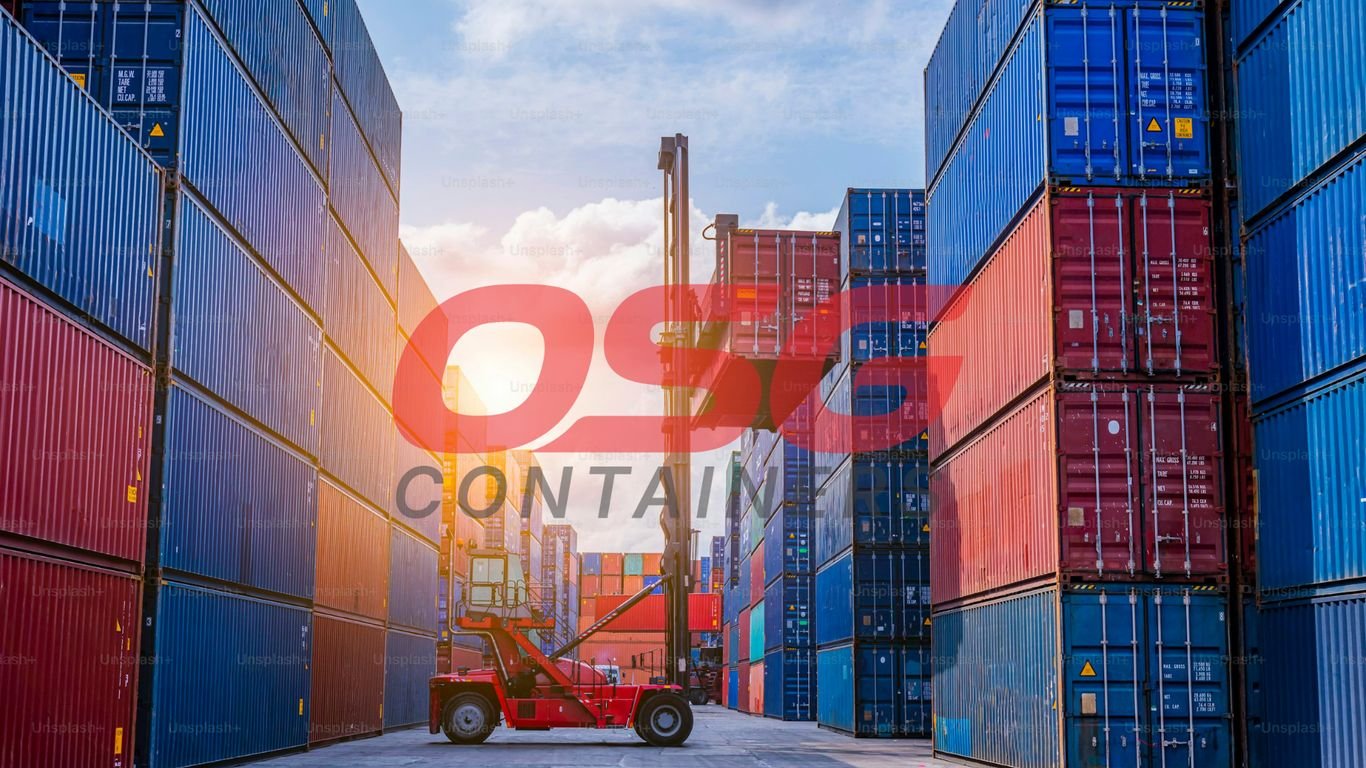
You see them everywhere, stacked high in ports or sitting in massive yards. These plain steel boxes, known as ship containers, might seem ordinary, but they’ve quietly revolutionized how we get almost everything we buy. Before these boxes, moving goods around the world was a messy, slow, and expensive job. This is the story of how a simple idea – a standardized metal box – changed ports, cities, and the entire way we trade goods globally.
Key Takeaways
- Before ship containers, moving goods was slow, costly, and prone to damage and theft, with ships taking days or weeks to load and unload piece by piece.
- Malcolm McLean’s idea of using standardized metal boxes, which could be moved directly from trucks to ships, dramatically cut costs, sped up loading times, and reduced damage and theft.
- The adoption of standard sizes for ship containers (like 20-foot and 40-foot) allowed for intermodal transport across ships, trains, and trucks, creating a globally compatible logistics system.
- Ship containers reshaped ports, leading to the development of specialized infrastructure and the rise of global trade hubs, while also enabling inland cities to become logistics centers.
- While beneficial, ship containers also led to job losses on the waterfront, introduced new security challenges, and contributed to environmental concerns due to increased shipping emissions.
The Humble Beginnings Of Ship Containers
Life Before Containers: Disorganized, Risky, And Costly
Before the ubiquitous steel boxes we see today, shipping goods across the globe was a messy, time-consuming, and often dangerous affair. Imagine ships being loaded not with neat containers, but with a chaotic mix of barrels, wooden crates, and sacks. This method, known as breakbulk cargo, meant that every single item had to be handled individually. This process could drag on for days, sometimes even weeks, just to load or unload a single vessel.
This disorganization led to a host of problems:
- Damage and Loss: Fragile items were easily broken, and smaller packages could simply disappear into the shuffle.
- Port Delays: Ships spent an excessive amount of time docked, costing money and slowing down trade.
- High Labor Costs: The manual loading and unloading required a massive workforce.
- Theft: With so much individual handling, pilfering was a common occurrence.
The sheer inefficiency meant that international trade was significantly more expensive and unpredictable than it is today.
A Practical Solution From Outside The Industry
Then came Malcolm McLean, a trucking company owner who was fed up with the endless waiting times at ports. He envisioned a simpler way. His initial idea involved ships carrying entire trucks, but that proved inefficient due to wasted space. The breakthrough came when he realized that just the cargo, packed into standardized metal boxes, could be efficiently moved between trucks, trains, and ships. In 1956, McLean launched his revolutionary idea with the Ideal X, a converted oil tanker carrying 58 of these "containers." This single voyage marked the dawn of a new era in global commerce.
Standard Sizes: The Key To Global Compatibility
McLean’s initial success wasn’t an instant global takeover. A major hurdle emerged: different companies were using containers of various sizes. This lack of standardization meant a container from one company wouldn’t fit on another’s ship or train, defeating the purpose of efficient transfer. It took years of negotiation and collaboration, but eventually, a standard size – the 40-foot by 8-foot box – emerged. This agreement on dimensions, along with standardized corner fittings, was the critical step that allowed shipping containers to be handled by any crane, anywhere in the world, paving the way for truly globalized trade.
The Domino Effect Of Standardized Ship Containers
So, these metal boxes, right? They weren’t just a slightly better way to move stuff. They completely changed the game. Think about it: before, you had all these different kinds of cargo, packed in sacks, barrels, or crates. Loading a ship was a huge, slow job, and things got lost or broken all the time. Then, bam! The standardized container shows up.
Why The Standardized Box Worked So Well
The real magic of the container wasn’t just that it was a box. It was that everyone agreed on the size of the box. This standardization, mostly settled on in the 1960s with the 20-foot (TEU) and 40-foot (FEU) sizes, meant that any container could fit on any compatible truck, train, or ship, anywhere in the world. This universal fit was the key.
- Speed: Ships could be loaded and unloaded in hours, not days. This meant less time sitting idle and more time actually sailing.
- Cost Reduction: Less manual labor was needed to move goods. Fewer items were damaged or stolen because the container was sealed from origin to destination.
- Predictability: Goods moved on a much more reliable schedule, making it easier for businesses to manage their stock.
- Flexibility: The same container could travel by sea, then by rail, then by truck without the contents ever being touched.
This simple, repeatable process meant that shipping costs dropped dramatically. Suddenly, it made economic sense to make things far away and ship them across oceans.
Transforming Manufacturing And Trade
This newfound efficiency in shipping had a massive ripple effect on how things were made. Companies realized they could break up their production process. They could manufacture components in one country where labor or materials were cheapest, then ship those parts to another country for assembly. This led to the rise of complex, global supply chains.
| Benefit | Impact |
|---|---|
| Lower Production | Companies could source cheaper labor and materials globally. |
| Specialization | Factories could focus on making just one or a few parts really well. |
| Increased Volume | More goods could be produced and moved than ever before. |
Enabling Global Supply Chains
Before containers, international trade was slow and expensive, limiting what could be traded and where. But with standardized containers, the world opened up. It became feasible to ship vast quantities of goods across the globe reliably and affordably. This paved the way for the ‘just-in-time’ manufacturing model, where components arrive exactly when needed, minimizing warehouse costs. It’s not an exaggeration to say that the modern global economy, with its interconnectedness and the availability of goods from all over the world, is built on the back of these steel boxes.
How Ports And Cities Adapted To Ship Containers
It wasn’t just the ships that had to change when those metal boxes became the standard. Ports, the busy gateways of trade, had to completely rethink how they operated. Suddenly, the old ways of handling cargo, piece by piece, just wouldn’t cut it anymore.
New Infrastructure For Container Ships
Ports that wanted to stay in the game had to invest big time. Think massive new docks designed to handle the sheer volume of containers. Giant cranes, the kind you see towering over the docks today, became a must-have. These aren’t your grandpa’s forklifts; they can lift entire containers off ships and place them onto waiting trucks or trains with incredible speed. Storage areas, once just open spaces, needed to become vast yards capable of holding thousands of these boxes. To accommodate the larger ships that carried more containers, ports also had to deepen their channels, a process called dredging, so the bigger vessels could actually get in and out.
- Massive Cranes: Essential for quickly moving containers between ship, truck, and train.
- Expanded Yards: Huge areas needed to store containers waiting for transport.
- Deeper Waterways: Required to allow larger container ships access to ports.
- Intermodal Connections: Better links to rail and road networks became vital.
Rise Of Global Trade Hubs
This transformation wasn’t uniform. Some ports embraced the change, upgrading their facilities and becoming super-efficient. Places like Singapore, Shanghai, and Los Angeles made huge investments and, as a result, turned into major global trade hubs, processing millions of containers every year. Other ports, however, didn’t adapt quickly enough. They missed out on the container boom and saw their business dwindle, falling behind the competition.
The shift to containerization meant that shipping lines could offer fixed schedules. Instead of ships wandering from port to port, they followed set routes, calling at specific locations on specific days. This predictability was a game-changer for businesses planning their supply chains.
Inland Cities Become Logistics Centers
Surprisingly, the impact wasn’t limited to coastal areas. With reliable rail networks designed to move containers inland, cities far from the ocean, like Chicago and Dallas, started to thrive as logistics centers. Goods could be shipped across the sea, then efficiently transported by train to distribution points all over the country. This meant that even businesses located far from the coast could participate more easily in global trade, lowering costs and speeding up delivery times for a wide range of products.
Downsides And Disruptions Caused By Ship Containers
While the humble steel box certainly revolutionized shipping, making it faster and cheaper, it wasn’t all smooth sailing. Like any big change, containerization brought its own set of problems and shook things up in ways nobody quite expected.
Job Losses On The Waterfront
One of the most immediate and significant impacts was on port workers. Before containers, loading and unloading ships was a labor-intensive job. Large crews of longshoremen were needed to manually handle individual pieces of cargo – crates, barrels, sacks, you name it. This work was skilled, physically demanding, and provided jobs for many. When standardized containers arrived, they drastically reduced the need for this manual labor. Giant cranes and automated systems could move entire containers in minutes, a task that used to take hours for smaller loads. This meant fewer workers were needed, and many traditional port jobs simply disappeared. It was a tough transition for communities that had relied on that work for generations.
New Security Challenges
Sealed metal boxes moving around the globe presented a new kind of security headache. While containers made it harder to steal individual items, they also became a perfect hiding place for illicit goods. Smugglers quickly figured out they could hide drugs, weapons, or even people inside these standardized containers, making them difficult to detect. This led to a whole new arms race in security. Ports and customs agencies had to develop sophisticated scanning technologies and tracking systems to try and identify suspicious containers without having to open every single one, which would defeat the purpose of efficient shipping.
Environmental Concerns
More shipping, of course, means more ships, and more ships mean more pollution. Container vessels, especially the massive ones that became common after containerization, are significant sources of greenhouse gases and other air pollutants. Many of these ships still run on heavy, dirty fuel oil, which is particularly bad for air quality. The sheer volume of goods being moved globally, enabled by containers, has contributed to a noticeable increase in shipping-related emissions. This has put pressure on the industry and governments to find cleaner fuels and more sustainable shipping practices.
The efficiency gained from containerization came at a cost, displacing a workforce and creating new vulnerabilities that required significant investment in technology and security measures. The environmental footprint of global trade also grew, prompting a reevaluation of how goods are transported across oceans.
Reinventing The Ship Container Box
Specialized Containers For Specific Needs
The basic steel box was a game-changer, but it wasn’t long before people realized that not all cargo fits neatly into a standard container. Think about it: how do you ship a giant piece of machinery or a load of fresh fruit? This led to the development of specialized containers. We now have things like the reefer refrigerated container, which keeps temperature-sensitive goods like produce and medicine chilled or frozen during their long journeys. Then there are iso tank containers, basically super-strong tanks built into the standard container frame, perfect for liquids, gases, or even hazardous materials. They’re designed to handle a lot of pressure and keep everything contained safely. It’s all about matching the container to the cargo, making sure things arrive in the best possible condition.
Smart Containers And Modern Technology
These days, the humble box is getting a tech upgrade. We’re seeing more and more "smart containers" equipped with sensors and tracking devices. These aren’t just for knowing where your stuff is, though that’s a big part of it. These sensors can monitor temperature, humidity, shock, and even if the container has been opened unexpectedly. This data is sent back in real-time, giving everyone in the supply chain a clear picture of the cargo’s condition. It helps prevent spoilage, theft, and damage before it even becomes a problem. It’s like giving the container a voice, letting us know exactly what’s happening inside.
Beyond Shipping: New Container Uses
It turns out that a sturdy, standardized metal box is pretty useful for more than just shipping goods across the ocean. People have gotten really creative with these containers. You see them repurposed all over the place. They’ve been turned into pop-up shops, temporary housing after disasters, and even small, self-contained offices or guard house structures on construction sites. Architects are even designing homes and buildings using modified shipping containers. They’re durable, relatively easy to transport and set up, and offer a blank canvas for all sorts of projects. It just goes to show that a simple idea can have a surprisingly long shelf life and find new purposes we never imagined.
The evolution of the shipping container shows how a standardized design can spark innovation across industries. What started as a way to move goods more efficiently has led to specialized versions for different needs and even entirely new applications outside of traditional logistics.
The Enduring Impact of the Humble Box
So, there you have it. That simple steel box, something most of us never really think about, has fundamentally changed how the world works. It made global trade possible on a scale we couldn’t have imagined before, turning far-flung places into neighbors for commerce. Ports had to completely rethink their layouts, and cities grew or faded based on how well they adapted. Of course, it wasn’t all smooth sailing – there were job losses and new security headaches. But even with those challenges, the container’s influence keeps spreading. We’re seeing its basic idea pop up in all sorts of unexpected places, from data centers to housing. It’s pretty wild to think that this basic design, born out of a need for efficiency, continues to shape our world in so many ways, even today.
Frequently Asked Questions
What was shipping like before containers?
Before shipping containers, goods were packed in things like barrels, wooden boxes, or bags. Loading and unloading ships was slow, taking days or even weeks. It was also risky because items could get damaged, lost, or stolen easily, making shipping very expensive and unreliable.
Who invented the shipping container?
The idea for the modern shipping container came from a trucker named Malcolm McLean. He wanted a more efficient way to move goods. In 1956, he used a refitted oil tanker to carry 58 metal boxes, which could be moved directly from trucks to the ship, making the whole process much faster and cheaper.
Why are shipping containers a standard size?
Standard sizes, like the 20-foot and 40-foot containers, are key because they fit on any truck, train, or ship anywhere in the world. This allows ports and shipping companies to use special equipment like cranes and loading systems that work with all containers, making global trade much smoother and more affordable.
How did containers change ports and cities?
Container ships are huge and need special facilities. Ports had to build new, longer docks and get big cranes to handle the containers. Some cities became major shipping hubs because their ports adapted, while others that didn’t update lost business. Even cities far from the coast became important centers for moving goods by train.
Did everyone benefit from shipping containers?
Not exactly. While containers made shipping cheaper and faster for many, they also caused problems. Many dockworkers lost their jobs because fewer people were needed to load and unload ships. Also, the increase in shipping has led to more pollution, and new security measures were needed to prevent illegal items from being shipped inside sealed containers.
Are there new types of shipping containers now?
Yes, the basic steel box has been improved. There are now special containers for different needs, like ones that keep things cold or ones designed to carry hanging clothes without wrinkling. Some containers are even being fitted with technology, like sensors, to track their location and condition, making them ‘smart’ containers.