Singapore
 Australia
 Indonesia
 Japan
Japan Malaysia
 New Zealand
 Philippines
 South Korea
 Taiwan
 Thailand
 VIETNAM
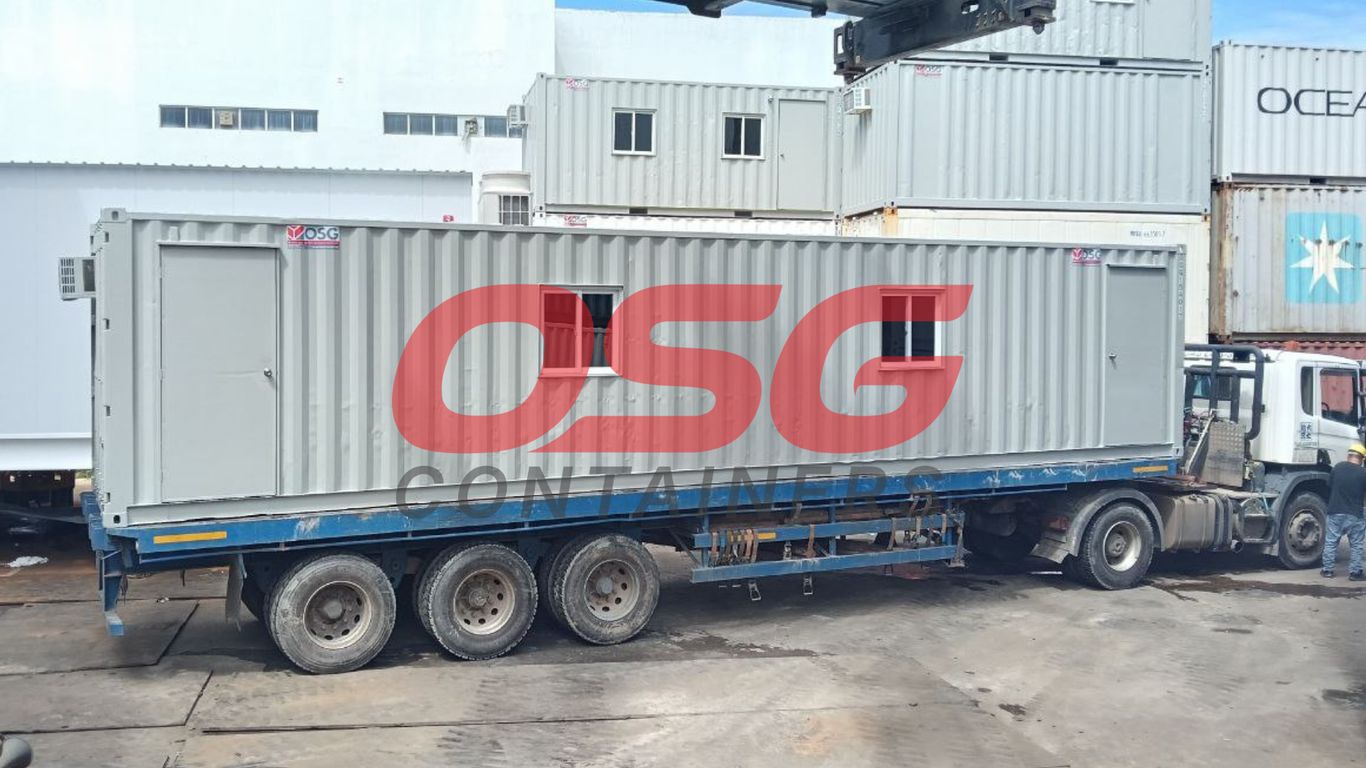
Thinking about a project, needing more storage, or planning to grow your business? You might want to look into a 40 footer container. These big metal boxes are way more than just for shipping stuff. People are using them for all sorts of things, from building houses to setting up shops. They’re strong, they’re pretty affordable, and you can do a lot with them. Let’s check out how a 40 footer container can really change the game for your plans.
Key Takeaways
- A 40 footer container, especially the High Cube version, offers extra height, making it great for modifications and projects where space is tight.
- These containers can be changed into homes, offices, or unique commercial spots, showing off their flexibility for different needs.
- Expandable 40 footer containers offer even more living or working space by unfolding, providing a larger area from a compact transport size.
- Using a 40 footer container is often quicker and more predictable budget-wise than traditional building, with less disruption to the site.
- They are adaptable for various uses, from simple extra storage to complex modular buildings, making them a smart choice for many projects.
Understanding the 40-Footer Container’s Dimensions and Capacity
So, you’re thinking about using a 40-foot container for something. That’s a big step up from the smaller 20-footers, and for good reason. These things are massive, offering a ton of space to work with. But before you get too excited about all that room, it’s smart to know exactly what you’re getting into, dimension-wise.
Key Dimensions of a 40-Foot Container
When we talk about a 40-footer, we’re usually talking about the standard ‘dry van’ type. These are built tough, designed to handle rough seas and long journeys. They have a pretty consistent size, though there are slight variations you might see.
Here’s a breakdown of what you’re typically looking at:
| Dimension | Exterior (Approx.) | Interior (Approx.) |
|---|---|---|
| Length | 40 feet | 39 feet 6 inches |
| Width | 8 feet | 7 feet 9 inches |
| Height | 8 feet 6 inches | 7 feet 10 inches |
The extra length is the big draw here, giving you twice the floor space of a 20-foot container. That extra foot or so of interior width also makes a difference when you’re trying to fit things in efficiently, like pallets.
Interior Usable Volume and Payload
Knowing the outside measurements is one thing, but what really matters is the usable space inside and how much weight it can hold. This is where you can really plan out your project, whether it’s for storage, a workshop, or something else entirely.
- Usable Volume: A standard 40-foot container typically offers around 2,350 to 2,400 cubic feet of space. This is a huge amount of room for storing goods, setting up equipment, or dividing into different areas.
- Payload Capacity: These containers are built to carry heavy loads. The maximum gross weight can be over 30,000 kg (around 67,000 lbs), meaning the actual cargo you can put inside is substantial, often around 26,000 kg (about 58,000 lbs).
It’s important to remember that the ‘payload’ is the weight of the goods you put in, not the container itself. Always check the specific container’s ‘tare weight’ (the weight of the empty container) and its ‘max gross weight’ to figure out your actual cargo limit.
The Advantage of High Cube Variants
If you need even more space, especially vertical space, you’ll want to look at the ‘High Cube’ (HC) version of the 40-footer. These are becoming really popular for modifications because they give you that extra bit of headroom.
- Height Difference: A High Cube container is about a foot taller than a standard one. This means the interior height jumps from around 7 feet 10 inches to nearly 9 feet 6 inches.
- Increased Volume: This extra height adds a significant amount of cubic footage, usually pushing the usable volume closer to 2,600 cubic feet. This extra space is great for insulation, electrical work, or just making the space feel less cramped.
Choosing between a standard 40-footer and a High Cube often comes down to your specific needs. For most storage or basic conversions, a standard one is fine. But if you’re building something where ceiling height matters, like a small office or a living space, the High Cube is definitely worth considering.
Transforming Spaces with a 40-Foot Container
So, you’ve got this big metal box, a 40-footer, and you’re wondering what to do with it besides shipping stuff. Well, these containers are way more than just cargo haulers. They’re like giant, blank canvases waiting for your ideas. People are getting really creative, turning them into all sorts of cool spaces. It’s pretty wild how a simple steel structure can become something totally different.
Creative Modifications for Unique Projects
This is where the magic happens. You can take a standard 40-foot container, especially a high cube container with that extra bit of headroom, and turn it into almost anything. Think about cutting out windows, adding doors, running electricity, or even putting in plumbing. It’s not just about making it look nice; it’s about making it functional for whatever you need.
Here are some popular ways people are using them:
- Home Offices: Need to get away from the house chaos to get work done? A container office is a great solution. You can set it up in your backyard and have a dedicated, quiet space.
- Guest Houses: Surprise! You can actually build a comfortable and private place for visitors. It’s a unique way to offer accommodation without a huge construction project.
- Retail Kiosks: Small businesses can set up shop in a really eye-catching way. Imagine a cool coffee stand or a boutique store made from a container.
- Art Studios: Artists love these for the durable structure and the ability to customize the space to fit their creative needs. Plenty of room for big projects!
The key to a successful container modification is really good planning. You need to figure out what you want the space to do, who will be using it, and what kind of look you’re going for. This helps guide all the changes you’ll make.
Home Offices and Guest Houses
Let’s talk about making a 40-footer into a place to live or work. For a home office, you get that separation from your main house, which is a big plus for focus. You can insulate it well, add proper lighting, and make it feel like a real office, not just a shed. For guest houses, it’s similar. You can add a small bathroom, a kitchenette, and a comfortable sleeping area. The extra height in a high cube container really helps here, making it feel less like a box and more like a room.
Retail Kiosks and Art Studios
For businesses, a 40-foot container can be a cost-effective way to get a physical presence. You can design it to be super unique and attractive, drawing customers in. Think about a food truck, but stationary and more permanent. For artists, it’s a sturdy, secure space. You can add skylights for natural light, ventilation systems, and plenty of wall space for displaying work or setting up easels. It’s a blank slate for creativity, both inside and out.
Logistical Advantages of the 40-Footer
When you’re planning out a project, whether it’s for storage, a new business venture, or even a home, the 40-foot container really shakes things up. It’s not just about having a big box to put stuff in; it’s about how it makes the whole process smoother and more predictable. The size and how adaptable they are are the main reasons they’re a game-changer for so many different needs.
Economies of Scale in Shipping
One of the biggest draws of using a 40-footer is the cost savings you can get, especially when you’re shipping a lot. Think about it: fitting more goods into one container means you’re paying less per item or per cubic meter. It’s way more efficient than trying to cram things into smaller containers or making multiple trips. This is especially true if you’re shipping items that fill up the space before they hit the weight limit. For businesses, this can mean a significant drop in shipping expenses, freeing up budget for other areas.
- Lower cost per cubic meter compared to two 20-foot containers.
- Ideal for bulkier items that fill volume before reaching weight limits.
- Reduces the number of individual shipments needed, saving on handling fees.
Global Compatibility and Infrastructure
These containers are built to a standard size, which is a huge deal when you’re dealing with international shipping. Ports, cranes, trains, and trucks all over the world are designed to handle 40-foot containers. This means less hassle when your shipment arrives at a port or needs to be moved inland. You don’t have to worry as much about whether the local infrastructure can handle it. It’s a universal language for logistics, making the whole journey from point A to point B much more straightforward.
The standardized nature of 40-foot containers means they integrate easily into existing global transport networks. This widespread acceptance simplifies planning and reduces the likelihood of unexpected delays or extra costs related to specialized handling equipment.
Cost-Effectiveness Compared to Traditional Building
When you compare a 40-footer to building something from scratch, the container often comes out ahead, especially for certain types of projects. You can get a container modified and ready to go much faster than you could build a similar structure. A lot of the work can be done off-site in a controlled environment, which means less disruption at your actual location. Less time on-site means less labor cost, less noise, and less mess. It’s a quicker, often cheaper, and cleaner way to get the space you need.
| Feature | 40-Foot Container Project | Traditional Construction |
|---|---|---|
| Setup Time | Days to Weeks | Weeks to Months |
| On-Site Disruption | Minimal | Significant |
| Labor Costs | Generally Lower | Generally Higher |
| Material Waste | Lower | Higher |
| Predictability | High | Moderate |
Planning Your 40-Footer Project
So, you’ve decided a 40-foot container is the way to go. That’s awesome! Now comes the part where you pick the right one and figure out how to make it work for you. It’s not just about grabbing any old box; there are a few things to think about to make sure you get what you need for your project. The 40-foot container offers a sweet spot for many applications, balancing space and manageability.
Choosing the Right Container Type
When you’re looking at container sizes, the main players are usually the 20-foot and 40-foot models. Each has its own perks, and the best choice really depends on what you’re trying to do. The 40-foot container gives you about twice the space of a 20-foot one. This extra room is super helpful if you need more bedrooms, a bigger kitchen, or just more comfortable living space. It’s a better choice for families or if you plan to live or work in it for a long time. And don’t forget the High Cube (HC) version! It’s the same length and width but taller, giving you that extra headroom. This makes a huge difference, especially when you’re looking to create living spaces or functional work areas. It means you can stand up comfortably, add more shelving, or even fit in larger equipment without feeling cramped.
Here’s a quick look at the typical dimensions:
| Size | Length (ft) | Width (ft) | Height (ft) | Interior Volume (cu ft) |
|---|---|---|---|---|
| 40ft | 40 | 8 | 8.5 | ~2,350 |
| 40ft HC | 40 | 8 | 9.5 | ~2,590 |
Essential Considerations for Modifications
Modifying a 40-foot container is where the real fun begins. These aren’t just metal boxes anymore; they’re blank canvases. You can cut out windows and doors, add insulation, run electricity, and even plumb for water. People have turned them into everything from cozy homes and stylish cafes to functional workshops and art studios. The key is planning. What do you want the space to do? Who will use it? Thinking through these questions helps guide the modifications.
- Home Offices: Create a dedicated workspace away from the main house.
- Guest Houses: Offer a private and comfortable spot for visitors.
- Retail Kiosks: Set up a unique shop for your business.
- Art Studios: A durable and inspiring space for creative work.
Don’t underestimate the value of expert advice. A little bit of professional input upfront can save you a lot of headaches and potential costs down the road, especially when you’re turning a simple steel box into something functional and unique.
Expert Guidance for Complex Projects
Sometimes, you just need a little help. If you’re planning a big modification or aren’t sure about the best way to get started, talking to professionals is a smart move. They can help you figure out the best way to cut openings, install insulation, manage plumbing and electrical work, and make sure everything is up to code. Getting professional advice early on can save you a lot of trouble later.
Sustainable and Efficient Use of 40-Foot Containers
Using a 40 ft container for your project is already a win for sustainability. You’re giving a sturdy steel box a second life, keeping it out of the scrap heap. But we can take it even further to make these spaces truly eco-friendly and comfortable.
Reusing Materials for Eco-Friendly Builds
Beyond just reusing the container itself, think about the materials you use for modifications. Instead of brand-new lumber, maybe look for reclaimed wood. For insulation, options like recycled denim or sheep wool are great alternatives to traditional foam. Even the paint you choose can make a difference; low-VOC (volatile organic compound) paints are better for air quality inside and out. It’s about making conscious choices at every step.
Enhancing Natural Light and Airflow
These containers can feel a bit dark and stuffy if you don’t do anything. Adding windows is a game-changer. Even a few well-placed windows can make a huge difference in how big and pleasant the space feels. Glass doors can also let in a lot of light and give you a nice view if you’ve got something interesting outside. Don’t forget about ventilation. You need fresh air, especially if people are spending time inside. Simple vents work, but you could also look into small fans or even a mini split system if you’re going all out. Good airflow helps prevent moisture buildup too, which is important for keeping things dry and preventing rust. Proper ventilation is key to a healthy and comfortable container space.
Energy-Efficient Features and Ventilation
When you’re planning your modifications, think about energy use. Installing energy-efficient windows and doors can really cut down on heating and cooling costs. If you’re setting up power, consider solar panels to reduce your reliance on the grid. For ventilation, beyond basic vents, you might look into heat recovery ventilators (HRVs) or energy recovery ventilators (ERVs). These systems bring in fresh air while minimizing heat loss, making your space more comfortable and saving energy. Even simple things like good insulation, whether it’s spray foam or rigid panels, make a big impact. Remember, a well-planned 40ft container isn’t just functional; it’s responsible.
Purchasing and Preparing Your 40-Footer
So, you’ve decided a 40-foot container is the way to go. That’s great! Now comes the part where you pick the right one. It’s not just about grabbing any old box; there are a few things to think about to make sure you get what you need for your project. The 40-foot container offers a sweet spot for many applications, balancing space and manageability.
Where to Find Reputable Suppliers
Finding a place to buy your container is pretty straightforward, but quality can vary. You’ll want to look for businesses that specialize in selling new and used shipping containers. These places often have a good selection and can help with delivery. Sometimes, logistics companies that use containers for shipping will sell off their older units, which can be a good way to get a used container at a decent price. Online marketplaces can also list containers, but just be extra careful and do your homework on the seller.
Assessing Container Condition
When you’re buying, always ask about the container’s condition. Look for major dents, rust spots, and check if the doors seal properly. A "one-trip" container is usually in the best shape, having only made one journey from the factory. It’s important to know what you’re getting.
Here’s a quick rundown of what to look for:
- Structural Integrity: Check for significant rust, especially on the roof and floor. Dents are common, but avoid containers with major structural damage.
- Door Seals: Ensure the rubber seals are intact and the doors close tightly. This is key for keeping out weather and pests.
- Floor Condition: The wooden floor should be solid, without rot or excessive damage.
- Warping: Look down the length of the container to see if it’s warped or twisted.
Preparing for Delivery and Placement
Once you’ve got your container, you need to think about getting it to your site and where it will sit. Proper site preparation is key to a stable and long-lasting setup. This means ensuring the ground is level and firm. You might need to pour a concrete pad or use sturdy foundation blocks. Think about access for the delivery truck – they need plenty of room to maneuver and a clear path to drop the container. Also, consider any permits you might need from your local authorities before the container even arrives.
Wrapping It Up
So, we’ve seen how a simple 40-foot container can really change the game for projects, storage, and even how businesses grow. Whether you’re thinking about a new office space, extra room for your business, or even a place to live, these containers are surprisingly adaptable. They’re tough, they’re flexible, and with a bit of planning, they can turn into just about anything you need. If you’re considering a container project, it’s always a good idea to chat with folks who know their way around modifications. They can help make sure everything is built right and follows the rules. With the right help, your container idea can become a reality that’s both practical and pretty cool.
Frequently Asked Questions
What’s the main difference between a standard 40-foot container and a High Cube one?
A High Cube 40-footer is taller inside than a regular 40-footer. Think of it like getting extra headroom! This extra height is super handy if you plan to add insulation, build shelves high up, or just want more room to move around without feeling squished.
Can I really turn a 40-foot container into a house or office?
Absolutely! People do it all the time. These containers are like big metal boxes that you can cut windows and doors into, add plumbing and electricity, and finish the inside however you like. They’re a strong starting point for creating unique living or working spaces.
Why would I choose a 40-foot container instead of a smaller 20-foot one?
A 40-foot container gives you about twice the space of a 20-foot container. If you need more room for a bigger project, like a multi-room office, a larger home, or just more storage, the 40-footer is a much better option. It’s more efficient if you need that extra space.
How long does it take to get a 40-foot container ready for use?
It’s usually much faster than building from scratch! Many of the changes can be done in a workshop before the container even arrives. Once it’s delivered, setting it up and finishing it can often be done in weeks, not months, depending on how fancy you want to get.
Are 40-foot containers good for the environment?
Yes, they can be! Using a shipping container means you’re reusing something that’s already been made. You can also make them even more eco-friendly by using green insulation, energy-saving windows, and maybe even solar panels. It’s a great way to build sustainably.
Where can I buy a 40-foot container, and what should I look for?
You can find them from companies that sell shipping containers, sometimes online, or from shipping businesses. When you buy one, check its condition carefully. Look for big dents or rust, and make sure the doors close well. A ‘one-trip’ container is usually in the best shape.