Singapore
 Australia
 Indonesia
 Japan
Japan Malaysia
 New Zealand
 Philippines
 South Korea
 Taiwan
 Thailand
 VIETNAM
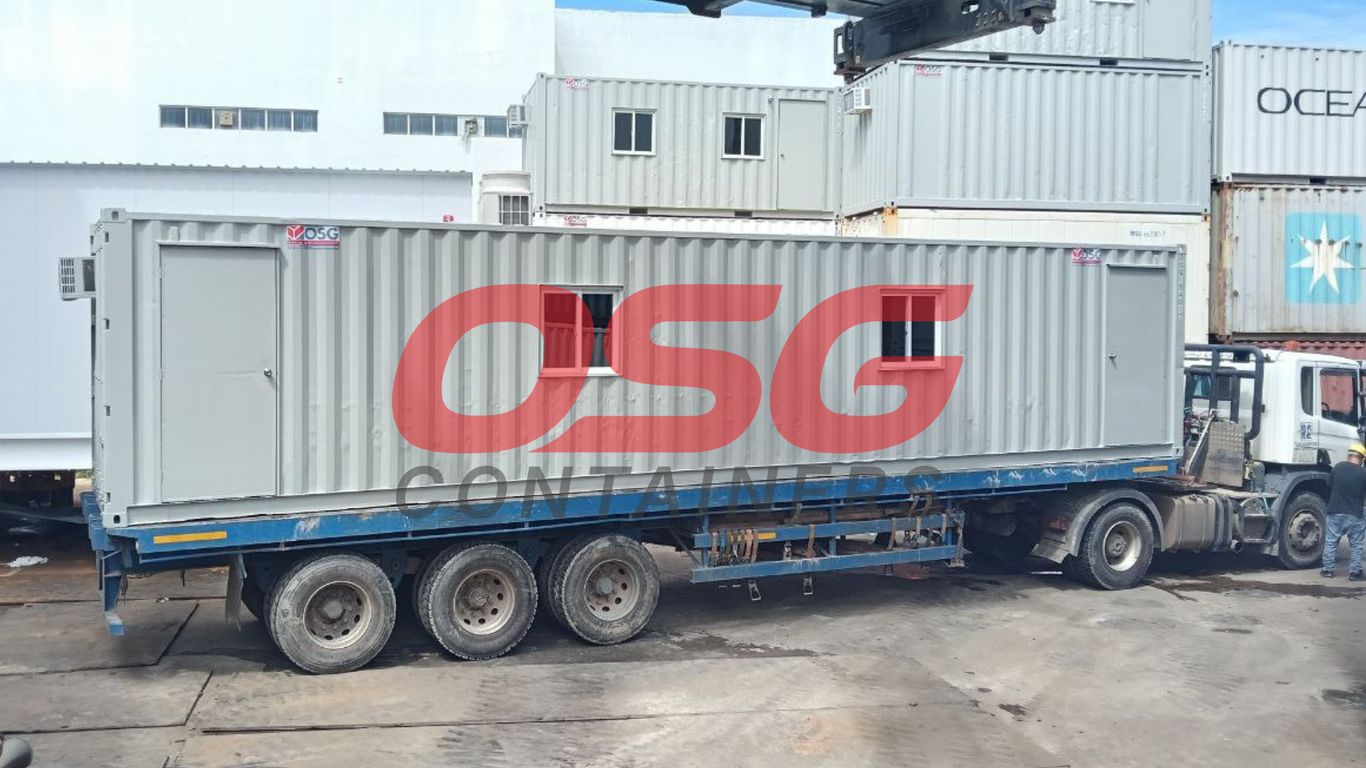
Thinking about a project, needing more storage, or planning to grow your business? You might want to look into a 40 footer container. These big metal boxes are way more than just for shipping stuff. People are using them for all sorts of things, from building houses to setting up shops. They’re strong, they’re pretty affordable, and you can do a lot with them. Let’s check out how a 40 footer container can really change the game for your plans.
Key Takeaways
- A 40 footer container, especially the High Cube version, offers extra height, making it great for modifications and projects where space is tight.
- These containers can be changed into homes, offices, or unique commercial spots, showing off their flexibility for different needs.
- Using a 40 footer container is often quicker and more predictable budget-wise than traditional building, with less disruption to the site.
- They are adaptable for various uses, from simple extra storage to complex modular buildings, making them a smart choice for many projects.
- The standardized nature of the cont 40 feet makes it efficient for intermodal transport, moving easily between ships, trains, and trucks.
Understanding the 40-Foot Container Dimensions and Capacity
So, you’re looking at a 40-foot container for your project or storage needs. That’s a pretty common choice, and for good reason. These things are big, offering a lot of space to work with. But before you start picturing all the possibilities, it’s a good idea to get a handle on the actual measurements. Knowing the dimensions helps you figure out what will fit and how much you can actually pack inside.
Key Dimensions of a 40-Foot Container
When people talk about a 40-foot container, they’re usually referring to the standard ‘dry van’ type. These are built to be tough, designed for long hauls and all sorts of weather. They have pretty consistent sizes, though you might see slight differences depending on the manufacturer. The external length is the most obvious measurement, but the internal space is what really matters for packing.
Here’s a general idea of what you’re looking at:
| Dimension | Exterior (Approx.) | Interior (Approx.) |
|---|---|---|
| Length | 40 feet | 39 feet 6 inches |
| Width | 8 feet | 7 feet 9 inches |
| Height | 8 feet 6 inches | 7 feet 10 inches |
Remember, these are approximate. The walls and internal structure take up some space, so the usable area inside is always a bit less than the outside measurements.
Choosing the Right Container Type
Not all 40-footers are exactly the same. You’ve got a couple of main options, and picking the right one depends on what you plan to do with it. It’s not just about the size, but also about how much height you have to work with.
- Standard Dry Containers: These are your everyday, workhorse containers. They’re made of steel and are great for general cargo that doesn’t need special conditions. Think furniture, electronics, or dry goods. They offer a solid amount of space and protection.
- High Cube Containers: These are the same length and width as standard containers, but they’re about a foot taller. This extra height can be a real game-changer if you’re stacking items, shipping bulky things, or just want to maximize every cubic foot of space.
High Cube Containers for Extra Space
Sometimes, the standard height just isn’t enough. That’s where the High Cube version really shines. Imagine you’re trying to fit tall equipment or you want to stack boxes higher than usual. The extra foot of height in a High Cube container can make a huge difference. It means you can potentially fit more into a single container, which can save you money on shipping or give you more room for your project. It’s a simple modification, but it really expands the possibilities for what you can do with the space.
When planning how to use a 40-foot container, always double-check the specific internal dimensions of the type you are considering. Small differences can matter, especially if you have items that are close to the maximum size limits.
Logistical Considerations for 40-Foot Containers
So, you’ve got your eye on a 40-foot container. That’s a smart move for a lot of reasons, but before you get it all set up, let’s talk about the practical stuff – the logistics. It’s not just about the box itself; it’s about how it plays with the rest of the world.
Intermodal Efficiency and Compatibility
One of the biggest wins with a 40ft container is how easily it can hop between different types of transport. Think ships, trains, and trucks. This is called intermodal transport, and it’s a game-changer. Your goods can stay put inside the same container from the moment they leave the factory until they reach their final stop. This saves a ton of time and money because you’re not constantly moving things around. The standard sizes mean that ports, trains, and trucks are all built to handle these containers without a fuss. While a 20-foot container is also intermodal, the 40-foot size often makes more sense for bigger loads, giving you more bang for your buck.
- Seamless transitions between ships, trains, and trucks.
- Standardized design fits global infrastructure.
- Reduces handling time and potential damage.
The ability of a 40-foot container to move across different transport modes without needing to unload and reload cargo is a cornerstone of modern global trade, making supply chains faster and more predictable.
Port Regulations and Weight Restrictions
When you’re dealing with ports, there are always rules. Each port might have its own specific regulations about where containers can be stored, how long they can stay, and what types of containers are allowed. You also have to pay close attention to weight limits. A 40-foot container, especially a High Cube model, can get heavy fast. Exceeding the Gross Vehicle Weight Rating (GVWR) for the truck chassis or the road limits can lead to hefty fines and serious delays. It’s always a good idea to check with the specific port and your transport provider about these rules before you even start loading.
Here’s a general idea of what you might encounter:
| Factor | Typical Consideration |
|---|---|
| Port Storage Fees | Daily rates that increase over time |
| Weight Limits | Varies by road, bridge, and truck chassis capacity |
| Container Size | Some ports may have restrictions on specific container types |
| Access Hours | Ports operate on specific schedules |
Transport and Delivery Planning
Getting your 40-foot container from the port or a depot to its final spot is a whole operation in itself. You’ll need the right truck, called a chassis, that’s built to carry the weight and size of a 40ft container. Then there’s the route. You’ve got to think about road conditions, low bridges, and even traffic jams that could mess with your delivery schedule. If you’re using the container for storage on your own property, make sure the ground is level and strong enough to hold it, and that there’s enough space to get it there and access it later. Careful planning here prevents a lot of headaches later on.
Navigating the Purchase of a 40-Foot Container
So, you’ve decided a 40-foot container is the way to go for your storage or shipping needs. That’s a solid choice, given their size and versatility. But buying one isn’t quite like picking up a loaf of bread. There are a few things to think about to make sure you get exactly what you need without any headaches.
Considerations for Container Purchase
Before you even start looking at prices, take a moment to figure out what you’ll actually be using the container for. Is it just for storing stuff at your place, or is it going to be moved around a lot? This makes a big difference. You’ll also want to think about the condition you need. A brand new one is great, but a used one, if it’s in good shape, can save you a good chunk of change. Just be sure to check for any serious rust or damage that could cause problems down the line.
Here are some points to ponder:
- Purpose: What’s the main job for this container? Storage? Transport? A future office build?
- Condition: New, one-trip (used once), or cargo-worthy (used but still solid)?
- Cargo Type: What are you putting inside? Heavy items, temperature-sensitive goods, or something else?
- Location: Where will it live? Will it need to withstand extreme weather?
The real beauty of these containers is their blank-slate nature, ready for your personal touch. Whether you need to add windows for natural light, extra doors for easier access, or insulation to keep things a comfortable temperature, it’s usually quite doable.
Choosing the Right Container Type
So, you’ve decided a 40-foot container is the way to go. That’s a solid choice, given their size and versatility. But not all 40-footers are created equal, and picking the wrong one can lead to headaches later on. It’s like buying a tool – you wouldn’t use a hammer to screw in a bolt, right? The same applies here. You need to match the container to what you’re actually going to do with it.
- Standard Dry Containers: These are your workhorses, the most common type you’ll see. They’re built tough, made of steel, and designed to keep your stuff dry and protected from the elements. They’re perfect for most general cargo that doesn’t need any special treatment. Think furniture, electronics, clothing, or anything that isn’t going to spoil or needs temperature control. They come in standard sizes, usually around 8 feet wide and 8.5 feet tall, giving you a good amount of space inside.
- High Cube Containers: Sometimes, a standard container just doesn’t quite cut it. Maybe you’re shipping bulky items, or you just want to maximize every inch of space. That’s where High Cube containers come in. They’re basically the same length and width as a standard 40-footer, but they’re about a foot taller. This extra vertical space can make a big difference, especially if you’re stacking items or dealing with things that have odd shapes. It’s a simple change, but it can really help you fit more in or make loading easier.
Evaluating Tailoring Possibilities
Sometimes, a standard container just won’t do the trick for what you have in mind. Maybe you’re thinking about turning it into a small office, a workshop, or even a unique living space. That’s where customization comes in. Most 40-foot containers are built tough, and they’re surprisingly adaptable for all sorts of projects. It’s a good idea to think about what modifications you might want early on, especially if you’re planning a conversion. This way, you can pick a container that’s easier to work with and make sure the vendor can help with any specific needs.
Here are some common ways people modify containers:
- Adding windows for natural light.
- Installing extra doors for easier access.
- Adding insulation for temperature control.
- Cutting openings for specific equipment or ventilation.
- Reinforcing floors or walls for heavier loads or specific uses.
Adapting Containers for Specific Needs
So, you’ve got a 40-foot container, and you’re thinking beyond just shipping stuff. That’s where the real fun begins! These big metal boxes are surprisingly adaptable. Whether you need a place to work, a spot to store things long-term, or even a unique living space, a container can be modified to fit. It’s like having a blank canvas, but a really sturdy, industrial one.
Customization and Modification Potential
The beauty of a 40-foot container is its robust structure, which makes it a great starting point for all sorts of projects. You’re not just stuck with a bare box. Most containers can be cut, reinforced, and fitted with new openings. This means you can add windows for natural light, extra doors for easier access, or even specialized ventilation systems. Thinking about turning it into an office? You’ll want windows and probably some electrical outlets. Need a workshop? A larger door and better airflow are key. It’s all about making the container work for you.
Essential Considerations for Modifications
Before you start cutting or welding, it’s smart to think about a few things. First, what’s the main purpose of the container? This will guide what modifications are most important. For example, if it’s going to be a living space, insulation and proper ventilation are non-negotiable to keep it comfortable and prevent moisture issues. If it’s for storage, security upgrades like stronger locks might be a priority.
Here are some common modifications and why you might need them:
- Windows and Doors: For natural light, ventilation, and easy entry/exit. Crucial for offices, homes, and workshops.
- Insulation: Keeps the interior temperature stable, making it suitable for living spaces or sensitive storage.
- Electrical Wiring: Powers lights, tools, heating, cooling, and electronics.
- Ventilation Systems: Prevents condensation and stale air, important for comfort and preserving contents.
- Interior Finishing: Walls, flooring, and ceilings to make the space more habitable or functional.
When planning modifications, always consider the container’s structural integrity. Cutting large openings without proper reinforcement can weaken the frame. It’s often best to consult with professionals or experienced container modification companies to ensure safety and longevity.
Adding Features for Storage and Use
Beyond the basic structural changes, think about the details that make a space truly functional. For storage, sturdy shelving units can maximize vertical space and keep things organized. If you’re using it as a workshop, you might need workbenches or specialized tool mounts. For a temporary office, consider adding partitions for different work areas or even a small kitchenette. Don’t forget about the exterior, too. A fresh coat of paint can protect the steel from rust and make the container look much more appealing, especially if it’s in a visible location.
Transforming Spaces with a 40-Foot Container
So, you’ve got this big metal box, a 40-footer, and you’re wondering what to do with it besides shipping stuff. Well, these containers are way more than just cargo haulers. They’re like giant, blank canvases waiting for your ideas. People are getting really creative, turning them into all sorts of cool spaces. It’s pretty wild how a simple steel structure can become something totally different.
Home Offices and Guest Houses
Let’s talk about making a 40-footer into a place to live or work. For a home office, you get that separation from your main house, which is a big plus for focus. You can insulate it well, add proper lighting, and make it feel like a real office, not just a shed. For guest houses, it’s similar. You can add a small bathroom, a kitchenette, and a comfortable sleeping area. The extra height in a high cube container really helps here, making it feel less like a box and more like a room. The key to a successful container modification is really good planning. You need to figure out what you want the space to do, who will be using it, and what kind of look you’re going for. This helps guide all the changes you’ll make.
Retail Kiosks and Art Studios
For businesses, a 40-foot container can be a cost-effective way to get a physical presence. You can design it to be super unique and attractive, drawing customers in. Think about a food truck, but stationary and more permanent. For artists, it’s a sturdy, secure space. You can add skylights for natural light, ventilation systems, and plenty of wall space for displaying work or setting up easels. It’s a blank slate for creativity, both inside and out.
Unique Commercial Spot Applications
Beyond offices and studios, these containers are popping up everywhere. Imagine a pop-up shop for a special event, a mobile coffee stand that’s more robust than a typical cart, or even a small, self-contained workshop. They offer a quick way to establish a presence without the hassle of traditional construction. Plus, their modular nature means you can even link multiple containers together for larger spaces if needed. It’s a practical solution for businesses looking for flexibility and a distinctive look.
Modifying a 40-foot container is where the real fun begins. These aren’t just metal boxes anymore; they’re blank canvases. You can cut out windows and doors, add insulation, run electricity, and even plumb for water. People have turned them into everything from cozy homes and stylish cafes to functional workshops and art studios. The key is planning. What do you want the space to do? Who will use it? Thinking through these questions helps guide the modifications.
Here are some popular ways people are using them:
- Home Offices: Need to get away from the house chaos to get work done? A container office is a great solution. You can set it up in your backyard and have a dedicated, quiet space.
- Guest Houses: Surprise! You can actually build a comfortable and private place for visitors. It’s a unique way to offer accommodation without a huge construction project.
- Retail Kiosks: Small businesses can set up shop in a really eye-catching way. Imagine a cool coffee stand or a boutique store made from a container.
- Art Studios: Artists love these for the durable structure and the ability to customize the space to fit their creative needs. Plenty of room for big projects!
When you’re looking at container sizes, the main players are usually the 20-foot and 40-foot models. Each has its own perks, and the best choice really depends on what you’re trying to do. The 40-foot container gives you about twice the space of a 20-foot one. This extra room is super helpful if you need more bedrooms, a bigger kitchen, or just more comfortable living space. It’s a better choice for families or if you plan to live or work in it for a long time. And don’t forget the High Cube (HC) version! It’s the same length and width but taller, giving you that extra headroom. This makes a huge difference, especially when you’re looking to create living spaces or functional work areas. It means you can stand up comfortably, add more shelving, or even fit in larger equipment without feeling cramped.
The Enduring Significance of the 40-Foot Container
History and Evolution of Shipping Containers
It’s pretty wild to think about, but the 40-foot shipping container, this massive metal box we see everywhere, is actually a pretty modern invention. Before these standardized containers came around, shipping goods across the globe was a real headache. Imagine loading and unloading every single item from ships, trains, and trucks one by one. It took ages, cost a fortune, and a lot of stuff just got lost or broken along the way. The real shift happened in the mid-20th century with the idea of a uniform container. The 40-foot size really became the standard in the 1960s, and it completely changed the game. Suddenly, ships, trains, and trucks were all designed to handle the same box without much fuss. This made shipping way faster, cheaper, and much safer for the cargo. It basically opened the doors for the huge growth in international trade we see today.
Standard Dimensions of a 40-Foot Container
When people talk about a standard 40-foot container, there are some key measurements that are pretty important to know. These sizes are set by international rules so they can fit pretty much anywhere.
| Measurement | Approximate Size (Feet) |
|---|---|
| External Length | 40 |
| External Width | 8 |
| External Height | 8.5 |
| Internal Length | 39.5 |
| Internal Width | 7.7 |
| Internal Height | 7.9 |
| Doorway Width | 7.7 |
| Doorway Height | 7.5 |
Understanding the 40-Foot Container Size
So, what exactly makes up a 40-foot container? It’s more than just a big box; it’s a carefully designed piece of equipment. The most common types are the standard 40-footer and the ‘High Cube’ version, which gives you an extra foot of height. This extra height can be a lifesaver when you’re trying to maximize every inch of space.
Economies of Scale in Shipping
The 40-foot container is a cornerstone of modern logistics, largely due to the concept of economies of scale. By standardizing the size, shipping companies can invest in larger vessels, more efficient cranes, and optimized rail and truck systems. This means the cost per unit of cargo shipped decreases significantly as the volume increases. Think about it: moving one 40-foot container is far more efficient than moving twenty smaller, irregularly shaped loads. This efficiency trickles down, making global trade more accessible and affordable for businesses of all sizes. It’s this ability to move vast quantities of goods in a predictable and cost-effective manner that solidifies the 40-foot container’s lasting importance.
The standardization of the 40-foot container has simplified global supply chains to an unprecedented degree. Its consistent dimensions allow for predictable stacking on ships, efficient loading onto trains, and straightforward transport by truck, minimizing handling and reducing the risk of damage. This uniformity is the bedrock upon which much of modern international commerce is built.
Wrapping It Up
So, when you look at it, the 40-foot container is way more than just a big metal box. It’s a workhorse that really changed how we move stuff around the world, and even how we use space right here at home. Whether you’re shipping goods overseas, need a secure spot to store things, or even thinking about building something unique, understanding these containers is pretty important. They offer a solid mix of space and being easy to move, which is why they’re still a big deal in shipping and beyond. Getting a handle on their size and what they can do just makes planning everything a lot simpler and, honestly, more effective.
Frequently Asked Questions
What makes a 40-foot container so useful?
A 40-foot container is like a giant, super-strong metal box that’s great for moving lots of stuff or for building things. It’s a standard size, so ships, trains, and trucks are all built to handle it easily. This makes shipping things around the world much faster and cheaper. Plus, they’re tough and can be turned into all sorts of cool spaces like offices or homes.
Are all 40-foot containers the same size?
Most 40-foot containers are the same length and width, which is about 40 feet long and 8 feet wide. However, there’s a ‘High Cube’ version that’s about a foot taller. This extra height is really helpful if you need more room for things or want to make a space feel less cramped.
Can I use a 40-foot container for something other than shipping?
Absolutely! People use 40-foot containers for all sorts of projects. They can be turned into homes, guest houses, offices, workshops, art studios, retail shops, and much more. They’re like a blank canvas that you can customize to fit your needs.
What should I think about before buying a 40-foot container?
First, think about what you’ll use it for. Is it for storing things, moving them, or building something? Also, consider its condition – do you need a brand new one, or will a used one work? Checking for rust or damage is important if you’re buying used. Knowing your plan helps you pick the right container.
Is it hard to move a 40-foot container to its final spot?
Moving a 40-foot container takes careful planning. You need a special truck with a trailer (called a chassis) that can carry its heavy weight and size. You also need to plan the route, thinking about things like bridge heights and road conditions. If it’s going to your property, you need to make sure the spot is ready and safe for it.
What are the main advantages of using a 40-foot container?
The biggest benefits are its large size, which means you can fit a lot inside, and its ability to be transported easily between ships, trains, and trucks. This makes shipping more efficient and cost-effective. They’re also very strong and can be modified for many different uses, offering a flexible and often quicker solution compared to traditional building.