Singapore
 Australia
 Indonesia
 Japan
Japan Malaysia
 New Zealand
 Philippines
 South Korea
 Taiwan
 Thailand
 VIETNAM
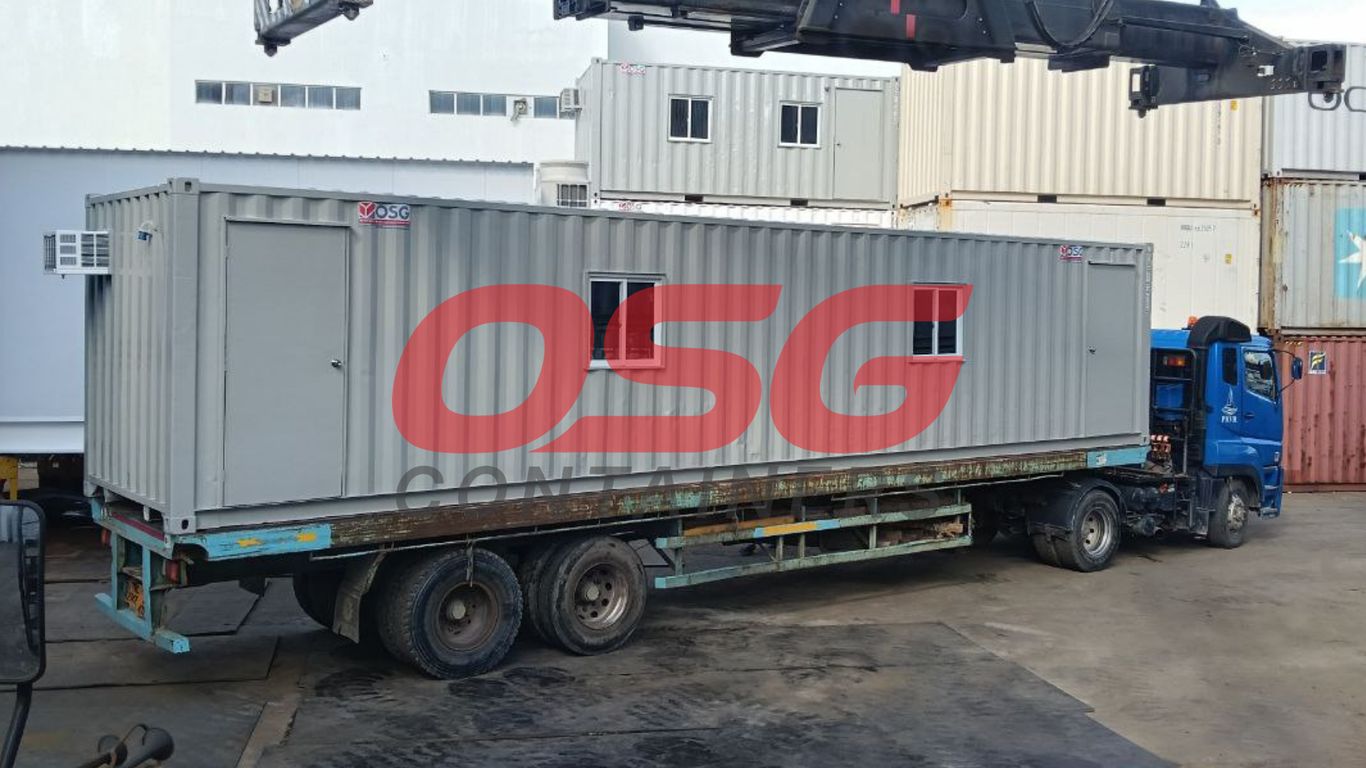
So, you’re shipping stuff and thinking about using a 40-foot container. Good move. These big boxes are workhorses in the shipping world for a reason. They can hold a lot, and when you figure out how to pack them right, they can actually save you some serious cash. But it’s not just about throwing things in and hoping for the best. There’s a whole science to it, from knowing the exact size of the container to making sure you don’t go over the weight limit. Plus, understanding the different shipping options and what goes into the price can make a big difference. Let’s break down how getting smart about your 40 feet container can really help your bottom line.
Key Takeaways
- Knowing the exact inside and outside measurements of a 40-foot container is super important for planning how much you can fit and how to load it best. High-cube versions offer even more height for taller items.
- You can fit a lot of pallets inside a 40-foot container – think 24-25 Euro pallets or about 20 US pallets. Packing them efficiently, maybe even using pallet-wide containers, means you use the space better.
- Weight limits are a big deal. You’ve got a maximum gross weight, but the actual payload you can carry is less once the container’s own weight is factored in. Going over can lead to fines and delays.
- How you pack matters a lot. Distributing the weight evenly, making sure everything is secured so it doesn’t move around, and using things like desiccants can prevent damage and keep your load stable.
- Deciding between Full Container Load (FCL) and Less Than Container Load (LCL) is key for cost efficiency. FCL is usually better for larger shipments, while LCL can work for smaller ones, but might take longer due to consolidation.
Understanding 40-Foot Container Dimensions and Capacity
Precise Interior and Exterior Measurements for Load Planning
When you’re planning a shipment, knowing the exact size of your container is pretty important. A standard 40-foot container, often just called a ’40-footer’, has specific measurements that dictate what can fit inside and how it can be handled. The exterior dimensions are key for transport logistics – think about fitting it onto a truck or crane. These are typically around 12.19 meters (40 feet) long, 2.44 meters (8 feet) wide, and 2.59 meters (8 feet 6 inches) high. But what really matters for your cargo is the inside space. The interior length is usually about 12.03 meters (39 feet 5 inches), the width is 2.35 meters (7 feet 8 inches), and the height is 2.39 meters (7 feet 10 inches). Getting these interior numbers right helps you figure out how much you can actually pack.
Volume Calculations for Optimal Space Utilization
With those interior dimensions in mind, you can calculate the total volume. A standard 40-foot container offers about 67.7 cubic meters (2,390 cubic feet) of space. This is a big number, and it’s why these containers are so popular for larger shipments. It means you can fit a lot of goods, potentially reducing the number of trips needed compared to using smaller containers. This volume is what you work with when trying to pack as efficiently as possible, making sure every bit of space is used wisely.
High-Cube Variants for Taller Shipments
Sometimes, standard height just isn’t enough. That’s where the ‘high-cube’ version comes in. These 40-foot containers are taller, usually adding about an extra foot (around 0.3 meters) to the interior height. This bumps up the total volume to around 76 cubic meters (2,670 cubic feet). If you’re shipping items that are tall or need extra clearance, the high-cube option is a game-changer. It’s a simple change in height that significantly increases the carrying capacity for specific types of goods. When looking for a container sale, you’ll often see both standard and high-cube options available.
Maximizing Pallet Efficiency in a 40-Foot Container
Euro Pallet Configuration for Maximum Fit
When you’re dealing with Euro pallets, which measure 1200mm x 800mm, a standard 40-foot container can hold a surprising amount. You can typically fit 24 pallets in a single layer, arranged in a way that uses the floor space pretty well. However, with some clever arrangement, like staggering them slightly or using specific loading patterns, you can sometimes squeeze in an extra pallet, bringing the total to 25. This is especially true if you’re using optimized loading software. It’s all about how you place them to minimize those wasted gaps.
US Pallet Loading Strategies
US pallets, on the other hand, are larger at 48 inches by 40 inches (about 1219mm x 1016mm). Because of their size and shape, fitting them into a 40-foot container isn’t quite as space-efficient as Euro pallets. You’re generally looking at fitting around 20 to 21 US pallets on the floor of a standard 40-foot container. The orientation matters a lot here; you’ll often see them loaded lengthwise to make the most of the container’s interior length, but you have to be mindful of the width.
Optimizing Space with Pallet-Wide Containers
There’s also a special type of container called a ‘pallet-wide’ container. These are designed with a slightly wider internal dimension specifically to accommodate wider European pallets more efficiently. Instead of the standard 24-25 Euro pallets, a pallet-wide 40-foot container can often fit up to 30 Euro pallets. This is a significant increase and can lead to substantial cost savings if your cargo is primarily shipped on Euro pallets. It’s a niche option, but for the right product, it’s a game-changer.
Getting the most out of your container space isn’t just about stuffing things in. It involves careful planning, understanding the dimensions of your cargo and the container, and sometimes even looking at specialized container types. Every inch you save can translate into real money on shipping costs.
Here’s a quick look at typical pallet counts:
- Euro Pallets (1200x800mm): 24-25 per standard 40-foot container.
- US Pallets (48x40in): 20-21 per standard 40-foot container.
- Pallet-Wide Containers: Up to 30 Euro pallets.
Remember, these numbers assume a single layer. If your goods are light and can be safely stacked, you might be able to double these figures, but always check the container’s height and weight limits first.
Navigating Weight Regulations for 40-Foot Containers
So, you’ve got your 40-foot container ready to go, packed to the brim. But before you hit the road or the waves, we absolutely have to talk about weight. It’s not just about stuffing as much as possible in there; there are real rules, and breaking them can cause some serious headaches. Exceeding weight limits is a fast track to fines, delays, and even cargo seizure.
Understanding Gross and Payload Limits
Every container has a maximum weight it can handle, and this is broken down into a few key numbers. You’ve got the Gross Weight, which is the absolute maximum the container and its contents can weigh together. Then there’s the Tare Weight, which is just the weight of the empty container itself. What you’re really interested in for your cargo is the Payload, which is the maximum weight of goods you can actually put inside. For a standard 40-foot container, the gross weight limit is typically around 32.5 metric tons (tonnes). After you subtract the tare weight (which can vary a bit, usually between 3.8 to 4.2 tonnes), you’re left with a payload capacity that’s generally in the 26 to 28 tonne range. It’s important to remember that even used containers should adhere to these same safety standards.
Route-Specific and Carrier Weight Restrictions
Here’s where it gets a little more complicated. The general limits are just a starting point. Different countries, and even different states or provinces within them, have their own road weight limits. For example, the European Union has a total weight limit for a truck and its trailer (including the container) that’s often around 40 tonnes. In the US, it’s often based on axle weight, so how you distribute the load inside the container becomes super important, not just the total weight. Plus, individual shipping lines or carriers might have their own stricter policies, especially for certain routes or if they’re using specific types of transport equipment.
Consequences of Exceeding Weight Limits
What happens if you go over? Well, it’s not pretty. You’re looking at hefty fines, which can add up quickly and eat into any savings you thought you made by packing more. Your shipment could be stopped and held up at ports or weigh stations, causing significant delays that mess up your delivery schedule. In worst-case scenarios, authorities might even require you to unload excess cargo on the spot, which is a logistical nightmare and adds unexpected costs. It can also impact your reputation if you’re consistently causing issues for carriers and ports.
Always double-check the specific weight regulations for your entire route, from the origin to the final destination, and confirm with your chosen shipping carrier before you start loading. It’s better to be a little under the limit than to face the penalties of being over.
Strategic Packing for 40-Foot Container Loads
So, you’ve got your 40-foot container ready to go, but how you actually put stuff inside makes a huge difference. It’s not just about cramming things in until it’s full. Getting the packing right means less damage, fewer lost items, and ultimately, saving money. Think of it like packing for a long trip – you want to fit everything you need without it all getting jumbled up and broken.
Techniques for Even Weight Distribution
This is super important. If all the heavy stuff is on one side, or way in the back, your container can become unstable. This is bad for the container itself, and even worse for whatever’s inside. A good rule of thumb is to keep the heaviest items low down and as close to the center of the container as possible. Aim to have about 60% of the weight towards the front of the container (the end with the doors). This helps with how the container sits on the truck and during transit.
Here’s a quick way to think about it:
- Heavy items: Place these on the floor and towards the middle.
- Lighter items: These can go on top of heavier, stable items.
- Distribution: Spread the weight evenly from side to side.
Securing Cargo to Prevent Shifting and Damage
Once the weight is distributed, you need to make sure nothing moves. Loose items are a recipe for disaster. You’ll want to use things like:
- Straps and Ratchet Systems: These are great for holding down larger items or pallets.
- Airbags or Dunnage: Stuff these into any empty spaces between boxes or pallets. They act like cushions and stop things from sliding around.
- Bracing: For really heavy or awkwardly shaped items, you might need to build some temporary wooden bracing to keep them firmly in place.
It’s also a good idea to take pictures before you close the doors. This is helpful for insurance or if something does go wrong.
Utilizing Desiccants and Protective Materials
Depending on what you’re shipping and where it’s going, moisture can be a big problem. Think about shipping electronics, furniture, or textiles across the ocean – humidity and condensation can cause mold, rust, or other damage. That’s where desiccants come in. These are those little packets you sometimes find in new shoes or electronics. You can buy larger versions designed for shipping containers. They absorb moisture from the air inside the container. Also, consider using anti-slip mats between pallets or layers of goods to add extra grip and prevent sliding, especially if you can’t perfectly fill every void.
Packing isn’t just about filling space; it’s about creating a stable, protected environment for your goods. Taking the time to plan your load, distribute weight correctly, and secure everything properly will save you headaches and money down the line. It’s better to spend a little extra time and effort on the front end than to deal with damaged goods and costly claims later.
Choosing Between FCL and LCL for 40-Foot Container Efficiency
When you’re shipping goods, especially in a 40-foot container, you’ve got two main ways to go: Full Container Load (FCL) or Less Than Container Load (LCL). Deciding between them really boils down to how much stuff you have and how quickly you need it to get there. It’s not always a clear-cut choice, and what works best can change depending on your specific needs.
When Full Container Loads Offer Cost Advantages
Full Container Load, or FCL, means you’re renting out the entire 40-foot container just for your own cargo. This is usually the way to go if you have a significant amount of goods, say more than about 15 cubic meters (CBM). Why? Because when you fill up a container, the cost per CBM tends to drop quite a bit compared to LCL. You’re not sharing the space, so you get the whole thing to yourself. This means you have more control over how your goods are packed and handled, and you don’t have to wait for other people’s shipments to be loaded or unloaded.
- Cost Savings: For larger shipments, FCL is almost always cheaper per unit of volume. You avoid the extra handling fees associated with consolidating multiple shipments.
- Speed and Control: Your container leaves as soon as it’s packed. No waiting for other shippers. You also have direct control over loading and unloading, reducing the risk of damage.
- Security: Your goods are the only ones in the container, meaning less risk of theft or contamination from other cargo.
If your shipment is large enough to take up a good portion of a 40-foot container, FCL often makes more financial sense and offers a smoother shipping experience.
Benefits of Less Than Container Load Shipments
Less Than Container Load, or LCL, is the opposite. Here, you’re sharing the 40-foot container with other shippers. This is a great option if you only have a small amount of cargo, maybe less than 15 CBM. You only pay for the space your goods take up, which can be much more affordable than paying for an entire container you don’t fill. It’s a flexible choice for smaller businesses or for sending out samples.
- Affordability for Small Shipments: You pay only for the space you use, making it economical for smaller volumes.
- Flexibility: Great for businesses that ship a variety of products in smaller quantities or need to test new markets.
- Reduced Storage Needs: You don’t need to store large quantities of goods if you can ship them as needed.
Impact of Consolidation Delays on Transit Times
The main downside to LCL is the consolidation process. Your goods need to be brought to a consolidation point, packed into the container with other shipments, and then, at the destination, the container needs to be unpacked (de-consolidated) to separate everyone’s cargo. This whole process adds time. We’re talking about potential delays of anywhere from 7 to 14 days, sometimes more, on top of the actual transit time. This can be a big problem if you have time-sensitive goods or if you’re trying to meet tight deadlines for your customers. For e-commerce businesses, especially, these delays can really impact customer satisfaction. So, while LCL is budget-friendly for small loads, you have to factor in that extra time it takes to get your shipment moving.
Key Cost Factors Influencing 40-Foot Container Rates
So, you’re looking at shipping something in a 40-foot container and wondering what makes the price tick? It’s not just one thing, really. A bunch of different elements come into play, and understanding them can help you budget better and maybe even find ways to save a few bucks.
Understanding Base Freight Rates and Fuel Surcharges
The biggest chunk of your cost is usually the base freight rate. This is what the shipping line charges just to move the container from point A to point B. It can change a lot depending on the route, how much demand there is, and even what’s happening in the global economy. Think of it like the base price of a plane ticket – it’s the starting point.
Then there’s the fuel surcharge, often called BAF (Bunker Adjustment Factor). Since fuel prices can swing wildly, carriers add this on to cover their costs. It’s usually a percentage of the base rate and can be adjusted pretty regularly, sometimes quarterly. So, even if the base rate stays the same, your total cost can go up or down just because of fuel.
Impact of Peak Seasons and Port Fees
Ever tried to book a flight around the holidays? Shipping is kind of the same. There are peak seasons, usually from late summer through the end of the year, when everyone is trying to move goods before holidays or year-end. During these times, demand skyrockets, and so do prices. Carriers might add peak season surcharges, which can really bump up the cost.
On top of that, you’ve got port fees. When your container arrives at a port, there are charges for handling, terminal services, and other operational costs. These fees can vary quite a bit from one port to another. Some ports are more efficient and cheaper than others. It’s worth looking into the specific fees for the ports you’re using at both ends of your shipment.
Additional Costs for Canal Tolls and Route-Specific Fees
If your shipment has to go through major waterways like the Panama Canal or the Suez Canal, get ready for another cost: canal tolls. These are significant fees that carriers have to pay, and they’ll pass most of that cost on to you. Sometimes, these tolls can add a noticeable percentage to your overall shipping expense, especially if you’re shipping between continents where these canals are the most direct route.
Beyond canals, some routes might have other specific fees. This could include things like security surcharges, environmental fees, or even specific taxes imposed by certain countries or regions. It’s always a good idea to ask your shipping provider for a full breakdown of all potential charges, not just the base rate, so there are no surprises down the line.
Ensuring Compliance with HS Codes for Container Shipments
When you’re getting ready to ship goods in a 40-foot container, one of the less exciting but super important parts is dealing with HS codes. Think of them as a universal product numbering system. Every item you ship needs one, and getting it right is key to avoiding headaches at customs. Accurate HS code declaration is your ticket to smooth sailing through international borders.
Accurate Declaration of Goods for Customs
Customs officials use these codes to figure out what’s coming into their country, how much duty or tax to charge, and to keep track of trade statistics. If you declare the wrong code, you could face delays, fines, or even have your shipment held up. It’s not just about avoiding trouble; it’s about making sure your goods are classified correctly for things like import permits or specific regulations.
Updates Affecting Electronics and Textiles
The world of trade changes, and so do the HS codes. The World Customs Organization (WCO) updates the Harmonized System periodically. For 2025, there have been some notable adjustments, especially in categories like electronics and textiles. For instance, new codes might better distinguish between different types of smart devices or specify materials used in clothing. It’s a good idea to check the latest WCO updates or consult with your freight forwarder to make sure you’re using the most current codes for your specific products.
Specific Codes for Battery and Solar Panel Shipments
Let’s say you’re shipping lithium batteries or solar panels. These items often have specific rules and updated codes. For example, the 2025 updates might have more detailed classifications for different lithium battery subtypes (like those used in electric vehicles versus smaller consumer electronics). Similarly, solar panels might have codes that better reflect their specific photovoltaic technology. These details matter because they can affect import duties, environmental regulations, or safety requirements. Always double-check the latest classifications for specialized items like these.
Getting the HS code right from the start saves a lot of potential problems down the line. It’s a small detail that has a big impact on your shipment’s journey. Think of it as the first step in making sure your container arrives where it needs to go without unexpected stops or extra charges.
Wrapping It Up
So, when you look at it all, the 40-foot container really is a game-changer for getting stuff from point A to point B. It’s not just about fitting more in; it’s about thinking smarter with how you load, how much you can pack, and even how you handle the weight. Getting this right means you’re not wasting space, and that directly translates to saving money on shipping. Plus, by using these bigger boxes, you’re cutting down on the number of trips needed, which is better for your wallet and, honestly, a little bit better for the planet too. It’s a big box, sure, but it opens up a lot of possibilities for making your shipping process smoother and more cost-effective.
Frequently Asked Questions
How many pallets can I fit inside a 40-foot container?
You can fit about 24 to 25 Euro pallets, which are smaller, or around 20 to 21 standard US pallets in a regular 40-foot container. If you use a special ‘pallet-wide’ container, you might even squeeze in a few more!
What are the exact inside measurements of a 40-foot container?
The inside space is roughly 39.5 feet long, 7.8 feet wide, and 7.10 feet high. This gives you a total space of about 2,390 cubic feet, which is great for packing a lot of stuff.
What’s the maximum weight a 40-foot container can carry?
The total weight, including the container itself and its contents, can’t go over 32.5 tons. The actual amount of goods you can put inside, called the payload, is usually around 26 to 28 tons, depending on how much the empty container weighs.
When should I choose a full container load (FCL) instead of a shared load (LCL)?
If you have more than about 15 cubic meters of stuff, it’s usually better to book a full container load (FCL). This gives you more control, often faster delivery, and can be cheaper per unit than waiting for a shared container to fill up.
How can I pack my 40-foot container to be as efficient as possible?
To pack efficiently, spread the weight evenly, putting heavier items on the bottom and towards the front of the container. Make sure everything is strapped down tightly to prevent it from moving around during the journey. Using special bags or braces can help fill empty spaces.
What are HS codes and why are they important for my container shipment?
HS codes are like a special product ID number used all over the world for customs. You need to declare the right code for your goods so customs can figure out taxes and make sure everything is allowed. For example, batteries have their own codes, and so do solar panels.