Singapore
 Australia
 Indonesia
 Japan
Japan Malaysia
 New Zealand
 Philippines
 South Korea
 Taiwan
 Thailand
 VIETNAM
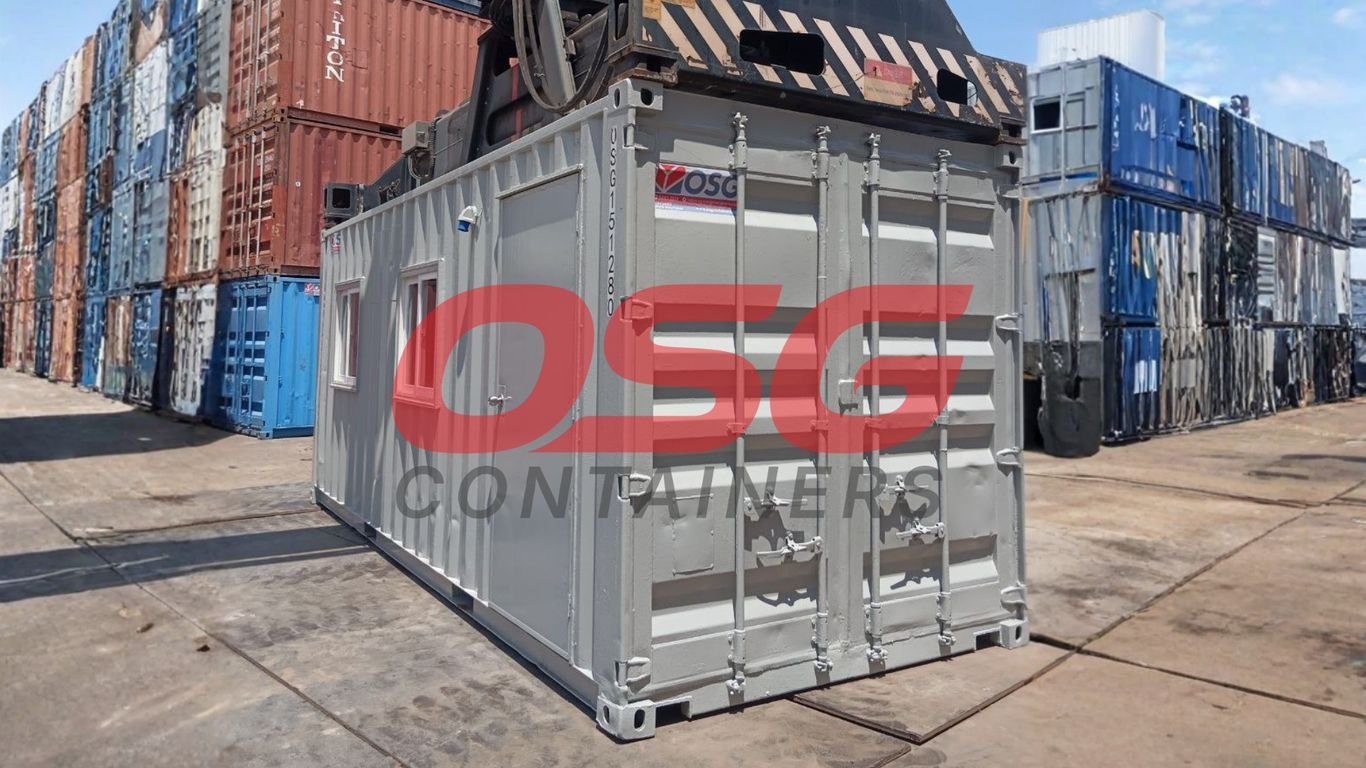
So, you’ve heard about using shipping containers for stuff, but did you know a 20 feet container can be way more than just storage? Seriously, these things can turn into offices, workshops, or even cool little shops. It’s like getting a blank canvas, but made of steel, ready for whatever project you’ve got brewing. We’re talking about making a space that works for you, without breaking the bank or taking forever to build. Let’s check out how a simple 20 feet container can really change things up.
Key Takeaways
- A 20 feet container offers a budget-friendly and tough alternative to traditional building structures for offices or workspaces.
- These containers are built to last, handling tough weather conditions and providing a secure environment for your needs.
- Repurposing a 20 feet container is a smart, eco-friendly move, cutting down on waste and new material use.
- You can shape a 20 feet container into almost anything – a job site office, a home workspace, or a unique retail spot.
- Planning is key, from picking the right container and features to understanding local rules before you start your 20 feet container project.
Transforming a Container 20 Feet Into A Functional Office
Customizable Office Space Modifications
So, you’ve got a 20-foot container, and now you’re thinking, ‘How do I make this an actual office?’ Well, the cool thing is, these containers are like blank canvases. You can really tailor them to what you need. Think about adding extra rooms if you need a private space for calls or a small meeting area. Some folks even add little outdoor decks or patios, which is pretty neat for taking a break. The possibilities for modifying the interior are pretty much endless, limited only by your imagination.
Integrating Essential Amenities
An office isn’t much good without the basics, right? For a 20-foot container, you’ll want to think about things like windows for natural light and ventilation. Most conversions include at least one door, often a personnel door for easy access. Then there’s the electrical setup – you’ll need power for lights, computers, and maybe a mini-fridge. Insulation is also a big one, especially if you’re in a place with really hot summers or cold winters. And don’t forget about climate control, like an AC unit or a small heater, to keep things comfortable year-round.
Here’s a quick rundown of common amenities:
- Windows (standard or custom sizes)
- Personnel doors
- Electrical wiring and outlets
- Lighting fixtures
- HVAC (heating, ventilation, and air conditioning)
- Insulation (spray foam, rigid boards)
Enhancing Productivity with Natural Light
Nobody likes working in a dark box, and that’s where windows come in. Adding windows to your 20-foot container office makes a huge difference. It’s not just about seeing outside; natural light actually helps people feel more awake and focused. You can get standard-sized windows, or if you have a specific look in mind, custom sizes are totally doable. Most companies that do these conversions weld steel frames for the windows, making them really sturdy. You can even add security bars if you’re worried about that. Strategically placing them can also cut down on how much you need to use artificial lights during the day, saving a bit on electricity.
When planning your container office, think about where the sun hits throughout the day. Placing windows on the side that gets morning sun can make the space feel warmer and brighter earlier, while afternoon sun might be too intense without some shade or blinds.
The Advantages of a Container 20 Feet Office Solution
When you’re looking for a new office space, a 20-foot container office really shakes things up. It’s not just about being different; there are some solid reasons why people are choosing these modified shipping containers over traditional buildings. They offer a smart blend of practicality and affordability that’s hard to beat.
Cost-Effective Alternative to Traditional Buildings
Let’s talk money. Building a new office or even renting a commercial space can put a serious dent in your budget. A container office, on the other hand, is often much cheaper. You’re essentially buying a sturdy, pre-made structure and then modifying it to suit your needs. This can save you a significant amount compared to laying foundations, erecting walls, and dealing with all the other expenses that come with conventional construction. Think of it as getting a high-quality workspace without the sky-high price tag.
Durability and Weather Resistance
These containers were built to travel the world’s oceans, so they’re tough. They’re made from strong steel and designed to handle rough conditions, which means they can stand up to pretty much any weather you throw at them. Rain, wind, sun – your container office will keep your equipment and your team protected. This kind of resilience means less worry about damage and repairs down the line.
Sustainable and Eco-Friendly Choice
Choosing a container office is also a good move for the planet. Instead of using new materials to build from scratch, you’re repurposing something that already exists. This reduces waste and lowers the environmental impact associated with construction. It’s a way to get the office space you need while being more mindful of your footprint.
Repurposing a shipping container means you’re giving a second life to a structure that might otherwise sit unused. It’s a practical way to build that also aligns with greener practices, making your business look good and feel good about its choices.
Versatile Applications for Your Container 20 Feet
A 20-foot shipping container isn’t just for hauling goods across the ocean. It’s a blank canvas that can be adapted for all sorts of uses, way beyond just storage. Think of it as a modular building block that you can place almost anywhere.
Temporary Job Site Workplaces
Construction companies often need a solid base on-site for managing projects. Instead of renting trailers that get banged up and are a hassle to move, a modified 20-foot container offers a more robust and professional setup. It’s a place to hold meetings, sort out paperwork, and keep an eye on the work happening. Plus, they’re built tough, so they can handle the rough and tumble of a busy construction zone.
- Durability: Built to withstand harsh weather and site conditions.
- Portability: Can be moved relatively easily between job sites.
- Security: Offers a secure space for valuable equipment and documents.
These containers provide a stable and secure environment, allowing project managers and teams to operate efficiently right where the action is. It cuts down on travel time and keeps everyone connected to the project’s progress.
Affordable Home Office Solutions
Lots of people are working from home these days, and sometimes the house just doesn’t cut it. A 20-foot container can be transformed into a dedicated home office, giving you that separation between work and personal life without the huge expense of building an addition. You can set it up in your backyard, add windows for natural light, and even put in heating and cooling so it’s comfortable year-round. It’s a smart way to get a private workspace without breaking the bank.
Unique Pop-Up Retail Spaces
Thinking about starting a small business or testing out a new product? A container can be a fantastic pop-up shop. You can customize it to look really cool, add signage to attract customers, and set it up for events, markets, or even just a temporary storefront. It’s eye-catching and much cheaper than renting a traditional retail space, especially for short-term ventures.
| Feature | Benefit |
|---|---|
| Customization | Tailor the look to your brand and needs |
| Mobility | Easily relocate to different high-traffic areas |
| Cost-Effectiveness | Lower startup costs than brick-and-mortar |
Planning Your Container 20 Feet Conversion Project
So, you’ve decided a 20-foot container is the way to go for your new office, storage, or project space. That’s great! But before you get too excited about paint colors and furniture, there are a few important steps to take. Think of it like building anything else – you need a solid plan before you start hammering away.
Understanding the Conversion Process
Turning a steel box into a functional space isn’t just about cutting a hole for a door. It’s a multi-step journey. First, you need to figure out exactly what you want the space to do. Is it a quiet office, a workshop, or a place to store sensitive equipment? Once you know that, you can start looking at containers. Then comes delivery, getting all your materials, and the actual modifications. If you’re hiring someone to do the work, factor in their time and cost. If you’re doing it yourself, make sure you have the skills and time needed. It’s a bit more involved than just buying a pre-fab shed, but the results can be way more customized.
Selecting the Right Container Size and Features
Not all 20-foot containers are created equal. You’ll want to think about what condition the container is in. A ‘one-trip’ container is usually in pretty good shape, while a ‘used’ one might have more dents and rust. Also, consider if you need extra features like reinforced doors or specific tie-down points. For an office, you’ll definitely want to think about insulation and ventilation. Some containers come with these already, or you might need to add them. It’s all about matching the container to what you plan to do with it.
Here’s a quick look at some common container types:
| Type | Condition |
|---|---|
| One-Trip | Minimal use, excellent condition |
| Cargo Worthy | Structurally sound, wind/watertight |
| Wind/Water | May have dents/rust, but still sealed |
| As-Is | Significant wear, for parts or heavy repair |
Navigating Local Regulations and Permits
This is a big one, and honestly, it’s easy to overlook. Before you even buy a container, check with your local city or county planning department. You might need permits for placing the container on your property, especially if you plan to connect utilities like electricity or water. Zoning laws can also play a role. What’s allowed in a residential area might be different from a commercial zone. Ignoring these rules can lead to fines or even having to move your container later on. It’s always better to ask first and save yourself a headache.
Planning ahead is key. Think about the container’s placement on your property, how you’ll access it, and what utilities you might need. Getting these details sorted early saves time and prevents costly mistakes down the line. It’s about making sure your cool new container space fits perfectly into your life and your local rules.
Enhancing Your Container 20 Feet Workspace
So, you’ve got your 20-foot container, and it’s ready to become more than just a metal box. Making it a truly functional and pleasant place to work involves a few key upgrades. Think of it like decorating your home, but with a focus on productivity and comfort.
Interior Flooring and Finishing Options
When these containers arrive, the floors are usually pretty basic – tough, sure, but not exactly inviting. You’ve got options here. For a professional look, especially if it’s an office or retail space, consider vinyl or wood-look flooring. It makes a huge difference in how the space feels. If it’s going to be a breakroom or a place where people might get messy, something like polyvinyl or rubber flooring is easier to clean and safer. And the walls? They’re often just bare metal. A coat of paint can totally change the vibe, making it feel less industrial and more like a real room. It also adds a layer of protection.
Adding Branding and Professional Signage
If this container is for your business, you’ll want people to know it’s yours. Adding your company’s logo or colors is a smart move. You can paint it right on, or if you think your branding might change, magnetic signs are a great option. They look professional and can be swapped out easily. It turns your container from a generic structure into a branded asset that represents your business.
Essential Mobile Office Upgrades
Beyond just looks, there are practical things that make a container office actually work well. Think about:
- Climate Control: An HVAC unit is pretty much a must. You need to keep it comfortable year-round, whether it’s scorching hot or freezing cold outside.
- Lighting: Good lighting is key. Recessed LED lights look clean and modern, and they use less energy. You might also want motion-sensor lights for security or to save power.
- Electrical: You’ll need outlets for computers, lights, and anything else you plan to use. Getting proper wiring done is important for safety and convenience.
- Insulation: This goes hand-in-hand with climate control. Proper insulation keeps the temperature stable and makes the space much more comfortable, cutting down on energy costs too.
Making these additions isn’t just about making the space look good; it’s about making it a place where people can actually get work done comfortably and safely. It transforms the container from a temporary structure into a reliable and pleasant workspace.
These modifications help ensure your container workspace is not just a structure, but a productive environment. It’s about creating a space that works for you, day in and day out.
Innovative Uses for a Container 20 Feet
Customer Waiting Areas
Think about businesses that often have people waiting, like rideshare services or even some medical clinics. Instead of having customers stand around outside or cram into a tiny lobby, a 20 feet container can be set up as a comfortable waiting area. You can add seating, maybe a TV, and definitely climate control. It’s a way to make a good first impression and show you care about your visitors’ comfort. This simple setup can really change how people feel about your business before they even get to talk to anyone.
Protective Equipment Enclosures
Some equipment, especially sensitive electronics or machinery like motor control centers (MCCs), needs protection from the elements and a controlled environment. A 20 ft container is a solid, secure box that can house this gear. You can outfit it with ventilation, temperature control, and easy access points for maintenance. This keeps expensive equipment safe and working properly, which is a big deal for companies that rely on it.
Observation Rooms for Training
Imagine a fire department needing a safe spot to watch training exercises. A modified container can serve as an observation room. With windows installed, trainers or observers can get a clear view of what’s happening without being in harm’s way. This is super useful for learning and improving skills in high-risk fields. It’s a practical way to create a dedicated viewing space that’s also durable and portable, unlike a permanent structure.
Here’s a quick look at how these uses stack up:
| Use Case | Key Features | Benefits |
|---|---|---|
| Customer Waiting Area | Seating, climate control, branding, TV | Improved customer experience, professional image |
| Equipment Enclosure | Ventilation, temperature control, secure access | Protects sensitive equipment, reliable operation |
| Observation Room | Windows, safe viewing distance, climate control | Facilitates training, improves skill development, ensures safety |
Using an open top container or a standard 20 feet container for these kinds of specialized jobs shows just how adaptable these structures are. They aren’t just for storage or basic offices; they can be tailored for very specific, important tasks that keep operations running smoothly and safely.
Ready to Make the Move?
So, there you have it. A 20-foot container isn’t just a metal box; it’s a blank canvas for your storage, office, or project needs. Whether you’re looking for a sturdy place to stash your gear, a quiet spot to get work done, or a unique setup for a special project, these containers offer a smart, budget-friendly, and adaptable solution. They’re tough, can be customized to look and work exactly how you want, and are way better for the planet than building something new. If you’re tired of the usual options and want something that really fits your situation, it might be time to seriously consider what a modified shipping container can do for you. Give it some thought – you might be surprised at what’s possible.
Frequently Asked Questions
Can I really turn a shipping container into a nice office?
Absolutely! People are turning these strong metal boxes into cool, comfy offices. You can add windows for sunlight, air conditioning to stay cool, and even paint the inside to make it look great. It’s like a blank canvas for your workspace!
Is it cheaper to use a container than build a regular office?
Yes, it usually is! Building a new office costs a lot of money. Buying and changing a shipping container is often way cheaper, saving you cash while still giving you a solid place to work.
Are container offices good for the environment?
They sure can be! Instead of using new materials to build, we’re reusing old shipping containers. This is a smart way to help the planet by reducing waste and using fewer resources.
What kind of jobs are good for container offices?
Lots of jobs! Construction sites love them because they’re tough and can be moved easily. They’re also great for pop-up shops, temporary offices, or even a quiet home office if you work from home.
What do I need to think about before getting a container office?
You’ll want to plan what you need inside, like how many windows or if you need heating and cooling. Also, check with your local town or city to see if you need any special permission or permits to set it up.
Can I make my container office look professional and branded?
Definitely! You can paint the outside, add your company’s logo, or put up signs. This makes it look like a real, professional business space that customers will recognize.