Singapore
 Australia
 Indonesia
 Japan
Japan Malaysia
 New Zealand
 Philippines
 South Korea
 Taiwan
 Thailand
 VIETNAM
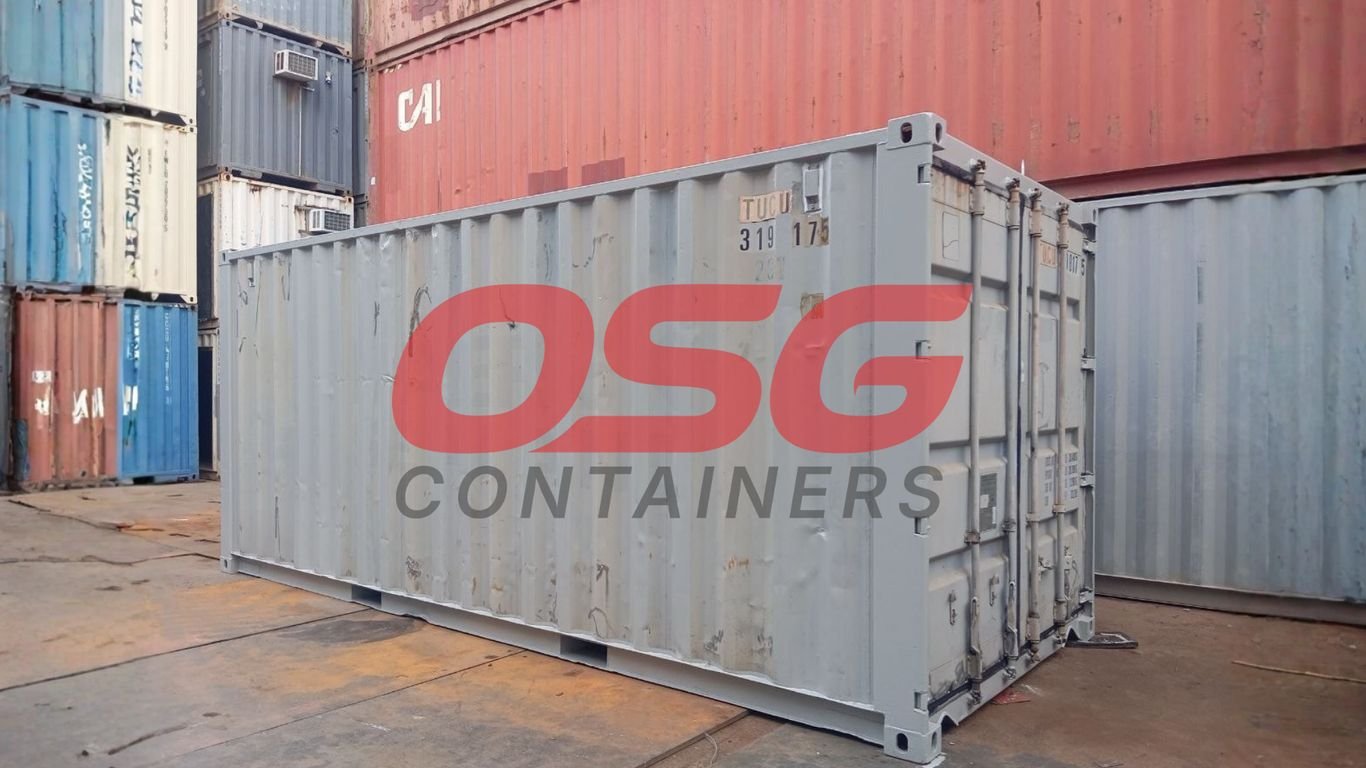
So, the 40-foot container. It’s basically everywhere in shipping, right? You see them stacked high on ships, lined up at ports, and rumbling down the highway. It’s easy to just see them as big metal boxes, but they’re actually pretty important for how stuff gets around the world. This article is going to break down why these containers are such a big deal in modern logistics, looking at their history, how they’re used, and what makes them so practical for businesses.
Key Takeaways
- The 40-foot container has a long history, evolving from early ideas to become a standardized ISO unit in the 1960s, which really sped up global trade.
- Standard dimensions are about 40 ft long, 8 ft wide, and 8.5 ft high, with internal space slightly less due to wall thickness. High cube versions offer more height.
- These containers are super versatile, coming in types like dry, high cube, refrigerated, open-top, and flat rack, each suited for different kinds of cargo.
- Using 40-foot containers is cost-effective for bulk shipments because of their large volume-to-cost ratio and they work with ships, trains, and trucks, making shipping smoother.
- When buying a 40-foot container, think about vendor reliability, customization needs, how you’ll move it, and which type best fits your specific cargo and conditions.
The Enduring Significance of the 40-Foot Container
History and Evolution of Shipping Containers
The story of the 40-foot container is really the story of how global trade got so much easier. Before these big metal boxes, moving goods between countries was a real headache. Stuff was loaded and unloaded piece by piece, which took ages and meant a lot of things got damaged. It wasn’t until the mid-20th century that the idea of a standardized container really took off. The 40-foot size, in particular, became the go-to standard around the 1960s. This standardization was a game-changer. Suddenly, ships, trains, and trucks could all handle the same container without much fuss. This made shipping faster, cheaper, and a lot less risky for the cargo. It basically paved the way for the massive growth in international trade we see today.
Standard Dimensions of a 40-Foot Container
When we talk about a standard 40-foot container, there are some key measurements to keep in mind. These dimensions are set by international standards to make sure they fit everywhere.
- External Dimensions: Typically, a container is about 40 feet long, 8 feet wide, and 8.5 feet high. This is the size you’ll see when it’s sitting on a dock or a truck.
- Internal Dimensions: Because of the container walls, the inside space is a bit smaller. You’re looking at roughly 39.5 feet long, 7.7 feet wide, and 7.9 feet high.
- Doorway: The door opening is usually around 7.7 feet wide and 7.5 feet high, which is important for getting things in and out.
Understanding the 40-Foot Container Size
So, what exactly makes up a 40-foot container? It’s more than just a big box; it’s a carefully designed piece of equipment. The most common types are the standard 40-footer and the ‘High Cube’ version, which gives you an extra foot of height.
| Feature | 40′ Standard | 40′ High Cube |
|---|---|---|
| External Length | 40 ft | 40 ft |
| External Width | 8 ft | 8 ft |
| External Height | 8 ft 6” | 9 ft 6” |
| Internal Length | 39 ft 5” | 39 ft 5” |
| Internal Width | 7 ft 8” | 7 ft 8” |
| Internal Height | 7 ft 10” | 8 ft 10” |
| Floor Space | 306 sq. ft. | 306 sq. ft. |
| Tare Weight | 8000 lbs | 8775 lbs |
The standardization of container sizes, especially the 40-foot model, has been a quiet revolution in how the world does business. It simplified complex processes into a manageable system, allowing goods to flow more freely across borders than ever before.
These dimensions mean that a 40-foot container offers a significant amount of space, around 306 square feet of floor area. This capacity is why it’s so popular for moving large quantities of goods. The ability to move so much cargo in a single, standardized unit is what makes the 40-foot container so important.
Maximizing Efficiency with 40-Foot Containers
So, you’ve got your 40-foot container, and now it’s time to actually use it to move stuff. It’s not just about stuffing things in and hoping for the best, you know? There are smart ways to pack and plan that can make a big difference in your costs and how smoothly everything goes.
Efficient Packing and Stacking Strategies
This is where you really get your money’s worth. Think of the inside of that container as prime real estate. You want to use every cubic foot you can. Using pallets is a no-brainer, but it’s also about how you arrange them. Tetris skills are surprisingly useful here. You want to pack things tightly to avoid them shifting around during transit. Loose items can get damaged, and that’s just a waste. Plus, a well-packed container is often more stable on the truck or ship.
Here are a few things to keep in mind:
- Palletize everything possible: This makes loading and unloading faster and helps keep goods stable.
- Distribute weight evenly: Don’t put all the heavy stuff on one side. This is important for safety and stability.
- Fill empty spaces: Use dunnage, like air bags or packing materials, to fill any gaps. This stops things from moving.
- Stack smart: If you’re stacking boxes, make sure they can handle the weight from above. Don’t stack too high if the boxes aren’t strong enough.
The goal is to fit as much as possible without compromising the safety of the cargo. It’s a balance between volume and security.
Cargo Consolidation Benefits
Got a few smaller shipments going to the same general area? Don’t just book three separate containers. Consolidating them into one 40-foot container can save you a surprising amount of cash. It means fewer trucks, fewer ships, and less paperwork. It’s like carpooling for your goods. This is especially great if you’re a smaller business or you’re sending out a variety of products to different clients at the same destination.
Optimizing Shipping Operations
Beyond just packing, think about the whole process. How are you getting the container to the loading dock? How quickly can it be unloaded at the other end? Streamlining these movements is key to keeping your supply chain flowing. Sometimes, it’s about having the right equipment ready, like a forklift or a crane, or even just scheduling your deliveries and pickups at off-peak times to avoid delays. It all adds up to faster transit times and happier customers.
Diverse Applications of 40-Foot Containers
Types of 40-Foot Containers Available
The standard 40-foot container is a workhorse, but it’s not a one-size-fits-all solution. Depending on what you’re shipping, you’ll find different variations of the 40 ft container designed for specific needs.
- Standard Dry Containers: These are your everyday, all-purpose containers. They’re built to keep goods safe and dry, perfect for most non-perishable items.
- High Cube Containers: Need a bit more headroom? High cubes offer extra vertical space, great for bulky items or when you want to maximize every inch.
- Refrigerated (Reefer) Containers: For anything that needs temperature control, like food or medicine, reefers are the way to go. They keep your cargo at the exact temperature it needs to be.
- Open-Top Containers: Loading really tall or awkward items? Open-tops have a removable roof, making it much easier to load from above.
- Flat Rack Containers: These are ideal for oversized cargo, like heavy machinery or vehicles. They have foldable sides, offering flexibility for loading and securing unusual shapes.
Choosing the right type of cont 40 feet is the first step to making sure your cargo arrives in good condition.
Common Uses Beyond Transportation
While shipping goods across oceans is what 40-foot containers are famous for, their usefulness doesn’t stop there. These robust steel boxes have found a second life in many other areas.
- On-Site Storage: Businesses often use them as secure, weather-proof storage units right at their location. Think construction sites needing to store tools and materials, or retailers needing extra inventory space.
- Temporary Offices or Workshops: With some modifications, a 40 foot containers can be transformed into functional workspaces, site offices, or even pop-up shops.
- Event Structures: They can be adapted for use as stages, bars, or information booths at festivals and events.
- Housing and Living Spaces: Believe it or not, people are converting these containers into homes, studios, and even small apartments. It’s a creative and often more affordable way to build.
It’s pretty amazing how versatile these metal boxes can be.
On-Site Storage Solutions
When your business needs extra space, a 40-foot container can be a quick and cost-effective solution. Instead of building a new structure, you can simply rent or buy a container and have it delivered right to your site. This is particularly helpful for:
- Seasonal Inventory: Retailers can store extra stock during peak seasons.
- Construction Projects: Keeping tools, equipment, and materials secure on-site.
- Equipment Storage: Storing machinery or vehicles when not in use.
These containers offer a secure, dry, and accessible storage option that can be deployed relatively quickly. The adaptability of the 40-foot container makes it a valuable asset far beyond its traditional role in global trade.
The sheer volume and standardized nature of 40-foot containers mean they are readily available and relatively inexpensive to repurpose. This accessibility, combined with their inherent durability, makes them a practical choice for a wide range of applications, from simple storage to more complex architectural projects.
Key Advantages of Utilizing 40-Foot Containers
So, why are these big metal boxes so popular in shipping? It really comes down to a few big wins that make life easier for pretty much everyone involved in moving goods.
Exceptional Versatility and Capacity
These containers are like the Swiss Army knives of shipping. They can haul a ton of stuff, usually around 28 to 30 metric tons. Think everything from your everyday gadgets to raw materials or even food that needs to stay fresh. Their size means you can pack a lot in, which is great for big jobs. Plus, they’re built tough, so your cargo is pretty safe from the usual bumps and weather that happen during a trip.
Cost-Effectiveness for Bulk Shipments
If you’ve got a lot of goods to move, using 40-foot containers just makes financial sense. You get more bang for your buck because you’re fitting more product into fewer containers. This cuts down on shipping costs and simplifies the whole process. It’s a straightforward way to save money when you’re dealing with large volumes.
Intermodal Compatibility and Security
One of the coolest things is how easily these containers switch between different types of transport. They can go from a ship to a train, then to a truck, without you having to repack anything. This makes moving goods across different countries or even just across the state much smoother. And let’s not forget security. These containers are built like tanks, protecting your valuable items from theft and damage. You can rest a bit easier knowing your stuff is locked up tight and protected from the elements.
The standardized design of the 40-foot container is a major reason for its widespread adoption. This uniformity allows for predictable handling and storage across different ports, rail yards, and trucking terminals, reducing guesswork and potential delays.
Navigating the Purchase of a 40-Foot Container
So, you’ve decided a 40-foot container is the way to go for your storage or shipping needs. That’s a solid choice, given their size and versatility. But buying one isn’t quite like picking up a loaf of bread. There are a few things to think about to make sure you get exactly what you need without any headaches.
Considerations for Container Purchase
Before you even start looking at prices, take a moment to figure out what you’ll actually be using the container for. Is it just for storing stuff at your place, or is it going to be moved around a lot? This makes a big difference. You’ll also want to think about the condition you need. A brand new one is great, but a used one, if it’s in good shape, can save you a good chunk of change. Just be sure to check for any serious rust or damage that could cause problems down the line.
- Purpose: Storage, transport, or a custom project?
- Condition: New, one-trip, or used?
- Budget: How much are you looking to spend?
- Type: Standard, High Cube, or something else?
Knowing your intended use upfront will guide all your other decisions, from the container’s condition to potential modifications.
Container Vendor Selection
Finding the right place to buy from is pretty important. You don’t want to end up with a container that’s falling apart or a seller who’s hard to deal with. Look for companies that have good reviews and a solid reputation. It’s worth spending a little time researching different suppliers. Some companies have lots of locations, which can be helpful if you need delivery.
Customization and Modification Potential
Sometimes, a standard container just won’t cut it. Maybe you need to add windows for an office space, extra doors for easier access, or insulation for temperature control. Think about whether the container you’re looking at can be modified easily. Most 40-footers are pretty adaptable, but it’s good to know what’s possible before you buy. This is especially true if you’re planning a conversion project.
| Modification Type | Common Use Cases |
|---|---|
| Windows/Doors | Offices, workshops, living spaces |
| Insulation | Temperature-sensitive storage, living quarters |
| Electrical Wiring | Power for lights, tools, or climate control |
| Shelving/Racking | Optimized storage organization |
Future Trends in Container Logistics
The world of shipping containers isn’t just about metal boxes moving goods from point A to point B anymore. Things are changing, and fast. We’re seeing a lot of new ideas pop up that are going to shake things up.
Technological Advancements in Container Shipping
Think about containers that can tell you exactly where they are, what the temperature is inside, or even if someone’s tried to open them. That’s the direction we’re heading with smart containers. They’re packed with sensors and connected to the internet, giving us real-time info. This means less guesswork and fewer surprises. Plus, automation is creeping into ports and warehouses, making loading and unloading quicker and more efficient. AI is also starting to play a role, helping to figure out the best routes and schedules.
Environmental Measures and Growth Estimates
Everyone’s talking about being greener, and container shipping is no exception. There’s a big push for cleaner fuels and more eco-friendly packaging. We’re also seeing estimates that predict continued growth in global trade, which means more containers will be on the move. It’s a balancing act, trying to handle more cargo while reducing our impact on the planet.
The Evolving Role of the 40-Foot Container
So, where does the trusty 40-foot container fit into all this? It’s not going anywhere, but its job might change a bit. We’re seeing more specialized versions, like high-cube containers that give you extra height for bulky items. They’re also being used for more than just shipping – think temporary offices or even homes. The 40-foot container remains a workhorse, but it’s getting smarter and more adaptable.
Here’s a quick look at some of the shifts:
- Smart Tech Integration: More sensors, better tracking, and data analysis.
- Sustainability Focus: Cleaner energy sources and reduced waste.
- Increased Specialization: Containers designed for specific needs beyond standard cargo.
- Automation: Faster handling at ports and distribution centers.
The logistics industry is constantly adapting. While new technologies and environmental concerns are reshaping how we move goods, the fundamental need for reliable, large-capacity transport remains. The 40-foot container, with its proven track record, is well-positioned to continue being a key player, evolving alongside these new trends.
Wrapping It Up
So, there you have it. The 40-foot container isn’t just a big metal box; it’s pretty much the backbone of how stuff gets around the world these days. It’s tough, holds a ton, and doesn’t cost an arm and a leg to use, which is why pretty much everyone in global trade relies on them. Figuring out how to pack them right and maybe even combining shipments can really make a difference in how smoothly things run. Honestly, these containers have totally changed the game for moving goods, and they’re not going anywhere anytime soon. They’re a big deal, and understanding them helps make sense of the whole shipping world.
Frequently Asked Questions
What exactly is a 40-foot container?
Think of a 40-foot container as a big, sturdy metal box used for shipping stuff all over the world. It’s like a standard size, so ships, trains, and trucks are all built to carry them easily. They’re super important for moving lots of goods from one place to another.
How big is a 40-foot container, really?
It’s about 40 feet long, which is longer than a school bus! It’s also 8 feet wide and about 8.5 feet tall on the outside. Inside, there’s still a lot of room for your cargo, usually around 39.5 feet long.
What kind of things can you ship in a 40-foot container?
You can ship almost anything that fits and isn’t too weird or dangerous! This includes things like clothes, electronics, furniture, building materials, and even food. There are special containers for things that need to stay cold, like refrigerated ones.
Why are 40-foot containers so popular?
They’re popular because they hold a lot of stuff, which makes shipping cheaper per item. They’re also really tough and protect your cargo from weather and damage. Plus, they can easily be moved from a ship to a train to a truck without unloading everything.
Can I use a 40-foot container for something other than shipping?
Yes, you can! People buy them to use as storage sheds, workshops, or even to build cool homes or offices. They’re strong and weatherproof, making them great for all sorts of projects besides just moving goods.
How much stuff can a 40-foot container actually hold?
A standard 40-foot container can usually hold around 30 to 32 metric tons of weight. That’s a lot! It’s like carrying several cars’ worth of weight, so it’s perfect for big jobs.