Singapore
 Australia
 Indonesia
 Japan
Japan Malaysia
 New Zealand
 Philippines
 South Korea
 Taiwan
 Thailand
 VIETNAM
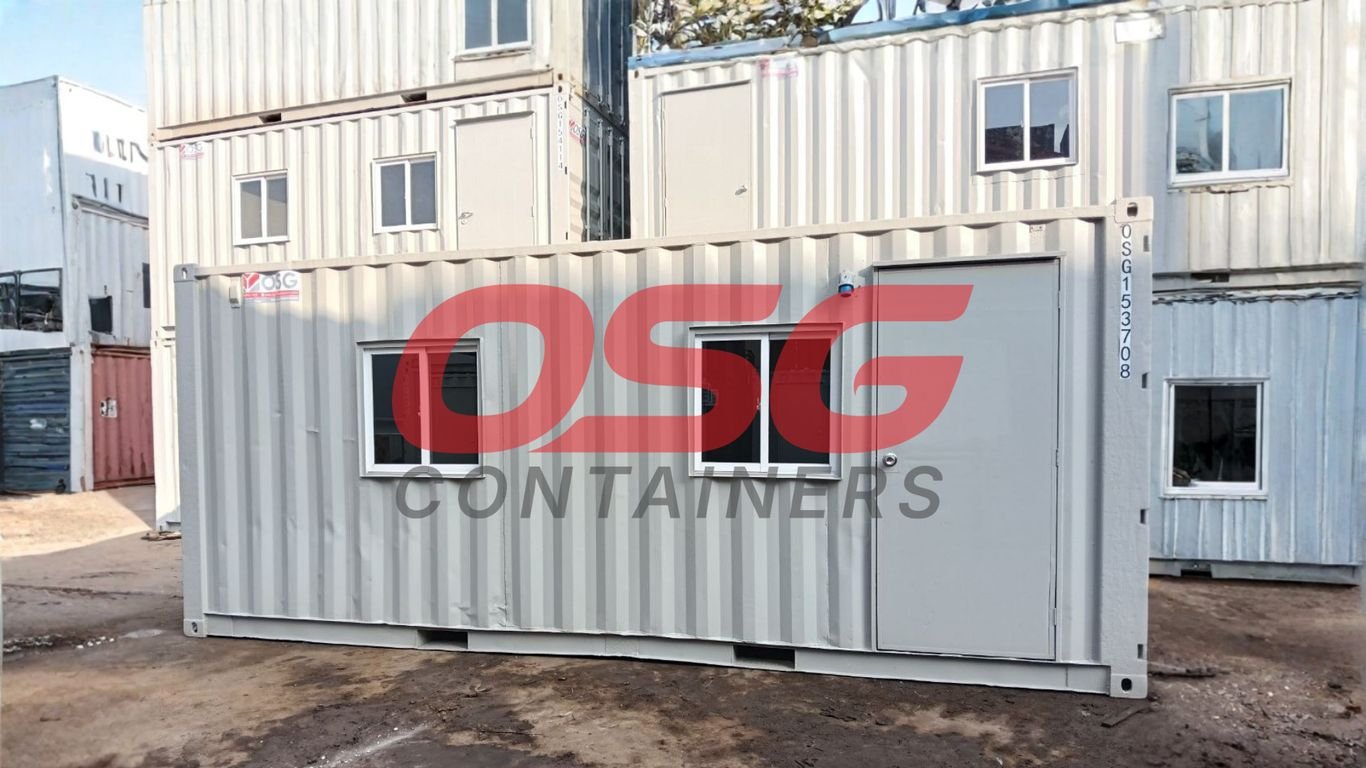
So, you’re looking at shipping containers and see ‘standard’ and ‘high cube’ options. What’s the big deal? It’s not just marketing speak; there’s a real difference, and it matters for what you’re storing or building. Think of it like choosing between a regular car and a slightly taller SUV. The main difference is that extra foot of height in the high cube container, and that little bit can change a lot about how much you can fit or what you can do with it. Let’s break down what that extra height really means for you.
Key Takeaways
- The main difference between a standard and a high cube container is height: a high cube is about a foot taller, offering more vertical space.
- This extra height gives a high cube container significantly more cubic feet of storage space, making it ideal for bulky items or when you need to stack things higher.
- High cube containers are often preferred for modifications and conversions, like creating living spaces or offices, because the extra headroom is a big plus.
- Standard containers are generally more affordable and widely available, making them a good choice for regular-sized goods or when budget is the main concern.
- Your choice between a standard and high cube container should depend on your specific cargo dimensions, total volume needs, budget, and any planned modifications.
Understanding the Height Difference
When you’re looking at shipping containers, the first thing that might jump out is the difference in height between a standard unit and a ‘high cube’ model. It might not seem like a huge deal at first glance, but that extra foot can make a surprising amount of difference for what you can fit inside.
Standard Container Exterior Height
A typical standard shipping container, whether it’s 20 or 40 feet long, usually stands at about 8 feet 6 inches tall on the outside. This has been the go-to size for ages, and it works for a lot of common cargo.
High Cube Container Exterior Height
Now, the high cube container is where things get a bit taller. These units are generally 9 feet 6 inches high externally. So, you’re getting a full extra foot of vertical space compared to the standard model. They keep the same length and width, so it’s just that added height that sets them apart.
The Impact of an Extra Foot
That extra foot might sound small, but it really changes things. For starters, it means more interior space, which is great if you’re shipping taller items or need a bit more room to maneuver things around inside, maybe with a forklift. Think about it: if your cargo is just over 8 feet tall, it won’t fit in a standard container, but it might just squeeze into a high cube. This extra height is also why high cubes are popular for people looking to convert them into offices or living spaces – more headroom is always a good thing!
Here’s a quick look at the typical exterior dimensions:
| Container Type | Length | Width | Height |
|---|---|---|---|
| Standard Container | 20′ or 40′ | 8′ | 8′ 6" |
| High Cube Container | 20′ or 40′ | 8′ | 9′ 6" |
It’s important to remember that while high cubes offer more space, that extra height can sometimes be a challenge. You’ll need to be mindful of overhead clearances, especially when transporting them through areas with low bridges or tunnels. Always check the route beforehand if you’re using high cubes for transport.
Volume and Capacity Considerations
So, you’ve got stuff to move or store. The big question then becomes, how much stuff are we talking about? This is where the volume and capacity of your container really come into play, and it’s not just about fitting things in; it’s about doing it efficiently.
Standard Container Cubic Feet
A standard 40-foot shipping container offers a decent amount of space, typically around 2,350 cubic feet. That’s enough for a lot of things, like furniture for a small house, a good chunk of inventory, or materials for a construction project. It’s the workhorse for many shipping needs, and for good reason. It holds a lot, plain and simple.
High Cube Container Cubic Feet
Now, let’s talk about the high cube. Remember that extra foot of height we discussed? It translates directly into more space. A 40-foot high cube container can hold roughly 2,700 cubic feet. That’s an extra 344 cubic feet compared to its standard sibling. Think of it like getting a whole extra room added onto your storage unit.
| Container Type | Exterior Height | Interior Height | Approx. Cubic Feet (40ft) |
|---|---|---|---|
| Standard | 8′ 6" | 7′ 10" | 2,350 |
| High Cube | 9′ 6" | 8′ 10" | 2,700 |
Maximizing Storage with High Cubes
That extra foot of height in a high cube isn’t just a number; it’s a practical advantage. It means you can stack items higher, which is a game-changer for certain types of cargo.
- Tall Items: If you’re shipping machinery, tall furniture, or anything that stands significantly above 7 feet, the high cube is a lifesaver. No more awkward tilting or leaving valuable vertical space unused.
- Bulk Goods: For products that come in boxes or bags, you can often stack them an extra level higher, significantly increasing the total volume you can fit inside.
- Future Needs: Even if your current cargo fits a standard container, having the extra space in a high cube can provide flexibility for future shipments or unexpected additions.
The difference of one foot might seem small on paper, but in the real world of loading and packing, it can mean the difference between needing one container or two. This directly impacts not just how much you can ship, but also the cost associated with that shipment.
So, when you’re looking at your cargo, really think about its dimensions and how you plan to pack it. That extra bit of vertical space can make a surprisingly big difference.
Key Use Cases for High Cube Containers
Transporting Oversized Items
Sometimes, the stuff you need to move just doesn’t fit into a regular container. Think about large pieces of furniture, industrial equipment, or even specialized machinery. Standard containers, with their limited headroom, can make packing these items a real headache, if not impossible. High cube containers offer that extra foot of vertical space, making it much easier to load and transport taller or bulkier goods without having to disassemble them or find alternative, more expensive shipping methods. It’s like having a little extra wiggle room when you really need it.
Storing Bulk Goods
When you’re dealing with a lot of items that need to be stacked, that extra height in a high cube container really pays off. Retailers sending large shipments, or anyone needing to store a significant volume of goods, can benefit. You can fit more on each level, potentially reducing the number of containers you need. This can be a real money-saver in the long run, especially for businesses moving a lot of product.
| Container Type | Interior Height | Approx. Additional Volume | Use Case Example |
|—————–|—————–|—————————|
| Standard (40ft) | 7′ 10" | N/A | Regular palletized goods |
| High Cube (40ft)| 8′ 10" | 344 cubic feet | Stacked boxes, tall machinery |
Ideal for Modifications and Conversions
That extra vertical space isn’t just for shipping. High cube containers have become super popular for people looking to convert them into something else. Whether you’re thinking about a temporary office space, a workshop, or even a small living area, the added headroom makes a huge difference in comfort and usability. It feels less cramped and allows for more creative interior designs.
The extra height in a high cube container opens up a lot of possibilities beyond just shipping. It’s this adaptability that makes them a go-to for projects needing more than just standard cargo space. Think of it as a blank canvas with a bit more ceiling to work with.
Here are a few popular modification ideas:
- Mobile Offices: Create a comfortable workspace on-site for construction projects or events.
- Pop-Up Shops: Design unique retail spaces that can be easily transported.
- Storage Units: Offer more spacious, organized storage solutions for individuals or businesses.
- Workshops: Set up a functional area for hobbies or small-scale manufacturing.
When to Choose a Standard Container
So, you’re looking at shipping containers and wondering if you really need that extra foot of height. For a lot of folks, the answer is actually no. Standard containers, often called "8-foot-6" containers, are the workhorses of the shipping world for a reason. They get the job done for a huge range of cargo without the added cost or complexity of a high cube. Think of them as the reliable sedan of the container world – perfectly capable for most everyday trips.
Cost-Effectiveness of Standard Units
Let’s be real, budget is usually a big factor. Standard containers are generally less expensive to buy or rent than their high cube counterparts. That extra foot of steel and the associated manufacturing costs add up. If your cargo fits comfortably within the standard dimensions, opting for a regular container can save you a noticeable amount of money. This is especially true if you’re buying multiple units or need them for a longer period. It’s not just the initial price, either; sometimes, shipping costs can be slightly lower too, depending on the carrier and route.
Suitability for Regular Sized Goods
Most common items shipped or stored don’t need that extra vertical space. We’re talking about things like:
- Standard pallets of goods
- Furniture for homes or offices
- Machinery that isn’t exceptionally tall
- Clothing and textiles
- Many types of consumer products
If your cargo dimensions are well within the typical interior height of around 7 feet 10 inches, a standard container is perfectly adequate. Trying to fit items that are just a little too tall might seem like a good idea for a high cube, but if your items are comfortably below that threshold, you’re just paying for space you won’t use.
Wider Availability
Because standard containers have been the go-to for so long, they are incredibly common. This means you’ll likely find them more readily available in most locations. Whether you’re looking to purchase a new or used container, or need to rent one for a short-term project, the chances of finding a standard unit quickly are usually higher. This widespread availability can be a lifesaver if you’re on a tight deadline. You won’t have to wait as long for delivery, and you might have more options from different suppliers. This is also true for specialized containers like an iso tank container; while high cube versions exist, the standard configurations are often more prevalent.
When in doubt, consider the simplest solution first. If your cargo fits without needing extra height, the standard container is often the most practical and economical choice. It’s the default for a reason, handling the bulk of global trade and storage needs efficiently.
Factors Influencing Your Choice
So, you’re trying to figure out whether to go with a standard shipping container or one of those "high cube" models. It’s not just about picking a box, you know? There are a few things to really think about before you commit. It’s like choosing the right tool for a job – you wouldn’t use a hammer to screw in a bolt, right? Same idea here.
Cargo Dimensions and Volume Needs
This is probably the biggest one. You gotta look at what you’re actually putting inside the container. Are you shipping a bunch of really tall machines? Or maybe stacks of boxes that go way up high? If your stuff is pushing the limits of a standard container’s height, that extra foot in a high cube can be a lifesaver. It means you might fit everything in one go, instead of needing a second container or having to rearrange things awkwardly.
Here’s a quick look at how much space you get:
| Container Type | Exterior Height | Interior Height | Approx. Cubic Feet |
|---|---|---|---|
| Standard (40ft) | 8′ 6" | 7′ 10" | 2,350 |
| High Cube (40ft) | 9′ 6" | 8′ 10" | 2,700 |
See that difference? It adds up, especially if you’re dealing with a lot of volume.
Budgetary Constraints
Let’s be real, cost is always a factor. High cube containers, because they use a bit more steel and are taller, usually cost a little more upfront. If you’re on a super tight budget, that extra cost might be hard to swallow, especially if a standard container can technically do the job, even if it’s a bit of a squeeze. You have to weigh the extra space against the extra cash you’re shelling out.
Sometimes, the cheapest option isn’t the best long-term. Think about potential extra costs down the line if your cargo barely fits or requires special handling because it’s too tall for a standard unit.
Weight Considerations
Don’t forget about the weight! High cube containers are heavier than their standard counterparts – we’re talking around 775 pounds more for a 40-footer. This might not seem like a huge deal, but it can affect transportation costs, especially if you’re shipping a lot of them. Trucking companies often have weight limits, and that extra container weight could mean you can’t ship as many at once, or you might hit higher fees. If the container is just sitting in one spot for storage, the weight might matter for the ground it’s sitting on, too.
- Transportation Costs: Heavier loads can mean higher shipping fees.
- Logistical Planning: Ensure your transport can handle the added weight.
- Site Preparation: Consider the ground’s load-bearing capacity for long-term storage.
High Cube Container Modifications
So, you’ve got a high cube container, maybe a 40 ft container, and you’re thinking about changing it up. That extra foot of height really opens up some possibilities, doesn’t it? It’s not just about fitting more stuff in; it’s about making the space work better for you.
Creating More Headroom
That extra foot might not sound like much, but when you’re inside, it makes a difference. Think about adding shelves way up high, or maybe you just want a bit more room to stand without feeling cramped. For a 40 footer, this extra space can be a game-changer for comfort and usability.
Applications in Living and Workspace Conversions
People are getting pretty creative with these containers. That extra height is perfect for things like:
- Loft beds: You can actually fit a small sleeping loft in there.
- Higher shelving: Store more things without them being right in your face.
- Office spaces: Makes it feel less like a box and more like a real room.
- Workshops: Gives you room to move around and work on projects.
It’s amazing what you can do when you have that bit more vertical space. A 40ft container can become a surprisingly comfortable living area or a functional workspace.
Potential for Specialized Projects
Beyond just living or working, these modified high cubes are showing up in all sorts of unique ways. We’re talking about things like:
- Pop-up shops: Extra height can make displays look more impressive.
- Art studios: Room for larger canvases or equipment.
- Cafes or small eateries: More space for kitchen equipment and customer seating.
Basically, if your project needs that little bit of extra vertical room, a high cube container is often the way to go. It’s more than just a box; it’s a blank canvas with a bit more ceiling to play with. Remember, while a standard 40 footer is great, the high cube version really shines when you need that extra dimension for your build.
So, Which Container is Right for You?
Alright, so we’ve gone over the nitty-gritty of standard versus high cube containers. It really boils down to what you’re trying to do. If you’re just moving regular stuff and trying to save a few bucks, a standard container is probably your best bet. They’re everywhere and cheaper. But, if you’ve got taller items, need a bit more room to maneuver things inside, or are thinking about turning it into a living space or office, that extra foot of height in a high cube really makes a difference. Just remember, they cost a bit more and can be a little trickier to move around in tight spots. Think about your cargo, your budget, and what you want to do with the space, and the choice should become pretty clear.
Frequently Asked Questions
What’s the main difference between a standard and a high cube container?
The biggest difference is height! A high cube container is about a foot taller than a standard one. Think of it like getting an extra floor in your storage box. This extra height gives you more room inside, which can be super helpful.
How much more space does a high cube container offer?
A high cube container gives you about 344 more cubic feet of space than a standard container of the same length. This extra room is great for fitting in taller items or just making it easier to move things around inside.
When should I choose a high cube container over a standard one?
You should consider a high cube if you’re shipping or storing tall items, like big machinery or furniture. It’s also a good choice if you plan to convert the container into a living space, office, or workshop because the extra height makes it feel much more open.
Are high cube containers more expensive?
Yes, they usually cost a bit more than standard containers because they use more materials to be built taller. If you’re on a really tight budget, a standard container might be the better option, especially if you don’t need that extra height.
Can I use a high cube container for heavy items?
While high cubes offer more space, they have the same floor size as standard containers. Loading them with extremely heavy items can put a lot of stress on the floor and frame. Always check the weight limits to be safe.
Are there any downsides to using high cube containers?
Besides being a bit pricier, their extra height can sometimes be a problem. They might not fit in areas with low clearances, like under bridges or in tight parking spots. Also, transporting them might cost a little more due to their size.