Singapore
 Australia
 Indonesia
 Japan
Japan Malaysia
 New Zealand
 Philippines
 South Korea
 Taiwan
 Thailand
 VIETNAM
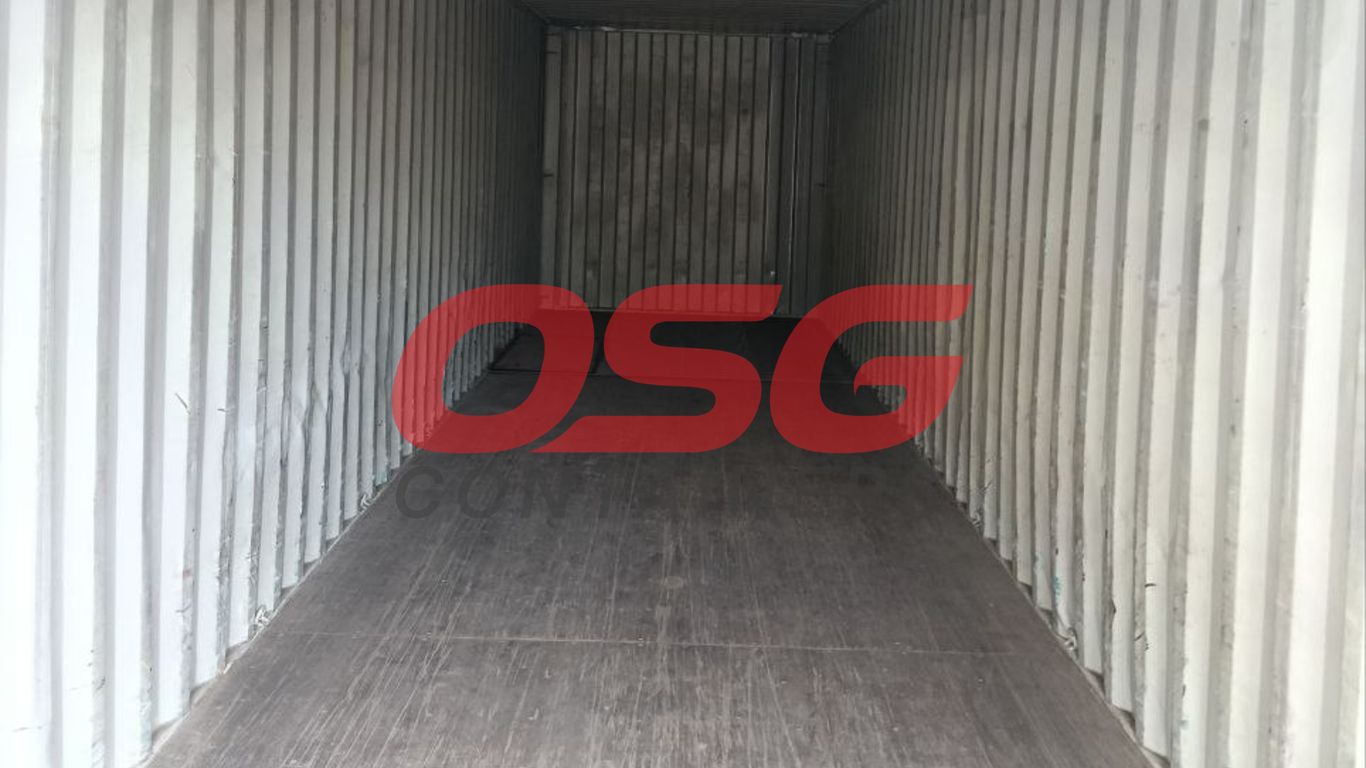
When you’re trying to figure out shipping or storage, you’ll run into two main types of containers: the standard and the high cube. They look pretty similar, but there are some key differences that can really matter depending on what you’re moving or building. Let’s break down what makes a high cube container different from a standard one and help you decide which one is the better fit for your needs.
Key Takeaways
- A high cube container is about a foot taller than a standard container, giving you more room inside for taller items or just more stuff overall.
- The extra height in a high cube container is great for bulky goods, furniture, or if you’re thinking about converting it into a living space or office.
- Standard containers are usually cheaper and easier to move around since they’re not as tall, making them a good choice for general cargo or if you’re on a tight budget.
- Before picking a high cube container, check if your transport routes and destination have any height restrictions; you don’t want to get stuck.
- Think about what you’re shipping or building, how much it all weighs, and how much you want to spend. This will help you pick the right container without any headaches.
Understanding Container Dimensions: High Cube vs. Standard
When you start looking into shipping containers, you’ll quickly notice there are a couple of main types. The most common ones you’ll hear about are the ‘standard’ container and the ‘High Cube’ container. They look pretty similar from the outside, but there’s a key difference that can really matter depending on what you’re shipping or using the container for.
Key Dimensional Differences
The main thing that sets a High Cube apart from a standard container is its height. Think of it like this: a High Cube is basically a standard container with an extra foot added to the top. This might not sound like much, but it can make a big difference in how much you can fit inside.
Here’s a quick rundown of the typical dimensions for a 40-foot container:
| Feature | Standard Container | High Cube Container |
|---|---|---|
| External Height | 8 feet 6 inches | 9 feet 6 inches |
| Internal Height | ~7 feet 10 inches | ~8 feet 10 inches |
| External Width | 8 feet | 8 feet |
| Internal Width | ~7 feet 8 inches | ~7 feet 8 inches |
| External Length | 40 feet | 40 feet |
| Internal Length | ~39 feet 5 inches | ~39 feet 5 inches |
As you can see, the length and width are pretty much the same. The extra foot of height is all on the inside, giving you more room to stack things or fit taller items.
Interior Space Variations
That extra foot of height in a High Cube container translates to more usable space inside. For a 40-foot container, this can mean an additional 300 cubic feet of volume compared to a standard one. This extra space is super helpful if you’re dealing with bulky items that are just a bit too tall for a standard container.
The extra vertical room in a High Cube isn’t just about fitting more stuff; it can also make a big difference in how easy it is to load and unload, especially if you’re using forklifts or other equipment inside.
External Height Considerations
While the extra height is great for interior space, it’s something you definitely need to think about for external factors. That extra foot means the High Cube container is taller overall. This can affect:
- Transportation: Bridges, tunnels, and even power lines along your transport route might have height restrictions. You need to make sure the container can actually get to its destination without issues.
- Site Placement: If you’re putting the container on a property, you need to consider overhead obstructions like trees, building overhangs, or indoor ceilings if it’s going into a warehouse.
- Loading Equipment: Some loading docks or cranes might have height limits that a High Cube container could exceed.
So, while the extra internal height is a big plus for capacity, always double-check the external height against any potential obstacles.
Cargo Capacity and Suitability
When you’re figuring out what kind of container to use, how much stuff you have and what shape it is really matters. It’s not just about fitting things in; it’s about making the most of the space you’ve got.
Maximizing Volume with High Cube Containers
High cube containers are like the taller cousins of standard containers. That extra foot of height might not sound like much, but it adds up. For a 40-foot container, this means you can fit about 2,694 cubic feet of stuff inside, compared to around 2,350 cubic feet in a standard one. That’s a pretty significant jump, roughly 12% more space. This extra room is a game-changer if you’re dealing with items that are tall or just generally bulky.
Ideal Cargo Types for Each Container
Choosing the right container type really depends on what you’re shipping. Standard containers are your go-to for a lot of everyday shipping needs. They’re great for heavier items that don’t take up a ton of vertical space. Think of things like machinery parts, dense raw materials, or standard palletized goods. They’re reliable and often more cost-effective for these kinds of loads.
High cube containers, on the other hand, shine when you have items that are awkward in height. Furniture, for example, can be tricky to stack efficiently in a standard container. With a high cube, you get that extra bit of headroom, making it easier to load and potentially fit more pieces. They’re also a good choice for lightweight but voluminous goods, like mattresses or large appliances, where you want to fill up the space without hitting weight limits too quickly.
Handling Bulky and Lightweight Goods
This is where the high cube really shows its worth. If you’re shipping things like:
- Furniture sets
- Large appliances (refrigerators, washing machines)
- Mattresses and bedding
- Crated or boxed goods that are tall
- Certain types of manufactured goods that have a lot of air space
…then the extra height is a big help. You can often stack items more effectively, reducing the need for extra packing materials or the risk of items shifting. For lightweight but bulky items, you can fill up a high cube container closer to its volume capacity without exceeding the weight limit, which is a common issue with standard containers when dealing with such cargo.
Sometimes, the simplest difference, like an extra foot of height, can make a huge difference in how efficiently you can pack and ship your goods. It’s not just about fitting more; it’s about fitting smarter and often safer.
Here’s a quick look at how they stack up:
| Feature | Standard Container (40ft) | High Cube Container (40ft) |
|---|---|---|
| Interior Volume | ~2,350 cubic feet | ~2,694 cubic feet |
| Interior Height | ~7 feet 10 inches | ~8 feet 10 inches |
| Best For | Heavy, standard-sized cargo | Bulky, tall, lightweight cargo |
| Extra Space Gain | N/A | ~344 cubic feet |
Cost and Availability Factors
When you’re figuring out which container type to go with, the price tag and how easy it is to get your hands on one are pretty big deals. It’s not just about the sticker price, though; there are other costs to think about too.
Price Differences Between Container Types
Generally speaking, a standard container is going to be a bit cheaper upfront than a high cube. This makes sense, right? It’s a bit smaller, uses less steel, and all that. But the difference isn’t always huge, especially for the most common sizes like 40-footers. Still, if you’re buying a bunch of them or your budget is really tight, every dollar counts.
Here’s a rough idea of what you might see:
| Container Type | Approximate Price Difference (vs. Standard) |
|---|---|
| Standard | Base Price |
| High Cube | +5% to +15% |
Keep in mind, these are just ballpark figures. Actual prices change based on the seller, the container’s condition, and where you are.
Impact of Demand on High Cube Pricing
Sometimes, the price of high cube containers can jump up more than you’d expect. This often happens when there’s a big demand for them. Think about it: if everyone suddenly needs that extra foot of height for their projects, the companies selling them can charge a bit more. It’s basic supply and demand. So, if you’re looking for a high cube, it’s worth checking prices from a few different places and maybe even waiting a bit if you can, to see if things even out.
The market for shipping containers can be pretty dynamic. What seems like a good deal today might be different next month. It’s always a good idea to get a few quotes and understand the current market trends before you commit to a purchase.
Availability of Standard vs. High Cube Options
Standard containers are the workhorses of the shipping world. They’ve been around forever, and there are tons of them out there. This means they’re usually pretty easy to find, no matter the size you need. High cube containers, while becoming more common, might not be stocked in quite the same numbers everywhere. If you’re in a more remote area, you might have a slightly harder time finding a high cube quickly compared to a standard one. This can sometimes affect delivery times, too.
- Standard Containers: Widely available, usually easier to source quickly.
- High Cube Containers: Becoming more common, but availability can vary by region.
- Lead Times: Expect potentially longer waits for high cubes in some locations.
So, while the extra height of a high cube is great for certain jobs, it’s worth checking on both the price and availability before you get too set on one type.
Logistical Considerations for High Cube Containers
So, you’re thinking about using a high cube container, maybe a 40 ft container, for your shipment. That extra foot of height is pretty sweet for fitting more stuff, but it does bring a few extra things to think about before you just load it up and send it off. It’s not quite as simple as just grabbing any old box.
Transportation Challenges with Increased Height
That extra height on a high cube, especially a 40 footer, means you’ve got to be a bit more careful when it comes to moving it around. Think about bridges, tunnels, and even just overhead power lines. You absolutely need to confirm that your planned route can accommodate the taller container. It’s not just about the container itself, but also about the truck, train, or ship carrying it. Sometimes, certain routes or ports might have restrictions on how tall a container can be. It’s a bit like trying to fit a tall person into a small car – you have to make sure they fit comfortably and safely.
Site and Clearance Requirements
When your high cube container arrives, or if you’re storing it, you need to make sure the spot where it’s going to sit is ready. This isn’t just about having enough ground space. You’ve got to consider what’s above it. Are there trees? Low-hanging wires? Even the way you’ll load or unload it matters. If you’re using a crane or a forklift, they need enough vertical space to operate without hitting anything. It’s easy to forget about what’s overhead, but with a high cube, it becomes a much bigger deal.
Weight Implications for Handling
While the extra height gives you more space, it also means the container itself weighs a bit more. A standard 40 ft container is already a hefty piece of equipment, and a high cube version adds a few hundred pounds to that. This extra weight can affect how much cargo you can actually put inside before hitting weight limits. It also matters for the equipment used to move it. Forklifts, cranes, and even the trucks themselves have weight capacities. You don’t want to overload anything, as that’s a recipe for disaster and costly repairs. It’s also worth noting that if you’re thinking about using an iso tank container, those have their own specific weight considerations on top of the container’s structure.
It’s easy to get caught up in the extra space a high cube offers, but don’t forget the practicalities. Checking clearances, understanding weight limits, and planning your route are just as important as how much you can fit inside. A little bit of planning upfront can save a whole lot of headaches down the road.
Here’s a quick look at the weight difference:
| Container Type | Approximate Tare Weight |
|---|---|
| Standard 40ft | ~8,500 lbs |
| High Cube 40ft | ~9,300 lbs |
Remember, these are just estimates, and the actual weight can vary based on the manufacturer and materials used.
Applications and Modifications
High Cube Containers for Conversions
High cube containers are really popular for projects that need a bit more room to breathe, literally. That extra foot of height makes a huge difference when you’re thinking about turning one into something else. People use them for all sorts of things, like building homes, setting up temporary offices on job sites, or even creating cool pop-up shops and cafes. The extra headroom just makes the space feel less cramped and more functional for people to be in.
- Container Homes: The added height allows for more comfortable living spaces, including room for lofts or higher ceilings.
- Offices & Studios: Provides a more spacious work environment, making it easier to set up desks, equipment, and storage without feeling boxed in.
- Retail & Event Spaces: Ideal for creating attractive and functional storefronts or event booths where visual appeal and customer comfort are important.
The versatility of high cube containers for conversions stems directly from their increased internal volume. This extra space isn’t just about fitting more stuff; it’s about creating usable, comfortable environments that mimic traditional structures more closely.
Standard Containers for General Use
When you just need a solid, reliable box to move stuff or store it, the standard container is usually the go-to. They’re the workhorses of the shipping world. Think of them for moving regular cargo like electronics, textiles, or machinery where the height isn’t a major concern. They’re also great for simple storage needs, whether it’s at a warehouse, a construction site, or even for temporary storage during a move. Their straightforward design means they’re easy to load and unload, and they fit well into existing logistics systems.
- Bulk Cargo Transport: Perfect for shipping large quantities of goods that don’t require extra vertical space.
- On-Site Storage: Commonly used at construction sites or for event logistics to store tools, materials, or equipment.
- General Warehousing: A cost-effective solution for storing inventory when space optimization isn’t dictated by extreme heights.
Customization Potential
Both standard and high cube containers can be modified, but the high cube often gets the nod for more involved projects because of that extra space. You can add windows, doors, insulation, plumbing, and electrical systems to either type. However, if you’re planning something like a multi-story container building or a space that needs a lot of internal fixtures, the high cube’s extra vertical room really simplifies things. The ability to customize is what truly unlocks the potential of these steel boxes beyond their original shipping purpose.
| Modification Type | Standard Container Suitability | High Cube Container Suitability |
|---|---|---|
| Adding Windows | Easy | Easy |
| Insulation | Straightforward | Straightforward |
| Interior Framing | Standard | More headroom for complex layouts |
| Plumbing/Electrical | Requires careful planning | More flexibility due to height |
Making The Informed Container Choice
So, you’ve been looking at containers, weighing the pros and cons of High Cube versus Standard. It can feel like a lot to sort through, right? The best container for you really boils down to what you’re trying to do with it. Don’t just pick one because it seems like the default. Think about the specifics of your project, your budget, and where this container is going to end up.
Evaluating Your Specific Needs
Before you even think about clicking ‘buy’ or making a call, sit down and really think about what you need. What are you putting inside? How much space do you actually need? Are there any height limits where you’ll be storing or using the container? These questions are super important.
- Cargo Type: Are you shipping tall items, like machinery or furniture that needs extra headroom? Or is it standard boxes and pallets?
- Project Goals: Are you building a tiny home, a workshop, or just need extra storage for tools? The extra foot in a High Cube can make a big difference for living or working space.
- Location Constraints: Will the container be placed under an existing structure, near power lines, or in a tight spot with overhead restrictions? Standard containers are generally easier to manage in these situations.
Prioritizing Budget vs. Capacity
This is often the biggest sticking point. High Cube containers give you more space, which is great, but they usually cost a bit more upfront. Plus, they can sometimes be pricier to move because they’re taller and heavier.
| Container Type | Approx. Empty Weight (40ft) | Approx. Interior Volume (40ft) | General Cost Comparison |
|---|---|---|---|
| Standard | 8,000 lbs | 2,350 cu ft | Lower |
| High Cube | 8,500 lbs | 2,694 cu ft | Higher |
If you’re on a tight budget and don’t absolutely need that extra foot of height, a Standard container is probably the way to go. You’ll save money on the purchase and potentially on transport. But if that extra volume is going to save you from needing a second container or make your project feasible, the higher cost of a High Cube might be worth it.
Remember that the weight of the empty container itself is a factor. You need to make sure any equipment you use for moving or lifting can handle the load, and that you’re staying within legal weight limits for transportation. Don’t forget to factor in the weight of your cargo too!
Seeking Expert Shipping Advice
Sometimes, even after all this thinking, you’re still not 100% sure. That’s totally normal. The shipping container world can be a bit confusing with all the different types and options. Don’t hesitate to reach out to a supplier or a logistics expert. They deal with this stuff every day and can offer guidance based on your specific situation. They can help you understand:
- Current market prices for both types in your area.
- Any specific transportation challenges related to High Cubes in your region.
- The availability of each type, as sometimes one might be more readily available than the other.
Getting a professional opinion can save you headaches and money in the long run. They can help you avoid common pitfalls and make sure you get the container that truly fits your needs.
Wrapping It Up
So, when it comes down to it, picking between a standard container and a high cube really just depends on what you’re trying to do. If you’ve got a bunch of bulky stuff or maybe you’re thinking about turning it into a little workshop or even a tiny home, that extra foot of height in a high cube can make a big difference. But, if you’re just shipping regular goods and trying to keep costs down, a standard container is probably your best bet. They’re a bit cheaper and easier to move around in some situations. Just think about what you’re putting inside and where it’s going, and you’ll figure out which one is the right fit.
Frequently Asked Questions
What’s the main difference in size between a high cube and a standard container?
Think of it like this: a standard container is like a regular room, while a high cube container is like that same room with an extra foot added to the ceiling! Both are the same length and width, but high cubes are taller, giving you more space to stack things up.
How much more stuff can a high cube container hold compared to a standard one?
That extra foot of height in a high cube container really adds up! It can give you about 300 more cubic feet of space. That’s a lot more room for things like furniture, equipment, or anything else that’s a bit on the tall side.
Are high cube containers more expensive than standard containers?
Generally, yes. Because they’re bigger and offer more space, high cube containers usually cost a bit more than standard ones. The price can change depending on how many people want them at the time.
What kind of items are best suited for a high cube container?
High cube containers are awesome for stuff that’s bulky or lightweight but takes up a lot of space. Think furniture, mattresses, large machinery, or even materials for building a container home. That extra height lets you fit more in without using up more ground space.
Can a high cube container cause problems when moving or storing it?
Sometimes! Because they’re taller, high cube containers might not fit under certain bridges, overpasses, or in garages. You also need to make sure the place where you’ll put it can handle the extra height. Always check for any height limits before you decide.
When would a standard container be a better choice?
If you’re shipping regular items that aren’t too tall, or if you’re really watching your budget, a standard container is often a great pick. They’re usually a bit cheaper and easier to move around because they’re not as tall, which can be a big help in tight spots.