Singapore
 Australia
 Indonesia
 Japan
Japan Malaysia
 New Zealand
 Philippines
 South Korea
 Taiwan
 Thailand
 VIETNAM
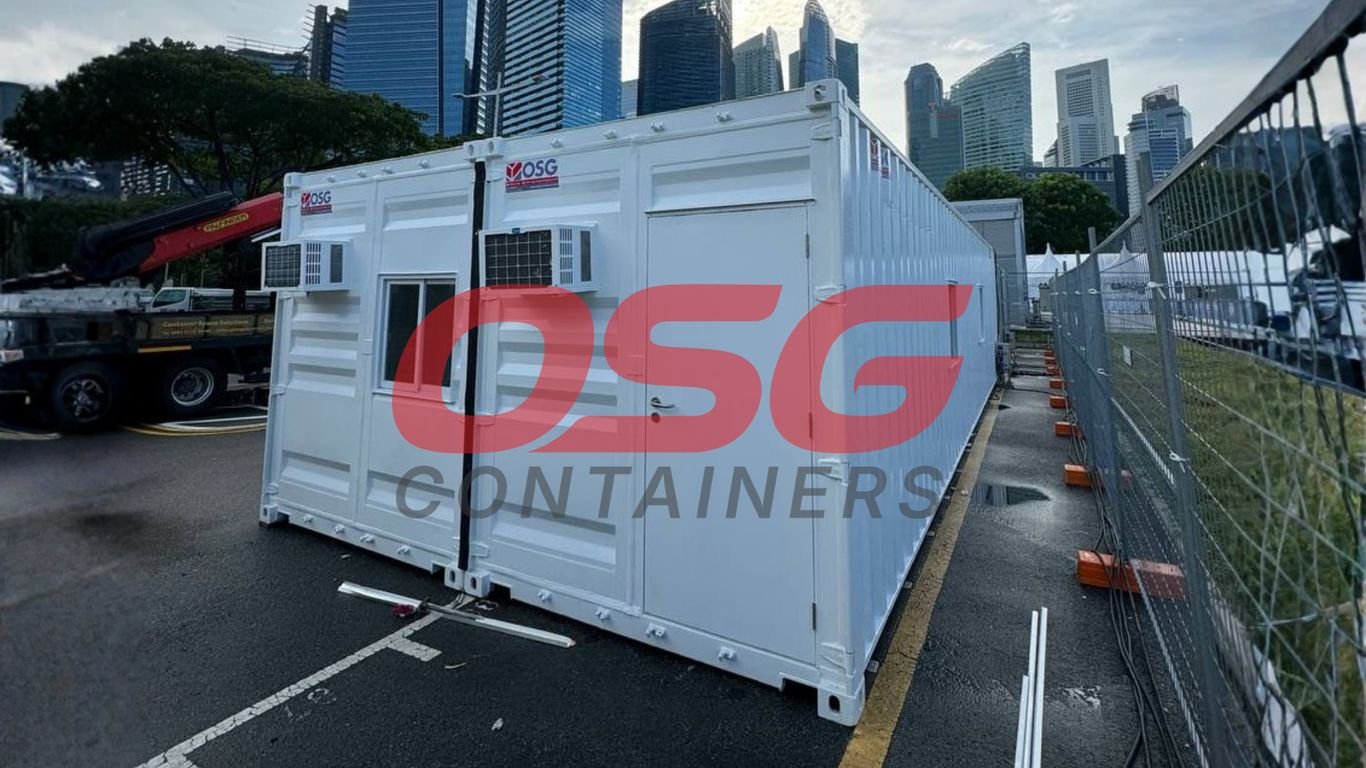
So, you need a shipping container, huh? Whether it’s for your business or just some extra storage space, picking the right one can feel a bit confusing. You’ve got your standard containers, and then there are the ‘high cube’ ones. They look pretty similar, but that extra foot of height in a high cube container can make a big difference depending on what you’re moving or storing. Let’s break down what sets them apart and help you figure out which one is the better fit for your situation.
Key Takeaways
- A high cube container is about a foot taller than a standard container, giving you more vertical space.
- If you’re moving bulky, tall items like machinery or large furniture, the extra height of a high cube container is a big plus.
- Standard containers are generally cheaper to buy or rent and might be more cost-effective if you don’t need that extra height.
- High cube containers are often preferred for modifications like living spaces or offices because of the added headroom.
- When planning transport, remember that high cube containers are heavier and might require route checks for low obstacles like bridges.
Understanding The Height Difference
What Defines A Standard Container?
When we talk about standard shipping containers, we’re usually referring to the most common sizes: 20-foot and 40-foot lengths. These have been the workhorses of global trade for ages. They’re built tough, designed to withstand pretty much anything the shipping world throws at them. The key thing to remember about a standard container is its height. Most standard containers stand at about 8 feet 6 inches tall on the outside. Inside, you’ve got a bit less, usually around 7 feet 10 inches of usable vertical space. It’s a solid, reliable height for a lot of general cargo, but sometimes, it just doesn’t quite cut it.
What Is A High Cube Container?
A high cube container is, quite simply, a taller version of its standard sibling. Think of it as getting an extra foot of vertical real estate. While standard containers top out at 8’6" externally, high cubes usually measure 9’6" tall. This extra height translates to more interior space, typically around 8’10" of headroom. So, if you’ve ever looked at a standard container and thought, "Man, I wish that was just a little bit taller," then you’re probably thinking about a high cube. They come in the same lengths as standard containers – 20ft and 40ft are most common, though 45ft versions exist too.
The Impact Of An Extra Foot
That one extra foot of height in a high cube container might not sound like much, but it makes a surprising difference. It means you can fit more stuff inside, especially if your cargo is bulky or awkwardly tall. We’re talking about things like machinery, furniture, or even materials that need to be stacked higher. However, this extra height isn’t without its considerations. The primary difference is the added volume, but it also means the container itself weighs a bit more, and you need to be mindful of overhead clearances during transport.
Here’s a quick look at the typical dimensions:
| Container Type | Exterior Height | Interior Height (approx.) | Additional Height vs Standard |
|---|---|---|---|
| Standard | 8′ 6" | 7′ 10" | N/A |
| High Cube | 9′ 6" | 8′ 10" | 1′ 0" |
This extra foot of space can be a game-changer for certain types of cargo, but it also introduces new logistical challenges, particularly concerning routes with height restrictions.
Assessing Your Cargo Needs
When you’re figuring out which container type is best, the first big thing to think about is what exactly you’re putting inside. It’s not just about fitting things; it’s about how efficiently you can pack them and if they’ll even fit in the first place. This is where the height difference between standard and high cube containers really comes into play.
Transporting Bulky Or Oversized Items
Got stuff that’s just a bit too tall for a regular container? Maybe you’re shipping large pieces of machinery, tall furniture, or even stacks of materials that just don’t quite clear the standard height. This is precisely the kind of situation where a high cube container shines. That extra foot of vertical space can be the difference between a container that works and one that doesn’t. Trying to cram oversized items into a standard container can lead to damage, wasted space, or simply the inability to close the doors. For items that push the limits of standard dimensions, a high cube is often the only practical choice.
Maximizing Storage For Bulk Goods
If you’re dealing with a lot of smaller items that can be stacked high, like bagged goods, textiles, or even certain types of manufactured products, the extra height of a high cube can be a real game-changer. You can potentially fit more product into a single 40 ft container, which means fewer containers needed overall. This can save you money on shipping and handling. Think about it: if you can stack your goods an extra foot higher in every container, that adds up quickly, especially if you’re moving thousands of units. It’s all about optimizing that cubic capacity.
Fitting Tall Machinery And Equipment
This is a big one for many industries. When you’re moving specialized equipment, industrial machinery, or even large vehicles, the exact dimensions are critical. A standard 40 footer might seem like it should work, but if a piece of equipment is just shy of 8 feet tall, it won’t fit. You might be tempted to look at specialized containers like an iso tank container if you’re moving liquids, but for solid machinery, the height is the primary concern. High cube containers are frequently the go-to for these types of loads because they provide that crucial extra clearance. It avoids the need for costly disassembly or specialized transport solutions.
The decision often boils down to whether your cargo’s dimensions, particularly its height, exceed the internal clearance of a standard container. If it does, even by a small margin, a high cube unit becomes a necessity rather than a luxury. This is especially true for items that cannot be easily disassembled or compressed.
Here’s a quick look at how the internal height can impact your cargo:
| Container Type | Internal Height (approx.) | Extra Space vs. Standard | Best For |
|---|---|---|---|
| Standard Container | 7 ft 10 in | N/A | General cargo, standard-sized items |
| High Cube Container | 8 ft 10 in | +1 ft | Tall machinery, bulky items, stacked goods |
Remember, while a 40ft container offers more length than its 20ft counterpart, the high cube option adds that vital vertical dimension, making it a more versatile choice for a wider range of cargo.
Considering Weight And Volume
When you’re trying to figure out which container type is best, you’ve got to think about both how much stuff you can fit inside (volume) and how heavy it all is (weight). It’s not just about the outside dimensions; the inside space and the container’s own heft play a big role in your shipping and storage plans.
Weight Discrepancies Between Container Types
So, the first thing to know is that high cube containers are a bit heavier than their standard counterparts. This isn’t a massive difference, but it’s there. A standard 40-foot container might weigh around 8,000 pounds, while a 40-foot high cube can tip the scales at over 8,700 pounds. That extra 700-ish pounds is due to the extra steel needed for that extra foot of height. While this might not matter for a single trip, if you’re moving a lot of containers, or if your transport company charges by weight, those extra pounds can add up.
Volume Advantages Of High Cube Containers
This is where the high cube really shines. That extra foot of height translates to a significant increase in usable space. For a 40-foot container, you’re looking at about 2,694 cubic feet of space in a high cube, compared to roughly 2,350 cubic feet in a standard one. That’s an extra 344 cubic feet – enough to make a real difference when you’re trying to pack in bulky items or maximize storage.
Here’s a quick look at the volume difference:
| Container Type | Approximate Internal Volume (Cubic Feet) |
|---|---|
| 20ft Standard | 1,172 |
| 20ft High Cube | 1,367 |
| 40ft Standard | 2,350 |
| 40ft High Cube | 2,694 |
Impact On Transportation Costs
Now, how does all this affect your wallet when it comes to shipping? Well, it’s a bit of a balancing act. If your cargo is tall but not excessively heavy, the extra volume of a high cube might let you fit everything into one container instead of needing two standard ones. This could actually save you money on shipping overall, even if the high cube itself costs a bit more. However, if your cargo is dense and heavy, you need to be careful. Both standard and high cube containers have the same maximum weight capacity. If you fill a high cube to its weight limit, you’re not getting any extra volume benefit, but you are paying more for the heavier container and potentially higher transport fees due to its weight.
It’s easy to get caught up in the cubic feet numbers, but don’t forget the tare weight. The container’s own weight matters, especially when you’re dealing with weight restrictions or transport pricing that’s based on total load. Always check the specific tare weights for the containers you’re considering.
Exploring Modification Potential
When you start thinking about changing a shipping container into something else – like an office, a workshop, or even a tiny home – that extra foot of height in a high cube container can make a surprising difference. It’s not just about fitting more stuff; it’s about making the space feel more usable and comfortable.
High Cube Containers For Living Spaces
Imagine trying to build a loft bed or add some decent shelving in a standard container. It can feel pretty cramped. With a high cube, that extra foot means you can actually stand up comfortably in a loft area or install taller cabinets without feeling like you’re banging your head. It opens up possibilities for making a small space feel much more livable.
- Loft conversions: More headroom means a usable sleeping loft.
- Storage solutions: Taller shelves mean more storage without taking up floor space.
- Comfort: Simply having more vertical space can make a big difference in how a room feels.
Creating Mobile Offices And Retail Units
For businesses looking for flexible spaces, containers are a great option. A high cube container can be transformed into a surprisingly functional office. You’ve got room for desks, meeting areas, and even a small kitchenette. For retail, that extra height is handy for displaying merchandise or creating a more open, inviting storefront. The added volume allows for better airflow and a less claustrophobic environment, which is a big plus for customer-facing spaces.
Customization For Specialized Projects
Beyond homes and offices, high cube containers are fantastic for all sorts of unique projects. Think about workshops where you need to work on taller equipment, art studios with space for large canvases, or even specialized storage for things like musical instruments that need a bit more room. The extra height gives you more flexibility to design the space exactly how you need it.
The adaptability of a high cube container means it can be tailored for a wide range of specific needs. Whether it’s for hobbyists, small businesses, or unique community projects, the extra vertical space provides a blank canvas for creative solutions that might not be possible with a standard container.
Navigating Cost And Budget
When you’re figuring out which container type is best, the price tag is obviously a big deal. It’s not just about the sticker price, though; you’ve got to think about the whole picture.
Initial Purchase or Rental Costs
Generally speaking, high cube containers cost a bit more upfront than their standard counterparts. This difference might not seem like much if you’re just buying one for a small project, but if you need several, or if your budget is already stretched thin, that extra cost can add up pretty quickly. Standard containers are usually the more budget-friendly choice if you don’t absolutely need that extra height.
Here’s a rough idea of what you might expect:
| Container Type | Approximate Cost Difference (40ft) |
|---|---|
| Standard | Base Price |
| High Cube | +5-15% |
Keep in mind, these are just estimates. Actual prices can change based on the supplier, the container’s condition (new vs. used), and current market demand.
Transportation Expenses
Don’t forget about getting the container where it needs to go. While the weight difference between standard and high cube containers (high cubes are typically around 775 lbs heavier) might not drastically alter shipping costs for a single unit, it can become a factor if you’re moving a large fleet. More importantly, if you’re stacking containers or placing them on a site with weight restrictions, that extra weight could influence your logistics planning and potentially incur additional costs for reinforcement or specialized handling.
Long-Term Value Proposition
Sometimes, paying a little more upfront for a high cube container can actually save you money in the long run. If you’re using it for storage and can fit more goods inside, you might avoid needing a second container. Or, if you’re converting it into a living space or office, that extra headroom can make a huge difference in usability and comfort, making the initial investment more worthwhile.
Choosing the right container isn’t just about the immediate price. You need to look at how it fits your budget now and how it will perform for your needs over time. Sometimes the slightly more expensive option offers better value down the road.
Think about:
- Volume: Can you fit everything you need in a standard container, or will the extra space of a high cube save you from needing another unit?
- Usability: Will the extra height make your project significantly easier or more comfortable to work with?
- Future Needs: Might your storage or project requirements change, making the extra space a benefit later on?
Planning For Logistics And Safety
Route Planning For Taller Units
When you’re looking at using high cube containers, especially for transport, you’ve got to think about the height. It’s not just about fitting stuff inside anymore; it’s about fitting the whole container through places. Bridges, overpasses, tunnels, and even just power lines can become real headaches if your container is too tall. You really need to check the maximum height clearance for your entire route before you even book the transport. Sometimes, a slightly different route that adds a bit of time might be necessary to avoid a low bridge. It’s a bit like planning a road trip, but with a much bigger vehicle and less room for error.
Accessibility In Different Locations
Think about where the container is going to end up. Is it going to a busy city street, a remote construction site, or a warehouse with specific loading docks? Standard containers are pretty common, so most places are set up for them. High cube containers, being taller, might run into issues. Some loading docks might not have the clearance, or the forklifts and cranes used to move them might have height limits. You also need to consider the ground. A heavier container, especially a high cube which is already heavier, needs a solid, level surface. Soft ground or uneven terrain can cause problems, making it hard to load or unload safely, and potentially damaging the container or the ground itself.
Weight Considerations For Storage Sites
This is a big one, especially if you’re planning to store the container long-term. High cube containers, as we’ve talked about, weigh more than standard ones. That extra weight adds up, particularly if you’re stacking them. You need to make sure the ground or foundation where you plan to put the container can handle that load. A weak spot could lead to the container sinking, tilting, or even causing damage to underground utilities. It’s always a good idea to check the load-bearing capacity of the ground or any existing foundation. If you’re unsure, it might be worth getting a professional opinion to avoid costly repairs down the line.
The extra height of a high cube container is great for volume, but it also means more wind resistance. This can affect stability during transit, especially in windy conditions. Drivers need to be extra cautious, and securing the load properly becomes even more important to prevent shifting or tipping.
So, Which Container is Right for You?
Alright, so we’ve gone over the ins and outs of standard versus high cube containers. It really boils down to what you’re trying to do. If you’ve got tall stuff or just need a bit more wiggle room for packing, that extra foot in a high cube can be a lifesaver. Plus, they’re pretty popular for turning into cool spaces like offices or tiny homes. But, if you’re just moving regular-sized goods and trying to save a buck, a standard container is probably your best bet. They’re cheaper to buy, rent, and move, and honestly, they get the job done for most everyday needs. Just remember to think about the height of your items and your budget before you make the final call. No single container is the absolute best; it’s all about finding the one that fits your specific situation.
Frequently Asked Questions
What’s the main difference between a standard and a high cube container?
The biggest difference is height! A high cube container is about one foot taller than a standard container. This extra height gives you more room inside, which is super helpful for fitting taller items or just having more space overall.
When should I choose a high cube container?
You should consider a high cube container if you’re moving or storing things that are tall, like big machinery, statues, or lots of stacked boxes. It’s also a great choice if you plan to turn the container into a living space or an office because the extra headroom makes it feel much more comfortable.
Are high cube containers more expensive?
Yes, generally. They cost a bit more to buy or rent because they use more materials. Plus, because they’re heavier and taller, they can sometimes cost more to transport due to fuel and handling.
Can I fit more weight in a high cube container?
While a high cube container has more space (volume), its maximum weight capacity is usually the same as a standard container. So, if you’re shipping very heavy items that aren’t tall, a standard container might let you carry more weight without going over the limit.
Are there any downsides to using a high cube container?
One thing to watch out for is their height when planning routes. You need to be careful about low bridges, power lines, or tunnels. Also, if you have very limited space where you need to place the container, the extra height might be a problem.
Which type is better for storing lots of boxes?
If you’re storing many boxes and want to stack them high, a high cube container is usually better. The extra foot of height means you can fit more boxes inside, potentially saving you from needing a second container.