Singapore
 Australia
 Indonesia
 Japan
Japan Malaysia
 New Zealand
 Philippines
 South Korea
 Taiwan
 Thailand
 VIETNAM
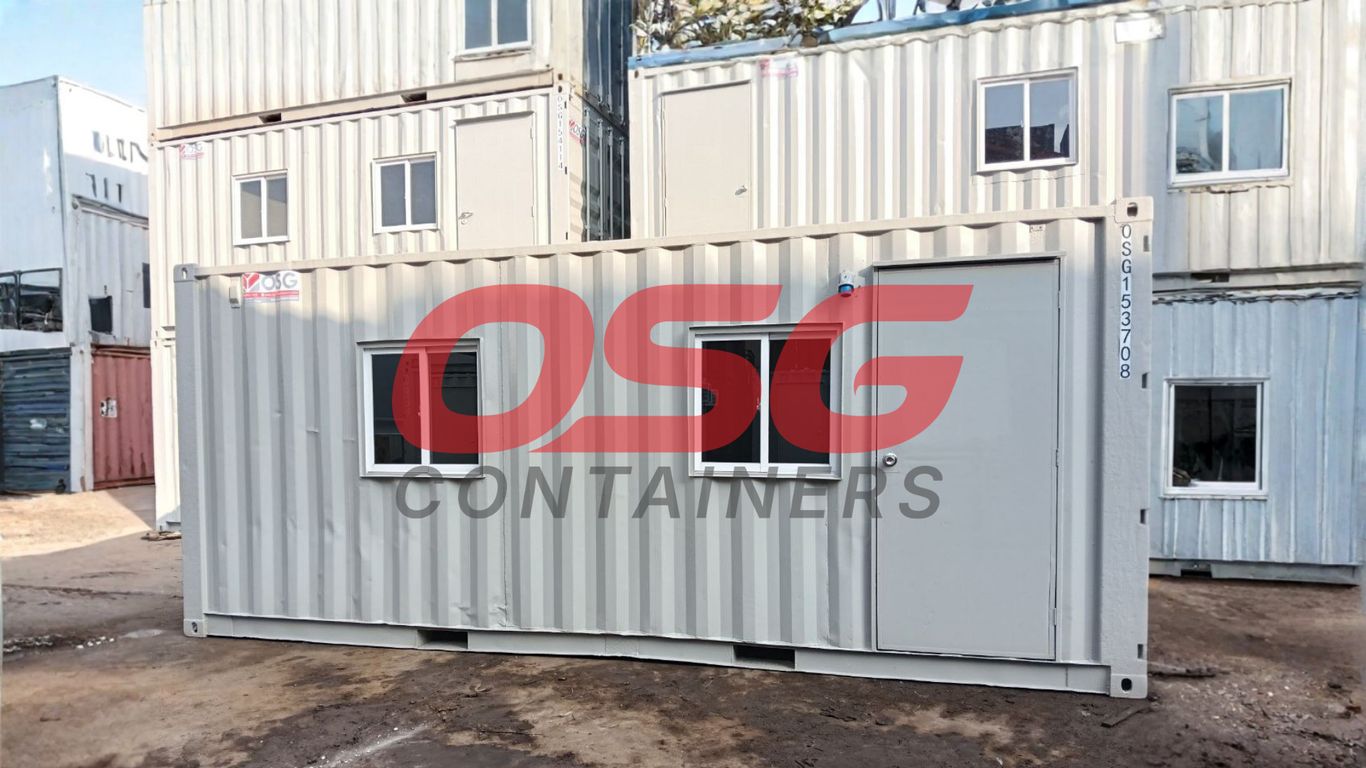
When you’re dealing with shipping or storage, sometimes the standard just doesn’t cut it. That’s where the high cube container comes in. It’s basically a regular shipping container, but with an extra foot of height. This might not sound like much, but it can make a big difference for certain types of cargo or when you just need more room. We’re going to look at what makes these containers special, how they’re built, and why businesses are using them more and more.
Key Takeaways
- A high cube container adds about a foot of height compared to a standard container, giving you more vertical space without changing the footprint.
- This extra height is great for storing tall items like machinery, furniture, or for stacking more pallets efficiently.
- The increased volume in a high cube container can lead to better use of space and potentially lower costs by avoiding the need for extra containers.
- While they offer more space, high cube containers might cost a bit more to ship and require checking if handling equipment can accommodate the extra height.
- These containers are built with strong materials and specific engineering standards to handle heavy loads and various weather conditions, just like their standard counterparts.
Understanding High Cube Container Dimensions
When you’re looking at shipping containers, you’ll notice there are a couple of main types. The one we’re focusing on here is the ‘high cube’ container. Think of it as the taller sibling of the standard shipping container. It’s not a huge difference, but that extra bit of height can really matter for certain types of cargo.
Key Differences in Height
The main thing that sets a high cube container apart is its height. A standard container is typically 8 feet 6 inches tall. A high cube container, however, adds a full foot to that, making it 9 feet 6 inches tall. This extra foot might not sound like much, but it translates to a significant increase in usable space inside.
Internal Volume Advantages
That extra foot of height isn’t just for show. It gives you about 10-15% more internal volume compared to a standard container of the same length and width. For example, a 40-foot standard container holds around 2,350 cubic feet, while a 40-foot high cube container can hold about 2,694 cubic feet. This extra space is a big deal when you’re trying to fit in taller items or stack things efficiently.
External Dimensions Overview
It’s important to remember that while the internal height changes, the external length and width usually stay the same as their standard counterparts. So, a 40-foot high cube container is still 40 feet long and 8 feet wide on the outside. The extra height is mostly within the walls. This means they generally fit in the same places and can be handled by the same equipment, though you do need to be mindful of overhead clearances.
Here’s a quick look at the typical dimensions:
| Container Type | External Height | Internal Height (Approx.) |
|---|---|---|
| Standard Container | 8′ 6" (2.59m) | 7′ 10" (2.39m) |
| High Cube Container | 9′ 6" (2.9m) | 8′ 10" (2.7m) |
Remember to always check the specific internal dimensions provided by the manufacturer, as there can be slight variations. This extra vertical room is often the deciding factor for businesses shipping bulky items or looking to maximize pallet stacking.
Optimizing Storage With High Cube Containers
So, you’ve got stuff to store, and maybe it’s not just your average boxes. Sometimes, standard containers just don’t cut it, especially when you’re dealing with items that have a bit of height to them. That’s where high cube containers really shine.
Enhanced Pallet Stacking Capabilities
One of the biggest wins with high cube containers is how much easier it is to stack pallets. Because they’re taller inside, you can often fit an extra layer or two of pallets compared to a regular container. This means you can pack more product into the same footprint, which is a pretty sweet deal if you’re trying to save space or reduce the number of containers you need.
- Fit more goods in fewer containers.
- Reduce handling time by minimizing container movements.
- Potentially lower shipping costs due to consolidated loads.
This extra vertical room is a game-changer for businesses that move a lot of palletized goods, like in distribution centers or for bulk imports. It just makes sense to use that space efficiently.
Accommodating Tall Machinery and Equipment
Got some tall machinery or awkward equipment? Standard containers can be a real headache for these kinds of items. High cubes, with their extra foot of interior height, make a huge difference. You can often load taller pieces of equipment without having to tilt them or worry about them hitting the ceiling.
Loading tall machinery into a standard container can be a real puzzle. You might find yourself needing to angle items just right, or worse, discovering that your equipment simply won’t fit vertically. High cube containers remove a lot of that guesswork and potential for damage.
This is super helpful for industries like manufacturing, where specialized equipment might be taller than usual. It means less hassle during loading and unloading, and less risk of damaging expensive gear.
Efficient Use of Vertical Space
Ultimately, high cube containers are all about making the most of the space you have, especially upwards. Think of it like a vertical advantage. Instead of needing two standard containers stacked awkwardly or spread out, one high cube might do the trick.
Here’s a quick look at how the extra height helps:
- Increased Cubic Capacity: A 40ft high cube offers significantly more cubic feet than a standard 40ft unit. This translates directly to more storage potential.
- Improved Airflow: The extra headroom can also mean better air circulation inside, which is good for certain types of cargo that might be sensitive to stagnant air.
- Better for Conversions: If you’re thinking about converting a container into a workshop or office space, that extra height makes it feel much more comfortable and usable.
The ability to utilize vertical space more effectively is a key benefit that can lead to significant cost savings and operational improvements. It’s not just about fitting more stuff; it’s about fitting it smarter.
Applications Across Industries
High cube containers aren’t just for shipping goods from point A to point B anymore. Their extra height and sturdy build make them super useful in all sorts of situations, way beyond just moving stuff on a boat.
Logistics and Distribution Solutions
In the world of moving goods, these containers are a big deal. Because they’re taller, you can fit more in each one. Think about it: if you’re shipping pallets, you can often stack them higher inside a high cube than a regular container. This means fewer trips, less fuel, and ultimately, lower costs for getting products from the factory to the warehouse, or from the port to your local store. This increased capacity is a game-changer for efficiency.
Here’s a quick look at how they help:
- More Volume: Fit about 10-15% more goods compared to standard containers of the same length.
- Reduced Shipments: Less need for multiple containers or trucks for the same amount of cargo.
- Cost Savings: Lower transportation and handling expenses due to fewer movements.
The ability to pack more into each unit directly impacts the bottom line for logistics companies. It’s not just about fitting more; it’s about optimizing every inch of space to make the entire supply chain run smoother and cheaper.
Manufacturing and Engineering Needs
When you’re dealing with big, tall machinery or equipment, standard containers just don’t cut it. High cubes are perfect for this. Imagine shipping a large piece of manufacturing equipment or specialized engineering gear. The extra foot of height can make all the difference between fitting it in or having to find a more complex, expensive shipping method. They’re also used for on-site storage at construction or manufacturing plants, keeping valuable equipment safe and dry.
Retail and E-commerce Overflow
Online shopping has exploded, and with it, the need for storage. Retailers often find themselves with more inventory than their warehouses can handle, especially during peak seasons. High cube containers provide a quick and affordable way to add extra storage space. They can be set up temporarily or semi-permanently at distribution centers or even at store locations to manage seasonal stock, returns, or overflow inventory. This flexibility helps businesses adapt to changing demand without massive investments in permanent structures.
High Cube Container Engineering Standards
When we talk about high cube containers, like the popular 40 hq and 20 hq models, it’s not just about adding a bit more height. There’s some serious engineering that goes into making sure these units are tough, reliable, and safe for whatever you throw at them. These aren’t your average storage boxes; they’re built to withstand the rigors of global shipping and demanding on-site use.
Structural Integrity and Load Capacity
The extra height in high cube containers means they need to be engineered to handle increased stress. The walls, roof, and floor are designed to support significant weight, both from the cargo inside and from stacking on ships or in yards. Manufacturers adhere to strict standards to ensure these containers can handle their rated payload capacity without buckling or deforming. This involves reinforced corner castings, robust cross members, and specific steel grades.
Here’s a look at typical load capacities:
| Container Type | Max Payload (approx.) |
|---|---|
| 20 hq | 28,200 kg (62,170 lbs) |
| 40 hq | 26,800 kg (59,080 lbs) |
It’s vital to remember that these are maximums. Exceeding them can compromise the container’s structure and lead to dangerous situations during transport or handling. Always check the specific CSC (Convention for Safe Containers) plate on the unit for exact ratings.
Material Specifications for Durability
To stand up to constant use and harsh environments, high cube containers are typically made from high-tensile steel, often Corten steel. This material is chosen for its strength and, importantly, its ability to form a protective rust layer that prevents further corrosion. The specific grade and thickness of the steel are critical engineering considerations. Different parts of the container might use slightly different specifications – for instance, the floor might use a thicker gauge steel than the roof panels to handle the weight of cargo and forklifts.
Key material considerations include:
- Steel Grade: Specific alloys are chosen for their tensile strength and weldability.
- Corrosion Resistance: The inherent properties of Corten steel are a major factor.
- Floor Strength: Typically uses thicker steel or specialized plywood to support heavy loads.
- Panel Thickness: Varies across the container to balance weight and structural integrity.
Corrosion Resistance and Weatherproofing
Beyond the base material, the manufacturing process includes several steps to protect high cube containers from the elements. A multi-stage painting process is standard, often involving a primer, intermediate coat, and a topcoat. This isn’t just for looks; it’s a crucial barrier against saltwater, rain, UV radiation, and temperature fluctuations. Special attention is paid to seams, welds, and door seals to prevent water ingress, which can damage cargo and accelerate corrosion. Regular maintenance and repainting are recommended for units used for long-term storage or in particularly aggressive climates.
Manufacturing Processes for High Cube Units
Precision Cutting and Welding Techniques
Building a high cube container isn’t just about slapping some metal together. It starts with really precise cutting of the steel panels. We’re talking about exact measurements to make sure everything fits perfectly later on. Think of it like a giant, super-strong puzzle. Once the pieces are cut, the welding comes in. This is where the container gets its backbone. High-quality welds are super important for making sure the container can handle all the stress of being moved around the world and stacked high. The integrity of these welds directly impacts the container’s load capacity and overall lifespan. It’s a mix of skilled labor and some pretty advanced machinery to get it right.
Quality Control in Production
After cutting and welding, every single container goes through a rigorous check. This isn’t just a quick once-over. Inspectors look at everything: the welds, the door seals, the flooring, and the overall structure. They’re checking for any tiny flaws that could become a big problem down the line. This might involve using special tools to check weld strength or making sure the doors open and close smoothly without any sticking. It’s all about making sure the container meets all the tough industry standards before it ever gets loaded up with cargo.
Surface Treatment and Finishing
Once a container passes inspection, it’s time for the finishing touches. This usually involves a multi-step process to protect the steel from rust and the elements. First, there’s a thorough cleaning and preparation of the surface. Then, a primer coat is applied, followed by one or two topcoats of durable paint. This isn’t just for looks, though a nice paint job does help. The main goal is to create a strong barrier against saltwater, rain, and whatever else the container might encounter during its travels. This treatment is key to preventing corrosion and keeping the container in good shape for years.
The extra height in high cube containers means that manufacturing needs to account for slightly different structural stresses compared to standard units. This often involves reinforcing key areas, particularly around the roof structure and corner posts, to maintain the same level of durability and load-bearing capability.
Logistical Considerations for High Cube Transport
Moving high cube containers isn’t quite as simple as just picking them up and dropping them off. Because they’re taller than standard containers, you’ve got to think a bit more about how they’ll get from point A to point B. It’s not just about the container itself, but the whole journey.
Site Access and Delivery Planning
When a high cube container is headed your way, the first thing to check is if it can even get there. Think about the roads leading to your location – are there low bridges, tight turns, or narrow streets? Delivery trucks carrying these taller units need more clearance. It’s a good idea to map out the delivery route beforehand and confirm it with your transport provider. You don’t want a surprise roadblock or a bridge that’s too low to be fun.
- Route Survey: Physically check or get detailed information about the path the truck will take.
- Overhead Obstructions: Identify and note any power lines, tree branches, or signs that might be too low.
- Delivery Window: Schedule delivery during off-peak hours if possible to avoid traffic congestion.
- Site Readiness: Ensure the drop-off location is clear, level, and accessible for the truck and crane.
Compatibility With Handling Equipment
Just like with delivery, how you move the container once it arrives matters. Most standard port equipment can handle high cubes, but it’s always wise to double-check. Taller containers might require slightly different adjustments for cranes, reach stackers, or forklifts.
The extra height can sometimes affect the center of gravity, so operators need to be aware of this when lifting and stacking. It’s about making sure the equipment is rated for the weight and has the reach needed.
Intermodal Transport Challenges
High cube containers are built for intermodal transport – meaning they can move between ships, trains, and trucks. However, that extra foot of height can sometimes cause issues. Some older rail lines might have tunnels or bridges with height restrictions that a standard container would clear, but a high cube wouldn’t. Similarly, certain ships might have limitations on how high cube units can be stacked. If you’re planning a long journey involving multiple transport modes, it’s important to confirm that each leg of the trip can accommodate the high cube dimensions. This is where services like container rental can be helpful, as providers often have insights into these specific logistical hurdles. Always confirm with your freight forwarder or logistics partner about any potential limitations along the entire route.
Wrapping It Up
So, when you’re looking at these high cube containers, it’s pretty clear they offer a good bit more space than the regular ones, mainly because they’re taller. This extra height can really make a difference for businesses that have bulky stuff or need to stack things high, like in warehouses or on construction sites. While they might cost a little more upfront, the ability to fit more in or use the space better often makes them a smart choice. Just remember to check if your site can handle them and if the shipping routes work with their extra height. All in all, they’re a solid option for a lot of different jobs where standard containers just don’t cut it.
Frequently Asked Questions
What makes a ‘high cube’ container different from a regular one?
Think of a high cube container as a regular shipping container that’s a bit taller. While standard containers are about 8.5 feet high, high cube ones add an extra foot, making them 9.5 feet tall. This extra foot gives you about 10-15% more space inside, which is super helpful for fitting taller items or stacking more stuff.
Why would I need the extra height of a high cube container?
You’d want the extra height if you’re shipping or storing things that are too tall for a normal container. This could be large machinery, tall furniture, stacks of pallets that need more room, or even for creating storage with shelves that go higher. It also helps with airflow and makes it easier to move around inside.
How much more can a high cube container hold compared to a standard one?
A 40-foot high cube container can hold roughly 2,694 cubic feet of stuff, while a standard 40-foot container holds about 2,350 cubic feet. That’s a pretty big jump! It means you can potentially fit more items, stack more layers of pallets, or use taller storage racks.
Are high cube containers more expensive to use?
Yes, they usually cost a little more to buy or rent, and sometimes a bit more to ship because they’re taller. However, the extra space they offer can often save you money in the long run by letting you use fewer containers or avoid needing extra storage space.
Can all the same equipment handle high cube containers?
Mostly, yes, but it’s good to check. Because they’re taller, some older ports or specific transport routes might have limitations, like lower bridges or cranes that aren’t tall enough. It’s always a good idea to confirm that the places you’re shipping to and from can handle the extra height.
What are some common uses for high cube containers besides shipping?
People use high cube containers for all sorts of things! They’re great for temporary workshops, extra storage for businesses (especially during busy seasons), site offices on construction projects, or even for creating unique living spaces. The extra headroom makes them more comfortable and practical for these uses.