Singapore
 Australia
 Indonesia
 Japan
Japan Malaysia
 New Zealand
 Philippines
 South Korea
 Taiwan
 Thailand
 VIETNAM
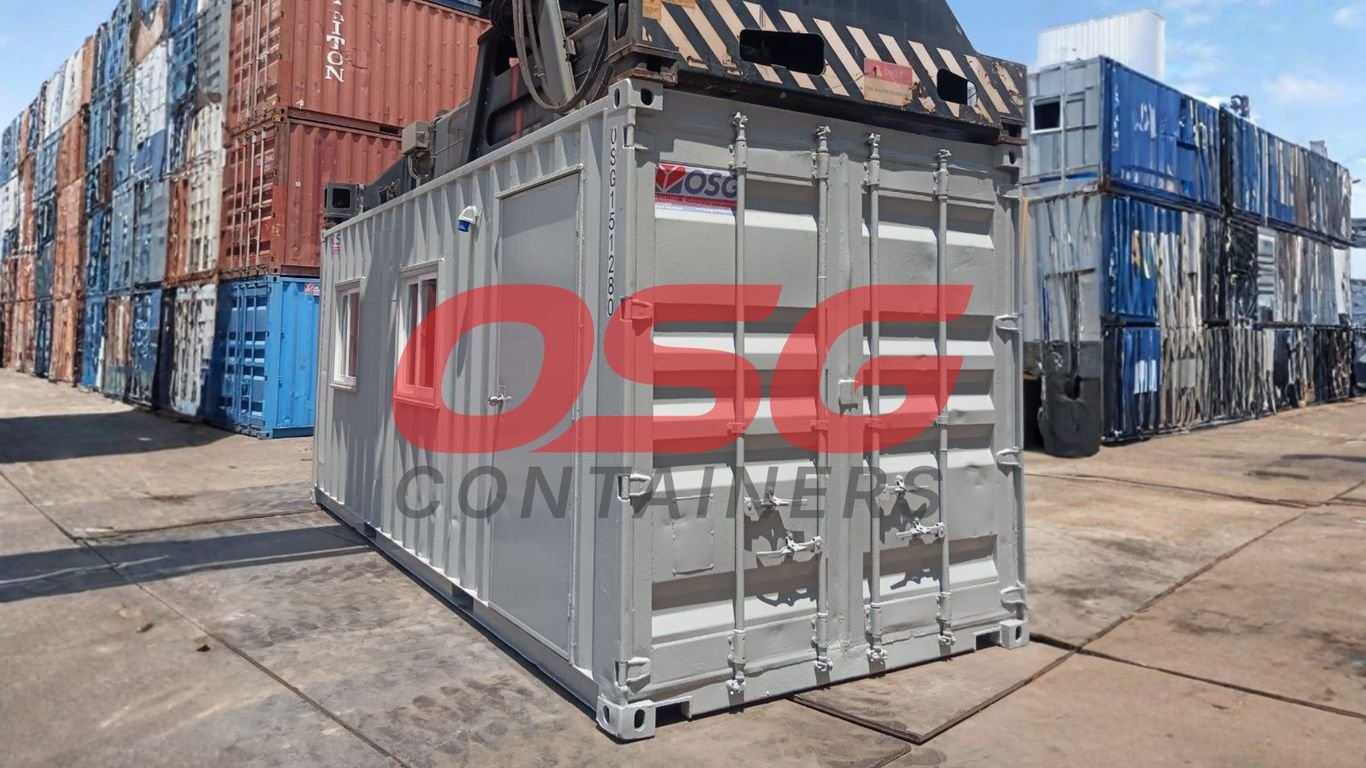
Thinking about setting up a new workspace, maybe a quiet spot for remote work or a place for your hobbies? You might have seen those metal boxes, shipping containers, popping up in all sorts of places. Turns out, these aren’t just for hauling goods anymore. Companies are taking these sturdy containers and turning them into all sorts of custom spaces. We’re talking offices, studios, workshops – you name it. It’s a pretty neat way to get a functional area without the hassle of traditional building. Let’s look at how these customised containers are made and what they can do.
Key Takeaways
- Modified shipping containers are repurposed steel boxes that can be turned into useful spaces like offices or workshops.
- These customised containers are built in factories, with steps like cutting openings, adding insulation, and installing electrical work.
- You can use them as single units, connect multiple containers for bigger spaces, or create complex setups.
- Designing your space involves thinking about your needs, picking the right container, and getting professional help for the modifications.
- Customised containers offer a cost-effective, environmentally friendly, and flexible alternative to traditional construction for various workspace needs.
Understanding Customised Containers
What Is A Modified Shipping Container?
So, what exactly are we talking about when we say "modified shipping container"? Basically, it’s a standard shipping container, those big metal boxes you see on cargo ships and trains, that’s been changed up for a new purpose. Instead of just hauling goods from point A to point B, these containers get a makeover to become something else entirely. Think of it like giving an old, sturdy shell a whole new interior and some new features.
These aren’t just slapped together, either. The process involves cutting openings for doors and windows, adding insulation to make them comfortable year-round, and running electrical wiring for lights and outlets. You can even add plumbing, partitions to create different rooms, and specialized systems like HVAC to keep the temperature just right. The core idea is repurposing a durable, readily available structure into a functional space.
Here are some common modifications you’ll see:
- Windows and Doors: Essential for access, light, and airflow.
- Insulation: Crucial for making the container a comfortable place to be, no matter the weather outside.
- HVAC Systems: For consistent heating and cooling.
- Electrical Wiring: To power lights, computers, and other equipment.
- Flooring and Paneling: To improve aesthetics and conceal wiring.
It’s all about taking something built for transport and turning it into a practical, usable building. The strength and modularity of the original container make it a great starting point for all sorts of projects.
The Construction Of A Container Workspace
Building a workspace out of a shipping container is a pretty neat process. It starts with selecting the right container – usually a ‘high cube’ for a bit more headroom. Then, the real work begins. Professionals will cut out the sections where you want doors and windows. This isn’t just random cutting; it’s planned to maximize light and access while keeping the container’s structural integrity. After that, insulation is added. This is super important because metal containers can get really hot or cold.
Next comes the interior. You might have walls put up to divide the space into different areas, like a main office and a small storage nook. Electrical work is a big part of this, getting power to where you need it for lights, computers, and maybe even a mini-fridge. Some people add plumbing for a sink or even a small restroom. The exterior can also be customized with paint or cladding to make it look less like a shipping container and more like a building.
Why Get A Shipping Container Office Or Workspace?
There are some pretty good reasons why people are choosing container offices these days. For starters, they’re often way cheaper than building a traditional office from scratch. You’re starting with a pre-made structure, which cuts down on a lot of the labor and material costs. Plus, they can be built pretty quickly. You can often have a finished workspace in a matter of weeks, not months.
Another big plus is portability. Need to move your business to a new location? You can actually move the entire container office with you. It’s not permanent like a brick-and-mortar building. They’re also quite durable, designed to withstand harsh weather conditions during shipping, so they’re built to last. And let’s not forget the environmental aspect – using a recycled shipping container is a greener choice than using all-new materials for a traditional build.
Here’s a quick rundown of the benefits:
- Cost Savings: Generally less expensive than traditional construction.
- Speed of Construction: Faster to build and deploy.
- Portability: Can be moved to new locations.
- Durability: Built to withstand tough conditions.
- Sustainability: Repurposes existing materials.
Exploring Customised Container Applications
Stand-Alone Office Solutions
Customised containers really shine when they’re used as independent office spaces. Think about it – you can get a fully functional office set up pretty quickly without needing a lot of land or complex foundations. These aren’t just basic boxes; they can be kitted out with everything you need, from desks and chairs to proper lighting and even small kitchenettes. They offer a professional and private workspace that can be placed almost anywhere. This makes them perfect for businesses that need a temporary site office, a remote work hub, or even a small, dedicated space for a startup.
- Quick Deployment: Get your office up and running in days, not months.
- Flexibility: Easily relocate the office if your business needs change.
- Cost-Effective: Often a more budget-friendly option than traditional construction.
- Customisable Interiors: Design the layout and features to suit your specific work needs.
These single-unit offices are a smart choice for businesses looking for a practical and adaptable solution that doesn’t break the bank or take ages to build.
Multi-Container Structures
Sometimes, one container just isn’t enough. That’s where multi-container structures come in. By linking two or more containers together, you can create much larger and more complex spaces. This approach is fantastic for growing businesses or those that need distinct areas within their workspace, like separate meeting rooms, private offices, and a common area. The possibilities are pretty vast, allowing for unique architectural designs that still use the modular nature of containers.
| Configuration | Description | Potential Use Cases |
|---|---|---|
| Side-by-Side | Containers joined along their long edges. | Larger open-plan offices, retail spaces. |
| End-to-End | Containers connected at their ends. | Extended workspaces, long corridors, sequential rooms. |
| Stacked | Containers placed one on top of another. | Multi-level offices, apartments, or studios. |
Container Complex Configurations
Taking the concept even further, you can create elaborate complexes using numerous containers. This is where you see shipping containers transformed into something truly remarkable, like small business parks, educational facilities, or even unique residential communities. These larger projects often involve creative stacking, interlocking, and cladding to create a cohesive and aesthetically pleasing environment. The modularity allows for scalability, meaning you can start with a few containers and add more as needed. It’s a modern approach to building that prioritizes efficiency and adaptability, proving that containers can be much more than just storage.
- Scalability: Easily expand your complex by adding more units.
- Design Freedom: Create unique layouts and architectural styles.
- Community Building: Suitable for creating shared workspaces or small villages.
- Phased Development: Build in stages to manage costs and growth.
Designing Your Customised Container Workspace
So, you’ve decided a shipping container is the way to go for your new workspace. That’s pretty cool! Now comes the fun part: figuring out exactly what you want it to look like and how it’s going to work for you. It’s not just about slapping some paint on a metal box; it’s about creating a functional, comfortable, and maybe even stylish place to get things done.
Envisioning Your Ideal Design
Before you even start looking at containers, take some time to really picture your ideal setup. Think about the main purpose of this space. Will it be a quiet spot for one person to focus, or will a small team be working there? How much natural light do you want? Do you need space for specific equipment, or just a desk and a chair? Jotting down your needs is a good first step. Consider the flow of the space – where will the door go? How will you arrange the furniture? Thinking through these details now can save you a lot of headaches later.
Selecting The Right Container
Not all shipping containers are created equal, and picking the right one is pretty important. You’ll want to think about size – a 20-foot container is different from a 40-foot one, obviously. Also, consider the container’s condition. A ‘one-trip’ container is usually in great shape, while older ones might have more wear and tear. This can affect the cost and how much work is needed to get it ready. You’ll also want to make sure the container you choose is structurally sound for the modifications you have in mind.
Here’s a quick look at common container sizes:
| Size | Exterior Dimensions (L x W x H) | Interior Dimensions (L x W x H) | Approx. Volume |
|---|---|---|---|
| 20′ Standard | 20′ x 8′ x 8.5′ | 18.8′ x 7.7′ x 7.9′ | 1,172 cu ft |
| 40′ Standard | 40′ x 8′ x 8.5′ | 38.8′ x 7.7′ x 7.9′ | 2,389 cu ft |
| 40′ High Cube | 40′ x 8′ x 9.5′ | 38.8′ x 7.7′ x 8.9′ | 2,697 cu ft |
Professional Customisation Assistance
While the DIY spirit is great, when it comes to modifying a shipping container, getting some professional help can make a huge difference. These folks know the ins and outs of cutting, welding, insulating, and fitting out containers. They can help you turn your ideas into reality, making sure everything is safe, up to code, and looks good. They often have experience with common issues and can suggest solutions you might not have thought of yourself. It’s like having a guide who knows the terrain really well.
Working with professionals means you’re more likely to get a finished product that’s not just functional but also durable and meets all the necessary building standards. They handle the complex structural changes and ensure proper sealing and insulation, which are key to a comfortable workspace.
Key Features For Customised Containers
When you’re thinking about turning a shipping container into a workspace, there are a few things that really make a difference in how usable and comfortable it ends up being. It’s not just about slapping some walls in there; it’s about making it a place where you can actually get stuff done.
Maximising Natural Light
Nobody likes working in a dark box, right? Adding windows is a big one. You can go with standard windows, or maybe some larger picture windows if you want to really open up the space and connect with the outside. Skylights are another neat trick, especially if you’ve got a taller container or want to bring in light from above without taking up wall space. More natural light can seriously boost your mood and productivity.
Climate Control And Insulation
These steel boxes can get pretty hot in the summer and freezing in the winter if you don’t do anything about it. Proper insulation is key. Think spray foam, rigid panels, or even fiberglass batts. Then, you’ll want to add a heating, ventilation, and air conditioning (HVAC) unit. This keeps the temperature just right, no matter what the weather’s doing outside.
Integrated Storage Solutions
Containers are great for storage, but inside your workspace, you need smart storage. This could mean built-in shelving units, custom cabinets, or even clever wall-mounted systems. Keeping things tidy makes a huge difference in how functional the space feels. You don’t want to be tripping over tools or supplies.
Soundproofing For Focus
If you need a quiet place to concentrate, soundproofing is a must. This often goes hand-in-hand with insulation. Adding materials like mass-loaded vinyl or specialized acoustic panels can really cut down on outside noise. It helps create a more focused environment, whether you’re on calls or just trying to get some deep work done.
Making sure your container workspace has good lighting, is comfortable temperature-wise, has organized storage, and is quiet enough to focus are the main things that turn a basic box into a really functional and pleasant place to be.
Versatile Uses For Customised Containers
Backyard Offices For Remote Work
Need a quiet spot to get work done away from the main house? A customised container can be your personal sanctuary. These units offer a dedicated space for productivity without the daily commute. Think of it as your private office, complete with all the amenities you need to focus. Many people find that having a separate workspace significantly boosts their output and reduces distractions. Plus, they’re a great alternative if you’re looking for second hand office containers for sale to save on costs.
Art Studios For Creative Pursuits
Artists, makers, and creators, listen up! A modified shipping container can be the perfect studio space. You can design it with ample natural light, ventilation, and even specific features like built-in easels or storage for supplies. It’s a durable and secure place to let your imagination run wild. Whether you’re a painter, sculptor, or musician, a container studio provides the room and privacy you need.
Workshops For Hands-On Projects
For those who love to tinker, build, or repair, a container workshop is an ideal solution. These spaces are robust and can be outfitted with workbenches, tool storage, and power outlets to suit your specific needs. They’re perfect for woodworking, car restoration, or any hobby that requires a dedicated, sturdy area. Using used containers for this purpose can be incredibly cost-effective.
Here’s a quick look at how different professions are using container spaces:
| Profession/Use Case | Potential Applications |
|---|---|
| Remote Workers | Private home offices, meeting spaces |
| Artists | Studios, galleries, material storage |
| Tradespeople | On-site workshops, tool storage, site offices |
| Small Businesses | Pop-up shops, retail kiosks, inventory management |
Repurposing shipping containers offers a practical and often more affordable route to gaining specialised space compared to traditional construction. They can be adapted for a surprising range of functions, from a simple storage unit to a fully equipped office or creative hub.
The Process Of Building Customised Containers
Factory-Direct Modifications
Building a custom container workspace isn’t quite like building a house from scratch on your property. Most of the real work happens off-site, in a controlled factory environment. This is where the magic really starts. Think of it like a highly organized workshop where skilled folks take a sturdy, used shipping container and transform it. They’ll cut out openings for doors and windows, add framing where needed, and get the basic structure ready for whatever you’ve dreamed up. This factory setting means better quality control and less weather disruption.
Design To Delivery Expertise
Once the container is prepped in the factory, it’s time for the details. This is where your specific design comes to life. They’ll install insulation, run electrical wiring, put in windows and doors, and add any interior finishes you’ve chosen. It’s a pretty involved process, and it usually looks something like this:
- Initial Design & Planning: You discuss your needs, and they translate that into a workable plan.
- Container Preparation: The chosen container is cleaned, inspected, and any structural modifications begin.
- Framing & Insulation: Walls, floors, and ceilings are framed, and insulation is added for comfort.
- Electrical & Plumbing: Wiring for lights, outlets, and any water needs are installed.
- Window & Door Installation: Openings are fitted with your selected windows and doors.
- Interior & Exterior Finishes: Walls are paneled, floors are laid, and the exterior gets its final look.
- Final Inspection & Delivery: A thorough check is done before it’s shipped to your location.
The whole point of factory-direct building is to streamline the process, making it faster and often more affordable than traditional construction. Plus, you get a really solid, durable structure.
Tailored Add-Ons And Features
This is where your container really becomes yours. Beyond the basic structure, you can add all sorts of things. Need extra shelving for your workshop? Want a specific type of lighting for your art studio? Maybe a built-in desk for your office? Companies that specialize in container modifications can usually accommodate a wide range of requests. This could include:
- Custom shelving and storage units
- Specific window or door types (like roll-up doors)
- HVAC systems for climate control
- Specialized flooring or wall coverings
- Exterior paint or cladding
It’s all about making the container fit your exact needs, turning a simple box into a functional and comfortable space.
Benefits Of Customised Containers
So, why go through the trouble of getting a shipping container modified instead of just, you know, building something traditional? Well, there are some pretty solid reasons. For starters, it’s often way cheaper. Think about it: you’re taking something that already exists, a sturdy sea container, and giving it a new life. This usually means you’re not starting from scratch with raw materials, which can save a ton of cash compared to a brick-and-mortar building. Plus, if your needs change, these things can actually be moved. That’s a big deal if you’re not sure about staying put long-term.
Cost-Effectiveness Compared To Traditional Builds
When you’re looking at building a new office or workshop, the costs can add up fast. Traditional construction involves a lot of labor, materials, and time. A modified shipping container, on the other hand, often comes in at a lower price point. You’re essentially buying a pre-built shell that a container supplier can then customize for you. This can make it a much more accessible option, especially for small businesses or individuals.
Environmental Advantages Of Repurposing
Using a sea container for your project is a really good way to be more eco-friendly. Instead of manufacturing new materials, you’re giving an old shipping container a second chance. This process reduces waste and uses less energy than building from the ground up. It’s a smart choice if you’re trying to be more sustainable.
Flexibility And Portability Options
One of the coolest things about these containers is their flexibility. Need more space? You can often add another container. Need to move your business? You can actually relocate the whole setup. This kind of adaptability is hard to find with fixed structures. It means your workspace can grow or move with you.
The ability to relocate a customized container means your business isn’t tied down to one spot. If opportunities arise in a new location, or if you simply need to downsize, moving your workspace becomes a much simpler logistical challenge.
Here are a few points to consider:
- Reduced Construction Time: Getting a container modified and set up is usually much faster than building a traditional structure.
- Scalability: It’s easier to expand your space by adding more containers later on.
- Mobility: If you need to move your operations, the container can often be transported to a new site.
- Customization Potential: While they start as basic containers, the possibilities for interior and exterior modifications are vast, allowing you to create a truly unique space.
Wrapping It Up
So, we’ve seen how these big metal boxes, originally meant for ships, can become pretty much anything you need. From a quiet office in your backyard to a busy workshop or even a cool art space, they’re really adaptable. It’s kind of neat how you can take something so basic and make it work perfectly for what you do. Plus, it’s often a smarter way to get extra space without breaking the bank or making a huge mess. If you’re looking for a new spot to get things done, thinking about a custom container might just be the way to go.
Frequently Asked Questions
What exactly is a modified shipping container?
Think of a modified shipping container as a sturdy, old steel box that used to carry goods across the sea. Now, instead of just holding cargo, people are changing them to be useful spaces like offices, workshops, or even homes. They’re cleaned up, cut, and built into something new and functional.
How do you turn a shipping container into a workspace?
It’s like building a small house inside the container. Professionals cut out spots for doors and windows, put in walls and floors, add insulation to keep it comfy, and install electricity for lights and computers. Sometimes they even add fancy finishes or furniture.
Why would someone choose a container office over a regular building?
Container offices are often way cheaper than building something from scratch. Plus, they’re super strong and can be moved if you need to relocate your business. They’re also a great way to reuse materials, which is good for the planet.
Can I connect multiple containers together?
Absolutely! You can place containers side-by-side or even stack them up (usually no more than three high). This lets you create bigger spaces, like multiple offices, meeting rooms, or a large workshop, all connected together.
What kind of features can I add to my container workspace?
You can add a lot! Things like big windows for natural light, air conditioning and heating to stay comfortable, built-in shelves for storage, and even soundproofing if you need to keep noise out or in. You can really make it fit exactly what you need.
Are these containers good for noisy hobbies or projects?
Yes, they can be! You can add soundproofing materials to the walls and doors. This makes them great for things like a music practice room, a woodworking shop with loud tools, or even a place to fix cars without disturbing the neighbors.