Singapore
 Australia
 Indonesia
 Japan
Japan Malaysia
 New Zealand
 Philippines
 South Korea
 Taiwan
 Thailand
 VIETNAM
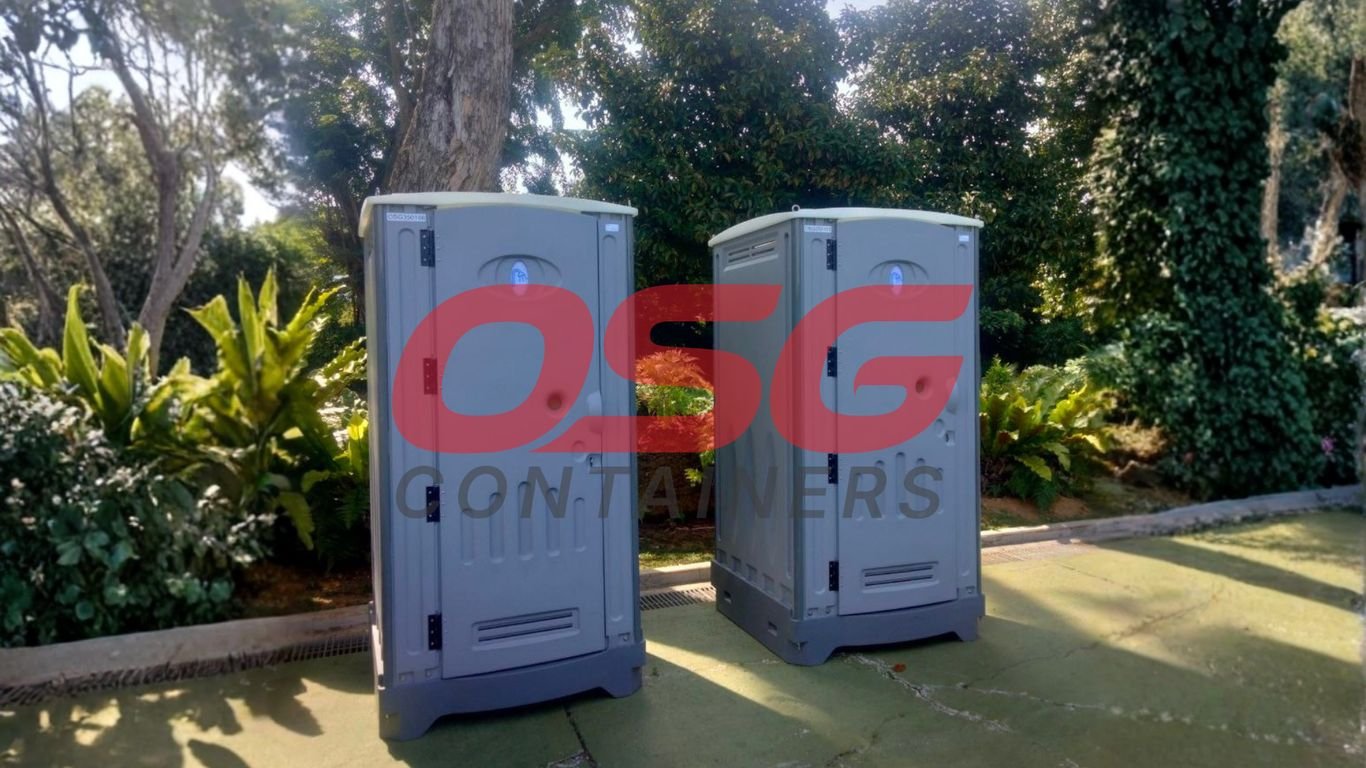
Planning an outdoor event or managing a construction site means you’ve got a lot to think about. One thing that’s easy to forget, but super important, is having enough places for people to go to the bathroom. Whether it’s a big festival, a wedding, or a long-term building project, getting the right porta potty rental can make a huge difference. This guide is here to help you figure out all the details, from picking the right units to understanding how much it all costs. We’ll cover everything you need to know about porta potty rentals so your event or site runs smoothly.
Key Takeaways
- When renting porta potties, think about whether you need them for a short event or a longer project, as this affects the type of unit and service required.
- There are different kinds of porta potties, from basic standard units to more comfortable deluxe and even luxury trailers, so choose what fits your event or site best.
- Booking your porta potty rental well in advance, especially for summer events, is smart to ensure availability and potentially better pricing.
- Proper site evaluation for delivery and placement, along with clear service schedules, are vital for a hassle-free porta potty rental experience.
- Understanding the costs involved, including any extra fees, and having a bit of a buffer for unexpected issues will help with budgeting your porta potty rental.
Understanding Porta Potty Rental Needs
When you’re planning any kind of event or managing a work site, figuring out restroom solutions is a big part of the puzzle. It’s not just about having a place for people to go; it’s about making sure it’s done right, whether it’s for a weekend party or a months-long construction project. Getting the right portable john rental can really make a difference in how smooth things run.
Ongoing Versus Short-Term Toilet Hire
Think about why you need the toilets. Are they for a temporary event, like a wedding or a festival, that lasts a few days? Or do you need them for a longer haul, like a construction site or a business that doesn’t have permanent facilities? This is the first big question.
- Short-Term Hire: Usually for events. Think weddings, concerts, parties, or community gatherings. These rentals are typically for a few days to a week.
- Long-Term Hire: More common for construction projects, industrial sites, or even during home renovations where main plumbing is out of commission. These can last weeks, months, or even longer.
The type of rental dictates a lot about the service needed and the kind of units you might want.
Differentiating Construction Site and Event Toilets
While both are essentially temporary toilet rental solutions, they often have different requirements.
| Feature | Construction Site Toilets | Event Toilets |
|---|---|---|
| Primary Use | Worker facilities, durability is key | Guest comfort, appearance can be important |
| Frequency of Use | High, often throughout the workday | Varies greatly, can be high during peak event times |
| Maintenance | Regular, often weekly, to keep up with heavy use | Can vary, but needs to be sufficient for event duration and guest numbers |
| Unit Types | Standard units, sometimes ADA-compliant | Standard, deluxe, flushable, luxury trailers, ADA-compliant |
Construction sites often prioritize functionality and durability. Event toilets might need to look a bit nicer and offer more comfort options, depending on the event’s style.
Calculating Restroom Requirements for Your Event
Figuring out how many portable bathroom rentals you need isn’t just a guess. There are guidelines to follow, especially for events. A good rule of thumb is to have at least one unit for every 75 guests at a four-hour event. If your event goes longer, like eight hours, you might need double that. And if alcohol is being served, it’s wise to add about 20% more restrooms. Don’t forget handwashing stations, too – one for every four porta potties is a good starting point, unless the units have built-in sinks.
Proper planning for restroom facilities prevents long lines and unhappy guests. It shows you’ve thought through the details of your event or project, making things easier for everyone involved.
Choosing the Right Porta Potty Units
Picking the right kind of portable toilet for your event or site is more than just grabbing the cheapest option. It’s about making sure everyone who needs one has access to a clean, functional unit that fits the situation. Think about who’s coming and what they’ll need. The type of unit you choose can really impact guest comfort and overall event success.
Standard Portable Restrooms: The Event Workhorse
These are your go-to units for most outdoor gatherings. They’re basic, reliable, and get the job done. Most standard units come with a toilet, a urinal, and a dispenser for hand sanitizer. They’re great for festivals, casual parties, or any event where you need a straightforward solution for a crowd. They’re usually the most budget-friendly option, too.
Deluxe and Flushable Options for Enhanced Comfort
If you want to offer a bit more comfort, especially for longer events or those with a more discerning crowd, deluxe and flushable units are worth considering. Deluxe units often feature a foot-pedal flush, a small sink with running water (usually foot-pump operated), and better ventilation. Flushable units mimic the experience of a regular bathroom with a freshwater flush. These are good for events where people might be handling food, or if you just want to provide a more pleasant experience, like at a wedding reception or a corporate picnic.
Specialized Units: ADA-Accessible and Luxury Trailers
Accessibility is key for any public event. ADA-accessible units are designed with extra space for wheelchairs, including grab bars and ramps. They’re not just for compliance; they ensure everyone can comfortably use the facilities. On the other end of the spectrum are luxury restroom trailers. These are like portable bathrooms on wheels, often with air conditioning, heating, running water sinks, mirrors, and even music. They’re perfect for high-end events like weddings, galas, or VIP areas where you want to provide top-notch comfort.
Here’s a quick look at common unit types:
| Unit Type | Key Features | Best For |
|---|---|---|
| Standard | Toilet, urinal, hand sanitizer | General events, festivals, casual gatherings |
| Deluxe with Sink | Foot-flush, sink with running water, better ventilation | Food events, craft fairs, events needing handwashing |
| Flushable | Freshwater flushing mechanism | Upscale events, multi-day festivals, enhanced comfort |
| ADA-Accessible | Spacious, grab bars, wheelchair accessible | All public events, compliance, inclusivity |
| Luxury Trailer | Climate control, flushing toilets, sinks, mirrors | Weddings, corporate galas, VIP areas, high-end events |
When you’re deciding, think about the event’s vibe and how long people will be there. A quick afternoon concert might be fine with standard units, but a weekend-long music festival or a formal outdoor wedding will likely benefit from upgraded options. Don’t forget to factor in the number of guests and whether alcohol or food will be served, as these can increase restroom usage.
Seasonal Planning for Porta Potty Rentals
When you’re planning an event or a long-term project, the time of year can really throw a wrench in things, especially when it comes to porta potty rentals. Weather plays a huge role, and so does what everyone else is planning. Thinking ahead about the season can save you a lot of headaches and maybe even some cash.
Summer Peak Challenges and Early Booking Tactics
Summer is basically the Super Bowl for outdoor events. Think festivals, weddings, corporate picnics – everyone wants to be outside. This means the demand for porta potties goes way up, and so does the competition for getting them. Booking your units at least six to eight weeks in advance during the summer months is pretty much non-negotiable if you want to get the units you need. Waiting too long means you might be stuck with whatever’s left, or worse, nothing at all. Plus, summer heat can speed up waste decomposition, so you might need more frequent servicing than you’d expect. It’s a good idea to factor that into your budget and service schedule.
Winter Freeze Protection and Service Adjustments
Winter brings its own set of problems. When temperatures drop below freezing, standard porta potties can become unusable. The water in the tanks can freeze solid, and the mechanisms might not work right. For events or sites operating in colder weather, you’ll want to look into specialized units. These often come with antifreeze solutions to keep things functional. Construction projects sometimes find winter to be a good time to get work done because there’s less competition for rental equipment, and you might have a bit more negotiating power on pricing for longer-term rentals.
Spring and Fall Rental Considerations
Spring and fall are often the sweet spots for outdoor events. The weather is usually more moderate, and the demand isn’t quite as crazy as in the summer. However, don’t get too relaxed. Spring can be busy with graduations and early outdoor gatherings, while fall has its share of harvest festivals and late-season events. It’s still wise to book a few weeks ahead, maybe four to six, to be safe. Service schedules might be more standard during these seasons, but always check with your rental provider about their recommendations based on your specific event’s expected attendance and duration. It’s all about being prepared, no matter the season.
Logistics of Porta Potty Deployment
Getting porta potties to your site and set up right is a big part of making sure things run smoothly. It’s not just about ordering them; it’s about thinking through how they’ll actually get there and where they’ll end up.
Site Evaluation and Placement Strategies
Before you even pick up the phone to order, take a good look at your location. Think about how big trucks will get in and out. Are the roads clear? Is the ground level enough so the units don’t tip over? You don’t want a fancy trailer stuck in the mud or a standard unit leaning precariously.
Also, consider how far people will have to walk. Ideally, restrooms should be within a reasonable distance, maybe around 200 feet, from where most of your guests or workers will be. Too far, and people might avoid using them. Too close to a main gathering area, and it could be unpleasant. Think about placing them near entrances, exits, food areas, or main work zones, but with a bit of buffer space.
Coordinating Delivery and Installation
This is where good communication with your rental company really pays off. Make sure you give them all the details about your site access. If there are any tricky turns, low bridges, or specific gate codes, let them know. Clear instructions prevent delivery delays and extra charges.
When the units arrive, the delivery team will place them according to your plan. It’s a good idea to have someone from your team on-site during delivery to confirm placement and check that everything looks good. They’ll make sure the units are stable and ready for use.
Servicing and Removal Post-Event
Once your event or project is done, you’ll need to arrange for the units to be picked up. Prompt removal is usually part of the contract and is courteous to the venue or property owner. The rental company will schedule a time to haul them away. If it’s a long-term rental, like for a construction site, regular servicing is key. This usually means pumping out the waste, cleaning the unit, and restocking supplies like toilet paper and sanitizer. The frequency depends on how many people are using them and the conditions, but weekly service is common for longer jobs. For events, a one-time service might be enough, or you might need a mid-event check for longer festivals.
Planning the logistics involves more than just the initial setup. It’s a continuous process that includes regular maintenance during the rental period and a clean, efficient removal once the need has passed. Thinking ahead about these steps saves a lot of headaches down the line.
Service Schedules and Maintenance
Keeping your portable restrooms clean and functional throughout an event or project is super important. It’s not just about having toilets available; it’s about making sure they’re actually usable and don’t become a problem.
Standard Service Frequencies
For most events and shorter-term rentals, a weekly service is the standard. This usually involves emptying the holding tank, giving it a quick rinse, restocking toilet paper and any sanitizing supplies, and doing a general check for any issues. It’s the baseline to keep things from getting too unpleasant.
Adjusting Service for High-Traffic Situations
Now, if you’ve got a big crowd or it’s really hot out, that weekly service might not cut it. Think about music festivals, large outdoor fairs, or even just a really warm summer day. High temperatures speed up waste decomposition and can make odors worse, so you might need service twice a week, or even more. It’s all about keeping up with demand and maintaining a decent experience for your guests. The same goes for events where people are eating and drinking a lot – usage goes way up.
Long-Term Rental Maintenance Plans
For construction sites or longer events, you’ll need a more structured maintenance plan. This is usually set up on a monthly basis, often tied to a 28-day cycle. The provider will come out regularly to service the units, ensuring they remain in good working order for the duration of your project. It’s good to talk with your rental company about what’s included in these long-term plans, as they can sometimes be customized based on the site’s specific needs and expected usage.
Planning your service schedule when you book is key. It avoids confusion later and makes sure the facilities stay in good shape from start to finish. Don’t wait until the last minute to figure this out.
Here’s a general idea of how service might change based on conditions:
- Summer Heat (Above 85°F): Waste breaks down faster, chemicals lose effectiveness quicker. Expect to need service more often, possibly double the standard frequency.
- Winter Conditions (Below 32°F): While service might not need to be more frequent, you need to ensure units are protected from freezing. This might involve special procedures or units.
- High-Volume Events (Festivals, Concerts): Even in moderate temperatures, a huge number of people using the units means more frequent emptying and restocking is necessary.
It’s always best to discuss your specific event or project with the rental company. They can help you figure out the right service schedule based on your expected guest count, the duration, and the location.
Budgeting for Porta Potty Rentals
Alright, let’s talk about the money side of things when it comes to renting porta potties. It’s not just about picking a unit and hoping for the best; you’ve got to have a handle on the costs involved. Understanding the full picture upfront can save you a lot of headaches and unexpected bills later on.
Understanding Quote Details
When you get a quote, it’s not just a single number. You’ll see different line items, and it’s important to know what they mean. Things like the base rental fee for the unit itself, delivery and pickup charges, and the cost for regular servicing are usually broken down. Sometimes, there are extra fees for things like hand sanitizer dispensers or special cleaning products. Always ask for clarification if something looks fuzzy. It’s better to ask now than to be surprised when the invoice arrives.
Factors Influencing Rental Costs
Several things can push the price up or down. For starters, the type of unit you choose makes a big difference. A basic standard porta potty is going to be way cheaper than a fancy restroom trailer with air conditioning and running water. The length of your rental is another major factor; longer-term rentals often have a lower daily or weekly rate than a weekend-only hire. Location matters too – if your site is hard to get to, delivery fees might be higher. And don’t forget about the time of year. During peak seasons, like summer event season or busy construction periods, demand is high, and so are prices. Booking way in advance can sometimes help lock in better rates.
Here’s a rough idea of what you might expect:
| Unit Type | Typical Rental Cost (Per Month/Event) | Notes |
|---|---|---|
| Standard Portable Restroom | $150 – $250 (monthly) | Basic, functional unit. |
| Deluxe/Flushable Unit | $200 – $350 (monthly) | Added comfort features. |
| ADA-Accessible Unit | $200 – $450 (monthly) | Required for compliance, larger space. |
| Luxury Restroom Trailer | $1,000 – $4,500 (per event) | High-end, climate-controlled, amenities. |
| Handwashing Station | $50 – $100 (monthly) | Essential for hygiene. |
| Delivery Fee | $35 – $50 (per unit) | Varies by distance and provider. |
Contingency Planning for Unexpected Needs
Life happens, right? Sometimes events run longer than planned, or you might get more guests than you initially expected. It’s smart to have a little buffer in your budget for these "what if" scenarios. Maybe you need an extra unit delivered mid-event, or perhaps a sudden heatwave means you need more frequent servicing. Building in a small contingency fund, say 10-15% of your total rental cost, can cover these unexpected demands without derailing your entire budget. It’s like having a little emergency stash for your restroom needs.
It’s easy to focus only on the rental price of the units themselves, but the costs of delivery, regular servicing, and restocking supplies like toilet paper and sanitizer can add up significantly, especially for longer events or high-traffic situations. Always factor these ongoing operational costs into your overall budget to avoid surprises.
Wrapping It Up
So, whether you’re setting up for a big summer festival or just need a reliable setup for a construction project that’s going to take a while, getting the right porta potties is a big deal. It’s not just about having a place for people to go; it’s about making sure everyone’s comfortable and things run smoothly. Think about how many people will be there, how long the event or project lasts, and what kind of units will work best. Booking ahead, especially for busy times like summer, can save you a headache and maybe even some cash. And remember, good service and clean units make a huge difference in how people remember your event or how smoothly your worksite operates. It might seem like a small detail, but getting your portable restroom plan right really helps everything else fall into place.
Frequently Asked Questions
How many porta potties do I need for my event?
The number of porta potties you need depends on how many people will be there and if you’re serving food or drinks. A good starting point is one toilet for every 50-75 guests for a whole day. If alcohol is being served, you might need more, maybe one for every 35-40 guests, because people tend to use the restroom more often when drinking.
When should I book my porta potty rental?
It’s best to book your porta potty rentals well in advance, especially if your event is during the busy summer months. For standard rentals, aim for 6 to 8 weeks before your event. If you need special units like luxury trailers, you might want to book even earlier, like 10 to 12 weeks ahead, because those are very popular and get reserved quickly.
What’s the difference between a porta potty for a construction site and one for an event?
Porta potties for construction sites are usually built to be tough and handle a lot of use over a long time. Event toilets, on the other hand, often have more features to make guests comfortable, like flushing options, sinks, mirrors, and sometimes even air conditioning, especially for fancier events.
Can I rent a porta potty for just one day?
Yes, you absolutely can! Short-term rentals are very common for events like parties, weddings, or weekend festivals. You can rent them for as little as one day, or for a couple of weeks if needed.
What happens if the porta potty gets full or dirty during my event?
Most rental companies offer regular servicing, which usually means they’ll come out once a week to empty the tanks, clean the unit, and restock supplies like toilet paper. For high-traffic events, you can often arrange for more frequent service, like twice a week, to keep things clean and pleasant for your guests.
Are there special porta potties for people with disabilities?
Yes, there are! These are called ADA-accessible units. They are larger inside, have grab bars for support, wider doors, and are designed to be used by people in wheelchairs. Most events are required to have a certain number of these available to ensure everyone can use the facilities comfortably and safely.