Singapore
 Australia
 Indonesia
 Japan
Japan Malaysia
 New Zealand
 Philippines
 South Korea
 Taiwan
 Thailand
 VIETNAM
Getting a company’s plan from paper to reality can be tough. You’ve got the big ideas, the goals, and everyone’s ready to go, but then things get messy. That’s where a site office really shines. It’s not just a place to hang your hat; it’s the nerve center for making sure the strategy actually happens on the ground. Think of it as the bridge between the boardroom and the boots on the ground, keeping everything moving forward.
Key Takeaways
- A site office acts as a central point for managing projects and people right where the work is happening.
- Clear planning is the first step, involving everyone from the top down to figure out what needs to be done.
- Making sure everyone knows the plan and how they fit in is super important for getting things done.
- Keeping an eye on how things are going and being ready to change course if needed helps avoid problems.
- A good site office helps sort out issues locally and keeps the team focused on the main goals.
Establishing the Foundation: Strategic Planning Essentials
Getting a strategic plan off the ground isn’t just about having a good idea; it’s about making sure the groundwork is solid. Think of it like building a house – you wouldn’t start framing walls before you’ve checked the soil and laid a proper foundation. This initial phase is all about getting your ducks in a row before you even start sketching out the big picture.
Defining Organizational Readiness for Planning
Before diving headfirst into planning, it’s smart to pause and ask a few questions. Is the timing right for the company to really dig into this? Are we in a stable enough spot, or are we in the middle of a whirlwind that would make focused planning impossible? We need to look at whether the conditions are actually favorable for creating a plan that sticks. Sometimes, the best move is to wait for a clearer runway. It’s about being honest about where we are versus where we think we should be.
- Are the current circumstances conducive to a thorough planning process?
- Can we anticipate and avoid common planning pitfalls?
- Is this the optimal moment to commit resources to strategic planning?
It’s easy to get caught up in the excitement of a new plan, but a little upfront assessment can save a lot of headaches later. If the timing isn’t right, it’s better to acknowledge it and figure out when it will be.
Assembling the Strategic Planning Team
Who’s going to be in the room when these big decisions are made? You need a core group, but not too big – maybe around 10 to 15 people is a good number. This team should include folks who can make decisions and have a good handle on different parts of the business. It’s also important to designate someone to lead the charge on strategy implementation, often called a Chief Strategy Officer or a similar role. They’ll be the point person for making sure the plan actually gets put into action.
| Role | Responsibility |
|---|---|
| Strategy Lead | Oversees the entire planning process |
| Department Representatives | Provide input from their functional areas |
| Finance Representative | Offers insights on financial feasibility |
| Operations Representative | Shares practical execution considerations |
Gathering and Reviewing Essential Data
Now, let’s talk about the homework. You can’t plan effectively without knowing your starting point. This means digging up past strategic plans, even if they’re outdated, along with your mission, vision, and values statements. Financial records from the last few years are a must, as is any existing marketing or business plan. Looking at past SWOT analyses, sales figures, and projections gives you a clearer picture of what’s worked and what hasn’t. Once you have all this information, the team needs to sit down and really look at it. What trends are popping up? Where are we strong, and where are we falling short? This review helps set the stage for realistic goal setting.
Bridging the Gap: From Strategy to Actionable Plans
So, you’ve got this big, shiny strategy document. It’s full of great ideas and ambitious goals. But how do you actually make it happen? That’s where this part comes in. It’s all about taking those high-level ideas and turning them into concrete steps that people can actually follow.
Developing the Strategic Framework and Objectives
This is where you nail down the big picture. What are we really trying to achieve in the long run? It’s not just about making more money, but how you plan to do that. Think about the main areas you need to focus on. Are you trying to be the cheapest option, or offer something totally unique? Defining these core objectives gives everyone a clear target to aim for.
Setting Short-Term Goals and Key Performance Indicators
Okay, the long-term vision is set. Now, let’s break it down. What needs to happen next quarter? Or even next month? These shorter goals should directly support the bigger objectives. And to know if you’re actually hitting those goals, you need ways to measure them. These are your Key Performance Indicators, or KPIs. They’re like the dashboard lights for your strategy.
Here’s a quick look at how you might set some goals:
- Goal: Increase customer satisfaction by 10%.
- KPI: Net Promoter Score (NPS) rising from 45 to 50.
- Timeline: End of Q3.
- Goal: Launch new product line in two new regions.
- KPI: Successful product rollout in 95% of target stores.
- Timeline: End of Q4.
- Goal: Reduce operational costs by 5%.
- KPI: Decrease in cost per unit produced.
- Timeline: End of fiscal year.
Translating Vision into a Competitive Strategy
This is where you figure out your ‘how’. How will you actually win in the marketplace? It’s about understanding your customers and your competitors. Are you going after a huge market, or a small, specific niche? Will you compete by having the lowest prices, or by offering something nobody else does? Your competitive strategy is the game plan that guides all your actions.
Turning a grand vision into a working plan means being really clear about what you’re trying to do and how you’ll measure success along the way. It’s like planning a big trip – you need the destination, but also the route and the milestones to know you’re on track.
The Role of the Site Office in Execution
So, you’ve got this big strategy, right? It looks great on paper, but how do you actually make it happen, especially when your work is spread out? That’s where the site office really steps in. It’s not just a place to grab coffee; it’s the engine room for getting things done.
Facilitating On-Site Coordination and Communication
Think of the site office as the central nervous system for your project team. When everyone’s working in different spots, or even just different departments, keeping everyone on the same page can be a real headache. The site office provides a physical spot where people can meet, hash out problems, and just generally talk to each other. This face-to-face interaction, even if it’s just a quick chat by the water cooler, can clear up misunderstandings way faster than a long email chain.
- Regular team huddles: Daily or weekly check-ins to discuss progress, roadblocks, and immediate next steps.
- Information sharing boards: Physical or digital boards displaying key project updates, schedules, and important announcements.
- Cross-functional meetings: Bringing together different teams working on the same project to align efforts and solve shared issues.
Without a dedicated space for communication, projects can easily drift apart, with teams working in silos and duplicating efforts or, worse, working against each other.
Ensuring Localized Resource Management
Every project has its own set of needs – people, equipment, materials. The site office is often the hub for managing these resources locally. This means making sure the right tools are available when needed, personnel are assigned effectively, and supplies are on hand without unnecessary delays. It’s about making sure the day-to-day operations run smoothly because the necessary bits and pieces are right there.
| Resource Type | Current Stock | Needed by (Date) | Reorder Point |
|---|---|---|---|
| Heavy Machinery | 3 | 2026-03-15 | 1 |
| Skilled Labor | 15 | Ongoing | N/A |
| Raw Materials | 500 units | 2026-03-10 | 100 units |
Providing a Physical Hub for Project Teams
Beyond just coordination, the site office acts as a home base. It’s where teams can gather, plan their day, and feel a sense of shared purpose. This physical presence helps build team cohesion and morale. When people have a dedicated space to work from, collaborate, and feel connected to the project’s goals, they tend to be more engaged and productive. It transforms abstract strategic goals into tangible, daily work. It’s the place where the rubber meets the road, so to speak, making the strategy feel real and achievable for everyone involved.
Implementing the Strategy: A Structured Approach
So, you’ve got this grand strategy all mapped out. That’s great, but it’s just paper until you actually do something with it. This is where turning that big picture into concrete actions really kicks in. It’s about making sure everyone knows what needs to happen, when, and who’s supposed to do it. Without a clear plan for putting the strategy into motion, it’s easy for things to get lost in the shuffle.
Creating the Strategic Plan Implementation Schedule
This is where the rubber meets the road. You need a clear timeline and assignments. Think of it like building a house – you can’t just start hammering nails; you need blueprints and a schedule. This schedule breaks down the big strategy into smaller, manageable steps.
Here’s a basic way to think about setting up that schedule:
- Map out the big tasks: What are the major things that need to get done to make the strategy a reality?
- Break them down: For each big task, what are the smaller steps involved? Who is responsible for each step?
- Set deadlines: When does each small step need to be finished? Be realistic here.
- Identify resources: What do people need to get these tasks done? (e.g., budget, tools, training).
It’s also super important to figure out who’s going to keep an eye on everything. This person, often called a process leader or strategy director, makes sure the plan stays on track.
The goal here is to sync your strategy with the day-to-day workings of your business. It’s not just a document to file away; it’s a tool to guide your actions.
Communicating the Plan Across the Organization
Having a great plan is one thing, but if nobody knows about it, or understands it, it’s pretty useless. You need to tell people what’s going on. This isn’t just a one-time announcement, either. Think about how and when you’ll share updates. Regular check-ins keep everyone on the same page.
- Initial Rollout: How will you first introduce the plan to your teams? Will it be a big meeting, emails, or something else?
- Ongoing Updates: How often will you share progress reports or changes? Weekly? Monthly?
- Feedback Channels: How can people ask questions or share concerns about the plan?
Establishing Alignment and Accountability
Once everyone knows the plan, you need to make sure they’re all pulling in the same direction. This means making sure different departments and teams understand how their work fits into the bigger picture. Accountability is key, too. People need to know what they’re responsible for and that their progress will be tracked. This helps avoid that awkward situation where everyone thinks someone else is handling a task.
- Define Roles Clearly: Make sure each person or team knows exactly what they own.
- Set Measurable Goals: Use specific targets so you can tell if you’re succeeding.
- Regular Reviews: Schedule times to check in on progress and discuss any roadblocks. This is where you can hold people accountable in a constructive way.
Optimizing Site Office Operations for Success
So, you’ve got your strategy, you’ve got your plans, and now you’ve got a site office set up. That’s great! But just having a site office isn’t enough. You need to make sure it’s actually working well, helping your project move forward smoothly. Think of it like having a toolbox – you need the right tools, and you need to know how to use them effectively.
Streamlining Communication Channels from the Site Office
Communication is key, right? If information isn’t flowing right, things can get messy fast. The site office is often the central point for this. Making sure everyone knows who to talk to and how to get information is a big deal. This means setting up clear ways for people on the ground to report issues, ask questions, and share updates. It also means making sure that information from the main office reaches the site team without getting lost.
- Establish regular check-ins: Daily or weekly meetings, even short ones, can keep everyone on the same page.
- Use a central communication platform: Whether it’s an app, a shared drive, or a dedicated email, having one place for important messages helps.
- Define reporting lines: Who reports what to whom? Clear roles prevent confusion.
Leveraging the Site Office for Performance Monitoring
Your site office isn’t just a place to hang out; it’s where you can really see how the project is doing. By keeping an eye on things from the site office, you can spot problems early. Are we on schedule? Are we using resources wisely? Are there any unexpected issues popping up?
Here’s a simple way to look at what to track:
| Metric Category | Key Performance Indicators (KPIs) |
|---|---|
| Schedule | Milestones met, Task completion rate |
| Budget | Actual spend vs. planned spend, Resource utilization |
| Quality | Defect rates, Rework required |
| Safety | Incident reports, Near misses |
Regularly reviewing these numbers from the site office helps you make smart decisions.
Adapting Site Office Functions to Evolving Needs
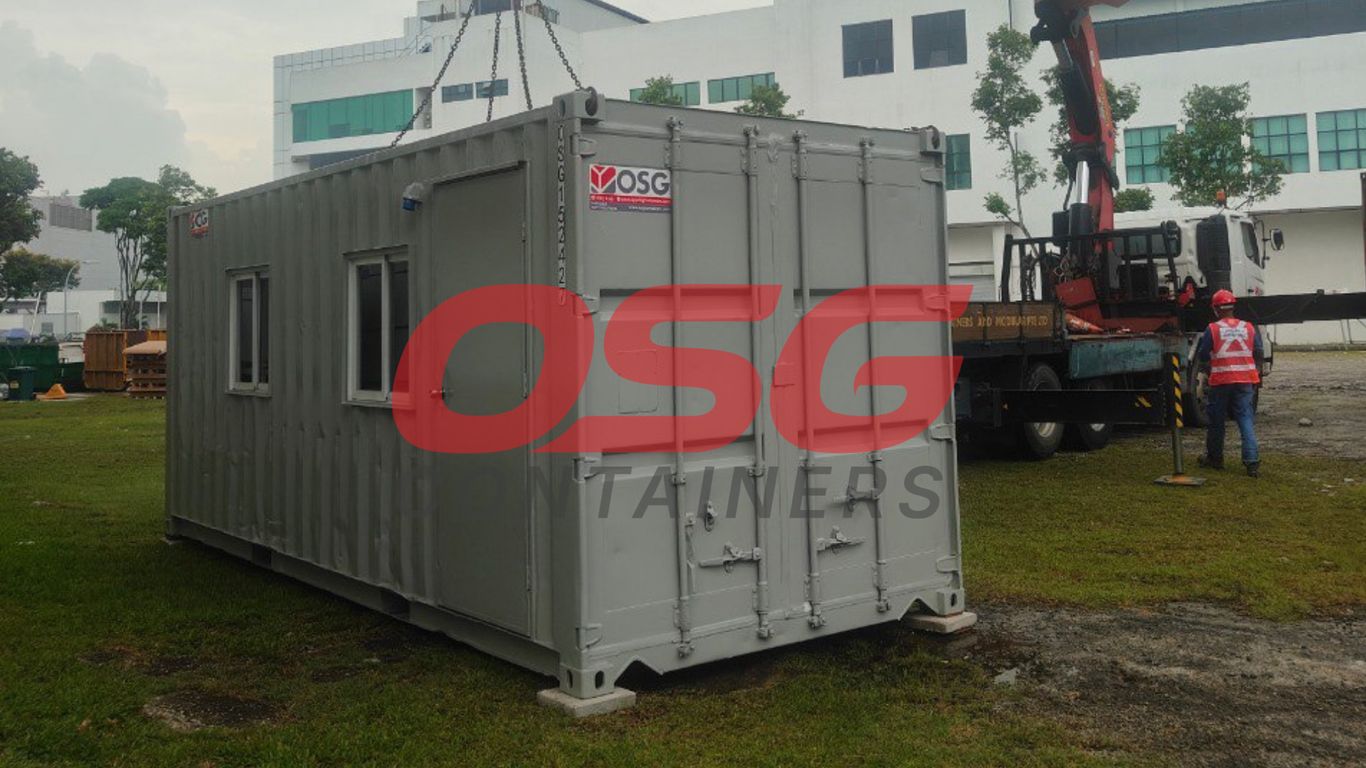
Projects change. What worked at the start might not be the best approach later on. Your site office needs to be flexible. Maybe you started with a small setup, but as the project grew, you realized you needed more space. This is where options like rent a container office or looking into office containers for rent become really practical. These container offices can be set up quickly where you need them, giving your team the space they need without a huge delay. It’s about making sure the site office setup can keep up with the project’s demands, whether that means adding more people, needing different equipment, or just changing the layout.
The physical presence of a site office, especially adaptable structures like office containers, provides a tangible anchor for project teams. It’s more than just shelter; it’s a command center that needs to evolve alongside the project’s lifecycle and demands.
Sometimes, you might find that the initial setup of your office containers isn’t quite right for the next phase. Being able to reconfigure or even move these units can be a huge advantage. It means your operational base can stay aligned with the project’s actual needs on the ground, rather than being a fixed point that becomes outdated.
Overcoming Execution Challenges with Site Office Support
So, you’ve got this grand strategy, right? It looks great on paper, maybe even in a fancy presentation. But then comes the hard part: actually making it happen. This is where a lot of plans go sideways. It’s like having a perfect recipe but then realizing you’re missing a key ingredient or the oven temperature is all wrong. The site office is actually pretty key here, acting as that on-the-ground problem solver.
Addressing Strategy-Structure Gaps with Localized Focus
Sometimes, the way a company is set up just doesn’t fit the strategy. You might have departments that don’t talk to each other, or teams that are too far removed from what’s actually happening. This is where the site office can really help. It’s a physical spot where people from different areas can connect and figure out how to make the strategy work in their specific location. Think of it as a local command center for the big picture.
- Mapping the Goal: Leaders can ask, "Which teams and budgets directly support our main goal?" If it’s not clear in about 30 minutes, the structure might be the problem.
- Realigning Teams: Instead of just functional groups, organize around what you’re actually trying to deliver. This means bringing together all the people, money, and authority needed for a specific product or service.
- Clearer Purpose: When teams know exactly what they’re working towards and have what they need, they can make decisions faster and better.
The disconnect between where the strategy is made and where the work gets done is a common stumbling block. A site office helps bridge this by providing a focal point for local adaptation and problem-solving.
Mitigating Risks Through Proactive Site Office Management
Things rarely go exactly as planned. Unexpected issues pop up, resources get tight, or the market shifts. A well-run site office can spot these problems early. Because they’re right there, they can see potential roadblocks before they become major disasters. They can then flag these issues and work on solutions before they derail the whole project.
Here’s how a site office helps manage risks:
- Early Warning System: Staff on-site are often the first to notice when something isn’t working as expected.
- Local Problem Solving: They can often address minor issues themselves without needing to escalate everything up the chain.
- Resource Awareness: They have a better handle on what resources are actually available locally and can flag shortages or overages.
- Communication Hub: They can quickly relay critical information back to headquarters and disseminate instructions to local teams.
Empowering Frontline Teams via the Site Office
People working directly on the tasks often have the best ideas about how to improve things, but they might not feel heard. The site office can be a place where these frontline teams feel supported and their input is valued. When people feel like they have a say and that their contributions matter, they tend to work harder and smarter. This isn’t just about making them feel good; it directly impacts how well the strategy gets executed.
- Feedback Loop: The site office can collect suggestions and concerns from the people doing the day-to-day work.
- Training and Support: It can serve as a local point for training and providing the tools teams need.
- Motivation: Recognizing local successes and addressing local challenges can boost morale and commitment.
Without this local connection, strategies can feel distant and irrelevant to the people who are supposed to be making them happen. The site office makes the strategy real and actionable for everyone involved.
Sustaining Momentum: Regular Reviews and Replanning
Okay, so you’ve got your plan, and the site office is humming along. That’s great, but it’s not exactly ‘set it and forget it.’ Things change, right? What looked like a solid plan six months ago might need a tweak today. That’s where regular check-ins and a willingness to adjust come in. The site office becomes your eyes and ears on the ground, feeding you real-time info that keeps the strategy relevant.
Think of it like this: you wouldn’t drive across the country without checking your GPS or stopping for gas, would you? Same idea here. You need to periodically look at how things are going and decide if you need to change course.
Conducting Cadenced Strategy Reviews at the Site Office
These aren’t just casual chats. You need structured meetings, maybe quarterly, where the team gathers to talk about progress. It’s about looking at the numbers – are we hitting those targets we set? What’s working well? What’s not?
- Performance Check: Review key metrics and project milestones. Did we meet the goals for this quarter?
- Obstacle Identification: What roadblocks popped up? Were they expected, or did they catch us by surprise?
- Resource Assessment: Do we still have what we need? Are the people and materials in the right places?
These reviews aren’t about assigning blame. They’re about understanding what’s happening and figuring out the best way forward. It’s a chance to be honest about challenges and celebrate wins.
Refining Plans Based on Site-Specific Feedback
The folks at the site office are the ones doing the day-to-day work. They see the practical side of the strategy. Their feedback is gold. Maybe a process that looked good on paper is a nightmare to implement in reality, or perhaps they’ve found a smarter way to do something.
Here’s a quick look at what you might discuss:
| Area of Feedback | Current Status | Proposed Adjustment | Impact |
|---|---|---|---|
| Material Procurement | Delays due to supplier issues | Identify backup suppliers | Reduced lead times |
| On-site Communication | Misunderstandings between shifts | Implement daily huddle | Improved clarity |
| Equipment Maintenance | Unexpected breakdowns | Increase preventative checks | Less downtime |
Ensuring Continuous Learning and Adaptation
Every review, every adjustment, is a learning opportunity. What did we learn from that last project phase? How can we apply that to the next one? The site office is key to this. It’s where new ideas are tested and where lessons are learned firsthand. This ongoing cycle of review, adaptation, and learning is what keeps the strategy alive and effective. It stops the plan from becoming stale and ensures the organization keeps moving forward, even when the ground shifts beneath it.
Wrapping It Up
So, we’ve talked a lot about how getting your strategy down on paper is just the start. Making it happen, that’s the real work. Having a solid plan, communicating it clearly, and making sure everyone knows their part is key. It’s not always easy, and things change, so being ready to tweak the plan as you go is important too. Ultimately, it’s about turning those big ideas into actual results, step by step.
Frequently Asked Questions
What is a site office and why is it important for strategy?
A site office is like a local base for a project or company. It’s important because it helps teams work together better in a specific area. Think of it as a home base where people can meet, share ideas, and get things done more easily, especially when a project is happening in a particular place.
How does planning help a company decide where to go?
Planning is like drawing a map before a trip. It helps a company figure out where it wants to be in the future and how it’s going to get there. This involves looking at what the company is good at, what challenges it faces, and what opportunities are out there. It sets the main goals and steps to achieve them.
What’s the difference between planning and doing?
Planning is thinking about what to do and how to do it, like making the map. Doing, or execution, is actually following the map and making the journey happen. You need both to reach your destination. A good plan guides the actions, and good actions make the plan a reality.
How does a site office help teams work together better?
A site office acts as a central spot for teams working in the same area. It makes it easier for people to talk to each other, share updates, and solve problems quickly. This helps everyone stay on the same page and avoid confusion, making the whole team work more smoothly.
What happens if a company’s plan doesn’t match how it’s set up?
Sometimes, a company’s plan might not fit well with its structure, like trying to fit a square peg in a round hole. This can cause problems, like wasted time and money, or teams working against each other. A site office can help fix this by focusing on the specific needs of the local area and making sure the plan works there.
Why is it important to check on the plan regularly?
Things change all the time, both inside and outside a company. Checking on the plan often, like during regular meetings, helps make sure it’s still the right plan. It’s like checking your map and GPS during a trip to see if you need to change your route. This helps the company stay on track and make smart adjustments.