Singapore
 Australia
 Indonesia
 Japan
Japan Malaysia
 New Zealand
 Philippines
 South Korea
 Taiwan
 Thailand
 VIETNAM
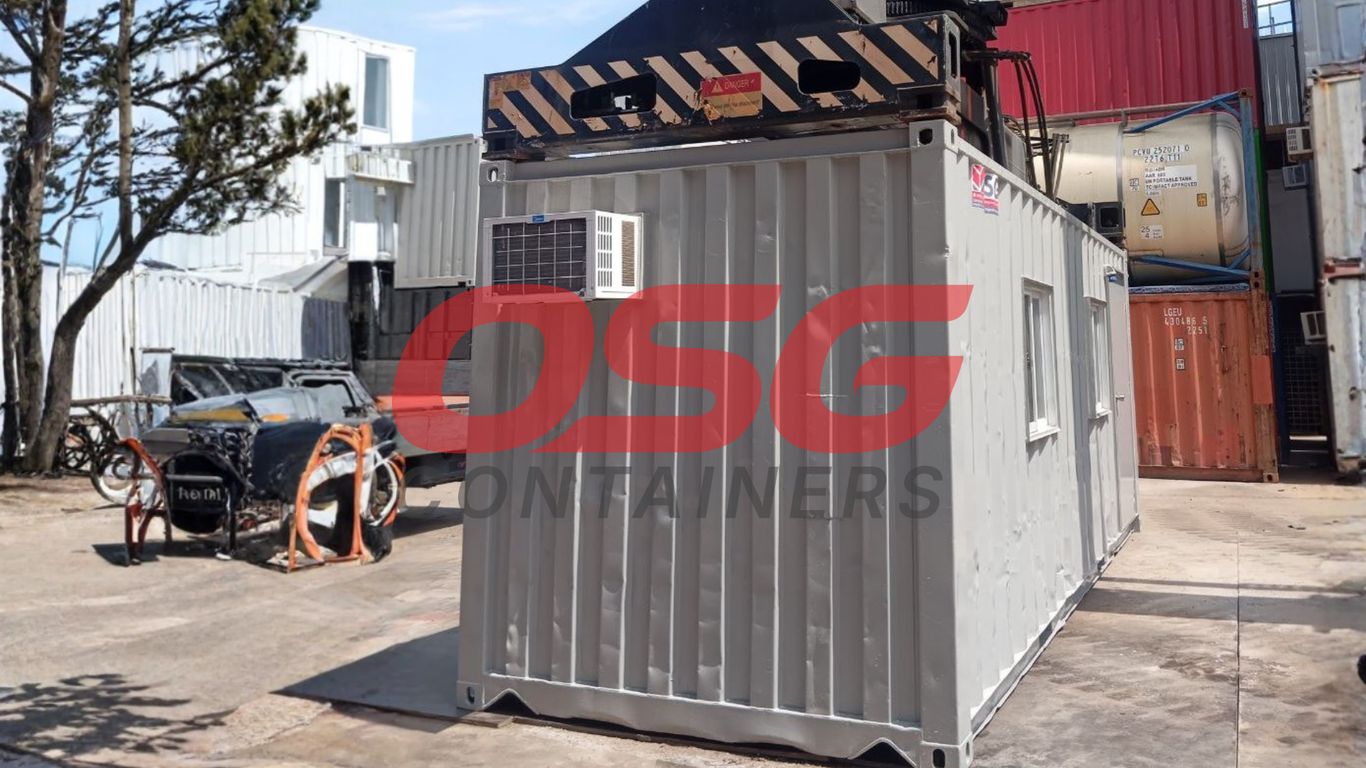
So, you’re thinking about getting a 40ft high cube container, huh? These big boxes are pretty common in shipping, and for good reason. They offer a bit more height than the standard ones, which can make a big difference when you’re trying to fit a lot of stuff. Whether you’re shipping things overseas or just need a place to store stuff on your property, understanding what a 40 hq container is all about is a smart move. Let’s break down what you need to know before you buy one.
Key Takeaways
- A 40ft high cube container gives you extra height compared to a standard 40ft container, offering more usable space for taller items or more efficient stacking.
- These containers are great for maximizing cargo space, fitting more pallets, and are suitable for a wide range of goods, including bulky machinery and lightweight bulk items.
- Key specs include a maximum gross weight around 30,480 kg, but always check specific weight limits with your carrier due to regional regulations.
- Beyond shipping, 40 hq containers are useful for on-site storage and are a popular choice for both full container loads (FCL) and less than container loads (LCL) in international trade.
- When buying, consider new versus used options, as used containers are cheaper but may have cosmetic wear. Specialized versions like reefers or pallet-wide containers are also available for specific needs.
Understanding 40 High Cube Container Dimensions
When you’re looking at shipping containers, especially the 40-foot high cube, the first thing that really matters is how big it is, both on the outside and the inside. It’s not just about length and width; that extra bit of height is what makes these containers special.
Exterior and Interior Measurements
These containers are built to pretty standard sizes, which is good for moving them around the world. The outside dimensions are pretty much set:
- Length: 40 feet (12.19 meters)
- Width: 8 feet (2.44 meters)
- Height: 9 feet 6 inches (2.89 meters)
But what you really care about is the inside space. That’s where things get a little different:
- Interior Length: Around 39 feet 5 inches (12.03 meters)
- Interior Width: About 7 feet 8 inches (2.35 meters)
- Interior Height: Roughly 8 feet 10 inches (2.70 meters)
So, while the outside looks like any other 40-foot container, the inside gives you more room to work with.
Comparing Height to Standard Containers
The big difference between a high cube and a standard 40-foot container is that extra foot of height. A regular 40-foot container is usually 8 feet 6 inches tall inside. The high cube bumps that up to 9 feet 6 inches on the outside, which translates to about 8 feet 10 inches of usable interior height. This extra vertical space is a game-changer for certain types of cargo. It means you can stack more, or fit taller items that just wouldn’t go into a standard container.
Usable Volume and Cubic Capacity
All that extra height adds up to more space. A standard 40-foot container holds about 2,389 cubic feet (67.5 cubic meters). A 40-foot high cube, however, can hold around 2,694 cubic feet (76 cubic meters). That’s a jump of about 10-13% more space. This extra volume is super helpful if you’re shipping things that are bulky but not necessarily heavy, like furniture, mattresses, or lightweight manufactured goods. It can mean fitting more into one container, which can save you money on shipping costs.
Think of it like this: you’ve got a box, and you can stack things inside. The high cube container is like getting an extra shelf added to that box, letting you put more stuff in without taking up more floor space.
Maximizing Cargo Space With A 40 High Cube
So, you’ve got a bunch of stuff to ship, and you’re looking at a 40-foot High Cube container. What’s the big deal? Well, it’s all about that extra height. Compared to a standard 40-foot container, the High Cube gives you about a foot more vertical space. This might not sound like much, but it can make a surprising difference when you’re trying to fit everything in.
Pallet Capacity and Loading Strategies
When it comes to loading, the extra height in a 40 High Cube really shines. You can often fit more pallets, especially if you’re dealing with standard-sized ones. The key is smart loading. Think about how you stack things. Can you add another layer of boxes on top of the first? Are your items tall enough to take advantage of that extra vertical room?
Here’s a rough idea of how many pallets might fit, but remember, this can change based on how you load them and the exact size of your pallets:
| Pallet Type | Dimensions (approx.) | Max Pallets (Floor Loaded) |
|---|---|---|
| Euro Pallet | 1.2m x 0.8m | Up to 25 |
| Standard US | 40" x 48" | Up to 21 |
The real trick is using that vertical space efficiently without making things unstable. Sometimes, you might need to use dunnage – that’s just stuff like bracing or padding – to keep your cargo secure, especially if you’re stacking high.
Benefits of Enhanced Vertical Clearance
That extra foot of height isn’t just for show. It opens up a lot of possibilities. For starters, you can ship taller items that just wouldn’t fit in a regular container. Think about machinery, furniture, or even certain types of reefer cargo that might have extra components sticking up. It also means you can potentially stack lighter, bulkier items higher, making better use of the container’s volume. This is super helpful if you’re shipping things like textiles or large appliances.
The extra height can also help with air circulation inside the container. This is a small but important detail, especially for goods that are sensitive to humidity or temperature fluctuations, even if they aren’t full reefer cargo.
Ideal Cargo Types for High Cube Containers
So, what kind of stuff is best suited for a 40 High Cube? Pretty much anything that benefits from that extra vertical room. This includes:
- Bulky furniture and home goods.
- Oversized industrial equipment or machinery.
- Large quantities of textiles or garments.
- Lightweight items that take up a lot of space.
- Anything that needs a bit more headroom for stacking or has tall components.
Basically, if you look at your cargo and think, "Man, if only this was a little taller, I could fit more," then a 40 High Cube is probably your best bet. It’s all about making the most of every cubic inch.
Key Specifications of A 40 High Cube
When you’re looking at a 40ft high cube container, it’s all about the numbers and what they mean for your cargo. These containers are workhorses in shipping, and knowing their specs helps you figure out if they’re the right fit.
Maximum Load Capacity
This is pretty important. You don’t want to overload your container, right? A typical 40-foot high cube can handle a maximum gross weight of around 30,480 kg (about 67,200 lbs). The actual weight of the cargo you can put inside, called the payload, is usually around 26,300 kg (or 29 tons). Keep in mind, this can change based on where you’re shipping and what the specific shipping line allows. Always double-check with your freight forwarder.
Tare Weight and Gross Weight
So, what’s the difference between tare and gross weight? Tare weight is just the weight of the empty container itself. For a 40ft high cube, this is usually about 4,150 kg. The gross weight, as we just talked about, is the total weight of the container plus your cargo. It’s the number you need to keep an eye on for shipping regulations.
Understanding Weight Restrictions
Weight limits aren’t just about the container; they’re also about the trucks, trains, and ports that handle it. Different countries and even different ports have their own rules about how much weight they’ll allow on the road or in their facilities. It’s vital to know these limits before you start loading. You don’t want to get to the port and find out your container is too heavy to move.
Here’s a quick rundown of typical weights:
| Weight Type | Approximate Weight (kg) | Approximate Weight (lbs) |
|---|---|---|
| Tare Weight (Empty) | 4,150 kg | 9,150 lbs |
| Max Gross Weight | 30,480 kg | 67,200 lbs |
| Max Payload (Cargo) | 26,300 kg | 57,900 lbs |
Always confirm the exact weight limits with your shipping provider and check local regulations for both origin and destination points. This avoids unexpected delays or extra fees.
Versatility and Applications Of 40 High Cube Containers
These 40-foot high cube containers are seriously handy for all sorts of things, way beyond just shipping stuff overseas. Think of them as big, sturdy boxes that can be used in a bunch of different ways. Their extra height really makes a difference when you’re trying to fit more in or stack things up.
On-Site Storage Solutions
Need a place to stash equipment on a construction site? Or maybe you’re renovating and need temporary storage for furniture? A 40-foot high cube container is a solid choice. They’re tough, weather-resistant, and give you a lot of room. You can even find places that offer office containers for rent if you need a temporary workspace on location. It’s way cheaper than building something permanent, and you can just move it when you’re done. Some folks even use them for workshops or extra storage at their business. If you’re looking in places like container sg, you’ll find plenty of options.
International Trade and Logistics
This is where the 40-foot high cube really shines. Because they’re taller than standard containers, you can fit about 10% more cargo inside. This is a big deal when you’re shipping internationally. It means you can potentially use fewer containers, which saves money on shipping costs. They’re great for bulky items, machinery, or even things like furniture that take up a lot of space. They’re a workhorse in global trade for a reason.
Here’s a quick look at how they stack up:
| Container Type | External Height | Internal Height | Approx. Extra Volume |
|---|---|---|---|
| Standard 40ft | 8′ 6" | ~7′ 10" | N/A |
| 40ft High Cube | 9′ 6" | ~8′ 10" | ~10% more |
Suitability for FCL and LCL Shipments
Whether you’re shipping a full container load (FCL) or less than a container load (LCL), these containers can work. If you’ve got enough stuff to fill a whole container, FCL is usually the way to go, and the high cube gives you maximum capacity. But even for LCL, if your items are tall or bulky, the extra height can be a lifesaver, making sure your goods fit efficiently without paying for space you don’t need. It’s all about making the most of the space you’ve got.
The real advantage of a high cube container comes down to its vertical space. It’s not just a little bit taller; that extra foot can mean the difference between fitting your cargo in one shipment or needing two, or being able to stack items safely instead of having to leave them loose.
Cost Considerations For Purchasing A 40 High Cube
New Versus Used Container Pricing
When you’re looking to buy a 40ft high cube container, you’ve got two main paths: brand new or pre-owned. New containers are, of course, going to cost you more upfront. They’re pristine, haven’t seen any action, and come with that fresh-container smell (if that’s a thing). But used containers? They can be a real money-saver. You might find a few dings or some rust spots, but for most dry cargo, they work just fine. Think of it like buying a used car – you can get a lot of value for less money.
The price difference between new and used can be quite significant, often saving you hundreds, if not over a thousand dollars per container.
Factors Influencing Container Costs
So, what makes one container cost more than another? A few things come into play. The condition is a big one, as we just talked about. But also, where you’re buying it from matters. Prices can change depending on the port or region. Supply and demand play a role too; if everyone suddenly needs containers, prices might creep up. And sometimes, the manufacturer or the specific features (like extra reinforcement) can add to the price tag. It’s not just a flat rate across the board.
Here’s a general idea of what you might expect:
- New 40ft High Cube: Typically ranges from $2,500 to $3,500.
- Used 40ft High Cube: Can be found for $1,500 to $2,500, depending heavily on condition.
- Specialty Modifications: Adding features like extra doors or insulation will increase the cost.
Economic Advantages Over Smaller Containers
It might seem counterintuitive, but buying a single 40ft high cube container can actually be more economical than buying two smaller ones, like two 20ft high cubes. You’re getting more space for your money. Think about it: one larger container means less paperwork, potentially lower per-unit shipping fees if you’re shipping a lot, and less hassle overall. Plus, if you’re comparing the cost per cubic foot of storage, the 40ft HC usually comes out ahead.
When you’re calculating the total cost of shipping, don’t just look at the sticker price of the container itself. Consider how much cargo you can fit, how many trips you’ll need, and any associated handling or transport fees. Sometimes, the bigger option is the smarter financial move in the long run.
Exploring Specialized 40 High Cube Options
Reefer Containers For Temperature Control
While a standard 40 High Cube (HC) is great for general cargo, sometimes your goods need a bit more than just space. That’s where specialized HC containers come in. Think about temperature-sensitive items like fresh produce, pharmaceuticals, or certain chemicals. For these, a 40ft HC Reefer container is the way to go. These units are essentially giant refrigerators on wheels (or ships, rather). They come equipped with a built-in refrigeration unit that can maintain a precise temperature, often ranging from -25°C to +25°C. This controlled environment is absolutely critical for preserving the quality and integrity of perishable or temperature-sensitive goods during long transit times.
Pallet-Wide Containers For Euro Pallets
If you’re dealing with a lot of Euro pallets (those common 1.2m x 0.8m ones), you might run into a slight issue with standard 40ft HC containers. While you can fit a good number, the internal width of a standard container isn’t perfectly optimized for them. This is where Pallet-Wide (PW) containers shine. These are specifically designed to accommodate Euro pallets more efficiently, allowing you to fit more across the width. A standard 40ft HC can typically fit around 25 Euro pallets if loaded carefully. However, a 40ft PW HC can often squeeze in up to 30, maximizing your space and potentially reducing the number of containers you need.
Here’s a quick look at how they stack up:
- Standard 40ft HC: Optimized for standard US pallets (40"x48") or general cargo. Can fit around 25 Euro pallets.
- 40ft Pallet-Wide HC: Designed for Euro pallets. Can fit up to 30 Euro pallets.
Double-Door Containers For Efficient Loading
Sometimes, the way you load and unload is just as important as the space itself. For certain types of cargo, or when you need to access goods from both ends, a double-door 40ft HC container is a game-changer. These containers have doors on both the standard end and the opposite end, creating a tunnel effect. This is super handy for:
- Drive-through loading/unloading: Imagine loading items from one side and unloading them from the other without having to move everything around.
- Storing long items: If you’re shipping something like pipes or lumber, the double doors allow you to load them from one end and have them extend out the other, or simply provide easier access for loading and securing.
- Creating temporary workspaces: In some on-site storage or conversion projects, having access from both sides can be really useful.
While the standard 40ft HC offers a fantastic amount of space, these specialized versions cater to very specific needs. Whether it’s maintaining a cold chain, optimizing for a particular pallet size, or streamlining your loading process, there’s likely a high cube variant designed to make your shipping or storage task easier and more efficient.
Wrapping It Up
So, we’ve gone over what makes a 40-foot high cube container a bit different, mostly that extra bit of height which really adds up in space. It’s a solid choice for a lot of different shipping needs, especially if you’ve got taller stuff or just want to pack more in. When you’re ready to buy, remember to check out the dimensions one last time to make sure it fits your cargo perfectly. And don’t forget to shop around a bit to find a good deal from a seller you trust. It’s a big purchase, but getting the right container makes all the difference.
Frequently Asked Questions
What makes a 40 High Cube container different from a regular 40-foot container?
The main difference is height! A 40 High Cube container is about a foot taller than a standard 40-foot container. This extra space lets you pack in more items, especially if they’re tall, or stack things higher, making better use of the space inside.
How much cargo can a 40 High Cube container actually hold?
These containers offer a lot of room. They can hold around 2,694 cubic feet of stuff. Think of it like this: you can fit about 20 to 25 standard pallets inside, depending on how you arrange them. It’s a great amount of space for shipping lots of goods.
What kind of stuff is best to ship in a 40 High Cube container?
They’re super useful for bulky items, tall equipment, furniture, or even things like mattresses that take up a lot of vertical space. Because they offer more room, they’re also good for shipping large amounts of lighter goods, like textiles or clothing, where volume matters more than weight.
Can I use a 40 High Cube container for storage on my property?
Absolutely! Many people use these containers for storage right at their business or home. They’re tough, weather-resistant, and provide a huge amount of secure space for storing equipment, materials, or anything else you need to keep safe and out of the way.
Is buying a new 40 High Cube container always better than buying a used one?
Not necessarily. Used containers can be a lot cheaper, and if they’re still in good shape (‘cargo-worthy’), they work perfectly fine for shipping or storage. New containers cost more but are in pristine condition. It really depends on your budget and how you plan to use the container.
Are there special types of 40 High Cube containers?
Yes, there are! You can find ones designed for specific needs. For example, ‘reefer’ containers keep your goods cold, ‘pallet-wide’ ones are made to fit more European-style pallets snugly, and ‘double-door’ containers have doors on both ends, making loading and unloading much faster.