Singapore
 Australia
 Indonesia
 Japan
Japan Malaysia
 New Zealand
 Philippines
 South Korea
 Taiwan
 Thailand
 VIETNAM
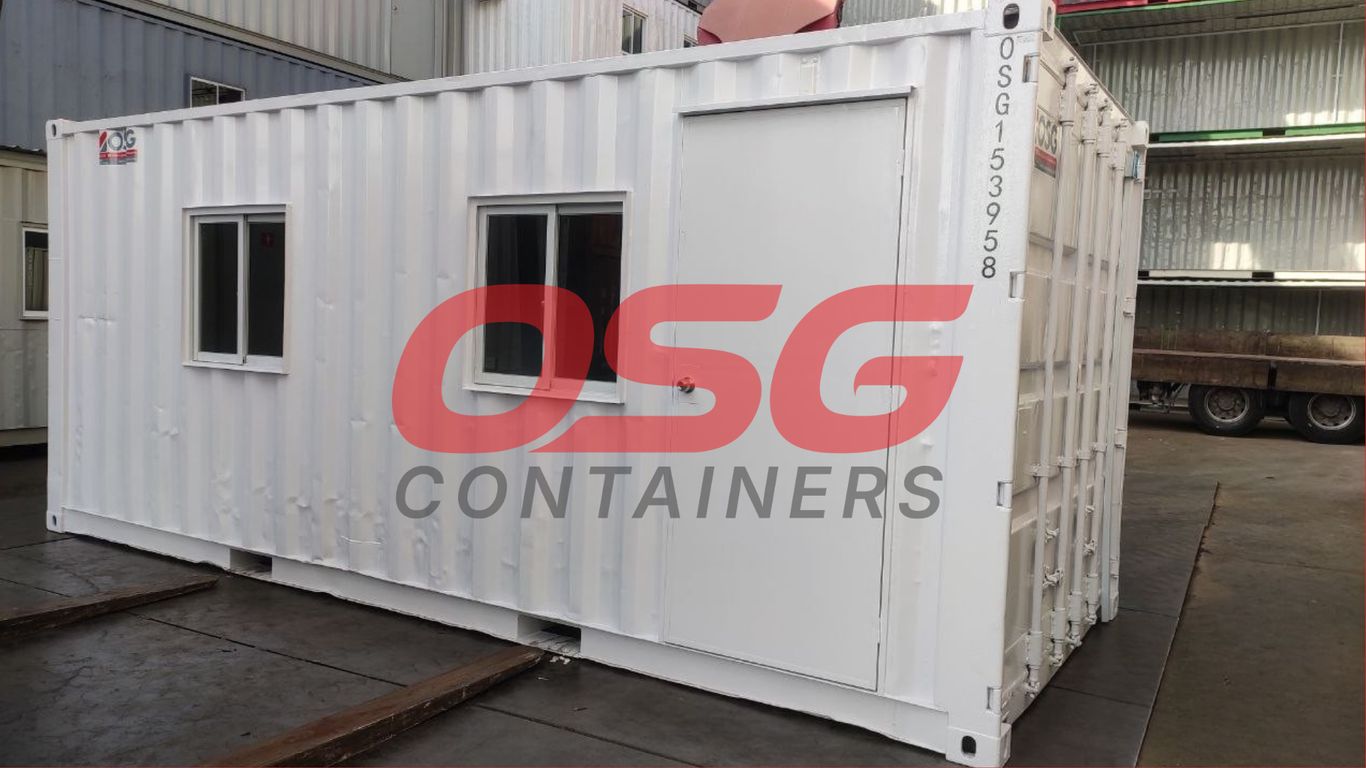
Thinking about getting container offices for your business? They’re becoming a pretty popular choice, and for good reason. They offer a way to get a workspace up and running fast, without all the usual headaches of traditional building. Whether you need a small spot for a few people or a larger setup, these modified shipping containers can be adapted to fit. Let’s look at what you need to consider when you’re planning to scale up with these versatile spaces.
Key Takeaways
- Container offices can be configured as single units or expanded by connecting or stacking multiple containers to suit different space needs.
- Customizations like climate control, essential amenities, and integrated technology are vital for a functional and comfortable container office.
- Compared to traditional construction, container offices often have a lower initial cost and offer long-term value, plus they provide an environmentally responsible option by repurposing materials.
- The agility of container offices allows businesses to gain a competitive edge by quickly adapting their workspace to meet the demands of an expanding team or changing operational needs.
- Container offices are durable, have a long lifespan, and offer significant mobility and relocation capabilities, making them a flexible infrastructure choice.
Understanding Container Office Configurations
When it comes to container offices, how you set them up influences how well they work for your team. There’s more than one way to build with a 20 foot container, especially if you expect your office to grow or need different workflows handled in one space. It’s about making the most of each square foot—whether you’re just starting with a single unit or planning for a bigger setup down the line.
Single Unit Office Solutions
A single 20ft container is the entry point for most businesses dipping their toes into workspace flexibility. With around 150 square feet, this type of setup is ideal for:
- Private offices for one or two people
- Compact meeting rooms
- On-site project management hubs
This approach lets you get set up quickly, without waiting for lengthy construction. You can accomplish a lot with just one container, and it’s especially good for sites where space is limited.
Expanding With Connected Units
If you outgrow a single 20 foot container or need separate spaces for different teams or functions, connecting multiple containers side by side is the next step. Interlinking two or more units allows for:
- Open-plan workspaces
- Designated conference rooms
- Flexible breakout areas
| Configuration | Approximate Square Footage |
|---|---|
| 1 x 20ft container | ~150 sq ft |
| 2 x 20ft containers | ~300 sq ft |
| 3 x 20ft containers | ~450 sq ft |
You can start small and link up more containers as the team or project grows. The best part? Changes can happen with minimal disruption.
Maximizing Space With Stacked Units
Stacking is smart when the land footprint is tight but you still need more room. Two or even three containers can be placed on top of one another, creating extra levels. Here’s what vertical configurations can help you with:
- Housing offices and storage within the same footprint
- Separating departments by floor
- Creating private upstairs workspaces away from noisy ground level
Stacked 20 foot containers make it possible to double your workspace without expanding sideways—pretty helpful in urban or crowded project locations.
No matter which configuration you start with, the right approach is one that fits today’s workflow and leaves room for easy changes as your needs evolve.
Essential Customizations For A Functional Container Office
So, you’ve got your container, and you’re thinking about how to make it actually work as an office. It’s not just about sticking a desk inside a metal box, you know. There are some key things you’ll want to sort out to make sure it’s a place where people can actually get stuff done, comfortably and efficiently.
Climate Control And Essential Amenities
Nobody wants to work in a sauna or an icebox. Proper insulation and a good HVAC system are non-negotiable for year-round comfort. Think about it – a freezing cold office in January or a sweltering one in July? That’s a recipe for low morale and even lower productivity. Beyond just temperature, you might need to think about running water. Adding a small sink for handwashing or even a basic kitchenette can make a huge difference for your team, especially if they’re on-site for long hours. It cuts down on trips away from the workspace, keeping everyone focused.
Integrated Technology Infrastructure
In today’s world, being disconnected is basically a business killer. Your container office needs to be wired for success. This means making sure you’ve got reliable internet access – whether that’s through a dedicated line or a strong Wi-Fi setup. You’ll also need plenty of power outlets, because everyone’s got a laptop, a phone, maybe a printer, and who knows what else these days. Planning for this upfront means you won’t be scrambling later to add more power strips or deal with spotty Wi-Fi.
Getting power and water sorted is pretty fundamental. For power, you’re looking at getting a proper electrical hookup, maybe a breaker box, and enough outlets for all your equipment. If you’re in a remote location, you might even need to consider a generator hookup for backup power. Plumbing is a bit more involved, but it opens up possibilities for restrooms and small break areas with sinks. It really depends on how long you’ll be using the space and what level of convenience you need.
These aren’t just afterthoughts; they’re part of making the space feel like a real office. Adding windows lets in natural light, which makes a space feel much more open and pleasant. Of course, you need secure doors, and depending on your site, you might want to add extra security features like reinforced locks or even bars on the windows. It’s about balancing accessibility with keeping your equipment and workspace safe.
Making a container office functional is all about treating it like any other workspace. You wouldn’t put up a traditional office without power, climate control, or decent lighting, right? The same applies here. It’s about thoughtful planning to create a productive environment, not just a temporary shelter.
Cost-Effectiveness Compared To Traditional Builds
Initial Outlay and Long-Term Value
Let’s get down to brass tacks: money. Building a traditional office space from the ground up is, well, expensive. You’re looking at materials, a whole lot of labor, permits, and then all those little unexpected costs that seem to pop up out of nowhere. Container offices, on the other hand, sidestep a good chunk of that. You’re starting with a structure that’s already built, which cuts down big time on material expenses and the hours workers need to spend on-site. This means you can get a professional, functional office space without needing a massive pile of cash upfront. It’s a really smart way to keep your budget in check, especially when you’re trying to get a project moving fast.
The speed at which you can get a container office up and running is a major cost saver.
Here’s a quick look at how they stack up:
| Feature | Traditional Build | Container Office |
|---|---|---|
| Setup Timeframe | Weeks to Months | Days to Hours |
| Initial Investment | High | Lower |
| Labor Costs | Significant | Reduced |
| Material Costs | High | Lower |
Environmental Responsibility Of Repurposed Containers
Beyond just saving money, it’s also pretty good to know that using a repurposed shipping container is a greener choice. Instead of using brand new materials to construct something from scratch, you’re giving an old container a new purpose. This helps keep waste out of landfills and uses way less energy than traditional construction methods. It’s a way to get the workspace you need while being a bit kinder to the planet. Plus, these containers are built tough and can be used for many different projects over their long lives, further cutting down on their environmental impact.
Repurposing shipping containers for office spaces offers a tangible way to reduce construction waste and the carbon footprint associated with new material production. This approach aligns with growing corporate sustainability goals and appeals to environmentally conscious businesses.
Think about it: these steel boxes are designed to handle rough seas and tough weather, so they’re already incredibly durable. When you repurpose one, you’re not just getting an office; you’re getting a structure that’s built to last for decades with minimal upkeep. This reusability means they can be moved, adapted, and used again and again, making them a truly sustainable and cost-effective solution over the long haul.
Gaining A Competitive Edge Through Workspace Agility
Modern teams don’t have time to wait months for office space. When work ramps up or new projects start, sticking to the old rules about office construction isn’t always smart. If you need people on-site fast, you need a workspace solution that keeps up with business demands.
Making The Smart Move For Your Expanding Team
Instead of wrestling with long leases and rigid property contracts, container offices offer a different route:
- Quick setup: Go from nothing to ready-to-use office space in a matter of days or weeks, not months.
- Less disruption: Place units where you want, relocate or reconfigure them as business evolves.
- Fits different needs: Use them for temp project teams, pop-up departments, or event headquarters.
If your team is growing quickly and you can’t predict what the next year will bring, this approach fits. You’re no longer locked in, and if a department downsizes or a project ends, you can scale back without big losses.
With container offices, your company keeps moving. No need to pause while waiting for traditional builds. Team members can stay busy, projects launch faster, and you make the most of sudden growth opportunities.
Strategic Value Of Adaptable Office Infrastructure
Your physical workspace shouldn’t hold you back. With container offices, you can:
- Respond to market changes faster than competitors stuck with traditional office space.
- Launch pilot projects or new branches without risky, expensive investments.
- Relocate teams to new sites or regions as work shifts.
- Adjust your setup—increase space during busy seasons, scale down when things slow.
Here’s a quick comparison showing the difference in flexibility:
| Feature | Container Office | Conventional Office |
|---|---|---|
| Setup Time | Days to weeks | Months |
| Modularity/Expansion | Easy, modular | Rigid, time-consuming |
| Relocation Potential | High | Very limited |
| Lease/Ownership Commitment | Flexible | Long-term |
Being able to turn on a dime with your office space is a real asset. This workspace agility lets your business capitalize on changes—new contracts, urgent projects, or sudden growth—without being bogged down by construction or real estate headaches.
If your competition is still doing things the old way, workspace agility gives you a real leg up. Ready-to-go container workspaces mean you can say yes to new work, while others are still stuck waiting.
The Benefits Of A Container Office
So, you’re looking at container offices. Maybe you’ve seen them around, or perhaps you’re just hunting for a smarter way to get a workspace up and running. Honestly, these things are pretty great for a bunch of reasons. They’re not just some temporary fix; they’re a solid option that can really make a difference for your project or business.
Durability and Lifespan
First off, these containers are built tough. We’re talking about heavy-duty steel that’s designed to handle rough seas and all sorts of weather. This means your office is going to stand up to rain, wind, and whatever else gets thrown at it, year after year. With proper care, a container office can easily last 25 years or more, which is a pretty long time for any kind of workspace, let alone one that’s this adaptable. It’s a lot less worry than dealing with a building that might have issues with leaks or drafts.
Mobility and Relocation Capabilities
This is a big one. Unlike a traditional building that’s stuck in one spot, a container office can move with you. Got a new job site across town? Need to shift your operations? No problem. You can pick up your office and take it with you. This flexibility is a lifesaver for businesses that are always on the move, like construction companies or event organizers. It means you’re not tied down to a location that no longer serves your needs, and you can reconfigure your setup as your business grows or changes.
The ability to quickly deploy a container office means your team can begin productive work almost immediately. This reduces downtime and allows projects to stay on schedule, providing a significant advantage in fast-paced environments.
Here are some key advantages:
- Built to Last: The robust steel construction offers superior resistance to harsh weather conditions.
- Adaptable Footprint: Easily reconfigured or expanded by adding more units.
- Rapid Deployment: Significantly faster setup times compared to conventional construction.
- Cost-Effective: Often a more budget-friendly option for initial setup and long-term value.
Ultimately, a well-designed container office is a powerful statement about your business’s adaptability and forward-thinking approach.
Enhancing Your Container Office Appeal
So, you’ve got your container office set up, and it’s functional. That’s great! But let’s be honest, a plain metal box might not exactly scream ‘professional.’ Making your site office look good isn’t just about vanity; it’s about creating a space that reflects your company’s image and makes people feel good about working there. A little effort can go a long way.
Aesthetic Enhancements For Professional Appearance
The exterior of your container office is the first impression. You can move beyond the standard industrial look. A fresh coat of paint in your company colors can make a big difference. Consider adding modern cladding, like wood-look panels or sleek metal siding, to really transform the appearance. Don’t forget about signage; a prominent company logo or name clearly identifies your business and adds a polished touch. It’s about making the container office look like a deliberate, professional part of your business.
Interior Design And Finishing Touches
Once inside, the atmosphere can change completely. Forget bare metal walls. You can opt for drywall, paneling, or even nice wood accents. Flooring is another big factor; think durable vinyl planks, commercial-grade carpet tiles, or even polished concrete if that fits your style. Lighting plays a massive role too. Swapping out basic fluorescent tubes for brighter, more modern LED fixtures can make the space feel more inviting and productive. Even small things like adding a few plants or choosing comfortable, modern furniture can make a space feel less like a temporary setup and more like a real office.
Branding And Signage Options
Your container office is a chance to showcase your brand. Beyond just a logo on the door, think about how you can integrate your company’s identity. This could include:
- Exterior signage: Clearly visible and well-designed signs that match your brand guidelines.
- Interior branding: Subtle touches like branded artwork, company colors on accent walls, or custom reception desks.
- Digital displays: Incorporating screens for company news, project updates, or client presentations.
Making your container office look good is about more than just aesthetics. It’s about creating a functional, welcoming, and professional environment that supports productivity and leaves a positive impression on clients and employees alike. It shows you care about your workspace and, by extension, the people who use it.
Here’s a quick look at some common interior finishing options:
| Feature | Options |
|---|---|
| Wall Finish | Drywall, Plywood, Decorative Panels, Paint |
| Flooring | Vinyl Plank, Carpet Tiles, Polished Concrete, Laminate |
| Lighting | LED Panels, Track Lighting, Recessed Fixtures |
| HVAC | Insulated Units, Split Systems, Window Units |
Planning For Future Scalability Or Relocation
Creating a container office isn’t just about the current needs—it’s about being ready for what’s next. From unexpected growth to picking up operations and moving to a new site, the planning you do now can completely change how easy these transitions feel later. Choosing a modular, portable workspace means fewer headaches down the line.
Modularity And Portability Advantages
Thinking about the future, here’s why modularity and portability matter:
- Units can be added or removed: Planning for extra capacity becomes much easier. If you hire new staff or launch new projects, just connect more containers.
- Flexible layouts: Need a conference room, break room, or storage? Adjust the setup—modular design lets you switch things up as you go.
- Quick relocation: Moving your operation is as simple as loading the containers and transporting them. No need for demolition or expensive build-outs.
| Advantage | Description |
|---|---|
| Expandability | Add units as you grow |
| Adaptability | Change layouts quickly |
| Portability | Move your office with minimal downtime |
By building your office around modular components, you make scaling and relocation smoother, faster, and far more affordable compared to traditional construction.
Practical Applications Across Industries
Container offices have found their place in all sorts of sectors. Here are a few ways different industries use them:
- Construction: On-site project management offices can be relocated when the project ends, saving money and setup effort.
- Tech and Startups: Rapidly scaling teams need workspace fast—modular offices can be linked or stacked to meet demand without long construction waits.
- Education: Pop-up classrooms or labs help schools and colleges handle temporary increases in student numbers, or work through repairs and upgrades elsewhere on campus.
- Retail & Events: Seasonal businesses or traveling event coordinators can deploy fully functional offices where needed, without committing to a permanent structure.
When you think ahead about flexibility and relocation, you end up with a workspace that moves at the speed of your business. That’s the major benefit of container office infrastructure—making the unpredictable a bit more manageable.
Wrapping It Up
So, when you’re looking at setting up container offices, remember it’s not just about getting a box. You’ve got options for how you connect them, stack them, and make them work for your team. Whether you buy or rent, planning ahead saves headaches. These offices can get you up and running fast, which is a big deal when you’re busy. Making sure the climate control is right and you have the tech you need makes a huge difference for people working inside. Plus, it’s a greener choice and often cheaper than building from scratch. They’re tough, they can move with you, and you can even make them look pretty sharp. It’s a flexible way to get the space you need, now and as you grow.
Frequently Asked Questions
What are the main ways to set up a container office?
You can use a single container as a small, private office. If you need more room, you can connect two or more containers side-by-side to create a larger space. For areas with limited ground space, you can stack containers on top of each other to build a multi-level office.
What should I consider to make a container office comfortable?
It’s important to have good insulation and a heating and cooling system (HVAC) to keep the temperature just right all year. You might also want to think about adding basic amenities like a sink for handwashing or a small area for making drinks or snacks to make it more convenient for your team.
Are container offices cheaper than regular buildings?
Generally, yes. Container offices usually cost less to set up than building a traditional office from the ground up. This is because you’re using a pre-made structure, which saves on materials and labor. They can also be a good value over time because they last a long time and can be moved.
Can I move my container office if my business moves?
Yes, that’s one of the biggest advantages! Unlike permanent buildings, container offices can be moved to a new location. This is great for businesses that change sites often, like construction projects, or if your business needs to relocate.
Are container offices good for the environment?
They can be! Often, they are made from used shipping containers, which means they get a second life instead of being thrown away. This reuse of materials is better for the planet than using brand-new resources for construction.
How can I make a container office look more professional?
You can improve the look by painting the outside in your company colors or adding modern materials like wood-look panels. Inside, you can finish the walls with drywall, choose nice flooring, and install better lighting. Adding plants and comfortable furniture also helps make it feel like a real, welcoming office space.