Singapore
 Australia
 Indonesia
 Japan
Japan Malaysia
 New Zealand
 Philippines
 South Korea
 Taiwan
 Thailand
 VIETNAM
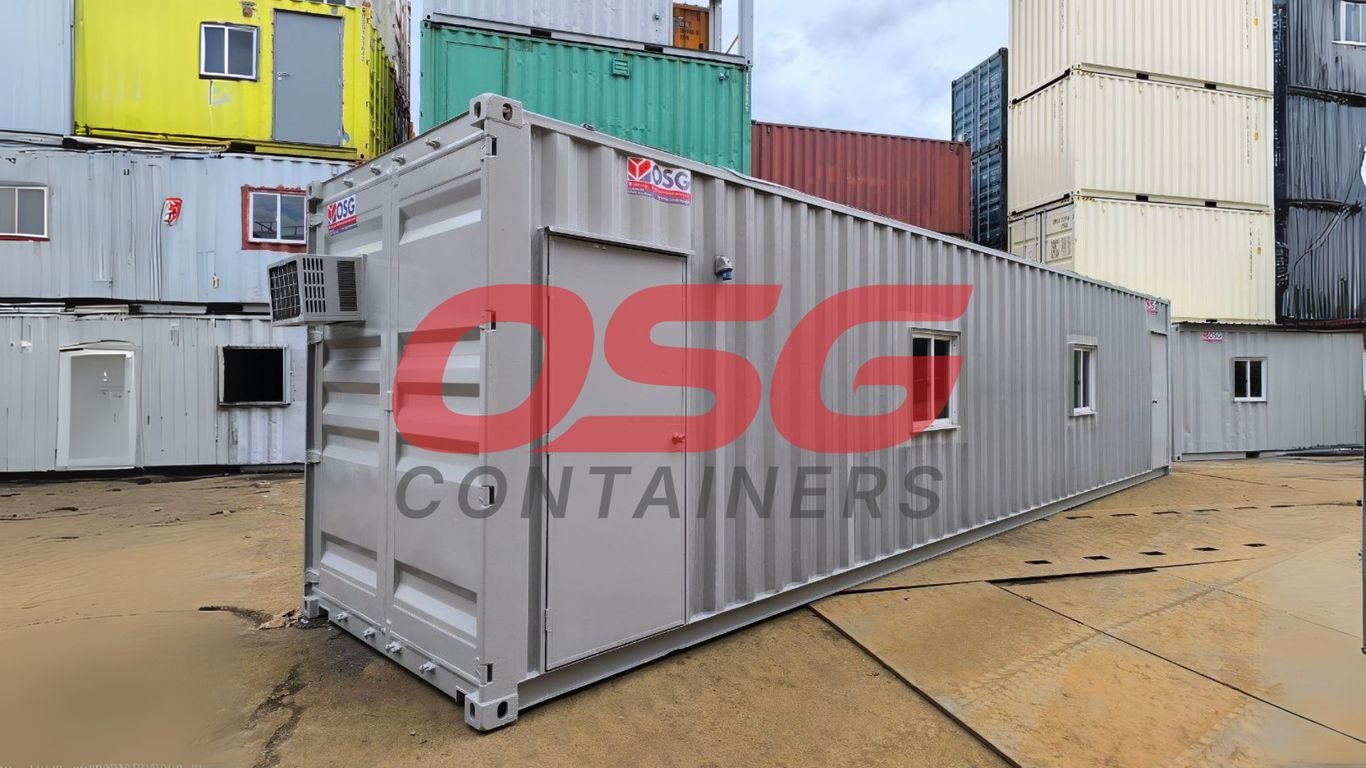
Building things fast and smart is kind of the name of the game these days, right? Traditional methods can be slow and expensive. That’s where these customised containers come in. They’re not just old shipping boxes; they’re basically building blocks that can be turned into almost anything you need, from an office on a busy construction site to a special lab. They’re tough, they can go pretty much anywhere, and you can tweak them to do exactly what you want. Let’s talk about how these things are changing how we build.
Key Takeaways
- Customised containers are super adaptable, built to handle tough weather and specific job needs, making operations smoother.
- Using customised containers speeds up projects a lot because they’re made in a factory before arriving on site.
- These containers can be easily added to or taken away, so your setup can grow or shrink as your project changes.
- From construction site offices to emergency medical units and secure data centers, customised containers work in many different fields.
- These units are built strong and can be made to meet safety rules, including accessibility for everyone, proving they’re a solid choice for long-term use.
The Versatility Of Customised Containers
Purpose-Built Configurations For Specific Needs
Think about a standard sea container. It’s built tough, designed to handle rough seas and heavy loads. But when you take that same container and start modifying it, something pretty amazing happens. You can turn it into almost anything you need. Need a quiet office space on a noisy construction site? Easy. How about a secure lab for sensitive research? That’s doable too. The real magic is in tailoring the inside to fit exactly what you’re doing.
We’re talking about adding insulation, running electrical wiring, putting in HVAC systems, custom shelving, even specialized ventilation. It’s not just about making it functional; it’s about making it perfect for the job. This means less wasted space and more efficient work, no matter what the task is.
Adaptation To Extreme Climates And Environments
These aren’t just for mild weather. Customised containers can be engineered to stand up to some serious environmental challenges. We’re talking about places with extreme heat, freezing cold, or even corrosive atmospheres. Special coatings can protect against rust and salt spray, while robust insulation and powerful climate control systems keep the interior at a stable, comfortable temperature.
Consider a remote mining operation or a research outpost in the Arctic. Standard buildings would be incredibly difficult and expensive to erect. But a modified sea container, built to withstand those conditions, can be shipped in and set up relatively quickly. It’s about making sure your operations can continue, no matter where you are or what the weather is doing.
Seamless Functional Integration For Operational Efficiency
When you get a customised container, it’s not just a box. It’s a piece of a larger puzzle, designed to work smoothly with everything else. This means thinking about how it connects to other modules, how utilities like power and water will be supplied, and how people will move in and out.
- Pre-wired for power and data: Reduces setup time on-site.
- Integrated HVAC: Ensures a comfortable working environment.
- Customizable layouts: Allows for efficient workflow and space utilization.
The goal is to have a unit that arrives ready to go, minimizing disruption and getting your project up and running faster. It’s about making sure every part of your operation fits together perfectly.
This level of integration means you spend less time on construction headaches and more time on what actually matters – running your business or project.
Enhancing Project Efficiency With Customised Containers
When you’re working on a big project, especially out in the field, every minute counts. Traditional building methods can take ages, and that’s where customised containers really shine. They’re built off-site, so when they arrive, they’re pretty much ready to go. This means you can get your operations up and running way faster than you might expect.
Accelerated Deployment Through Prefabrication
Think about it: instead of waiting weeks or months for a building to be constructed on-site, these containers are manufactured in a controlled factory environment. This prefabrication process is a game-changer. Everything from the basic structure to the interior fittings, like electrical outlets and insulation, can be done before the container even leaves the factory. This drastically cuts down on the time spent at the actual project location, which is often a remote or challenging site.
- Factory-built means fewer weather delays.
- On-site work is reduced to installation and connection.
- Faster setup means projects can start generating value sooner.
Scalability For Evolving Project Demands
Projects rarely stay the same size or scope from start to finish. You might need more office space as the team grows, or perhaps a secure storage area for new equipment. Customised containers are brilliant for this because they’re modular. Need more space? Just add another container. Need to downsize or move? You can often reconfigure or relocate them without a huge hassle. It’s like building with LEGOs, but for serious business.
This flexibility means you’re not locked into a fixed space that might become too small or too large. You pay for what you need, when you need it, making your infrastructure adaptable to the project’s lifecycle.
Cost-Effectiveness In Modular Construction
While the initial thought might be that customisation costs more, it often works out cheaper in the long run. Because so much is done in the factory, you save on on-site labor, material waste, and the extended time that traditional construction demands. Plus, these containers are built tough and can often be repurposed for future projects, giving you a return on your investment. It’s a smart way to manage budgets without sacrificing quality or functionality.
| Cost Factor | Traditional Construction | Customised Containers |
|---|---|---|
| On-site Labor | High | Low |
| Material Waste | Moderate to High | Low |
| Project Timeline | Long | Short |
| Relocation/Repurpose | Difficult | Easier |
Industry Applications Of Customised Containers
Construction Site Offices And Accommodations
When you’re managing a big construction project, having a solid base of operations is key. Customised containers are a game-changer here. Think about it: you need a place for the project manager to work, a spot for meetings, and maybe even some temporary housing for workers on remote sites. These aren’t just basic boxes; they can be kitted out with everything from desks and internet to heating and cooling. Many companies even look for second-hand office containers for sale to get started on a budget. It’s a smart way to get functional space up and running fast, without the hassle of traditional building.
Mobile Healthcare And Emergency Response Units
In situations where quick medical support is needed, like after a natural disaster or for remote community health, customised containers really shine. They can be transformed into fully equipped clinics, labs, or even temporary hospitals. Imagine a mobile X-ray unit or a blood donation center that can be deployed anywhere. These units can be on-site and operational much faster than building a permanent facility. A good container supplier can outfit these with specialized medical equipment, climate control for sensitive supplies, and hygienic interiors. They’re built tough, too, so they can handle being moved around.
Secure Facilities For Defense And Security
For defense and security operations, reliability and security are non-negotiable. Customised containers offer a robust solution for things like command centers, guard posts, or secure storage for sensitive equipment. They can be reinforced, insulated, and fitted with advanced communication systems. Because they’re built from strong steel, they provide a solid barrier. Plus, their modular nature means you can scale up or relocate these facilities as needed, which is a big plus for dynamic security environments.
Data Centers And Energy Sector Solutions
The energy sector and data management have unique needs, and containers fit right in. You can create containerised power substations, battery storage systems, or even compact, secure data centers. These units can be designed to withstand harsh environmental conditions, like extreme temperatures or corrosive atmospheres, which is common in many energy production sites. They offer a way to deploy critical infrastructure quickly and efficiently, often in locations where traditional construction would be difficult or impossible. Finding used containers can be a cost-effective starting point for some of these applications, especially for storage or less critical functions.
Designing Customised Containers For Durability And Safety
High-Strength Steel Construction For Longevity
When we talk about custom containers, the first thing to consider is what they’re made of. Most start life as standard shipping containers, which are built from seriously tough steel. We’re talking Corten steel, usually, which is designed to handle rough seas and heavy loads. This means they’re already pretty robust. The real magic happens when they’re modified. Engineers reinforce the structure, add insulation, and integrate all sorts of systems. This process makes them suitable for long-term use, not just a quick fix.
Compliance With Safety And Building Regulations
It’s not just about making them look good or function well; they have to be safe. This means adhering to strict rules. Think about things like fire safety, structural load limits, and even how they’re secured to the ground. Different regions have different codes, so it’s important to know what applies to your project. Getting this right means the container is safe for people inside and won’t cause issues down the line.
Here’s a quick look at some common regulations:
- Structural Integrity: Ensuring the container can handle expected loads, including wind and snow.
- Electrical Safety: All wiring must meet national electrical codes.
- Fire Resistance: Materials used and design must meet fire safety standards.
- Environmental Protection: Proper disposal of waste and containment of any hazardous materials.
Integrating Climate Control And Specialty Features
Beyond the basic structure, making a container truly functional often involves adding specific features. For places that get really hot or cold, good insulation and HVAC systems are a must. You might also need special ventilation if you’re storing certain materials or running equipment that produces fumes. For sensitive operations, like labs or control rooms, you might need filtered air or even explosion-proof fittings. It’s all about tailoring the container to its exact job.
The goal is to create a space that’s not just a box, but a fully operational unit that performs reliably, no matter the external conditions or the specific demands of its use. This requires careful planning and the right selection of integrated systems.
Overcoming Misconceptions About Modular Containers
Understanding the Structural Integrity of Repurposed Containers
People sometimes think of shipping containers as just old metal boxes that carried goods across the ocean. They imagine them as flimsy or only good for temporary storage. But that’s really not the case anymore. These containers are built tough, made from high-strength steel specifically to handle rough seas, heavy loads, and all sorts of weather. When they’re turned into offices, homes, or other buildings, they get reinforced and modified. Think insulation, proper wiring, plumbing, and interior finishes. They’re engineered for durability and can last for decades, just like traditional buildings.
Beyond Temporary: Long-Term Viability of Modular Solutions
It’s easy to see a container and think ‘temporary.’ And sure, they can be used for short-term needs, like a pop-up shop or a temporary site office. But that’s just one part of the story. Many modular container structures are designed and built for permanent use. They can be joined together, stacked up, and customized to create quite large and complex spaces. We’re talking multi-room offices, classrooms, even small clinics. The way they’re put together means they’re solid and reliable for the long haul, not just a quick fix.
Customisation Capabilities Rivaling Traditional Buildings
Another common idea is that you can’t do much with a container once it’s repurposed. That it’s limited. This couldn’t be further from the truth. The beauty of these containers is how adaptable they are. You can outfit them with pretty much anything you’d find in a regular building. This includes:
- Climate control systems (heating and cooling)
- Full electrical and plumbing hookups
- Custom interior layouts and finishes
- Specialized equipment mounting
- Security features like reinforced doors and windows
Basically, if you can dream it up, there’s a good chance you can build it inside a modified container. They offer a level of flexibility that often surprises people.
The initial design of shipping containers prioritizes strength and resilience to endure global transit. This inherent robustness translates directly into their suitability for repurposing into long-lasting structures. Modifications focus on habitability and functionality, not on compensating for a lack of structural soundness.
Here’s a quick look at how they stack up against traditional builds in some key areas:
| Feature | Modular Container | Traditional Building |
|---|---|---|
| Deployment Speed | Very Fast | Slow |
| Customization | High | High |
| Long-Term Durability | High | High |
| Relocation Ease | High | Low |
| Initial Cost | Often Lower | Often Higher |
Achieving Accessibility And Compliance With Customised Containers
ADA-Compliant Features For Inclusive Access
Making sure everyone can get around and use the space is a big deal, right? With customized containers, we can build in features that meet the Americans with Disabilities Act (ADA) requirements. Think wider doorways that make it easy for wheelchairs or people with walkers to get through. We can also add ramps where needed, so there are no steps to climb. Even accessible restrooms can be incorporated, making the space usable for more people. It’s about creating functional areas that don’t exclude anyone.
OSHA Considerations For Workplace Safety
Safety on the job is super important, and OSHA has a lot of rules to keep workers safe. Custom containers can help with this. For instance, by designing the entryways without stairs or ladders, you cut down on the risk of falls, which is a common cause of workplace injuries. This also helps avoid potential OSHA violations and can lower workers’ compensation claims. We can also look at things like non-slip flooring and proper ventilation to make sure the working environment is as safe as possible.
Custom Entryways And Security Enhancements
Entryways aren’t just about getting in and out; they’re also a key part of security. For customized containers, we can design these entry points to fit specific needs. Need to move large equipment in and out frequently? A roll-up door might be the best option. For areas that need extra protection, we can install reinforced locking systems or specialized security doors. It’s all about tailoring the container to the exact security level and access requirements of the site.
Building with custom containers means you don’t have to compromise on safety or accessibility. These structures can be designed from the ground up to meet strict regulations, offering a secure and inclusive environment that rivals traditional buildings. It’s about smart design meeting practical needs.
Here’s a quick look at some common safety and accessibility features:
- Wide Doorways: Accommodate wheelchairs, gurneys, and large equipment.
- Ramps and Level Access: Eliminate tripping hazards and provide smooth entry.
- Accessible Restrooms: Fully compliant facilities for universal use.
- Non-Slip Flooring: Reduces the risk of slips and falls.
- Secure Locking Mechanisms: Protect valuable equipment and sensitive areas.
- Emergency Exits: Clearly marked and easily accessible for quick evacuation.
Wrapping It Up
So, looking back at all this, it’s pretty clear that these modular containers aren’t just some passing trend. They’ve really become a go-to for building things quickly and smartly, whether you need a temporary office on a construction site or a more permanent setup for a clinic. They’re tough, they can be changed to fit exactly what you need, and honestly, they’re a lot more practical than people sometimes think. As projects get more complex and timelines get tighter, expect to see these adaptable structures playing an even bigger role in how we build everything.
Frequently Asked Questions
What exactly is a custom container?
Think of a custom container as a strong metal box, like those used for shipping, but made into something new. It’s like taking a basic building block and changing it to be exactly what you need, whether it’s an office, a classroom, or even a small clinic. It’s built strong and can be moved around.
Are these containers strong enough for long-term use?
Yes! These containers are made from tough steel, originally built to handle rough travel and bad weather. When they’re changed for other uses, they get extra support and features, making them just as sturdy and reliable as regular buildings for many years.
Can you really make them fit any job?
Absolutely. You can add things like heating and cooling, special lighting, different walls, and even plumbing. They can be set up to be super comfortable and work perfectly for whatever job you have in mind, from a quiet office to a busy workshop.
How fast can you get one ready?
Much faster than building from scratch! Because they are made in a factory beforehand, they can be ready to go to your site much quicker. This saves a lot of time compared to traditional building methods.
Are they safe and follow the rules?
Definitely. Companies that make these containers make sure they are built safely and meet all the important rules, like those for building safety and making sure everyone can get in and out easily, even if they use a wheelchair. They’re designed to be safe for everyone who uses them.
Can you use them in really hot or cold places?
Yes, they can be made to handle tough weather. They can be insulated really well and have special heating or cooling systems installed. This means they can be a comfortable place to work or be in, no matter how hot or cold it is outside.