Singapore
 Australia
 Indonesia
 Japan
Japan Malaysia
 New Zealand
 Philippines
 South Korea
 Taiwan
 Thailand
 VIETNAM
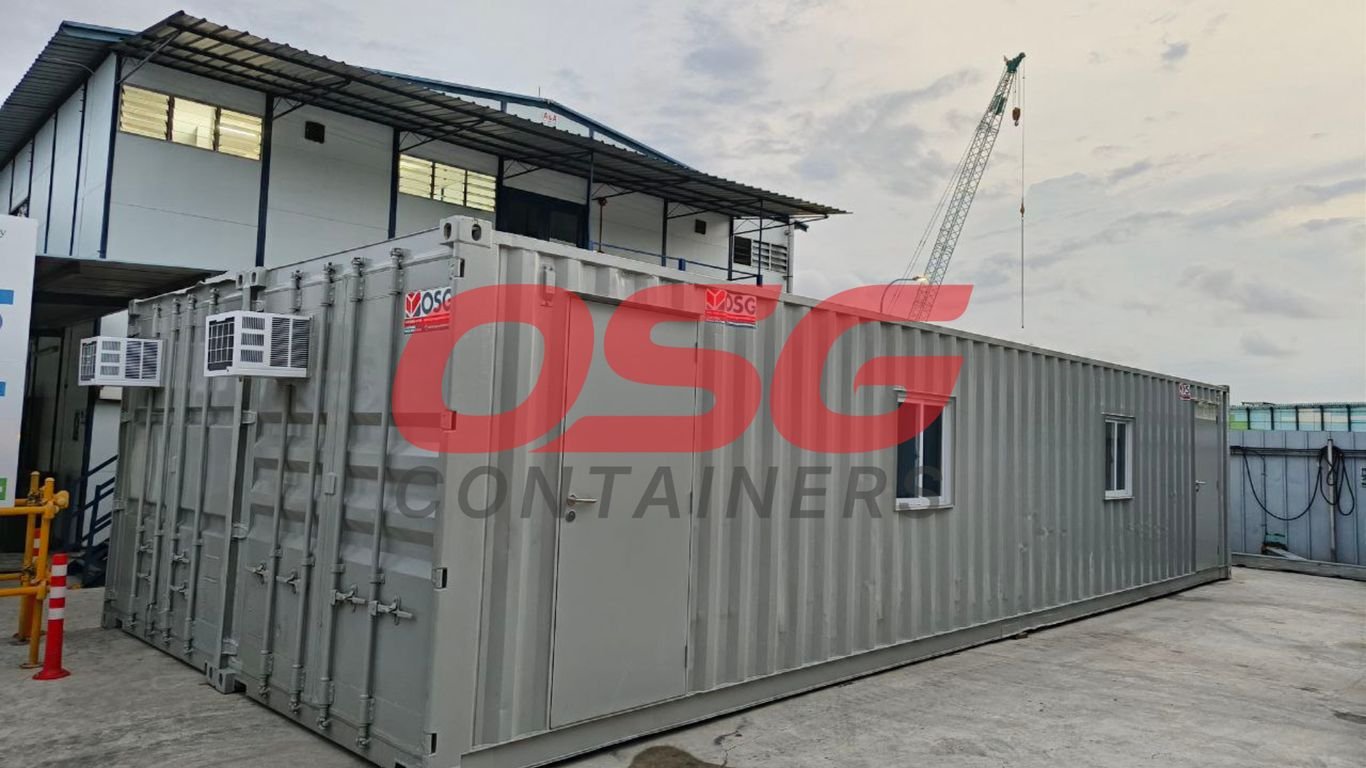
So, you’ve heard about these customised containers, right? They’re basically old shipping containers that get a serious makeover. Instead of just hauling stuff across the ocean, they get turned into all sorts of things – think offices, shops, even homes. It’s pretty cool how they take something basic and make it work for almost any need. We’re going to break down what exactly can be changed and why you might want to go this route.
Key Takeaways
- Customised containers start as standard shipping containers but are modified for specific uses, offering more than just basic storage.
- You can change almost anything, from the interior layout with walls and doors to exterior branding and adding climate control systems.
- The basic structure is tough steel, but insulation and interior finishes are added based on the container’s new purpose, meeting building codes.
- These modified containers are used for everything from retail shops and offices to workshops and specialized facilities, showing their wide range of applications.
- Choosing customised containers can be cheaper and faster than traditional building, and they’re also easy to move if your needs change.
Understanding Customised Containers
What Defines A Customised Container?
A customised container is basically a standard shipping container that’s been changed to fit a specific job. Think of it like taking a plain metal box, designed for moving stuff across oceans, and turning it into something else entirely. While a regular container is great for just storing things or hauling them around, a customised one is built with extra features. This could mean adding windows for light, doors for easy entry, or even dividing the inside into different rooms. The main idea is to take a strong, basic structure and adapt it for a purpose beyond simple storage or transport.
Beyond Standard Storage: New Possibilities
These aren’t just plain boxes anymore. Customisation opens up a whole world of uses. You can turn them into temporary offices on a construction site, pop-up shops for events, or even small workshops. Some people even convert them into homes or studios. It’s about repurposing something durable and readily available into a functional space that meets unique needs. The flexibility means you can get a structure that looks and works exactly how you need it to, without starting from scratch with traditional building materials.
The Foundation Of Durability
At its core, a customised container starts with the same tough stuff as a regular shipping container: heavy-gauge corrugated steel. These things are built to survive rough seas and harsh weather, so they’re incredibly strong. This robust shell is the starting point for all modifications. It means whatever you turn it into, it’s going to be a solid, secure structure. This inherent toughness is a big reason why they’re so popular for various applications, from remote work sites to commercial ventures.
Modifications For Enhanced Functionality
So, you’ve got a shipping container, and you’re thinking, ‘What else can this thing do?’ Turns out, quite a lot. It’s not just about sticking a door in it and calling it a day. We’re talking about transforming these metal boxes into seriously useful spaces. The real magic happens when you start modifying them to fit exactly what you need.
Interior Layout And Access
Think about how you’d design any room. You need walls, right? Well, custom containers let you put those up. You can divide a single container into multiple rooms using interior partition walls. This is super handy if you need a separate office space next to a storage area, or maybe a small break room. And doors? You can add as many as you need, wherever you need them. We’re talking standard personnel doors for easy entry, roll-up doors for quick access to equipment, or even glass doors if you want to make it look a bit more upscale. It’s all about making the inside work for you, not against you.
- Partitioning: Create distinct zones for different functions.
- Door Types: Choose from personnel, roll-up, or glass doors.
- Window Placement: Add windows for natural light and ventilation.
You’re not stuck with the original cargo doors. Adding regular doors and windows makes the space feel less like a storage unit and more like a functional building. It’s a game-changer for usability.
Exterior Enhancements And Branding
Okay, so the inside is sorted. What about the outside? This is where you can really make it your own. Painting is the most obvious one – you can match your company colors or just pick something you like. But it goes further. You can add awnings for shade, exterior lighting for security or visibility, or even custom signage. If you’re using it as a retail space or an office, this is your chance to make a statement. Think about adding a ramp for easier access, especially if you’re moving heavy items in and out. It’s about making it look good and work practically.
- Custom Paint: Match brand colors or create a unique look.
- Access Solutions: Install ramps or steps for easier entry.
- Lighting: Add exterior lights for safety and visibility.
Climate Control And Utilities
This is a big one, especially if you plan on spending any real time inside or storing sensitive items. No one wants to be stuck in a metal box that’s boiling hot in the summer and freezing in the winter. That’s where climate control comes in. We’re talking about installing proper HVAC systems – air conditioning and heating – so you can set a comfortable temperature. Beyond that, you’ll likely need electricity. Custom containers can be wired up with outlets, lighting, and power for equipment. Some even get plumbing added for sinks or restrooms. It really turns the container into a self-contained unit, ready for whatever you throw at it.
| Feature | Description |
|---|---|
| HVAC Systems | Air conditioning and heating for year-round comfort. |
| Electrical | Outlets, lighting, and power for equipment. |
| Plumbing | Optional sinks, restrooms, or water hookups. |
| Ventilation | Fans and vents to keep air fresh and prevent stuffiness. |
Basically, these modifications take a basic steel shell and make it a fully functional, comfortable, and practical space. It’s pretty wild what you can do with them.
Materials And Construction Of Customised Containers
When you’re looking at custom containers, understanding what they’re made of is pretty important. It’s not just a basic metal box; there’s some solid engineering involved. The core of most custom builds starts with a standard shipping container, often referred to as a sea container or even a conex box. These are built tough, designed to handle rough journeys across oceans, so they’ve got a strong foundation.
The Robust Steel Shell
The main structure is typically made from heavy-gauge corrugated steel. This material is chosen for a reason: it’s incredibly durable. It can stand up to pretty harsh weather, accidental bumps, and the general wear and tear that comes with being moved around or used as a workspace. Think of it as a ready-made, super-strong shell that we then adapt to your specific needs. It’s this inherent toughness that makes them such a good starting point for so many different projects, from simple storage to more complex office setups. You can even find second hand office containers for sale that still have plenty of life left in their steel frames.
Insulation For Comfort And Efficiency
Just having a steel box isn’t always enough, especially if you plan to spend time inside. That’s where insulation comes in. Adding insulation is key to making the interior comfortable, whether it’s hot or cold outside. Spray foam is a popular choice because it fills all the nooks and crannies, creating a good seal. This not only helps regulate the temperature, meaning less reliance on heating or cooling systems, but it also helps cut down on energy costs. It’s a pretty straightforward way to make a big difference in how the space feels and performs.
Interior Finishes For Specific Needs
The inside of your custom container can be finished in a whole bunch of ways, depending on what you’re using it for. For an office space, you might want something like drywall or wood paneling to make it feel more like a traditional room. If it’s going to be a workshop, you might leave the steel walls exposed for that industrial look, or perhaps add some protective coatings. For specialized uses, like a lab or a clean room, you’ll need materials that are easy to clean and meet strict hygiene standards. Flooring options also vary widely, from tough industrial rubber to more comfortable vinyl or even carpet, all chosen to suit the container’s final purpose.
The strength of a custom container comes from its original design as a transport unit, combined with thoughtful modifications. It’s about taking something built for extreme conditions and adapting it for everyday use, ensuring it’s both functional and long-lasting.
Here’s a quick look at some common material choices:
- Steel Gauge: Typically 14-gauge or heavier for the main structure.
- Insulation Types: Spray foam, rigid foam boards, or fiberglass batts.
- Interior Wall Options: Plywood, drywall, metal sheeting, or FRP (Fiber Reinforced Plastic).
- Flooring Materials: Vinyl, rubber, epoxy coatings, carpet tiles, or plywood subflooring.
Diverse Applications For Customised Containers
When you start looking into customised containers, you quickly realize they aren’t just for hauling stuff across the ocean. These things can be turned into pretty much anything you need. Think about it – you’ve got a sturdy steel box that’s already built to handle rough conditions. Why not give it a new life?
Commercial And Retail Spaces
Pop-up shops are a huge thing now, right? Customised containers are perfect for that. You can outfit them with big windows, counters, and cool branding to make a unique storefront. They’re great for festivals, farmers’ markets, or even just testing out a new business idea without the huge commitment of a permanent building. Some places even use them for cafes or small restaurants. It’s a way to get your business noticed and be where your customers are.
Industrial And Manufacturing Needs
In the industrial world, these containers are lifesavers. Need extra space for a production line? Or maybe a secure spot for quality control checks? A customised container can be set up as a temporary workshop or a secure storage area. The best part? If your factory layout changes, you can just move the container. No major demolition or rebuilding.
Specialized Facilities And Operations
This is where things get really interesting. We’re talking about everything from mobile command centers for emergency services to portable labs for research in the field. Even agricultural operations use them for storing equipment or produce that needs specific temperature control. They can be fitted with power, plumbing, and whatever else is needed to make them functional for some pretty unique jobs. It’s amazing what you can do with used containers when you get creative.
Customised containers offer a flexible and cost-effective solution for a wide array of needs. They can be deployed quickly, adapted to specific requirements, and relocated as circumstances change, making them a smart choice for businesses and organizations looking for practical, adaptable spaces.
Key Advantages Of Customised Containers
Cost-Effectiveness Compared To Traditional Builds
Let’s be real, building something from scratch can get expensive, fast. You’re looking at materials, labor, permits – the whole nine yards. Customised containers, though? They start with a solid, pre-built structure. Think of it like buying a really sturdy, pre-made frame for a house instead of milling all the lumber yourself. This means you’re mostly paying for the modifications and the finishing touches, not the entire construction process. For many projects, this can shave off a significant chunk of the budget, making them a much more sensible financial choice, especially for businesses watching their bottom line.
Rapid Deployment And Project Timelines
When you need a space now, waiting months for a traditional build just doesn’t cut it. Customised containers are built off-site, often in a matter of weeks, not months. This means less disruption to your existing operations and a much quicker path to getting your new space up and running. Imagine needing an extra office or a pop-up shop for a seasonal event; a container can be ready to go while a brick-and-mortar building is still just a blueprint.
| Project Type | Custom Container Timeline | Traditional Build Timeline |
|---|---|---|
| Small Office Space | 2-6 Weeks | 3-6 Months |
| Retail Kiosk | 3-8 Weeks | 4-8 Months |
| Workshop | 4-10 Weeks | 6-12 Months |
Mobility And Adaptability For Evolving Needs
This is where containers really shine. They’re designed to be moved. Need to shift your business location? Expanding and want to add more space? Or maybe you need to downsize? A customised container can be relocated, reconfigured, or even sold off if your needs change. This flexibility is a huge plus. You’re not locked into a permanent structure that might become obsolete. It’s like having a building that can grow, shrink, or move with your business.
The inherent modularity of containers means you can start with one unit and easily add more later, or even rearrange them. This adaptability is a game-changer for businesses that experience fluctuating demands or anticipate future growth.
- Scalability: Easily add more container units to expand your space.
- Relocation: Move your entire setup to a new site with relative ease.
- Repurposing: Change the function of the container or sell it if it’s no longer needed.
Choosing Your Customised Container Partner
So, you’ve decided a customised container is the way to go. That’s great! But before you get too far into the design, you need to pick the right company to actually build it. This isn’t like picking out a new couch; it’s more like hiring a contractor for a home renovation. The container supplier you choose will make or break your project.
Evaluating Modification Specialists
When you’re looking for someone to modify your container, don’t just go with the first name you find. You want a company that really knows their stuff when it comes to these metal boxes. Look for places that have a solid history of doing this kind of work. Check out their past projects – do they have photos? Can they show you examples similar to what you have in mind? A good specialist will have a portfolio that speaks for itself, showing off their design skills and the quality of their work. It’s also a good idea to see if they have experience with the specific type of modifications you need, whether that’s adding complex electrical systems or creating a specific interior layout.
Understanding Project Scope and Requirements
Before you even talk to a potential container supplier, get clear on what you actually need. What’s the main purpose of this container? What features are absolute must-haves, and what are just nice-to-haves? Think about things like:
- Size: Standard 10, 20, or 40-foot lengths, or something custom?
- Access: How many doors, windows, or special entry points do you need?
- Utilities: Will it need power, water, or HVAC systems?
- Interior: What kind of finishes, partitions, or built-in furniture are required?
- Exterior: Any specific paint, branding, or security features?
Having a detailed list will help you communicate your vision clearly and get accurate quotes. It also helps you weed out companies that might not be able to handle the complexity of your project.
Ensuring Quality and Compliance
This is where you want to be a bit of a detective. Ask about the materials they use. Are they using good quality insulation? What kind of electrical components are going in? Also, find out if their work meets any relevant building codes or standards, especially if your container will be a permanent structure or used in a regulated environment. A reputable company will be transparent about this and likely offer warranties on their work. Don’t be afraid to ask for references from previous clients. Hearing about other people’s experiences can give you a real sense of what to expect.
Picking the right partner means finding a company that not only has the technical skills but also communicates well and understands your goals. They should be able to guide you through the process, answer your questions, and make you feel confident that they can deliver exactly what you’re looking for.
Wrapping It Up
So, there you have it. Custom shipping containers aren’t just metal boxes anymore; they’re blank canvases ready for your ideas. Whether you need a simple office on a job site or a unique storefront that really pops, there’s a way to modify these tough structures to fit. They offer a solid, cost-effective, and surprisingly quick way to get the space you need, often beating traditional building by a mile. Think about what you need, find a good partner to help with the work, and you might be surprised at what you can create. It’s a smart move for businesses and individuals looking for something different and practical.
Frequently Asked Questions
What exactly is a customized container?
Think of a regular shipping container, the big metal boxes you see on ships and trucks. A customized container is just that, but changed to fit exactly what someone needs. It’s like taking a basic building block and adding your own special touches to make it perfect for a job, whether it’s an office, a shop, or something else entirely.
Why would I need a custom container instead of a regular one?
Sometimes, a plain box just won’t do. Maybe you need a place with good lighting, a specific layout for your tools, or even heating and cooling. Custom containers let you add windows, doors, insulation, electricity, and more, so it works just right for you, instead of trying to make a standard box fit your needs.
What kinds of things can be changed on a container?
Almost anything you can imagine! You can add doors and windows, put in walls to make different rooms, paint it to match your company’s colors, add ramps for easy access, or even install air conditioning and heating. The inside can be finished with different materials too, depending on what you’ll use it for.
Are these custom containers strong and safe?
Yes, they are! They start as shipping containers, which are built super tough from strong steel to handle rough journeys. When they’re customized, they’re still built with safety and durability in mind, using materials that meet building rules, so they’re just as sturdy and reliable as a regular building.
How long does it take to get a custom container, and how much does it cost?
Getting a custom container is usually much faster than building something from scratch. It can take just a few weeks, depending on how much work needs to be done. The cost can vary a lot, but often it’s less expensive than building a traditional space because you’re starting with a strong, pre-made structure.
Can I move my custom container later if I need to?
That’s one of the best parts! Because they’re built on shipping container frames, they’re designed to be moved. If your business needs to relocate or you need the space somewhere else, your custom container can often be picked up and moved, giving you a lot of flexibility.