Singapore
 Australia
 Indonesia
 Japan
Japan Malaysia
 New Zealand
 Philippines
 South Korea
 Taiwan
 Thailand
 VIETNAM
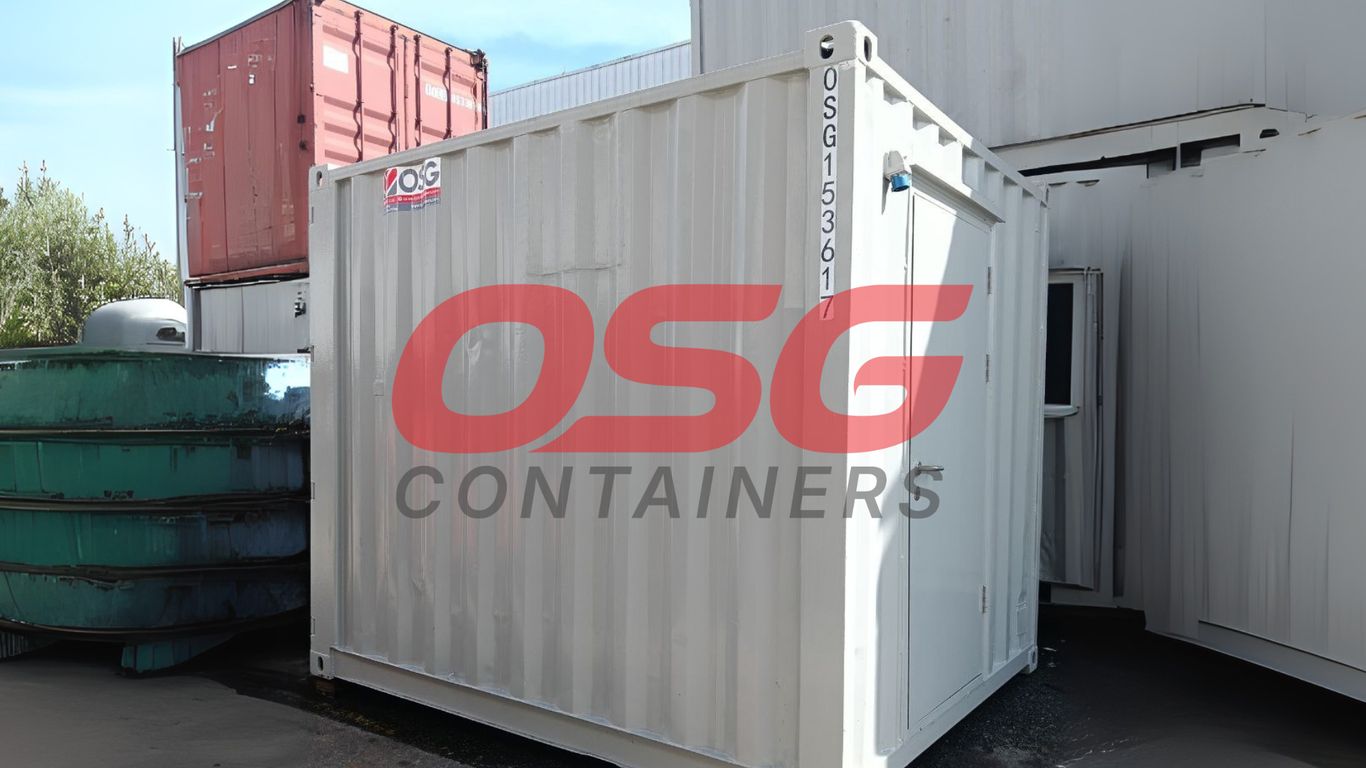
Shipping liquids in bulk can feel like a puzzle, right? You’ve got all these options, and figuring out the most cost-effective way is key for any business. We’re talking about things like chemicals, food products, and oils. One of the big players in this game is the ISO container tank. They’re pretty common, but are they really the best bang for your buck? Let’s break down why these sturdy tanks are often the go-to choice for moving liquids around the globe, and what makes them a smart financial move.
Key Takeaways
- ISO container tanks are built to international standards, making them super flexible for shipping liquids across different countries and using various transport methods like ships, trains, and trucks.
- Using ISO container tanks can save money by fitting more liquid in one go, cutting down on shipping trips, and reducing the need for lots of manual handling, which also lowers labor costs.
- Compared to single-use options like flexitanks, ISO container tanks are reusable and durable, which is better for the environment and can lead to lower costs over time, especially for frequent shipments.
- Choosing between renting and owning ISO container tanks depends on your business needs; renting offers lower upfront costs and more flexibility, while owning might be better for very consistent, high-volume use.
- The overall cost-effectiveness of ISO container tanks is influenced by factors like the shipping route, the specific product being transported (especially if it’s hazardous), and any extra fees charged by shipping companies.
Understanding ISO Container Tanks for Bulk Liquid Transport
When you’re moving liquids in bulk, especially across borders, figuring out the right container is a big deal. ISO tanks, also known as intermodal tank containers, are a pretty standard choice for a reason. They’re basically big, sturdy tanks built to fit inside the frame of a regular shipping container, which is super handy. This means they can hop between ships, trains, and trucks without you having to transfer the liquid itself. Think of them as the versatile workhorses of liquid transport.
Global Compatibility and Multimodal Flexibility
One of the biggest pluses of ISO tanks is their global acceptance. Because they follow International Organization for Standardization (ISO) rules, they’re recognized and can be handled pretty much anywhere. This makes them ideal for international shipping. You can load up a tank, send it by sea, then have it put on a train, and finally a truck, all without repacking the liquid. This flexibility cuts down on a lot of hassle and potential for spills or contamination that can happen when you have to move liquids from one container to another.
- Standardized Dimensions: They fit standard container handling equipment.
- Intermodal Capability: Easily switch between sea, rail, and road transport.
- Global Network: Accepted at ports and terminals worldwide.
Design Features and Safety Standards
These tanks aren’t just simple barrels. They’re usually made of stainless steel and come with various features to keep your product safe and sound. You’ll find a manhole on top for filling and inspection, and valves at the bottom for discharge. Depending on what you’re shipping, they can be insulated, heated, or even pressurized. They’re built to handle both hazardous and non-hazardous liquids, with strict safety standards in place to prevent leaks and accidents. Some specialized tanks might even be designed like a refrigerated container to keep temperatures stable.
The robust construction and adherence to international safety norms mean that ISO tanks are a reliable choice for a wide range of liquid cargoes, minimizing risks associated with transport.
Types of Liquids Suitable for ISO Tanks
So, what kind of stuff can you put in an ISO tank? Pretty much anything that flows! This includes:
- Food-grade products like juices, oils, and dairy.
- Industrial chemicals, both hazardous and non-hazardous.
- Gases, including liquefied gases.
- Pharmaceuticals and other sensitive liquids.
While they’re not quite the same as office containers, their standardized nature makes them a go-to for many industries needing to move bulk liquids efficiently and safely.
Cost Structure and Financial Benefits of ISO Container Tanks
Choosing ISO container tanks for bulk liquid transport can really change the cost picture for companies dealing in chemicals, food ingredients, or industrial liquids. Let’s break down the ways these tanks help businesses get more value for their shipping budget.
Maximizing Cargo Space and Reducing Freight Expenses
ISO tanks make it possible to move more liquid per trip than drum or IBC shipments, translating to fewer journeys and lower overall shipping bills.
Here’s a basic comparison:
| Method | Liquid Volume/Unit (L) | Average Truckloads/20,000L | Estimated Cost/Trip ($) |
|---|---|---|---|
| Drums | 200 | 4–5 | 4,000–5,000 |
| IBCs | 1,000 | 2 | 2,500–3,000 |
| ISO Tank | 20,000 | 1 | 1,500–2,000 |
- Fewer truckloads mean lower freight and fuel costs.
- There’s less paperwork and port storage, cutting fees even more.
- Bulk transport means you’re paying for less packaging and less wasted space.
Shipments in ISO tanks often let you combine deliveries or even haul multiple liquid grades (using compartments), so you need fewer containers for the same job.
Lowering Labor Costs and Handling Time
Handling dozens of drums or IBCs is time-consuming and takes lots of staff. With ISO tanks, it’s basically one container:
- Load and unload in one go, which is much quicker.
- Pay fewer workers and spend less on safety training.
- Lower risk of injuries and less equipment needed for material handling.
All of this brings actual dollar savings for every shipment.
Minimizing Product Loss and Quality Risk
One big cost nobody likes to talk about is product loss—leaks, spoilage, or contamination. ISO tanks are leak-proof, sealed stainless steel, so:
- The risk of losing a batch due to accidents drops way down.
- Less chance of strangers handling the product and making mistakes.
- Product stays cleaner and meets more strict quality standards.
In the long run, ISO tanks protect both your inventory and your reputation.
So, if you’re looking at freight price tags and labor bills and wondering why things still add up high, switching to ISO tanks could cut a surprising chunk out of your costs, while keeping your cargo and your team safer.
Comparing ISO Container Tanks to Alternative Bulk Liquid Solutions
When you’re choosing how to move large volumes of liquid, there’s more to think about than just upfront costs. It’s about balancing risk, efficiency, and long-term value. Here’s what sets ISO container tanks apart from other bulk liquid transport methods.
Freight Cost Differences: ISO Tanks Versus Flexi Tanks
ISO tanks and flexi tanks offer very different price structures for moving bulk liquids. Flexi tanks often have a lower upfront price, especially for one-way, non-hazardous moves. But if you look closer, there are details that really matter:
| Category | ISO Tank | Flexi Tank |
|---|---|---|
| Typical Use | All liquids, incl. hazardous | Food-grade, non-hazardous |
| Upfront Cost | Higher | Lower |
| Return Shipping | Yes | Not needed |
| Product Loss Risk | Low | Moderate |
| Cleaning/Disposal Fees | Needed | Included (disposable) |
| Insurance Premiums | Lower | Can be higher |
- Flexi tanks are best for single-use, long-haul non-hazardous liquids, where “cheap and quick” is a priority.
- ISO tanks shine when cargo is valuable, hazardous, or needs secure, repeated journeys (with fewer headaches about leaks or contamination).
- Return logistics and cleaning costs make ISO tanks a better deal when you ship regularly on a given route.
For short-term, one-shot shipments, flexi tanks might seem like a bargain—until you factor in potential product loss and lump-sum disposal fees.
Long-Term Versus Short-Term Cost Efficiency
If you regularly move liquids in global trade, it’s not just about today’s bill. Owning or leasing ISO tanks pays off over time:
- Reusable for hundreds of trips, spreading out investment costs
- Lower risk of cargo loss, which adds up over multiple shipments
- Easier to meet international regulations, avoiding fines or delays
Single-use bulk solutions, like flexi tanks and drums, rack up disposal, replacement, and labor costs shipment after shipment.
Risk, Insurance, and Regulatory Cost Factors
ISO tanks aren’t just strong—they’re built to carry hazardous and sensitive stuff where safety standards are strict. Here’s why:
- Less chance of spills or contamination, keeping insurance costs down
- Globally certified, which means less paperwork and easier customs clearance
- Easier to audit and trace, pleasing both clients and regulators
Flexi tanks get tripped up by stricter laws on hazardous or high-value chemicals, leading to higher premiums or outright bans in some markets.
If you transport hazardous liquids, insurance and compliance penalties from choosing anything but an ISO tank can crush your projected “savings.”
So, while the cheapest option up front often wins attention, the secure, reusable, regulation-friendly ISO tank usually wins out for businesses thinking more than one shipment ahead.
Sustainability and Lifespan Advantages of ISO Container Tanks
Reducing Environmental Impact Through Reusability
ISO tanks are designed for repeated use, sharply cutting down on single-use packaging waste. Instead of generating a mountain of plastic liners or discarded drums with every shipment, companies using ISO tanks make a big dent in their environmental footprint. Here’s what sets ISO tanks apart:
- One tank can be used for up to 30 years (with proper upkeep).
- Fewer materials end up in landfills compared to single-use bulk liquid packaging.
- Less packaging waste means easier compliance with strict green rules.
Sustainable logistics choices like reusable ISO tanks don’t just help the planet—they can also help companies avoid regulatory headaches.
Durability and Lifespan in Comparison to Single-Use Systems
When it comes to longevity, ISO tanks outlast most of their alternatives by decades. Flexitanks and other single-use options are tossed out after each load, but an ISO tank just gets cleaned and put back to work. Here’s a quick side-by-side:
| System Type | Average Lifespan | Reusability | Common Disposal Method |
|---|---|---|---|
| ISO Tank | 25-30 years | High | Metal recycling |
| Flexitank | Single use | Low | Plastic recycling |
| Drums | Limited reuse | Medium | Landfill/recycling |
- ISO tanks require regular cleaning, but this is generally less wasteful than replacing disposable alternatives every time.
- Their stainless-steel design resists corrosion and damage, stretching their working life.
- Bulk shippers using ISO tanks benefit from fewer purchases and less supply chain waste over time.
Meeting Stringent Environmental Regulations and Standards
Regulatory pressure on businesses to reduce waste and carbon output isn’t going anywhere. ISO tanks fit the bill:
- They’re built to meet international safety and environmental standards.
- Their reuse makes it easier to hit sustainability targets or obtain green certifications.
- Using ISO tanks may reduce the risk of fines or extra costs tied to regulatory changes.
Overall, ISO tanks give shippers a dependable, repeat-use solution that stands up to tough rules and works for decades.
Operational Flexibility: Renting Versus Owning ISO Container Tanks
Renting ISO tank containers or owning them each comes with its own set of considerations. How you move forward affects your cash flow, business growth, and day-to-day operations. Making the right choice means weighing what matters most to your logistics process today—and tomorrow.
Evaluating Upfront Investment and Asset Utilization
When you buy ISO tanks, you’re making a significant upfront payment, locking cash away in an asset that loses value every year. Rentals, by contrast, give you the flexibility to use your capital elsewhere, like expanding routes, investing in tech, or even things like containers as offices for on-site coordination.
| Factor | Renting ISO Tanks | Owning ISO Tanks |
|---|---|---|
| Upfront Cost | None/Low | High |
| Asset Depreciation | Not Applicable | Yes |
| Asset Utilization | Optimized (on-demand) | Risk of idle units |
| Financial Flexibility | Higher | Lower |
Rentals help you avoid locking money into equipment you may not always need. You get tanks only when business calls for them, keeping your operations lean and your spending closely tied to demand.
Maintenance, Compliance, and Depreciation Considerations
Owning a tank? The maintenance and certification chores fall squarely on you. That means:
- Keeping track of inspection schedules
- Handling repairs, sometimes at odd hours or difficult locations
- Navigating shifting safety and environmental standards
With a rental, all the headaches of tank upkeep—from valve checks to emissions rules—are handled by the provider.
- No surprise repair bills
- Up-to-date compliance for every shipment
- Less paperwork and follow-up
If you hate balancing maintenance logs or worrying about surprise regulatory changes, renting makes things simpler.
Scalability Options for Fluctuating Business Needs
Freight volumes don’t always follow a steady pattern—there are peaks, lulls, or sudden opportunities. Buying ISO tanks means you risk sitting on empty containers in slow periods or scrambling during spikes. With container rentals, you scale fast; just order more units as needed.
Some reasons companies prefer to rent for flexibility:
- Seasonal shipping increases (like harvest or year-end demand)
- Short-term export or import contracts
- Entry to new regions or testing new products
Renting lets you stay nimble, adapting quickly—definitely a plus in today’s volatile supply chains.
In the end, choosing between owning and renting ISO tank containers comes down to how much value you place on flexibility, cash flow, and operational ease. Rentals support dynamic businesses, while ownership works best when shipping is steady and predictable.
Key Factors Influencing the Cost Efficiency of ISO Container Tanks
So, you’re looking at ISO tanks for your bulk liquids and wondering what really makes them tick, cost-wise? It’s not just a simple price tag; a few things really shake up the final bill. Thinking about these upfront can save you a lot of headaches and cash down the road.
Impact of Route, Distance, and Logistics Complexity
The path your liquid takes matters a whole lot. A short hop across town is a different ballgame than a transcontinental journey. Longer distances mean more fuel, more time, and potentially more handling points, all of which add up. Complex logistics, like needing to switch between ships, trains, and trucks multiple times, also introduce extra costs and potential delays. Think about it: every time you have to move a tank from one mode of transport to another, there’s labor, equipment, and a chance for something to go wrong. Simple, direct routes are almost always going to be cheaper.
Product Type and Hazard Profile Selection
What you’re actually shipping plays a massive role. Is it something pretty standard like vegetable oil, or is it a highly corrosive chemical that needs special handling and containment? Hazardous materials often require more robust tank designs, stricter cleaning protocols between uses, and specialized transport permits, all of which bump up the price. Even non-hazardous liquids can have different requirements; for instance, food-grade products need to be absolutely free of contaminants, which means thorough, sometimes costly, cleaning. The more sensitive or dangerous your product, the more you’ll likely spend on the tank itself and its associated handling.
Regional and Carrier Surcharges Affecting Shipment Costs
Don’t forget about the folks moving your goods and the places they operate. Different shipping companies (carriers) have their own pricing structures, and some might charge more for specialized equipment like ISO tanks. Then there are regional factors. Ports in some areas might have higher fees for storage or handling. You might also run into surcharges related to fuel prices, security measures, or even specific environmental regulations in a particular country or region. It’s a good idea to shop around and understand all the potential add-ons before you commit to a carrier or a route. Sometimes, a slightly longer route with a different carrier can end up being more economical if they have fewer surcharges.
The total cost of using an ISO tank isn’t just the rental or purchase price. It’s a mix of the tank’s inherent features, how far it travels, what it carries, and the specific services and fees involved along the way. Getting a clear picture of all these elements is key to making a truly cost-effective choice.
Operational and Safety Advantages Beyond Pure Cost Savings
Enhancing Workplace Efficiency and Safety
When you’re moving liquids in bulk, safety isn’t just a good idea; it’s a requirement. ISO tanks are built tough, designed to handle a lot more than just the weight of the liquid inside. They’ve got strong frames and are made from materials that can take a beating, which means fewer leaks and spills compared to other methods. This directly translates to a safer working environment for everyone involved, from the loading dock to the final destination. Think about it: less chance of chemical exposure or slippery floors. Plus, their standardized design means everyone knows how to handle them, reducing the learning curve and potential for mistakes.
Preserving Product Integrity and Preventing Contamination
Keeping your product pure is a big deal, especially if you’re dealing with food, pharmaceuticals, or sensitive chemicals. ISO tanks are typically made from stainless steel or have special linings, making them really good at preventing contamination. They’re also sealed tight, which keeps out moisture, air, and anything else that could mess with your product’s quality. This is a huge plus over, say, flexi-tanks which are single-use and might not offer the same level of protection against cross-contamination or degradation over time. The robust construction and inert materials used in ISO tanks are key to maintaining product purity from start to finish.
Versatility in Multi-Delivery and Compartmentalized Shipments
Sometimes you need to move different liquids, or maybe just a few different batches of the same liquid, all in one go. ISO tanks can handle this. You can get tanks with multiple compartments, allowing you to ship several products or grades simultaneously in a single container. This cuts down on the number of trips needed and simplifies logistics. It’s like having a few smaller tanks all bundled into one big shipping unit. This flexibility is a real game-changer for businesses that have varied shipping needs or want to consolidate their loads.
Here’s a quick look at how ISO tanks stack up in terms of safety features:
- Structural Integrity: Built to withstand significant pressure and impact.
- Material Quality: Often use food-grade or chemical-resistant stainless steel.
- Sealed System: Minimizes exposure to external elements and prevents leaks.
- Standardized Fittings: Reduces handling errors and ensures secure connections.
The standardized nature of ISO tanks means that handling procedures are well-established and widely understood across the industry. This predictability reduces the risk of human error during loading, unloading, and transit, contributing significantly to overall operational safety and reliability.
Wrapping It Up
So, when you look at the whole picture, ISO tanks really do make a lot of sense for moving liquids around. They’re built tough, they fit on pretty much any kind of transport, and they keep your product safe and sound. While they might cost a bit more upfront compared to some other options, the savings add up fast. Think fewer trips, less product lost to spills, and a lot less hassle with loading and unloading. Plus, they’re a good choice for the environment and help you stay on the right side of regulations. For businesses that need to move liquids regularly, especially anything a bit tricky or valuable, ISO tanks are a solid bet for keeping costs down and things running smoothly.
Frequently Asked Questions
What exactly is an ISO tank container?
An ISO tank container is like a big, strong metal tank that’s built to fit perfectly inside regular shipping containers. It’s designed to hold large amounts of liquids, like chemicals, food products, or oils, and can be easily moved between trucks, trains, and ships. Think of it as a super-tough, reusable bottle for liquids that travels the world.
Why are ISO tanks considered cost-effective?
ISO tanks save money in a few big ways. First, they hold a lot more liquid than smaller containers, meaning fewer trips and lower shipping costs. Second, loading and unloading them is faster and requires less work, cutting down on labor expenses. Plus, because they’re so well-sealed, you lose less product to spills or damage, saving you money on lost goods.
How do ISO tanks compare to flexi tanks in terms of cost?
Flexi tanks are like big plastic bags that go inside a regular container and are usually cheaper for a single trip, especially for non-hazardous liquids. ISO tanks cost more upfront because they’re made of steel and reusable, but they become cheaper over many uses, especially for hazardous or valuable liquids where safety is key.
Are ISO tanks better for the environment than other options?
Yes, ISO tanks are much better for the environment because they can be used over and over again for many years. This means they create a lot less trash compared to single-use containers like flexi tanks or drums. By reusing them, we cut down on waste and the resources needed to make new packaging.
Is it better to rent or buy an ISO tank?
Renting an ISO tank is often a smarter choice for many businesses. You don’t have to spend a lot of money upfront to buy them. Plus, the rental company usually handles all the maintenance and checks, saving you time and hassle. You can also easily get more tanks when you need them or fewer when you don’t, making it flexible for your business needs.
What kinds of liquids can be shipped in an ISO tank?
ISO tanks are super versatile! They can carry a wide range of liquids, including things like chemicals, food products (like juice or oil), milk, and even some types of gases. Because they are built strong and can be specially equipped (like insulated or pressurized), they are suitable for both everyday liquids and those that need extra care.