Singapore
 Australia
 Indonesia
 Japan
Japan Malaysia
 New Zealand
 Philippines
 South Korea
 Taiwan
 Thailand
 VIETNAM
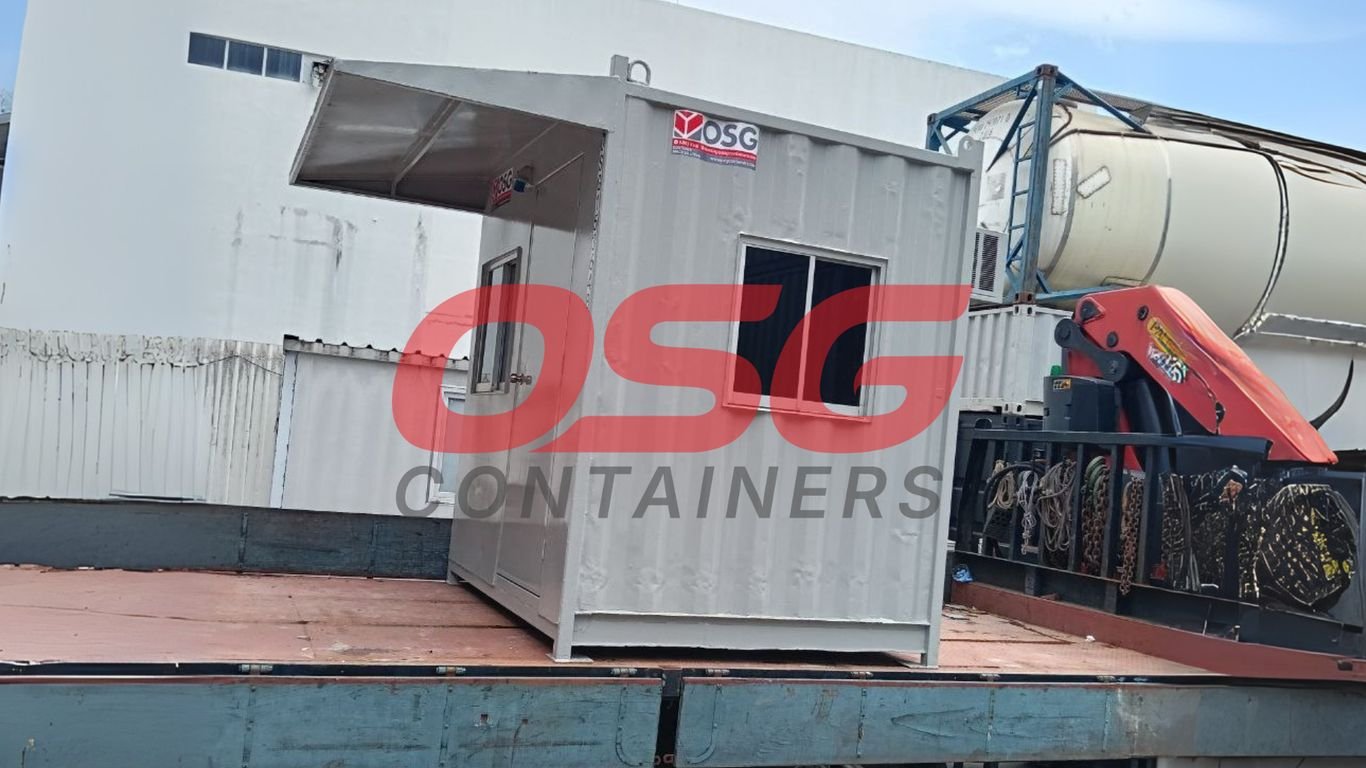
Thinking about getting a shipping container? It’s a common question: should you buy one or rent one? For a lot of people and businesses, renting a container makes more sense, especially if you don’t need it forever. This whole container rental thing can seem a bit confusing at first, but it really boils down to what you need right now. We’ll break down why renting might be your best bet and what to look out for.
Key Takeaways
- Renting a container is great for short-term projects or when you’re not sure about your long-term needs.
- The upfront cost for a container rental is much lower than buying, making it easier on your wallet initially.
- When you rent, you don’t have to worry about maintenance or repairs; the rental company handles that.
- If your needs change, renting offers flexibility to return the container or potentially upgrade to a different size.
- Container rental is ideal for temporary storage, home renovations, events, or short-term business needs where ownership isn’t necessary.
Understanding Container Rental Benefits
Renting a container might seem like a simple transaction, but it actually comes with a bunch of advantages, especially if you’re not sure about buying one outright or only need it for a little while. It’s like borrowing a tool instead of buying it when you know you’ll only use it once. This approach offers a lot of breathing room for your plans and your wallet.
Flexibility for Short-Term Needs
When you’ve got a project with a clear end date, like a home renovation or a seasonal business push, renting is a lifesaver. You get the space you need, for exactly how long you need it, without being stuck with a big purchase afterward. Think about it: you can rent a container for a few months to clear out your garage for that big remodel, and then poof, it’s gone when you’re done. No need to worry about where to put it or how to sell it later.
- Month-to-month agreements: Many rental companies offer flexible terms, letting you keep the container as long as necessary without long-term commitments.
- Scalability: Need a bit more space halfway through? Sometimes you can swap out your rental for a larger unit if your needs change.
- Easy returns: When the job is finished, simply call the rental company, and they’ll come pick it up. It’s that straightforward.
Cost-Effectiveness for Temporary Projects
Let’s be real, buying a container is a significant upfront cost. Renting, on the other hand, breaks that down into manageable payments. For projects that won’t last forever, renting often makes more financial sense. You avoid the large capital outlay and can put that money towards other aspects of your project or business.
Renting allows you to allocate funds more strategically, paying only for the time you actually use the container, which can be a huge relief for project budgets.
Convenience and Ease of Use
Beyond the financial side, renting is just plain easier. You don’t have to deal with the hassle of finding a container to buy, arranging transport for it, or figuring out maintenance. The rental company usually handles all of that. They deliver it right to your location, and when you’re done, they take it away. It’s a pretty hands-off experience, letting you focus on what you actually need the container for.
- Delivery and Pickup: Most rental services include delivery and pickup, saving you time and effort.
- No Maintenance Worries: If the container needs repairs, it’s the rental company’s problem, not yours.
- Ready to Use: Rental units are typically inspected and ready for immediate use upon delivery.
When Container Rental Outperforms Buying
So, you’re looking at getting a container, and the big question pops up: rent or buy? It’s not always a simple answer, but there are definitely times when renting just makes more sense. Think about it like this: would you buy a specialized tool you’ll only use once, or would you rent it? The same logic often applies to containers.
Assessing Your Timeline Requirements
This is probably the biggest factor. If your need for a container is temporary, like for a few months during a construction project or a seasonal business rush, renting is usually the way to go. You pay for the time you use it, and then it’s gone. Buying a container means you own it forever, or until you sell it, which can be a hassle if you only needed it for a short stint.
Here’s a quick look at how time impacts cost:
| Rental Duration | Renting Cost | Buying Cost (approx.) | Recommendation |
|---|---|---|---|
| 1-6 Months | Lower | Higher (initial) | Rent |
| 6-24 Months | Moderate | Moderate | Consider Both |
| 2+ Years | Higher | Lower (long-term) | Buy |
Buying might seem cheaper over a really long time, but remember, that’s if you keep it. If you buy it and then realize you don’t need it anymore after a year, selling it might not recoup your full purchase price, especially after factoring in any depreciation or moving costs.
Evaluating Future Needs and Uncertainty
Life’s unpredictable, right? Your business needs might change, or that home renovation could take longer than expected. Renting offers a fantastic escape hatch. If your needs shrink or change direction, you can often return the rental container without a huge financial commitment. You’re not stuck with a big asset you no longer require.
Renting provides a buffer against the unknown. You can scale your storage up or down more easily by simply adjusting your rental agreement, rather than being locked into a purchase that might become a burden later.
If you’re unsure about how long you’ll need a container, or if your usage might fluctuate, renting gives you that flexibility. You avoid the commitment and potential headaches of owning something that might become obsolete for your purposes.
Comparing Upfront vs. Ongoing Costs
This is where renting really shines for many people. The initial cost to get a rental container delivered is significantly lower than buying one outright. You avoid that big chunk of cash upfront, which can be a lifesaver for smaller businesses or individuals working with tight budgets. Instead, you pay a more manageable monthly fee.
- Lower Initial Investment: Get a container on-site without draining your savings.
- Predictable Monthly Expenses: Easier to budget for when you know your ongoing costs.
- No Ownership Hassles: You don’t have to worry about resale value or long-term depreciation.
While the ongoing rental payments add up over time, for short to medium-term needs, they are often less than the total cost of ownership (purchase price, potential repairs, selling costs) when you factor in the flexibility you gain.
Key Advantages of Renting a Container
When you’re weighing your options for getting a container, renting often shines because it cuts down on a lot of the hassle that comes with ownership. It’s a pretty straightforward way to get the space you need without a huge commitment.
Lower Initial Investment
Let’s be real, buying anything outright usually means a big chunk of cash upfront. Containers are no different. Purchasing a container, even a used one, can set you back a good amount. Renting, on the other hand, typically involves a much smaller deposit or just the first month’s payment. This means you can get a container on your site and start using it without draining your savings account. It’s a smart move if you’re trying to keep your initial expenses low, especially for projects that have tight budgets.
No Maintenance Responsibilities
This is a big one. When you own something, you’re responsible for keeping it in good shape. If a container you own needs repairs – maybe a door gets bent or there’s a small leak – you’re on the hook for fixing it. That means finding someone to do the work, paying for parts, and dealing with the downtime. With a rental, all that maintenance headache is off your plate. The rental company handles repairs and upkeep. If something goes wrong, you just call them, and they’ll sort it out. It’s one less thing for you to worry about.
Portability and Easy Relocation
Need to move the container? If you own it, you’ve got to arrange and pay for its transport. But with a rental, moving it is usually part of the service or can be arranged easily with the rental company. When your project is done or your temporary storage needs change, you can simply have the container picked up and returned. This flexibility is super handy if you’re not sure exactly how long you’ll need the container or if your site situation might change. You’re not tied down to a piece of equipment that’s stuck in one spot.
Renting offers a flexible, low-commitment way to access container space. It’s ideal for situations where your needs might change or if you prefer not to deal with the long-term responsibilities of ownership. The ability to easily return or relocate the container adds significant convenience.
Here’s a quick look at how renting stacks up:
- Lower Upfront Cost: Get started without a large capital outlay.
- Maintenance Included: The rental company handles repairs and upkeep.
- Flexibility: Easily return or relocate the container as your needs evolve.
- Predictable Expenses: Often involves a simple monthly fee.
Factors Influencing Your Decision
So, you’re thinking about getting a container, huh? It’s not a one-size-fits-all situation, and figuring out if renting or buying makes more sense for you really comes down to a few key things. Let’s break them down.
Duration of Use
This is probably the biggest one. How long do you actually need this container for? If it’s just for a few months, maybe for a specific project or a short-term storage need, renting is usually the way to go. You pay as you go, and when you’re done, you just give it back. Easy peasy.
But, if you’re looking at needing that space for a year, or five years, or even longer, buying might start to look pretty good. Think about it: paying rent month after month for years can really add up. Buying it upfront, even though it costs more initially, could end up being cheaper in the long run if you’re going to use it for a long stretch.
Here’s a quick look:
| Use Duration | Recommendation | Notes |
|---|---|---|
| 1-6 Months | Rent | Lower upfront cost, flexible return. |
| 6 Months – 2 Years | Consider Both | Compare total rental cost vs. purchase price and potential resale value. |
| 2+ Years | Buy | Potentially more cost-effective long-term, ownership benefits. |
Modification Requirements
Do you need the container to be exactly as it is, or do you have plans to change it up? If you just need a basic box for storage, renting is fine. Most rental companies are okay with you using their containers as-is.
However, if you’re thinking about turning it into an office, a workshop, or adding special shelving, windows, or doors, buying is usually the better option. When you own it, you can modify it however you like. Rental companies often have rules about what you can and can’t do to their containers, and sometimes, they just don’t allow modifications at all.
If you’re unsure about modifications, it’s always best to ask the rental company upfront. Some might allow minor changes, while others will say a hard no. This can save you a lot of hassle down the road.
Budgetary Considerations
Let’s talk money. Renting has a much lower barrier to entry. You pay a deposit and your first month’s rent, and you’re good to go. This is great if your budget is tight right now or if you’re just testing the waters.
Buying, on the other hand, requires a bigger chunk of cash upfront. You’re paying the full price of the container. But, as we talked about with duration, if you plan to use it for a long time, that initial investment can pay off. Plus, when you own it, it’s an asset. You might even be able to sell it later and get some of your money back, especially if it’s in good shape.
Ideal Scenarios for Container Rental
So, when does renting a container just make more sense than buying one outright? It really boils down to a few key situations where flexibility and short-term use are the main drivers. Let’s break down some common scenarios where renting shines.
Temporary Storage Solutions
Need a place to stash stuff for a little while? Renting is your go-to. Think about it: you’re decluttering your garage, maybe you’re moving soon and need to clear out some space before the big day, or perhaps you’ve got seasonal items taking up valuable room. Renting a container gives you that extra storage without the long-term commitment. It’s like having a secure, on-site storage unit that you can access whenever you need it. Plus, when you’re done, you just call and they take it away. Easy peasy.
- Moving house: Store packed boxes and furniture before or after the move.
- Seasonal storage: Keep lawn equipment, holiday decorations, or patio furniture safe.
- Decluttering: Free up space in your home or garage for a few months.
Renting offers a straightforward way to manage temporary storage needs, providing peace of mind without the burden of ownership.
Home Renovations and Projects
Home improvement projects can get messy, and often, you need to move things out of the way. Whether you’re tearing down walls, redoing the kitchen, or just doing a major spring clean, a rental container is a lifesaver. You can keep tools, materials, salvaged items, and especially your furniture safe and protected from dust, damage, and theft. It keeps your workspace clear and your belongings secure, all conveniently located right on your property.
Event and Short-Term Business Needs
Businesses often face situations where they need extra space for a limited time. Hosting a special event? Need extra inventory space during a busy season? Or maybe you’re a contractor on a job site needing to store tools and materials securely? Renting a container fits the bill perfectly. It’s a cost-effective way to get the space you need for a specific event or project without investing in a container you won’t need long-term. Many businesses find this incredibly useful for managing fluctuating storage demands.
Exploring Container Rental Options
When you’re looking into renting containers, you’ll find there’s a pretty good variety out there. It’s not just one-size-fits-all, which is great because your needs are probably pretty specific. You can usually find freight containers for rent in a range of sizes and types to fit just about any job.
Variety in Sizes and Types
Think about what you need to store or transport. Are we talking about a few pieces of furniture during a home reno, or a whole workshop’s worth of tools and materials? This will help you pick the right size. Renting containers often gives you options like:
- 20-foot containers: These are pretty standard and work well for general storage or smaller projects.
- 40-foot containers: Bigger jobs or more stuff? These give you more room. You might even find high-cube (HC) versions that offer extra vertical space.
- Smaller units: For really tight spots or minimal storage needs, some places might offer even smaller options.
Beyond size, you’ll also want to consider the type. Most rentals will be standard "cargo worthy" containers, meaning they’re wind and water-tight with working doors. If you have a very specific need, like a refrigerated unit or an open-top, you might have fewer rental options and might need to look into buying.
Ensuring Quality and Reliability
It’s important to get a container that’s in good shape. Nobody wants a leaky container or one with doors that won’t close properly. When you’re looking at renting container options, ask about:
- Condition: Are the doors and seals working? Are there any holes?
- Inspection: Has the container been checked recently?
- Reputation: What do other people say about the rental company?
Renting a container means you’re getting a unit that’s ready to go. The rental company usually handles the upkeep, so you don’t have to worry about rust or major repairs. You just need it to be functional for your project.
Understanding Rental Agreements
Before you sign anything for renting containers, read the agreement carefully. Pay attention to:
- Rental period: How long are you committed to renting? Is it month-to-month, or a fixed term?
- Delivery and pickup fees: Are these included, or extra?
- Insurance: What happens if the container is damaged while in your care?
- Modification rules: Can you paint it, add shelves, or make any changes? Usually, rentals have limits here.
Knowing these details upfront helps avoid surprises and makes the whole process of renting cargo containers much smoother.
So, Rent or Buy?
Deciding whether to rent or buy a shipping container really boils down to what you need right now and what you see happening down the road. If you’ve got a short-term project, a temporary storage need, or you’re just not sure if a container is the right fit for you, renting makes a lot of sense. It’s usually cheaper upfront and you don’t have to worry about maintenance. But, if you know you’ll need a container for a long time, want to make it your own with modifications, or see it as a long-term asset, buying might be the way to go. Think about your budget, how long you’ll need it, and if you plan on changing it up. There’s no single right answer, but by looking at these points, you can figure out the best path for your situation.
Frequently Asked Questions
Why would I rent a container instead of buying one?
Renting a container is a great idea if you only need it for a short time, like during a home renovation or a temporary business project. It’s usually cheaper upfront than buying, and you don’t have to worry about maintenance or what to do with it later. Think of it like renting a car for a vacation – it’s perfect for when you need something for a specific period.
How long does it make sense to rent a container?
Renting is usually best for needs lasting a few months to maybe a year. If you think you’ll need a container for several years, buying it might end up being cheaper in the long run. It’s like deciding whether to buy or rent a house – it depends on how long you plan to stay.
Can I change or customize a rental container?
Generally, rental companies have rules about changing containers. They want them back in good condition. If you need to add shelves, windows, or paint it a specific color, buying a container is usually the better choice because you have full control.
What happens if the rental container needs repairs?
That’s one of the big perks of renting! The rental company is responsible for most repairs and maintenance. You just need to make sure you haven’t caused any damage yourself. This saves you time and money compared to owning.
Are there different sizes of containers I can rent?
Yes, absolutely! Rental companies usually offer a variety of sizes, like 20-foot or 40-foot containers, and sometimes even smaller ones. This means you can pick the size that fits your specific storage needs without paying for extra space you don’t require.
What are the hidden costs of renting a container?
While the upfront cost is low, keep an eye on the monthly rental fees, delivery and pickup charges, and any potential fees for damage beyond normal wear and tear. Always read your rental agreement carefully to understand all the costs involved.