Singapore
 Australia
 Indonesia
 Japan
Japan Malaysia
 New Zealand
 Philippines
 South Korea
 Taiwan
 Thailand
 VIETNAM
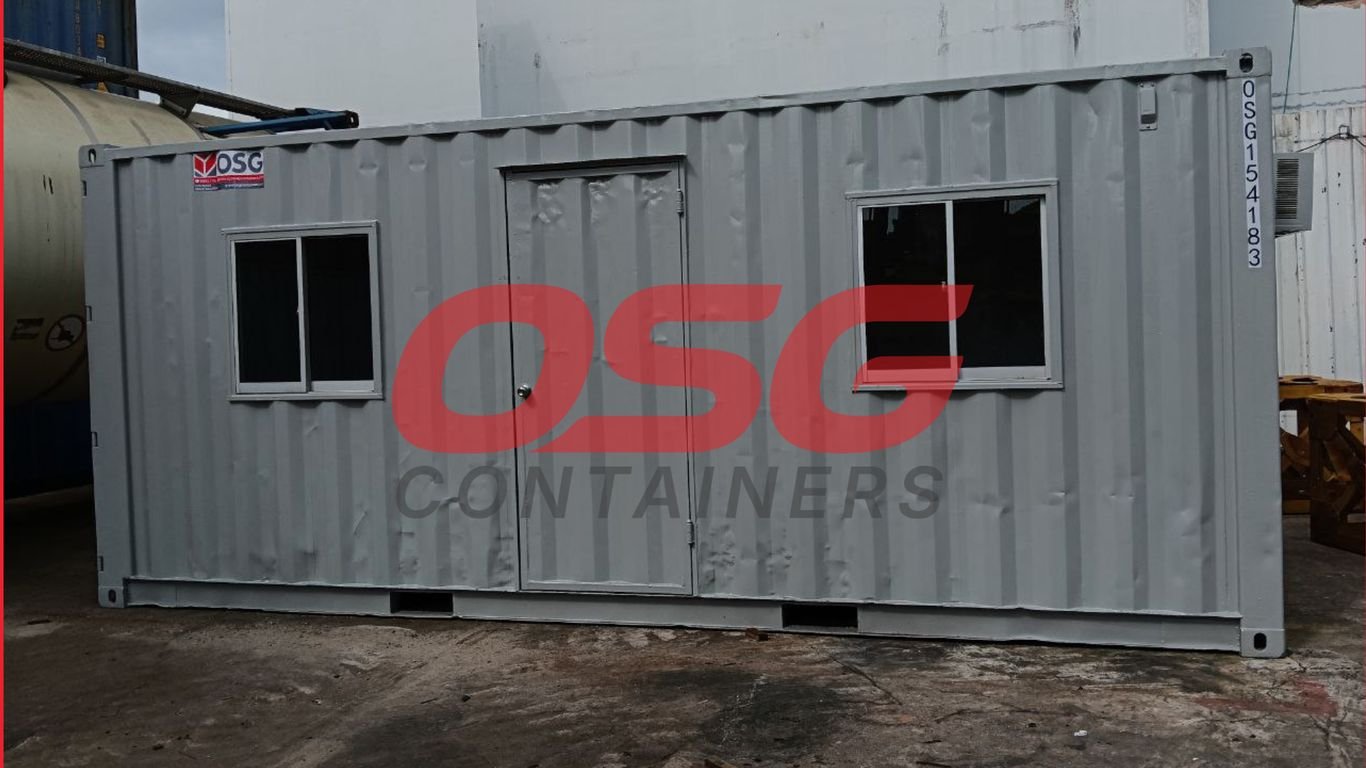
Thinking about getting a shipping container? It’s a pretty common need, whether you’re sorting out a home remodel, need extra room for your business, or just have a lot of stuff. Renting a container can be a straightforward solution, but knowing the basics makes the whole process smoother. This guide will walk you through what you need to know before you rent container.
Key Takeaways
- Figure out exactly why you need the container and for how long before you start looking. This helps pick the right size and rental term.
- Container sizes vary, usually 10ft, 20ft, and 40ft. Pick one that fits your stuff without being too big or too small.
- Renting is usually best for shorter needs, like a few months. Buying makes more sense if you plan to use it for a long time.
- Costs can change based on size, how long you rent it, and where you need it delivered. Always ask for a full quote.
- When you’re done, you can have the container picked up, ask to keep it longer, or even buy it outright.
Understanding Your Container Rental Needs
Define Your Project and Timeline
Before you even think about calling for a quote, take a moment to figure out exactly what you need this container for. Are you renovating your kitchen and need a place to stash your appliances and cabinets? Maybe you’re moving and want to pack at your own speed, avoiding the weekend rush. Or perhaps your business has a sudden influx of inventory and you need extra space right away. Knowing your purpose helps determine everything else. It’s also smart to have a rough idea of how long you’ll need the container. A few weeks for a small project is very different from several months for a major home remodel. Having a clear timeline, even if it’s just an estimate with a little wiggle room, will guide your rental duration and prevent unexpected costs down the line.
Common reasons people rent containers:
- Home Projects: Storing furniture, appliances, and decor during renovations or decluttering.
- Moving: Packing and staging belongings at your own pace.
- Business Storage: Managing seasonal inventory, equipment, or overflow stock.
- Jobsite Storage: Securing tools, materials, and equipment on construction sites.
Thinking through your project details upfront saves a lot of hassle later. It’s like planning a road trip – knowing your destination and how long you’ll be gone makes packing and budgeting much easier.
Choose the Right Shipping Container Size
Shipping containers come in a few standard sizes, and picking the right one is key. You don’t want to rent a massive container if you only have a few boxes, and you definitely don’t want to run out of space halfway through packing. The most common sizes you’ll encounter are the 10ft, 20ft, and 40ft. A 20 ft sea container is a really popular choice for many people because it hits a sweet spot for capacity. It’s generally big enough for a few rooms’ worth of furniture, a small business’s inventory, or a decent amount of construction supplies.
Here’s a quick look at what fits:
| Container Size | Typical Use Cases |
|---|---|
| 10ft | Studio apartment, small garage, garden tools, dorm move-outs |
| 20ft | 2-3 bedroom home move, small business inventory, remodel staging, jobsite tools |
| 40ft | Large home move, farm equipment, bulk materials, large business inventory |
If you’re on the fence between two sizes, it’s usually better to go with the larger one. Having a bit of extra space can make packing and organizing much less of a squeeze, and it’s handy for those last-minute items you almost forgot.
Rent vs. Buy a Storage Container
So, do you rent or buy? This decision mostly boils down to how long you plan to use the container. If your need is temporary – say, for a few months during a renovation or a short-term business project – renting is usually the way to go. It offers flexibility and you don’t have to worry about what to do with it once you’re done. You can simply schedule a pickup.
Buying a container makes more sense if you have a long-term, permanent need for storage. Maybe you plan to convert it into an office, a workshop, or just need a secure place to store things on your property for years. Buying also gives you the freedom to modify it however you like. Some people even start with a rental and then decide to buy it later if their needs change. It’s worth discussing these options with the rental company to see what makes the most financial sense for your situation.
The Container Rental Process Explained
Renting a cargo container might seem straightforward, but there are a few steps to get through before you have that big metal box sitting where you need it. It’s not just about picking up the phone and saying ‘send me a container.’ There’s a bit more to it, and getting it right makes the whole experience smoother.
Getting a Customized Shipping Container Rental Quote
First things first, you need to figure out how much this is going to cost. When you ask for a quote, the company will need some details. They’ll want to know what size container you’re looking at (like a 20-foot or 40-foot), how long you plan to keep it, and where it needs to go. Don’t be afraid to ask questions about what’s included in the price. Sometimes delivery fees are separate, or there might be charges for specific types of access. It’s best to get a clear, written quote that breaks everything down so there are no surprises later.
Preparing Your Site for Container Delivery
This is a big one. The delivery truck needs space to maneuver and drop off the container. You’ll need a relatively flat, stable surface. Think gravel, concrete, or packed dirt – not soft mud or a steep hill. Make sure there are no overhead obstructions like low-hanging branches or power lines where the container will be placed. Also, consider how you’ll want the doors to face. Do you need them facing a certain direction for easy access? Planning this ahead saves a lot of hassle on delivery day.
- Clearance: Ensure there’s enough room for the truck and the container itself. This includes space for the truck to back up and turn.
- Surface: A level and firm surface is key to prevent the container from settling unevenly or the ground giving way.
- Access: Make sure the path to your site is clear for the delivery vehicle.
Scheduling Delivery and Expert Placement
Once you’ve got your quote and prepped your site, it’s time to schedule the actual delivery. The rental company will work with you to find a date and time that fits your schedule. They’ll usually send a driver with a specialized tilt-bed truck or a trailer designed to carry and place shipping containers. These drivers are pros at positioning the container exactly where you want it, safely and efficiently. It’s a good idea to be on-site during delivery if possible, just to confirm the placement and make sure everything looks right before the driver leaves.
Maximizing Your Container Rental Experience
So, you’ve got your container on-site. Awesome! Now, let’s talk about making sure you get the most out of it, from the moment you start loading until it’s time to say goodbye. It’s not just about shoving stuff in and hoping for the best; a little planning goes a long way.
Packing Strategies for Your Rental Container
Packing smart is key. Think of it like Tetris, but with your belongings. You want to fit as much as possible without damaging anything, and you definitely want to be able to find what you need later. The goal is efficient, safe storage.
Here’s a breakdown of how to pack like a pro:
- Stage and Sort: Before anything goes into the container, get organized. Sort your items, label boxes clearly on at least three sides, and group similar things together. This makes loading much faster and prevents you from digging through piles later.
- Heavy Items First, Low and Centered: Place heavier, bulkier items like appliances, dressers, or boxes of books on the floor. Distribute this weight evenly, both front-to-back and side-to-side, to keep the container stable.
- Protect Your Stuff: Use moving blankets, stretch wrap, and corner protectors for furniture and delicate items. This prevents scratches and dents.
- Utilize Vertical Space: If you have freestanding shelves, use them! They’re great for organizing smaller items, tools, or inventory, making better use of the height.
- Create an Aisle: Leave a narrow walkway down the middle or to one side. This lets you access items stored deeper inside without having to move everything.
- Load "Open First" Last: Pack boxes with items you’ll need immediately (like tools, extension cords, or basic supplies) last, and place them right by the doors. It’s a lifesaver when you need something quickly.
- Moisture Control: If you’re in a humid or rainy area, consider using desiccant packs to absorb moisture and prevent mold or mildew.
Remember, never store hazardous materials like fuel, propane, or paint thinner in your container.
Access, Relocation, and Container Security Tips
Once your container is packed, you’ll want to think about how you’ll use it and keep it safe.
- Easy Access: The beauty of a rental container is that it’s right there. Keep your aisle clear, and make sure the "Open First" items are accessible. If you anticipate needing to work inside after dark, simple battery-powered or solar lights can make a big difference.
- Security First: Invest in a good, heavy-duty lock or a lockbox. For extra security, try to position high-value items away from the doors where they’re less visible.
- Relocation Needs: If there’s even a small chance you might need to move the container to a different spot on your property or to a new location during your rental period, mention this when you book. Some companies offer relocation services, but it’s best to know your options upfront.
- Insurance Check: If you’re storing valuable business equipment or inventory, check if your existing insurance policy covers items stored in an on-site container. You might need to add a rider or get specific coverage.
When planning for your container, think about how you’ll actually use it. Will you need to get in and out frequently? Will you be storing delicate items that need extra protection? Considering these points early on can save you a lot of hassle down the line. It’s about making the container work for you.
Understanding Lease Agreements and Inspections
Before you sign on the dotted line, take a moment to really look at your lease agreement. It might seem like a lot of legal jargon, but it contains important details about your rental.
- Lease Terms: Understand if you’re signing a short-term or long-term lease. Short-term is great for quick projects, while longer terms often come with better rates but less flexibility. Know how much time you actually need.
- Responsibilities: The agreement should clarify who is responsible for maintenance, damage, or theft. What happens if the lock breaks or the door gets dented? Does the rental include insurance, or is that on you?
- Return Policy: Pay attention to how the container is returned. Will the company pick it up, or do you need to arrange transport back to their depot? This can be a hidden cost if you’re not aware.
It’s also a good idea to do a quick inspection yourself when the container is delivered. Check the doors, seals, and floor for any obvious damage. If you’re storing anything particularly valuable or sensitive, you might even consider hiring an independent surveyor to give it a once-over. It’s like a pre-rental check-up for your metal box.
Container Rental Costs and Considerations
Figuring out the cost of renting a shipping container can feel a bit like a puzzle, but once you know the pieces, it’s pretty straightforward. It’s not just about the monthly fee; there are other bits and bobs that add up. Understanding these factors upfront means you won’t get any nasty surprises down the line.
Budgeting for Shipping Container Rentals
When you’re planning your budget, think about more than just the sticker price. Here’s a breakdown of what usually influences the total cost:
- Container Size: Naturally, a bigger container costs more. A standard 20-foot container is often the sweet spot for many projects, balancing space and price. A 40-foot container gives you more room but at a higher monthly rate. Sometimes, a 40-foot high cube (which is taller) might be a better deal per cubic foot if you have bulky items.
- Condition/Grade: Are you looking for something practically brand new, or will a "wind and watertight" used container do the trick? New or "one-trip" containers are the priciest, while older, used ones are cheaper. For simple on-site storage, a used container is usually fine, but if you’re storing sensitive items or need something for shipping, you’ll want a "cargo worthy" or better grade.
- Rental Duration: Most companies offer month-to-month rentals, which is great for flexibility. However, if you know you’ll need the container for a longer period, say six months or a year, you might be able to negotiate a slightly better rate. It never hurts to ask!
- Delivery and Pickup Fees: Don’t forget these! The distance the container needs to travel from the depot to your site, and then back again, will factor into the cost. If your site is hard to access, that can also increase the delivery charge.
- Location: Prices can vary quite a bit depending on where you are. Major metropolitan areas might have higher rates than more rural locations, simply due to demand and logistics.
Here’s a rough idea of monthly rental costs, but remember these are just estimates:
| Container Size | Estimated Monthly Rental Cost |
|---|---|
| 20ft Standard | $75 – $200 |
| 40ft Standard | $125 – $250 |
| 40ft High Cube | $150 – $300 |
Common Mistakes to Avoid When You Rent a Container
It’s easy to overlook a few things when you’re eager to get your container. Here are some common slip-ups:
- Renting Too Much Space: People often think "bigger is better" and end up paying for space they don’t actually need. Try to accurately estimate your storage requirements before you commit.
- Ignoring Delivery Logistics: Not thinking about how the container will actually get to your site and where it will be placed can lead to delays and extra costs. Make sure you have clear, level ground and good access for the delivery truck.
- Not Inspecting the Container: Even if you’re renting a used unit, you should still have a clear understanding of its condition. Ask for photos or, if possible, inspect it yourself before it’s delivered to catch any major issues like rust holes or damaged doors.
- Failing to Read the Lease Agreement: This document holds all the details about your rental terms, including responsibilities for damage, insurance requirements, and what happens at the end of the lease. Read it carefully!
When you’re getting quotes, be specific about your needs. Mention the type of container, its intended use (storage, modification, etc.), and any special access requirements for delivery. This helps suppliers give you a more accurate price and avoid misunderstandings later.
Understanding Container Grades and Conditions
Shipping containers come in different shapes and sizes, but they also come in varying conditions, often referred to as "grades." Knowing these grades helps you pick the right container for your budget and needs:
- New / One-Trip: These containers have only made one journey from the factory. They’re in excellent condition, with minimal wear and tear, and are often the most expensive option. They’re ideal if you plan to modify the container or need it to look pristine.
- Cargo Worthy (CW): These are used containers that have been inspected and certified to be structurally sound and suitable for shipping goods overseas. They’ll have visible signs of use, like dents and scratches, but are still very durable and watertight.
- Wind and Watertight (WWT): This is a common grade for storage. These containers are guaranteed to be free from holes and will keep the elements out. They might have more cosmetic issues than CW containers, but they’re a more budget-friendly choice for on-site storage.
- As-Is / Fair: These are the cheapest options. They might have significant dents, rust, or other damage. They’re generally only suitable for projects where the container’s appearance or structural integrity isn’t a major concern, or if you plan extensive repairs or modifications.
Industry-Specific Container Use Cases
Shipping containers are surprisingly versatile. They’re not just for moving goods across the ocean anymore. Think of them as sturdy, portable boxes that can solve a lot of different problems for various businesses and projects. Whether you need temporary storage or a more permanent setup, there’s likely a container solution for you.
Construction and Jobsite Storage Solutions
On a construction site, things get messy and tools can go missing. A container, especially a 40 high q container, acts like a secure, on-site storage unit. You can keep all your tools, materials, and safety equipment in one place, protected from the weather and theft. This saves time because you’re not constantly searching for things, and it helps keep your project on schedule. Some sites even use them as temporary offices or break rooms.
- Tool and Equipment Security: Keep expensive tools locked up overnight.
- Material Storage: Protect lumber, pipes, and other supplies from rain and sun.
- On-Site Office/Command Center: Provide a dry, secure space for project managers.
Having a reliable storage solution on a busy jobsite means less downtime and fewer headaches. It’s about keeping everything organized and accessible when you need it.
Retail and Business Inventory Management
Retailers often deal with fluctuating inventory, especially during busy seasons or sales. Instead of cramming everything into an already full stockroom, a rental container can be a lifesaver. You can place it right outside your store for easy access to extra stock. For businesses in places like container singapore, where space might be tight, these units are a smart way to manage inventory without needing a bigger building. You can even add shelves inside to organize smaller items.
- Seasonal Inventory Overflow: Store extra stock during holidays or sales.
- Pop-Up Shops: Create a temporary retail space for events or promotions.
- E-commerce Fulfillment: Use as a dedicated space for packing and shipping online orders.
Agricultural and Event Storage Needs
Farms can use containers to store equipment, seeds, or harvested crops. They’re tough and can withstand different weather conditions. For events like festivals or markets, containers are great for storing vendor supplies, sound equipment, or even as secure ticket booths. Their portability means you can move them where they’re needed most, and they offer protection against the elements and potential theft.
- Farm Equipment Storage: Keep tractors, plows, and other machinery safe.
- Harvest Storage: Protect grains, produce, or feed from pests and weather.
- Event Logistics: Securely store stages, lighting, merchandise, and more.
End of Rental Options
So, your project is wrapping up, or maybe you just need a bit more time with your trusty metal box. What happens next? You’ve got a few paths you can take when your container rental period is coming to a close. It’s not a one-size-fits-all situation, and knowing your choices beforehand can save you a headache.
Scheduling Pickup for Your Rental Container
When you’re done with the container, the simplest thing to do is schedule its pickup. This usually involves a quick call or online request to your rental provider. They’ll coordinate a time to come and haul the container away. Make sure the area around the container is clear on the scheduled pickup day so their truck can access it easily. It’s a good idea to give them a heads-up if anything has changed on your site that might make access tricky.
Extending Your Container Rental Period
Sometimes, projects run longer than expected, or you might find you still need that extra storage space. Most rental companies are pretty flexible about extending your lease. You’ll typically just need to contact them before your current rental period expires to arrange for an extension. They’ll let you know the new rate for the extended period, which might be daily, weekly, or monthly, depending on their policies. It’s usually a pretty straightforward process, just a quick chat to adjust the paperwork.
Considering Purchase Options for Your Container
What if that container became more than just a temporary solution? Maybe it’s become a permanent fixture for your business, or you’ve realized you’ll need storage long-term. In many cases, you can buy the container you’ve been renting. This can sometimes be more cost-effective than continuing to rent, especially if you plan to use it for a long time. The rental company will usually provide you with a quote for purchasing the unit you have. It’s worth asking about this option early on if you suspect you might want to keep it, just to understand the process and potential costs involved.
Wrapping It Up
So, renting a shipping container isn’t some huge, complicated thing. It’s really about figuring out what you need – like, how much stuff you have and for how long. Picking the right size is key, and so is knowing what condition the container is in, especially if you’re storing anything important. Always get the full cost upfront, and make sure the rental agreement is clear about everything. Don’t forget to plan for delivery; it’s a step that can really trip people up if they’re not careful. Whether you’re going for a 20-foot or a 40-foot container, the options are there, and the price will change based on where you are and what you’re looking for. It’s all about making smart choices to get the job done.
Frequently Asked Questions
How much does it usually cost to rent a shipping container?
The price can change depending on the size you pick, how long you need it, and where you need it delivered. Generally, renting a container is a smart way to save money compared to renting trucks many times or paying for storage units far away.
How quickly can I get a container delivered?
In many places, we can get a container to you within 1 to 2 days. It really depends on how busy we are and your location. We try our best to make delivery happen as fast as possible.
What are the common sizes for rental containers?
The most popular sizes you can rent are 10 feet, 20 feet, and 40 feet long. Each size is good for different amounts of stuff, so it’s important to pick the one that fits your needs best.
Can I buy a container instead of renting one?
Absolutely! If you think you’ll need a container for a long time, or if you want to make changes to it, buying might be a better option. We have both new and used containers for sale.
Do I need any special permission to have a container on my property?
Sometimes, local rules or neighborhood associations might have specific requirements. It’s a good idea to check with your local government or HOA before delivery to make sure everything goes smoothly.
Where is the best place to put a rented container?
Most people put containers on their driveway, a flat parking spot, or a gravel area. We can help you figure out the best and safest place for your container when it arrives.