Singapore
 Australia
 Indonesia
 Japan
Japan Malaysia
 New Zealand
 Philippines
 South Korea
 Taiwan
 Thailand
 VIETNAM
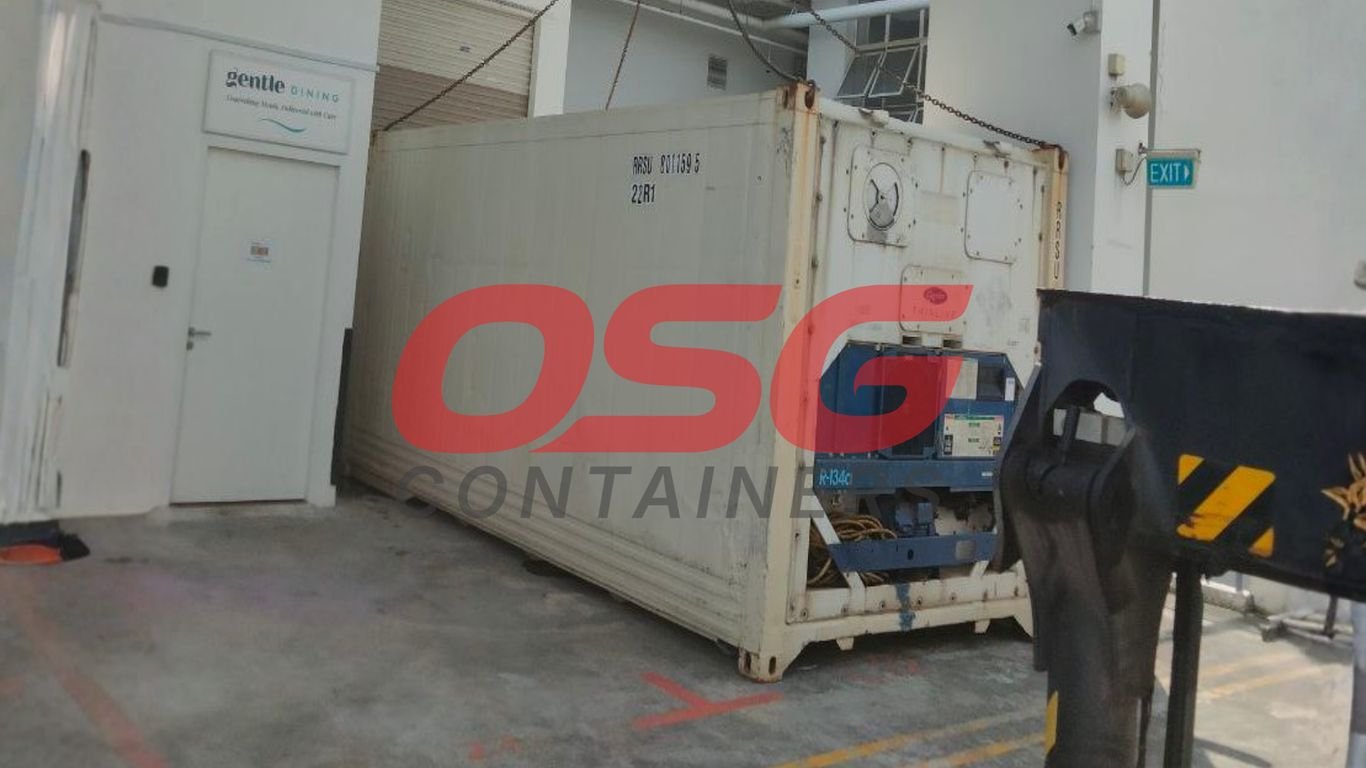
Ever wonder how that fresh salmon from Alaska makes it to your plate, or how life-saving medicines travel across the globe without spoiling? It’s all thanks to a special kind of shipping container: the container reefer. Think of it as a giant, mobile refrigerator for cargo. These aren’t your average metal boxes; they’re designed with built-in cooling systems to keep goods at just the right temperature, whether that’s chilled, frozen, or somewhere in between. They’re a pretty big deal in getting all sorts of perishable items from point A to point B safely, and we’re going to break down how they work and why they matter.
Key Takeaways
- A container reefer is an insulated shipping container with its own refrigeration unit, designed to keep temperature-sensitive goods cold or frozen during transit.
- Reefers work by maintaining a set temperature, not by cooling down warm products; cargo must be pre-cooled before loading.
- They are vital for transporting a wide range of items, including food, beverages, pharmaceuticals, and even certain chemicals and flowers.
- Container reefers come in various sizes, like 20-foot and 40-foot, with high-cube options offering extra height, and require specific power sources like three-phase or single-phase electricity.
- Proper usage involves pre-cooling cargo, ensuring good airflow inside the container, and minimizing door openings to maintain the cold chain and prevent spoilage.
Understanding The Container Reefer
What Is A Container Reefer?
So, what exactly is a container reefer? Basically, it’s a shipping container that comes with its own built-in refrigeration unit. Think of it as a giant, mobile cooler designed to keep cargo at a very specific temperature, whether that’s just chilled or fully frozen. These aren’t your standard metal boxes; they’re specialized units that are super important for moving things like food, medicines, and other items that can’t handle temperature changes. Without reefer containers, a lot of the fresh produce and vital medications we count on wouldn’t make it to us in good shape. They are key to keeping goods that need stable temperatures from spoiling.
Key Features Of A Reefer Container
Reefer containers have a few standout features that make them different from regular shipping containers:
- Integrated Refrigeration Unit: At one end, you’ll find a refrigeration unit. This is the heart of the reefer, responsible for generating and maintaining the set temperature.
- Specialized Flooring: Many reefers have a T-shaped floor or similar design. This helps distribute cold air evenly from the bottom up, making sure the entire load gets cooled uniformly.
- Temperature and Humidity Control: They come with control panels that allow operators to set and monitor the internal climate. This isn’t just about keeping things cold; it’s also about managing moisture levels, which is really important for certain types of cargo.
- Ventilation Systems: Proper airflow is a big deal. Reefers have systems to circulate air. This helps remove heat generated by the cargo itself and also gets rid of gases like ethylene that can speed up ripening in produce.
Reefers Versus Standard Shipping Containers
It’s pretty easy to see the difference when you put them side-by-side. A standard shipping container is just a box, meant to protect goods from the weather during transit. It doesn’t offer any climate control. A reefer container, though, is a climate-controlled environment. It has that big refrigeration unit attached, and its walls are well-insulated to keep the cold air in and the outside heat out. While a standard container might be fine for electronics or dry goods, it’s completely useless for anything that needs a stable, cool temperature. The reefer is built specifically for that purpose, making it a much more complex and specialized piece of equipment.
It’s important to remember that reefer containers are designed to maintain a temperature, not to cool down warm cargo. If you load something that’s too warm, the reefer will struggle to bring it down to the target temperature. This is why pre-cooling your goods before they go in is a big deal.
How Container Reefers Maintain Temperature
The Refrigeration Mechanism Explained
So, how does a reefer container actually keep things cold? It’s not just a big freezer box. Inside, at one end, there’s a powerful refrigeration unit. This unit is the workhorse, responsible for chilling the air. The real magic happens with how that cold air is distributed. Instead of just blowing it in, reefers typically push cold air in from the bottom. This air then travels up through a specially designed floor, often with T-shaped channels. This setup helps the cool air circulate evenly throughout the entire container, reaching every corner. This prevents warm spots where your cargo could start to spoil. It’s important to remember that these units are built to maintain a temperature, not to cool down warm items quickly. Think of it like a house thermostat – it keeps the temperature steady, but it takes time to warm up or cool down a whole house if it’s drastically different outside.
Airflow and Ventilation Systems
Getting the air to move correctly is just as important as the cooling itself. Proper airflow does a couple of key things. First, it helps remove any heat that the cargo itself might be generating. Some products, like fresh fruits, release gases as they ripen, and good ventilation helps get rid of those too. Different types of cargo need different airflow. For example:
- Chilled Cargo: Needs air to flow through the product. This means the packaging, like cartons, should have holes or vents to let the air pass. This helps remove heat and gases effectively.
- Frozen Cargo: Needs air to flow around the product. The goal here is to create a barrier of cold air. So, the cargo is usually packed tightly together, almost like building blocks, with no gaps between the container walls or the cargo itself.
This careful management of air circulation is what stops spoilage and keeps products fresh, whether it’s a shipment of delicate flowers or something like iso tanks carrying temperature-sensitive liquids.
Temperature and Humidity Control
Reefers aren’t just about freezing things. They offer precise control over both temperature and, often, humidity. Operators can set a specific temperature, whether it’s just cool for fresh produce or deep frozen for ice cream. But humidity is also a big factor, especially for things like fruits and vegetables. Too much moisture can lead to mold, while too little can cause wilting. The control panel on the reefer allows for adjustments to keep these levels in check. This dual control is what makes reefers so versatile for a wide range of sensitive goods.
Maintaining the correct internal environment is a delicate balancing act. It requires constant monitoring and adjustment to account for external weather conditions, the specific needs of the cargo, and even how the cargo is packed. It’s a sophisticated system working hard to protect your goods.
Essential Cargo Transported By Container Reefers
So, what exactly gets shipped in these super-cool boxes? Turns out, quite a lot of things that we use and consume every day rely on reefers to get here in one piece. It’s not just about keeping your ice cream frozen on a hot day; it’s about making sure vital supplies and delicate goods arrive just as they should.
Perishable Food And Beverages
This is probably the biggest category you’ll think of. We’re talking about all the fruits, vegetables, meats, fish, and dairy products that travel across oceans and continents. Without reefers, enjoying fresh produce out of season or seafood from far-off waters would be a pipe dream. They keep these items at the right chill or freeze point, stopping spoilage and keeping them safe for us to eat. It’s not just about freezing, either. Some things, like certain wines or specialty cheeses, need very specific, stable temperatures, and reefers can handle that.
Here’s a peek at some common temperature needs:
| Cargo Type | Temperature Range (°C) | Notes |
|---|---|---|
| Fresh Produce | 0°C to 15°C | Varies greatly by fruit/vegetable type |
| Chilled Meats/Fish | -1°C to 4°C | Requires consistent, cold temperatures |
| Frozen Foods | -18°C to -25°C | Standard freezing point for most items |
| Dairy Products | 2°C to 6°C | Needs to stay cool, but not frozen |
Pharmaceutical And Medical Supplies
This is where reefer containers become absolutely critical. Many medicines, vaccines, and other medical items are super sensitive to temperature changes. Even a small bump in temperature can make them lose their effectiveness, or worse, become harmful. Reefers provide that steady, controlled environment needed to move these important supplies safely over long distances. Think flu shots, COVID vaccines, or even delicate lab samples for research – their integrity depends on the reefer working perfectly.
The reliability of temperature control in these shipments is not just about product quality; it’s directly linked to public health and safety.
Floral And Chemical Industries
It might seem a bit surprising, but the flower business really counts on reefers too. Flowers are delicate, you know? They need specific temperature and humidity levels to stay fresh and vibrant during their long journey. Using reefers means that those beautiful bouquets can arrive at their destination looking just as good as when they were picked, no matter how far they traveled. And it’s not just plants. Certain chemicals and industrial products also need strict temperature control to keep their properties stable. Things like special glues or resins can break down or become useless if they get too hot or too cold, so reefers keep them in the right condition.
- Flowers: Need controlled cool temperatures to prevent wilting and petal drop.
- Certain Chemicals: Require specific temperature ranges to maintain stability and prevent unwanted reactions.
- Photographic Film: Older types of film were very sensitive to heat and required refrigerated transport.
- Specialty Foods: Items like chocolate or certain baked goods can also benefit from temperature-controlled shipping to prevent melting or spoilage.
Operational Considerations For Container Reefers
So, you’ve got your temperature-sensitive cargo, and you’re ready to ship it in a reefer. Great! But there are a few things you really need to keep in mind to make sure everything arrives in tip-top shape. It’s not just a matter of setting the dial and forgetting about it. These specialized containers need a bit of attention to work their magic.
Pre-Cooling Cargo Is Crucial
This is a big one, folks. Reefers are built to maintain a temperature, not to chill down a whole shipment that’s still warm. Think of it like putting a bunch of hot leftovers in your fridge – it’s going to take ages to cool them, and the fridge will be working overtime. The same applies here. Your cargo needs to be brought down to the target temperature before it even gets loaded into the reefer. This means planning ahead and making sure your goods are properly cooled or frozen in a warehouse or staging area. Loading warm cargo puts immense strain on the reefer’s system, wastes energy, and seriously increases the risk of spoilage.
Proper Loading And Air Circulation
How you pack the reefer matters a lot. You can’t just shove boxes in there haphazardly. Good airflow is key to keeping the entire load evenly chilled. Most reefers have a special floor, often with "T"-shaped channels, designed to push cold air up from the bottom. To make this work, you need to leave space for that air to move. This usually means not blocking the vents at the back of the container and avoiding packing cargo too tightly against the walls or ceiling. For some goods, like frozen items, you might want to block-stack them tightly to prevent cold air from escaping. For others, like fresh produce, you need to allow air to circulate through the packaging. Your shipping provider or cargo specialist can give you the lowdown on the best way to load your specific product.
Here’s a quick rundown on loading strategies:
- Frozen Goods: Pack tightly to create a solid block. This helps the cold air flow around the outside of the block, keeping everything frozen.
- Chilled Goods (Produce): Allow space between cartons or pallets for air to move freely through the load. This helps remove heat and gases.
- General Rule: Never block the air ducts at the front or rear of the container. These are vital for the cooling system.
Understanding Reefer Temperature Capabilities
Reefers are pretty versatile, but they do have limits. They can typically maintain temperatures ranging from about -25°C (-13°F) for frozen goods up to +25°C (77°F) for chilled or even slightly warmed cargo. However, it’s important to remember that these are maintenance temperatures. The reefer’s ability to hold a specific temperature depends heavily on:
- Ambient Temperature: How hot or cold it is outside the container.
- Cargo Type: Some products generate more heat than others.
- Door Openings: Every time the door is opened, cold air escapes, and warm air rushes in.
- Power Supply: Consistent and correct power is non-negotiable.
It’s also worth noting that reefers require a specific type of electrical power to run their refrigeration units. Most commonly, this is three-phase power, often found at ports and distribution centers. While some units can be adapted for single-phase power, it’s less common and might not be suitable for all operations. Always confirm the power requirements with your logistics provider to avoid any surprises during transit.
Knowing these capabilities helps you set realistic expectations and choose the right reefer settings for your shipment.
Challenges In Reefer Container Shipping
Shipping temperature-sensitive goods with reefer containers is a pretty amazing feat of modern logistics, but let’s be real, it’s not always smooth sailing. There are definitely some hurdles to jump over to make sure that cold cargo gets where it needs to go in one piece.
Potential For Equipment Malfunctions
Reefers are basically high-tech refrigerators on wheels (or rather, on ships and trains). They rely on complex machinery to keep things at just the right temperature. When that machinery decides to take a break, it can spell disaster for a whole shipment. Think about a compressor giving out mid-ocean or a power failure at a busy port. Even small glitches can cause temperature swings that might ruin delicate products like pharmaceuticals or fresh produce. Keeping these units in top shape through regular checks and maintenance is super important, but even then, unexpected breakdowns can happen.
Managing High Operating Costs
These specialized containers aren’t cheap to begin with, and running them adds up. You’ve got the electricity to keep them cold, plus the ongoing costs for inspections, cleaning, and any necessary repairs or upgrades to the cooling systems. For businesses that ship a lot of refrigerated goods, these costs can really start to pile up, making it a significant part of their overall shipping budget.
Navigating Complex Global Regulations
Every country has its own rules about what can come in, what has to be a certain temperature, and how it all needs to be documented. When you’re moving goods across borders, you’re dealing with a whole patchwork of different regulations. Making sure your reefer shipment complies with all of them, from customs requirements to specific temperature mandates for certain goods, can be a real headache. It requires a lot of careful planning and staying up-to-date on all the latest rules.
The complexity of international shipping means that even with the best planning, unforeseen issues can arise. Staying informed and having contingency plans in place is key to mitigating risks associated with reefer transport.
The Role Of Container Reefers In Global Trade
Maintaining The Cold Chain
Reefer containers are the backbone of the global cold chain. They make it possible to move temperature-sensitive goods, like fresh produce, frozen foods, and vital medicines, across vast distances without them spoiling. Without these specialized containers, a huge amount of the food we eat and the medical supplies we rely on simply wouldn’t reach us in usable condition. They act as mobile, controlled environments, keeping products within their ideal temperature range from the moment they leave the producer to when they arrive at their final destination. This consistent temperature control is what prevents spoilage, maintains quality, and keeps goods safe for consumption or use.
Ensuring Product Integrity
Beyond just keeping things cold, reefers are all about preserving the quality and effectiveness of the cargo. Different items have different needs. For example:
- Fresh Produce: Needs specific temperatures to slow ripening and prevent spoilage. Ethylene gas removal is also key for many fruits and vegetables.
- Frozen Goods: Require consistent sub-zero temperatures to stay frozen solid.
- Pharmaceuticals: Often need very precise temperature ranges, sometimes even below freezing, to remain potent and safe.
- Flowers: Demand controlled humidity and temperature to maintain freshness and prevent wilting.
Reefers allow shippers to set and monitor these exact conditions, which is vital for high-value or sensitive items where even slight deviations can lead to significant losses.
The Unsung Heroes Of Global Trade
It’s easy to take for granted the availability of exotic fruits year-round or life-saving vaccines that can be transported anywhere. But behind these conveniences are the humble reefer containers. They are the workhorses that enable international trade in perishable and temperature-sensitive goods. Think about it: a shipment of strawberries from South America to Europe, or a batch of vaccines from Asia to Africa. These journeys are only possible because of the reliable, controlled environment provided by reefers.
The complex logistics involved in global shipping mean that a single reefer container might travel on a ship, then a train, and finally a truck. Each leg of the journey presents potential challenges, but the reefer’s self-contained system is designed to handle these transitions, keeping the cargo safe throughout.
These containers are not just boxes; they are sophisticated pieces of equipment that keep the global economy moving, connecting producers with consumers and ensuring that essential goods reach where they are needed most, no matter the distance or climate.
Wrapping It Up
So, that’s the lowdown on reefer containers. They’re basically giant, super-insulated refrigerators that travel the world, keeping everything from your favorite fruits to life-saving medicines just the right temperature. It’s a pretty complex system, really, with special cooling units and airflow designs, all working together to maintain that crucial cold chain. While they’re not perfect and can have their own set of challenges, like breakdowns or costs, they’re undeniably a huge part of global trade. Without these specialized boxes, a lot of the stuff we rely on wouldn’t make it to us in good shape. Pretty neat, huh?
Frequently Asked Questions
What exactly is a reefer container?
Think of a reefer container as a big, insulated box with its own built-in refrigerator. It’s designed to keep things cold or frozen while they travel long distances on ships, trains, or trucks. These aren’t just regular containers; they have special cooling systems to make sure your cargo stays at the perfect temperature, whether it’s fresh fruit, medicine, or frozen pizza.
How do reefer containers keep things cold?
Reefers have a special cooling unit attached to them. This unit pumps cold air into the container, usually from the bottom, and it circulates all around your goods. They also have systems to control humidity and sometimes even fresh air, which is super important for things like fruits and vegetables that are still ‘alive’ and need to breathe.
Do reefers actually cool down warm items?
Not really! Reefers are best at *keeping* things at a certain temperature, not changing a warm item to a cold one. So, it’s really important to cool your products down to the right temperature *before* you load them into the reefer. If you put a warm carton of milk in a reefer set to freeze, it probably won’t freeze it effectively.
What kinds of things are shipped in reefer containers?
Lots of things! You’ll find them carrying fresh food like fruits, vegetables, meat, and seafood. They’re also crucial for transporting things that need to stay cold, like milk, cheese, and even ice cream. Plus, important items like medicines, vaccines, and some chemicals that can’t handle temperature changes rely on reefers to stay safe and effective.
Are reefer containers all the same size?
Reefers come in common sizes, usually 20 feet or 40 feet long, similar to regular shipping containers. There are also ‘high cube’ versions, which are a bit taller and can hold more stuff. Choosing the right size is important so you don’t pay for empty space or try to cram too much in.
What happens if the reefer’s cooling system breaks?
That’s a big worry in reefer shipping! If the cooling unit stops working, the temperature inside can rise, which could ruin the whole shipment, especially for sensitive items like medicine or fresh food. That’s why regular maintenance and sometimes backup power systems, like a generator (genset), are really important for these containers.