Singapore
 Australia
 Indonesia
 Japan
Japan Malaysia
 New Zealand
 Philippines
 South Korea
 Taiwan
 Thailand
 VIETNAM
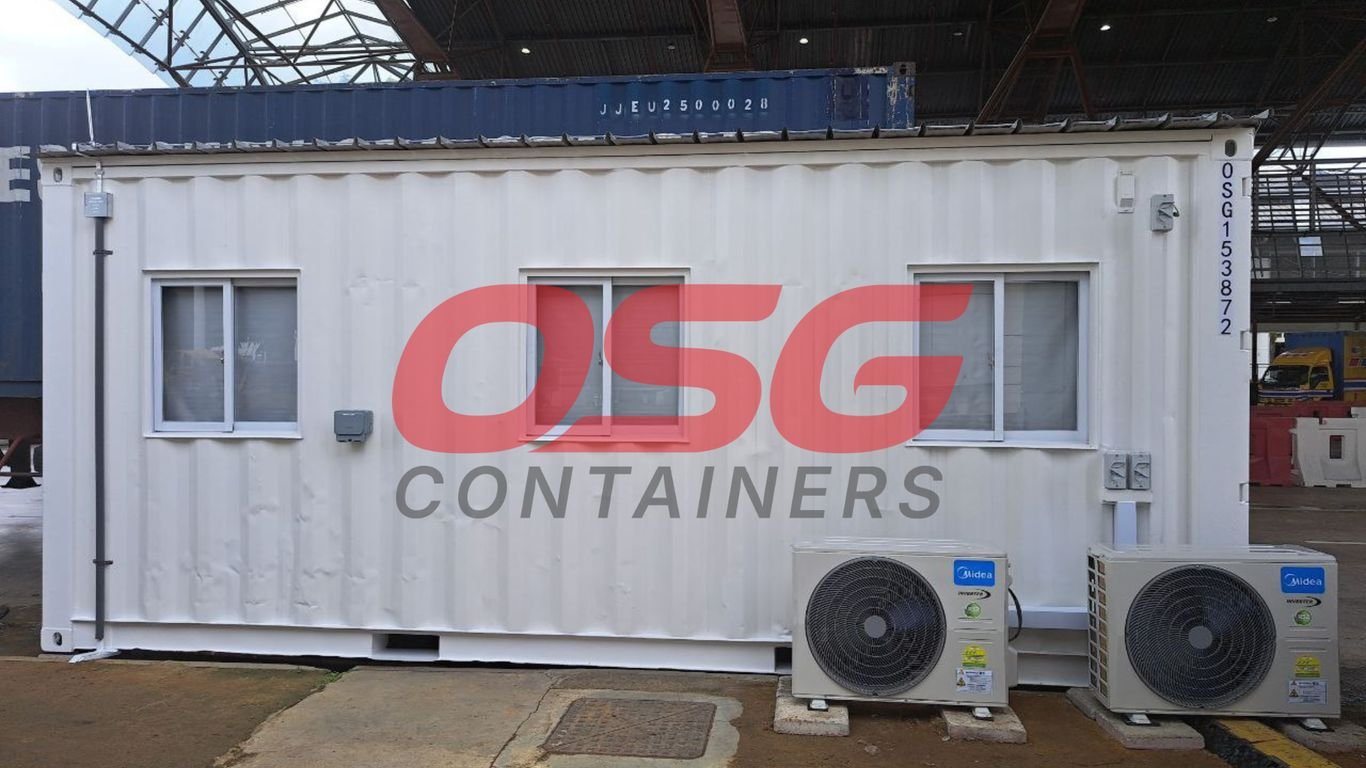
Thinking about setting up a new workspace or maybe a small office? You’ve probably seen those metal shipping containers being turned into cool-looking spots, and then there are the more traditional prefab cabins. They both seem like good ideas for getting a space up fast, but they’re actually pretty different. We’re going to break down what makes each one tick, from how they’re built and how much they cost, to how comfy they are and if they’ll even get approved by the local building folks. It’s not just about picking the cheapest or the quickest; it’s about finding the one that actually works for you and your needs, especially when you’re looking at a containers office.
Key Takeaways
- Container offices are made from repurposed shipping containers, offering a unique industrial look and often a faster setup, but can have limitations in design and comfort without significant modifications.
- Prefab tiny homes are built in a factory setting using traditional construction methods, allowing for more design flexibility, better insulation, and easier permitting, though they might have a slightly higher initial cost.
- When comparing costs, container offices might seem cheaper upfront, but often require extra spending on insulation, HVAC, and structural upgrades to be truly livable or functional workspaces.
- Design-wise, prefab homes offer more customization to match existing aesthetics, while container offices are defined by their steel box shape, sometimes posing challenges in residential areas with strict design rules.
- Permitting can be a hurdle for container offices due to their unconventional nature, whereas prefab homes typically follow standard building codes, making the approval process smoother.
Understanding The Core Differences
Defining Prefab Tiny Homes
Prefab tiny homes are built in a factory, kind of like a well-oiled machine. They use standard building materials – think wood framing, drywall, the usual stuff you see in regular houses. Because they’re made in a controlled setting, the quality tends to be pretty consistent, and the whole process is usually faster than building on-site. These are often thought of as small, complete homes, maybe for a guest house, a rental unit in the backyard, or even a private office. They’re designed from the ground up to meet building codes and be energy efficient, making them a pretty straightforward option for most neighborhoods.
What Constitutes A Container Office
A container office starts its life as a shipping container, one of those big metal boxes you see on cargo ships. These are then modified and outfitted to become usable office space. While you can stack or arrange multiple containers to make a bigger area, the basic shape is dictated by the container itself. This industrial look can be a bit of a statement, and it might not always fit in with stricter neighborhood design rules or homeowner association guidelines. The core of a container office is its repurposed steel shell.
Key Distinctions In Construction And Timelines
When you look at how these two are made, the differences really stand out. Prefab homes are built using methods similar to traditional construction, just done in a factory. This means they can be designed with standard windows, doors, and insulation right from the start. The timeline is generally predictable: factory build, then delivery and setup. Container offices, on the other hand, begin with a pre-existing structure. The work involves cutting openings, adding insulation (which is super important because metal gets hot and cold easily), and finishing the interior. This can sometimes involve more custom work to make them comfortable and functional, and the timeline can vary depending on the complexity of the modifications needed.
Here’s a quick look at some general differences:
| Feature | Prefab Tiny Home | Container Office |
|---|---|---|
| Primary Material | Wood framing, drywall, standard ins. | Repurposed steel shipping container |
| Design Origin | Designed as a building from scratch | Modified existing industrial unit |
| Construction | Factory assembly, traditional methods | On-site or factory modification |
| Timeline | Predictable factory build & setup | Variable, depends on modifications |
Evaluating Cost-Effectiveness
Initial Investment For Each Option
When you’re looking at setting up a new office space, the upfront cost is usually the first thing on your mind. Container offices, built from repurposed shipping containers, often have a lower starting price. Think of it like buying a used car versus a brand new one – the initial sticker shock is less with the container. You’re essentially paying for the container itself and the modifications needed to make it functional as an office. Prefab tiny homes, on the other hand, are built from scratch in a factory. While they can be more efficient to build, the materials and the process can sometimes lead to a higher initial price tag. It’s not always a huge difference, but it’s something to consider if your budget is tight right out of the gate.
Long-Term Value And Hidden Expenses
Okay, so the initial price is one thing, but what about down the road? This is where things can get a little tricky. Container offices, while cheaper to buy, might need more investment later on. Proper insulation is a big one – those metal boxes can get really hot or cold, so you’ll likely spend extra to make it comfortable year-round. Then there’s the potential for rust or structural issues down the line, depending on the container’s original condition and how well it’s been treated. Prefab homes, since they’re built to specific building codes from the start, often come with better insulation and a more robust structure. This can mean fewer surprise repair bills and lower energy costs over the years. Don’t forget to factor in things like delivery, site prep, and utility hookups for both options, as these can add up quickly and vary a lot by location.
Comparing Overall Affordability
So, which one is truly the better deal? It really depends on what you prioritize. If you need something up and running fast with the lowest possible initial outlay, a container office might seem like the winner. You can get a basic setup for less than what a prefab might cost to start. However, if you’re thinking about the total cost of ownership – including comfort, energy bills, and potential maintenance over, say, ten years – a prefab tiny home could actually be more affordable in the long run. It’s like choosing between a cheap pair of shoes that fall apart in a year and a more expensive pair that lasts for five. You have to look beyond just the purchase price and think about the entire lifespan of the structure.
Here’s a quick look at some general cost factors:
| Feature | Container Office (Approx.) | Prefab Tiny Home (Approx.) |
|---|---|---|
| Base Unit Cost | $10,000 – $30,000 | $30,000 – $80,000 |
| Insulation/HVAC | $5,000 – $15,000+ | $3,000 – $10,000 |
| Site Prep/Foundation | $2,000 – $10,000 | $3,000 – $12,000 |
| Delivery/Setup | $1,000 – $5,000 | $2,000 – $7,000 |
| Total Estimated | $18,000 – $60,000+ | $38,000 – $109,000+ |
Remember, these are just ballpark figures. Actual costs can swing wildly based on the size, complexity of the design, your specific location, and the quality of materials used. Always get detailed quotes for your unique situation.
Assessing Design Flexibility And Aesthetics
When you’re thinking about adding a new space, how it looks and how much you can change it really matters. It’s not just about function; it’s about fitting into your existing setup and looking good.
Architectural Possibilities With Prefab
Prefab tiny homes really shine here. Because they’re built in a controlled factory environment, they can be designed with a lot of different styles in mind. You can get something that looks like a classic cottage, a modern box, or anything in between. The builders can work with various rooflines, window placements, and exterior finishes. This means you can often match the style of your main house or create a look that complements your neighborhood.
Design Limitations Of Container Offices
Container offices, on the other hand, start with a very specific shape: a steel box. While you can join multiple containers together to make bigger spaces or stack them, you’re still working within that basic structure. Making significant changes, like adding lots of large windows or altering the roofline, can be complicated and expensive. The industrial look of a container is pretty distinct, and it might not always fit in with more traditional surroundings, especially if there are neighborhood design rules.
Achieving Desired Aesthetics
Getting the look you want depends on what you’re starting with. With prefab, you have a lot of choices from the get-go. You can pick out siding, roofing materials, and window styles that fit your vision. For container offices, achieving a certain aesthetic often means adding a lot of exterior cladding or making structural modifications to hide the container’s original form. It can be done, but it usually takes more effort and cost to move away from that industrial vibe.
Here’s a quick look at what you can expect:
- Prefab: High flexibility, wide range of styles, easier to match existing architecture.
- Container: Limited by original structure, industrial look is common, significant changes require more work and expense.
While both options can be made to look good, prefab generally offers a more straightforward path to achieving a specific aesthetic without major compromises.
Comfort And Livability Factors
When you’re thinking about setting up an office space, especially one that’s a bit different from the usual, comfort is a big deal. Nobody wants to work in a place that feels like a tin can, right? Let’s break down how container offices and prefab cabins stack up when it comes to keeping you comfortable and making the space actually livable.
Insulation And Temperature Regulation
This is probably the most important part. A plain steel shipping container, by itself, is not great at keeping a steady temperature. It gets super hot in the summer and freezing in the winter. To make a container office work, you absolutely need good insulation. This usually means spray foam or rigid foam boards, which can add to the cost and complexity. Prefab cabins, on the other hand, are typically built with standard residential insulation and wall systems from the get-go. They’re designed with thermal performance in mind, so they usually hold a more consistent temperature without a lot of fuss.
The difference in insulation can be stark. A poorly insulated container office might feel like working inside an oven or a freezer, while a well-built prefab unit will feel more like a traditional building, keeping you at a comfortable temperature year-round.
Interior Space And Airflow Considerations
Container offices are, well, containers. They’re usually about 8 feet wide, and when you add insulation and interior walls, that space shrinks even more. This can make the room feel a bit cramped, especially if you have more than one person working there or a lot of equipment. Airflow is also something to think about. Without proper ventilation, moisture can build up, leading to condensation issues. Prefab cabins often have more flexible interior layouts and are designed with standard window sizes and ventilation systems that are more common in homes, which can make them feel more open and airy.
Creating A Productive Work Environment
Ultimately, you want a space where you can focus and get work done. This means thinking about:
- Lighting: Both options can accommodate good lighting, but prefab might offer more standard window placements for natural light.
- Noise: Steel containers can sometimes amplify outside noise. Proper insulation in both types of structures helps, but it’s something to consider.
- Aesthetics: While we’ll cover this more later, how the space looks and feels can impact your mood and productivity. A cramped, industrial-looking space might not be as inspiring as a well-designed prefab office.
- Utilities: Making sure you have reliable power, internet, and heating/cooling is key. Both require hookups, but the ease of integrating these can vary.
When it comes down to it, a prefab cabin often wins for comfort and livability right out of the box. A container home can be made comfortable, but it usually takes more effort and expense to get it there.
Sustainability And Environmental Impact
When we talk about building, the environmental side of things is getting more and more important. Both container offices and prefab cabins have their own ways of being kinder to the planet, but they go about it a bit differently.
Repurposing Materials In Container Offices
One of the biggest pluses for container offices is that they start life as something else entirely. We’re talking about those big steel boxes that haul goods across oceans. Instead of letting them rust away in a yard, we give them a new job. This means we’re not using as many brand-new raw materials, which is a good thing for the environment. It’s like giving an old piece of furniture a makeover instead of buying new.
- Reduces demand for new steel production.
- Diverts waste from landfills.
- Lower embodied energy compared to new construction.
However, it’s not all perfect. To make these containers livable or workable, you often need to add a lot of new stuff like insulation, interior walls, and windows. Sometimes, the original containers might have old paint or coatings that aren’t exactly eco-friendly and need to be dealt with. So, while the core structure is recycled, the finishing touches can add back some environmental cost.
The initial act of repurposing a shipping container is a strong environmental statement, but the subsequent modifications are where the real impact on sustainability is determined.
Sustainable Practices In Prefab Construction
Prefab buildings, on the other hand, are designed from the ground up with sustainability in mind. They’re built in a factory, which means they can be really precise about how they use materials. This cuts down on waste a lot because they’re not cutting big pieces of wood or metal and then throwing away the scraps. Plus, prefab builders often make a point of using eco-friendly materials and designing for energy efficiency right from the start. Think better insulation, windows that don’t let heat escape, and systems that use less power.
- Minimized construction waste through factory precision.
- Use of sustainable and recycled materials is often a design goal.
- Designed for high energy efficiency from the outset.
Reducing Environmental Footprints
So, which one is better? It really depends on what you prioritize. Container offices score points for giving old materials a second life. Prefab cabins often win on being designed for efficiency and minimizing waste during the building process itself. Both can be good choices, but it’s worth looking at the whole picture – from the materials used to how the building performs over its lifetime. Choosing a building that’s well-insulated and energy-efficient will always have a positive impact, no matter its starting point.
| Feature | Container Office Impact | Prefab Cabin Impact |
|---|---|---|
| Material Sourcing | High reuse of steel; requires new interior materials. | Focus on sustainable materials; less waste in production. |
| Waste During Build | Moderate; depends on modification complexity. | Low; factory precision minimizes offcuts. |
| Energy Efficiency | Requires significant insulation upgrades for performance. | Often designed for high efficiency from the start. |
Navigating Permits And Regulations
Getting the green light for any building project can feel like a maze, and when you’re looking at non-traditional structures like container offices or prefab cabins, it’s no different. In fact, it can sometimes be a bit more complicated.
Permitting Challenges For Container Offices
Container offices, because they’re built from repurposed shipping containers, often face extra scrutiny from local authorities. Building departments might not have a clear process for them, leading to more questions about structural integrity, fire safety, and how they fit into existing zoning laws. You might need detailed engineering reports or special permits that aren’t required for standard construction. This extra layer of review can add time and cost to your project. The visual appearance can also be an issue in areas with strict aesthetic rules or homeowner association (HOA) guidelines.
Prefab Homes And Building Codes
Prefab tiny homes, on the other hand, are generally built to meet established building codes and energy standards right from the factory. This makes them more likely to get approved by city planners and building inspectors. They’re often designed with residential construction in mind, so they tend to slot more easily into existing regulations, especially those related to accessory dwelling units (ADUs). Think of them as pre-approved for easier integration.
Ensuring Compliance With Local Ordinances
No matter which route you choose, checking local rules is a must. Here’s a quick rundown of what to consider:
- Zoning Laws: Does your local area allow this type of structure? Some places have specific rules about size, placement, and even appearance.
- Building Permits: You’ll almost always need a permit. The process varies widely, so contact your local building department early.
- HOA Rules: If you have a homeowner’s association, their rules might be stricter than city ordinances, especially regarding aesthetics and placement. This is particularly relevant if you’re considering the rental of containers for temporary use on your property.
- Inspections: Be prepared for inspections during and after construction to make sure everything meets code.
It’s wise to talk to your local planning and building department before you even buy anything. They can tell you exactly what you need to do to get your project approved. Sometimes, what seems like a simple idea hits a wall with local regulations, and knowing that upfront saves a lot of headaches and money down the road. Don’t assume anything; always verify with the official sources in your specific location.
Mobility And Site Adaptability
When you’re thinking about setting up a workspace, where it can go and how easy it is to move is a big deal. Container offices really shine here. Because they’re built from standard shipping containers, like the big 40 foot containers you see on ships, they’re designed to be moved. You can pick one up, put it on a truck, and have it at a new location pretty quickly. This makes them super handy for temporary projects or if your business needs to shift gears and relocate.
Traditional cabins, on the other hand, are usually built on-site or transported as a whole unit. Moving them often means a lot more work, sometimes even requiring special equipment or permits, especially if they’re larger.
The Ease Of Relocating Container Offices
Moving a container office is straightforward. They’re built to be robust and handle the rigors of transport. You can get them delivered and set up in a new spot without a huge fuss. This flexibility is a major plus for businesses that might be in a location for a limited time, like for a specific event or a short-term construction job. Think about needing a temporary office space, or even something like a mobile toilet in Singapore for a large outdoor event – a container unit can be the perfect solution.
Site Preparation For Both Options
Both container offices and traditional cabins need some prep work on the site. For containers, you’ll typically need a level surface, like a gravel pad or concrete foundation, to ensure stability. This prevents the container from settling unevenly. Traditional cabins might need more extensive groundwork, depending on their size and foundation type. Sometimes, they require concrete footings or even a full slab.
Here’s a quick look at what might be involved:
- Container Offices:
- Leveling the ground
- Gravel or concrete pad
- Ensuring access for delivery trucks
- Traditional Cabins:
- More significant foundation work (footings, slab)
- Potential utility hookup considerations (water, sewer)
- Clearance for construction or placement
Flexibility For Temporary Needs
If you need a workspace that can be packed up and moved without much hassle, a container office is the way to go. They’re ideal for:
- Event management
- Construction site offices
- Pop-up shops or information booths
- Temporary staff housing
- Remote work locations
The ability to quickly deploy and redeploy a workspace is a significant advantage. It means you’re not tied down to one location and can adapt your physical presence as your needs change, saving time and resources.
This adaptability means you can essentially take your office with you, which is a huge benefit for businesses that operate across different sites or need a flexible setup.
So, Which One Comes Out On Top?
Alright, so we’ve looked at both container offices and traditional cabins. Honestly, it feels like there’s no single ‘winner’ here. Container offices really shine when you need something fast, cheap, and maybe even a bit temporary. They’re tough, can be moved around, and don’t break the bank like building from scratch. But, if you’re thinking long-term comfort, a more ‘homey’ feel, and maybe easier permitting, a traditional cabin often takes the cake. They’re built for living in, with better insulation and more design freedom right out of the gate. Ultimately, the best choice really depends on what you need the space for, how much time and money you’ve got, and what kind of vibe you’re going for. Think about your priorities – speed, cost, or comfort – and that should point you in the right direction.
Frequently Asked Questions
What’s the main difference between a container office and a prefab tiny home?
Think of it this way: prefab tiny homes are built like regular houses, just smaller and in a factory. They use materials like wood framing and drywall. Container offices, on the other hand, are made by changing old shipping containers. They have a distinct industrial look and are built from steel.
Are container offices cheaper than prefab homes?
While container offices might seem cheaper at first glance because you’re reusing a container, the total cost can end up being similar to or even more than a prefab home. This is because you often need to spend extra on things like good insulation, making the inside feel more like a normal room, and meeting building rules.
Which one is easier to move around?
Container offices are designed to be moved. Since they start as shipping containers, they’re built to travel. Prefab tiny homes can be moved too, but it’s usually a bigger job, like moving a small house.
Can I design my container office to look unique?
You can definitely customize a container office, but its shape is pretty much set by the container itself. You can add windows and doors, and change the inside, but it’s harder to make it look completely different from its boxy origins. Prefab homes offer more freedom to create different styles.
Which option is more comfortable to work in?
Prefab tiny homes are generally more comfortable right away. They are built with better insulation and designed to feel like a regular home. Container offices can get very hot or cold, and you often need special insulation and fans to make them comfortable, especially if you plan to use them a lot.
Are container offices better for the environment?
Using old shipping containers is a great way to reuse materials, which is good for the planet. However, prefab homes are also made with eco-friendly practices in mind, like reducing waste during factory building and using energy-saving materials. Both have green benefits, but they achieve them in different ways.