Singapore
 Australia
 Indonesia
 Japan
Japan Malaysia
 New Zealand
 Philippines
 South Korea
 Taiwan
 Thailand
 VIETNAM
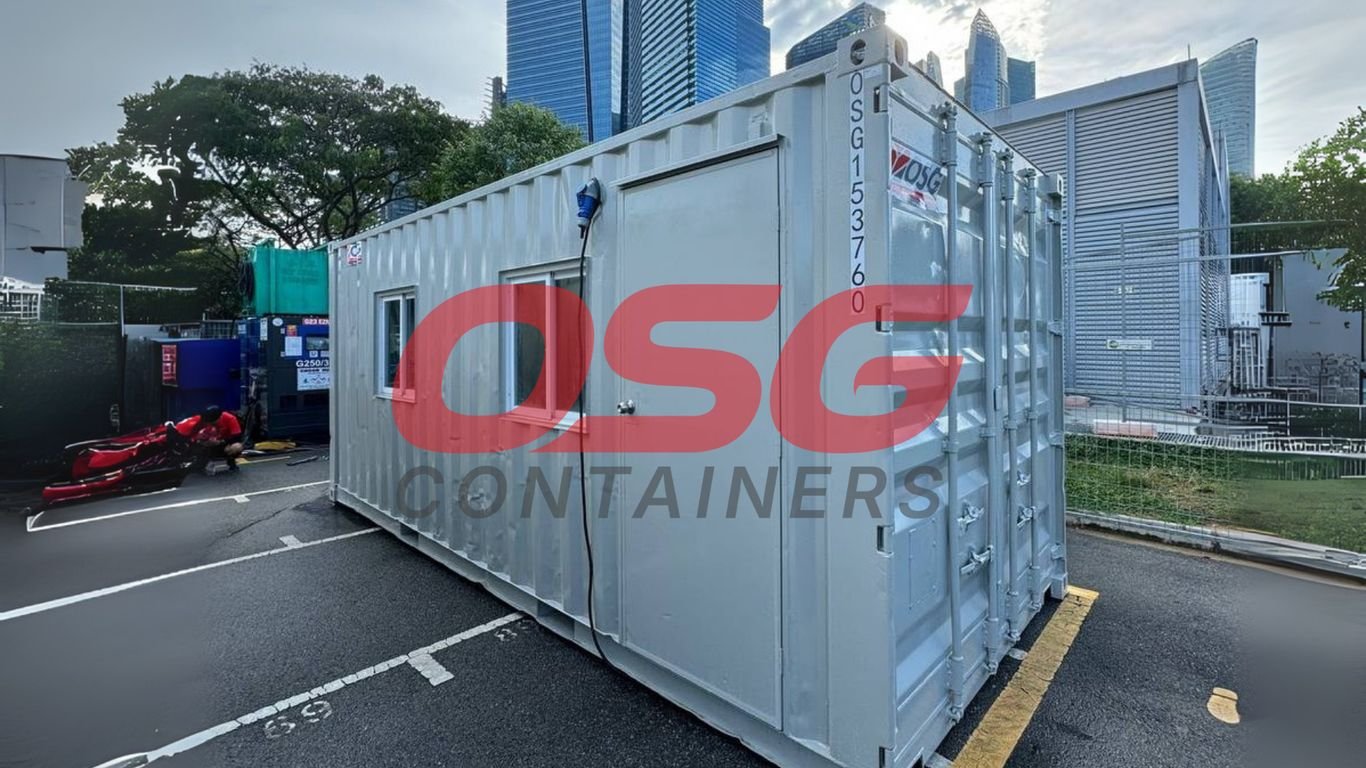
The way we work is changing, and so are our offices. Forget those old, stuffy cubicles. We’re talking about using shipping containers to build cool, flexible workspaces. These container offices are popping up everywhere, and for good reason. They offer a fresh take on creating places where people can actually get stuff done, collaborate, and feel good about being at work. Let’s look at why these repurposed boxes are becoming a smart choice for businesses today.
Key Takeaways
- Container offices offer a flexible and adaptable way to create modern workspaces, moving beyond traditional office layouts.
- These modular setups can be quickly reconfigured to suit different tasks, promoting productivity and efficient workflows.
- Container offices can be designed to spark creativity and innovation, with spaces for brainstorming and hands-on projects.
- Technology integration in container offices bridges physical and digital divides, supporting seamless collaboration for all team members.
- Balancing vibrant social areas with quiet zones in container offices supports the full spectrum of work, from intense focus to casual interaction.
Reimagining The Office Space With Container Offices
Forget those old, stuffy offices that felt like they were designed for robots. The way we work is changing, and our workspaces need to keep up. Shipping containers are stepping in as a surprisingly smart way to build offices that are actually useful for today’s teams. They’re not just metal boxes; they’re a blank canvas for creating environments that feel fresh and work better.
Creating Adaptable and Innovative Environments
Think about it: businesses today need to be able to pivot quickly. A project might suddenly need more space, or a team might need a dedicated spot for brainstorming. Traditional offices are often rigid, making these kinds of changes a huge hassle. Container offices, on the other hand, are built for flexibility. You can add more units, rearrange them, or even move them entirely. This means your office can grow or shrink with your company’s needs, without a massive renovation.
- Quick Setup: Get a new workspace up and running much faster than with conventional construction.
- Customizable Layouts: Design spaces that fit your specific workflow, not the other way around.
- Future-Proofing: Easily adapt to changing team sizes or project demands.
The old idea of a fixed office space just doesn’t fit the modern business world. We need places that can change as fast as our ideas do.
Scalability and Versatility in Office Design
One of the biggest wins with container offices is how easy it is to scale up or down. Need to add a few more people? Just add another container. Want to create a quiet zone away from the main hustle? A container can be easily sectioned off. This modular approach means you’re not stuck with a space that’s too big or too small. It’s about having the right setup for whatever the day throws at you.
| Feature | Traditional Office | Container Office |
|---|---|---|
| Expansion Cost | High | Moderate |
| Setup Time | Long | Short |
| Reconfiguration | Difficult | Easy |
Transforming Containers into Modular Setups
These containers aren’t just stacked up and called an office. They’re transformed into functional, attractive workspaces. Imagine a series of containers linked together, creating different zones for different activities – a collaborative hub here, a quiet focus area there. This modularity allows for a truly tailored office design, moving away from the one-size-fits-all approach that often falls flat. It’s about building a workspace that actively supports how your team actually works, not how you think they should.
Enhancing Productivity And Efficiency Through Container Offices
Quick Adaptation for Diverse Tasks
Container offices really shine when it comes to being flexible. Unlike a fixed building, you can change these spaces up pretty easily. Need a spot for a big team meeting one day and then quiet individual work the next? A container setup can handle that. Think about a standard 20ft container; it can be outfitted for almost anything. It’s not just about having a place to sit; it’s about having the right place for the task at hand. This means less time wasted trying to make a space work and more time actually getting things done. It’s a practical approach to office design that just makes sense for how we work now.
Personalized, Function-Driven Settings
Forget the one-size-fits-all office. Container offices let you tailor the environment to your team’s specific needs. Whether it’s a construction site needing a robust site office or a tech startup wanting a creative hub, the interior can be customized. You can add specific workstations, meeting areas, or even quiet zones. This focus on function means people have what they need right where they need it, cutting down on distractions and boosting focus. It’s about creating a workspace that actively supports the work, rather than getting in the way.
Uninterrupted Workflows and Workforce Satisfaction
When your workspace can keep up with your business, things just flow better. The modular nature of container offices means that as your team grows or projects change, your office can adapt without major disruption. This agility keeps projects moving forward and reduces the frustration that comes with being stuck in an inflexible space. Happy workers are productive workers, and having a well-designed, adaptable space contributes a lot to that. It shows you care about providing a good working environment, which can make a big difference in morale and output.
The ability to quickly reconfigure and customize container offices means businesses can respond to changing demands without the lengthy delays and high costs associated with traditional construction. This adaptability is key in today’s fast-paced business world.
Here’s a quick look at how container offices can be adapted:
- Project Management Hub: Centralize plans, conduct site meetings, and manage daily operations.
- Team Collaboration Zone: Outfit with whiteboards, comfortable seating, and tech for group work.
- Individual Focus Pods: Create quiet, private spaces for concentrated tasks.
- Client Reception Area: Provide a professional and welcoming space for visitors.
Fostering Innovation And Creativity In Container Offices
Sometimes, you just need a space that sparks new ideas, right? Traditional offices can feel a bit… stale. Container offices, though, offer a really cool chance to build environments that actually encourage your team to think differently. It’s not just about having a desk; it’s about creating a vibe that gets the creative gears turning.
Designing for Out-of-the-Box Brainstorming
Forget stuffy boardrooms. Imagine a container kitted out with comfy seating, maybe some beanbags, and plenty of whiteboard space. Think about adding some fun lighting or even a small area for quick breaks. These spaces are meant to feel different, to break the routine and get people talking freely. It’s about making it easy for spontaneous ideas to pop up and be shared without anyone feeling awkward.
Maker Spaces for Hands-On Innovation
What if your team needs to actually build or test something? Container offices can easily become dedicated maker spaces. You could outfit them with 3D printers, tools for prototyping, or even just a large workbench. This hands-on approach is fantastic for problem-solving and developing new products or services. It’s a place where ideas become tangible.
Here’s a quick look at what you might find in a maker-focused container:
- 3D printers and filament
- Basic toolkits (screwdrivers, wrenches, pliers)
- Soldering stations
- Large work surfaces
- Storage for materials and prototypes
Transforming Spaces into Creative Sanctuaries
Beyond just brainstorming and making, these containers can be designed as quiet retreats for deep thinking or focused creative work. Adding elements like plants, natural light, and comfortable, non-traditional furniture can make a huge difference. It’s about creating a calm atmosphere where individuals can really focus and let their imagination wander.
Creating these specialized zones within a container setup means you’re not forcing creativity into a box – you’re building a box that helps creativity grow. It’s a practical way to support different kinds of thinking and working.
Integrating Technology For Seamless Collaboration
Bridging Physical and Digital Worlds
In today’s work setup, where folks might be in the office one day and working from home the next, making sure everyone can connect and share ideas easily is a big deal. It’s not just about having the latest gadgets; it’s about making technology work so smoothly that you barely notice it. When the tech just works, people can focus on what they’re actually doing, not on wrestling with cables or figuring out software. Think about it: if starting a video call takes longer than the actual meeting, that’s a problem. Container offices can be set up with integrated tech solutions that make this whole process feel natural, whether you’re in the room or joining from miles away.
Interactive Displays for Unified Spaces
Forget those old projectors and clunky screens. Modern container offices can feature large, interactive displays. These aren’t just for looking at; they’re for doing. Team members, both present and remote, can draw on them, add notes, and work together on the same digital canvas in real time. This makes everyone feel like they’re in the same room, no matter where they are. It really helps blur the lines between who’s physically there and who’s joining online, creating one cohesive workspace.
Empowering Remote and In-Person Teamwork
Making sure remote workers feel just as involved as those in the office is key. This means equipping your container office with smart tools. We’re talking about things like cameras that automatically follow the speaker, so remote participants don’t miss a beat. Good audio is also super important – multiple microphones spread around the room mean everyone’s voice is heard clearly. When the technology is set up right, it supports everyone equally, helping teams work together better, no matter their location.
Here’s a quick look at what makes tech integration work:
- Smart Cameras: Automatically adjust to focus on the person speaking.
- Quality Audio Systems: Ensure clear sound for everyone, near or far.
- Wireless Screen Sharing: Lets anyone connect their device and share content quickly.
- Interactive Whiteboards: Allow for real-time collaboration on digital surfaces.
The goal is to make technology an invisible helper, not a hurdle. When the tools are intuitive and well-placed, they support collaboration without getting in the way. This allows teams to be more productive and feel more connected, bridging the gap between different work locations.
Building An Ecosystem Of Collaborative Zones
Forget the idea of one giant, noisy room for everyone. That approach usually just ends up being distracting. A truly effective workspace is more like a collection of different spots, each built for a specific reason. It’s about giving people the freedom to pick the right place for whatever they’re doing at that moment.
Beyond The Open Floor Plan
Trying to make a single open space work for every kind of task is a losing game. Some people need to chat and bounce ideas around, while others need dead quiet to focus. The trick is to create a variety of zones that cater to different needs. Think of it like a well-equipped workshop – you wouldn’t use a hammer for a delicate job, right? The same applies to office spaces. We need areas for quick chats, places for deep project work, and spots for those random conversations that often lead to the best ideas.
Purpose-Built Zones for Specific Tasks
Let’s break down some of the key zones that make a collaborative environment really work:
- Huddle Rooms: These are small, private spots for quick meetings of two to four people. They’re perfect for hashing out a problem, a daily check-in, or a private video call. They usually have a small table, comfortable seating, and tech for easy screen sharing.
- Project War Rooms: When a team needs to really dive deep into a project for days or weeks, this is their command center. These spaces are designed to keep all the project materials visible – think big whiteboards and flexible furniture. It helps teams maintain momentum without constantly packing up.
- Social Hubs: These are the casual spots designed for spontaneous interactions. Comfortable seating, maybe near a coffee station, makes it easy for people to bump into each other and chat, sparking new ideas.
The goal isn’t just to have different rooms, but to create a flexible system where people can easily move between spaces that support their current task and mood. This adaptability means the office itself becomes a tool that helps people work better.
Lessons from the Coworking Playbook
Coworking spaces have figured out a lot about making different types of people work well together. They understand that variety is key. You’ll often find a mix of:
- Open Collaboration Areas: Lively spots for group work and brainstorming.
- Quiet Focus Pods: Small, enclosed spaces for deep concentration.
- Social Lounges: Comfortable areas for breaks and informal networking.
By offering this range, container offices can borrow from that success, providing a dynamic environment that supports the full spectrum of work activities, from intense focus to casual idea exchange.
Balancing Vibrant Hubs And Quiet Zones
Think about it: not everyone works best with constant chatter. Some folks need silence to really get their brains going, while others thrive on the energy of a busy space. Container offices, with their modular nature, are actually pretty great at letting you build both kinds of areas.
Designing for Interaction and Introspection
It’s not just about having one big open area anymore. A smart office design mixes things up. You want places where people can bump into each other, share ideas on the fly, and just generally feel connected. These are your vibrant hubs. But you also absolutely need spots where someone can go to really focus, without being interrupted by a loud phone call or someone walking by. These are your quiet zones.
- Vibrant Hubs: Think comfy seating areas, maybe near a coffee station, where spontaneous conversations can happen. These are great for team building and those ‘aha!’ moments that come from casual chats.
- Quiet Zones: These could be small, enclosed pods or rooms with good soundproofing. They’re for tasks that need deep concentration, like writing reports or coding.
- Flexible Spaces: Some areas can be adapted. Maybe a room that’s a meeting space during the day can become a quiet work zone after hours.
The key is giving people options. When employees can choose the environment that fits their task, they’re more likely to be productive and happy.
Creating Focus Pods and Social Cafes
Container offices make it easy to set up these distinct zones. You can use one container as a bright, open social cafe with tables and chairs, perfect for informal meetings or a quick lunch break. Then, another container, perhaps with extra insulation and sound-dampening materials, can become a dedicated ‘focus pod’ area. These pods might be just big enough for one or two people, equipped with a desk, a comfortable chair, and good lighting.
Building a workspace that caters to different needs isn’t a luxury; it’s a necessity for modern teams. It acknowledges that work isn’t a one-size-fits-all activity. By providing a range of environments, you support the full spectrum of how people actually get things done.
Supporting the Full Spectrum of Work
So, how do you actually make this happen? It’s about intentional design. You might have a larger container set up as a collaborative zone with a big screen for presentations and plenty of whiteboard space. Nearby, you could have smaller, more private containers acting as phone booths or individual workspaces. This way, someone can step away from the main buzz for a private call or focused work without leaving the office premises. It’s about creating a mini-ecosystem within your workspace, where every need is met.
Embracing Biophilic Design In Container Offices
Bringing The Outdoors In
Let’s talk about making these container offices feel less like, well, containers, and more like actual places people want to be. One of the best ways to do this is by bringing nature inside. It sounds simple, but it makes a big difference. Think about it: most of us spend our days indoors, away from trees and sunlight. Adding plants and using natural materials can really change the vibe.
Natural Lighting and Living Walls
One of the first things you’ll notice is how much better natural light feels. Big windows in container offices let in sunlight, which is not only good for your mood but also helps regulate your body clock. It’s like syncing up with the day naturally. Then there are living walls – basically, walls covered in plants. They look cool, sure, but they also clean the air. It’s a win-win. Plus, having greenery around just makes the space feel more alive and less sterile. It’s a simple way to make a big impact on how people feel while they’re working.
Enhancing Well-being and Engagement
When you add these natural elements, people tend to feel better. Less stress, more energy – it’s pretty straightforward. It’s not just about making the office look nice; it’s about creating an environment where people can actually do their best work because they feel good. This connection to nature can really boost creativity and make everyone feel more connected to their surroundings. It’s about building a workspace that supports not just the tasks at hand, but the people doing them.
Designing with nature in mind isn’t just a trend; it’s a smart way to create spaces that support both productivity and personal well-being. It acknowledges that humans are part of the natural world and thrive when that connection is maintained, even in an office setting.
Here are a few ideas to get you started:
- Incorporate plenty of natural light: Maximize window space and consider skylights if possible.
- Add indoor plants: From small desk plants to larger floor plants, greenery makes a difference.
- Use natural materials: Think wood accents, stone features, or natural fiber textiles.
- Consider water features: A small tabletop fountain can add a calming element.
Embracing The Future Of Work With Container Offices
A Game-Changer For Modern Workplaces
The way we work is changing, and our offices need to keep up. Container offices are stepping in as a really practical solution for businesses looking to be more flexible. Think about it: a standard 20 foot container can be transformed into a functional workspace surprisingly quickly. This isn’t just about having a place to sit; it’s about creating environments that actually help people do their best work. These adaptable spaces are setting a new standard for what an office can be.
Breaking Down Collaboration Barriers
Container offices are fantastic for getting people to work together better. You can set them up in different ways, making it easy for teams to connect, whether they’re in the same container or joining from afar. Imagine a setup where a 20 foot container is a dedicated project hub, complete with screens for video calls and plenty of whiteboard space. This makes it simple for everyone, no matter where they are, to share ideas and contribute.
Here’s how they help break down those barriers:
- Quick Setup: Get a new collaborative zone ready in days, not months.
- Flexible Layouts: Easily reconfigure spaces as project needs change.
- Tech Integration: Built-in tools for smooth communication between remote and in-person staff.
Container offices offer a tangible way to make collaboration more fluid. They move beyond the limitations of fixed walls and traditional layouts, allowing for spontaneous interaction and focused teamwork.
Working Smarter, Not Harder
Ultimately, container offices are about making work more efficient and enjoyable. They allow for personalized workspaces that fit different tasks, from quiet focus areas to lively brainstorming zones. This means less time wasted trying to make a bad space work and more time actually getting things done. It’s about creating a work environment that supports productivity without feeling rigid or impersonal. A 20 foot container can become a surprisingly effective meeting room or a quiet zone for deep thinking, proving that smart design trumps size.
Wrapping It Up
So, there you have it. Container offices aren’t just a quirky trend; they’re a practical answer for businesses needing flexible, affordable, and even eco-friendly workspaces. We’ve seen how these metal boxes can be transformed into anything from quiet focus zones to buzzing collaboration hubs. They offer a way to adapt your office space as your company grows or changes, without breaking the bank. If you’re looking for a smarter way to create a workspace that actually works for your team, giving container offices a serious look is definitely worth your time. It’s a solid option for building a modern office that’s both functional and inspiring.
Frequently Asked Questions
What exactly are container offices?
Container offices are basically workspaces built using old shipping containers. Think of them as sturdy metal boxes that can be turned into cool, modern offices. They’re a flexible and often cheaper way to create a new office space compared to building from scratch.
Are container offices good for teamwork?
Yes, they can be! Because they’re like building blocks, you can arrange them in many ways to encourage people to work together. You can create open areas for group work or smaller spots for focused team chats, making collaboration easier.
Can I make a container office my own?
Absolutely! Container offices are super customizable. You can add windows, doors, insulation, and decorate them however you like. It’s like having a blank canvas to design a workspace that fits your team’s style and needs perfectly.
Are they good for the environment?
Using shipping containers is a great way to reuse materials that might otherwise be thrown away. It’s a form of recycling, which is good for the planet. Plus, they can be built faster, using fewer resources than traditional construction.
How quickly can I get a container office?
One of the biggest perks is speed. Since the containers are already made, setting up a container office is usually much faster than building a regular office. You can often have your new workspace ready in weeks, not months.
What if my business grows and I need more space?
That’s where their modular design shines! If you need more room, you can simply add more containers to your existing setup. It’s easy to expand or even rearrange your office as your company changes, making it a really smart long-term solution.