Singapore
 Australia
 Indonesia
 Japan
Japan Malaysia
 New Zealand
 Philippines
 South Korea
 Taiwan
 Thailand
 VIETNAM
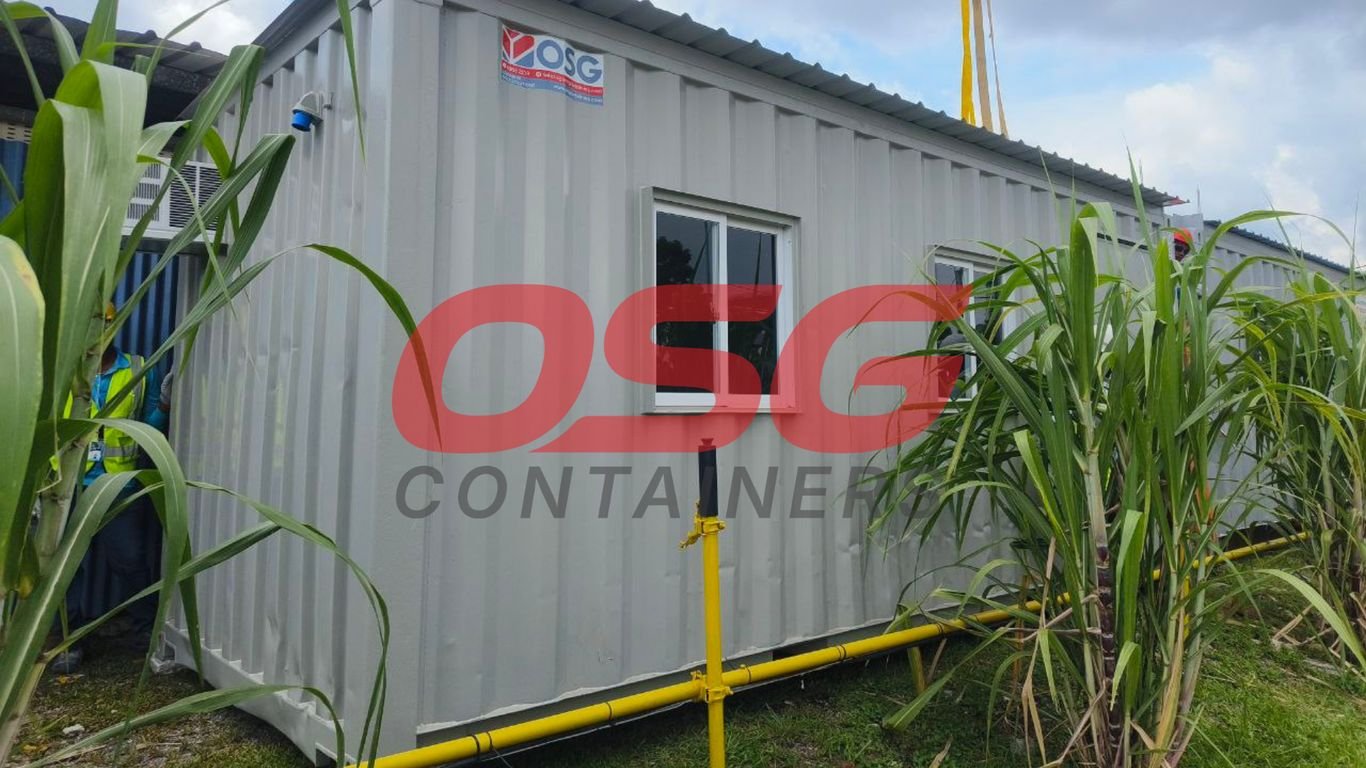
So, you’re thinking about office space, huh? Maybe for a construction site, a new project, or just a temporary spot for your team. Traditional buildings can be a real hassle – expensive, slow to build, and a pain to move. But there’s this neat alternative: container offices. They’re basically old shipping containers that get turned into functional workspaces. People are using them for all sorts of things, from quick setups to more permanent solutions. Let’s talk about why these containers are becoming such a popular choice for businesses needing a place to work, both now and down the road.
Key Takeaways
- Container offices can be set up really fast, which is great when you need to start operations right away without waiting for a traditional building.
- Their modular design means you can easily add more space as your business grows or move the whole office if needed, without having to tear anything down.
- Compared to building from scratch, container offices often cost less because they take less time to build and need simpler foundations.
- Using old shipping containers is good for the environment because it means less waste, and they can be made energy-efficient.
- These offices are super strong and can handle tough weather, and with a bit of upkeep, they can last for a really long time.
Container Offices: A Foundation For Modern Infrastructure
Rapid Deployment For Immediate Operations
When you need to get a project off the ground now, waiting for a traditional building to go up just isn’t an option. That’s where container offices really come into their own. They’re designed to be put to work fast, cutting down on the delays that can really eat into a project’s budget and timeline. This speed is their biggest advantage.
Quick Setup Minimizes Project Delays
Forget about weeks or even months of construction hassle. These units can often be delivered and set up in a matter of days, sometimes even hours. This means your project managers, site supervisors, and admin staff can start working from day one. No more scrambling to find temporary space or dealing with the headaches of traditional site setup. A big part of this speed comes from not needing fancy, permanent foundations. They can usually just be placed on a level, compacted surface. This cuts down on site prep work significantly. You’re not pouring concrete that you’ll just have to break up later, which saves time and money.
Establishing Operational Bases Swiftly
Think about it: you need a place for meetings, planning, and keeping track of everything happening on site. Container offices provide that immediate, professional base. They can be configured to include:
- Desks and workstations
- Meeting tables
- Storage for plans and equipment
- Basic amenities like lighting and power
These containers aren’t just for one thing. A single container can be set up as a reception area, a private office, a meeting room, or even a break space. When you combine multiple units, the possibilities really open up. It’s about creating a functional layout that suits the specific tasks and workflow of your team. This adaptability is why they’re becoming popular for everything from construction site offices to pop-up retail spaces.
Versatile Applications For Container Offices
Construction Site Headquarters
For any construction project, big or small, having a central point of operations is key. Container offices are fantastic for this. They can be dropped right onto the job site, giving your project managers and site supervisors a dedicated space to work from. This means less time spent running back and forth to a distant office and more time actually managing the project. You can even link a few together to create a bigger complex for larger sites, with separate areas for different teams or meetings. It really streamlines how things get done on-site. The ability to quickly set up a functional workspace directly on the construction grounds means teams can hit the ground running.
Remote Field Offices
Sometimes, your work takes you far from the usual city bustle. Think about remote research stations, mining operations, or even temporary setups for events. Getting traditional buildings to these places can be a huge headache, or just not possible. Container offices, however, can be transported to almost any location that a truck can reach. They provide a solid, secure, and comfortable workspace no matter how isolated the location. They’re built tough, so they can handle pretty rough conditions and keep your team productive, even miles from anywhere. Need to set up a temporary facility for a few months? A container office is a practical solution. A standard container 20 ft unit can be a great starting point for these remote needs.
Event Management Control Rooms
When you’re managing an event, whether it’s a music festival, a sporting competition, or a large corporate gathering, you need a central hub for coordination. Container offices are perfect for this. They can be quickly deployed to the event site, providing a secure and functional space for your event managers, security teams, and technical staff. You can set them up as communication centers, first-aid stations, or ticketing booths. Their modular nature means you can scale up or down depending on the event’s size. Even an open top container can be adapted for specific uses, like a temporary information kiosk with added weather protection.
Container offices are not just boxes; they are adaptable modules that can be configured to meet a wide range of operational demands. Their strength lies in their ability to be placed where needed, when needed, and then easily moved or reconfigured for the next task.
Here’s a look at how they can be used:
- Project Management Hub: Centralized office for site supervisors and project leads.
- Team Break Rooms: Providing a comfortable space for workers on long shifts.
- Security Checkpoints: Secure stations for monitoring site access.
- Temporary Retail Kiosks: Quick setup for pop-up shops or information booths.
Customization And Comfort In Container Office Design
Climate Control and Essential Amenities
Forget the idea of a cold, metal box. Modern container offices can be outfitted to be just as comfortable as any permanent building. We’re talking about proper insulation, so your team stays warm in the winter and cool in the summer. Installing a good HVAC system is a game-changer for year-round usability. Beyond temperature, you can add plumbing for restrooms and even small kitchenettes. Having these basic amenities right on-site means fewer interruptions and a happier crew.
Integrated Technology Infrastructure
Staying connected is non-negotiable these days. Container offices are fully capable of supporting your tech needs. We can run all the necessary wiring for reliable internet, whether that’s high-speed fiber or a robust Wi-Fi network. Plenty of power outlets are standard, so all your computers, printers, and other equipment can be plugged in without issue. If you need a dedicated spot for servers or networking gear, that can be arranged too. The goal is to make sure your container office works as hard as any traditional setup.
Aesthetic Enhancements For Professional Appeal
Who says a container office has to look industrial? You have a lot of say in how it looks. Exterior paint in your company colors, custom signage with your logo, or even modern cladding can give it a sharp appearance. Inside, you can choose different flooring, wall finishes, and ceiling options. Adding more windows or even glass doors can make the space feel bigger and let in natural light. It’s all about creating a professional environment that makes your business look good.
Here’s a quick look at common comfort and tech additions:
- Climate Control: HVAC systems, insulation, ventilation.
- Plumbing: Restrooms, sinks, small kitchenettes.
- Electrical: Full wiring, ample outlets, lighting.
- Connectivity: Internet (fiber, Wi-Fi), phone lines, network cabling.
Building a functional and comfortable workspace doesn’t always require a massive construction project. Container offices offer a practical way to get the facilities you need, quickly and affordably, without sacrificing quality or comfort.
Structural Advantages And Long-Term Durability
Durable and Secure for Business Use
These aren’t your average flimsy sheds. Shipping containers are built from thick, high-grade steel, designed to withstand the rigors of international shipping. That means they’re inherently tough, capable of handling significant weight and impact. This robust construction provides a secure shell for your business operations, offering peace of mind against everyday wear and tear. They’re not going to buckle under pressure or easily fall apart, making them a reliable choice for a functional workspace.
Weather Resistance For Harsh Conditions
Think about what a shipping container goes through on the ocean – salty air, strong winds, heavy rain, and drastic temperature changes. They’re engineered to handle all of that. This translates directly to their performance as offices. You can count on them to keep your team protected from the elements, whether you’re dealing with:
- Driving rain
- Gusty winds
- Extreme heat or cold
- Even coastal salt spray
This resilience means fewer worries about leaks, drafts, or structural damage, even in less-than-ideal locations.
Environmentally Friendly and Reusable
Beyond just being tough, these containers offer a significant environmental benefit. By repurposing a container, you’re diverting a large piece of steel from a landfill. It takes far less energy and fewer new materials to convert a container into an office than it does to build a traditional structure from scratch. This reuse aspect significantly lowers the carbon footprint associated with your workspace. Plus, their inherent durability means they can be used and reused for many projects over their lifespan, further reducing waste.
The steel frame of a container is designed for stacking, meaning it has incredible load-bearing capacity. This inherent strength allows for modular designs, where units can be placed side-by-side or stacked multiple stories high without needing extensive, complex support systems for each individual module. It’s a smart way to build up or out as needed.
When you look at the long haul, a well-maintained container office can last for decades. Unlike wood structures that can rot or materials that degrade quickly, steel offers longevity. A bit of upkeep, like addressing any surface rust or repainting as needed, will keep your container office in good shape for years, project after project. It’s a solid investment in a structure that’s built to last.
The Economic Benefits Of Container Offices
When you’re trying to get a project off the ground or just need a place to work without breaking the bank, the cost is usually the first thing on your mind. Traditional buildings can feel like a huge financial commitment, with all sorts of hidden fees and long build times. That’s where container offices really start to shine. They offer a way to get a functional workspace up and running much faster and for a lot less money than you might think.
Cost-Effective Alternative to Permanent Structures
Let’s be real, building something from scratch is expensive. You’ve got materials, labor, permits, and then all the stuff you didn’t even think about. Container offices skip a lot of that. Since you’re starting with a pre-made steel box, you’re already ahead of the game. Think about it: four walls, a roof, and a floor are already sorted. This means way less material needed and a lot less time for workers to put it all together. It’s a smart way to save cash, especially if you’re a startup or managing a project with a tight budget.
Reduced Lead Times Compared to Permanent Buildings
Time is money, right? With container offices, you get operational much quicker. A lot of the work, like cutting openings for doors and windows or adding insulation, can happen off-site. Then, when the container arrives, it’s mostly about setting it up and connecting utilities. This speed means you can start generating revenue or moving your project forward sooner, which is a big win. Waiting months for a traditional building to be finished just isn’t an option for many businesses today.
Space-Saving and Portable Designs
Need to move your office? No problem. Container offices are built to be moved, whether it’s across town or to a whole new job site. They’re also designed to be stacked, so you can make the most of your space, even if you don’t have a lot of land to work with. This flexibility is a huge advantage. You’re not tied down to one location, and you can easily expand or reconfigure your workspace as your needs change. It’s a practical solution for businesses that need to be agile.
The upfront investment for a container office is significantly lower than for conventional construction. This includes reduced costs for site preparation, foundation work, and overall construction materials. The predictable pricing structure also helps businesses manage their finances more effectively, avoiding unexpected expenses that often plague traditional building projects.
Adapting Container Offices For Diverse Business Needs
Container offices aren’t just for one-off projects anymore. They’re becoming a go-to for all sorts of businesses looking for flexible, adaptable spaces. Think about it: you can take a standard 20 feet container and turn it into something totally unique for your company. This adaptability is what makes them so useful for a wide range of applications.
Pop-Up Corporate Campuses
Need a temporary headquarters for a large event or a short-term project? Container offices are perfect for this. You can link multiple units together to create a whole campus. Imagine a central admin area, connected to smaller meeting rooms, and even a break space, all made from repurposed shipping containers. This modular approach means you can scale up or down as needed, and when the project is done, you can easily move or repurpose the units. It’s a smart way to get a fully functional office space up and running quickly without the commitment of a permanent building.
Healthcare And Rural Business Solutions
In areas where permanent structures are hard to build or too expensive, container offices offer a practical solution. For healthcare, a modified 20 feet container can become a mobile clinic, a testing center, or even a temporary pharmacy. They can be deployed quickly to serve remote communities or areas affected by natural disasters. Rural businesses can use them as sales offices, workshops, or storage facilities. The durability of these units means they can withstand various weather conditions, making them reliable in challenging environments.
Tech Companies And Innovation Hubs
Even tech companies, known for their modern offices, are finding uses for container spaces. They can be used for temporary R&D labs, overflow office space during rapid growth, or even as unique co-working spaces. The ability to customize them with integrated technology, like high-speed internet and power, makes them suitable for tech-focused operations. Plus, their industrial-chic aesthetic can fit right in with a startup vibe. You could even create a series of connected containers for different teams, fostering collaboration while maintaining individual workspaces.
Here’s a look at how you might configure a few units:
| Configuration | Description |
|---|---|
| Single Unit Office | A 20 feet container set up as a private office or small team workspace. |
| Connected Units | Two or more containers joined to create a larger office, meeting room, etc. |
| Stacked Units | Utilizing vertical space for multi-level offices or storage. |
The beauty of container offices lies in their inherent flexibility. They are not just boxes; they are building blocks that can be arranged and outfitted to meet very specific operational needs, from a simple site office to a complex, multi-unit workspace.
The Takeaway: More Than Just a Box
So, when we look at container offices, it’s clear they’re way more than just a quick fix for temporary needs. They’re tough, adaptable, and can be set up pretty much anywhere, fast. Whether it’s a busy construction site, a remote research outpost, or even a pop-up shop, these units offer a solid workspace. They’re not just about saving money or time, though those are big pluses. It’s about having a functional, comfortable, and professional space that can move and change with your project. Thinking of them as a core part of your infrastructure, not just a temporary spot, really changes how you can plan and execute your work.
Frequently Asked Questions
What exactly is a container office?
A container office is basically a big metal shipping box that’s been changed into a place to work. Think of it like a portable office that you can put almost anywhere. They’re made from strong steel and can be set up really quickly for all sorts of jobs.
Why are container offices better than regular buildings for temporary needs?
Container offices are way faster to set up and cost less than building something from scratch. Plus, if you need to move your office later, it’s much easier to move a container than a whole building. They’re also super tough and can handle bad weather.
Can I make a container office comfortable and useful?
Absolutely! You can add things like heating and air conditioning to keep it comfy all year round. They can also have lights, power outlets, and even bathrooms or small kitchen areas. You can set them up with desks, chairs, and storage, just like a normal office.
Are container offices strong enough for tough jobs?
Yes, they are built from really strong steel, like the kind used for shipping things across oceans. This makes them very durable and secure. They can handle wind, rain, and other tough weather conditions, keeping your workspace safe.
Can I use container offices for different kinds of businesses?
Definitely! They’re great for construction sites, remote work spots, event control rooms, temporary clinics, or even pop-up shops. Businesses use them for all sorts of projects because they’re flexible and can be changed to fit different needs.
Is using a container office good for the environment?
Yes, it can be! Using old shipping containers means you’re reusing materials instead of making new ones. This cuts down on waste. They can also be made energy-efficient with good insulation, which is better for the planet.