Singapore
 Australia
 Indonesia
 Japan
Japan Malaysia
 New Zealand
 Philippines
 South Korea
 Taiwan
 Thailand
 VIETNAM
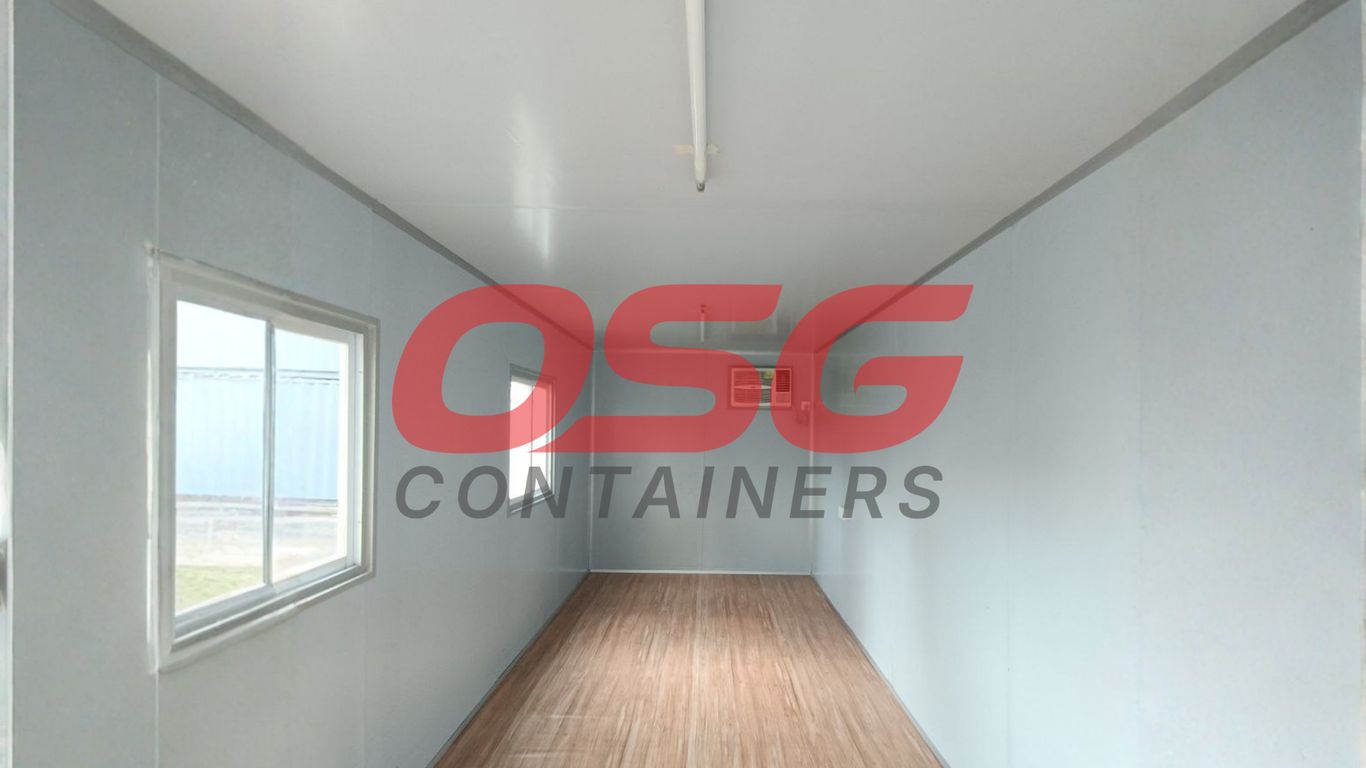
Shipping container flooring might not be the first thing you think about, but it plays a big role in how these containers are used. Whether you’re hauling goods across the ocean or turning a container into a tiny home or office, the floor has to handle a lot. There are a bunch of options out there, from classic plywood to steel and even modern vinyl planks. Each has its pros and cons, and your choice really depends on what you plan to do with the container. Let’s break down the basics of shipping container flooring and what you should know before making a decision.
Key Takeaways
- Shipping container floors are usually made from marine plywood, bamboo, or steel, each with different strengths and uses.
- Modern flooring alternatives like vinyl planks and carpet tiles are popular for container conversions, especially for residential or office spaces.
- Original plywood floors are often treated with chemicals—if you’re converting a container, sealing or replacing the floor can be a healthier choice.
- Load durability depends on the container type and flooring material, but all standard floors are built to handle heavy, evenly spread loads.
- Routine checks and quick repairs can make shipping container floors last longer, especially if you’re using the container for something other than shipping.
Understanding Shipping Container Flooring Construction
Standard Container Dimensions and Flooring
Shipping containers, like the common 20 ft container or the slightly larger 40 ft variants, are built with a specific structure to handle the rigors of global shipping. The floor is a key part of this. For a standard 20 foot sea container, the external dimensions are roughly 6 meters long and 2.4 meters wide. The internal space is a bit less, usually around 5.9 meters by 2.3 meters. The flooring itself is typically made from thick marine-grade plywood, often around 28-30 mm. This plywood is laid across a series of steel cross-members, which are spaced about 15 cm apart. These beams are welded to the main steel frame of the container, providing the necessary support.
Technical Characteristics of Container Flooring
The standard flooring material is usually a dense hardwood plywood, often sourced from tropical trees like Keruing or Apitong. This isn’t just any plywood; it’s designed for durability and resistance to moisture and pests, though it often undergoes chemical treatments for added protection. The steel cross-members underneath are typically made from Corten steel, known for its weather resistance. The floor height is usually around 6 inches off the ground, which allows for ventilation and structural support.
Here’s a quick look at typical dimensions:
| Container Type | Internal Length (m) | Internal Width (m) | Flooring Thickness (mm) | Approx. Load Capacity (kg) |
|---|---|---|---|---|
| 20′ Standard | 5.898 | 2.362 | 28-30 | 21,800 – 28,000 |
| 40′ Standard | 12.032 | 2.330 | 28-30 | 26,000 |
Load-Bearing Structure of Shipping Container Floors
The strength of a shipping container floor comes from its layered construction. The primary load-bearing elements are the steel cross-members, which run perpendicular to the container’s length. These are welded to the main steel frame and are spaced closely together, usually about every 15 cm (or 12 inches). This close spacing distributes weight evenly across the floor. The plywood sheets are then fastened securely to these steel beams. This setup is designed to handle significant weight, allowing forklifts to move cargo in and out and supporting tons of goods during transit. The entire floor system is engineered to withstand considerable stress and impact.
The construction relies on a robust interplay between the steel frame, the closely spaced cross-members, and the thick plywood. This design is not accidental; it’s a carefully engineered system meant to protect cargo and withstand the harsh realities of international shipping and repeated forklift use.
Exploring Common Shipping Container Flooring Materials
There’s more to shipping container floors than just planks nailed over some steel. Each style of flooring used in containers serves a different purpose, based on load needs, cost, maintenance, and potential uses beyond cargo transport. Let’s get into the most common materials, how they’re used, and what makes them stand out.
Marine Grade Plywood for Shipping Containers
Marine-grade plywood is the standard flooring in most shipping containers worldwide. It’s usually made from durable tropical hardwoods like Keruing or Apitong, glued together with strong, water-resistant adhesives. This kind of plywood can handle regular cargo loads, rough handling, and exposure to moisture.
Key qualities of marine-grade plywood:
- High compressive strength, supporting up to 30 tons of evenly distributed weight in standard containers
- Naturally resists fungi and decay (though still prone to damage if water pools for long periods)
- Requires strong chemical treatments for pest and mold resistance, which can be a health concern if using containers for living or office space
| Feature | Marine-Grade Plywood |
|---|---|
| Load Capacity | Up to 30 tons |
| Average Thickness | 28–30 mm |
| Common Treatments | Pesticides, antifungals |
| Risks (for reuse) | Chemical offgassing |
For people looking to convert containers into homes or shops, it’s smart to seal or even replace old plywood due to potential chemical residues.
Bamboo Flooring as an Alternative
Bamboo has become a popular option for eco-conscious builders and in areas where tropical hardwoods are scarce or expensive. It’s engineered from thin strips of bamboo fibers pressed and glued under heat, similar to plywood in structure.
Some benefits and drawbacks:
- Less harsh chemicals usually needed for treatment compared to plywood
- Comparable strength and durability (but can wear unevenly over years of heavy use)
- Renewable and grows faster than hardwood, so lower environmental impact
- Can be covered with coatings or underlays to extend life
If you’re converting a used shipping container, bamboo floors might feel a bit softer underfoot. Still, check for signs of wear or splitting if you plan to use it for heavy storage or forklift access.
Steel Flooring for Industrial Applications
You’ll mostly find steel floors in refrigerated, heavy-duty, or custom-built industrial containers. Steel sheets are welded or bolted to the floor cross-members, making the entire base one solid piece.
- Excellent resistance to wear, chemical spills, and pests
- Easy to clean and generally maintenance-free
- Adds weight to the container, affecting shipping costs
- No need for chemical treatments, so safer for indoor conversions
| Feature | Steel Flooring |
|---|---|
| Wear Resistance | Very High |
| Weight | Heavy |
| Maintenance | Low |
| Suitability | Industrial, cold storage |
Steel flooring could be overkill (and more costly) for simple cargo storage, but it’s nearly unbeatable for containers exposed to harsh environments or constant loading and unloading.
To wrap up: Picking the right container flooring is about balancing practicality, safety, and cost. If the original plywood is too far gone, bamboo or steel can offer solid solutions (each with their own quirks). And when your plans call for living or working in a container, make sure you know what’s under your feet—old chemicals or worn-out wood could cause more trouble than they’re worth.
Evaluating Modern Alternatives for Container Floors
Shipping containers have evolved far past their original purpose—just look at all those homes, offices, and pop-up shops made from them these days. Because of this, the material used for container flooring matters more than ever, especially when thinking about specific needs like storage, isotank units, or open top containers. The good news is, modern flooring options are miles ahead of the old chemically treated plywood.
Vinyl and Coin Vinyl Flooring Options
Vinyl flooring is making a name for itself as a practical solution for container floors that need to resist chemicals, water, or heavy daily use. This type of material is widely chosen for its:
- Easy cleaning and installation, even for non-professionals
- Great resistance to oils and spills, making it perfect for workshops and mobile garages
- Durability against scuffs and dents
Coin vinyl flooring steps things up, with its raised circular pattern that increases traction—a must-have if your container will see lots of foot traffic or equipment rolling over it. Forklifts and pallet jacks have a much easier (less slippery) time on this surface.
| Flooring Type | Slip Resistance | Chemical Resistance | Application Example |
|---|---|---|---|
| Standard Vinyl | Medium | High | Storage/office conversions |
| Coin Vinyl | High | High | Garages, labs, isotank areas |
For containers that store liquids (like isotank units), or when you need to clean spills in a hurry, vinyl is a total game-changer compared to traditional wood.
Imitation Wood Vinyl Planks
Sometimes, a container space needs to feel more comfortable—think about someone turning a shipping container into a home office or a tiny home. That’s where imitation wood vinyl planks come in. These are usually made from durable PVC and provide several benefits:
- They look like real wood without the hassle of sanding or sealing
- They’re water-resistant, a huge plus when dealing with condensation or leaks
- Installation is quick, using click-lock systems
This type of flooring has caught on fast with people repurposing containers for cozy spaces, not just heavy-duty use.
Commercial Carpet Tiles for Conversions
Carpet tiles seem a bit odd in a shipping container, but they’re actually super useful in conversions where comfort and soundproofing matter. Here’s why:
- Easy to swap out one tile if it gets stained or worn—no need to redo the whole floor
- Cushions sound, making containers less echoey
- Adds some warmth to what can be a pretty cold, hard surface
Just remember, any carpet setup should include waterproofing underneath. Moisture can get trapped, especially if you’re not using your container in a totally dry environment.
Modern flooring options like vinyl, imitation wood planks, and carpet tiles have brought new life to shipping container projects, offering more choices than ever for durability and comfort.
Ultimately, picking the right modern flooring comes down to thinking about how you’ll use your container—industrial open top containers and isotank units have very different flooring needs from something that’s going to serve as your backyard retreat.
Load Durability and Performance of Container Flooring
Shipping containers get beat up, and a huge part of what lets them keep going is how tough the floor is. Whether it’s hauling heavy machinery, getting driven over by a forklift a hundred times a day, or just sitting in the weather, the floor has to take a pounding and not give out.
Load Capacity of Standard Shipping Container Flooring
Most standard shipping container floors can support a load capacity between 21,800 kg and 28,000 kg for a 20-foot container and around 26,000 kg for a 40-foot container, as long as that weight is evenly spread out. Uneven weight—like what happens with a forklift tire—can stress specific spots much more than smooth, stacked cargo. Marine-grade plywood, used in most containers, gets its strength from being bolted into steel cross-members, so the force travels through the wood and spreads into the steel below.
| Container Size | Load Capacity (kg) | Flooring Material |
|---|---|---|
| 20′ Standard | 21,800 – 28,000 | Marine Plywood |
| 40′ Standard | 26,000 | Marine Plywood |
| 40′ High Cube | 26,000 | Marine Plywood |
- Plywood thickness in most units is 28–30 mm.
- Steel cross-members are spaced about 12–15 cm apart.
- Distributed loads are much less likely to cause damage than point loads.
Impact of Forklift Traffic on Container Floors
Forklift use is really hard on container floors. You’ve got thousands of pounds, focused on just a couple of wheels. Turning, stopping, and bouncing near the door is where floors take the most hits. Even a good marine plywood floor can start to break down or separate in the plies after thousands of entries by loaded forklifts. That’s why industrial and high-traffic uses sometimes call for steel-plated floors.
Common forklift-related floor issues:
- Delaminating or splitting of plywood
- Dents or holes from repeated turning
- Wear at the container threshold (near doors)
People are usually surprised by just how quickly repeated forklift trips can carve up even a thick plywood floor. It’s not the total weight that causes trouble—it’s the repetition and those tight turns, especially right along the edges.
Assessing Flooring Durability Through Testing
There are standard ways to test container floor strength. The main one—based on ISO 1496-1—uses a test vehicle (think: simulated forklift) with a loaded axle, checking if the floor can handle the concentrated weight. The original requirement was an axle load of 5,460 kg, but newer guidelines often use 7,260 kg to accommodate heavier equipment.
Typical durability tests include:
- Loaded axle vehicle driven over the floor several times
- Inspecting for cracks, separation, or deflection in flooring
- Spot checks near the doors (the highest-stress area)
- Verifying the floor is bonded properly to steel supports
| Test Standard | Axle Load (kg) | Typical Test Focus |
|---|---|---|
| ISO 1496-1 (old) | 5,460 | General load capacity |
| ISO 1496-1 (new) | 7,260 | Stronger forklift/axle traffic |
If you’re planning serious use—industrial warehousing, machinery storage, or a container-based workshop—you’ll want to check that the floor isn’t just intact but has actually passed the right strength test.
Maintenance and Repair of Shipping Container Flooring
Keeping your shipping container’s floor in good shape is pretty important, whether it’s still hauling cargo or you’re turning it into something cool like a workshop or a tiny home. The original flooring, usually marine-grade plywood, can take a beating over time. Regular attention can save you a lot of hassle and money down the road.
Recommended Maintenance Practices for Container Floors
To keep things running smoothly, a few simple habits go a long way. It’s not rocket science, just basic upkeep.
- Sweep or vacuum regularly: Get rid of dirt, dust, and any loose debris. This stops grit from acting like sandpaper and wearing down the surface.
- Clean up spills right away: Liquids, especially salty ones or chemicals, can seep into the wood and cause damage or mold. A quick wipe-down makes a big difference.
- Inspect for damage: Take a look every so often for any cracks, soft spots, or signs of rot. Catching these early means easier fixes.
- Manage moisture: Make sure your container doors seal well and consider ventilation. Condensation can be a real problem for wooden floors.
Addressing Common Damage and Repair Solutions
Sometimes, despite your best efforts, things get damaged. Here’s a look at what might go wrong and how to fix it.
- Rot or Mold: If you spot mold or soft, rotten spots, you might need to replace just that section of plywood. Improving ventilation in the container can help prevent it from coming back.
- Punctures: Forklifts or heavy equipment can sometimes put holes in the floor. Small punctures can often be filled, or a small piece of plywood replaced. For bigger holes, you might need to patch it with a new piece of plywood or even a steel plate for extra strength.
- Delamination: If the layers of the plywood start to separate, that’s a sign the adhesive has failed. This usually means the whole section, or sometimes the entire floor, needs to be replaced.
When dealing with older container floors, especially those that might have been treated with chemicals for shipping, it’s wise to be cautious. Always wear protective gear like gloves, a mask, and eye protection when cleaning or repairing. If you’re unsure about the original treatments, consider sealing the floor with an epoxy coating before using it for living spaces or sensitive storage.
Ensuring Longevity Through Proper Care
Think of your container floor like any other surface you want to last. A little bit of care upfront means it’ll serve you well for years to come. For instance, if you’re planning a conversion, sealing the original floor with a good quality epoxy can create a barrier against any residual chemicals and make it much easier to clean. If the original flooring is beyond repair or you have health concerns, replacing it entirely with a new, untreated material is always an option. Choosing materials like vinyl or specialized coatings designed for high traffic can also extend the floor’s life significantly, especially in commercial or workshop settings.
| Common Issue | Repair Method |
|---|---|
| Minor Rot/Mold | Section replacement, improved ventilation |
| Punctures/Holes | Patching with plywood or steel plate |
| Delamination | Full section or complete floor replacement |
| Chemical Contamination | Sealing with epoxy, or complete replacement |
Modifying Container Flooring for Specific Uses
So, you’ve got a shipping container and you’re thinking about changing up the floor. Maybe it’s for a cool tiny home, a workshop, or just extra storage. The original plywood floor is tough, sure, but it might not be exactly what you need, especially if you’re worried about old chemical treatments or want something that looks a bit nicer. Making changes to container flooring is totally doable and opens up a lot of possibilities.
Principles for Selecting New Container Flooring
When you’re looking to put in a new floor, think about what you’ll actually be doing in the container. Is it going to be a place where you live, work, or just store stuff? That makes a big difference.
- What’s its main job? A workshop might need something super tough and easy to clean, like vinyl with a coin pattern. A home conversion? You’ll want something more comfortable and maybe better looking, like imitation wood planks or even carpet tiles.
- Do you need to keep it warm or quiet? For living spaces, adding insulation underneath is a good idea. This means your new flooring needs to work with those extra layers.
- Are you concerned about what’s already there? If the original floor has been treated with chemicals you’re not comfortable with, you’ll want to either seal it really well or just cover it up completely.
Sealing Original Flooring for Conversions
If the original plywood floor is in decent shape and you’re not planning on heavy-duty industrial use, sealing it can be a smart move. It’s a way to create a barrier, especially if you’re worried about any old treatments. An epoxy coating is a popular choice here. It’s pretty tough, waterproof, and can make the floor look a bit more uniform. Just make sure the floor is clean and dry before you start rolling it on.
Sealing the original floor is a good middle-ground option. It adds a protective layer without the cost and effort of a full replacement, and it can help block out any lingering smells or residues from its past life as a cargo carrier.
Incorporating Insulation in Container Flooring Systems
Putting insulation under your new flooring is a game-changer, especially for living or working spaces. You’ll typically lay down a vapor barrier first, then your insulation material (like rigid foam boards), and then your chosen finished flooring on top. This setup helps keep the temperature stable and can cut down on noise.
Here’s a common layering approach for residential conversions:
- Sealant/Epoxy: Applied directly to the original plywood to act as a chemical barrier.
- Vapor Barrier & Insulation: A layer to stop moisture and provide thermal resistance (e.g., extruded polystyrene).
- Finished Flooring: Your choice of vinyl, laminate, carpet, or wood planks.
Chemical Treatments and Health Considerations
Standard Chemical Treatments on Wooden Flooring
Shipping containers, especially those made with wooden floors, often undergo chemical treatments. The main reason for this is to prevent the spread of pests and diseases during international transport. This is often done to comply with regulations like ISPM 15 (International Standards for Phytosanitary Measures). Common chemicals used can include pesticides like Aldrin, Dieldrin, Lindane, and Chlordane. While these treatments serve a purpose in cargo safety, they can release volatile organic compounds (VOCs) and potentially pose health risks, including being allergens or even carcinogens, especially if the container is repurposed for living or working spaces.
Identifying Chemical Treatments on Container Floors
Figuring out if your container’s floor has been treated can sometimes be a bit of a detective job. The easiest place to start is the container’s data plate, often called the CSC (Convention for Safe Containers) plate, usually found on the door. Look for a section that mentions "Timber Component Treatment." This might give you a clue about the type of treatment and when it was applied. However, this information isn’t always present or might be inaccurate if the flooring has been replaced. If you’re really unsure, especially if you plan to use the container for something like a home or office, it’s a good idea to get a sample of the flooring tested in a lab. Alternatively, you can just play it safe and seal the original flooring.
Recommendations for Healthier Container Flooring
When you’re thinking about converting a shipping container, especially for residential or office use, it’s really important to think about the flooring. The safest bet is always to either replace the original flooring with new material that’s certified as safe for interior use, or to thoroughly seal the existing floor. Sealing can be done with materials like epoxy coatings, which create a barrier against any potential chemical emissions from the original wood. This step is pretty straightforward and makes a big difference in creating a healthier indoor environment. If you’re just using the container for storage or workshops where people aren’t spending extended periods, the risk might be lower, but it’s still worth considering.
Here’s a quick rundown of what to consider:
- Check the CSC plate: Look for timber treatment information.
- Seal or Replace: For living/working spaces, seal the original floor with epoxy or opt for new, untreated flooring.
- Lab Testing: If in doubt, get a sample analyzed.
- Ventilation: Always ensure good airflow, especially in converted spaces.
If you’re planning a conversion, especially for living quarters, don’t skip the step of addressing the original flooring. It might seem like a small detail, but it can have a big impact on the air quality and your well-being inside the container. Taking proactive steps now can save you a lot of worry later on.
Wrapping It Up
So, we’ve looked at a bunch of different flooring options for shipping containers, from the standard plywood to newer stuff like vinyl and bamboo. It’s pretty clear that what you choose really depends on what you’re planning to do with the container. If it’s just for shipping, the tough, treated plywood works fine. But if you’re thinking about turning it into a living space or a workshop, you’ve got to be way more careful about the materials, especially those old chemical treatments. There are plenty of better, safer alternatives out there now, and it’s worth looking into them. Whatever you pick, keeping an eye on the floor’s condition and doing basic maintenance will go a long way in making sure it lasts.
Frequently Asked Questions
What is the floor of a shipping container usually made of?
Most shipping containers have floors made of thick, strong plywood, usually from tropical hardwoods. This wood is chosen because it can handle heavy loads and resist moisture pretty well. Sometimes, you might find steel or aluminum floors, especially in special containers.
Is the original plywood flooring safe for living in?
The original plywood might have been treated with chemicals to prevent bugs and rot. These chemicals aren’t great for people to be around all the time. If you want to use a container as a home or office, it’s best to either seal the original floor really well with something like epoxy or replace it with new, untreated flooring.
How can I tell if the container floor has been treated with chemicals?
Sometimes, information about how the wood was treated is on a sticker called the CSC plate on the container. If you can’t find that info, or if you’re unsure, it’s a good idea to get a sample of the flooring tested in a lab, or just assume it has been treated and seal it properly.
How long does shipping container flooring typically last?
Plywood floors can last anywhere from 10 to 20 years, depending on how much weight they carry and how well they’re taken care of. Floors made of steel or aluminum can last much longer, often 20 to 30 years or even more.
Can I add insulation under the container floor?
Yes, you can add insulation. When converting a container, people often put layers of insulation, like foam boards, underneath or on top of the original floor. It’s important to also add a vapor barrier to stop moisture from getting in.
What are some good flooring alternatives if I don’t want to use the original plywood?
There are many great options! You could use vinyl flooring, which is tough and waterproof. Bamboo is a more eco-friendly wood choice. For a nicer look, imitation wood planks made of vinyl are popular for homes. Commercial carpet tiles are also an option for a softer feel and easier replacement if one gets damaged.