Singapore
 Australia
 Indonesia
 Japan
Japan Malaysia
 New Zealand
 Philippines
 South Korea
 Taiwan
 Thailand
 VIETNAM
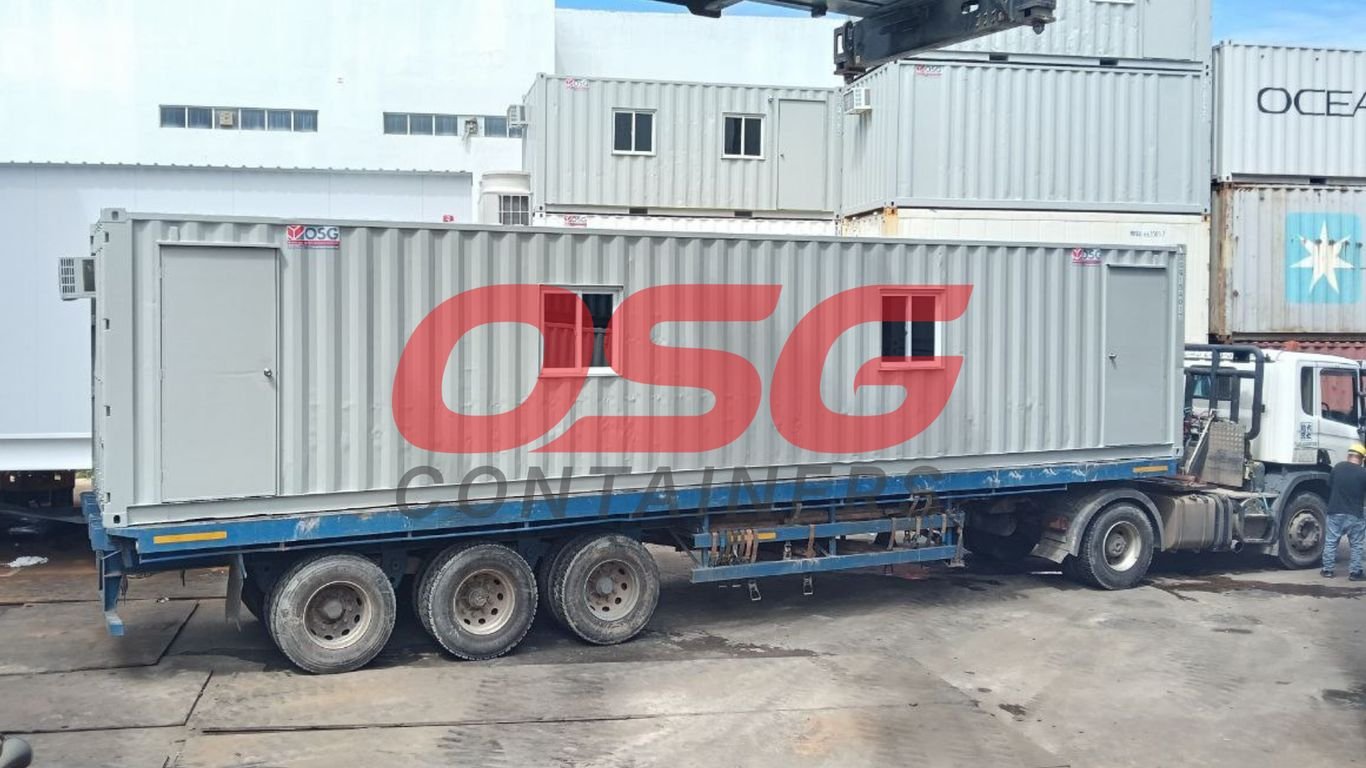
Loading a 40 feet container can seem straightforward, but there are many ways to mess it up, leading to wasted space and extra costs. It’s like trying to pack a suitcase for a long trip – if you don’t plan it right, you end up with stuff everywhere and not enough room for what you actually need. We’ll look at some common blunders people make when loading a 40 feet container and how to avoid them.
Key Takeaways
- Leaving empty spaces in a 40 feet container is a big no-no; it just means you’re paying for air and not getting your money’s worth.
- Don’t overload your 40 feet container beyond its weight limit. It’s dangerous, illegal, and can cause serious damage.
- Securing your cargo properly in the 40 feet container is super important to stop things from moving around and getting broken.
- Using smart stacking and packaging methods helps you fit more into your 40 feet container, saving you cash.
- Always check the container itself and your cargo details before you start loading a 40 feet container to catch any problems early.
Common Container 40 Feet Loading Mistakes
Even if you’ve packed dozens of containers before, it’s surprisingly easy to mess things up in ways that waste space or even damage your cargo. Let’s break down some of the most frequent mistakes people make when loading a 40-foot container, and talk about how they hurt efficiency.
Leaving Empty Gaps
Leaving spaces between cargo may feel harmless, but these gaps lead to unstable loads and wasted container space. If items shift during transit, you get increased risk of breakage or spillage. Plus, every inch you leave unused is money thrown away on wasted shipping volume.
- Unfilled space encourages cargo movement and potential damage
- You’ll end up paying more per unit shipped due to less volume used
- Unbalanced loads lead to tricky unloading, which can slow down operations
| Problem | Impact |
|---|---|
| Empty gaps | Damaged goods, waste |
| Poor stacking | Unbalanced, unsafe load |
| No dunnage | Cargo moves, risk rises |
Watch out for wasted pockets of space between pallets or boxes. Over time, repeated small mistakes really add up.
Overloading Beyond Weight Limits
It’s tempting to squeeze in just one more pallet or heavy crate, but there’s a hard limit for a reason. Overloading your 40-foot container endangers your cargo, risks fines, and can cause real trouble at weigh stations.
- Triggers overweight fees and delays at ports
- May damage the container, especially the floor
- Can throw off vehicle handling during transport
If you ignore the posted maximum weight, you run the risk of:
- Damaged goods from floor bowing or collapsed stacks
- Delays or rejection at shipping terminals
- Penalties, sometimes costing as much as the shipment itself
Poor Cargo Securing
No one wants to open a container and find boxes toppled or products scattered. Failing to tie down or secure your load isn’t just risky—it’s expensive and, sometimes, dangerous.
- Items not strapped or blocked can shift, tip, or fall during transit
- Boxes collapse under weight if not properly stacked and secured
- Fragile items may end up damaged beyond use
In practice, you’ll want to:
- Use straps, blocks, or netting to lock everything in place
- Always load heavier objects on the bottom, lighter on top
- Double-check your lashing points and fill gaps with dunnage
Spending an extra 30 minutes to secure the load is way better than losing $10,000 in ruined cargo at the destination.
Strategic Loading for Container 40 Feet Efficiency
Loading a 40-foot container wisely doesn’t just make your life easier—it actually means you’ll fit more inside, save money, and avoid breakage. Believe it or not, most loading mistakes can be fixed by a bit more planning at the start.
Optimizing Packaging and Palletizing
Thoughtful packaging and pallet sizing are the backbone of a well-packed container. Before anything gets loaded, double-check that you’re using stackable, right-sized pallets—ones that match the container’s width are especially helpful. Here are a few practical steps:
- Stick to uniform box sizes and stack them tightly to reduce wasted space.
- Shrink-wrap or strap pallets to keep items together.
- When it comes to pallets, sometimes loose loading suits weird-shaped goods or textiles, but most of the time standardized pallets are faster and make for simpler stacking.
| Pallet Type | Fits Across (mm) | Stacking Benefit |
|---|---|---|
| Euro (1200×800) | 2 | Great for tight fit |
| Standard (1200×1000) | 2 | Good for heavy items |
| Custom | Varies | Supports unique goods |
Stackable packaging and sturdy pallets not only prevent shifting in transit, they also speed up loading and unloading at both ends.
Following an Efficient Loading Plan
Rushing into loading is where most mistakes happen. With a proper plan, you’ll dodge trouble like uneven weight or crushed boxes further in. Here’s a straightforward pattern to follow:
- Load heaviest items in first and put them flat, near the floor and center.
- Layer lighter boxes above or beside them, building up as you go.
- Fill in gaps as you spot them—don’t leave weird holes or you’ll lose usable space.
- Make a record of what you’re loading (a list, or even phone photos)—it makes customs less of a hassle and helps trace anything missing.
Utilizing Dunnage and Securing Techniques
Dunnage is just padding, blocks, or air bags used to stop things from sliding around. It’s simple, but a lot of folks still skip it. Smart techniques include:
- Use shrink wrap on pallet stacks and put airbags in big empty pockets between cargo piles.
- Stuff old cardboard, foam, or even soft plastic in extra spaces you see.
- Use straps, ropes, or bars to anchor big/heavy things, especially if your cargo is a weird shape or taller than average.
A little dunnage here and there saves you from a world of pain when a shipment arrives and half your boxes are broken or covered in scuff marks.
A successful 40-foot container load isn’t about luck—it’s about sticking to a plan, double-checking your packing, and making the best use of every inch.
Weight Distribution Pitfalls in Container 40 Feet
Understanding Weight Distribution Guidelines
Getting the weight distribution right in a 40-foot container isn’t just about making sure it fits; it’s about safety and making sure your stuff arrives in one piece. You’ve got to spread the load out evenly across the container floor. Think of it like balancing a scale. If one side is way heavier, things can get wobbly, and that’s bad news for your cargo and the container itself. Most 40-foot containers have a maximum weight limit, usually around 44,000 lbs (about 19,958 kg), but you also need to consider how that weight is spread out. It’s not just about the total weight, but where that weight sits.
Consequences of Imbalanced Loading
So, what happens if you mess up the weight distribution? Well, a few things can go wrong. For starters, an unevenly loaded container can tip over, especially during transit or when it’s being moved. This can lead to damaged goods, a damaged container, and even damage to the equipment handling it. Plus, if the weight is too concentrated in one spot, you risk breaking the container floor. It’s like standing on a weak board in just one place – it’s going to give way. This can cause delays, extra costs for repairs, and a whole lot of headaches.
Ensuring Even Weight Distribution
Okay, so how do you actually do it right? The main idea is to keep the weight centered and balanced. Here are a few pointers:
- Heavy items go low and in the middle. This gives you a stable base. Don’t stack all your heavy stuff on one end or one side.
- Alternate heavy and light stacks. If you have stacks of different weights, try to place them so they balance each other out across the container floor.
- Keep an eye on the total weight. While distribution is key, don’t forget the overall weight limit. Use a scale to get an accurate reading before you seal the container.
Loading a container isn’t just about filling it up. It’s a puzzle where weight, balance, and space all have to work together. Getting this wrong can turn a simple shipment into a costly problem. Always plan your load, especially when it comes to how heavy things are and where they’re placed.
Here’s a quick look at how you might think about it:
| Item Type | Placement Strategy |
|---|---|
| Heavy Goods | Bottom, Center, Along Length |
| Lighter Goods | Top, Balanced Stacks |
| Fragile Items | Securely Stowed, Protected |
Remember to check the container floor for any damage before you start loading. A weak floor can cause problems no matter how well you distribute the weight.
Maximizing Space in a 40-Foot Container
So, you’ve got a 40-foot container, and you want to fit as much as possible inside, right? It makes sense. More stuff in one 40ft container means fewer trips and potentially lower costs. But it’s not just about cramming things in. You’ve got to be smart about it. Wasted space is basically wasted money, and nobody wants that. Plus, a poorly packed container can lead to all sorts of problems down the road, like damaged goods or even safety issues.
Vertical Space Utilization
Think about that extra height in a 40-foot high cube container. It’s not just for show! This extra foot of space can make a big difference, especially for lighter, bulkier items. We’re talking furniture, textiles, maybe even some electronics. If your items can be stacked safely, you can really take advantage of that vertical real estate. Using stackable packaging is your best friend here. It’s like building with blocks, but for your cargo.
Smart Stacking Methods
How you stack things matters. A lot. You don’t just want to pile boxes haphazardly. For palletized goods, think about how they fit together. Sometimes, a specific pallet size works better in a 40 footer. For loose cargo, it’s even more important to stack strategically. Putting heavier items at the bottom is a no-brainer for stability. Then, lighter stuff goes on top. It’s a bit like building a stable tower. Some people even use a "brick stacking" method, where boxes interlock like bricks. This makes the whole load more solid.
Here’s a quick rundown of a good stacking approach:
- Place the heaviest items on the container floor first.
- Stack lighter items on top of the heavier ones.
- Use boxes of similar sizes whenever possible to minimize gaps.
- Consider interlocking boxes like bricks for added stability.
Filling Gaps Effectively
Even with smart stacking, you’ll likely have some empty spaces left. Don’t just leave them! These gaps are prime real estate for shifting cargo. You need to fill them. Dunnage, like airbags, foam blocks, or even sturdy cardboard, can be used to wedge into these spaces. This stops your cargo from moving around during transit. It’s like packing peanuts, but for bigger gaps. Keeping everything snug and secure is key to making sure your goods arrive in the same condition they left.
When you’re loading a 40-foot container, remember that every inch counts. Planning your load, using the right packaging, and securing everything properly will not only save you money but also keep your cargo safe. It’s about working smarter, not just harder, to get the most out of your shipping space.
Cargo Securing Errors in Container 40 Feet
When you’re loading up a 40-foot container, how you secure the stuff inside is a really big deal. It’s not just about making sure things don’t fall over; it’s about safety for everyone involved, from the dockworkers to the truck drivers. Messing this up can lead to damaged goods, a tipped-over container, or even injuries. We’ve seen it happen, and it’s never pretty.
Inadequate Lashing and Blocking
Lashing and blocking are your main tools for keeping cargo from moving. Lashing uses things like ropes, chains, and straps to tie down items. Blocking uses materials like wood or inflatable bags to fill gaps and brace cargo against the container walls. If you don’t use enough of these, or if the materials aren’t strong enough for the weight you’re moving, your cargo is basically free to slide around. This is especially bad for heavy items that can gain a lot of momentum. Think of it like this: loose cargo is a ticking time bomb inside the container.
Preventing Cargo Shifts During Transit
Cargo can shift for all sorts of reasons – bumps in the road, the rocking motion of a ship, or even just the forces of acceleration and braking. Without proper securing, even a well-packed container can become a mess. This means items can get crushed, break, or even puncture the container walls. It’s important to pack items tightly together, filling any empty spaces. If you can’t fill every single gap, use dunnage like air bags or foam to keep things snug. The goal is to make everything act like one solid block inside the container.
Securing Tall or Irregular Items
Loading tall items, like machinery or furniture, or oddly shaped things presents its own set of challenges. These items can easily tip over if not secured properly. You might need to use specialized bracing or create a frame to support them. Always check the container’s anchor points to make sure they are strong enough for the load. Sometimes, it’s better to break down large items if possible, or at least ensure they are well-supported from multiple angles. Don’t forget to consider the center of gravity; a tall, top-heavy item is much more likely to cause problems if it shifts.
Planning and Preparation for Container 40 Feet Loading
Getting ready to load a 40-foot container might seem like a simple task, but doing it right from the start makes a huge difference. Think of it like packing for a big trip; if you just throw things in a suitcase, you’ll end up with a mess and probably won’t fit everything. Loading a container is similar. Proper planning and preparation are key to making sure your cargo arrives safely and that you’re not wasting space or money.
Pre-Loading Container Inspection
Before anything goes into the container, you’ve got to check the container itself. It sounds obvious, but you’d be surprised how many people skip this. You want to make sure the container is clean, dry, and doesn’t have any holes or rust spots. Water getting in is a big problem, especially on long journeys. Also, check the floor – it should be solid and not damaged. A damaged floor can cause all sorts of issues later on.
Confirming Cargo Details
Next up, know exactly what you’re loading. This means having a clear list of everything: what it is, how much there is, its size, and how it’s packaged. This isn’t just for your own records; it helps with planning the loading order and weight distribution. If you have fragile items, you need to know that upfront so you can plan how to protect them. It’s also good to group items that are going to the same destination or need to be unloaded at the same time.
Arranging Loading Tools and Safety Gear
Don’t forget the practical stuff. You’ll need the right tools to move your cargo safely and efficiently. This could mean pallet jacks, ramps, or even a forklift if you’re dealing with heavy items. And please, make sure your team has safety gear. We’re talking gloves, sturdy shoes, and maybe even hard hats depending on what you’re loading. Safety should always be the top priority. Trying to rush and load without the right gear or tools is a recipe for accidents and damaged goods.
A well-prepared container and a prepared team are the foundation for an efficient loading process. Taking the time for these initial checks and arrangements prevents bigger problems down the road and helps ensure your cargo makes it to its destination in good shape.
Don’t Let Loading Mistakes Sink Your Shipments
So, we’ve talked about how easy it is to mess up loading a 40-foot container. Things like not filling up all the space, putting too much weight in, or not securing your stuff properly can really cause problems. It’s not just about losing money or having your goods get damaged. It can even cause safety issues. Taking a little extra time to plan your loading, check the weight limits, and make sure everything is tied down tight can save you a lot of headaches down the road. Think of it as a small effort now for a much smoother trip later.
Frequently Asked Questions
What are the most common mistakes people make when loading a 40-foot container?
Some common mistakes include leaving empty spaces, which wastes money, and putting too much weight in the container, which can cause problems. Also, not securing the items properly is a big issue, as things can move around and get damaged during the trip.
Why is it important to distribute weight evenly in a container?
Distributing weight evenly is crucial for safety. If one side is much heavier, the container can become unstable and tip over, potentially damaging the cargo inside and causing accidents.
How can I make sure I’m using all the available space in a 40-foot container?
To use space wisely, you should stack items carefully, placing heavier things at the bottom and lighter ones on top. Using boxes that are the same size and filling any small gaps with padding can also help you fit more in.
What happens if I overload a container beyond its weight limit?
Overloading a container can lead to serious trouble. You might get fined, your shipment could be delayed, and the extra weight can damage the container, the items inside, or even the trucks and equipment used to move it.
How should I secure my cargo inside the container to prevent it from moving?
You should use things like straps, ropes, or special padding (called dunnage) to keep your items from shifting. Make sure tall or oddly shaped items are especially well-secured to prevent them from falling over.
What should I check before I start loading a container?
Before loading, it’s important to check the container itself for any damage or leaks. You should also confirm all the details about your cargo, like how much there is and what size it is. Gathering all your loading tools and safety gear beforehand is also a good idea.