Singapore
 Australia
 Indonesia
 Japan
Japan Malaysia
 New Zealand
 Philippines
 South Korea
 Taiwan
 Thailand
 VIETNAM
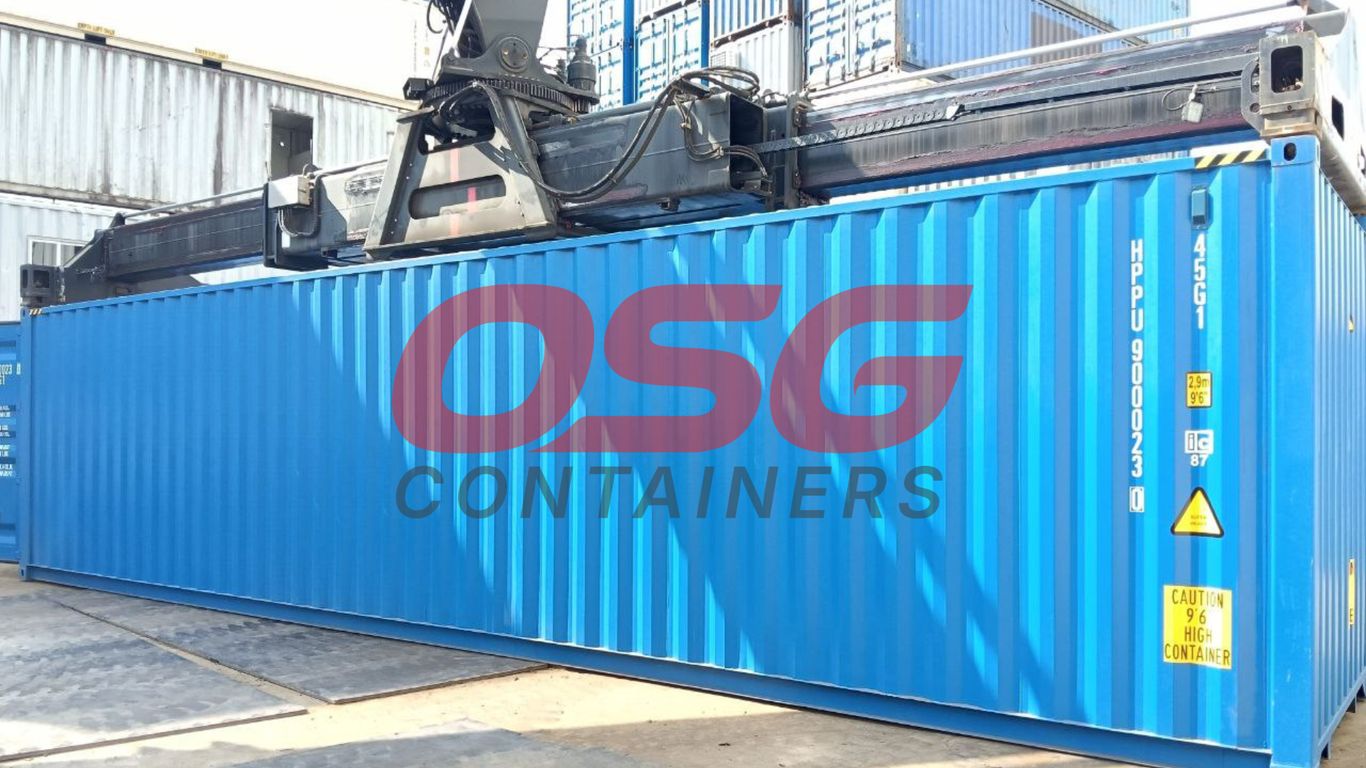
You see them everywhere—on ships, stacked at ports, or rolling down highways. The 40-foot container is the backbone of global shipping and storage, but most of us don’t really know what goes into their design. If you’re thinking about shipping something big, storing a bunch of stuff, or even building a pop-up shop, it helps to know the basics. This article will walk you through what makes the 40-foot container so popular, the different types out there, and what you should keep in mind before you start packing. Let’s break down the details so you can get the most out of your 40-foot container.
Key Takeaways
- A 40-foot container gives you a huge amount of space, with internal measurements close to 39 feet long, 7.8 feet wide, and almost 8 feet tall.
- High cube containers are about a foot taller than standard, letting you fit in bulkier or taller items if you need the extra headroom.
- There are different types—standard dry, high cube, refrigerated, open-top, and flat rack—so pick the one that matches your cargo.
- Pay attention to weight limits and how you load your stuff; uneven or overloaded containers can cause problems during transport.
- Besides shipping, 40-foot containers are used for storage, pop-up shops, modular homes, and all sorts of creative projects.
Understanding Container 40 Feet Industry Standards
When you’re dealing with shipping, especially with a workhorse like the 40 feet container, knowing the rules of the road, or rather, the sea and land, is pretty important. These big metal boxes aren’t just random containers; they have to meet some pretty strict guidelines to make sure everything gets from point A to point B safely and without a hitch. It’s all about making sure a 40 ft container can be stacked on a ship, loaded onto a truck, or moved by train without causing problems.
International Organization for Standardization Guidelines
The International Organization for Standardization, or ISO, sets the benchmarks for pretty much everything, and shipping containers are no exception. These standards cover everything from the dimensions of the container to the materials used and how it should be tested. Following ISO guidelines means that a 40 footer container is built to be compatible with handling equipment and other containers worldwide. It’s like a universal language for shipping boxes, making sure they all play nice together.
CSC Plate and Safety Compliance for 40-Foot Containers
Every 40-foot container you see should have a CSC plate. CSC stands for Convention for Safe Containers. This plate is basically a safety certificate. It tells you important stuff like the container’s maximum gross weight (that’s the container plus whatever you put inside), its tare weight (the weight of the empty container), and when it was last inspected. This plate is your go-to for confirming the container is safe to use and hasn’t been overloaded. It’s a legal requirement for international transport, so always give it a look.
Container Identification Markings
Ever notice those long strings of letters and numbers on the side of a container? That’s its ID. Each 40 ft container has a unique identification number, usually a 4-letter prefix followed by 6 digits and a check digit. This is how shipping lines and logistics companies track their assets all over the globe. You’ll also find other markings, like the ISO size code (e.g., ’40G1′ for a standard 40-foot general-purpose container) and owner codes. These markings are super helpful for knowing exactly what kind of container you’re dealing with and where it belongs in the vast network of global shipping.
Keeping track of these standards and markings isn’t just busywork; it’s about making sure your cargo is handled correctly and safely throughout its journey. It prevents mix-ups and ensures that the container is fit for purpose, whether it’s a standard dry box or a specialized unit.
Dimensional Specifications of Container 40 Feet
When you’re looking at a 40-foot container, the first thing that usually comes to mind are its outside dimensions. These measurements are pretty standardized globally, which is a big deal because it means they’re designed to fit onto ships, trains, and trucks without causing a fuss. Think of these as the container’s footprint in the world of logistics. These external numbers are what port cranes, chassis, and rail cars are built around, making the 40-footer a truly global standard. It’s this uniformity that really simplifies moving goods around the planet.
External and Internal Measurements
Okay, so the outside is one thing, but what really matters is the space inside, right? The container’s walls and structure take up a bit of room, so the internal dimensions are a little smaller than the external ones. This is the actual space you get to fill with your stuff.
| Measurement | Approximate External Value | Approximate Internal Value |
|---|---|---|
| Length | 40 feet (12.19 m) | ~39 ft 6 in (12.03 m) |
| Width | 8 feet (2.44 m) | ~7 ft 8 in (2.35 m) |
| Height | 8 ft 6 in (2.59 m) | ~7 ft 10 in (2.39 m) |
High Cube vs. Standard 40 Feet Containers
The 40-foot container comes in two main flavors: the standard and the High Cube. They’re the same length and width, but the High Cube gives you about an extra foot of height. This can be a real lifesaver if you’re shipping bulky items or need to stack things higher.
- Standard 40 ft: Offers a total internal volume of about 67.7 cubic meters (2,390 cubic feet).
- 40 ft High Cube: Boasts a larger internal volume of approximately 76.3 cubic meters (2,694 cubic feet).
This extra space in the High Cube can make a big difference, especially for oddly shaped or tall cargo.
Door Opening Dimensions and Usable Volume
People often forget: if it won’t fit through the door, it doesn’t matter if it technically fits inside. For a standard 40-foot container, the door opening is usually about 7 feet 5 inches high and 7 feet 8 inches wide. Always check the door size against the largest piece of cargo you have.
Knowing these different types and their specific measurements helps you pick the right box for your goods, making sure everything arrives safe and sound. It’s all about maximizing the space you have available within the 40 feet container and avoiding costly mistakes.
Here’s a quick rundown for smooth loading:
- Measure the biggest piece of cargo before planning.
- Factor in any pallets or skids for extra height.
- Leave clearance for forklifts if you’re using them.
Types and Variants of Container 40 Feet
When you’re looking at 40 foot containers, it’s easy to think they’re all pretty much the same. But that’s not quite right. While they all share that standard length and are built to handle tough journeys, there are actually several types designed for different kinds of cargo and shipping needs. Picking the right one can make a big difference in how smoothly your goods get from point A to point B.
Standard Dry Containers
This is your everyday, workhorse container. Think of it as the reliable sedan of the shipping world. It’s a fully enclosed, rigid box made of steel, designed to protect general cargo from weather and rough handling. Most common items, like furniture, electronics, clothing, and manufactured goods, travel just fine in these. They’re the most common type you’ll see, and for good reason – they get the job done for a huge range of cargo. The ability to adapt a single container type to such a wide array of shipping needs is a major reason for its widespread adoption.
High Cube, Reefer, and Insulated Options
Beyond the standard dry container, there are specialized versions that offer more specific benefits:
- High Cube (HC) Containers: These are essentially taller versions of the standard 40-footer. They offer about an extra foot of height, giving you more cubic capacity. This is great for lighter, bulkier items that might not fill a standard container by weight but take up a lot of space. The usable internal volume jumps from around 67.7 cubic meters for a standard 40ft to about 76.4 cubic meters for a 40ft High Cube.
- Refrigerated (Reefer) Containers: These are your mobile cold storage units. Equipped with built-in cooling systems, they maintain precise temperatures, making them ideal for shipping perishable goods like food, pharmaceuticals, or sensitive chemicals. They require a power source to operate.
- Insulated Containers: Similar to reefers but without the active cooling unit, these containers have insulated walls to help maintain a stable internal temperature, offering some protection against extreme external heat or cold for goods that don’t need active refrigeration.
Open-Top and Flat-Rack Structures
For cargo that just won’t fit through a standard door, these two types are lifesavers:
- Open-Top Containers: These containers have a removable tarpaulin roof instead of a solid steel one. This design allows for loading and unloading cargo from directly above, typically using a crane. They are perfect for tall items or machinery that cannot be tilted to fit through conventional container doors. The internal dimensions for length and width are similar to standard containers, but the height clearance is flexible based on how the cargo is loaded.
- Flat-Rack Containers: These are built for oversized, heavy, or awkwardly shaped cargo that cannot fit into any enclosed container. They have a strong base with fixed or collapsible end walls, but no side walls or roof. This makes them suitable for items like vehicles, boats, large industrial equipment, or construction machinery. They offer maximum flexibility for cargo that extends beyond normal container dimensions and often have a very high weight capacity.
Choosing the right type of 40 foot container is about matching the container’s features to the specific needs of your cargo. It’s not just about the size, but also about how you’ll load it and what environmental protection it needs.
Here’s a quick look at how some common types stack up:
| Container Type | Usable Internal Volume (approx.) | Primary Use Case |
|---|---|---|
| Standard 40ft | 67.7 cubic meters | General cargo, manufactured goods |
| 40ft High Cube | 76.4 cubic meters | Bulky, lighter goods needing extra height |
| 40ft Reefer | Varies (reduced by equipment) | Perishable goods, temperature-sensitive items |
| 40ft Open-Top | Varies (depends on loading) | Tall cargo, items loaded from above |
| 40ft Flat-Rack | N/A (open structure) | Oversized, heavy, or irregularly shaped items |
Weight Capacity and Load Distribution in Container 40 Feet
When you’re dealing with a 40-foot container, figuring out how much you can actually put inside and how to arrange it is a big deal. It’s not just about having enough space; it’s about staying within the limits and making sure your stuff doesn’t shift around during transit. Messing this up can lead to fines, delays, or even damage to your goods, which nobody wants.
Maximum Gross and Payload Weights
Every container has a maximum gross weight, which is the absolute heaviest the container can be, including its own weight and the cargo. For a standard 40-foot container, this is typically around 30,480 kg (or about 67,200 lbs). Then there’s the payload, which is the maximum weight of the cargo you can load into the container. This usually sits around 26,680 kg (or roughly 58,800 lbs).
It’s super important to know these numbers. You don’t want to pack more than the payload allows, and you definitely don’t want the total weight to exceed the maximum gross weight. Always check the specific weight limits listed on the container itself or with your shipping provider, as they can vary a bit.
Tare Weight Considerations
The tare weight is simply the weight of the empty container. For a typical 40-footer, this is usually around 3,800 kg (about 8,400 lbs). Why does this matter? Because you subtract the tare weight from the maximum gross weight to figure out your actual payload capacity. If you’re using a High Cube model, the tare weight might be slightly higher, around 3,880 kg.
Knowing the tare weight helps you calculate how much more you can load. It’s a simple calculation, but it’s easy to overlook when you’re focused on fitting everything in.
Best Practices for Safe Load Distribution
Just stuffing things in isn’t a good plan. How you arrange your cargo inside the container is just as important as the total weight. A load that’s not balanced can cause problems during transport, making the container unstable.
Here are a few pointers for loading:
- Spread the weight evenly: Try to distribute heavy items across the floor of the container, from front to back. Avoid piling all the heavy stuff at one end.
- Alternate heavy and light: If you have a mix of heavy and light items, place heavier goods on the bottom and lighter ones on top. This helps keep the center of gravity low.
- Secure everything: Use straps, bracing, or dunnage to keep items from shifting. Loose cargo can move around, potentially damaging other items or the container itself.
- Consider the door opening: Remember that even if something fits inside, it has to get through the door. The opening is usually about 7 feet 8 inches wide and 7 feet 6 inches high for a standard 40-foot container. Plan your loading sequence accordingly.
Proper load distribution isn’t just about preventing damage; it’s a safety measure that affects the stability of the entire transport vehicle, whether it’s on a ship, a train, or a truck. A well-balanced load makes for a safer journey for everyone involved.
Think of it like packing a suitcase for a trip. You wouldn’t just throw everything in randomly; you’d try to pack it neatly and evenly so it’s easy to carry and doesn’t fall apart. Loading a container is similar, just on a much bigger scale.
Practical Guidelines for Efficient Use of Container 40 Feet
Smart planning goes a long way when you’re working with a 40-foot container. Even though there’s a lot of space inside, there are a few key steps to make sure every inch is put to work and the trip goes off without a hitch.
Cargo Measurement and Door Access Planning
- Always measure your largest item before loading—just because it fits inside doesn’t mean it’ll fit through the door.
- Standard 40-foot container doors are about 7’5" high and 7’8" wide, so double-check your cargo’s dimensions.
- Remember to add extra space if your items need pallets or skids, especially if you’ll use forklifts.
| Door Height | Door Width | Internal Length | Usable Volume |
|---|---|---|---|
| 7’5" (2.26 m) | 7’8" (2.34 m) | 39’5" (12.03 m) | ≈ 2,390 cu ft (67.7 m³) |
Planning for door access ahead of time saves everyone from moving stuff around at the last minute (and nobody wants that headache).
Balanced Loading and Securing Freight
- Spread heavy items evenly from end to end—don’t cluster them at one side or corner.
- Alternate heavy and light boxes as you go, to lower the risk of cargo shifting during the trip.
- Secure all loose cargo using straps, nets, or airbags before closing the container.
- For long hauls, add moisture absorbers to keep humidity from ruining your goods.
Quick steps for balanced loading:
- Map out where each major item will go before you start.
- Distribute weight as evenly as possible, both side-to-side and front-to-back.
- Check that nothing can move if the container rocks during transit (seriously, those potholes/jolts can be brutal).
Inspection and Condition Checks
- Look for any dents, holes, or rust before loading—these can let in water or weaken the structure.
- Open and close the doors fully to make sure they function smoothly and form a tight seal.
- Double-check all locking rods and door gaskets; replace them if worn.
A simple inspection list:
- Exterior: Scan for rust, warping, dents, or damage.
- Interior: Check floorboards, walls, and ceiling for signs of water or pest damage.
- Hardware: Test all locks, hinges, and rods for proper operation.
A little time spent looking over the container saves days of frustration (and sometimes a costly insurance claim) later on.
Good preparation always wins. If you measure, balance, and check everything up front, your 40-foot container will carry your goods safely and with a lot less stress.
Essential Security and Weatherproofing Features
Wind and Water Tight Construction
These big metal boxes are built tough, no doubt about it. The whole point of a 40-foot container is to keep your stuff safe from the elements during long journeys. They’re designed to be wind and water tight, meaning a properly sealed container should keep rain, snow, and strong winds from getting inside. This is thanks to the strong steel panels and the rubber seals around the doors. It’s this robust construction that makes them the backbone of global shipping. Think about it – your goods could be on a ship in the middle of the ocean, and these containers are meant to handle that kind of exposure.
High-Security Locking Systems
While the container itself is strong, keeping it locked up tight is another story. Most containers come with standard door locking mechanisms, but for extra peace of mind, especially if you’re shipping valuable items, you’ll want to look at enhanced security. This often means using heavy-duty, high-security padlocks that are harder to cut or break. Some people also opt for lock boxes, which are metal enclosures that cover the padlock, making it even more difficult for thieves to access.
- Padlock Choice: Opt for hardened steel or boron carbide padlocks. These are much tougher than standard ones.
- Lock Box Installation: A lock box is a welded metal cover that shields the padlock and its hasp, adding a significant layer of protection.
- Seal Integrity: Always check the container’s security seals before and after loading. Tampered seals are a big red flag.
Moisture and Condensation Prevention
Even though containers are sealed against water from the outside, moisture can still become a problem from the inside. This happens when warm, humid air inside the container cools down, causing condensation to form on the walls and cargo. This can lead to mold, mildew, and damage to goods, especially things like textiles, paper, or electronics. To combat this, people often use desiccants, which are like little packets of drying agents that absorb moisture from the air.
Dealing with condensation is a common challenge in container shipping. While the container is built to keep external water out, internal humidity can still cause issues. Using moisture absorbers is a simple yet effective way to protect your cargo from damage during transit.
- Desiccant Packs: These come in various sizes and are placed strategically inside the container to soak up excess moisture.
- Ventilation (Limited Use): In some specific situations, controlled ventilation might be considered, but this can compromise the ‘water-tight’ aspect if not managed carefully.
- Cargo Choice: Be aware that certain types of cargo are more susceptible to moisture damage and may require extra precautions.
Transportation and Chassis Compatibility for Container 40 Feet
Getting a 40-foot container from point A to point B involves more than just the container itself. You need the right equipment to move it, and that’s where chassis come in. Think of a chassis as the trailer’s skeleton, specifically built to hold these big metal boxes. It’s a pretty specialized piece of gear, and making sure you have the right one is key to keeping things moving smoothly and safely.
Chassis Types for 40-Foot Containers
There are a few main types of chassis you’ll see out there for 40-footers. The most common is the standard 40-foot container chassis. These are built just for these containers and are used all over the place for import and export stuff. They’re pretty standard and get the job done for moving containers around ports or yards.
Then you have the heavy-duty versions. These are beefed up with thicker beams and stronger supports. They’re designed to handle the rougher conditions you might find in busy port areas or when you’re dealing with really heavy loads, day in and day out. They’re built to last longer under tough use.
Another variation is the gooseneck chassis. This design lowers the overall height of the container when it’s loaded. Why does that matter? It gives you more clearance, which is super helpful when you’re driving under bridges or through tunnels that might be a bit too low for a standard setup.
And sometimes, you’ll see chassis that can handle different container sizes, not just 40-footers. These are great for companies that deal with a mix of container lengths, like 40-foot and 45-foot. They offer more flexibility if your shipping needs change.
Key Features in Container Hauling Equipment
When you’re looking at chassis, there are a few things that really matter. The strength of the steel used in its construction is a big deal. You want something that can take a beating. Also, check out the twist locks – these are the things that physically lock the container to the chassis. They need to be strong and reliable. The axles are another critical part; their rating needs to match the weight you plan to carry.
Here are some other important bits to consider:
- Frame Strength: This is the backbone. A strong frame prevents bending or twisting, especially with heavy loads.
- Axle Rating: Make sure the axles can handle the maximum gross weight of your loaded container.
- Twist Lock Design: They need to be easy to operate but secure enough to prevent any movement.
- Brake System: Reliable brakes are non-negotiable for safety.
- Corrosion Protection: Especially if you’re near the coast, good paint or coatings can really extend the chassis’s life.
Choosing the right chassis isn’t just about getting from A to B; it’s about doing it safely and efficiently. A well-maintained, properly spec’d chassis reduces the risk of accidents, minimizes delays due to breakdowns, and ultimately saves money. It’s an investment in your supply chain’s reliability.
Global Transport Integration
Chassis are designed to work with a whole system. They need to be compatible with the cranes at the port, the forklifts in the warehouse, and the trucks that will haul them down the road. The standardized dimensions of 40-foot containers mean that chassis are also pretty standardized, which helps a lot with moving containers between ships, trains, and trucks – that’s what they call intermodal transport. This integration is what makes global shipping possible on such a large scale. Without compatible chassis, the whole system would grind to a halt.
| Chassis Type | Primary Use | Key Benefit |
|---|---|---|
| Standard 40′ Chassis | General import/export, port/yard movements | Widely available, cost-effective |
| Heavy-Duty 40′ Chassis | High-volume ports, demanding environments | Increased durability, longer service life |
| Gooseneck Chassis | Areas with low bridges/tunnels | Reduced overall height, improved clearance |
| Multi-Size Fleet Chassis | Mixed container lengths (e.g., 40′ & 45′) | Enhanced operational flexibility |
Wrapping It Up
So, we’ve looked at what makes a 40-foot container tick, from its basic build to the fancy types like high cubes and flat racks. It’s pretty clear these big metal boxes are more than just shipping vessels; they’re pretty much the backbone of getting stuff from A to B, and even for storing things when you need a secure spot. Knowing the ins and outs, like the exact measurements and weight limits, really helps avoid headaches down the road. Whether you’re shipping a car or just need some extra storage space, picking the right container and packing it smart makes all the difference. Keep these points in mind, and your next shipping or storage project should go a lot smoother.
Frequently Asked Questions
What are the main sizes of a 40-foot container?
A standard 40-foot container is about 8.5 feet tall, while a ‘High Cube’ version is about a foot taller, making it 9.5 feet tall. Both are the same length and width, but the High Cube gives you more room for taller items.
What is the difference between a standard and a High Cube 40-foot container?
The main difference is height. A High Cube container offers extra vertical space, about 9.5 feet tall overall, compared to the standard 8.5 feet. This extra foot can be crucial for fitting bulkier or taller goods.
How much weight can a 40-foot container hold?
A typical 40-foot container can carry a maximum payload of around 28,000 to 29,000 kilograms (about 58,000 to 64,000 pounds). However, always check the specific weight limits listed on the container’s CSC plate, as this can vary.
Are 40-foot containers waterproof?
Yes, 40-foot containers are designed to be wind and water-tight to protect cargo from the elements. However, condensation can still form inside, so it’s a good idea to use moisture absorbers, especially for long journeys or sensitive goods.
What are some special types of 40-foot containers?
Besides standard dry containers, there are High Cube containers for extra height, refrigerated (reefer) containers to keep things cold, Open-Top containers with removable roofs for crane loading, and Flat-Rack containers for oversized items that don’t fit in enclosed spaces.
Why is load distribution important in a 40-foot container?
Distributing weight evenly inside the container is vital for safety and stability during transport. Uneven loads can cause the container to tip or shift, potentially damaging the cargo or causing accidents. It also helps ensure you don’t exceed weight limits on specific parts of the container or chassis.