Singapore
 Australia
 Indonesia
 Japan
Japan Malaysia
 New Zealand
 Philippines
 South Korea
 Taiwan
 Thailand
 VIETNAM
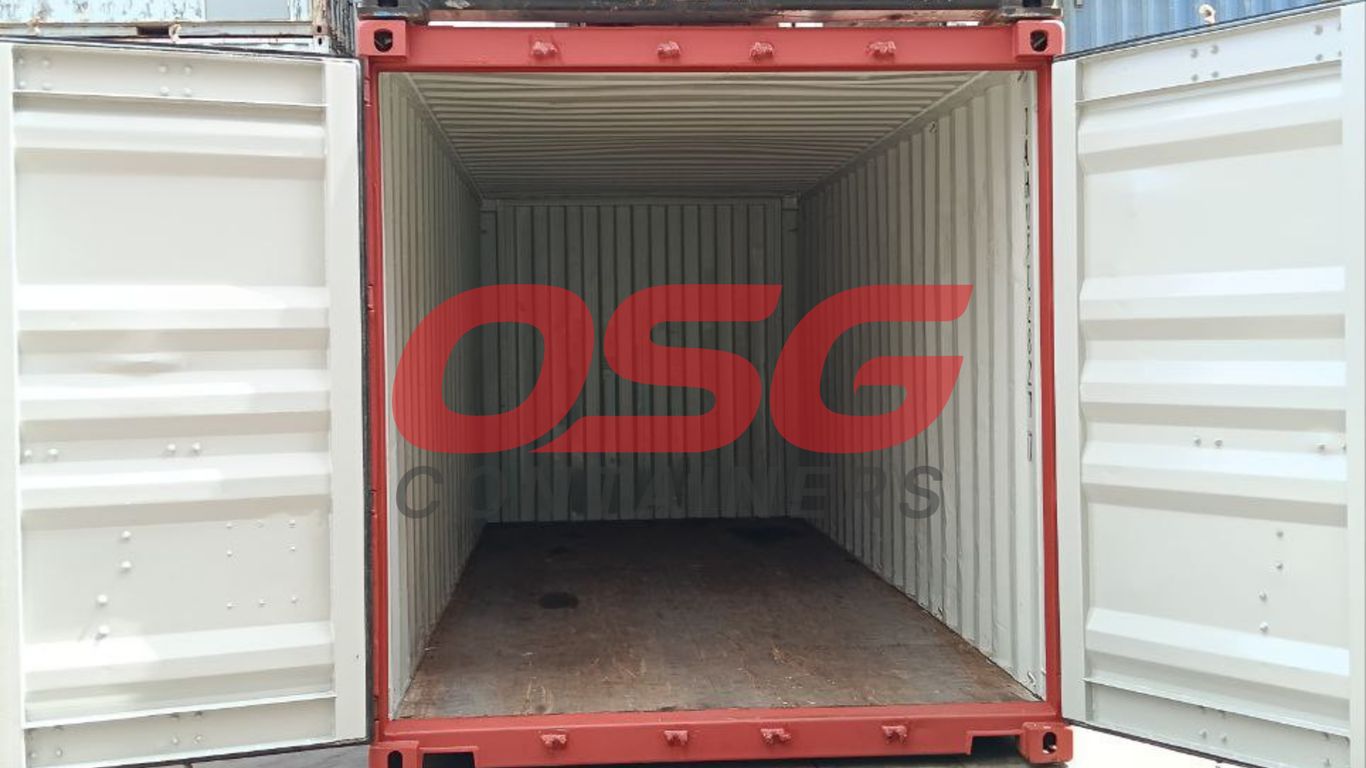
Choosing the right container for oversized or bulky cargo can be confusing. If you’re shipping something that won’t fit in a standard box container, you’ve probably heard about open top and flat rack containers. These two types have their own strengths and weaknesses, and picking the wrong one can cost you time and money. In this article, we’ll look at how cntr open top containers compare with flat racks, covering how they’re built, what kinds of cargo they suit best, and what you should think about before booking one.
Key Takeaways
- Cntr open top containers are best for tall cargo that still needs side protection and protection from weather, thanks to their tarpaulin covers.
- Flat rack containers work well for super heavy or wide cargo, since they have no side walls and can be loaded from the top or sides.
- Open top containers are usually cheaper to move than flat racks, but may need some cargo disassembly if the load is really big.
- Flat racks need extra weather protection, since cargo is exposed, while cntr open top containers offer better shielding from rain and dust.
- Both types have special lashing points to secure loads, but flat racks provide stronger anchoring for very heavy or oddly shaped items.
Understanding Open Top Containers
Open top containers come into play when you’ve got cargo that’s just not going to squeeze into something like a regular dry box. From heavy machinery to oversized goods, these containers suit loads that are either too tall or awkward for a standard enclosed space, like a 20gp container.
Defining the Open Top Container
An open top container is built like your standard shipping container—with solid steel sides and a strong floor—but instead of a fixed roof, it’s got a removable tarpaulin and roof bows. This means you can load from the top, making it useful for anything that’s tall or odd-shaped. The doors on one end are similar to regular containers, so you still get access from the side, but top access is what really sets it apart.
- Open structure at the top for crane or hoist loading
- Removable tarpaulin cover fixes in place once loaded
- Available in common sizes, especially the 20gp container (20-foot general purpose)
Key Structural Features of Open Top Containers
There’s more to these than just an open top. They feature:
- Heavy-duty steel sidewalls to handle tough jobs
- Reinforced hardwood or steel floors for supporting heavy loads
- Lashing points along walls and floors to tie down cargo securely
- Roof bows that give support for the tarpaulin and are removable for easy access
- Door header (the top crossbar) can sometimes be taken off to make room for taller items
Here’s a quick look at typical dimensions and weights:
| Container Type | Internal Length | Internal Width | Internal Height | Max Capacity |
|---|---|---|---|---|
| 20gp (Open Top) | 5.9 m | 2.35 m | 2.35 m | 21–28 t |
| 40gp (Open Top) | 12.03 m | 2.35 m | 2.35 m | 26–30 t |
The removable roof really makes a difference when you’ve got a millimeter or two making the difference between a perfect fit and ‘close, but not quite.’ I’ve seen folks hoist in tall engines or big glass sheets—nothing else would work.
Ideal Cargo for Open Top Transport
Open top containers take on jobs that standard containers can’t handle. They’re best for:
- Tall cargo: Industrial machinery, transformers, turbines — basically anything taller than a regular container’s height
- Top-loaded goods: Timber, large steel coils, stone blocks, pipes
- Fragile or solid products: Glass panels, certain chemicals that shouldn’t have pressure from above
- Bundled goods that are awkward to angle in through the door
So, if you’ve ever wondered how anyone gets something like a huge press or a chunky generator onto a ship, odds are, it’s riding in an open top or maybe even a 20gp version configured for the job.
Exploring Flat Rack Container Capabilities
Defining the Flat Rack Container
Flat rack containers are a bit different from the usual boxy types of shipping containers you see. Think of them as a heavy-duty platform with walls only at the ends. These end walls can either be fixed in place or collapsible, meaning they can be folded down when you don’t need them. This design is all about making space for cargo that just won’t fit into a standard container, whether it’s too wide, too tall, or just plain awkward. They’re built tough, with a strong steel frame and a sturdy floor, ready to handle some serious weight. Unlike a reefer container, which is all about temperature control, a flat rack is about sheer capacity and flexibility for unusual loads.
Structural Advantages of Flat Racks
The main selling point of a flat rack is its open design. Without side walls and a roof, you’re not limited by internal dimensions. This means you can load really big stuff, like machinery, vehicles, or large construction components, from the top or the sides. Cranes and forklifts can easily get to your cargo. They also come with plenty of strong points all around the frame, called lashing points. These are super important for securing your load properly with chains, straps, or wires, making sure everything stays put during the journey. This robust structure is key for handling items that are over-width or over-height.
Best Suited Cargo for Flat Racks
So, what kind of stuff do you typically see on a flat rack? Well, anything that’s too big for a regular container, really. We’re talking about things like:
- Large industrial equipment, such as generators or turbines.
- Construction machinery like bulldozers and excavators.
- Vehicles, including trucks, boats, or even parts of trains.
- Oversized construction materials like steel beams, pipes, or pre-fabricated structures.
- Anything that’s considered ‘out of gauge’ – meaning it exceeds standard shipping dimensions.
Basically, if it’s too wide, too tall, or too heavy for a standard box or even an open-top container, a flat rack is probably your best bet. It’s designed for those challenging loads that require a more open approach to transport.
Comparing Loading and Securing Methods
Loading Access for Open Top Containers
Loading an open top container is pretty straightforward, especially if your cargo is tall or can only be lifted from above. Think of it like stacking boxes from the top down. You’ll typically use a crane or a hoist to lower your goods directly into the container. This method works well for items that can’t be tilted or maneuvered easily through side doors, like certain types of machinery or tall stacks of goods. It’s all about that vertical access.
Loading Access for Flat Rack Containers
Flat racks are a bit more flexible when it comes to loading. Because they don’t have any side walls, you can get at your cargo from the top and the sides. This means you can use cranes, forklifts, or other heavy lifting equipment to position your items. It’s super handy for really wide or awkwardly shaped items that just wouldn’t fit into a regular container, or even an open top. Loading long pipes or large vehicles becomes much simpler.
Securing Cargo in Open Top Containers
Once your stuff is inside an open top container, you’ve got to make sure it stays put. You’ll find lashing points all along the floor and the inside walls. These are basically strong metal loops where you can attach straps, chains, or wires to tie down your cargo. The goal is to prevent anything from shifting during transit. It’s important to use the right kind of securing gear for the weight and shape of your load. After everything is secured, a heavy-duty tarpaulin is usually thrown over the top and secured to protect the cargo from the elements.
Securing Cargo in Flat Rack Containers
Securing cargo on a flat rack is a bit more involved because there are no walls to help hold things in place. You’ve got a lot of lashing points on the floor and around the frame of the container. This gives you plenty of options for strapping down even the heaviest and most irregularly shaped items. Think chains, heavy-duty straps, and sometimes even custom-built supports for really tricky loads. Because there’s no roof, you’ll almost always need a robust tarpaulin or shrink wrap to keep everything protected from rain, dust, and sun.
When it comes to securing cargo, especially on flat racks, the details really matter. A poorly secured load isn’t just a risk to your goods; it can be a hazard to everyone involved in the shipping process. Always double-check that everything is tight and properly anchored before the container moves.
Here’s a quick rundown of common securing methods:
- Chains and Binders: Great for heavy, robust items like machinery or steel beams. They offer a lot of strength.
- Webbing Straps: More flexible than chains, these are good for items that might be damaged by metal. They’re easier to handle too.
- Wire Rope: Used for specific applications, often with specialized equipment or for very heavy loads.
- Blocking and Bracing: Sometimes, you need to build wooden or metal supports to keep cargo from moving, especially if it’s oddly shaped.
Assessing Weather Protection and Cargo Safety
Weather Protection Offered by Open Top Containers
Open top containers offer a decent level of protection against the elements, though it’s not foolproof. They have solid side walls, which is a big plus for keeping out wind, dust, and even some rain or snow. The real protection comes from the removable tarpaulin cover. This heavy-duty PVC material is usually secured tightly around the container’s perimeter using cables. It’s designed to shield the cargo from direct rain, sun, and falling debris. However, it’s not a completely sealed environment. Strong winds can still push moisture underneath, and prolonged exposure to harsh weather might still pose a risk, especially if the tarpaulin isn’t perfectly tensioned or if there are gaps.
Weather Vulnerabilities of Flat Rack Containers
Flat racks are pretty much exposed. They don’t have any side walls or a roof to speak of, just a base and usually end walls. This means your cargo is wide open to whatever the weather throws at it. Rain, snow, sun, wind – it all hits the cargo directly. Because of this, if you’re shipping something on a flat rack that can’t handle direct weather exposure, you absolutely must wrap it yourself. Think heavy-duty plastic sheeting, shrink wrap, or even custom-built protective coverings. Without this extra step, sensitive cargo is at serious risk of damage.
Ensuring Cargo Safety in Specialized Containers
Keeping your cargo safe in these specialized containers really comes down to two main things: proper securing and appropriate protection.
- Securing: Both open top and flat rack containers have plenty of lashing points. These are metal rings or eyes welded onto the floor and walls (or frame, in the case of flat racks). You’ll use straps, chains, or wires to tie down your cargo so it doesn’t shift during transit. This is super important, especially for heavy or oddly shaped items. A shifting load can cause damage to the cargo itself or even to the container.
- Protection: For open tops, making sure that tarpaulin is pulled taut and secured properly is key. For flat racks, it means adding your own protective layers if your cargo is sensitive to weather. Don’t skimp on this – it’s often the difference between cargo arriving in perfect condition or needing repairs.
- Communication: Always tell your shipping provider exactly what you’re sending and any special needs it has. They can advise on the best way to secure and protect it, and sometimes they have specific requirements for certain types of cargo.
When you’re dealing with cargo that doesn’t fit neatly into a standard box, the stakes for safety go up. It’s not just about getting it from point A to point B; it’s about making sure it arrives in the same condition it left. This means paying extra attention to how it’s tied down and shielded from the environment, because these containers don’t offer the same built-in protection as a dry van.
Evaluating Cargo Suitability and Dimensions
Understanding the right fit between your cargo and the shipping container type can make or break the whole transport process. Whether loading onto a general cargo ship or prepping for a heavy-lift voyage, the choice between open top and flat rack containers has real consequences for safety, efficiency, and the budget.
Cargo Types for Open Top Containers
Open top containers are pretty flexible for cargo that’s awkwardly tall or shaped in ways that won’t fit into standard box containers.
- Machinery that stands taller than a standard container’s roof
- Building materials like granite slabs, pipes, or steel rods
- Vehicles and equipment that must be craned in from above
Open tops are ideal when you need some weather protection but have to load from above. They’re also easier on the wallet for moderately oversized cargo versus flat racks.
Cargo Types for Flat Rack Containers
When dealing with big and heavy items that are either very wide, extra tall, or must be loaded from the side, flat rack containers are the better option:
- Construction vehicles, turbines, and large industrial generators
- Boats, oversized trucks, and heavy agricultural equipment
- Steel coils or pipes that are too wide for any traditional container
Flat racks really shine on general cargo ships handling odd-shaped or massive freight, especially when regular containers aren’t even in the question.
Dimensional Considerations for Specialized Cargo
Pick the right container after comparing your cargo’s specs with standard dimensions—here’s an at-a-glance chart for the most common sizes:
| Container Type | Length (m) | Width (m) | Height (m) | Max Weight (t) |
|---|---|---|---|---|
| 20′ Open Top | ~5.9 | ~2.35 | ~2.38 | 21–30 |
| 40′ Open Top | ~12.0 | ~2.35 | ~2.38 | 26–30 |
| 20′ Flat Rack | ~5.9 | ~2.35 | ~2.35 | Up to 34 |
| 40′ Flat Rack | ~12.1 | ~2.35 | ~2.35 | Up to 45 |
Key points to consider:
- Always check if your shipment will be classified as Out-of-Gauge (OOG); you might incur extra handling/setup costs if so.
- Heavier or oddly shaped items may also require custom surveys or special securing, especially on flat racks.
- Weather-sensitive items are sometimes better off in open tops, but flat racks allow for extra width or weight.
A little bit of planning at this step can save a lot of trouble later—mismatched cargo and container can slow down your logistics and drive up costs.
Cost and Operational Differences
When you’re figuring out how to ship something big or oddly shaped, the costs and how easy it is to handle can really make a difference in your choice between an open top and a flat rack container. It’s not just about the container itself, but all the steps involved.
Economic Advantages of Open Top Containers
Open top containers often have a slight edge when it comes to basic rental costs compared to flat racks, especially for cargo that fits within their general dimensions. They can sometimes be handled more like standard containers, which can mean fewer special fees at ports and terminals. However, if your cargo is tall and needs a crane at both ends for loading and unloading, those costs can add up. The main economic draw is their similarity to standard containers, potentially reducing some handling complexities.
Operational Flexibility of Flat Rack Containers
Flat racks shine when it comes to loading and unloading really awkward stuff. Because they have no side walls, you can often use forklifts or cranes from the sides, which might be faster or even the only option for certain loads. This flexibility can save time and labor costs during the loading process. However, this flexibility comes with its own set of potential expenses. You might need special permits for wide loads when moving the flat rack to and from the port (drayage), and ports might charge extra for handling these types of containers. Plus, since they can’t be stacked, they can take up more space at terminals, which can sometimes lead to storage fees.
Regulatory Considerations for Specialized Cargo
Both open tops and flat racks are used for cargo that doesn’t fit in a regular container, so there are always some extra rules to think about. For flat racks, especially those carrying loads that stick out beyond the edges, you’ll likely need permits for oversized or wide loads. This is a big one. Open tops, while offering more protection, still need to be secured properly, and if they’re loaded so high they exceed a certain limit, they might also fall under special handling rules. It’s always a good idea to check with your shipping company and the destination port about any specific regulations or fees that might apply to your particular shipment.
Here’s a quick look at some common cost factors:
- Container Rental: Flat racks can sometimes be pricier than open tops.
- Port Handling: Both can incur extra fees, but flat racks might face more due to their nature.
- Drayage: Wide load permits for flat racks can add significant costs.
- Securing Materials: Specialized straps and chains are needed for both, but often more robustly for flat racks.
- Permits: Oversized load permits are common for flat racks and sometimes for very tall open top loads.
The choice between an open top and a flat rack isn’t just about the container’s price tag. You have to look at the whole picture: how easy it is to load, what permits you’ll need, and how much time and effort it takes to get it from point A to point B. Sometimes, paying a bit more upfront for a flat rack’s loading flexibility saves you headaches and costs down the line, while other times, an open top’s simpler handling is the way to go.
Wrapping It Up
So, when it comes down to it, picking between an open top and a flat rack container really depends on what you’re shipping. If your stuff is tall but still fits within the width limits and needs a bit of side protection, an open top with its tarpaulin cover might be your best bet. It’s often a bit easier on the wallet too. But if you’ve got something super wide, heavy, or awkwardly shaped that needs loading from the sides or top with serious flexibility, a flat rack is probably the way to go. Just remember, flat racks mean you’ll likely need to arrange extra covering for your cargo against the weather. Both are great for getting those unusual items from point A to point B, but knowing their specific strengths helps make sure your shipment arrives safe and sound without any unnecessary headaches or costs.
Frequently Asked Questions
What’s the main difference between an open top and a flat rack container?
Think of it like this: an open top container has walls like a regular container, but no roof, so you load things from the top. A flat rack container is basically a strong floor with walls only at the front and back, meaning you can load things from the top or the sides. Flat racks are for super wide or heavy stuff that wouldn’t fit in an open top.
What kind of stuff is best for an open top container?
Open top containers are great for tall items that are still pretty standard in width, like pipes, certain types of machinery, or lumber. Because they have side walls, they offer a bit more protection than a flat rack, and they’re usually a bit cheaper to use.
When should I use a flat rack container instead?
You’ll want a flat rack when your cargo is too wide or too heavy for even an open top container. This includes things like large construction equipment, boats, or really big industrial parts. They’re built to handle extreme weight and size.
How do you keep the cargo safe in these containers?
Both types have special tie-down points, like strong hooks, all around the floor and sides. You use strong straps, chains, or wires to tie down the cargo really tightly so it doesn’t move. For flat racks, especially with very heavy or oddly shaped items, you might need extra support structures.
Do these containers protect my stuff from the weather?
Open top containers offer some weather protection because they have side walls and a strong tarp that covers the top. Flat racks offer very little protection from rain, wind, or sun since they have no roof or side walls. If you use a flat rack, you’ll almost always need to cover your cargo with a tarp or other protective material.
Is it harder to load things into these containers?
Loading can be different. Open tops are designed for cranes to lift items straight down from the top. Flat racks are more flexible; you can use cranes to load from the top or forklifts to load from the sides. This makes flat racks useful for very large or awkward items that are hard to maneuver.