Singapore
 Australia
 Indonesia
 Japan
Japan Malaysia
 New Zealand
 Philippines
 South Korea
 Taiwan
 Thailand
 VIETNAM
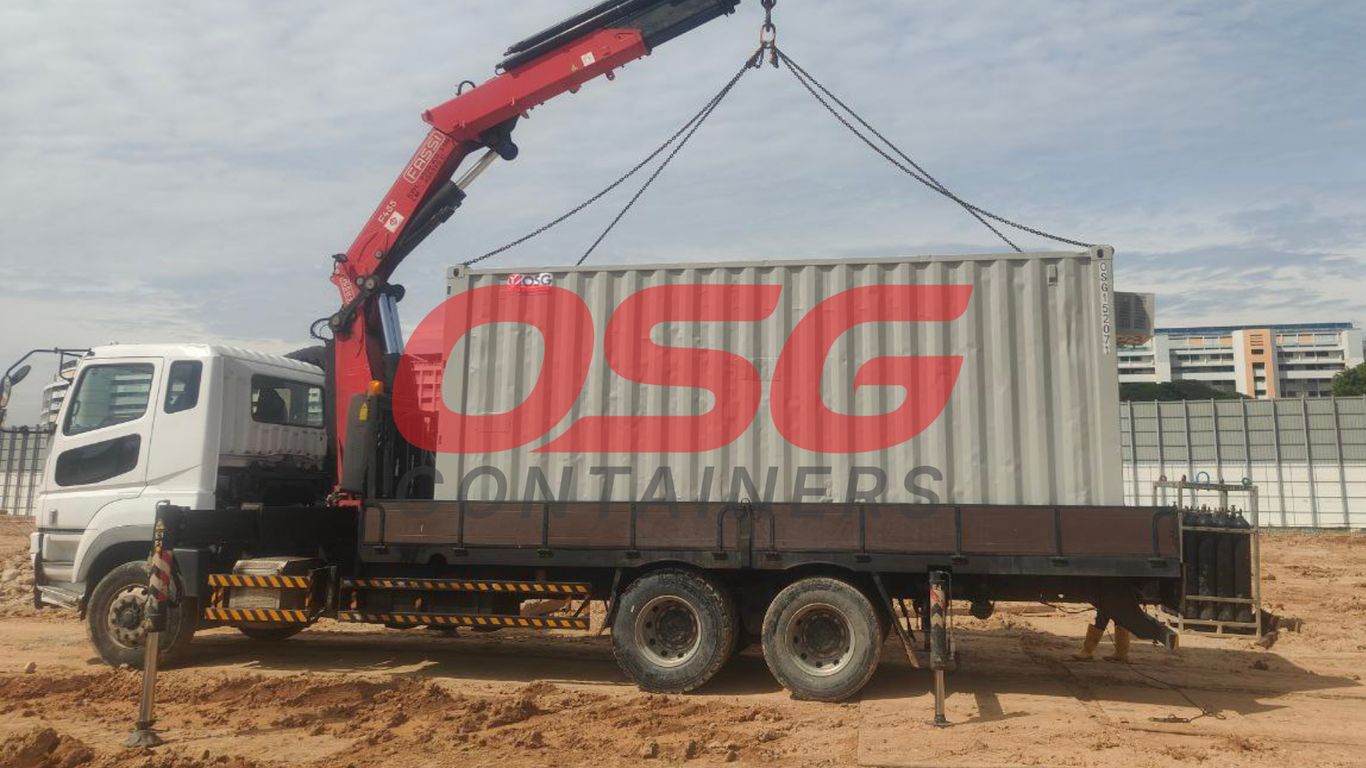
Moving big stuff can be a real pain, right? Standard shipping containers are great for a lot of things, but when you’ve got items that are too tall, too wide, or just plain awkward, they just don’t cut it. That’s where CNTR open top solutions come into play. These aren’t your everyday boxes; they’re designed to make shipping those oversized, heavy-duty items way less of a headache. Let’s talk about why they’re such a useful tool for getting bulky cargo from point A to point B.
Key Takeaways
- CNTR open top containers are perfect for oversized or oddly shaped cargo because you can load them from the top, which makes moving big things much easier.
- They offer more flexibility than regular containers, especially for moving things like construction materials, big machines, and lumber.
- When choosing an open top, consider the size of your cargo, if you need a new or used container, and the condition of its tarp.
- These containers usually have strong tie-down points on the sides to help secure your load since there’s no fixed roof.
- Because they are open, you might need extra security or weather protection for certain items, especially if they’re sensitive.
1. Bulldozer
When you’ve got a bulldozer that needs to get from point A to point B, a standard shipping container just isn’t going to cut it. Trying to stuff something that massive through a regular door? Forget about it. That’s where CNTR’s open-top solutions really shine.
The main advantage is simple: you can load it from the top. This means you can use a crane to just lift the bulldozer straight in. No more awkward maneuvering or hoping it fits. It makes the whole process so much faster and less of a headache. Plus, once it’s in, there are plenty of tie-down points to keep it secure for the journey.
Here’s a quick look at why open-tops are better for this kind of gear:
- Top Loading: Cranes can easily lift heavy equipment like bulldozers directly into the container.
- Faster Loading Times: Compared to trying to fit large items into standard containers, open-tops significantly cut down on loading time.
- Securement: Built-in lashing points allow for robust securing of the bulldozer, preventing movement during transit.
- Weather Protection: A tarp can be secured over the top, shielding the equipment from rain, snow, or sun.
Loading a bulldozer into a standard container is often impossible. The open-top design removes this barrier, allowing for direct vertical placement which is a huge time and labor saver. It’s a practical solution for moving these large, essential pieces of machinery.
Loading a bulldozer into an open-top container typically takes about 30 to 60 minutes, a far cry from the several hours it might take to even attempt loading into a standard container, assuming it’s even possible.
2. Steel Beams
Shipping steel beams, especially the long, heavy ones used in construction, presents a unique challenge. Standard containers just don’t cut it because of their height and the way they need to be loaded. This is where CNTR’s open-top solutions really shine.
The open top design is a game-changer for steel beams, allowing them to be loaded directly from above using cranes. This makes the whole process much faster and safer compared to trying to maneuver them through a standard container door. You can stack beams efficiently, making the most of the container’s space and weight capacity.
When you’re dealing with steel, securing it properly is just as important as loading it. You’ve got:
- Lashing Points: These are the strong metal loops inside the container. You’ll use these to tie down the beams securely.
- Straps and Chains: Heavy-duty straps and chains are a must. Make sure they’re rated for the weight of your steel and are pulled tight.
- Blocking and Bracing: Sometimes, you need extra support, like wooden blocks, to stop the beams from shifting during transit. This is especially true for longer pieces.
It’s not just about getting them in; it’s about making sure they arrive in the same condition they left. The open top means you’re relying on these securing methods, so there’s no room for error. A good lashing plan prevents any movement, which is key when you’re moving something as heavy as steel.
The integrity of the shipment hinges on how well the cargo is secured. With steel beams, this means using robust tie-down equipment and ensuring every point is taut. The open top allows for easy inspection of these securing points before the tarp goes on.
3. Large Generator
Shipping a large generator presents some unique challenges, mostly because these things are usually pretty massive and not exactly shaped to fit through a standard container door. That’s where the 40ft open top container really shines. Instead of trying to wrestle a giant piece of equipment into a box, you can just use a crane to lift it straight in from the top. It makes the whole loading process so much simpler and quicker.
Think about it: you’ve got this huge, heavy generator. With a regular container, you’d need a specialized ramp or a way to tilt it, which is complicated and risky. But with an open top, a crane operator can just lower it right into place. This top-loading capability is a game-changer for bulky items like generators.
Here’s a quick look at why it’s so much better:
- Faster Loading: Significantly cuts down the time it takes to get the generator secured.
- Easier Access: No need for complex maneuvering through side doors.
- Secure Transport: Once inside, the generator can be properly lashed down to prevent any movement during transit.
- Weather Protection: A sturdy tarp covers the top, keeping rain and debris off your valuable equipment.
Loading a large item like a generator into a standard container can take several hours. With an open top, you’re looking at a fraction of that time, often under an hour. This speed means less time spent at the port and potentially lower costs.
When you’re dealing with equipment as critical and large as a generator, the method of transport needs to be straightforward and reliable. The open top design removes a lot of the usual headaches associated with oversized cargo, making it a practical choice for getting these powerhouses where they need to go.
4. Lumber
Shipping lumber, especially large quantities or long lengths, can be a bit tricky with standard containers. That’s where CNTR’s open-top solutions really shine. Because you can load it straight down from the top with a crane, you skip all the hassle of trying to maneuver long boards or bulky bundles through a narrow door. It just makes the whole process faster and simpler.
Securing lumber properly is key to preventing damage and ensuring safety during transit. You’re not just tossing it in there; you need to think about how it’s going to stay put.
Here’s a quick rundown on how it’s usually done:
- Bundling: Lumber is typically bundled together tightly. This makes it easier to handle and secure as a single unit.
- Strapping: Heavy-duty straps, like ratchet straps, are used to secure these bundles. They’re looped around the lumber and then tightened down, often attached to the container’s lashing points.
- Blocking and Bracing: Sometimes, especially with longer pieces or if the load isn’t filling the container perfectly, wooden blocks or braces are used. These are wedged in place to stop the lumber from shifting or rolling around.
- Dunnage: Placing dunnage (like wooden supports) underneath the bundles can help prevent rolling and also allows for some airflow, which can be good for certain types of wood.
Loading time for an open-top container is usually much quicker than a standard one, often taking around 30 to 60 minutes for large items, which definitely includes lumber.
With an open top, you’re relying on the cargo itself and how well it’s secured. It’s important to make sure the straps are strong enough for the weight and that everything is tensioned correctly. Don’t skimp on this part; a load shifting can cause a lot of problems.
So, if you’ve got a big lumber shipment, an open-top container is definitely worth looking into. It cuts down on loading time and makes securing the cargo much more straightforward.
5. Industrial Machinery
Moving big industrial machinery can be a real headache. Standard shipping containers just don’t have the right access for these kinds of loads. That’s where CNTR’s open-top solutions really shine.
These containers are designed to make loading and unloading oversized items much simpler. Instead of trying to wrestle a massive piece of equipment through a small door, you can use a crane to lift it directly into the container from above. It’s a game-changer for efficiency.
Here’s why they’re so useful for industrial machinery:
- Overhead Loading: Cranes can easily place heavy machinery into the container, saving time and effort.
- Flexibility for Odd Shapes: Machinery often has awkward dimensions that don’t fit standard containers. Open tops remove that limitation.
- Secure Transport: Once loaded, the machinery can be properly secured using the container’s lashing points, ensuring it stays put during transit.
- Weather Protection: A removable tarp covers the top, shielding the valuable equipment from rain, snow, and sun while it’s being transported or stored.
Think about a large manufacturing unit or a complex piece of engineering equipment. Getting it onto a ship or a train without an open-top container would involve a lot more complex planning and potentially higher costs. The open-top design simplifies this significantly.
The ability to load from the top means you’re not constrained by the height or width of traditional container doors. This is a big deal when you’re dealing with equipment that’s built for function, not for fitting into a box.
This method is particularly helpful for industries like manufacturing, energy, and heavy engineering, where components are often custom-built and exceptionally large. It helps keep production lines moving and ensures that critical equipment reaches its destination safely and on schedule.
6. Vehicle Engines
Shipping large vehicle engines, especially those for heavy-duty trucks, industrial equipment, or even marine applications, presents its own set of challenges. These aren’t your typical car engines; they’re often massive, heavy, and sometimes awkwardly shaped. Standard containers just won’t cut it.
This is where open-top and flat-rack containers really shine. For engines that need to be loaded from above, an open-top container is the way to go. You can use a crane to carefully lower the engine directly into place. If the engine is wider than a standard container, a flat-rack offers more flexibility because it doesn’t have side walls. The key is ensuring the engine is properly secured so it doesn’t shift during transit.
Here’s a quick look at what goes into shipping these big powerhouses:
- Specialized Lifting Gear: You’ll need heavy-duty cranes and rigging equipment capable of handling the engine’s weight and dimensions.
- Secure Lashing: Strong straps, chains, and blocking materials are used to keep the engine firmly in place, preventing any movement.
- Protective Measures: Depending on the engine and the destination, you might need custom cradles, weatherproofing, or protective coverings.
- Weight Distribution: Making sure the engine’s weight is balanced correctly within the container is vital for the stability of the ship.
Getting the lashing right is super important. It’s not just about tying it down; it’s about understanding how the forces of the sea will affect the load and making sure your securing method can handle it all. A lot of planning goes into this to avoid any surprises down the road.
Think about an engine for a large mining truck or a marine diesel. These can weigh tens of thousands of pounds and are built to last in tough conditions. Getting them from the manufacturing plant to a remote mine site or a shipyard requires careful planning and the right kind of transport solution. Open-top and flat-rack containers provide that necessary flexibility when standard shipping methods just aren’t an option.
7. Timber
Shipping timber, especially large quantities or long lengths, can be a real puzzle with standard containers. That’s where the CNTR open top really shines. You can just drop those long beams or bundles of lumber right in from the top, no messing around trying to angle them through a door. It makes loading and unloading way faster, which is a big deal when you’re dealing with a lot of material.
Securing timber in an open top container is all about using those tie-down points effectively. You’ll want to bundle your timber tightly first. Then, use heavy-duty straps or chains to secure those bundles to the lashing points all around the container. Don’t forget to put some dunnage, like wooden blocks, underneath the bundles. This keeps the timber off the container floor, allowing for airflow, and stops it from rolling around.
Here’s a quick rundown on securing:
- Bundle Tightly: Keep your timber pieces together in manageable bundles.
- Use Dunnage: Place wooden supports underneath to lift the load and prevent shifting.
- Strap Securely: Employ strong ratchet straps or chains, connecting to multiple lashing points.
- Tarp Properly: Once loaded and secured, cover everything with the removable tarp, making sure it’s snug and won’t flap in the wind.
The open nature of these containers means your securing methods are your primary defense against movement. It’s not just about tying things down; it’s about making sure they can’t move at all during transit. Think about how the load will sit and where the stress points will be when you strap it down.
Loading timber into an open top container is usually pretty quick, often taking less than an hour, compared to several hours for a standard container. This speed, combined with the ease of access, makes it a smart choice for getting your wood products where they need to go without a fuss.
8. Pipes
Shipping pipes, whether they’re for oil and gas pipelines, construction projects, or industrial plumbing, presents a unique set of challenges. Their length and often significant weight mean they don’t fit neatly into standard shipping containers. This is where CNTR’s open-top solutions really shine.
The open-top design is a game-changer for loading and securing long, bulky items like pipes. Instead of struggling to maneuver them through a small door, you can simply lift them straight in from above using a crane. This makes the whole process much faster and safer, especially when dealing with many sections.
When you’re shipping pipes, you’ve got to think about how they’ll be secured. It’s not just about getting them in the container; it’s about making sure they don’t shift around during transit. Here’s a quick rundown of what’s important:
- Bundling: Pipes are usually grouped together in bundles. This makes them easier to handle and secure as a single unit.
- Lashing Points: The container has strong metal loops along the sides and floor. These are what you’ll use to tie down the pipe bundles securely.
- Straps and Chains: Heavy-duty straps or chains are essential for connecting the pipe bundles to the lashing points. You need to make sure they’re strong enough for the weight.
- Dunnage: Sometimes, wooden supports are placed under the pipes. This helps keep them stable, prevents them from rolling, and can even allow for a bit of airflow if needed.
Securing pipes properly is super important. Because they’re long and can roll, you need to be extra careful. Using enough lashing points and making sure the straps are tight is key to preventing any movement during the journey. A loose pipe can cause a lot of damage.
Think about a large project needing miles of pipeline. You’ll have hundreds, maybe thousands, of individual pipes. Loading all of that into regular containers would be a nightmare. With an open-top container, you can stack them efficiently and secure them tightly, making sure they arrive at the site ready to go. It simplifies logistics significantly for these kinds of large-scale material movements.
9. Construction Equipment
When you’re moving big stuff for building projects, standard shipping containers can be a real headache. Think about cranes, excavators, or even just long pieces of rebar. Trying to stuff these into a regular container is often impossible. That’s where CNTR open top solutions really shine. You can just use a crane to lift the equipment right in from the top. It makes loading and unloading so much faster and simpler.
These containers are a game-changer for getting heavy machinery and building materials to job sites efficiently.
Here’s a quick look at why they’re so useful:
- Easy Top Loading: Cranes can lift bulky items like excavators, bulldozers, or large concrete sections directly into the container. No more struggling with narrow doors.
- Weather Protection: The removable tarp keeps your equipment and materials safe from rain, snow, and sun while in transit or stored on-site.
- On-Site Storage: They can be placed directly on a construction site, providing secure, accessible storage for tools and equipment when they’re not in use.
- Versatile Use: Beyond just shipping, they can be set up as temporary workshops or material sorting areas.
The open top design removes the limitations of standard container doors, allowing for the placement of items that are too tall or wide to fit otherwise. This flexibility is key when dealing with the unpredictable nature of construction logistics.
When you’re looking at these for construction, make sure to check the container’s certification. If it’s going to be shipped, especially overseas, it needs to be ‘Cargo Worthy’ (CW). For just storage on a site, ‘Wind and Watertight’ (WWT) might be okay, but it’s not approved for shipping. Always ask for proof of certification to avoid problems down the line.
10. Prefabricated Structures
Shipping prefabricated structures, like modular building components or custom-designed units, presents unique challenges. These items often exceed standard container dimensions, making traditional shipping methods difficult or impossible. This is where CNTR open top solutions really shine. The absence of a fixed roof on an open top container allows for easy overhead loading using cranes, which is often the only practical way to move these large, bulky items.
Think about loading a pre-built wall section or a modular bathroom pod. Trying to maneuver that through the door of a standard container would be a nightmare. With a 20ft open top container, or any of our open top containers, you can simply lift the structure directly into place from above. This significantly speeds up the loading process and reduces the risk of damage.
Here are some key advantages for shipping prefabricated structures:
- Top Loading Capability: Cranes can easily place large sections directly into the container.
- Flexible Dimensions: Accommodates items taller or wider than standard container openings.
- Reduced Handling Time: Loading and unloading are much quicker compared to standard containers.
- Weather Protection: The removable tarp offers protection from rain and sun during transit.
When dealing with prefabricated structures, the ability to load from the top is a game-changer. It simplifies logistics and makes moving these complex components far more manageable than you might think.
Securing these loads is also straightforward. Once the structure is in place, the heavy-duty tarp is pulled over and secured tightly to the container’s frame, protecting the cargo from the elements while it travels.
Wrapping It Up: Why CNTR Open Tops Are Worth Considering
So, when you’ve got cargo that’s just too big or awkward for a regular box, CNTR open top containers really step up. They make loading and unloading a lot less of a headache, especially with tall or oddly shaped items. While you do need to think about securing everything properly and maybe adding extra protection for the weather, the ease of access and flexibility they offer for oversized shipments is pretty hard to beat. For anyone dealing with machinery, lumber, or construction materials that don’t fit the standard mold, these containers are definitely worth considering.
Frequently Asked Questions
Why are open-top containers good for really big items?
Open-top containers are super helpful for large items because you can load them from the very top. Imagine trying to fit a giant machine into a regular container – it’s really hard! With an open top, a crane can just lift the item straight in, making loading and unloading much quicker and easier.
Can I use these containers for things that aren’t shaped like a box?
Absolutely! Open-top containers are great for oddly shaped items. Because you can load from above and secure things from all sides, you have more freedom to fit and tie down cargo that doesn’t have standard dimensions, like unique sculptures or large pipes.
What is the main difference between an open-top container and a regular one?
The biggest difference is the roof! Regular containers have a solid, fixed roof. Open-top containers don’t have a fixed roof; instead, they have a removable tarp that covers the top. This makes it possible to load really tall or wide things from above, which you can’t do with a regular container.
How do I make sure my cargo stays safe in an open-top container?
Since there’s no roof, you need to secure your cargo really well. This usually involves using strong straps, chains, or cables attached to special points on the container’s sides. It’s important to spread the weight evenly and use extra supports if your items are oddly shaped to prevent them from moving around during shipping.
Are open-top containers good for protecting my cargo from the weather?
The removable tarp offers good protection against rain, snow, and sun. While it keeps the worst of the weather out, it’s not completely sealed like a solid roof. For very sensitive items, you might need to add extra coverings or ensure they are packed in a way that protects them from moisture.
What kind of items are typically shipped in open-top containers?
These containers are perfect for things that are too tall, too wide, or just awkward to fit into a standard container. Common items include construction equipment like bulldozers, large machinery, steel beams, pipes, lumber, and even parts of prefabricated buildings.