Singapore
 Australia
 Indonesia
 Japan
Japan Malaysia
 New Zealand
 Philippines
 South Korea
 Taiwan
 Thailand
 VIETNAM
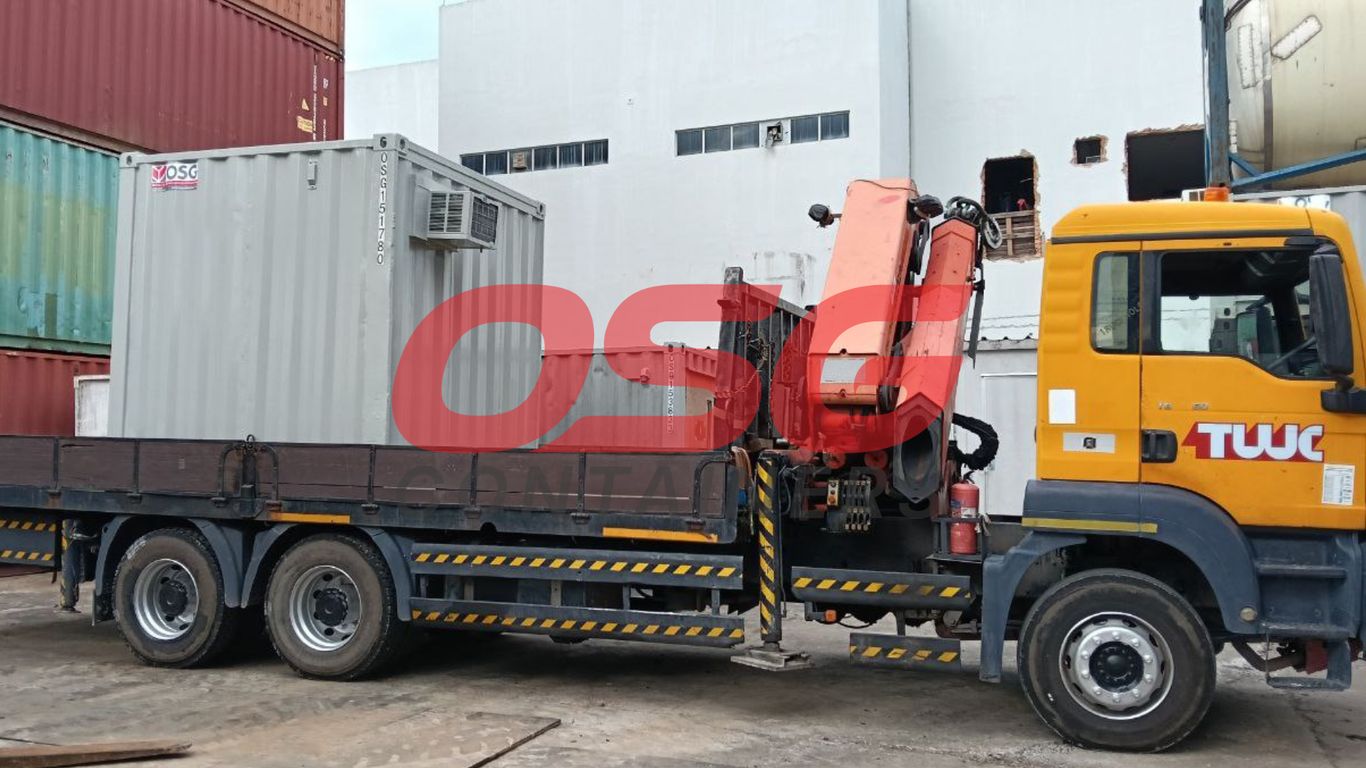
So, you’re checking out shipping containers and maybe the open-top kind caught your eye. They’re pretty different from the regular ones, and honestly, they’re super handy for certain jobs. We’re going to break down what makes these cntr open top containers so useful, from handling weirdly shaped stuff to making loading a breeze. It’s not just about shipping; these things have a lot of flexibility.
Key Takeaways
- Open top containers swap a solid roof for a tarp, making them great for loading tall or bulky items from above.
- These containers are ideal for oddly shaped goods that might not fit easily into a standard container.
- Industries like timber and construction frequently use cntr open top units due to their loading flexibility.
- When buying or renting, check the condition carefully, especially for used units, to ensure they’re still weather-tight.
- Securing cargo properly in an open top container is important, often involving tarps and tie-down straps.
1. Removable Tarp
The removable tarp is a big deal for open top containers. It’s not just some flimsy cover; it’s a tough piece of gear meant to keep your stuff safe from rain, dust, and whatever else the weather throws at it, all while letting you load from the top. When it’s on tight, it does a pretty good job of keeping things dry and clean.
Think of it like this: you’ve got a big, awkward piece of equipment or a stack of lumber that just won’t fit through a regular container door. With an open top, you can just lift it right over the sides and drop it in. The tarp then goes on top to protect it. This makes loading and unloading way faster and simpler, especially for those bulky items.
However, it’s important to remember that this tarp isn’t a solid roof. It’s designed for protection from the elements, not for heavy security or extreme weather. You’ve got to make sure it’s secured properly, with no rips or tears, and that all the grommets and tie-down points are in good shape. If you’re shipping something super valuable or in a place where theft is a worry, you might need to add extra security measures.
Here’s a quick rundown of what to check on the tarp:
- Look for any rips, tears, or worn-out spots.
- Make sure the grommets (the metal rings) are all there and not damaged.
- Check that the material itself is still strong and not brittle.
- Ensure the system used to secure the tarp (like ropes or straps) is in good working order.
2. Top Loading Capability
One of the biggest advantages of a CNTR open-top container is how easy it makes loading and unloading, especially for stuff that’s a bit out of the ordinary. Forget about trying to jam oversized or awkwardly shaped items through a standard container door. With an open top, you can just lift things straight in from above using a crane or a hoist.
This makes a huge difference for bulky items like heavy machinery, large construction materials, or even long pipes. Instead of spending ages trying to maneuver them, you can simply position them directly into the container. It’s a real time-saver and cuts down on a lot of the hassle involved.
Here’s why it’s so handy:
- Faster Loading and Unloading: Lifting cargo directly from above bypasses the need for complex maneuvering, significantly reducing the time spent at the dock.
- Improved Safety: Less awkward lifting and positioning means fewer chances for accidents or damage to your goods and the people handling them.
- Access for Heavy Equipment: It allows for the use of specialized lifting gear that might not be practical for standard container loading.
When your cargo doesn’t fit the standard box, the open-top design provides a straightforward solution for getting it loaded and secured without a fuss.
This top-loading ability isn’t just about convenience; it can also lead to lower operational costs by speeding up the entire shipping process. If you’re dealing with anything that’s tall, heavy, or just plain awkward, the open-top container really simplifies things.
3. Handling Oversized Cargo
Sometimes, the stuff you need to ship just doesn’t play by the usual rules. We’re talking about items that are too tall, too wide, or just plain awkward to fit into a standard 20gp container or even a general cargo ship’s hold. This is where the open-top container really shines.
The ability to load cargo from directly above is a game-changer for bulky or tall items. Think about heavy machinery, large pre-fabricated building parts, or even long pipes. Trying to maneuver these through side doors is often a headache, if not impossible. With an open-top container, you can use cranes or hoists to lift the cargo straight in. This makes the whole process much quicker and safer.
Here’s why it’s so good for oversized loads:
- Vertical Loading: You can lift items straight up and into the container, bypassing height restrictions of doorways. This is a big deal for equipment that might be taller than a standard container.
- Irregular Shapes: Items with odd protrusions or dimensions that would snag on door frames are no problem. You can position them more easily from above.
- Reduced Handling Time: Lifting directly from above bypasses the need for complex maneuvering through doorways, cutting down on the time spent on the dock.
While a cntr reefer or a standard container might struggle, the open-top offers the flexibility needed. It’s not just about getting things in; it’s about getting them out quickly at the destination too.
When you’ve got cargo that just won’t fit into a regular container, an open-top container is your best bet. It’s like a standard cargo container, but without that fixed roof. Instead, it’s covered with a heavy-duty tarpaulin, making a huge difference for items that are too tall or awkwardly shaped for standard doors.
This setup really opens up possibilities for what you can ship, making it a go-to for many industrial needs.
4. Machinery
When you’ve got heavy machinery to move, standard containers just don’t cut it. That’s where the open-top container really steps up. Think about things like excavators, large generators, or industrial presses – these are often too tall or just too awkward to get through a regular container door.
With an open-top, you can just crane the whole thing right in from above. It makes loading and unloading so much simpler and, honestly, a lot safer too. No more trying to wrestle a giant piece of equipment into a tight space.
Here’s a quick rundown of why they’re so good for machinery:
- Height is no longer a problem: Tall machines can be loaded vertically without issue.
- Irregular shapes are manageable: Oddly shaped equipment that might snag on door frames fits easily.
- Faster loading and unloading: Using cranes or hoists directly from above speeds up the whole process.
Securing these heavy items is key. You’ll want to use strong straps and chains, making sure they’re attached to the container’s lashing points. The goal is to keep that machinery from shifting an inch during the journey. It’s all about making sure it arrives just as it left.
5. Timber And Logs
When you’re dealing with lumber, logs, or other forestry products, standard containers just don’t cut it. That’s where the CNTR open top really shines. Loading long lengths of timber or bulky logs from above is way easier and faster than trying to wrestle them into a regular box. Cranes can just lift them right in, saving a ton of time and effort on the loading dock. Plus, the open design means you can often stack them higher or fit more irregular pieces in, making your shipment more efficient.
Here’s a quick rundown of why they’re so good for this kind of cargo:
- Ease of Loading: Cranes and other lifting equipment can easily access the cargo from the top, significantly speeding up the loading process.
- Accommodates Irregular Shapes: Logs and timber aren’t always uniform. The open top allows for these oddly shaped items to be loaded and secured more effectively.
- Maximizes Space: You can often stack timber higher or fit more pieces in compared to a standard container, leading to more efficient use of transport space.
- Protection: Once loaded, the removable tarp provides a decent barrier against rain and dust, keeping your wood products in good condition during transit.
Securing these loads properly is key. You’ll want to make sure the logs or timber are well-braced and tied down to prevent shifting, especially since they can be heavy and have uneven weight distribution. The reinforced top rail and lashing points on the CNTR open top are designed for this exact purpose, giving you plenty of options to keep everything stable.
Think about transporting a load of 2x4s or a stack of large logs. Trying to slide those into a closed container would be a nightmare. With an open top, it’s a straightforward lift. It really simplifies the logistics for the forestry industry.
6. Construction Equipment
When you’re dealing with the heavy hitters of the construction world – think excavators, bulldozers, or even those massive cranes – getting them from point A to point B can be a real puzzle. Standard shipping containers just don’t cut it because these machines are often too tall or just plain awkward to fit. That’s where the open top container really shines.
The ability to load these giants from above using cranes or other lifting gear is a game-changer. It makes the whole process way simpler and faster than trying to wrestle them into a closed box. Plus, construction equipment comes in all sorts of shapes and sizes, and the open top design means you don’t have to worry as much about fitting everything perfectly. You can secure them down tight, cover them up with a tarp, and know they’re ready for the road.
Here’s a quick rundown of why they’re so good for this kind of gear:
- Easy Top Loading: Cranes can lift machinery directly into the container without a fuss.
- Accommodates Irregular Shapes: No need to stress if your equipment isn’t a perfect rectangle.
- Secure Transport: Once loaded, the cargo can be lashed down securely, and a tarp can protect it from the elements.
Moving large construction machinery requires specialized transport solutions. Open top containers provide the necessary height and accessibility for loading and securing these bulky, often irregularly shaped items, making them a practical choice for the industry.
7. Scrap Metal
When it comes to hauling scrap metal, especially the bulky, awkward kinds, an open top container really shines. Think about all those twisted bits of steel, old car parts, or piles of crushed aluminum cans. Trying to stuff all that into a regular container would be a nightmare, right? With an open top, you can just drop it all in from above, making the loading process way faster and less of a hassle.
The key is securing it properly so nothing flies out during transit. You’ll want to use heavy-duty tarps, often reinforced with netting, to cover the load. These tarps need to be lashed down securely to the container’s sides. It’s not just about keeping the metal contained; it’s also about protecting it from the weather and preventing any sharp edges from causing problems.
Here’s a quick rundown of what to consider:
- Weight Distribution: Load heavier items first and try to keep the weight as evenly spread as possible. This helps maintain stability on the road.
- Secure Covering: Use a strong, durable tarp that can withstand the rough edges of scrap metal. Netting can add an extra layer of security.
- Lashing Points: Make sure you have plenty of strong lashing points on the container to tie down the tarp and any netting effectively.
- Container Condition: Inspect the container itself. You don’t want any holes or weak spots in the walls that could be damaged by sharp metal.
Loading scrap metal can be messy, and the weight can add up quickly. It’s important to plan your loading carefully to avoid damaging the container or creating an unstable load. Always double-check that your covering is secure before hitting the road.
This method makes transporting scrap metal much more efficient and safer compared to trying to fit it into conventional shipping containers.
8. Lashing Points
When you’re dealing with heavy, oversized, or just plain awkward cargo, keeping it from moving around during transit is super important. That’s where lashing points come in. These aren’t just random holes; they’re specifically designed and reinforced anchor points built into the container’s frame and sometimes the floor. They are your primary tool for securing cargo safely and preventing shifts that could damage your goods or the container itself.
Think of them as strong tie-down spots. You’ll find them along the interior walls and often on the floor. They’re usually heavy-duty rings or D-rings, built to handle serious tension from straps, chains, or ropes. The number and placement can vary, but the goal is always the same: to give you multiple options for securing whatever you’re hauling.
Here’s a breakdown of why they matter:
- Cargo Stability: They allow you to firmly attach your load, stopping it from sliding or tipping, especially on rough roads or during sea voyages.
- Structural Support: Properly used, lashing points distribute the securing forces across the container’s frame, rather than just pulling on the tarp or walls.
- Versatility: Different types of cargo, from machinery to lumber, can be secured using various methods with these points.
- Safety Compliance: Many shipping regulations require cargo to be adequately secured, and lashing points are key to meeting these standards.
When inspecting a container, always check these points. Look for rust, cracks, or signs of bending. A damaged lashing point is a weak link, and you don’t want that when you’ve got tons of material strapped down.
Most standard open-top containers are equipped with lashing points rated to hold thousands of pounds each. For example, you might see:
| Type of Point | Typical Rating (per point) | Common Location |
|---|---|---|
| Floor Rings | 5,000 – 10,000 lbs | Along the floor edges |
| Side Wall Rings | 4,000 – 8,000 lbs | Mid-height on side walls |
9. Reinforced Top Rail
The top rail on a CNTR open top container isn’t just a simple edge; it’s built tougher. Think of it as the frame that holds everything together up top. Because there’s no solid roof, this rail has to handle the weight and tension from the tarp, especially when it’s secured down tight against wind or weather. It also provides a solid surface for the tarp’s fastening system to grip onto.
This reinforced structure is key to maintaining the container’s overall integrity and ensuring the tarp stays put, protecting your cargo.
Here’s why that reinforced top rail matters:
- Tarp Security: It gives the grommets, ropes, or bungee cords a strong point to attach to, preventing the tarp from flapping loose or tearing off.
- Structural Support: It helps the container keep its shape, especially when loaded with heavy items that might put pressure on the upper edges.
- Weather Resistance: A sturdy rail means a better seal when the tarp is on, helping to keep rain and dust out more effectively.
Without a strong top rail, the tarp wouldn’t be able to do its job properly. It’s a critical component that works hand-in-hand with the removable tarp to keep your goods safe from the elements and secure during transit.
10. Adaptability For Various Industrial Needs
CNTR open top containers aren’t just for one type of job; they’re pretty flexible. Think about all the different industries out there, each with its own unique shipping challenges. Whether you’re in manufacturing, construction, or even dealing with specialized projects, these containers can often be the right fit.
The real strength of the open top lies in its ability to handle cargo that standard containers just can’t manage. This means less hassle trying to force awkward items into a box and more straightforward transport.
Here’s a look at how they fit into different sectors:
- Construction: Moving large pre-fab sections, heavy machinery like excavators, or stacks of lumber becomes much simpler. The top-loading capability is a lifesaver here.
- Manufacturing: Transporting big industrial machines, large rolls of materials (like fabric or metal), or even finished oversized products is where open tops shine. They protect these valuable assets during transit.
- Renewable Energy: Components for things like wind turbines are often massive and oddly shaped. Open tops provide the necessary space and access for these specialized loads.
- Agriculture: Getting large equipment such as tractors or even bulk materials like hay bales moved around is made easier.
When you’re dealing with items that don’t conform to standard shipping dimensions, the open top container offers a practical solution. Its design prioritizes access and space, making the loading and securing process more manageable for a wide array of bulky and heavy goods.
It’s not just about fitting things in, either. The ability to secure cargo from the top and sides, combined with the removable tarp for protection, means you can tailor the setup to your specific needs. This adaptability makes them a go-to choice when standard options just won’t cut it.
Wrapping It Up
So, when you’ve got cargo that’s just too big, too tall, or just plain awkward for a regular container, the open-top kind is definitely worth a look. It’s all about making that loading and unloading process way simpler, especially when you’re dealing with things like heavy machinery or stacks of lumber. Just remember to keep that tarp secure and your cargo tied down tight, because while it’s super flexible, it’s not quite as sealed up as a standard box. For the right job, though, these open-top containers really do the trick.
Frequently Asked Questions
What makes an open top container different from a regular one?
The biggest difference is the roof! Instead of a solid metal top, an open top container has a heavy-duty tarp that you can remove. This makes it super easy to load tall or bulky items from the top using a crane or forklift, which you can’t do with a regular container.
What kind of stuff is best to ship in an open top container?
Open top containers are perfect for things that are too big or oddly shaped for normal containers. Think large machinery, stacks of lumber, construction equipment, or even things like boats. If it doesn’t fit easily through a standard door, an open top is likely a good choice.
How do you keep the cargo safe and dry in an open top container?
The removable tarp is your main protection against rain and dust. It’s important to secure the tarp tightly with ropes or straps. While it keeps most weather out, it’s not as sealed as a solid roof, so extra care is needed for very sensitive items.
Is it hard to load and unload using the top opening?
Not at all! That’s the main advantage. Using a crane or forklift to lift items straight in from the top is usually much faster and easier than trying to force them through a side door. It saves a lot of time and effort.
What are ‘lashing points’ and why are they important?
Lashing points are strong metal loops found inside the container along the walls and floor. They are super important for tying down your cargo securely with straps or chains. This stops your items from moving around during shipping, which prevents damage.
Can I use an open top container for scrap metal or logs?
Yes, absolutely! Open top containers are great for materials like scrap metal because you can load them easily with heavy equipment. They’re also ideal for logs and timber, as these are often too long and irregular to fit into standard containers.