Singapore
 Australia
 Indonesia
 Japan
Japan Malaysia
 New Zealand
 Philippines
 South Korea
 Taiwan
 Thailand
 VIETNAM
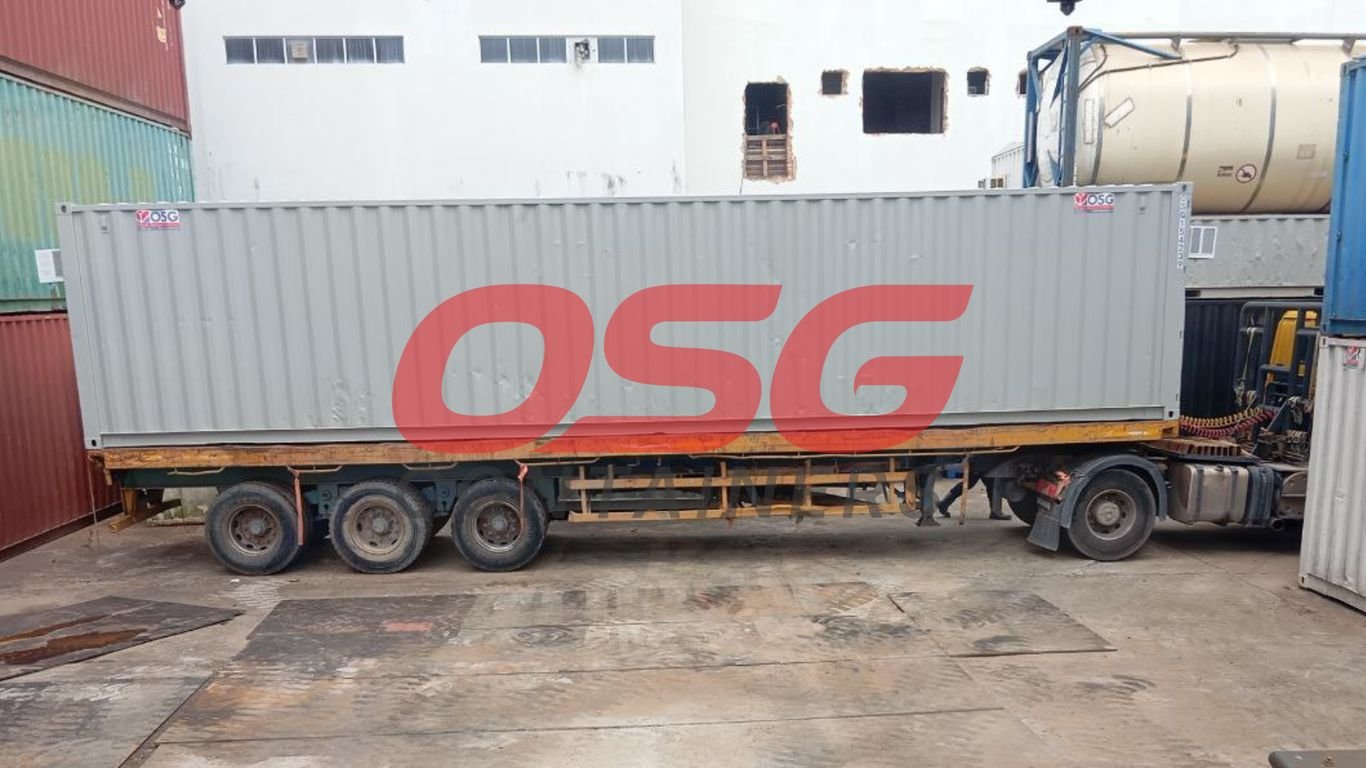
So, you’re thinking about getting a 40-foot container? That’s a solid move. These big metal boxes are super useful, whether you need more space for your business, a place to park your stuff, or even for a cool building project. They’re tough, they can go almost anywhere, and people are finding all sorts of ways to use them these days. But buying one isn’t just a quick trip to the store. You’ve got to know what you’re looking for to make sure you get a good deal and a container that actually works for you. This guide will help you figure out the important stuff before you hand over your cash.
Key Takeaways
- Figure out exactly what you need the 40 footer container for before you start looking. This helps decide if you need a new or used one, or a special type.
- When picking a supplier for your 40 footer container, check if they’re reliable. Look at reviews and ask around to avoid problems later.
- Always inspect a used 40 footer container closely. Check for rust, dents, and make sure the doors work right. It’s better to find issues before you buy.
- Don’t forget about the costs that come after buying the container itself. Delivery fees, site prep, and any changes you want to make can add up fast.
- Buying a 40 footer container can be a great idea for storage, building, or shipping, but doing your homework first makes all the difference. Plan ahead and buy smart.
Understanding Your 40 Footer Container Options
So, you’re looking at a 40-foot container. That’s a solid choice for a lot of projects, whether you’re shipping goods, need extra storage, or even thinking about a unique building. These big metal boxes are pretty standard worldwide, which is good because it means they fit into global shipping systems easily. But before you hand over any cash, it’s smart to know what you’re getting into. There are a few things to consider right off the bat.
Defining Your Container Needs
First off, what exactly are you going to do with this container? This is the most important question. Are you just storing stuff, maybe tools for a construction site or inventory for a small business? Or are you planning something more involved, like converting it into an office, a workshop, or even a living space? Your intended use will heavily influence the type of container you should look for and the condition it needs to be in. Think about:
- Primary Use: Shipping, long-term storage, temporary storage, conversion project.
- Location: Will it be stationary or moved frequently? Will it be exposed to harsh weather?
- Contents: Are you storing sensitive items that need extra protection or specific temperature control?
- Budget: How much are you willing to spend on the container itself, plus any modifications or delivery?
Knowing your end goal helps you avoid buying a container that’s not quite right, saving you headaches and extra costs down the line. It’s like buying lumber for a project – you wouldn’t buy plywood if you needed structural beams.
Exploring Different 40-Foot Container Types
When you look for a 40-foot container, you’ll mostly see two main types:
- Standard 40-Foot Container: These are the workhorses. They measure 40 feet long, 8 feet wide, and stand 8.5 feet tall. They’re great for most general shipping and storage needs.
- 40-Foot High Cube (HC) Container: These give you an extra foot of height, making them 9.5 feet tall. This extra space can be a game-changer, especially if you’re stacking items or planning a conversion where ceiling height matters. It adds a good chunk of volume, which can be really useful.
There are also specialized containers like refrigerated (reefer) units or open-top ones, but for most general purposes, the standard or high cube will be what you’re looking at. The High Cube is often preferred for conversions due to the added headroom.
New Versus Used: Weighing the Trade-offs
This is a big decision, and it really comes down to your budget and how you plan to use the container.
| Container Type | Pros | Cons |
|---|---|---|
| New (One-Trip) | Excellent condition, minimal wear, long lifespan | Higher initial cost |
| Used (Cargo Worthy/Wind & Watertight) | Lower cost, readily available, environmentally friendly | May have dents, rust, or require repairs; shorter remaining lifespan |
New containers, often called "one-trip" containers, have only made one journey from the factory. They’re in pristine condition. Used containers, on the other hand, have seen a lot of action. They can range from "cargo worthy" (still good for shipping) to "wind and watertight" (okay for storage but might have cosmetic issues). If you’re on a tight budget or don’t need a perfect exterior, a used container can be a smart buy. But if you’re building something where appearance and perfect condition matter, or if you want the longest possible lifespan, a new one might be worth the extra money.
Key Considerations Before Purchasing a 40 Footer Container
So, you’ve decided a 40 ft container is the way to go. That’s a solid choice for a lot of projects, whether it’s for storing extra inventory or maybe even building something cool. But before you hand over your cash for that 40ft container, there are a few things you really should think about. It’s not just about picking the cheapest one you see online, believe me.
Assessing Container Condition and Durability
This is probably the most important part, especially if you’re looking at used containers. A container might look okay from a distance, but up close, you could find rust spots, dents, or even small holes that could let water in. For a 40 ft container, you want something that’s built tough. Check the doors to make sure they open and close smoothly and that the seals are still in good shape. A container that’s falling apart won’t last long and could end up costing you more in repairs down the line.
- Look for major rust, especially on the roof and corners.
- Inspect the floor for rot or damage; original wood floors can be tricky.
- Test the door seals – a good seal keeps out rain and pests.
- Check the frame for any signs of bending or warping.
Remember, a container’s main job is to protect whatever’s inside from the elements. If it can’t do that, it’s not much good.
Evaluating Supplier Reliability and Service
Buying a 40 foot container isn’t like picking up groceries. You’re dealing with a significant piece of equipment, and the company you buy from matters. Do they have a good reputation? Can you find reviews from other customers? A reliable supplier will be upfront about the condition of their containers and honest about delivery times. Some suppliers might even offer warranties or guarantees, which is a good sign.
- Research the company online. Look for reviews and testimonials.
- Ask about their return policy or any guarantees.
- Get everything in writing – the price, what’s included, and the delivery date.
Leveraging Market Intelligence for Smart Choices
Prices for 40 ft containers can change based on demand, location, and whether it’s new or used. It pays to do a little homework. Check prices from a few different suppliers to get a feel for the going rate. Sometimes, a slightly higher price from a reputable dealer is better than a super low price from someone you can’t trust. Knowing the market helps you spot a fair deal.
| Container Type | Average Price Range (USD) |
|---|---|
| New (One-Trip) | $4,000 – $6,000 |
| Used (WWT*) | $2,500 – $4,500 |
| Used (Cargo Worthy) | $2,000 – $3,500 |
*WWT = Wind and Watertight. Prices are estimates and can vary widely.
Navigating the Purchase and Delivery Process
So, you’ve decided on a 40-footer. Great! Now comes the part where you actually get it. This isn’t just about picking one off a lot; there’s a bit more to it, especially when it comes to the money side and getting it to your spot.
Understanding Pricing Factors and Hidden Costs
When you see a price for a container, it’s easy to think that’s the final number. But hold on a second. There are often other things that add up. Think about delivery fees – those can change a lot depending on how far away you are and what kind of truck is needed. Sometimes, there are also fees for things like permits or even special handling if the container needs to go somewhere tricky. Always ask for a full breakdown of costs before you agree to anything. It’s better to know upfront than get a surprise bill later.
Here are some things that can affect the final price:
- Container Type: New (one-trip) containers cost more than used ones.
- Condition: A container rated ‘cargo worthy’ will cost more than one that’s just ‘wind and watertight’.
- Delivery Distance: The further away you are from the depot, the higher the delivery charge.
- Location Access: If your site needs special equipment for delivery (like a crane), that’s an extra cost.
- Modifications: If you want doors added, windows cut, or paint, factor that in.
Don’t just focus on the sticker price. A slightly higher upfront cost for a container from a reputable seller with clear terms and no hidden fees can save you a lot of trouble and money in the long run. It’s about getting good value, not just the cheapest deal.
Planning for Delivery Logistics and Site Accessibility
Getting the container to your location is a big step. You need to think about how it’s going to get there and if your site can even handle it. Can a big truck actually get to where you want the container placed? Are there any low bridges, narrow gates, or tight turns on the route? You’ll also need a fairly level spot for it to sit on. If the ground is soft, the container could sink or shift over time. Some delivery companies can bring a tilt-bed truck, which is great for tight spots, but others might just use a standard flatbed with a forklift or side-loader. Make sure you talk to the seller about what kind of truck they use and what your site needs.
- Site Preparation: Ensure the ground is firm and level. You might need to lay down gravel or concrete pads.
- Access Route: Check for overhead obstructions (like tree branches or power lines) and tight turns.
- Placement Area: Make sure there’s enough space for the truck to maneuver and unload.
- Communication: Clearly tell the delivery company about any potential access issues.
Avoiding Scams and Unrealistic Deals
Unfortunately, there are people out there looking to take advantage. If a deal seems too good to be true, it probably is. Be wary of sellers who pressure you to pay in full upfront with no contract or who only accept unusual payment methods like wire transfers to personal accounts. Always try to see the container in person if possible, or at least get plenty of clear photos and a detailed condition report. A legitimate seller will be happy to provide these. Also, check reviews and ask for references. If a seller is hesitant to provide basic information or seems shady, it’s best to walk away and find someone else.
- Verify Seller Legitimacy: Look for a physical address and contact information. Check online reviews.
- Read Contracts Carefully: Understand all terms, conditions, and warranties before signing.
- Payment Methods: Stick to secure payment methods. Avoid cash or wire transfers to individuals.
- Inspection: Insist on inspecting the container or getting detailed proof of its condition.
Maximizing the Value of Your 40 Footer Container
So, you’ve got your 40-foot container, or you’re about to get one. That’s great! But just having the container is only half the story. The real win comes from using it smartly. These things are way more than just big metal boxes for stuff. They can actually be pretty useful in all sorts of ways, saving you money and giving you options you might not have thought of.
The Versatility of 40-Foot Containers
Think of your container as a blank canvas. It’s a solid, secure structure that you can adapt for tons of different uses. Forget just shipping goods; people are turning these into homes, offices, workshops, and even shops. A standard 40-foot container gives you about 320 square feet of space, which is plenty for a small business setup or a cozy living area. If you need more room, you can even stack them or join them together. And don’t forget the high cube container option, which gives you an extra foot of vertical space – super handy if you’re storing tall items or want a bit more headroom in a converted space.
Cost-Effective Storage Solutions
Let’s be real, building extra storage space can cost a fortune. A 40-foot container offers a much cheaper alternative. Need a place to keep inventory for your business? Or maybe you’re a contractor who needs to store tools and materials securely on-site? A container is your answer. It’s way less hassle and expense than building a shed or renting a storage unit long-term. Plus, it’s portable, so if you move your business or job site, your storage goes with you.
Here’s a quick look at why they’re great for storage:
- Security: Made of strong steel, they keep your belongings safe from weather and thieves.
- Durability: Built to handle tough conditions, they last for years with minimal upkeep.
- Portability: Move your storage unit wherever you need it.
- Instant Space: No construction delays; just drop it and fill it.
Eco-Friendly Repurposing Opportunities
Buying a used container and giving it a new life is a fantastic way to be kind to the planet. Instead of letting old containers sit around and rust, people are finding creative ways to reuse them. This cuts down on waste and the need to produce new materials. You’ll see containers used for everything from small cafes and art studios to even urban farms where they grow produce indoors. It’s a smart way to get a functional space while also doing something good for the environment.
Repurposing a shipping container is a win-win. You get a sturdy, adaptable structure for your needs, and you help reduce industrial waste. It’s a practical approach that aligns with growing interest in sustainability and resourcefulness.
Essential Inspection Tips for Used Containers
So, you’re looking at a used 40-foot container. Smart move, saves some cash. But here’s the thing, not all used containers are created equal. You gotta kick the tires, so to speak, before you hand over your money. Think of it like buying a used car – you wouldn’t just take it home without a good look-see, right? Same deal here. You want to make sure you’re not getting a lemon that’s going to leak or fall apart.
Checking Exterior for Rust and Dents
First things first, walk around the whole thing. Seriously, don’t skip any sides. Look for rust, especially around the corners and seams. A little bit of surface rust is usually fine, like a few freckles. But if you see big patches of flaky rust, or worse, holes, that’s a problem. Those can weaken the metal over time. Also, keep an eye out for big dents or bends. Minor ones are okay, but if it looks like it’s been in a major fender-bender, the frame might be compromised. You can’t really use an iso tank container if it’s all bent out of shape.
Inspecting Doors and Sealing Mechanisms
These doors are pretty important, especially if you plan on storing stuff inside. You want them to open and close without a fight. Check the hinges – are they all rusty and stiff? And those rubber seals around the doors? They need to be in good shape to keep water and critters out. If they’re cracked, brittle, or missing, you’re going to have leaks. Test the locking bars too; they should move smoothly and lock up tight. You don’t want someone just walking in and taking your stuff.
Evaluating Flooring and Structural Integrity
Now, hop inside. The floor is usually made of thick plywood. Give it a good look. Are there any soft spots, rot, or mold? That’s a sign of water damage, which can spread. Also, check the walls and ceiling. Shine a flashlight around – if you can see light coming through anywhere, that’s a hole. You can usually patch small holes, but it’s something to note. Try to get a feel for the overall shape of the container. If the walls are bulging or the roof is sagging, it might not be structurally sound anymore.
When you’re inspecting a used container, think about its history. While you might not know exactly what it carried, look for signs of neglect or damage that could affect its future use. A little bit of effort now can save you a lot of headaches later.
Wrapping It Up
So, you’re thinking about getting a 40-foot container. It’s a pretty solid choice, whether you need more space for your business, a place to work on projects, or even a cool spot to live. We’ve gone over a bunch of stuff, from picking the right kind of container to making sure you don’t get ripped off. The main thing to remember is to do your homework. These containers are awesome for saving money and being flexible, but only if you pick the right one, buy from someone you can trust, and really think about how you’re going to get it where you want it and set it up. It’s more than just a big metal box; it’s a starting point for whatever you want to do next.
Frequently Asked Questions
What’s the main difference between a standard 40-foot container and a High Cube container?
A standard 40-foot container is about 8.5 feet tall. A High Cube container, on the other hand, is an extra foot taller, making it 9.5 feet high. This extra height gives you more room, which is super helpful if you’re storing bulky items or planning to convert it into a living or workspace.
Should I buy a new or used 40-foot container?
It really depends on your budget and what you plan to do with it. New containers, also called ‘one-trip’ containers, are in perfect shape and will last a long time, but they cost more. Used containers are cheaper and readily available, but they might have some dents, rust, or worn-out parts that could need fixing. Think about how long you need it and how much you want to spend.
What are the biggest mistakes people make when buying a used container?
A common mistake is not checking the container closely enough. People sometimes forget to look for rust, big dents, or check if the doors seal properly. Another big mistake is not thinking about how the container will be delivered – is your site easy for a big truck to access? Also, be wary of deals that seem too good to be true, as they might be scams or for containers in really bad shape.
How do I know if a used container is in good condition?
You’ll want to inspect it carefully. Walk around and check for rust, especially on the corners and seams, and look for major dents. Make sure the doors open and close smoothly and that they seal tightly to keep out water and pests. Also, check the floor to make sure it’s solid and not rotted.
What hidden costs should I be aware of when buying a container?
The price you see for the container itself isn’t the whole story. You’ll likely have to pay for delivery, which can be expensive. Depending on what you’re doing with it, you might need to pay for permits, taxes, or even costs for preparing the ground where it will sit. Don’t forget to factor in any money you might need for repairs or modifications.
Why are 40-foot containers so popular for things other than shipping?
They’re super versatile! Because they’re large, strong, and weather-resistant, people use them for all sorts of things. They make great storage units for businesses or homes, and many people turn them into unique living spaces, offices, workshops, or even pop-up shops. Plus, they’re pretty eco-friendly since they’re being reused instead of being thrown away.