Singapore
 Australia
 Indonesia
 Japan
Japan Malaysia
 New Zealand
 Philippines
 South Korea
 Taiwan
 Thailand
 VIETNAM
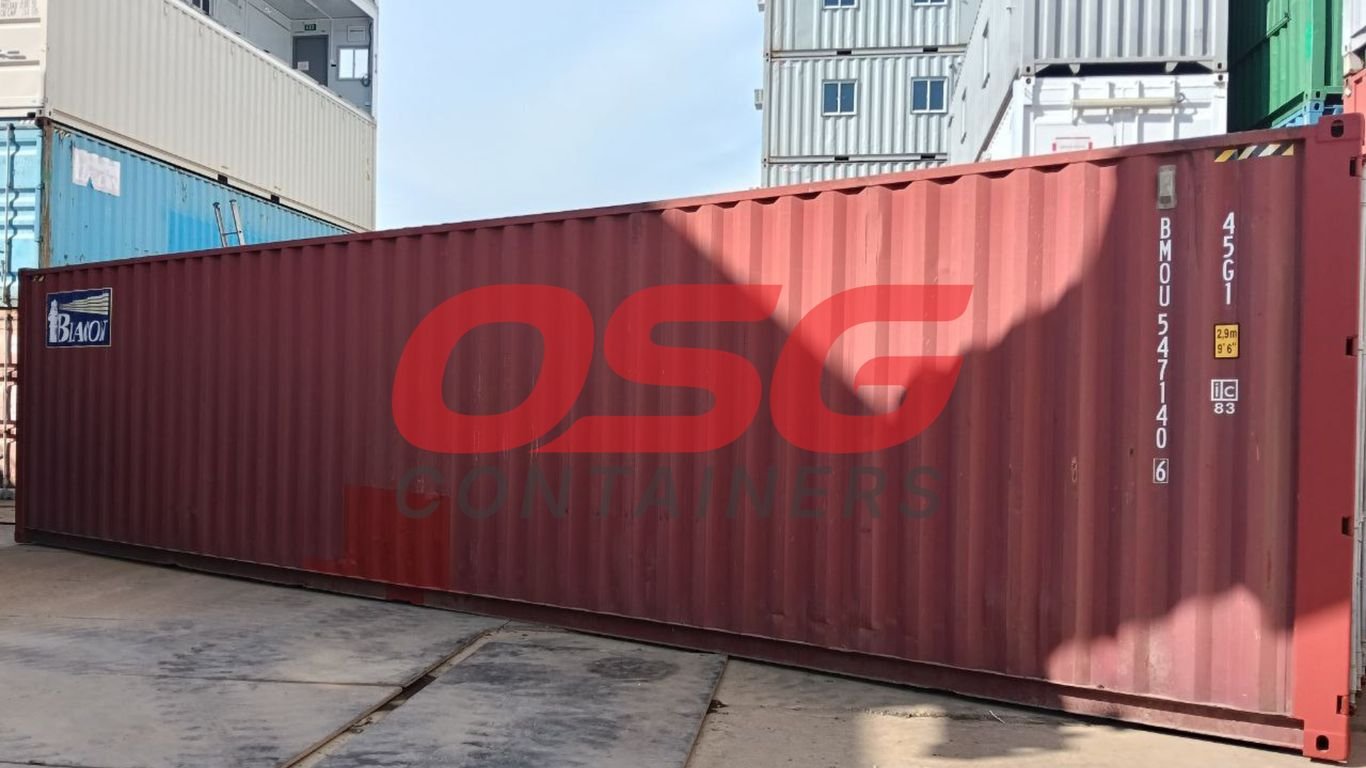
So, you’re thinking about getting a 20ft container, huh? It’s a pretty solid move, whether you need extra space for your business or want to build something cool. These things are tough and can be used for all sorts of stuff. But before you jump in and buy one, there’s a bit to know. This guide is here to break down the important stuff, like sizes, what to look for when buying, and how to actually get one. We’ll cover everything you need to know to make sure you pick the right 20ft container without any hassle.
Key Takeaways
- Figure out the exact size and space a 20ft container gives you for your plans.
- Understand why a 20ft container is a good choice for storage and moving things.
- Learn how to check if a container is in good shape, whether it’s new or used.
- Find out where to look for 20ft containers and how to get a good price.
- Know the basics about getting your container delivered and any rules you need to follow.
Understanding 20ft Container Specifications
So, you’re eyeing a 20ft container. Smart move. Before you commit, let’s get down to the nitty-gritty details. Knowing the specs of a 20 foot sea container is key to making sure it fits your needs, whether it’s for storage, a project, or something else entirely. It’s not just a box; it’s a precisely engineered piece of equipment.
20 Foot Container Dimensions and Capacity
A standard 20ft shipping container is a pretty common sight, and for good reason. It offers a good balance of space and manageability. Think of it as the Goldilocks size for many applications – not too big, not too small. The external dimensions are pretty standard, but the internal space is where you’ll be doing your work or storing your goods. This space is measured in cubic feet, giving you a clear idea of how much you can actually fit inside.
Internal and External Measurements
Let’s break down the numbers so you know exactly what you’re working with. These measurements are pretty standard across the industry, but it’s always good to double-check if you have very specific needs. The difference between a standard and a high cube model can be significant for taller items.
| Measurement | 20ft Standard (Approx.) | 20ft High Cube (Approx.) |
|---|---|---|
| Internal Length | 19.4 ft / 5.9 m | 19.4 ft / 5.9 m |
| Internal Width | 7.8 ft / 2.35 m | 7.8 ft / 2.35 m |
| Internal Height | 7.9 ft / 2.39 m | 8.9 ft / 2.69 m |
| External Length | 20 ft / 6.1 m | 20 ft / 6.1 m |
| External Width | 8 ft / 2.44 m | 8 ft / 2.44 m |
| External Height | 8.5 ft / 2.59 m | 9.5 ft / 2.89 m |
High Cube Variations
When you’re looking at 20ft containers, you’ll often see the term ‘High Cube’ or ‘HC’. This is a pretty important distinction. A high cube 20ft container is essentially the same length and width as a standard one, but it’s about a foot taller. This extra vertical space can make a big difference, especially if you’re storing taller items or planning modifications like adding shelving or a loft.
The extra height in a high cube container can be a game-changer for certain projects. Always check if the model you’re considering is standard or high cube, as it impacts both capacity and potential uses.
Here’s a quick rundown of what fits inside:
- Pallets of Goods: A standard 20ft container can typically hold around 10 standard pallets.
- Vehicles: Depending on the size and how you arrange them, you might fit one or two smaller cars or several motorcycles.
- Furniture: A good amount of household furniture can be stored, making it great for moving or temporary storage.
- Equipment: Tools, machinery, or other business equipment can be stored securely.
Reasons to Choose a 20ft Shipping Container
So, you’re looking into getting a 20ft shipping container. Smart move! These things are incredibly handy, and for good reason. They hit that sweet spot where they’re big enough to hold a decent amount of stuff but not so massive that they become a hassle to deal with. Think of them as the perfect middle ground for a lot of different needs.
Manageable Size and Versatility
One of the biggest draws of a 20ft container is its size. It’s not a behemoth like its 40ft cousins, making it easier to place on your property or even deliver to tighter spots. This manageable size means it can be used for a surprisingly wide range of things. Need extra storage for your business inventory? Check. Want to finally clear out the garage and have a secure place for all that junk? Check. People are even turning them into backyard offices, workshops, or extra living space. The 20ft container offers a flexible footprint that fits many situations.
Budget-Friendly Storage Solutions
Let’s face it, renting storage units month after month adds up. Buying a 20ft container can be a much more cost-effective option if you know you’ll need storage for a while. You pay for it once, and then it’s yours. You can put it right on your property, saving you trips to a separate storage facility. Plus, you can often find used containers in good condition for a really reasonable price, making it an even better deal for your wallet.
Enhanced Portability and Convenience
Need to move your storage? No problem. A 20ft container is designed to be moved. While you’ll need a truck or a specialized hauler, it’s far simpler to relocate than a larger unit. This makes it ideal for businesses that might move locations or for projects where you need temporary storage on-site. It’s also convenient because you can outfit it with doors, windows, or other features to make accessing your stored items a breeze. It’s a practical solution that gives you options.
When you’re thinking about using a 20ft container, remember that its steel construction makes it incredibly durable. It’s built to withstand harsh weather, which means your belongings will be protected from rain, wind, and even pests. This inherent toughness is a major reason why they’re so popular for both temporary and long-term storage needs.
Assessing 20ft Container Condition
So, you’re eyeing a 20ft container. Awesome choice! But before you hand over any cash, let’s talk about giving it a good once-over. It’s kind of like buying a used car – you wouldn’t just grab the first one you see without checking under the hood, right? The condition of the container really matters for whatever you plan to do with it, whether it’s just storing your lawnmower or turning it into a cool backyard office.
New Versus Used Shipping Containers
When you start looking, you’ll mostly find two kinds: new (often called ‘one-trip’) and used. New containers are pretty much pristine. They’ve only made one journey from the factory, so they’re clean, strong, and still have their original paint and seals. Naturally, they come with the highest price tag.
Used containers are the budget-friendly option, but they’ve definitely seen some miles. They might have a few dings, some spots of rust, or seals that aren’t quite as fresh. The trick here is finding a used one that’s still in decent shape for your specific needs. For simple storage on your property, a used container might be perfectly fine. But if you’re thinking about shipping it internationally or turning it into a tiny home, you’ll want to be a lot more selective.
Understanding Container Grades and Ratings
Containers usually come with a grade, and you’ll hear terms like ‘Cargo Worthy’ (CW) and ‘Wind and Water Tight’ (WWT). Knowing what these mean is pretty important.
- Cargo Worthy (CW): This means the container is structurally sound and good to go for shipping cargo. It shouldn’t have major damage and should be able to handle the bumps of transport. Expect some cosmetic wear and tear, though.
- Wind and Water Tight (WWT): This is a step down from CW. It means the container will keep wind and rain out, making it suitable for stationary storage. However, it might have more visible damage and probably isn’t suitable for actual shipping.
- New (One-Trip): These are the top-tier, almost perfect containers. They cost the most, as you’d expect.
- ‘As-Is’: These are usually the cheapest but come with no guarantees. You really need to inspect these thoroughly yourself.
Key Inspection Points for Durability
When you’re checking out a container, here’s what you should look for:
- The Outside: Walk all the way around it. Look for big dents, especially on the corners and roof edges, as these can weaken the structure. Check for rust, particularly around seams, door hinges, and the roof. Small surface rust spots are usually okay on used containers, but bubbling or holes are a definite no-go.
- The Doors: Open and close them. Do they seal up tight? Check the rubber gaskets around the doors – are they cracked or torn? A good seal is vital to keep out the weather.
- The Floor: Step inside. The floor is typically made of thick plywood. Check for any soft spots, signs of rot, or holes. Water damage can make the floor weak.
- The Roof: Look for any patches or signs of repair. If you can get inside on a sunny day, look for light shining through – that’s a sure sign of leaks!
Pro Tip: Always ask for photos before you go see a container, or better yet, bring a checklist with you. If you can’t inspect it yourself, consider hiring someone who knows what they’re looking at. It’s way cheaper than buying a container that’s falling apart.
Don’t forget to ask about the container’s history. What kind of cargo did it carry? Were there any spills or leaks? This information can be really helpful, especially if you’re planning to use it for something sensitive. While you won’t find open top containers in this inspection guide, the principles of checking for structural integrity and weatherproofing apply to all container types.
Finding Affordable 20ft Containers
So, you’ve decided a 20ft container is the way to go. Great choice! Now comes the part where we talk about actually getting one without emptying your wallet. It’s not as complicated as it might seem, but you do need to know where to look and what to watch out for. The key is to compare prices and understand what you’re really paying for.
Where to Find 20ft Containers for Sale
There are a few main places you can look for these metal boxes. You’ve got your local dealers, which can be great for seeing the container in person before you buy. Then there are online marketplaces, which often have a wider selection and can sometimes offer better deals because they have less overhead. Don’t forget about checking directly with shipping companies, though this is less common for individual buyers. It’s always a good idea to get quotes from a few different sources.
Here are some common places to check:
- Container Sales Companies: These businesses specialize in selling new and used containers. Many have websites where you can browse inventory and get quotes.
- Online Marketplaces: Websites like eBay or specialized industrial equipment sites can list containers for sale. You might even find listings for things like isotank containers if that’s what you’re after.
- Local Classifieds: Sometimes individuals or smaller businesses will sell used containers through local ads.
- Container Auctions: Keep an eye out for auctions held by storage facilities or shipping companies. You might snag some great deals here.
Comparing Prices and Understanding Value
When you’re looking at prices, don’t just go for the lowest number you see. Think about what you’re actually getting for your money. A container that looks cheap might have hidden problems that will cost you more down the line. Always factor in delivery costs, as these can add up quickly.
Here’s a quick breakdown of what influences price:
| Factor | Description |
|---|---|
| Condition | New (one-trip) containers are more expensive than used ones. |
| Grade | Worn-out containers are cheaper but may need repairs. |
| Location | Proximity to the seller affects delivery fees. |
| Features | Modifications like extra doors or windows increase the price. |
| Market Demand | Prices can fluctuate based on how many people are buying. |
Remember, a slightly more expensive container in good condition might save you money in the long run compared to a "bargain" that needs immediate work.
Negotiating the Best Deal
Don’t be afraid to haggle a little, especially if you’re buying a used container. If you find any issues during your inspection, use that as a point for negotiation. If you’re buying multiple containers, you might get a better price per unit. Always get quotes from at least three different suppliers to give yourself some bargaining power.
When you’re ready to buy, make sure you have a clear understanding of the terms. Ask about warranties, return policies, and what exactly is included in the price. Don’t let yourself be surprised by hidden fees or unexpected charges later on.
Real-World Uses for 20ft Containers
So, you’ve got a 20ft container, or you’re thinking about getting one. What can you actually do with it besides just shipping stuff? Turns out, quite a lot. These things are way more adaptable than you might think, thanks to their tough steel build and manageable size. People are getting really creative with them.
Versatility of Use: From Storage to Housing
At its core, a 20ft container is a secure, weatherproof box. This makes it perfect for straightforward storage. Think construction sites needing a place for tools and materials, or farms needing to keep equipment safe from the elements. But it doesn’t stop there. Many folks are converting these containers into actual living spaces. We’re talking tiny homes, backyard studios, or even extra rooms. The basic structure is solid, and with some insulation, windows, and doors, you can make a pretty cozy spot.
Modifications for Business Applications
Businesses are finding all sorts of uses for 20ft containers too. Need a temporary spot for your business while your main building is being renovated? A container can be set up as a site office or even a small retail space. Imagine a pop-up shop that can be moved to different locations, or a coffee stand that’s easy to set up and take down. Many businesses use them as container offices on job sites, providing a functional workspace that’s protected from the weather. You can add shelving, desks, lighting – whatever you need to make it work.
Here’s a quick look at what fits inside:
| Item Type | Approximate Quantity/Capacity |
|---|---|
| Pallets of Goods | Up to 10 |
| Small Cars | 1-2 |
| Motorcycles/ATVs | Several |
| Tools & Equipment | Varies greatly |
| Lumber/Building Mats | Varies greatly |
Creative Projects and Customization
Beyond the usual business or home uses, people are getting really personal with their containers. Think art studios, workshops, or even man caves. You can add custom paint jobs, special flooring, or even a green roof. Some people have even turned them into small performance stages or unique event spaces. The key is that they provide a blank canvas that’s already built tough.
The beauty of a 20ft container lies in its adaptability. It’s a strong, standard structure that can be modified to suit a huge range of needs, from simple storage to complex living or working environments. This makes them a practical choice for many different situations.
It’s really about seeing the potential beyond just a shipping box. With a bit of planning and some elbow grease, a 20ft container can become almost anything you need it to be.
Logistics and Regulations for Your Container
So, you’ve found the perfect 20ft container. That’s great! But before you start picturing it on your property, there are a couple of big things to sort out: getting it to your place and making sure it’s all legal. It’s not just about buying the box; it’s about what happens next.
Delivery and Transportation Considerations
Getting your container from point A to point B is a pretty big deal. Think about how it’s going to get there. You’ve got a few options, and the best one really depends on where you are, how far it needs to travel, and, of course, your budget.
- Flatbed Trucks: These are common and usually the most budget-friendly for shorter distances. You might need a forklift or crane at your end to get it off, though.
- Tilt-Bed Trucks: These are great because they can lower the container right off the back onto your site. Super convenient if you don’t have heavy equipment, but they can cost a bit more.
- Intermodal Transport: If you’re moving it a really long way, like across the country or internationally, this might be the way to go. It often involves trains or ships, so it’s complex but can save money over huge distances.
Always get a few quotes to compare delivery fees. And before the truck even shows up, make sure the spot where it’s going is clear, level, and has no low-hanging wires or branches. A little prep work goes a long way to avoid headaches.
Understanding Local Regulations and Permits
This is where things can get a little tricky, but it’s super important. You can’t just plop a container anywhere and call it a day. Depending on what you plan to do with it and where you’re putting it, you might need permits. It’s all about making sure your container setup is safe and follows the rules.
- Check with your local planning or building department: This is your first stop. Ask them directly about using shipping containers on your property.
- Understand the intended use: Is it for storage, a workshop, an office, or a dwelling? Each might have different rules.
- Consider property lines and setbacks: There might be rules about how close you can place a structure to your property boundaries.
Local regulations are there for a reason, often related to safety, land use, and neighborhood appearance. Ignoring them can lead to fines, having to move your container, or even worse, being forced to remove it entirely. It’s always better to check first.
Budgeting for Additional Costs
Beyond the price of the container itself and its delivery, there are other costs to think about. These can add up, so it’s smart to factor them in from the start.
- Permit Fees: If your local government requires permits, there will likely be a fee associated with them. These can vary quite a bit depending on your location and the complexity of your project.
- Site Preparation: You might need to pay for leveling the ground, pouring a concrete foundation, or clearing the area where the container will sit. This is especially true if you want a really stable setup.
- Modifications and Installation: If you plan to add windows, doors, insulation, or electrical work, these modifications will have their own costs. You might also need to hire professionals for some of these tasks.
- Transportation Insurance: While not always required, insuring the container during transit can offer peace of mind, especially for long-distance moves.
It’s really about seeing the potential beyond just a shipping box. With a bit of planning and some elbow grease, a 20ft container can become almost anything you need it to be, but don’t forget these practical steps.
Wrapping It Up
So, you’ve made it through our chat about 20ft containers. We’ve gone over the basics, from figuring out if this size is right for you to knowing what to look for when you’re buying one, especially if it’s used. These containers are pretty tough and can be used for way more than just shipping things. Whether you’re thinking about building a workshop, need more storage for your business, or even have a wild idea for a tiny home, a 20ft container is a solid starting point. Just take your time, do a little digging on the condition and price, and don’t forget to check any local rules. With a bit of planning, you’ll find the perfect container to get your project off the ground.
Frequently Asked Questions
Why is a 20ft container a popular choice?
A 20ft container is like the perfect middle size. It’s not too big to handle, but it’s large enough to store a lot of things or be used for various projects. This makes it super versatile for many different needs, from storing extra stuff to building something new.
Should I get a new or used 20ft container?
It really depends on your budget and what you plan to do with it. New containers are in perfect shape and will last a very long time, but they cost more. Used containers are cheaper and can be great for storage or projects, but you need to check them carefully for any damage or rust.
What are the main things to look for when buying a used container?
When checking a used container, look closely for rust, especially around the edges and corners. Make sure the doors open and close smoothly and seal tightly to keep out rain and wind. Also, check for any major dents or damage that might weaken the structure.
Where can I find a 20ft container for sale?
You can find 20ft containers from specialized container sales companies, both online and locally. Sometimes, you can also find good deals on online marketplaces or through local classified ads. Checking with shipping companies directly might also be an option, though less common for individual buyers.
What are the typical outside dimensions of a 20ft container?
A standard 20ft container is about 20 feet long, 8 feet wide, and 8.5 feet tall on the outside. Keep in mind that the inside space will be slightly smaller due to the walls.
Can I use a 20ft container for something other than storage?
Absolutely! People use 20ft containers for all sorts of things. They can be turned into tiny homes, offices, workshops, studios, or even pop-up shops. Their strong, weather-resistant design makes them a great base for many creative projects.