Singapore
 Australia
 Indonesia
 Japan
Japan Malaysia
 New Zealand
 Philippines
 South Korea
 Taiwan
 Thailand
 VIETNAM

So, you’re thinking about getting a 20ft container, huh? It’s a pretty solid move, whether you need extra space for your business or want to build something cool. These things are tough and can be used for all sorts of stuff. But before you jump in and buy one, there’s a bit to know. This guide is here to break down the important stuff, like sizes, what to look for when buying, and how to actually get one. We’ll cover everything you need to know to make sure you pick the right 20 foot sea container without any hassle.
Key Takeaways
- Figure out the exact size and space a 20ft container gives you for your plans.
- Understand why a 20ft container is a good choice for storage and moving things.
- Learn how to check if a container is in good shape, whether it’s new or used.
- Find out where to look for 20ft containers and how to get a good price.
- Know the basics about getting your container delivered and any rules you need to follow.
Understanding 20 Foot Sea Container Specifications
So, you’re looking at a 20 foot sea container. Good choice! These are super common and for good reason. They’re a solid middle-ground size, not too big to handle, but big enough for a lot of stuff. Before you buy, though, you really need to know the details. It’s not just a metal box; it’s built to specific standards.
20 Foot Container Dimensions and Capacity
The standard 20ft container is a workhorse in the shipping world. Its dimensions are pretty consistent, but the real question is how much space you actually get inside. This is usually measured in cubic feet or meters, giving you a clear picture of what you can fit. Think of it as the ‘just right’ size for many projects, whether that’s storing equipment or setting up a small workshop.
Internal and External Measurements
Let’s get down to the numbers. These measurements are pretty standard across the industry, but it’s always wise to double-check if you have very specific needs. The difference between a standard and a high cube model can be significant for taller items.
| Measurement | 20ft Standard (Approx.) | 20ft High Cube (Approx.) |
|---|---|---|
| Internal Length | 19.4 ft / 5.9 m | 19.4 ft / 5.9 m |
| Internal Width | 7.8 ft / 2.35 m | 7.8 ft / 2.35 m |
| Internal Height | 7.9 ft / 2.39 m | 8.9 ft / 2.69 m |
| External Length | 20 ft / 6.1 m | 20 ft / 6.1 m |
| External Width | 8 ft / 2.44 m | 8 ft / 2.44 m |
| External Height | 8.5 ft / 2.59 m | 9.5 ft / 2.89 m |
High Cube vs. Standard Height
The main difference you’ll notice between a standard 20ft container and a ‘High Cube’ model is the height. High Cube containers give you an extra foot of vertical space. This might not sound like much, but it can make a big difference if you’re storing tall items, stacking goods, or planning to stand up inside the container comfortably. Always consider what you’ll be putting inside when deciding between the two.
A 20ft shipping container is built from strong steel, designed to handle rough weather and tough journeys. This durability means your stuff stays protected, whether it’s on a ship or sitting on your property. It’s a reliable structure that can be used for many different things.
Here’s a quick look at what a 20ft container can typically hold:
- Pallets of Goods: Up to 10 standard pallets.
- Vehicles: Usually 1 to 2 small cars, or several motorcycles/ATVs.
- Equipment/Materials: Capacity varies greatly depending on size and type.
Assessing the Condition of Your 20 Foot Container
So, you’ve decided a 20-foot container is the way to go. Awesome! But before you hand over your hard-earned cash, let’s talk about giving it a good once-over. It’s a bit like buying a used car; you wouldn’t just grab the first one you see without checking under the hood, right? The condition of the container really matters for whatever you plan to do with it, whether it’s just storing your lawnmower or turning it into a cool backyard office.
New Versus Used Shipping Containers
When you start looking, you’ll mostly find two kinds: new (often called ‘one-trip’) and used. New containers are pretty much pristine. They’ve only made one journey from the factory, so they’re clean, strong, and still have their original paint and seals. Naturally, they come with the highest price tag.
Used containers are the budget-friendly option, but they’ve definitely seen some miles. They might have a few dings, some spots of rust, or seals that aren’t quite as fresh. The trick here is finding a used one that’s still in decent shape for your specific needs. For simple storage on your property, a used container might be perfectly fine. But if you’re thinking about shipping it internationally or turning it into a tiny home, you’ll want to be a lot more selective.
Understanding Container Grades and Ratings
Containers usually come with a grade, and you’ll hear terms like ‘Cargo Worthy’ (CW) and ‘Wind and Water Tight’ (WWT). Knowing what these mean is pretty important.
- Cargo Worthy (CW): This means the container is structurally sound and good to go for shipping cargo. It shouldn’t have major damage and should be able to handle the bumps of transport. Expect some cosmetic wear and tear, though.
- Wind and Water Tight (WWT): This is a step down from CW. It means the container will keep wind and rain out, making it suitable for stationary storage. However, it might have more visible damage and probably isn’t suitable for actual shipping.
- New (One-Trip): These are the top-tier, almost perfect containers. They cost the most, as you’d expect.
- ‘As-Is’: These are usually the cheapest but come with no guarantees. You really need to inspect these thoroughly yourself.
Key Inspection Points for Used Containers
When you’re checking out a container, here’s what you should look for:
- The Outside: Walk all the way around it. Look for big dents, especially on the corners and roof edges, as these can weaken the structure. Check for rust, particularly around seams, door hinges, and the roof. Small surface rust spots are usually okay on used containers, but bubbling or holes are a definite no-go.
- The Doors: Open and close them. Do they seal up tight? Check the rubber gaskets around the doors – are they cracked or torn? A good seal is vital to keep out the weather.
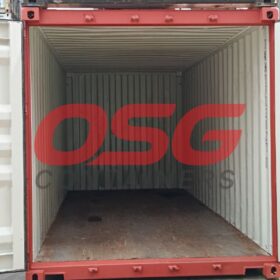
- The Floor: Step inside. The floor is typically made of thick plywood. Check for any soft spots, signs of rot, or holes. Water damage can make the floor weak.
- The Roof: Look for any patches or signs of repair. If you can get inside on a sunny day, look for light shining through – that’s a sure sign of leaks!
Always ask for photos before you go see a container, or better yet, bring a checklist with you. If you can’t inspect it yourself, consider hiring someone who knows what they’re looking at. It’s way cheaper than buying a container that’s falling apart. Don’t forget to ask about the container’s history. What kind of cargo did it carry? Were there any spills or leaks? This information can be really helpful, especially if you’re planning to use it for something sensitive.
Finding and Purchasing a 20 Foot Container
So, you’ve decided a 20 ft container is the right size for your needs. That’s a solid choice! Now comes the part where you actually go about getting one. It’s not rocket science, but knowing where to look and what to ask can save you a lot of headaches and maybe even some cash.
Where to Find 20 Foot Containers for Sale
Finding a 20 ft container for sale usually involves a few common avenues. You’ll want to compare prices and availability from different sources to make sure you’re getting a good deal.
- Local Container Dealers: These businesses specialize in selling new and used containers. They often have a yard where you can go see the containers in person before you buy, which is a big plus.
- Online Marketplaces: Websites dedicated to selling shipping containers or general classified ad sites can have listings. These often have a wider selection, and you might find some good deals due to lower overhead for sellers.
- Shipping Companies: While less common for individual buyers, sometimes you can inquire directly with shipping lines or their agents about purchasing retired containers.
- Brokers: Some companies act as intermediaries, connecting buyers with sellers. They can sometimes find specific types or grades of containers.
It’s always a good idea to get quotes from at least three different places. This helps you gauge the market price and gives you some room to negotiate.
Negotiating the Best Deal
Once you’ve found a few potential sellers, it’s time to talk price. Don’t just accept the first offer you get. Remember, a slightly more expensive container in good condition might save you money in the long run compared to a "bargain" that needs immediate work.
- Inspect Thoroughly: If possible, inspect the container yourself. Look for rust, dents, and check that the doors seal properly. Any issues you find can be used as a talking point for a lower price.
- Compare Quotes: Having multiple quotes in hand gives you significant bargaining power. Let sellers know you’re comparing options.
- Ask About Delivery: Factor in delivery costs. Sometimes a seller with slightly higher container prices but cheaper delivery can be the better overall deal.
- Bulk Discounts: If you happen to need more than one container, always ask about discounts for buying multiple units.
Understanding Purchase Terms and Warranties
Before you hand over any money, make sure you understand exactly what you’re buying and what protections you have. This is where things can get tricky if you’re not careful.
- What’s Included: Clarify if the price includes delivery, taxes, or any other fees. Sometimes what seems like a great price has hidden costs.
- Warranties: Ask about any warranties. New containers usually come with a manufacturer’s warranty. Used containers might have a shorter, "as-is" warranty or none at all. Understand what the warranty covers (e.g., structural integrity, leaks).
- Return Policy: Does the seller have a return policy? What are the conditions and costs associated with returning a container if it’s not what you expected or has undisclosed issues?
- Condition Guarantee: For used containers, ask if the seller guarantees it’s "wind and watertight" (WWT) or "cargo worthy" (CW), and what that specifically means to them.
Buying a container is a significant purchase, and it’s easy to get caught up in the excitement. Take your time, do your homework on the seller and the specific container, and don’t be afraid to walk away if something doesn’t feel right. A little due diligence now can prevent a lot of problems later.
Real-World Uses for Your 20 Foot Container
So, you’ve got a 20-foot container, or you’re thinking about getting one. What can you actually do with it besides just shipping stuff? Turns out, quite a lot. These things are way more adaptable than you might think, thanks to their tough steel build and manageable size. People are getting really creative with them.
Versatility of Use: From Storage to Housing
At its core, a 20-foot container is a secure, weatherproof box. This makes it perfect for straightforward storage. Think construction sites needing a place for tools and materials, or farms needing to keep equipment safe from the elements. But it doesn’t stop there. Many folks are converting these containers into actual living spaces. We’re talking tiny homes, backyard studios, or even extra rooms. The basic structure is solid, and with some insulation, windows, and doors, you can make a pretty cozy spot.
Here’s a quick look at what fits inside:
| Item Type | Approximate Quantity/Capacity |
|---|---|
| Pallets of Goods | Up to 10 |
| Small Cars | 1-2 |
| Motorcycles/ATVs | Several |
| Tools & Equipment | Varies greatly |
| Lumber/Building Mats | Varies greatly |
Modifications for Business Applications
Businesses are finding all sorts of uses for 20-foot containers too. Need a temporary spot for your business while your main building is being renovated? A container can be set up as a site office or even a small retail space. Imagine a pop-up shop that can be moved to different locations, or a coffee stand that’s easy to set up and take down. Many businesses use them as container offices on job sites, providing a functional workspace that’s protected from the weather. You can add shelving, desks, lighting – whatever you need to make it work.
Creative Projects and Customization
Beyond the usual business or home uses, people are getting really personal with their containers. Think art studios, workshops, or even man caves. You can add custom paint jobs, special flooring, or even a green roof. Some people have even turned them into small performance stages or unique event spaces. The key is that they provide a blank canvas that’s already built tough.
The beauty of a 20-foot container lies in its adaptability. It’s a strong, standard structure that can be modified to suit a huge range of needs, from simple storage to complex living or working environments. This makes them a practical choice for many different situations.
It’s really about seeing the potential beyond just a shipping box. With a bit of planning and some elbow grease, a 20-foot container can become almost anything you need it to be.
Logistics and Regulations for Your 20 Foot Container
So, you’ve found the perfect 20ft container. That’s great! But before you start picturing it on your property, there are a couple of big things to sort out: getting it to your place and making sure it’s all legal. It’s not just about buying the box; it’s about what happens next.
Delivery and Transportation Considerations
Getting your container from point A to point B is a pretty big deal. Think about how it’s going to get there. You’ve got a few options, and the best one really depends on where you are, how far it needs to travel, and, of course, your budget. Most often, you’ll need a specialized tilt-bed truck or a flatbed with a crane to move it.
Here are some common ways containers get moved:
- Local Delivery Services: Many container suppliers offer their own delivery. This is often the easiest route, as they know how to handle these heavy units. They’ll usually quote you a price based on distance.
- Third-Party Trucking Companies: You can hire independent trucking companies that specialize in hauling heavy equipment. Make sure they have experience with shipping containers.
- DIY Transport (Not Recommended for Most): If you have access to a heavy-duty truck and the right equipment (like a gooseneck trailer and a powerful winch), you could theoretically move it yourself. However, this is risky and requires significant expertise.
When getting quotes, be clear about the exact dimensions of your container and the accessibility of both the pickup and drop-off locations. Tight driveways or overhead obstructions can make delivery much more complicated and expensive.
Handling and Placement of Containers
Once the container arrives, getting it off the truck and into its final spot is another step. This usually requires heavy machinery. A tilt-bed truck will simply lower it off, but if it’s on a flatbed, you’ll need a crane or a forklift with sufficient lifting capacity. The ground where you plan to place the container needs to be level and stable. Uneven ground can cause the container to warp over time, making doors difficult to open and close, and potentially compromising its structural integrity.
- Foundation: For long-term placement, consider a foundation. This could be concrete blocks, a gravel pad, or even a poured concrete slab. A good foundation prevents settling and keeps the container off the damp ground.
- Clearance: Make sure there’s enough space around the container for access, maintenance, and any modifications you plan to do.
- Weight Distribution: Distribute the weight evenly. If you’re storing heavy items, place them over the container’s axles or structural supports, not just in the middle.
Remember, these containers are built to withstand harsh weather at sea, but they still need a solid base and proper handling to last. Think of it like building a house – a good foundation is key.
Navigating Local Regulations
This is where things can get a bit tricky, and it really varies depending on where you live. Before you even buy a container, it’s a good idea to check with your local city or county planning and zoning department. They’ll have rules about:
- Permits: You might need a permit to place a shipping container on your property, especially if it’s for anything other than temporary storage.
- Zoning Laws: Some areas have restrictions on what types of structures you can have, how large they can be, or where they can be located on your property.
- Setbacks: There might be rules about how close the container can be to property lines or other buildings.
- Aesthetics: In some neighborhoods, there might be rules about the appearance of external structures.
Ignoring these regulations can lead to fines or even being forced to move your container. It’s always better to be upfront and ask questions. A quick call or visit to your local government office can save you a lot of headaches down the road.
Choosing Between New and Used 20 Foot Containers
When you start looking for a 20-foot container, you’ll quickly see there are two main paths: brand new, often called ‘one-trip’ containers, or used ones. Each has its own set of pros and cons, and what’s right for you really depends on your budget and what you plan to do with it.
Advantages of New Containers
New containers are, well, new. They’ve typically only made one trip from the factory overseas before being sold. This means they’re in pristine condition. You won’t find dents, major rust spots, or worn-out seals. This makes them ideal if you need a container that looks good and will last for a very long time. They’re perfect for projects where appearance matters, like converting one into a retail space or a modern office. Plus, they usually come with the manufacturer’s warranty, giving you extra peace of mind.
Benefits of Used Containers
Used containers are the go-to for many people because they’re significantly cheaper. You can often find them for about half the price of a new one. They’ve been around the block a few times, so they might have some cosmetic wear like minor dents, scratches, or a bit of surface rust. However, for basic storage needs or projects where looks aren’t the top priority, a used container can be a fantastic, budget-friendly option. You just need to be a bit more careful when inspecting them. Think of them like a reliable used car – they might not be perfect, but they can still get the job done.
Making the Right Choice for Your Budget
So, how do you decide? It really boils down to a few key questions:
- What’s your budget? If you’re trying to save money, a used container is likely the way to go.
- What will you use it for? For simple storage on your property or a workshop where looks don’t matter, used is fine. If it’s for a business front or a home, new might be worth the extra cost.
- How long do you need it? New containers will generally last longer with less maintenance.
It’s also worth noting that while we’re talking about standard 20-foot containers, the same logic applies if you were looking at specialized units like isotank containers or open top containers. Always assess the condition relative to the price.
When inspecting a used container, pay close attention to the floor for any soft spots or water damage. Also, check that the doors seal tightly to prevent leaks. Minor cosmetic issues are usually okay, but structural problems can become expensive headaches down the road.
Here’s a quick rundown to help you compare:
| Feature | New (One-Trip) Container | Used Container |
|---|---|---|
| Cost | Higher | Lower |
| Condition | Excellent, minimal wear | Varies, may have dents/rust |
| Lifespan | 25+ years | 10-15 years (approx.) |
| Appearance | Clean, good | Can be worn |
| Best For | Offices, homes, high-end | Storage, workshops, budget |
Ultimately, both new and used 20-foot containers are durable and versatile. Just do your homework, inspect carefully if buying used, and choose the option that best fits your project and your wallet.
Wrapping It Up
So, you’ve made it through our chat about 20ft containers. We’ve gone over the basics, from figuring out if this size is right for you to knowing what to look for when you’re buying one, especially if it’s used. These containers are pretty tough and can be used for way more than just shipping things. Whether you’re thinking about building a workshop, need more storage for your business, or even have a wild idea for a tiny home, a 20ft container is a solid starting point. Just take your time, do a little digging on the condition and price, and don’t forget to check any local rules. With a bit of planning, you’ll find the perfect container to get your project off the ground.
Frequently Asked Questions
Why are 20ft containers so popular?
Twenty-foot containers are a favorite because they’re just the right size. They’re big enough to hold a lot of stuff or be used for cool projects, but they aren’t so huge that they’re hard to handle or place. This makes them super useful for many different needs, from storing extra things to building something new.
Should I buy a new or used 20ft container?
It really depends on how much money you want to spend and what you’ll use it for. New containers are in perfect shape and will last a very long time, but they cost more. Used containers are cheaper and can be great for storage or projects, but you need to check them carefully for any damage or rust.
What are the most important things to check on a used container?
When you look at a used container, check closely for rust, especially around the edges and corners. Make sure the doors open and close easily and seal up tight to keep out rain and wind. Also, look for any big dents or damage that might make the container weaker.
Where can I find a 20ft container to buy?
You can find 20ft containers for sale from local dealers, which lets you see them in person. Online marketplaces often have more choices and sometimes better prices. You can also try checking directly with shipping companies, though this is less common for individual buyers.
What are the typical inside and outside measurements of a 20ft container?
A standard 20ft container is about 20 feet long on the outside. Inside, it’s roughly 19.4 feet long, 7.8 feet wide, and about 7.9 feet tall. If you get a ‘High Cube’ version, it’s a bit taller, giving you more headroom.
Can I change or modify a 20ft container?
Absolutely! People do all sorts of modifications. You can add shelves, electrical wiring, insulation, new doors, or even paint it a different color. This flexibility allows you to turn a basic container into a workshop, office, or even a small living space.