Singapore
 Australia
 Indonesia
 Japan
Japan Malaysia
 New Zealand
 Philippines
 South Korea
 Taiwan
 Thailand
 VIETNAM
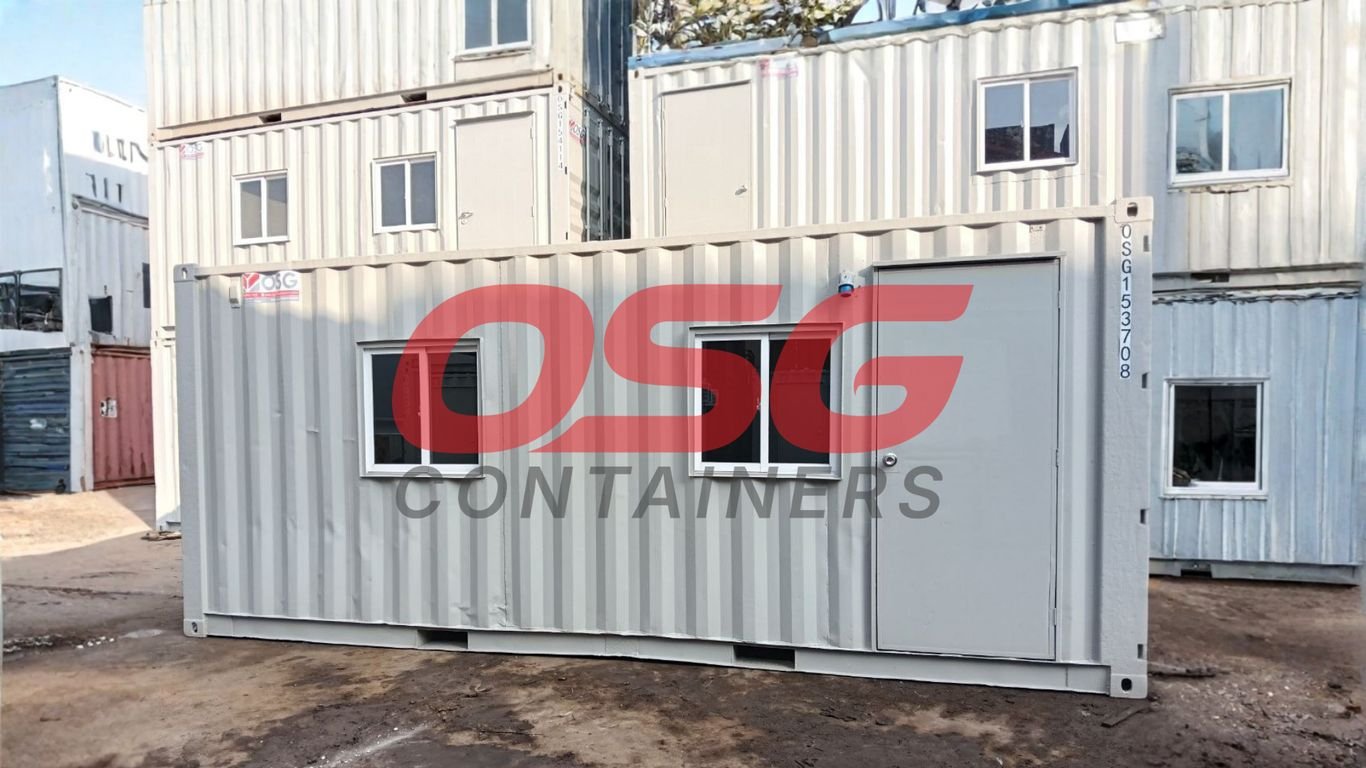
Thinking about getting a cargo container? They’re pretty neat, not just for shipping stuff anymore. People are using them for all sorts of things, from extra storage to building actual homes. It’s kind of wild how versatile these big metal boxes can be. If you’re curious about what options are out there, how you might use one, or just how to even get one, stick around. We’ll break it down.
Key Takeaways
- Cargo containers come in different conditions, like new (one-trip) or used (cargo worthy, wind and watertight), each with its own pros and cons.
- These containers are super adaptable, working well for secure storage, unique homes and offices, commercial spaces, and even urban farming.
- You can get containers in standard sizes like 20-foot and 40-foot, with ‘high cube’ options for extra height.
- Repurposing a cargo container is a strong, secure, and eco-friendly choice that can be scaled up as needed.
- Buying a cargo container online simplifies the selection, pricing, and delivery process, making it easier to get the container you need.
Understanding Cargo Container Options
When you’re looking to buy a cargo container, it’s not just a simple steel box; there are different types to consider, each with its own history and condition. Choosing the right one really depends on what you plan to do with it.
New One-Trip Cargo Containers
These are the cream of the crop, basically. They’ve made just one journey across the ocean, usually from the manufacturer overseas to a port here. Because they’ve only been used once, they’re in fantastic shape. Think minimal wear and tear, clean floors, and doors that work perfectly. They’re ideal if you want something that looks great and will last a long time, especially for projects where appearance matters or if you plan on doing a lot of modifications. They’re pretty much ready for anything, from secure storage to becoming a stylish tiny home.
Used Cargo Worthy Containers
These containers have seen more of the world. They’ve been used for shipping for a while, so they’ve got some miles on them. "Cargo Worthy" means they’ve passed an inspection and are still considered fit for carrying goods. You might see some dents, maybe a bit of surface rust, and the paint might be faded. The floors might have had minor repairs. They’re still solid and watertight, though. If you’re on a tighter budget or your project doesn’t require a pristine look, these are a solid choice. They’re great for general storage, workshops, or even as a base for a more rustic-looking conversion. A 20 ft sea container in this condition can be a real bargain.
Wind And Watertight Containers
These are typically the most affordable option because they’ve had the most use. The "Wind and Watertight" (WWT) label means they won’t leak, and the structure is still sound enough to keep the elements out. However, expect more cosmetic issues – more dents, rust, and potentially more flooring repairs. They might not be suitable for transporting goods anymore, but for basic storage needs where the appearance isn’t a big deal, they work just fine. If you just need a secure place to stash some tools or equipment and don’t care about looks, a WWT container is your go-to. You might even find a 40 high q container in this category for a really low price if you’re just looking for sheer volume of space.
When you’re comparing options, remember that while a "new" container might cost more upfront, its longevity and better condition can save you money and hassle down the line, especially for complex conversions. For simpler storage needs, a used container can be perfectly adequate and much kinder to your wallet. Don’t forget to factor in delivery costs, and whether you’re looking to rent container space or buy outright.
Here’s a quick rundown:
- New One-Trip: Best condition, minimal use, ideal for high-end conversions and appearance-focused projects.
- Cargo Worthy: Used but inspected, good balance of price and condition, suitable for most storage and basic conversions.
- Wind and Watertight: Most affordable, basic protection from elements, best for simple storage where looks don’t matter.
Versatile Applications For Your Cargo Container
These steel boxes are way more than just a way to move stuff around the globe. People are getting super creative with them, and honestly, it’s pretty cool to see.
Secure Storage Solutions
Need a safe spot for your tools, equipment, or seasonal gear? A cargo container is basically a fortress on wheels. They’re built tough to handle rough weather and keep your belongings protected. Think of it as a super secure shed that you can put almost anywhere. Plus, they’re way more robust than your average storage unit.
Innovative Housing And Offices
Forget traditional building for a sec. Shipping containers are popping up as homes, studios, and even full-blown offices. It’s a smart way to get a functional space without the usual construction headaches. People are really making them look amazing, blending modern design with a sustainable approach. It’s a whole movement towards simpler, more adaptable living and working spaces.
Unique Commercial Spaces
Got a business idea that needs a flexible spot? A container can become a pop-up shop, a cool cafe, or even a small gallery. They’re easy to move if you need to change locations, and they definitely stand out. Imagine a coffee stand made from a container – it’s memorable and totally doable.
Sustainable Farming And Gardening
This one’s pretty neat. You can actually turn a container into a mini-farm or a greenhouse. It gives you control over the environment for growing plants, even in places where the soil isn’t great or the weather is harsh. It’s a great way to grow your own food or start a small urban farm, and it’s good for the planet too.
Choosing The Right Cargo Container Size
So, you’ve decided a cargo container is the way to go for your project, storage, or maybe even a cool new living space. Awesome! But before you hit that ‘buy’ button, we gotta talk size. It’s not a one-size-fits-all situation, and picking the wrong one can be a real headache later on. Think of it like buying shoes – you wouldn’t get a size 7 if you wear a size 10, right? Same idea here.
Compact 20-Foot Containers
These are your workhorses for smaller needs. A 20-foot container is about the size of a standard one-car garage. It’s pretty popular because it’s not too big to handle, but still offers a decent amount of space. It’s a great starting point for many storage needs or smaller conversion projects. If you’re looking to store tools, equipment, seasonal items, or maybe set up a small workshop or office, a 20-footer is often just the ticket. They’re also easier to place in tighter spots, which can be a big deal depending on where you’re putting it.
Expansive 40-Foot Containers
Now, if you need more room, the 40-foot container is your next step up. This bad boy is twice as long as the 20-foot, giving you a lot more real estate. Think of it as a large studio apartment or a way bigger storage unit. These are perfect for storing larger items, multiple vehicles, or for more ambitious conversion projects like a small home, a larger office space, or even a couple of retail units. Because they’re longer, you’ll need a bit more space for delivery and placement, so make sure you’ve got the room.
High Cube Options For Extra Space
Here’s a little secret: most containers come in two heights. You’ve got your standard height, which is about 8 feet 6 inches. But then there are the ‘High Cubes’. These are a foot taller, hitting around 9 feet 6 inches. That extra foot might not sound like much, but trust me, it makes a difference, especially if you’re planning on standing up in it, adding shelving, or stacking things. It gives you a bit more breathing room and flexibility. So, when you’re looking at 20-foot or 40-foot containers, always ask if a High Cube version is available if you think you might need that extra vertical space. It can save you from feeling cramped later.
Here’s a quick look at the typical dimensions:
| Size | Length (External) | Width (External) | Height (External) | Interior Height (Approx.) |
|---|---|---|---|---|
| 20-Foot | 20 ft | 8 ft | 8.5 ft | 7.9 ft |
| 40-Foot | 40 ft | 8 ft | 8.5 ft | 7.9 ft |
| 20-Foot HC | 20 ft | 8 ft | 9.5 ft | 8.9 ft |
| 40-Foot HC | 40 ft | 8 ft | 9.5 ft | 8.9 ft |
When you’re figuring out which size to get, really think about what you’ll be putting inside. Measure your stuff if you have to! It’s way better to have a little extra space than to realize your project won’t fit after you’ve bought the container. Also, consider where it’s going – can you actually get a 40-foot container into your backyard, or is a 20-foot more realistic?
The Cargo Container Conversion Process
So, you’ve got your container, and now you’re thinking about turning it into something awesome. That’s where the conversion process comes in. It’s not just about slapping some paint on it; there’s a bit more to it than that. Think of it as giving a sturdy steel box a whole new life.
Design and Planning
Before you even think about cutting metal, you need a solid plan. What are you trying to build? A tiny home? An office? A workshop? Sketch it out. Figure out where windows and doors will go, how you’ll handle insulation, and what kind of electrical setup you’ll need. This stage is all about making sure your vision is actually doable and that you’ve thought through all the little details.
- Define your purpose: What will the container be used for?
- Layout sketching: Map out interior and exterior features.
- Material sourcing: Plan for insulation, flooring, windows, doors, etc.
- Permitting research: Check local building codes and requirements.
This initial planning phase is super important. Skipping it can lead to costly mistakes down the line, like realizing a window won’t fit where you wanted it or that your insulation plan isn’t up to code. Better to spend time drawing and thinking now than fixing problems later.
Modifications and Customization
This is where the real work happens. You’ll be cutting, welding, and building. Depending on your design, this could involve:
- Cutting openings for doors and windows.
- Adding structural supports where needed.
- Installing insulation and interior wall coverings.
- Running electrical and plumbing lines.
- Applying exterior finishes for aesthetics and protection.
It’s a good idea to have professionals handle welding and electrical work if you’re not experienced. Safety first, right?
Delivery and Placement
Once your container is ready, or if you’re having it converted off-site, getting it to its final location is key. This usually involves specialized trucks and cranes. You’ll need to make sure you have a clear path for delivery and a level, stable spot for the container to rest. Proper placement is vital for the longevity and functionality of your converted space.
Advantages Of Repurposing A Cargo Container
So, you’re thinking about using a cargo container for something other than just shipping stuff around the globe? Smart move. These things are built tough, like, really tough. They’ve survived storms at sea, so turning one into a workshop, an office, or even a home means you’re starting with a structure that’s practically indestructible. This inherent durability means your project will stand the test of time and whatever weather gets thrown at it. Plus, compared to building something from scratch, you’re skipping a lot of the usual headaches.
Unmatched Durability and Security
These steel boxes are designed to handle a lot. We’re talking about walls that can take a beating and security features that make traditional sheds look like a joke. Think about it: they’re made to protect valuable goods during long, rough journeys. That same protection translates directly to whatever you decide to put inside your converted container, whether it’s expensive tools, sensitive equipment, or just your personal belongings. The robust construction and the ability to add advanced locking systems make them a really secure option.
Scalability For Future Growth
One of the coolest things about using containers is that you’re not locked into one size forever. If your needs change or your business expands, you can just add another container. It’s like building with LEGOs, but way more industrial. Need more space for your workshop? Add another unit. Want to expand your office? Stack ’em or place them side-by-side. This modular approach means you can grow without the massive disruption and cost of traditional construction.
Quick Deployment and Turnaround
Forget waiting months for a building to be finished. Containers are ready to go, and modifications can happen pretty fast. Once you’ve got your design sorted and the container delivered, you can often get it set up and ready for use much quicker than you might expect. This speed is a big deal if you need a space up and running without delay, like for a pop-up shop or a temporary office.
Eco-Friendly Building Solution
This is a big one for a lot of people. Instead of using new lumber, concrete, and other materials that have a significant environmental impact, you’re giving an existing steel structure a new life. It cuts down on waste and reduces the demand for manufacturing new building supplies. It’s a responsible choice that helps the planet while still giving you a solid, functional space. Plus, many container conversions incorporate energy-efficient features, further reducing their footprint.
Repurposing a cargo container is a smart way to get a strong, secure, and adaptable space while also making an environmentally conscious decision. It’s a win-win for your project and the planet.
Purchasing Your Cargo Container Online
Buying a cargo container these days is pretty straightforward, especially if you go the online route. Forget driving all over town or dealing with pushy salespeople. The internet has made it super simple to find exactly what you need, right from your computer. You can browse through tons of options, compare prices, and get all the details without leaving your home. It’s a real time-saver, and honestly, it often saves you money too.
Streamlined Online Selection
When you shop online, you’re not limited to what’s available at a single yard. Websites usually have detailed descriptions for each container. You can see its condition, dimensions, and sometimes even photos that show any wear and tear. This transparency helps you pick the right one for your project, whether it’s for storage, a home build, or something else entirely. You can easily filter by size, condition (like new, cargo worthy, or wind and watertight), and even specific features.
Transparent Pricing and Fees
One of the best parts about buying online is the clear pricing. Most reputable sellers will list the price of the container upfront. They’ll also break down any extra costs, like delivery fees or taxes. This means no surprise charges when the bill comes. You can often compare prices from different suppliers easily, making sure you’re getting a good deal. Some sites even have calculators to help you figure out the total cost.
Convenient Delivery Options
Once you’ve picked your container, getting it to your location is usually handled by the seller. They often have their own delivery fleet or work with trusted transport companies. You can usually schedule a delivery window that works for you. They’ll bring it right to your property, often using specialized trucks to place it exactly where you want it. This takes a huge headache out of the process. If you’re looking for a container in places like container singapore, online options can connect you with local suppliers and delivery services.
Buying online means you can access a wider range of containers and suppliers, often at better prices, with clear information and convenient delivery right to your doorstep. It’s a modern solution for a traditional need.
Here’s a quick look at what to expect:
- Detailed Listings: See specs, condition reports, and photos.
- Price Comparison: Easily compare costs from multiple vendors.
- Scheduled Delivery: Arrange a time and place for your container to arrive.
- Customer Support: Get help via phone, email, or chat if you have questions.
Wrapping It Up
So, there you have it. Shipping containers are way more than just metal boxes for moving stuff. They’re tough, they’re adaptable, and honestly, they’re pretty cool for all sorts of projects. Whether you need a place to stash your gear, a new home, a quirky shop, or even a place to grow food, these containers can do it. Plus, using them is a smart way to reuse materials. Finding the right one and getting it delivered is easier than you might think, and the possibilities really are endless. It’s worth looking into if you’ve got a project in mind.
Frequently Asked Questions
What are the different types of cargo containers available?
You can find new containers that have only made one trip, used containers that are still good for shipping (called ‘cargo worthy’), and used containers that are just ‘wind and watertight,’ meaning they don’t leak but might have more wear and tear. Each type has its own pros and cons depending on what you need them for.
Can I really turn a cargo container into a house or office?
Absolutely! People are getting super creative with cargo containers. They’re being turned into cool, modern homes, handy offices, unique shops, and even places to grow food. It’s a smart way to build something new using strong, pre-made structures.
What are the most common sizes for cargo containers?
The two main sizes you’ll see are 20-foot and 40-foot long containers. Think of the 20-foot as a good all-around size for smaller projects or storage, while the 40-foot gives you a lot more room for bigger ideas or more stuff. There are also ‘high cube’ versions which are a bit taller, giving you extra space.
How do I get a cargo container delivered?
Getting your container to you is a big deal! Companies usually have special trucks and equipment to carefully move and place your container exactly where you want it. It’s important to make sure you have a clear spot ready for delivery.
Why would I choose a used cargo container for a project?
Used containers are often cheaper, which is great for saving money on a project. Even if they look a bit rough on the outside, they’re still really strong and can be fixed up to be perfect for storage, workshops, or creative building projects. They’re a fantastic way to recycle and build.
Is it easy to buy a cargo container online?
Yes, buying online can be really convenient! You can look at different options, compare prices, and see what fees are involved all from your computer. Many sellers make it simple to pick your container and arrange for delivery right to your location.