Singapore
 Australia
 Indonesia
 Japan
Japan Malaysia
 New Zealand
 Philippines
 South Korea
 Taiwan
 Thailand
 VIETNAM

You know those big metal boxes you see everywhere? They’re called cargo containers, and they’re basically the unsung heroes of how we get pretty much everything we buy, from your phone to your coffee beans. Before these things became standard, shipping stuff around the world was a total mess. It took forever, cost a fortune, and a lot of things got lost or broken along the way. But then, a smart idea changed everything, and now, modern trade just wouldn’t function without them. Let’s talk about how these simple steel boxes ended up running the show.
Key Takeaways
- Malcolm McLean’s simple idea of a standardized box for shipping in the 1950s completely changed global trade, making it faster and cheaper.
- Cargo containers dramatically cut shipping costs and handling times, allowing more businesses to trade internationally and boosting the global economy.
- The standardization of cargo containers, led by ISO, made them work on trucks, trains, and ships, creating a reliable backbone for modern supply chains.
- These containers have made global markets more accessible, helping small businesses and remote areas participate in international commerce and driving economic growth.
- Beyond shipping, cargo containers are now being repurposed for housing, community projects, and energy storage, showing their versatility and supporting sustainability.
The Genesis Of Cargo Containers
Before the 1950s, shipping goods across the globe was a real headache. Imagine this: every single item, whether it was a barrel of oil, a crate of textiles, or a sack of grain, had to be loaded and unloaded by hand, piece by piece. This was not only incredibly slow but also super expensive, and a lot of stuff got damaged or stolen along the way. It was a system that just couldn’t keep up with the growing demand for international trade.
Malcolm McLean’s Visionary Idea
Then along came Malcolm McLean, a trucking company owner from North Carolina. He saw firsthand how much time and money was wasted just moving cargo from trucks to ships and back again. He kept thinking, "Why are we touching every single item?" His big idea, which seems so obvious now, was to put everything into a standardized metal box. This box could then be easily moved between trucks, trains, and ships without needing to unpack and repack the contents each time. McLean’s simple concept was to treat the container itself as the unit of transport.
The First Container Ship Voyage
McLean bought an old oil tanker, the SS Ideal X, and modified it to carry these standardized containers. On April 26, 1956, this ship set sail from Newark, New Jersey, bound for Houston, Texas, carrying 58 of his specially designed containers. This single voyage marked the beginning of a revolution. It proved that his idea of intermodal transport – moving goods in the same container across different modes of transport – was not just possible but incredibly efficient.
Revolutionizing Pre-Container Shipping
The impact of McLean’s innovation was immediate and profound. The old way of shipping involved a lot of manual labor, often by dockworkers called stevedores, who would load and unload individual items. This process was prone to delays, damage, and theft. Containerization changed all of that:
- Reduced Handling Time: Loading and unloading became dramatically faster because entire containers were moved as single units.
- Lower Costs: Less labor was needed, and the reduction in damage and theft meant significant savings.
- Increased Security: Goods were sealed inside steel boxes, making them much harder to pilfer or damage during transit.
The shift to containerization wasn’t just about making shipping easier; it fundamentally altered the economics of global trade, making it possible to move goods between continents at a fraction of the previous cost and time.
Transformative Impact On Global Trade
Dramatic Reduction In Shipping Costs
Before cargo containers became the norm, shipping goods was a messy, labor-intensive affair. Each item, or group of items, had to be loaded and unloaded individually. This meant huge crews of workers, lots of time spent at docks, and a high risk of things getting lost or damaged. The introduction of standardized containers changed all of that, slashing costs dramatically. Think about it: instead of handling thousands of individual pieces of cargo, you’re now moving a few hundred standardized boxes. This shift meant fewer workers were needed for loading and unloading, and ships could spend less time docked and more time at sea. This efficiency trickled down, making international trade accessible for a much wider range of products and businesses.
Accelerated Cargo Handling Speeds
Remember those days when ships would sit in port for weeks, waiting to be unloaded and reloaded? Containers pretty much ended that. Because they’re designed to be easily moved by cranes and forklifts, the process of getting cargo on and off a ship went from days to hours. This speed-up is a huge deal. It means goods get to their destinations faster, which is great for businesses trying to keep up with demand. It also means shipping companies can move more cargo overall, making the whole system more productive.
Here’s a look at how much faster things got:
- Manual Loading/Unloading: Days to weeks per ship.
- Containerized Loading/Unloading: Hours per ship.
- Overall Transit Time: Significantly reduced from origin to destination.
Enhanced Security And Reduced Damage
Stuff getting broken or stolen during shipping used to be a massive headache. When goods were just piled into a ship’s hold, they were exposed to the elements, rough handling, and opportunistic thieves. Containers changed the game. These sturdy steel boxes seal cargo away from the outside world, protecting it from weather, impact, and tampering. This means fewer claims for damaged or lost goods, which saves companies a lot of money and hassle. It also builds trust in the shipping process, making businesses more willing to send valuable items across oceans.
Evolution And Standardization Of Container Design
From Varied Designs To ISO Standards
When the whole container idea first took off, it was a bit of a free-for-all. Different shipping companies, and even different industries, started making their own versions of these big metal boxes. You can imagine the chaos this caused. A container built by one company might not fit on another company’s ship, or worse, wouldn’t work with the cranes at the port. It was like everyone was playing a different game. This lack of uniformity was a major roadblock to truly efficient global shipping. The real game-changer came when international bodies stepped in to create some common ground.
This is where the International Organization for Standardization (ISO) became super important. They brought everyone to the table and hammered out agreements on key aspects. The most visible result? Standard sizes. While there are a few variations, the 20-foot and 40-foot containers became the go-to. They also figured out how strong these boxes needed to be to handle the stresses of being stacked high and tossed around, and crucially, they standardized the corner fittings. These fittings are like the universal connectors that allow cranes, trucks, and ships to grab and move containers easily, no matter who made the container or who owns the equipment.
Specialized Containers For Diverse Cargo
Once the basic box was standardized, the industry realized that not all cargo is the same. A standard "dry van" container works great for many things, like electronics or clothing. But what about stuff that needs special treatment? That’s where the innovation really kicked in.
- Refrigerated Containers (Reefers): For anything perishable, like fruits, vegetables, or frozen meats, these are essential. They’re basically giant, insulated refrigerators on wheels (or rather, on chassis). They maintain precise temperatures, keeping goods fresh across vast distances.
- Open-Top Containers: Imagine trying to load a very tall piece of machinery or large industrial equipment into a standard container. It’s impossible. Open-top containers have a removable roof (or a tarp instead of a solid roof), allowing for top-loading, which makes moving oversized items much simpler.
- Flat Rack Containers: For cargo that’s too wide or too tall to fit inside any kind of box, flat racks are the answer. They have a base and sides, but no top. This makes them perfect for things like boats, large vehicles, or construction equipment that needs to be loaded from the sides or top.
- Tank Containers: These are specialized for liquids and gases, from chemicals to food-grade oils. They’re essentially a cylindrical tank built within a standard container frame, making them easy to handle with regular container equipment.
Technological Integration In Modern Containers
Today’s containers are more than just passive steel boxes. They’re increasingly becoming smart devices, packed with technology to improve tracking, security, and efficiency.
The evolution from simple steel boxes to technologically integrated units reflects the broader trend in global logistics: making every step of the supply chain more visible, controllable, and predictable. This isn’t just about moving goods; it’s about managing information and risk in real-time.
We’re seeing more and more containers equipped with:
- GPS Trackers: These allow companies to know exactly where their cargo is at any moment, providing real-time location data. This is huge for managing inventory and anticipating arrival times.
- Sensors: Beyond just location, sensors can monitor conditions inside the container. Think temperature, humidity, shock detection (if something’s been dropped), and even door opening alerts. This is especially critical for high-value or sensitive goods.
- RFID Tags: Radio-Frequency Identification tags allow for quick, automated scanning as containers move through ports and warehouses, speeding up check-in and check-out processes.
- Data Loggers: These devices record a history of the conditions the container has experienced throughout its journey, providing a detailed log for quality control and dispute resolution.
Cargo Containers As The Backbone Of Modern Supply Chains
It’s hard to even picture global trade without these big metal boxes, right? They’re just that central to how everything gets moved around the world these days. Think about it: from the parts that build your car to the clothes you’re wearing, chances are they’ve spent time sealed up in a shipping container.
Enabling Just-In-Time Manufacturing
This whole "just-in-time" manufacturing thing, where companies keep minimal stock on hand and get parts exactly when they need them, really only works because of containers. The predictability and speed of container shipping mean factories can rely on getting supplies from across the globe without having to stockpile massive amounts of inventory. This cuts down on storage costs and waste. It’s a delicate dance, and containers are the reliable rhythm section.
The Role In E-Commerce Logistics
And then there’s online shopping. Every time you click "buy," a whole chain reaction starts, and containers are a huge part of it. That gadget or book you ordered? It likely traveled in containers from a factory overseas, through warehouses, and to distribution centers before it even got close to your doorstep. The sheer volume of goods moved for e-commerce wouldn’t be possible without the efficiency containers provide. If you’re looking for options, there are plenty of freight containers for rent available to meet these demands.
Predictability And Efficiency In Global Movement
Before containers, shipping was a messy, slow, and often risky business. Now, with standardized containers, tracking systems, and specialized ports, moving goods internationally is way more predictable. This efficiency means businesses can plan better, reduce lead times, and ultimately offer more competitive prices. The ability to simply swap a container from a ship to a truck or train without unpacking it is a game-changer. For businesses needing temporary storage or transport solutions, renting containers has become a common and practical choice, offering flexibility without the commitment of purchasing.
The entire system relies on these standardized boxes moving smoothly through ports, across oceans, and onto land. When disruptions happen, like port congestion or container shortages, you really see how much the global economy depends on this flow. It’s a constant balancing act.
Here’s a quick look at how containerization changed things:
- Reduced Handling Time: What used to take days at a port can now be done in hours.
- Lower Costs: Less manual labor and less damage mean shipping is more affordable.
- Increased Security: Sealed containers protect goods from theft and the elements.
Whether you’re talking about container rental for a specific project or the massive global fleet, these boxes are the workhorses of modern trade. The ease of renting container units also supports smaller businesses and startups in accessing global markets more readily.
Economic And Social Benefits Of Containerization
It’s pretty wild to think about how much these big metal boxes have changed things, not just for shipping companies, but for pretty much everyone. Containerization didn’t just make moving stuff cheaper; it really opened up the world for a lot of people and businesses.
Democratizing Access To Global Markets
Before containers, sending goods overseas was a huge undertaking, mostly for big companies. Imagine trying to ship a small batch of handmade pottery from a village somewhere far away. The cost and hassle would likely be way too much. Containers changed that. Now, even small businesses or farmers in remote areas can get their products to buyers across the globe. This means more money flowing into local economies and a wider variety of goods available for consumers everywhere. It’s like the world got a lot smaller and more accessible.
Driving Economic Growth And Prosperity
When you can move goods faster and for less money, businesses can grow. They can source materials from wherever is cheapest and sell their finished products anywhere. This efficiency is a big reason why we have so many global brands today. It also means more jobs, not just in shipping, but in manufacturing, logistics, and all the related industries. Think about the sheer volume of goods moved: in 2023 alone, ports handled around 780 million standard container units (TEUs). That’s a massive amount of economic activity.
The ability to reliably and affordably transport goods across vast distances has been a primary driver of globalization. It allows for specialization, where regions can focus on producing what they do best, knowing they can easily trade for other necessities. This interconnectedness fuels innovation and competition, ultimately benefiting consumers with more choices and better prices.
Supporting Remote Communities And Emerging Economies
Containerization has been a game-changer for places that might have been overlooked before. For instance, refrigerated containers allow fresh produce from agricultural regions to reach distant markets without spoiling. This gives farmers in these areas a chance to compete on a global scale. It’s not just about food, either. Access to imported goods and the ability to export local products can significantly boost the economies of developing nations and remote areas, helping them connect to the wider world and improve living standards.
Here’s a quick look at how it helps:
- Lowered Costs: Reduced shipping expenses mean more profit for local producers and lower prices for consumers.
- Market Access: Goods can reach international buyers, opening up new revenue streams.
- Job Creation: Increased trade activity leads to more employment opportunities in various sectors.
- Infrastructure Development: The need for efficient container handling often spurs improvements in port facilities and transportation networks.
Sustainability And Innovative Reuse Of Cargo Containers
Repurposing For Housing And Community Needs
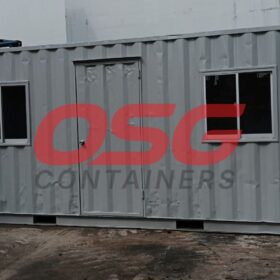
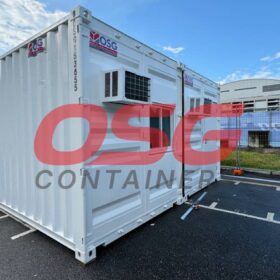
So, these big steel boxes, right? They’re built tough, meant to handle rough seas and long journeys. But what happens when they’ve sailed their last mile? Turns out, they don’t just become scrap metal. A whole bunch of people are getting creative and giving these old containers a second life. Think about it – they’re already a standard size, pretty strong, and can be moved around. This makes them surprisingly good for building things, especially when you need to do it fast and without breaking the bank. We’re seeing them pop up as homes, offices, and even shops. It’s a smart way to deal with the waste from shipping and also tackle problems like housing shortages in cities.
Circular Economy Principles In Action
This whole idea of reusing containers fits right into what folks call the ‘circular economy’. Instead of just making something, using it, and then tossing it, we’re trying to keep materials in use for as long as possible. Old containers are a perfect example. They’re not just being thrown away; they’re being transformed. This reduces the need to make new building materials, which saves energy and resources. Plus, it cuts down on landfill waste. It’s a win-win, really. Here’s a quick look at how it works:
- Material Sourcing: Durable steel boxes are readily available.
- Transformation: Containers are modified for new uses (housing, storage, etc.).
- New Life: The repurposed container serves a new function, extending its usefulness.
- Waste Reduction: Less demand for virgin materials and less landfill.
The sheer number of containers in circulation means that even a small percentage finding new purposes makes a big difference. It’s about seeing potential where others see an end-of-life product.
Environmental Considerations In Container Shipping
While repurposing is great, we also have to think about the environmental side of container shipping itself. It’s true that moving goods in standardized containers is more efficient than the old way of doing things, meaning less fuel is burned per item shipped. But with so many ships on the water, the overall impact is still significant. The industry is slowly shifting towards greener practices, like using cleaner fuels and making ships more fuel-efficient. There’s also a push to use electric equipment at ports to cut down on emissions there. It’s a complex puzzle, but every bit helps.
| Aspect | Impact |
|---|---|
| Fuel Efficiency | Lower emissions per ton of cargo moved |
| Repurposing | Reduces waste and demand for new materials |
| Port Operations | Transitioning to electric and cleaner tech |
| Material Durability | Long lifespan reduces need for replacements |
Wrapping It Up
So, looking back, it’s pretty wild how these big metal boxes changed pretty much everything about how we get stuff from one place to another. What started as a simple idea to make shipping easier has turned into the backbone of global trade. From making things cheaper and faster to even helping out in emergencies or being turned into homes, these containers do a lot more than just hold cargo. They connect us all, really. As technology keeps moving and the world keeps changing, these containers will probably keep adapting too, staying a key part of how the world does business.
Frequently Asked Questions
What exactly is a shipping container and why is it so important?
A shipping container is basically a big, strong metal box used to move goods all over the world. Think of it like a standardized package that can be easily moved between trucks, trains, and ships. They’re super important because they made shipping way cheaper, faster, and safer, which is why most of the stuff we buy today travels in them.
Who invented the shipping container?
The idea for the modern shipping container is credited to a man named Malcolm McLean. Back in the 1950s, he ran a trucking company and saw how slow and costly it was to load and unload individual items. He came up with the idea of putting everything into one big box that could be moved easily, and his first container ship sailed in 1956.
How did containers change the cost of shipping?
Containers dramatically lowered shipping costs. Before, workers had to load and unload everything piece by piece, which took ages and cost a lot. With containers, you just lift the whole box. This meant less labor, less time spent at ports, and much less damage or theft, making shipping affordable for a lot more products.
Are all shipping containers the same size?
Not exactly, but there are standard sizes that most shipping companies use, like the 20-foot and 40-foot containers. These standards, set by organizations like ISO, are what allow them to be moved so easily between different types of transport like ships, trains, and trucks all around the globe.
What happens to containers after they’re too old for shipping?
Instead of just throwing them away, many old shipping containers get a second life! People get creative and turn them into all sorts of things, like homes, offices, shops, or even swimming pools. This is a great way to reuse these strong metal boxes and is part of being more environmentally friendly.
How do containers help small businesses and poorer countries?
Containers have made it easier for businesses everywhere to trade globally. Small companies can now afford to ship their products to faraway places, and even farmers in remote areas can send their fresh goods to international markets. This helps economies grow and gives more people a chance to participate in world trade.