Singapore
 Australia
 Indonesia
 Japan
Japan Malaysia
 New Zealand
 Philippines
 South Korea
 Taiwan
 Thailand
 VIETNAM
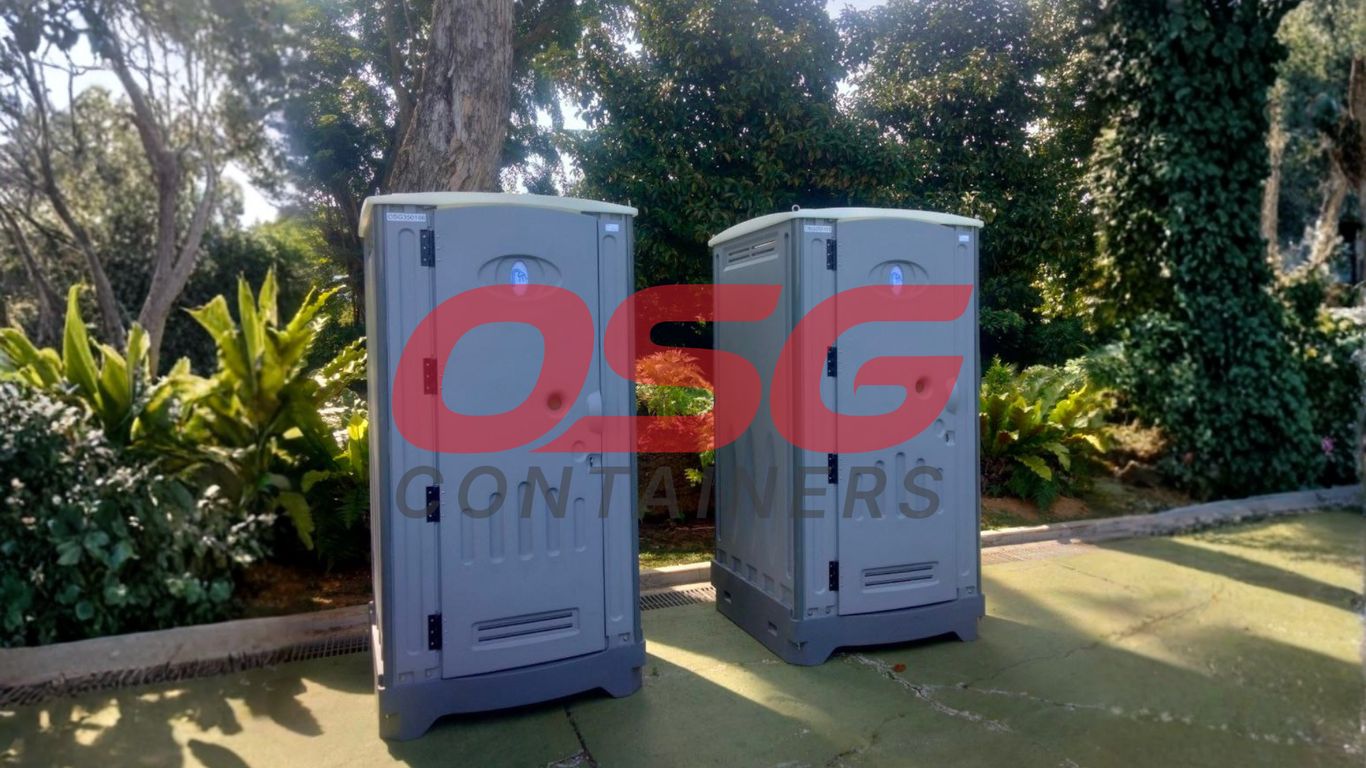
So, you’re looking into renting portable toilets for a job site or an event? It might seem straightforward, but there’s actually a lot to think about when it comes to picking the right units. The size of the toilet, where it needs to go, and even how many people will use it all play a part. Getting this right makes things run smoother for everyone involved, and honestly, it can save you some headaches and money down the line. Let’s break down what you need to know about portable toilet rent.
Key Takeaways
- When you’re looking at a portable toilet rent, remember that standard units are about 7-8 feet tall and roughly 3-4 feet wide and deep. They fit most places and are good for general use.
- Need more space? ADA-compliant units are bigger, giving wheelchair users room to get around, and they’re often required by law for public events.
- Luxury trailers are the big players, offering multiple stalls and amenities, perfect for upscale events, but they take up a lot more space and cost more for a portable toilet rent.
- Think about where the unit will go. You need space for delivery trucks and for workers to service the toilet, usually about 10-15 feet clear in front.
- Matching the right size and number of portable toilet rent units to your specific needs, whether it’s a busy construction site or a large festival, is key to keeping costs down and people happy.
Understanding Portable Toilet Dimensions For Rent
When you’re looking into a portable john rental or a temporary toilet rental, the first thing to get a handle on is the size of the units. It might seem straightforward, but the dimensions of these portable bathroom rentals really matter for a bunch of reasons. It affects how many you can haul at once, where you can put them on a job site, and even how much people like using them. Knowing the specs helps you pick the right porta potty rental for any situation.
Standard Unit Specifications For Portable Toilet Rent
The standard portable toilet, often called a porta potty, is the workhorse of the rental industry. These units are designed for efficiency and durability. They’re built to fit through tight spaces and be moved around easily, making them ideal for most construction sites and public gatherings.
- Height: Typically ranges from 88 to 92 inches (about 7.3 to 7.7 feet).
- Width: Usually between 43 and 47 inches (around 3.6 to 3.9 feet).
- Depth: Measures about 46 to 48 inches (roughly 3.8 to 4.0 feet).
- Interior Space: Offers a user area of approximately 41×41 inches.
- Weight: Empty units usually weigh between 200 to 250 pounds.
- Tank Capacity: Holds around 60 to 70 gallons, good for about 200 uses before needing a service.
These measurements mean you can fit a good number of units on a single truck, which cuts down on delivery costs. Plus, their footprint is manageable, so they don’t take up too much space on a busy worksite.
ADA-Compliant Unit Dimensions
For events and worksites that need to be accessible to everyone, ADA-compliant units are a must. These are significantly larger than standard units to accommodate wheelchairs and allow for easier movement inside. These larger dimensions are not just about compliance; they also offer more comfort for any user, especially families with children.
| Feature | Approximate Dimensions (inches) | Notes |
|---|---|---|
| Width | 61 | Wider to allow wheelchair access |
| Depth | 61 | Deeper for maneuverability |
| Height | 88-92 | Similar height to standard units |
| Interior Space | ~30 sq ft | Significantly more room than standard units |
Because of their size, you can’t fit as many ADA units on a truck, and they require more space on site. This is an important factor when planning your portable bathroom rental needs.
Luxury Trailer Size and Scope
Luxury restroom trailers are a whole different ballgame. These aren’t your typical portable john rental units; they’re more like mobile, high-end restrooms. They come in various sizes, from small two-stall units to larger ones with multiple rooms, sinks, and even attendants.
- Small Trailers: Might be around 10-15 feet long and 8 feet wide.
- Medium Trailers: Could be 20-25 feet long and 8 feet wide.
- Large Trailers: Can exceed 30 feet in length and 8 feet wide.
These units require more substantial transport vehicles and significant setup space. They are rented for events where comfort and aesthetics are a priority, like weddings, corporate events, or VIP areas at festivals. The increased size directly correlates with a higher rental rate, reflecting the enhanced experience they provide.
Understanding the physical size of each type of portable toilet is the first step in planning. It directly influences logistics, cost, and customer satisfaction. Getting this right means fewer headaches down the road and happier clients, whether it’s for a temporary toilet rental on a construction site or a special event.
Matching Unit Size To Customer Needs For Portable Toilet Rent
When folks call about renting portable toilets, they’re usually not just looking for a box with a seat. They’ve got a specific situation, and figuring out the right size unit is a big part of solving their problem. It’s like picking the right tool for a job – you wouldn’t use a tiny screwdriver for a huge bolt, right?
Construction Site Portable Toilet Rent Requirements
Construction sites are a bit different from, say, a wedding. You need units that are tough, can handle a lot of use, and fit where they need to go without getting in the way. Standard units are usually the go-to here. They’re built sturdy and have a footprint that works well on busy job sites. Plus, they meet those OSHA rules we’ll talk about later.
- Durability: Built to withstand rough conditions and frequent use.
- Compact Size: Fits easily into tight spaces on active work zones.
- Functionality: Provides basic, reliable sanitation for workers.
Sometimes, though, a worker might need a bit more room, maybe to change out of muddy boots or manage a tool belt. For those situations, a deluxe unit might be a better fit. They offer a little more elbow room inside without being overly large.
The key on construction sites is balancing the need for enough units with the reality of limited space and the demands of the job. You want to keep workers happy and the site running smoothly.
Event Planning And Portable Toilet Rent Considerations
Events are a whole other ballgame. You’ve got music festivals, corporate picnics, maybe a local fair. The number of people, how long the event lasts, and the general vibe all matter. A quick afternoon barbecue needs way less planning than a three-day music festival.
For big public events, you’ll need a good number of standard units to handle the crowd. But don’t forget about accessibility. Regulations often require a certain number of ADA-compliant units, and these larger units can also be a lifesaver for families with strollers or anyone who just needs a bit more space.
- Volume: Standard units are great for covering large numbers of guests.
- Accessibility: ADA units are a must for compliance and broader usability.
- Duration: Longer events mean more frequent servicing and potentially more units.
Family-Oriented Event Portable Toilet Rent Solutions
When families are involved, comfort and ease become more important. Think about birthday parties, school fairs, or community gatherings. Parents often need to help their kids, and a standard unit can feel pretty cramped.
This is where deluxe units or even the ADA-compliant units can really shine. The extra space inside makes a huge difference. It’s not just about having a toilet; it’s about making a potentially tricky situation much easier for parents and kids alike. Providing that little bit of extra room can make a big impression on attendees.
Optimizing Logistics With Portable Toilet Rent
Getting portable toilets where they need to be, when they need to be there, and set up right is a big part of the job. It’s not just about dropping them off; it’s about making sure the whole process is smooth for you and the customer. Thinking about the size and shape of your units from the start can save a lot of headaches and even make you more money.
Transport Efficiency For Portable Toilet Rentals
When you’re loading up trucks, every inch counts. Standard portable toilets are designed to be pretty efficient in terms of space. This means you can stack more of them onto a single truck, which is a win-win. Fewer trips to a job site or event mean less fuel burned and less time spent driving. It’s a direct way to cut down on costs and get more done in a day. Think about it: if you can fit five more units on your truck for a large event, that’s five fewer trips you have to make.
- Maximize truck capacity: Fit more units per load.
- Reduce fuel consumption: Fewer miles driven equals lower costs.
- Save on labor: Less time spent on deliveries and pickups.
- Increase delivery speed: Get units to multiple locations faster.
Site Placement Flexibility For Portable Toilet Rent
Job sites and event venues can be tricky. Sometimes there’s not a lot of open space, or maybe access roads are narrow. Having portable toilets with smart dimensions means you can place them in more spots. A standard unit might fit perfectly in a tight corner where a larger, more specialized unit just won’t go. This flexibility means you can take on more jobs, even ones in challenging locations that other rental companies might pass on. It opens up more business opportunities.
Being able to place units in tight spots is a real advantage. It means you’re not limited by the space available and can serve a wider range of customers, even those with less-than-ideal site layouts.
Servicing Clearance For Portable Toilet Rentals
Don’t forget about the service trucks! When it’s time to empty the tanks and clean the units, the service crew needs room to work. Most standard units need about 10-15 feet of clear space in front of the door for the pump hose. You also need a few feet around the sides and back for access and air flow. If you don’t plan for this, the service team might struggle, leading to delays or incomplete servicing. It’s better to plan for this space upfront to avoid issues down the line.
| Unit Type | Front Clearance Needed | Side/Rear Clearance | Notes |
|---|---|---|---|
| Standard Unit | 10-15 feet | 3 feet | For pump hose and access |
| ADA-Compliant Unit | 15-20 feet | 5 feet | Larger unit, more maneuvering space needed |
| Luxury Trailer | 20+ feet | 5-10 feet | Requires significant space for setup |
Regulatory Compliance In Portable Toilet Rentals
OSHA Mandates For Worksites
When you’re setting up toilets on a construction site, there are rules you just can’t ignore. The Occupational Safety and Health Administration (OSHA) has specific guidelines to make sure workers have adequate facilities. These rules aren’t suggestions; they’re requirements designed for health and safety. For instance, OSHA generally says you need one toilet for every 20 workers. If you have between 20 and 40 workers, you’ll need at least one toilet and one urinal. For larger crews, you’ll need to add more facilities. It’s not just about the number of units, though. Placement matters too, to make sure they’re accessible and don’t get in the way of work.
Event Accessibility Rules For Portable Toilet Rent
Events have their own set of rules, especially when it comes to making sure everyone can use the facilities. This is where ADA-compliant units come into play. These units are bigger, giving people in wheelchairs enough space to get in, turn around, and use the toilet comfortably. They need to be placed on a clear, accessible path, often with ramps. You can’t just stick them in a muddy field corner. Think about how people will get to them, especially if they have mobility issues. It’s about making sure your event is welcoming to all your guests.
Ensuring Proper Placement For Compliance
Getting the placement right is more than just finding an empty spot. For servicing, the trucks need a clear path to pump out the tanks – usually about 10 to 15 feet in front of the door. You also need a few feet around the sides and back for access and air flow. Uneven ground is a no-go; it makes the units unstable and can lead to spills, which is messy and unsafe. For some special sites, like high-rise buildings, you might even need extra clearance overhead for cranes. Proper placement makes servicing easier, keeps users safe, and keeps you out of trouble with inspectors.
Thinking about where to put these units is a big part of the job. It’s not just about fitting them in; it’s about making sure they can be serviced easily, are safe for people to use, and meet all the legal requirements. Getting it wrong can cause a lot of headaches and extra costs down the line.
Profitability And Portable Toilet Rent
Thinking about how the size and type of portable toilets you rent out affects your wallet is pretty smart. It’s not just about having units available; it’s about making sure each one works hard for you and brings in the most cash.
How Dimensions Impact Rental Rates
So, you’ve got your standard porta-potties, right? They’re great for basic needs and get the job done. Because they’re smaller and easier to move around, you can fit more on a truck, which cuts down on delivery costs. This means you can charge a reasonable price and still make a decent profit. But then you have the fancy stuff, like those luxury restroom trailers. These things are big, they have multiple rooms, flushing toilets, sinks – the works. Because they cost more to buy and maintain, and they take up a lot more space, you can charge a premium for them. People renting these are usually looking for something special, like for a wedding or a big corporate event, and they’re willing to pay extra for the comfort and style. It’s all about matching the unit to what the customer expects and what they’re willing to spend.
Here’s a quick look at how size can affect what you charge:
- Standard Units: Good for construction sites, festivals. Efficient to transport, moderate rental rates.
- ADA-Compliant Units: Larger footprint, required for accessibility. Higher rental rates due to specialized nature and size.
- Luxury Trailers: Significantly larger, multiple amenities. Command the highest rental rates for premium events.
Maximizing Return On Portable Toilet Equipment
To really make money in this business, you need to think about your fleet like a puzzle. You don’t want all the same pieces, you know? Having a good mix of different unit sizes and types is key. Standard units are your bread and butter – they’re easy to transport, so you can do more deliveries in a day. That means less fuel, less time on the road, and more money in your pocket from each trip. But don’t forget about the bigger, more specialized units. While they might cost more upfront and be trickier to move, they rent for a lot more. If you can get them to the right event, like a high-end wedding or a corporate retreat, they can be super profitable. It’s about balancing the volume of standard rentals with the higher profit margins of the premium units. Plus, keeping your units well-maintained means they last longer and you avoid costly repairs, which also helps your bottom line.
Perceived Value And Portable Toilet Rent Pricing
Customers don’t just see a plastic box; they see a solution to a need. When you offer a standard unit for a construction crew, they see a functional necessity. The price reflects that basic utility. But when you offer a luxury trailer for a wedding, the perceived value is much higher. It’s not just about a place to go; it’s about contributing to the overall experience of a special day. This is where you can really adjust your pricing. You can charge more for units that offer more comfort, better aesthetics, or greater convenience. Think about it: a family at a park event might be willing to pay a little extra for a unit that’s a bit roomier so they can easily manage their kids. That extra space, that little bit of added comfort, translates directly into a higher price point you can justify. It’s the little details, like knowing what kind of space a customer actually needs, that allow you to set prices that feel fair to them and profitable for you.
When you’re figuring out prices, remember that customers are often comparing your service to other options, even if those options aren’t direct competitors. A well-maintained, clean, and appropriately sized unit can make a big difference in how they feel about the event or project, and that feeling is something they’ll pay for. Don’t underestimate the power of a good impression.
Wrapping It Up
So, when you’re figuring out how many portable toilets to rent for a job site, remember it’s not just about guessing. Thinking about the size of the unit, how many people will use it, and where it needs to go makes a big difference. Getting this right means fewer headaches for you, happier workers on site, and a smoother operation overall. It’s the little details like this that really help keep things running well and make sure everyone’s needs are met without any fuss.
Frequently Asked Questions
What are the typical sizes of portable toilets?
Standard portable toilets are about 7 to 7.5 feet tall and around 3.5 feet wide and deep. They offer about 12 square feet of space inside. Bigger ones, like those for people using wheelchairs, are wider and deeper to give more room. Fancy trailers are much larger, like small rooms on wheels!
How do I know how many portable toilets I need for my event or job site?
It depends on how many people will be there and for how long. For job sites, rules like OSHA say you need one toilet for every 20 workers. For events, think about the crowd size and how long the event lasts. It’s best to have a few extra just in case!
Can portable toilets fit anywhere?
Most standard units are pretty compact and can fit in tight spots on construction sites or at events. However, the service trucks need space to get close for cleaning. Also, some units, especially the accessible ones, need a bit more room around them to be used properly.
Are there special rules for portable toilets on construction sites?
Yes, there are! The Occupational Safety and Health Administration (OSHA) has rules about how many toilets you need based on the number of workers. They also have rules about keeping the work area clean and having proper sanitation available.
What’s the difference between a standard portable toilet and an ADA-compliant one?
An ADA-compliant toilet is much bigger inside. It’s designed so someone in a wheelchair can get in, turn around, and use the toilet comfortably. They have extra space and features like grab bars, which standard units don’t have.
Why do different portable toilets cost different amounts?
The cost changes based on the size, features, and how fancy the unit is. Standard units are the cheapest because they are basic. Special units for people with disabilities cost more because they are larger and built to meet specific rules. Luxury trailers cost the most because they offer a lot more comfort and amenities, like real bathrooms.