Singapore
 Australia
 Indonesia
 Japan
Japan Malaysia
 New Zealand
 Philippines
 South Korea
 Taiwan
 Thailand
 VIETNAM
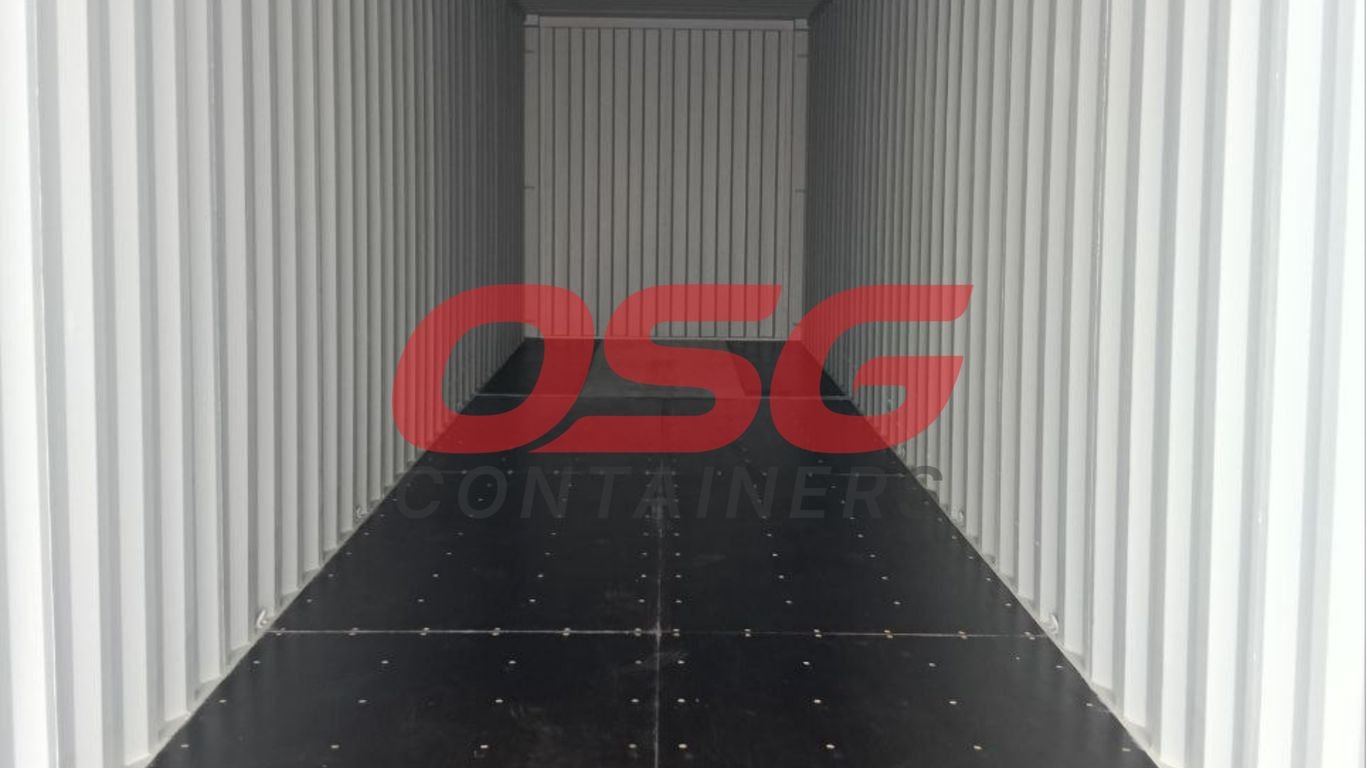
So, you’re thinking about buying a 20ft container? Smart move. These things are tough and can be used for all sorts of stuff, from extra storage to a cool workshop. But, just like buying a car, you can’t just grab the first one you see. There’s a bit more to it than you might think. You want to make sure you get a good deal and a container that actually works for you, not one that causes headaches later. Let’s break down what you really need to check before you hand over your cash.
Key Takeaways
- Understand container grades like Cargo-Worthy (CW) and Wind and Water Tight (WWT) to match the condition to your needs, and be aware of the risks with ‘as-is’ options.
- Inspect the container thoroughly, checking doors, seals, roof, floor, and looking for rust or warping to avoid hidden problems.
- Choose the right 20 footer container size based on your interior space needs, payload capacity, and how it compares to other available sizes.
- Select a reputable seller, preferably a local one, by checking reviews, understanding all costs, and getting agreements in writing.
- Plan for delivery logistics, including site access, overhead clearance, and offloading space, and budget for potential modifications and long-term use.
Understanding Container Grades And Conditions
When you’re looking to buy a 20ft container, you’ll quickly notice that they aren’t all created equal. Sellers use different terms to describe their condition, and knowing what these mean can save you a lot of headaches and money down the line. It’s not just about how it looks on the outside; it’s about what it can actually do for you.
Cargo-Worthy (CW) Explained
Think of Cargo-Worthy (CW) containers as the workhorses that are still fit for their original job: shipping goods across the ocean. These containers have been inspected and certified to be structurally sound enough for international transit. They’ve likely seen a few trips, so you might find some cosmetic wear like minor dents, scratches, or surface rust. However, the important stuff – the structure, the doors, the seals – should be in good shape. If your plan involves moving cargo overseas or you just want a really solid, reliable container, CW is usually the way to go. They’re a step down from brand-new but a big step up from containers that are past their prime.
Wind and Water Tight (WWT) Suitability
Wind and Water Tight (WWT) containers are a popular choice for many buyers, especially those looking for storage or a base for modifications. These containers are guaranteed to be sealed against the elements. No rain or wind is getting inside, which is pretty important if you’re storing anything valuable. However, they might not have the official certification needed for international shipping anymore. Their cargo-worthy status might have expired, or they might have a small issue that doesn’t affect their ability to keep things dry but would prevent them from passing an overseas shipping inspection. For on-land use like a backyard shed, workshop, or even a small office conversion, WWT containers are often a great balance of condition and cost.
The ‘As-Is’ Option: Risks and Rewards
Buying an ‘As-Is’ container is a bit of a gamble. These are typically the cheapest options available, but they come with known problems. We’re talking potential holes in the walls or roof, damaged flooring, or significant rust. The seller usually points out the issues, but sometimes they’re just selling it in whatever condition it’s in, no guarantees. The reward here is the low initial price. The risk? You might end up spending more on repairs than you would have for a WWT or CW container. It’s really only a good idea if you’re planning a project where the container’s condition isn’t critical, or if you have the skills and resources to fix it up yourself for cheap.
Evaluating Refurbished Containers
Refurbished containers are those that have had some work done to them. This can range from a simple pressure wash and a fresh coat of paint to more involved repairs. On the surface, they can look almost new, which is definitely appealing. However, it’s super important not to be fooled by a shiny exterior. You still need to check the underlying structure, the doors, seals, and flooring just like you would with any other used container. Sometimes, a fresh paint job can hide underlying rust or damage. Ask what specific work was done and if there are any warranties. A good refurbishment can make an older container look great and perform well, but always do your homework.
Here’s a quick rundown of what to expect:
- New / One-Trip: Best condition, highest price. Minimal to no wear.
- Cargo-Worthy (CW): Structurally sound for shipping, some cosmetic wear.
- Wind and Watertight (WWT): Good for storage, sealed against elements, may not be shipping certified.
- Refurbished: Repaired and repainted, condition varies greatly.
- As-Is: Cheapest option, sold with known defects, requires repairs.
When inspecting any used container, always remember that photos can be deceiving. Try to see the container in person if at all possible. Checking the actual unit will reveal issues that pictures might hide, like dents on the underside or subtle warping.
Thorough Inspection: Your Best Defense
Buying a used shipping container might seem straightforward, but skipping a close look is a big mistake. Don’t just trust photos; the real story is in the details you can only see up close. A little time spent inspecting now can save you a lot of headaches and money later.
Checking Doors, Seals, and Hinges
Start with the doors. Do they open and close without sticking? That’s a good sign. Check the rubber seals around the door frames. They shouldn’t be cracked, missing, or look worn out. If they are, water can get in, which is bad news for whatever you plan to store inside. Also, give the hinges and locking bars a good wiggle. They should move freely, not feel like they’re rusted shut or about to break.
Assessing Roof Integrity and Corners
Get inside and close the doors. Shine a flashlight around. If you see light peeking through any small holes, that’s a leak waiting to happen. Check the roof for any dents that could collect water and lead to rust. Ideally, there shouldn’t be any drains on the roof itself, as these are just more spots for water to sit.
Examining the Flooring for Damage
Most containers have a floor made of thick plywood. Walk around on it. Does it feel solid, or are there any spongy or uneven spots? That could mean water damage or rot underneath. If you can, try to look underneath the container at the steel beams supporting the floor. Check these beams for rust or corrosion, especially where they meet the floor.
Identifying Rust and Structural Warping
Surface rust is pretty common and usually just cosmetic. You can often clean it up or paint over it. But look for deep pitting or holes – that’s a sign the metal is weakening and could be a structural problem. Also, stand back and look at the container from a distance. Does it look square and straight, or does it seem to bulge outwards? Warped containers often have doors that don’t line up right and are more prone to leaks.
When inspecting, pay attention to any signs of previous repairs. Patches, welds, or mismatched paint can indicate past damage. While some repairs are done well and can extend a container’s life, poor workmanship might lead to future issues like leaks or structural weakness. It’s worth asking the seller about any repairs and checking the quality yourself.
Determining the Right 20 Footer Container Size
So, you’re looking at a 20ft container. That’s a popular choice, and for good reason. But before you commit, let’s talk about making sure it’s actually the right size for what you need. It’s not just about fitting it on your property; it’s about how you’ll use it.
Interior Space vs. Exterior Dimensions
When you see "20ft container," that’s usually the outside measurement. The inside is a bit smaller, and that’s where your stuff actually goes. For a standard 20ft container, you’re looking at roughly 19 feet and change in length, about 7.5 feet in width, and just under 8 feet in height. That gives you around 150 square feet of usable space. It’s enough for a lot of things, like the contents of a small home, a workshop setup, or a decent amount of inventory. Don’t forget to factor in the thickness of the walls and any modifications you might add later.
Payload Capacity Considerations
This is about how much weight the container can actually hold. A typical 20ft container can handle a hefty load, often over 60,000 pounds. This is important if you’re storing heavy items like machinery, construction materials, or large quantities of goods. You don’t want to overload it, which could damage the container or the flooring. Always check the specific payload capacity for the container you’re considering.
Comparing 20ft to Other Sizes
Why a 20ft and not something else? Well, a 20ft container is pretty versatile. It’s easier to move around than a bigger container 40 feet, and it fits in more places. If you only need moderate storage or a compact workspace, it’s often the sweet spot. A 40ft container, on the other hand, gives you double the interior space, which is great for larger projects or if you anticipate needing more room down the line. Sometimes, people even cut down a 40 feet container to a custom size if a 20ft is too small but a full 40ft is too much. It really comes down to your specific needs and available space.
Here’s a quick look at some common sizes:
| Size | Exterior (L x W x H) | Interior (L x W x H) | Approx. Interior Space | Max Payload (lbs) |
|---|---|---|---|---|
| 20ft Standard | 20′ x 8′ x 8’6" | 19’4" x 7’8" x 7’10" | ~150 sq ft | ~62,000+ |
| 40ft Standard | 40′ x 8′ x 8’6" | 39’4" x 7’8" x 7’10" | ~300 sq ft | ~62,000+ |
| 40ft High Cube | 40′ x 8′ x 9’6" | 39’5" x 7’8" x 8’10" | ~310 sq ft | ~60,000+ |
Choosing the right size upfront saves you headaches later. Think about not just what you need today, but also what you might need in a year or two. A bit of planning now can prevent costly changes or the need to buy a second container down the road.
Choosing A Reputable Seller For Your Container
Buying a shipping container isn’t like picking up a loaf of bread. You want to make sure you’re getting a solid piece of equipment from someone you can trust. Picking the wrong seller can lead to a whole lot of headaches, from getting a container that’s not what you expected to dealing with surprise fees. It really pays to do a little homework here.
The Benefits of Local Suppliers
Going local can often make things simpler. If there’s a dealer in your area, you might be able to swing by and see the containers yourself before you buy. This is a big plus, especially if you’re not totally sure what to look for. Plus, delivery costs can sometimes be lower when the seller is closer. They might also be more flexible if you need custom work done on the container later on.
Verifying Seller Reputation and Reviews
Don’t just take a seller’s word for it. Do a quick online search for reviews and see what other customers have said. Look for feedback on the quality of the containers they sell, their delivery process, and how they handle issues. If you can, ask for references. A seller who’s been around and has good feedback is usually a safer bet. It’s also worth checking if they offer any kind of warranty, especially for higher-grade containers.
Understanding Potential Hidden Costs
This is a big one. Sometimes a container might seem like a steal at first glance, but then the extra charges start piling up. Always ask for a full breakdown of costs. This should include the price of the container itself, delivery fees, and any taxes. Be wary of prices that seem too good to be true; they often come with hidden fees or a lower-quality product. Remember, this isn’t just about the initial purchase; think about long-term costs too, like potential repairs or even container renting if your needs change.
Ensuring All Agreements Are In Writing
Never, ever rely on verbal agreements. When you’re ready to buy, make sure everything is clearly laid out in a written contract or invoice. This includes:
- The exact type and condition of the container you’re buying (e.g., CW, WWT).
- The agreed-upon price, including all fees.
- Details about delivery, including the date and any access requirements.
- What happens if the container arrives damaged or isn’t as described.
- Any warranty information.
Having everything in writing protects you and makes the whole transaction much smoother. It’s your proof if something goes wrong down the line.
When you’re looking for a container, remember that the seller you choose plays a huge role in your overall experience. A good seller will be transparent about the container’s condition, pricing, and delivery, making the process much less stressful. Don’t be afraid to ask lots of questions and compare different options before you commit.
Delivery Logistics And Site Preparation
So, you’ve picked out the perfect 20ft container. Awesome! But before it arrives, we need to talk about getting it to your spot and making sure the ground is ready. This part is super important, and skipping it can lead to headaches later on.
Assessing Truck Maneuverability
Think about the delivery truck. These aren’t small vans; they’re big rigs carrying a heavy load. Can the truck actually get to where you want the container placed? You need to consider:
- Access Roads: Are the roads leading to your site wide enough? Are there any low bridges or tight turns the truck has to make?
- Turning Radius: The driver needs space to maneuver the truck and trailer, especially when backing up to place the container.
- Ground Stability: The truck needs a firm surface to drive on and park, especially if it needs to extend stabilizing legs.
Ensuring Adequate Overhead Clearance
This is another big one. When the container is being offloaded, there’s a lot of vertical movement. You’ve got to make sure there’s nothing in the way above.
- Trees and Branches: Overhanging tree limbs can be a problem.
- Power Lines: This is a serious safety hazard. Always check for overhead electrical wires.
- Building Eaves: If the container is being placed near a building, watch out for roof overhangs.
Planning for Offloading Space
When the truck arrives, it needs room to work. This isn’t just about the container’s footprint.
- Clear Path: The driver needs a clear path to back the truck into position.
- Door Swing: Remember, the container doors swing open. You’ll need space for that, too, depending on how you plan to use the container.
- Buffer Zone: Give the truck and driver some breathing room. Trying to squeeze it into a super tight spot is asking for trouble.
Considering Crane Requirements for Tricky Sites
Most of the time, a tilt-bed truck can handle the delivery. But what if your site is really difficult to access? Maybe it’s behind a locked gate, on a steep slope, or just too cramped for a truck.
- Difficult Access: If a standard truck can’t get close enough, you might need a crane.
- Crane Rental: Cranes are more expensive than standard truck delivery, so factor this into your budget.
- Site Survey: It’s often worth having the delivery company or a professional assess your site if you’re unsure.
Preparing the ground properly is key. A level, firm surface prevents the container from settling unevenly, which can cause doors to bind and lead to rust issues down the line. Gravel, concrete pads, or even well-compacted dirt can work, but avoid soft, muddy areas or places where water tends to pool.
Budgeting Beyond The Purchase Price
So, you’ve found the perfect 20ft container and you’re ready to buy. That’s great! But hold on a second, the sticker price isn’t the whole story. There are a bunch of other costs that can sneak up on you if you’re not careful. Thinking about these now will save you a headache later.
Factoring in Delivery Fees
Delivery isn’t usually included in the container’s price. This fee can change a lot depending on how far away you are from the seller and what kind of truck is needed. A local seller might have lower delivery costs, which is a nice perk. Also, if your site is tricky to get to – maybe it’s down a narrow lane or has tight turns – you might need a special truck or even a crane, and that adds to the bill.
Estimating Modification Costs
Most people don’t just buy a container to leave it as is. You might want to add windows, a different door, insulation, or even run electricity to it. These modifications can add up fast. It’s a good idea to get quotes for any changes you’re thinking about before you buy the container. This way, you know what you’re getting into.
Here are some common modifications and what they might involve:
- Windows and Doors: Adding extra access points or light sources.
- Insulation: Making the container more comfortable for living or working.
- Electrical Wiring: For lights, outlets, or equipment.
- Ventilation: Installing fans or vents to manage airflow.
- Partitioning: Dividing the interior space into different areas.
Accounting for Interior Upgrades
Beyond basic modifications, think about what you’ll actually do inside. If it’s for storage, maybe you just need some shelving. If it’s going to be an office or a workshop, you’ll need lighting, maybe some flooring, and possibly even plumbing. These interior touches can really change the final cost.
Considering Land Use Fees
Where are you going to put this container? If it’s on land you don’t own, you’ll likely have to pay rent or a fee for using that space. Even if it’s your own property, check local rules – sometimes there are regulations or permits needed for placing structures like containers, which might come with their own costs. It’s always smart to look into this early on.
Don’t forget to factor in potential costs for site preparation, like leveling the ground or adding a foundation, to make sure your container sits securely and lasts longer. This small investment upfront can prevent bigger problems down the road.
Long-Term Value And Future Needs
So, you’ve found a 20ft container that looks good and fits your budget. Awesome. But before you sign on the dotted line, let’s chat about what happens after you own it. Thinking ahead can save you a lot of hassle and maybe even make you some money down the road.
Considering Resale Potential
Even if you’re buying this container for a specific, short-term need, it’s smart to think about whether you’ll want to sell it later. A container in good shape, especially one that’s been well-maintained, will always be easier to offload. Minor cosmetic rust is usually fine, but if the structure is compromised with deep pitting or warping, its resale value plummets. Think of it like buying a car – a well-cared-for vehicle fetches a better price.
Anticipating Future Space Requirements
Life happens, and needs change. That project you’re using the container for now might expand, or you might find yourself needing extra storage for a new hobby or business venture. A 20ft container is great for its compact size, but if you foresee needing more room, you might regret not opting for a larger size or planning for how you could add another unit later. It’s easier to have a bit too much space than not enough.
Planning for Potential Conversions
Are you just using it for storage, or do you have bigger plans? Maybe a backyard workshop, a small office, or even a unique tiny home? If conversions are on your mind, the container’s condition becomes even more important. You’ll want a solid structure that’s ready to be modified. Things like checking for previous damage, ensuring the doors seal well, and verifying the floor is sound are key. Remember, modifications can add up, so starting with a good base saves money and headaches later.
When you’re looking at a container, don’t just see it as a box for today’s needs. Consider its potential for tomorrow. A little extra thought now can mean a lot less worry later, whether you’re selling it, expanding your use, or turning it into something completely new. It’s about making a smart purchase that works for you in the long run.
Here’s a quick rundown of what to keep in mind:
- Condition: Prioritize structural integrity over minor cosmetic flaws. Look for solid walls, a sound roof, and undamaged flooring.
- Size Flexibility: Think about whether your space needs might grow. A 20ft is versatile, but a 40ft offers significantly more room if needed.
- Modification Readiness: If you plan to convert it, ensure the container is free from major damage and rust that could complicate renovations.
- Resale Value: A well-maintained container is always easier to sell. Keep records of any repairs or upgrades you make.
Wrapping It Up
So, buying a shipping container might seem like a big deal, and honestly, it is. It’s not just about picking the cheapest one you see online. You really need to think about what you’ll use it for, check its actual condition – don’t just trust the pictures – and figure out how it’s going to get to your place. Taking a little extra time to inspect things like doors, rust, and the floor can save you a lot of headaches later. Plus, knowing about all the potential extra costs, like delivery or any work you might want to do on it, is super important. Do your homework, ask questions, and you’ll end up with a container that works for you for a long time.
Frequently Asked Questions
What’s the difference between a Cargo-Worthy (CW) and a Wind and Water Tight (WWT) container?
A Cargo-Worthy (CW) container is strong enough to be used for shipping goods overseas. A Wind and Water Tight (WWT) container is sealed up so no rain or wind gets in, making it great for storage or projects, but it’s not certified for shipping.
Should I always inspect a container in person before buying?
Yes, it’s highly recommended! Pictures can make containers look perfect, but seeing it yourself lets you spot hidden problems like rust, dents, or bad seals that could cause trouble later.
How do I know if a container is structurally sound?
Check for major rust or holes, especially on the floor and roof. Make sure the doors open and close easily and that the container looks square, not bent or warped. Light surface rust is usually okay, but deep rust can be a problem.
What are the main costs to consider besides the container price?
You’ll need to budget for delivery fees, which can vary a lot. Also, think about any changes you want to make, like adding insulation or windows, and any costs for the land where you’ll put the container.
Is a 20ft container always the best choice?
It depends on your needs! A 20ft container is good for smaller spaces or less stuff. If you have a lot to store or plan a bigger project, a 40ft container might be a better fit, even though it costs more.
Why is it important to buy from a reputable seller?
A good seller makes the process smooth. They’ll be honest about the container’s condition, offer fair prices, and handle delivery professionally. Buying from a less reliable source can lead to unexpected costs and a lot of headaches.