Singapore
 Australia
 Indonesia
 Japan
Japan Malaysia
 New Zealand
 Philippines
 South Korea
 Taiwan
 Thailand
 VIETNAM
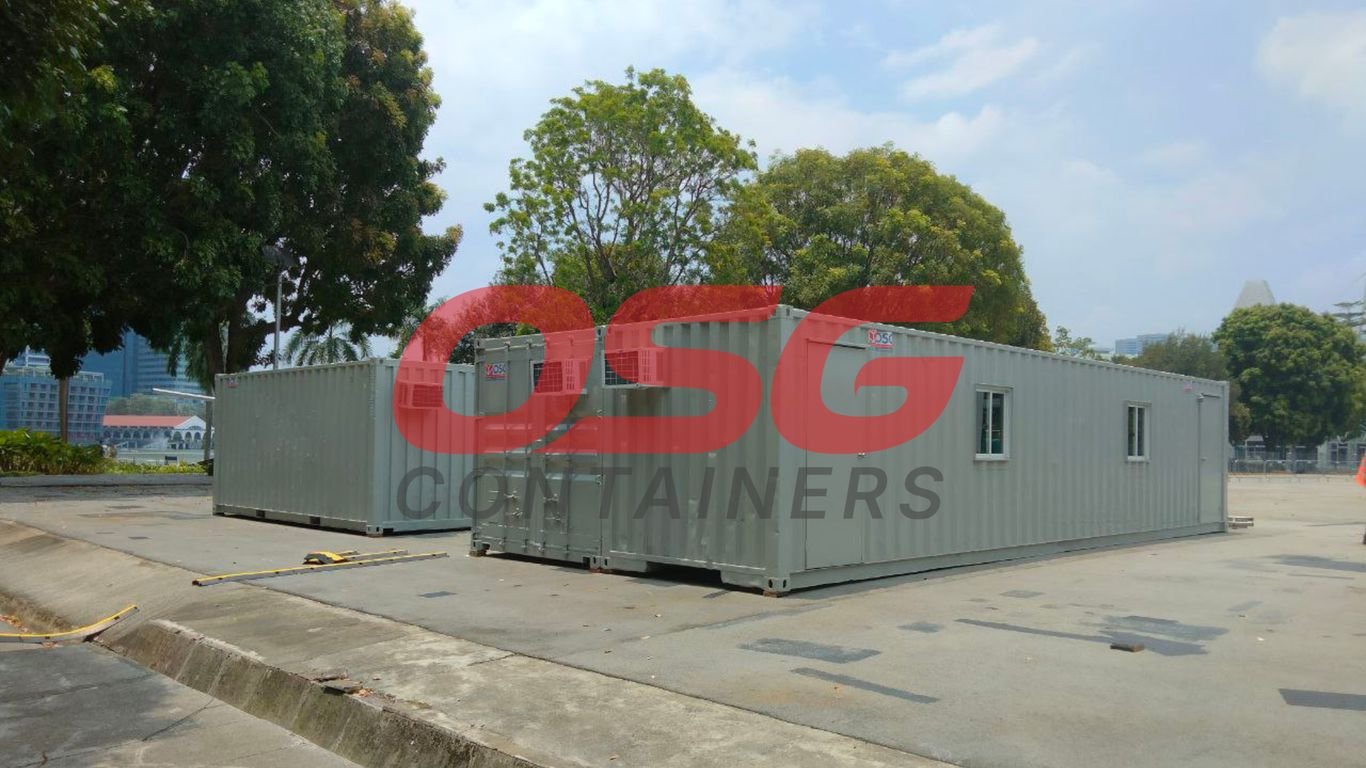
You know, those big metal boxes you see on ships and trains? They’re not just for shipping stuff anymore. Turns out, a 40 feet container is super useful for all sorts of things beyond just storage. People are getting really creative, turning them into shops, workshops, and even places to live. It’s pretty neat how versatile they are, and honestly, it makes a lot of sense when you think about how sturdy and, well, already built they are. Let’s check out some of the cool ways these containers are being used these days.
Key Takeaways
- A 40 feet container is a great, affordable option for creating a temporary retail space or pop-up shop.
- Containers offer flexibility, allowing businesses to set up shop in various locations like city streets or event grounds.
- You can customize a container with windows, doors, paint, and interior fittings to match your brand and create a unique customer experience.
- Beyond retail, these containers can be turned into mobile workshops, art studios, or even emergency shelters.
- Using a container is often faster and cheaper than building a traditional store, making it a smart choice for many businesses.
1. Pop-Up Shops
So, you’re thinking about a pop-up shop? It’s a really smart way to test out a new market or just get your brand in front of people for a bit, without the huge commitment of a permanent store. And honestly, a 40-foot shipping container is a pretty awesome choice for this. These things are built tough, they’re already a defined space, and they’re way more affordable than renting a traditional storefront. Plus, you can move them around and set them up in all sorts of places – think busy street corners, festivals, or even a parking lot. It’s a way to get your brand out there quickly and efficiently.
The biggest win with a container pop-up is the cost savings and speed. You skip a lot of those big overheads like property taxes and long leases that come with a regular building. And when it’s ready, you can get it on-site and open for business way faster than waiting for a brick-and-mortar space to be ready. It’s a solid investment that can be used again and again in different spots.
Here’s a quick rundown of what goes into making a container a shop:
- Site Selection & Permits: You can’t just plop it anywhere. You need to check local rules, get permits, and make sure the spot has good visibility and is easy for people to get to. Don’t forget to think about parking or public transport access.
- Utilities: Will you need power for lights, a cash register, or maybe even a small fridge? How about heating or cooling? You need to make sure the site can support these needs, or factor in the cost of generators or portable units.
- Layout & Design: A 40-foot container is long and narrow. Planning how customers will move through the space is important to avoid bottlenecks and make browsing comfortable. You can add windows, doors, paint, flooring, and lights to make it look like a real store that matches your brand.
Setting up a container pop-up involves more than just getting the container itself. It’s about figuring out where it will go, how it will get there, and what it needs to function as a business. This means looking into zoning laws, securing the right permits, and ensuring the chosen location can support necessary utilities like electricity.
Think of a container pop-up not just as a one-off gig, but as a flexible asset. After your event or market run, you can simply move it to a new location for another pop-up. This adaptability means you get more bang for your buck over time. It’s a smart way to test new markets or reach different customer bases without being tied down to one spot.
2. Mobile Workshops
Forget being tied to a single location for your projects. A 40-foot shipping container can be transformed into a fully functional workshop that you can take just about anywhere. Think about it: you need a place to build, repair, or create, and instead of renting a permanent space, you can just load up your container and go. This is a game-changer for tradespeople, hobbyists, and anyone who needs a dedicated workspace on the move.
These mobile workshops offer unparalleled flexibility for on-site operations.
What can you actually put inside one of these? Pretty much anything you need to get the job done. You can outfit them with:
- Sturdy workbenches and ample counter space.
- Integrated power outlets and lighting for working after dark or in dim conditions.
- Shelving and storage solutions to keep tools and materials organized and secure.
- Climate control systems to protect sensitive equipment or materials from extreme temperatures.
Imagine a carpenter setting up a fully equipped woodworking shop right at a remote construction site, or a mechanic having a mobile repair bay ready to go at a race track. It cuts down on travel time and makes on-the-spot fixes much more efficient. Plus, the industrial strength of a shipping container means your tools and projects are protected from the elements and potential theft.
The beauty of a container workshop lies in its adaptability. You’re not just getting a box; you’re creating a custom environment tailored to your specific needs. Whether it’s welding, electronics repair, or even small-scale manufacturing, the container becomes your self-contained hub of productivity.
3. Cafes And Restaurants
Shipping containers are popping up everywhere as cafes and restaurants, and honestly, it’s a pretty cool trend. They offer a unique, industrial-chic vibe that people seem to love. Plus, they’re way more affordable to set up than a traditional brick-and-mortar place.
Think about it: you can take a sturdy 40-foot container and turn it into a cozy coffee shop or a trendy eatery. The key is smart design. You’ll want to cut out large sections for windows or even entire walls, maybe add a counter on the outside for people to grab a quick bite or a drink. Inside, it’s all about making the most of the space. You need room for the kitchen equipment, a service counter, and maybe a small seating area if you can swing it.
Here’s a quick look at what goes into making a container cafe work:
- Layout: Plan how customers will order and where they’ll sit. A good flow is important, even in a small space.
- Kitchen Setup: Ensure you have space for essential appliances like refrigerators, ovens, and prep areas. Ventilation is also a big deal.
- Ambiance: Lighting, paint, and simple decor can make a huge difference in how inviting the space feels.
- Outdoor Space: Often, container cafes extend their seating outside, using the container itself as a backdrop.
These adaptable structures allow for quick setup and relocation, making them ideal for testing new locations or catering to seasonal demand.
Building a cafe or restaurant in a container isn’t just about saving money; it’s about creating a memorable experience. The novelty factor draws people in, and if the food and service are good, they’ll keep coming back. It’s a smart way to get into the food business without a massive upfront investment.
4. Modular Offices
Forget those stuffy, permanent buildings for a second. Shipping containers are totally changing the game when it comes to office spaces. Think about it: you need a place to work, but maybe your team is growing fast, or you’re on a temporary project, or you just want something different. Shipping containers offer a really practical solution.
These aren’t just boxes; they’re adaptable modules that can be set up pretty quickly. You can get them outfitted with windows, doors, insulation, and even HVAC systems. Need a few private offices and a small meeting room? You can connect a couple of containers. Want a larger open-plan area? Stack them or place them side-by-side. It’s all about flexibility.
Here’s why they make sense:
- Speedy Setup: Compared to traditional construction, getting a container office ready is way faster. You can often have it delivered and set up in days, not months.
- Cost-Effective: Generally, they cost less upfront than building from scratch.
- Relocatable: If your business moves or the project ends, you can just pick up your office and take it with you.
- Scalable: Need more space? Just add another container. Need less? Remove one.
Building with containers means you can create a workspace that fits your exact needs, whether that’s a single unit for a small team or a multi-story complex for a larger company. Plus, they’re built tough, so they can handle a lot.
It’s a smart way to get a functional, comfortable workspace without the usual headaches of construction. You can even get them with things like advanced insulation to keep energy costs down, which is a nice bonus.
5. Art Studios And Galleries
For artists, a 40-foot shipping container can be a dream come true. It’s like a blank canvas, but in steel form, ready for you to shape into your personal creative haven. Many artists find the industrial vibe of the container itself inspiring, a stark contrast that can fuel their work. You can outfit it with easels, workbenches, good lighting, and even ventilation systems to keep things comfortable while you’re deep in your process.
Beyond just a studio, these containers are also fantastic for temporary galleries. Imagine bringing art directly to a neighborhood or a festival without the huge cost of renting a traditional space. It’s a way to make art more accessible and create buzz.
Here are a few things that make containers great for artists:
- Sound Dampening: The solid steel walls naturally block out a good amount of noise, which is a big plus if you work with loud tools or just need peace to focus.
- Climate Control: Sensitive art supplies or finished pieces need stable temperatures. Adding insulation and a small HVAC unit makes this easy.
- Security: These containers are built tough, offering peace of mind for storing expensive materials or valuable artwork.
Converting a container means you get a dedicated creative zone without the long-term commitment of a traditional lease. Plus, if you ever need to move your practice, your entire studio can come with you.
Think of it: a portable, secure, and customizable space that’s all yours. It’s a game-changer for artists looking for flexibility and affordability.
6. Emergency Shelters
When disaster strikes, getting people into safe, sturdy shelter quickly is the top priority. That’s where 40-foot shipping containers really shine. They’re tough, they’re readily available, and you can get them set up way faster than traditional buildings.
Think about it: after an earthquake or a flood, communities are often left with nothing. Shipping containers can be transformed into temporary homes, medical stations, or even communal kitchens in a matter of days. They offer solid protection from the elements, which is a huge relief when everything else is in chaos. Plus, their standardized size makes them easy to transport and stack, so you can get a whole village of shelters to a remote area without too much fuss.
Here’s why they’re a good choice for emergency situations:
- Rapid Deployment: You can get these units on-site and ready for use much faster than building from scratch.
- Durability: The steel construction can handle tough weather, providing a secure space.
- Scalability: Need more space? Just add more containers. You can create anything from individual units to larger community hubs.
- Cost-Effectiveness: Compared to other temporary housing options, containers can be a more budget-friendly solution.
These containers offer a practical and reliable way to provide immediate support and a sense of normalcy when people need it most. They’re not just boxes; they’re a lifeline.
It’s not just about basic shelter, either. These containers can be outfitted with basic plumbing, electricity, and even simple sanitation facilities, making them more livable for longer periods. They can serve as temporary clinics, command centers for relief efforts, or secure storage for essential supplies. The ability to quickly create a functional and safe environment is what makes them so valuable in crisis response.
7. Community Centers
Shipping containers are surprisingly good at becoming community hubs. Think about it: they’re tough, they can be put up pretty quickly, and they don’t cost a fortune compared to building something from scratch. This makes them ideal for places that need a gathering spot but don’t have a huge budget.
These versatile structures can be transformed into everything from after-school program spaces to senior activity rooms. They offer a blank canvas that local groups can really make their own. Imagine a container kitted out with art supplies for kids, or another set up with comfy chairs and books for a neighborhood book club. They can even house small, local businesses or provide space for workshops on everything from gardening to basic tech skills.
Here’s a look at what makes them work so well:
- Quick Setup: Need a place for a new program fast? Containers can be ready to go in a fraction of the time it takes for traditional construction.
- Adaptable Spaces: Whether you need a quiet room for tutoring or a larger open area for a community meeting, containers can be modified to fit.
- Cost-Effective: They offer a way to provide much-needed community facilities without breaking the bank, freeing up funds for programs and staff.
- Durable and Secure: Built to withstand harsh weather and rough handling, these units offer a safe and reliable space for everyone.
The beauty of using containers for community centers lies in their flexibility. They can be a temporary solution for a growing neighborhood or a permanent fixture that adapts as the community’s needs change. It’s about creating accessible, functional spaces that bring people together.
For example, a container could be outfitted with tables and chairs for a local knitting group, or perhaps equipped with computers and internet access to serve as a digital literacy hub for older residents. They can also be used to house essential services, like a small food pantry or a space for job counseling sessions, making them a real asset to any neighborhood.
8. Classrooms
Shipping containers are a surprisingly practical solution for creating classrooms, especially when schools need extra space quickly. Think about it: a standard 40-foot container can be transformed into a functional learning environment without the massive cost and time of traditional construction. This is a big deal for schools dealing with sudden enrollment bumps or needing specialized rooms like science labs or art studios.
These modular units offer a durable and weather-resistant alternative to temporary structures. They can be set up relatively fast, providing a safe and comfortable space for students. Plus, they can be outfitted with all the necessities – desks, whiteboards, even technology infrastructure.
Here’s a quick look at how they can be used:
- Temporary Overflow Classrooms: Perfect for when a school’s main building is just too full.
- Specialized Learning Spaces: Easily converted into science labs, computer rooms, or art studios.
- Remote or Underserved Areas: Provide much-needed educational facilities where traditional buildings are scarce or too expensive.
- Disaster Relief Education: Quickly deployed to offer schooling after natural disasters.
The adaptability of these containers means they aren’t just for basic lessons. With proper insulation and climate control, they can become comfortable year-round learning spaces. They can even be linked together to create larger educational complexes if needed.
It’s a smart way to expand educational capacity without breaking the bank. They’re sturdy, can be insulated well, and offer a blank canvas for creating an effective learning environment.
9. Clinics
When communities need extra medical space, especially during health scares or in areas with limited resources, shipping containers really step up. Think about it: setting up a temporary clinic in a parking lot during flu season or for testing. It keeps things organized and separate. These containers are tough, weather-resistant, and can be outfitted with basic medical necessities.
They offer a surprisingly affordable and quick way to build healthcare facilities where they’re needed most.
Here’s why they make sense for clinics:
- Speedy Deployment: Traditional construction takes ages. A container clinic can be ready much faster, which is a big deal when people need care right away.
- Cost-Effectiveness: Building from scratch costs a fortune. Using a container as the main structure cuts down on materials and labor, making healthcare more accessible, especially in developing regions.
- Portability: If a clinic needs to move to a different location, a container can be transported. This flexibility is a huge plus for outreach programs or temporary needs.
- Customization: You can add plumbing, electricity, and specific medical equipment. They can be set up as exam rooms, small labs, or even vaccination stations.
These metal boxes are more than just storage; they’re becoming a practical solution for expanding healthcare access. They can be a temporary fix or a more permanent setup, depending on what the community requires.
During the COVID-19 pandemic, we saw a lot of these containers used as testing and vaccination sites. It made sense because they could be placed conveniently, like at a pharmacy, and provided a controlled space. They can also help hospitals increase bed capacity without overcrowding existing buildings. It’s a smart way to use existing infrastructure to meet urgent public health demands.
10. Libraries
Who says libraries have to be big, stuffy buildings? Shipping containers are actually pretty neat for setting up libraries, especially in places that need them but don’t have the budget for a full-on construction project. Think about it – you can take one of these sturdy metal boxes, outfit it with shelves, some comfy chairs, and boom, you’ve got a reading nook.
These container libraries can pop up anywhere, bringing books and learning to neighborhoods that might not have easy access to them otherwise. They’re great for temporary setups, like during a community festival or a special book fair, but they can also be made into more permanent fixtures. It’s a smart way to get books into people’s hands without a massive investment.
Here’s why they work so well:
- Portability: Need to move the library to a different part of town or to a special event? No problem. These containers can be transported relatively easily.
- Cost-Effectiveness: Compared to building a traditional library, repurposing a shipping container is significantly cheaper. This frees up funds for more books or programs.
- Durability: They’re built tough, so they can handle various weather conditions and keep the books safe and dry.
- Customization: You can really make them your own. Add windows, paint them bright colors, install good lighting – turn a plain box into a welcoming space.
Setting up a container library is a straightforward process. First, you’ll need to secure the container and prepare the site. Then, modifications like cutting openings for doors and windows, insulation, and interior finishing can begin. Finally, shelving and furniture are installed, and the library is ready to open its doors. It’s a practical solution for expanding access to literature and knowledge.
Imagine a small town that doesn’t have a library, or a school that needs extra space for its book collection. A converted container can fill that gap. It’s a simple, effective way to promote literacy and create a community hub, all within the shell of a former shipping container.
11. Retail Boutiques
Forget those stuffy, expensive storefronts for a minute. Have you considered a 40-foot shipping container as your next retail space? It’s a seriously cool way to get your brand out there, especially for pop-ups or niche markets. These big metal boxes are surprisingly adaptable, letting you create a unique shopping experience without the massive commitment of a traditional lease.
The real magic of a container boutique lies in its flexibility and lower startup costs. You can set it up almost anywhere – a busy street corner, a festival, or even a special event. Plus, moving it is way easier than relocating a brick-and-mortar store. It’s a smart move for businesses that want to test new markets or reach customers in different locations.
When you’re designing your container shop, think about flow. How will people walk through? Where do you want them to see your products? A simple layout is usually best to avoid making the space feel cramped. You’ll also want to really lean into your brand’s look. Paint it, add custom signage, maybe some cool cladding. Inside, lighting and flooring make a big difference in how inviting the space feels.
Here’s a quick rundown of what you’ll likely need inside:
- Display Shelving: To show off your goods, obviously.
- Point-of-Sale (POS) Area: A counter or small desk for transactions.
- Lighting: Good lighting makes products pop and the space feel welcoming.
- Storage: For extra inventory or back-of-house needs.
- Fitting Room (Optional): If you’re selling apparel.
Getting the location right is key. You need to check local permits and zoning laws – don’t skip this step! Also, think about visibility and how easy it is for customers to get to you. Utilities like power are also a must.
Turning a shipping container into a retail boutique is more than just a trend; it’s a practical solution for modern retail. It allows for creativity in design and a direct connection with customers in diverse settings. The ability to relocate easily means you can chase opportunities and adapt to changing market demands with relative ease.
12. Food Trucks
Forget those old, clunky vans. A 40-foot shipping container can be transformed into a seriously cool, mobile food truck. It offers way more space and a much more modern look than traditional options.
Think about it: you get a blank canvas that’s already built tough. You can outfit it with professional kitchen equipment, prep areas, serving windows, and even a small seating nook if you’re feeling fancy. The real win here is mobility. Need to test out a new neighborhood or hit up a big festival? Just load up your container kitchen, tow it to the spot, and you’re in business. It’s a smart way to reach customers without the huge overhead of a brick-and-mortar restaurant.
Here’s a quick rundown of what goes into making a container a food truck:
- Kitchen Setup: This is the heart of it all. You’ll need to install commercial-grade cooking equipment like grills, fryers, ovens, and refrigeration. Proper ventilation is also a must.
- Serving Area: Design a functional window for taking orders and handing out food. Make sure it’s easy for staff to work from and for customers to interact.
- Plumbing and Electrical: You’ll need water tanks, a sink setup, and a reliable power source, whether that’s a generator or hookups at your location.
- Storage: Plenty of space is needed for ingredients, supplies, and cleaning materials. Shelving and cabinets are key.
The beauty of using a container is the sheer amount of customization possible. You’re not limited by the pre-set layout of a typical food truck. You can design the workflow exactly how you want it, making service more efficient and enjoyable for your team. Plus, the exterior can be painted and branded to really stand out.
It’s a big project, for sure, but the result is a unique, eye-catching, and highly functional mobile eatery that can go wherever the hungry crowds are.
13. Event Spaces
Forget renting out stuffy halls or setting up complicated temporary structures. Shipping containers, especially the big 40-foot ones, are totally changing the game for events. They’re like blank canvases that you can turn into almost anything.
Think about it: you need a venue that’s quick to set up, looks cool, and can handle whatever the weather throws at it. Containers tick all those boxes. You can stack them, connect them, and customize them to create stages, bars, lounges, or even entire multi-level experiences. They offer a really flexible and eye-catching solution for festivals, pop-up markets, brand activations, or even private parties.
Here’s why they work so well:
- Speedy Setup: You can get a container venue ready to go in a matter of days, sometimes even hours, which is way faster than traditional construction.
- Modularity: Need more space? Just add another container. Need less? Take one away. It’s super adaptable to your crowd size and budget.
- Durability: These things are built tough. They can withstand wind, rain, and sun, keeping your event safe and sound.
- Portability: The best part? You can pack them up and move them to a new location for your next event. They’re designed to travel.
The beauty of using containers for events is their inherent strength and standardized design. This means you can plan layouts with confidence, knowing exactly how much space you have and how units can be configured. Plus, the industrial aesthetic can be a real draw, or you can easily clad them to match any theme.
From temporary concert stages that can be moved across the country to chic rooftop bars overlooking the city, 40-foot containers are proving to be incredibly versatile for creating memorable event spaces.
14. Housing Units
Shipping containers are really shaking things up when it comes to housing. These big metal boxes, originally made for shipping stuff all over the world, are now being turned into actual homes. It’s pretty wild to think about, but they’re surprisingly good for this.
The main draw is how adaptable they are. You can get everything from tiny little homes for one person to much bigger places by joining a few containers together. People are using them for all sorts of things:
- Micro-homes: Great for folks who want to live simply or are just starting out.
- Modular houses: Connect several containers to make a spacious family home.
- Student housing: Quick and cheaper ways to house students near campuses.
- Vacation spots: Build a cool getaway cabin in a remote area.
- Emergency shelters: A fast way to provide housing after a disaster.
- ADUs (Accessory Dwelling Units): Extra living space for family or to rent out.
These containers are built tough, designed to handle rough seas, so they’re pretty sturdy. With some insulation, you can make them comfortable no matter the weather. Plus, you can cut out big openings for windows and doors, letting in lots of natural light. It’s amazing how they can be finished inside to look like any regular house, you’d hardly know it started as a shipping container.
Repurposing these containers is also a good move for the environment. Instead of letting them sit around unused, they get a new life as someone’s home. It’s a smart way to reuse materials.
It’s not just about being different, either. Building with containers can often be faster and more affordable than traditional construction. You can get a basic structure up and ready for finishing much quicker. It’s a practical solution that’s becoming more and more popular for people looking for unique and cost-effective housing options.
15. Medical Facilities
When you need extra space for healthcare, especially in a pinch, shipping containers really step up. Think about it: during health emergencies, like that whole COVID-19 situation, these containers were a lifesaver. They popped up in parking lots outside pharmacies for testing, keeping things separate and safe. They can also add beds to hospitals without cramming everyone together.
These containers are also a smart way to build clinics in places that don’t have a lot of money or resources. Using them as the main structure cuts down on costs for labor and materials. Plus, they’re easy to move and put together with just a few tools.
Here’s what makes them so useful for medical setups:
- Rapid Deployment: They can be set up quickly when a new clinic or testing site is needed.
- Controlled Environments: They can be insulated and fitted with HVAC to keep sensitive medical supplies or patients comfortable.
- Portability: If a clinic needs to move, the container can go with it.
- Affordability: They offer a budget-friendly alternative to traditional construction.
These adaptable structures provide a practical solution for expanding healthcare access and responding to urgent needs.
The sturdy steel build offers a secure shell, protecting medical equipment and supplies from the elements and potential theft. Modifications can include specialized ventilation, plumbing, and electrical systems to meet specific healthcare requirements.
16. Tool Storage
When you’ve got a lot of tools, whether for a business, a hobby, or just a big home renovation project, figuring out where to put them all can be a real headache. That’s where a 40-foot container really shines. It’s like having a super secure, portable shed that can hold a serious amount of gear.
Think about it. You can fit a ton of stuff in there. We’re talking about everything from hand tools and power tools to larger equipment like generators or even small machinery. The high cube option gives you that extra vertical space, so you’re not just limited to floor space. You can stack things up, add shelves, and really make the most of every inch.
Here’s how you can make a container work best for tool storage:
- Organize with Shelving: Install sturdy shelving units. This keeps tools off the floor, makes them easier to find, and prevents damage. You can get industrial-grade shelves that are built to last.
- Use Wall Space: Mount pegboards or tool racks on the walls. This is perfect for hanging tools like wrenches, hammers, and saws, keeping them visible and accessible.
- Secure Everything: If the container might be moved, make sure your tools are secured. Use straps or tie-downs to prevent them from shifting around during transport. This is super important for safety and to avoid damaging your equipment.
- Label Clearly: Even with shelves, good labeling is key. Label boxes, shelves, and even individual tool drawers so you know exactly where everything is without having to dig around.
Keeping your tools organized and secure in a container means less time searching and more time working. Plus, the steel construction offers great protection against weather and theft, which is a big deal when you’ve invested a lot in your equipment.
It’s a practical solution for contractors who need to keep their tools on-site, mechanics who need a dedicated workshop space, or even serious DIYers who just have too many projects going on at once. You can even add climate control if you have sensitive tools or materials that need protection from extreme temperatures.
17. Equipment Storage
When you’ve got a lot of gear, tools, or machinery that needs a safe spot, shipping containers are a solid choice. They’re tough, weather-resistant, and can be placed pretty much anywhere you need them. Think about construction sites, farms, or even just a busy workshop – having a secure place for your equipment is a big deal.
These containers offer a reliable way to protect your valuable assets from the elements and potential theft. Whether you’re looking for a temporary solution with container renting or a more permanent setup, they fit the bill. A standard 20 footer container can hold a good amount, but if you’re dealing with larger items or a bigger inventory, a container 40 feet long gives you a lot more room to work with.
Here’s a quick look at what makes them great for equipment storage:
- Security: Made of steel, they’re hard to break into. You can add extra locks for peace of mind.
- Durability: They can handle rough weather, keeping your equipment dry and safe from rust or damage.
- Portability: Need to move your equipment storage? The container can be moved with it, which is handy for projects that change locations.
- Organization: You can add shelves, racks, or even custom setups inside to keep everything tidy and easy to find.
Storing equipment in a shipping container means you can keep your site organized and your tools readily accessible. This not only saves time but also helps prevent loss or damage, which can be a real headache on any project.
For businesses that need to scale their storage up or down, container renting provides flexibility. You can get a container when you need it and return it when you don’t, avoiding the cost of building permanent structures. It’s a practical solution for managing all sorts of equipment, from hand tools to heavy machinery.
18. Fabrication Units
Think about needing a workshop that can go wherever the job is. That’s where a 40-foot container really shines as a fabrication unit. Instead of hauling tons of equipment to a site, you can outfit a container with all the tools and machinery you need, and then just ship it there. This makes complex projects in remote locations much more doable.
These units are basically pre-built, sturdy modules that can be dropped just about anywhere. This makes them super handy for all sorts of projects that need a flexible, robust space. Imagine a woodworking shop that can be set up at a remote job site, or a fabrication unit that travels to different events. They’re great for:
- Tool and equipment storage: Keep everything secure and organized.
- On-site repairs: Fix machinery or equipment right where it’s needed.
- Custom fabrication: Build specialized items away from a main facility.
You can add workbenches, power outlets, lighting, and even climate control to keep your materials in good shape. The ability to deploy a fully functional workspace almost anywhere is a game-changer for many industries.
Converting a container into a fabrication unit means you can have a dedicated workspace without the commitment of a long-term lease on traditional commercial space. Plus, you can move your entire workshop if you need to relocate.
For example, a company might need to build custom components for a construction project. Instead of setting up a temporary tent or renting a building near the site, they can simply send a modified container. This container comes equipped with welding gear, cutting tools, and assembly stations. Once the job is done, the unit can be packed up and sent to the next project, saving time and money on setup and transport.
19. Soundproof Booths
Need a quiet spot for recording, calls, or just some peace and quiet? A 40-foot shipping container can be transformed into a surprisingly effective soundproof booth. The thick steel walls already offer a good starting point for blocking out noise. With some added insulation and acoustic paneling, you can create a really solid space for focused work or creative projects.
Think about it: you can set up a professional-sounding recording studio, a private office for important video conferences, or even a dedicated space for practicing musical instruments without disturbing the neighbors. These converted containers offer a cost-effective and portable solution for achieving acoustic isolation.
Here’s what goes into making a container a soundproof haven:
- Insulation: Adding layers of dense insulation material to the walls, ceiling, and floor is key. Materials like mineral wool or specialized acoustic foam work wonders.
- Acoustic Treatment: Interior surfaces are often lined with acoustic panels or diffusers to absorb and scatter sound waves, preventing echoes and improving sound quality.
- Sealing: Ensuring all gaps, especially around doors and windows, are properly sealed is vital to prevent sound leakage.
- Ventilation: A quiet, integrated ventilation system is necessary to maintain air quality without introducing unwanted noise.
The beauty of using a shipping container is its inherent sturdiness. It’s a robust shell that, with the right modifications, can become a sanctuary from the outside world’s noise pollution. Plus, if you ever need to move your quiet zone, the container can come with you.
These booths are perfect for:
- Podcasters and voice-over artists
- Musicians and home studios
- Remote workers needing a distraction-free zone
- Companies looking for private meeting or call spaces
20. Climate-Controlled Storage
When you’ve got stuff that just can’t handle the usual ups and downs of temperature and humidity, a standard shipping container just won’t cut it. That’s where climate-controlled storage comes in. Think of it as a regular container, but with a built-in system to keep things steady inside. This is super important for anything sensitive to the environment.
These specialized containers are perfect for a bunch of different things:
- Pharmaceuticals: Keeping medicines and vaccines at the exact temperature they need to stay effective.
- Electronics: Protecting sensitive equipment from heat damage or condensation that can cause short circuits.
- Artwork and Antiques: Preventing materials like wood, canvas, or paper from warping, cracking, or degrading over time.
- Food and Beverages: Maintaining specific temperatures for perishables, whether it’s keeping things frozen or just cool.
- Documents and Records: Safeguarding important papers, archives, or historical documents from moisture damage and decay.
Setting up a climate-controlled container isn’t usually a DIY job. It involves adding insulation and a specialized HVAC unit. The power requirements are something to consider, too. You’ll need a reliable power source to keep the system running 24/7, especially for long-term storage.
The real benefit here is peace of mind. Knowing your valuable or delicate items are protected from the elements, regardless of the weather outside, saves a lot of worry and potential replacement costs. It’s a smart move for businesses and individuals who can’t afford to risk their sensitive inventory or possessions.
21. Mobile Garages
Need a secure spot for your ride that you can move around? Shipping containers are a pretty neat option for this. Think of a standard 20 ft container, for instance. It’s tough, weatherproof, and can be set up pretty much anywhere you need it. This makes them a fantastic choice for a portable garage.
These aren’t just for storing cars, either. You can outfit them to be proper workshops. Imagine having a dedicated space for your tools and projects that you can take with you, whether you’re moving to a new house or heading to a remote job site. They’re great for:
- Keeping your car, motorcycle, or even a small boat safe from the elements.
- Setting up a woodworking or mechanics bay on location.
- Storing valuable equipment securely when not in use.
Modifications are pretty straightforward. You can add ramps for easy vehicle access, shelving for tools, and even basic lighting and ventilation. It’s a much more affordable and flexible solution than building a traditional garage, especially if you don’t plan on staying in one place for too long.
The beauty of these container garages lies in their simplicity and adaptability. You get a robust, secure structure that can be customized to your exact needs without the hassle of traditional construction.
So, if you’re looking for a practical, no-fuss way to house your vehicle or create a mobile workspace, a shipping container garage is definitely worth considering.
22. Rooftop Bars
Who says a great view needs a permanent structure? Shipping containers are totally shaking up the bar scene, especially when you get them up on a roof. Imagine this: a cool, industrial-looking bar, made from a sturdy 40-foot container, perched high above the city. It’s a total game-changer for urban spaces.
These container bars offer a few big perks. For starters, they’re way cheaper to set up than building a traditional bar from scratch. Plus, you can move them if you need to, which is pretty handy. They also go up fast, so you can start serving drinks sooner rather than later. And let’s be honest, that raw, metal look? It’s got a certain charm that people dig.
Here’s what makes them work so well:
- Unique Atmosphere: The industrial aesthetic of the container itself creates a memorable vibe.
- Space Efficiency: They make great use of often-underutilized rooftop space.
- Quick Deployment: Get your bar up and running much faster than with conventional construction.
- Cost-Effectiveness: Lower initial investment compared to building a permanent rooftop bar.
Building a bar on a rooftop using shipping containers isn’t just about saving money; it’s about creating an experience. The novelty factor is huge, drawing people in who are looking for something different. It’s a smart way to add a drinking spot with a view without the massive headache of traditional building permits and construction timelines.
23. Coworking Pods
Forget those stuffy, traditional office spaces. Shipping containers are stepping in to offer a fresh take on shared workspaces, and coworking pods are a prime example. These aren’t just random boxes; they’re thoughtfully designed, compact units that give individuals or small teams a private, focused area within a larger shared environment.
Think about it: you’re in a bustling coworking hub, but you need to take a sensitive call or really buckle down on a project without distractions. That’s where a container coworking pod shines. They’re built from sturdy, repurposed shipping containers, meaning they’re durable and can be set up pretty much anywhere. Plus, they can be customized.
Here’s what makes them work:
- Privacy: A dedicated space to concentrate.
- Flexibility: Easily added or moved as needs change.
- Cost-Effectiveness: Often cheaper than building permanent rooms.
- Sound Dampening: Better than just a desk in an open room.
These pods offer a quiet retreat for focused work, making them a smart addition to any modern shared office setup. They can be fitted with basic amenities like a desk, chair, power outlets, and good lighting. Some even include small windows for natural light or basic ventilation.
The beauty of using shipping containers for these pods lies in their modularity. You can start with a few and add more as your coworking space grows or as demand for private work areas increases. It’s a practical way to scale up your facilities without a massive construction project.
They’re a great solution for freelancers, remote workers, or even larger companies looking to provide quiet zones for their employees within a dynamic office setting. It’s all about giving people options for how and where they get their best work done.
24. Breakout Zones
Sometimes, a big open office or a busy event space can feel a bit overwhelming. That’s where breakout zones come in handy. Think of them as little pockets of calm or areas designed for quick, informal chats. Shipping containers are surprisingly good for this.
These adaptable modules can be quickly set up to offer a quiet space for focused work or a relaxed spot for team members to step away from their main desks. They’re not just for offices, either. At conferences or festivals, a container can become a much-needed quiet zone, a place to grab a coffee away from the main hustle, or even a small meeting room.
Here’s why they work so well:
- Quick Deployment: You can drop a container almost anywhere, making it easy to add a breakout space without major construction.
- Customizable Comfort: They can be fitted with comfortable seating, good lighting, and even small tables for laptops or coffee cups.
- Privacy: The solid walls of a container offer a degree of sound insulation and visual separation from the main area.
- Flexibility: Need more space? Just add another container. Need to move it? It’s much easier than dismantling a built structure.
These zones are about giving people options. Whether it’s a place to recharge, have a quick one-on-one, or just get away from the noise for a few minutes, a well-designed container breakout zone can make a big difference in how people feel and work in a space.
25. Collaboration Spaces and more
So, we’ve talked about a bunch of cool ways to use these big metal boxes, right? But honestly, the possibilities don’t stop there. Think about places where people need to get together, brainstorm, or just share ideas. Shipping containers are surprisingly good at this.
They offer a ready-made, adaptable shell that can be transformed into almost any kind of shared space you can imagine.
Need a spot for your team to hash out a new project? A container can become a dedicated meeting room, complete with a whiteboard and comfy chairs. Maybe you’re running a workshop and need a breakout area for attendees to network? A couple of containers can be linked together to create a casual lounge. It’s all about creating environments that encourage interaction.
Here are a few ideas that go beyond the usual:
- Coworking Pods: Imagine a series of smaller, private workspaces within a larger container, perfect for freelancers or remote workers who need a quiet place to focus but still want to be around others.
- Breakout Zones: Set up a few containers near a main event space or office building. Equip them with seating, maybe a coffee station, and some charging ports. They become instant spots for people to step away, chat, and recharge.
- Maker Spaces: For communities or schools, a container can be outfitted with tools and equipment for hands-on learning and creative projects. It’s a contained, secure area for innovation.
The beauty of using containers for these kinds of spaces is their sheer flexibility. You can start with one, add more as needed, and even reconfigure them if your requirements change. They’re not permanent structures, so you can adapt them to different locations or temporary needs without a huge commitment.
And honestly, that’s just scratching the surface. From temporary classrooms to mobile command centers, these containers are proving to be way more than just boxes for shipping stuff. They’re becoming building blocks for all sorts of practical and creative solutions.
The Takeaway: More Than Just a Box
So, we’ve seen how these big metal boxes, the 40-foot containers, are way more than just something to move stuff around. They’re popping up as cool shops, handy workshops, and even places for artists to create. It’s pretty neat how something so basic can be changed into so many different things. Whether you need a quick store for a festival, a place to fix things on a job site, or just a unique studio space, these containers offer a solid, adaptable option. They’re tough, they can go pretty much anywhere, and honestly, they just look kind of cool. It’s a smart way to get creative with your space needs without breaking the bank or getting stuck with something permanent. Definitely something to think about if you’ve got a project in mind.
Frequently Asked Questions
What is a 40-feet container and why is it useful?
A 40-feet container is a big, strong metal box that’s usually used for shipping things on ships or trucks. But, it’s also really useful for many other things because it’s tough, can be moved easily, and is cheaper than building something new. People turn them into shops, offices, workshops, and even homes!
Can I really turn a container into a shop?
Absolutely! Many businesses use them as ‘pop-up shops’ or temporary stores. You can cut out windows and doors, paint them, and add shelves and counters. They look cool and can be set up almost anywhere, like at festivals or on a busy street, to attract customers.
Are container homes a good idea?
Yes, container homes are becoming popular! They can be a cheaper and faster way to build a house or extra living space. You can add insulation, windows, and all the things you need for a cozy home inside the strong metal shell.
How do you make a container comfortable to work or live in?
To make a container comfy, people often add insulation to keep it warm in winter and cool in summer. They also install electricity for lights and outlets, add windows for natural light, and put in flooring. Sometimes, they even add heating and air conditioning.
Is it hard to move a container once it’s set up?
Containers are designed to be moved, so setting them up is easier than building from scratch. While you can’t just pick them up and move them daily, they can be transported to a new location by special trucks when needed. Think of it as a semi-permanent spot that can be relocated.
Are containers safe for storing things?
Yes, shipping containers are built to be very strong and secure. They protect your belongings from bad weather and are hard to break into, which makes them great for storing tools, equipment, or even valuable art supplies.