Singapore
 Australia
 Indonesia
 Japan
Japan Malaysia
 New Zealand
 Philippines
 South Korea
 Taiwan
 Thailand
 VIETNAM
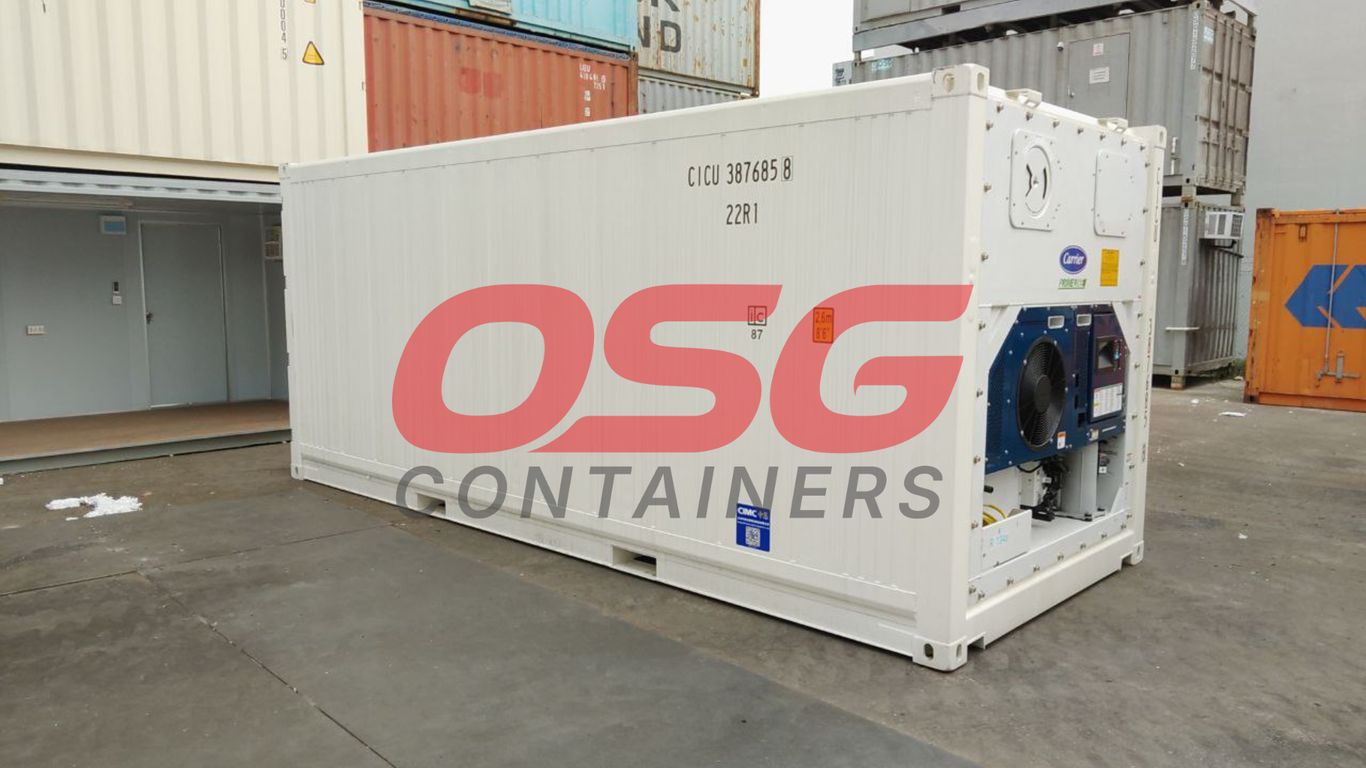
If you’ve ever wondered how strawberries from across the world still taste fresh or why fish from another continent looks like it was just caught, the answer is reefer containers. These refrigerated containers are everywhere in the shipping world, quietly doing their job to keep food, medicine, and other sensitive products safe. The secret to their success? It’s all about the airflow inside. When the air moves the right way, everything inside stays at the right temperature. But if something stops that air, things can go wrong fast. Let’s look at how airflow works inside reefer containers and why it matters so much.
Key Takeaways
- Proper airflow in reefer containers keeps cargo at a steady temperature, preventing spoilage.
- Blocked air circulation can cause hot spots and uneven cooling, leading to wasted products.
- How you load items inside a reefer container has a big impact on how well air moves around them.
- Modern reefer containers use sensors and smart tech to track temperature and airflow in real time.
- Regular maintenance and smart loading practices help keep airflow systems working their best.
Understanding Airflow Dynamics in Reefer Containers
Getting the airflow right inside a refrigerated (reefer) container is absolutely important for keeping cargo at the temperature you want. Mess it up, and you’re not just wasting money on energy—you’re risking your goods. Here’s how air moves inside these containers, and why it matters so much for everything from food to pharmaceuticals.
The Convection Cycle of Cooling
Airflow inside reefer containers works on a pretty simple cycle: warm air rises, cool air falls, and fans keep things moving round and round. Here’s what happens step-by-step:
- Fans pull in the warmer air from the container.
- This warm air is cooled by the refrigeration unit.
- The now-cold air gets pushed down, usually behind a panel or through floor vents.
- Cool air circulates around and under the cargo.
- As it absorbs heat from the goods, the air warms up, rises, and returns to the cooling unit.
This cycle goes on non-stop as long as the container is powered.
When the air moves as it should, every spot in the container gets cooled—not just the places nearest the walls or floor. That continuous cycle is what prevents hidden warm zones.
Importance of Air Circulation for Cargo
If you ever peek into a reefer truck, you might notice some rules about loading marked by lines or stickers. That’s because if you block air movement, you mess with the cooling. Here’s why air circulation is so important:
- Keeps all parts of the cargo at a steady temperature.
- Reduces risk of hot spots that can lead to spoilage.
- Helps with removing gases or moisture given off by products like fruits or flowers.
- Supports overall hygiene by discouraging mold or bacteria.
If airflow is interrupted—even by a carelessly stacked box—it doesn’t take long for problems to show.
Impact of Airflow on Temperature Uniformity
Temperature differences inside a reefer container are a quiet enemy. Some products spoil quickly if a corner is just a few degrees off. Here’s a look at how minor air circulation issues stack up:
| Scenario | Airflow Pattern | Result |
|---|---|---|
| Evenly loaded | Good circulation | Uniform temperature |
| Overloaded floor | Blocked floor vents | Cold/hot spots |
| Poor air gaps | Short-cycling air | Uneven cooling |
| Proper spacing | Full air coverage | Stable temperature |
- Short-cycling happens when cold air doesn’t reach far corners but instead cycles right back to the cooling intake, missing half the cargo.
- Over-packing against the walls is the main culprit for blocked air and unstable conditions.
If you want your products to arrive as fresh as when they left, circulation is non-negotiable. Get the airflow wrong, and you’ll notice—with lost inventory and maybe even unhappy customers.
Critical Factors Influencing Reefer Container Airflow
Obstacles to Effective Air Circulation
Anything that gets in the way of airflow inside a reefer container can upset temperature control. Some of the most common obstacles include:
- Overpacking or stacking goods above the load line, blocking vents
- Placing products directly in front of the cooling unit, restricting air exit
- Using packaging that doesn’t allow air to pass through, especially if it’s tightly sealed plastic
- Allowing dust and debris to collect around fans or ventilation slots
- Ignoring regular maintenance, which can lead to ice buildup or fan malfunction
Sometimes, it’s tempting to squeeze in every last box for a big shipment, but one blocked vent can mean whole pallets of spoiled goods on arrival.
Consequences of Blocked Airflow
When airflow gets blocked, several things can go wrong fast:
- Temperature differences: Some areas stay cold while others get too warm, especially around the center of the cargo.
- Spoilage risk: Perishable goods, like fruit and vegetables, are the first to suffer and may rot in warm spots.
- Energy waste: The cooling system runs longer, using more fuel or electricity to try (and fail) to reach the set temperature.
- Moisture build-up: Patchy airflow encourages condensation, damaging packaging and sometimes leading to mold.
| Blocked Airflow Effect | Resulting Problem |
|---|---|
| Uneven temperature | Spoiled or damaged cargo |
| Extra energy use | Higher shipping costs |
| Moisture accumulation | Mold, soggy packing |
Maintaining Optimal Airflow Through Proper Loading
Getting airflow right mostly comes down to how you load the container. Some simple habits make a big difference:
- Leave space between boxes and pallets—not packed too tightly, but not so loose that air channels around (instead of through) your cargo
- Keep products below the indicated load line, so cold air can move freely above and below
- Check that bottom air slots and side vents are not blocked by goods or dunnage
- If cargo doesn’t cover the floor, fill empty areas with approved dunnage, but still allow air to circulate underneath
- Clean containers before use, sweep out dust, and check for ice on vents
A careful loading process isn’t just about fitting everything in—how you place each box affects how well your shipment stays fresh and safe all the way to its destination.
Innovations in Reefer Container Airflow Technology
Reefer container manufacturers are constantly tweaking their designs to make sure cold air gets where it needs to go. It’s not just about having a powerful cooling unit anymore; it’s about smart airflow management. Think about it, all those fancy refrigeration systems are pretty useless if the cold air can’t actually reach every corner of the container, especially when you’re dealing with sensitive cargo or even specialized units like iso tanks.
Manufacturer Advancements in Air Management
Companies are getting creative. Some are installing multiple fans strategically placed to push cold air more evenly throughout the container. This helps eliminate those pesky warm spots that can ruin a shipment. Others are focusing on the internal design of the container itself, creating pathways that guide the airflow more effectively. It’s all about making sure the air circulates without getting stuck or short-circuited.
Sensors for Real-Time Temperature Regulation
This is where things get really interesting. We’re seeing more and more reefers equipped with sensors that can actually measure the temperature in different parts of the container right now. These sensors feed information back to the cooling system, allowing it to make tiny adjustments on the fly. This means the temperature stays exactly where it should be, no more guessing games.
Energy-Efficient Cooling Systems
Nobody likes wasting money, and energy costs are no joke. So, manufacturers are also working on cooling systems that use less power while still doing a great job. This often goes hand-in-hand with better airflow. When air circulates well, the cooling system doesn’t have to work as hard, saving energy. It’s a win-win situation for both the cargo and the wallet.
Keeping things cool efficiently is a big deal. It’s not just about the temperature itself, but how you get there. Smart airflow means less energy used, less strain on the equipment, and ultimately, better protection for whatever you’re shipping.
Here’s a quick look at some of the improvements:
- Improved Fan Design: Quieter, more powerful, and better at directing air.
- Internal Baffle Systems: Guiding airflow to prevent stagnation.
- Advanced Control Units: Allowing for more precise temperature and humidity settings.
- Integration with Monitoring: Sensors talking directly to the control system.
Best Practices for Airflow Management in Reefer Containers
Managing airflow inside a refrigerated container is all about details: keep the air moving, avoid blocking the vents, and don’t try to squeeze in more cargo than you should. A few small missteps, like blocking a vent or packing boxes too close, can lead to hot spots and possible spoilage. Sometimes it feels like a game of Tetris, but the right approach really makes a difference for cargo quality.
Ensuring Cooler and Fan Efficiency
- Inspect fans and coolers at regular intervals for dust, ice, or any obstructions—anything that blocks airflow eats up energy and can create warm zones.
- Confirm that the temperature control system is set correctly to match the cargo’s requirements. Don’t just rely on default settings.
- Listen for changes in noise or vibration from the fans. Odd noises can be a sign something’s off—maybe a fan blade is loose or bearings are wearing out.
You’re better off catching a maintenance issue early than finding out at your destination that the produce on the top layer is spoiled because the fan was only running at half speed.
Strategic Product Packaging and Spacing
- Leave a gap between cargo and the walls, floor, and ceiling—at least a couple of inches everywhere to let air circulate freely.
- Don’t pile boxes straight up to the ceiling. There’s usually a marked load line; hot air rises, so blocking that upper area causes serious uneven cooling.
- If the cargo doesn’t cover the whole floor, use approved dunnage or pallets with gaps for airflow below and around the goods.
| Good Practice | Why It Matters |
|---|---|
| Leave space near vents | Prevents blockage of cool air flow |
| Respect load lines | Avoids overheating near the ceiling |
| Use ventilated pallets | Boosts circulation under products |
Utilizing Modern Reefer Container Technology
- Take advantage of new reefers with improved airflow design, like multiple fan systems or smart airflow guidance.
- Monitor temperatures in real time with built-in or add-on sensors—don’t wait until unloading to discover a problem.
- Schedule preventative checks based on data logs, not just a calendar; modern containers will often alert you if something’s wrong.
- Smart controls can automatically balance temperatures but still need a human to check if vents are clear and loads are stacked right.
Even with modern equipment, how you load matters more than most people expect—the best hardware can’t fix a badly blocked air vent.
The Role of Airflow in Maintaining Cargo Integrity
So, we’ve talked about how reefer containers work and what makes airflow tricky. Now, let’s get down to why all this air moving around is actually super important for keeping your stuff from going bad.
Preventing Spoilage Through Even Cooling
Think about it: if the cold air isn’t getting everywhere inside the container, some parts are going to stay warmer than others. This is a big problem, especially for things like fruits, vegetables, or medicines that need a very specific temperature. When one section gets too warm, even for a little while, it can speed up ripening, encourage bacteria growth, or just generally degrade the quality of your cargo. Consistent, even cooling across the entire load is the main goal, and good airflow is how you get there. It’s like making sure everyone in a room gets the same amount of air conditioning, not just the people right next to the vent.
Controlling Moisture and Condensation
Reefers are built to be pretty sealed up, which is good for keeping the cold in. But temperature changes can still cause issues with moisture. When warm, humid air hits cold surfaces inside the container, you get condensation. This can lead to soggy packaging, mold growth, or even damage to the product itself. The refrigeration unit’s evaporator does help remove some moisture, but it uses energy and can reduce cooling power. Keeping the container dry from the start and ensuring good air circulation helps manage this. Dry air moves better and cools more efficiently, reducing the chances of that unwanted dampness settling in.
Ventilation for Gas Exchange and Fresh Air
This part is especially important for certain types of cargo, like fresh produce. Fruits and vegetables are alive, even after they’re picked. They breathe, sort of. They take in oxygen and give off gases like carbon dioxide, heat, and ethylene. Ethylene is a ripening agent, so if it builds up, your produce will spoil faster. Good airflow allows these gases to escape and brings in fresh air. This process helps slow down ripening and keeps the air inside the container from becoming stale or depleted of oxygen. It’s a delicate balance, and the right ventilation, managed by airflow, is key to keeping that produce fresh for longer journeys.
Advanced Features Enhancing Reefer Container Performance
Today’s reefer containers go far beyond just keeping things cold. They’ve become smart, connected systems that help companies keep a close eye on valuable cargo and prevent costly surprises. Let’s get into some of the latest features that make these container reefer units stand out.
Smart Monitoring and Remote Tracking
Modern reefer containers are often equipped with sensors and GPS trackers. These let operators monitor temperature, humidity, and even the container’s location in real time from their computers or smartphones.
- Temperature and humidity data updates
- GPS tracking for precise route monitoring
- Real-time alerts if conditions go out of range
When you can view your container reefer data anywhere, it’s much easier to catch a problem before it affects the cargo.
Data Logging for Compliance and Safety
One thing regulators love: accurate records. Reefer containers now automatically log all relevant data, creating tamper-proof trails for every trip.
| Feature | What It Does | Why It Matters |
|---|---|---|
| Continuous logging | Records temp/humidity hourly | Meets food safety rules |
| Easy data export | Downloads in standard formats | Simplifies audits |
| Audit traceability | Saves all out-of-range events | Proves proper handling |
This makes it much easier during any inspection to show that cargo was kept in safe conditions the whole time.
Predictive Alerts for Maintenance
With so much technology packed into reefer containers, breakdowns happen. Advanced units now use sensors and algorithms to detect trouble before it leads to breakdown. This reduces unexpected downtime and spoilage risks.
Some common predictive features:
- Fan health monitoring to spot motor failures early
- Compressor and coolant status alerts
- Battery and power connection checks
By scheduling maintenance before a real problem happens, shippers can avoid losing cargo and get better value from their container reefers.
The bottom line: newer reefer container tech makes it a lot easier to maintain control, limit spoilage, and stay compliant, even on long trips.
Wrapping It Up
So, when you get down to it, making sure the air moves right inside those refrigerated containers is a pretty big deal. It’s not just about having a cold box; it’s about how that cold air actually gets to everything inside. Manufacturers are always tweaking things, and how we load up the containers matters a lot too. Keeping those fans clean and making sure there’s space for air to do its thing helps keep our food and medicines from going bad. It seems simple, but getting the airflow right is key to keeping things fresh from start to finish.
Frequently Asked Questions
What is airflow in a refrigerated container, and why is it important?
Airflow in a refrigerated container, often called a ‘reefer,’ is the movement of cold air inside. It’s super important because it helps keep all the stuff inside at the same cold temperature. Without good airflow, some parts might get too warm, and that can make food or medicine go bad.
How does the cooling system in a reefer container work?
Think of it like a big refrigerator. A cooling unit makes cold air. Fans then push this cold air down into the container. The cold air goes under your items, then rises as it warms up, and gets pulled back into the cooling unit to be chilled again. This cycle keeps everything cool.
What can block airflow inside a reefer container?
Stuffing too much cargo into the container or packing items too close together can block the air. If items are stacked too high or too close to the walls, the cold air can’t move around properly. This creates warm spots where food can spoil.
How can I make sure the airflow is good when I load a reefer container?
It’s important to load items with space between them and the walls, and also between the items themselves. Don’t stack things past the marked lines inside the container. Leaving gaps allows the cold air to flow freely all around your cargo.
What happens if there’s not enough airflow?
If airflow is bad, the temperature won’t be even. Some items might get too warm and spoil, while others might freeze too much. This wastes energy and can ruin your shipment. It can also lead to moisture problems, like mold.
Are there new technologies that help with airflow in reefers?
Yes! Makers are creating smarter cooling systems with more fans to spread the cold air better. Some containers have sensors that check the temperature all the time and adjust it automatically. There are also systems that can tell you if something is wrong before it causes a big problem.