Singapore
 Australia
 Indonesia
 Japan
Japan Malaysia
 New Zealand
 Philippines
 South Korea
 Taiwan
 Thailand
 VIETNAM
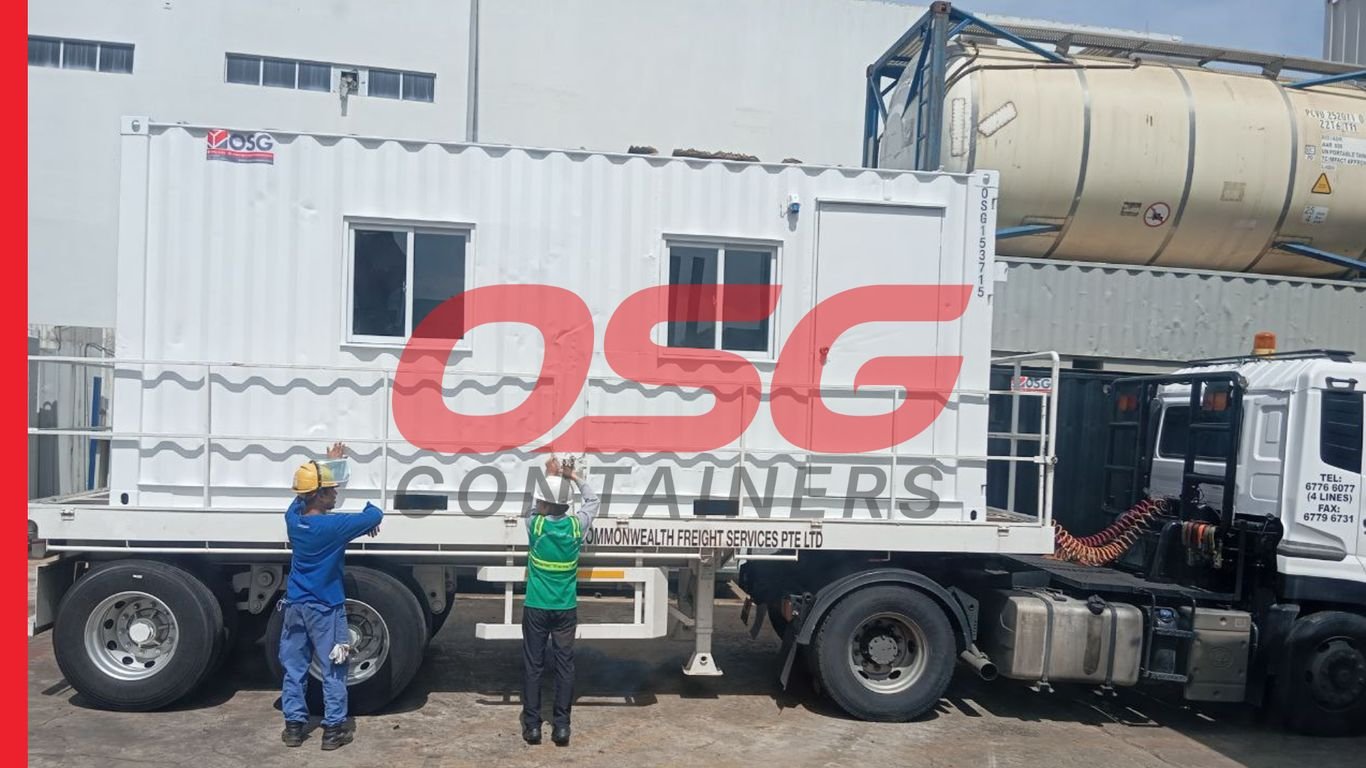
So, you’ve got some seriously big or awkwardly shaped stuff to move? Regular shipping containers just won’t cut it. That’s where the CNTR open top container comes in handy. Forget trying to stuff things into a box; these containers let you load from the top, making life a lot easier for all sorts of oversized cargo. We’re talking construction equipment, big machinery, lumber – basically anything that doesn’t fit the standard mold. Let’s break down why these open tops are such a useful tool for heavy-duty transport.
Key Takeaways
- CNTR open top containers are ideal for oversized or unusually shaped cargo because they allow for easy top-loading, simplifying how big items are moved in and out.
- Their design provides more flexibility than standard containers, especially for moving things like timber, construction materials, and large industrial machinery.
- When picking a CNTR open top, think about the cargo’s size, whether a new or used container is best, and the condition of its removable tarp roof.
- These containers often have strong tie-down points along the sides to help secure your load, which is pretty important since there’s no fixed roof.
- While convenient, remember the open nature means you might need extra security or weather protection for certain types of cargo, especially if it’s sensitive.
Understanding CNTR Open Top Container Advantages
Top-Loading Convenience for Oversized Cargo
When you’ve got stuff that’s just too big or awkward for a regular shipping container, the open-top design really saves the day. Forget trying to wrestle massive items through a narrow door; with an open-top, you can simply lift them straight in from above. This makes loading and unloading a breeze, especially for things like heavy machinery, large construction materials, or even pre-fabricated building components. Cranes can easily place these items directly into the container, cutting down on loading time and the hassle involved. It’s a much more straightforward process compared to dealing with the limitations of a traditional container. This top-loading capability is a major reason why they are so popular for bulky shipments.
Adapting to Non-Standard Dimensions
Standard containers can feel pretty limiting when you’re dealing with cargo that’s a bit out of the ordinary. That’s where open-top containers really step up. Their design isn’t just about making loading easier; it’s about opening up a whole world of shipping possibilities for items that just won’t play nice with a regular box. Think about it: you’ve got machinery that’s too tall, lumber that’s too long, or maybe even pre-fabricated building sections. Trying to wrestle these into a closed container is often a recipe for frustration, damage, and delays. Open tops, however, let you load from above, which is a total game-changer. Cranes can just lift things straight in, no awkward tilting or forcing required. This flexibility means you can move a much wider array of goods efficiently. Beyond just height, the open-top design also helps with oddly shaped items. If you’re shipping something with protrusions or a really irregular form, the open space gives you more room to maneuver and secure it properly. This adaptability is key for industries that deal with non-standard dimensions.
Flexibility Beyond Conventional Packing
Open-top containers offer a level of flexibility that goes way beyond how you’d pack a standard container. Because there’s no fixed roof, you’re not limited by height. This means you can stack cargo higher than the container walls, or load items that are simply too tall to fit through a conventional door. It also means wider items can be loaded from the top without obstruction. The primary benefit here is the ability to load from overhead, which is straightforward with the right lifting equipment like cranes or forklifts. This direct placement capability significantly reduces the need for complex maneuvering, making the entire process smoother and less prone to damage during transit. It’s a simple change that makes a big difference for specific types of cargo.
The real advantage of an open-top container is its ability to adapt. It removes the constraints of a standard container, allowing for simpler handling and a broader range of cargo types. This adaptability is what makes them so useful across many different sectors.
Key Applications for CNTR Open Top Containers
When you’ve got stuff that just doesn’t fit into a regular box, CNTR open top containers really come into their own. They’re not your everyday shipping solution, but for certain jobs, they’re pretty much perfect. Think about it – if you’re moving something tall, long, or just plain awkward, trying to shove it through a standard container door is a headache. Open tops let you load from above, which makes a huge difference.
Construction Equipment and Building Materials
This is where open tops really shine. Moving big pieces of machinery to a job site? No problem. Cranes can just lift excavators, bulldozers, or generators right into the container. It’s also fantastic for construction materials. Long lumber, steel beams, rebar, pre-fabricated wall sections – these can all be loaded efficiently from the top. This saves a ton of time and hassle, especially when you’re on a tight deadline. You can even use them for temporary storage right on the construction site, keeping materials accessible and somewhat protected from the weather with that big tarp.
Large Industrial Machinery and Vehicle Parts
Beyond construction, these containers are great for other heavy-duty items. If you’re shipping large industrial equipment, like manufacturing machines, large pumps, or even parts for vehicles that are too big for standard containers, an open top is a solid choice. The ability to load these bulky items from above means less risk of damage during the loading process. It’s a much more straightforward way to get massive items from point A to point B.
Handling Abnormally Shaped Goods
Sometimes, cargo just isn’t standard. Maybe it’s a unique sculpture, large pipes, or oddly shaped industrial components. For these kinds of items, a regular container can be a real challenge. Open tops offer more flexibility. You can position these awkward items more easily and, importantly, secure them properly using the numerous lashing points available. While you might need to think about extra weather protection, the ease of loading and the flexibility in securing make them ideal for cargo that doesn’t conform to typical shapes. It’s worth noting that while these are great for many things, they aren’t typically used for sensitive items like a cntr reefer would be for temperature-controlled goods.
Securing Your Cargo in CNTR Open Top Containers
Cargo Weight Distribution and Securing Techniques
When you’re using a CNTR open top container, especially for heavy stuff, how you pack it really matters. You can’t just shove things in and hope for the best. Getting the weight spread out evenly is super important to stop your cargo from shifting around when the container is on the move, whether it’s on a general cargo ship or just sitting on a truck. Think about placing the heaviest items low down and centered. If you have awkward shapes, you might need to use extra bracing or blocking to keep them from tipping or sliding. It’s not like a standard 20gp container where the roof helps keep things in place; here, everything relies on how well you’ve secured it.
- Heavy Items First: Always load the heaviest pieces at the bottom and as close to the center of the container floor as possible.
- Bracing and Blocking: Use sturdy wooden blocks or metal bracing to fill gaps and prevent items from moving sideways.
- Strapping: Employ heavy-duty straps or chains, ensuring they are rated for the weight of your cargo and are properly tensioned.
Proper securing isn’t just about preventing damage to your goods; it’s a major safety factor. A shifting load can cause accidents, so taking the time to do it right is non-negotiable.
Importance of Sturdy Lashing Points
These containers are built with a bunch of strong points along the inside walls and floor, called lashing points. These are where you attach your straps, chains, or ropes to hold your cargo down. You’ve got to make sure these points are solid and can handle the strain. If a lashing point fails, your whole load could shift, which is a recipe for disaster. Always check that the points are in good condition and that your securing gear is compatible with them. It’s like having a bunch of strong hands holding your cargo in place.
Adapting to Varying Cargo Heights
One of the cool things about open tops is that they don’t have a fixed roof. This means if your cargo is taller than a standard container, you can often still use an open top. You just need to make sure that the taller parts are still secured properly and don’t stick out in a way that’s unsafe or against shipping rules. The tarp that covers the top can usually be adjusted or secured over taller items, offering some protection from the elements. It gives you a lot more wiggle room than you’d get with a regular container.
Choosing the Right CNTR Open Top Container
So, you’ve decided an open-top container is the way to go for your project. That’s a smart move, especially if you’re dealing with tall items or need easy top access. But not all open-top containers are created equal, and picking the right one makes a big difference. It’s not just about grabbing any old box; you need to think about what you’re putting inside and how you’ll be using it. When you’re looking to get an open-top container, one of the first big questions is whether to go for a brand-new one or a used one. Both have their upsides, and what’s best really depends on your budget and what you plan to do with it.
Assessing Cargo Requirements and Dimensions
Before you even start looking at containers, take a good, hard look at your cargo. What are its exact dimensions – length, width, and especially height? Is it a uniform shape, or are there parts that stick out? Understanding these details is key. You’ll also want to consider the weight. While open-top containers are built tough, knowing the total weight helps in selecting the right size and planning for securing it. Remember, these aren’t your standard 20ft shipping containers; they offer more flexibility but still have limits.
- Measure everything: Get precise measurements of your cargo. Don’t guess.
- Note the shape: Is it bulky, irregular, or does it have protrusions?
- Calculate the weight: This impacts container size and securing methods.
- Consider loading method: Will you use a crane, forklift, or something else?
New vs. Used Container Considerations
When you’re looking to get an open-top container, one of the first big questions is whether to go for a brand-new one or a used one. Both have their upsides, and what’s best really depends on your budget and what you plan to do with it.
New containers, often called ‘one-trip’ units, have only made one journey from the factory. They’re typically in excellent condition, free from significant dents or rust, and look pretty sharp. If you’re shipping sensitive items, planning a conversion project, or simply want the best appearance, a new unit is a solid choice. They are automatically considered ‘cargo worthy’ for shipping.
Used containers are more budget-friendly. Expect some cosmetic wear like minor dents, surface rust, or faded paint. However, most used containers are sold as ‘Wind and Watertight’ (WWT), meaning they’re still sealed against the elements, which is usually fine for many storage needs or construction site use. If you need it for shipping, you’ll need to confirm it’s certified ‘Cargo Worthy’ (CW), which might involve an inspection. Always check if a used container is ‘wind and watertight’ to make sure it’s still sturdy.
| Container Type | Condition | Best For |
|---|---|---|
| New (One-Trip) | Excellent | Sensitive cargo, conversions, appearance |
| Used (WWT/CW) | Fair to Good | Budget-conscious, general storage, site use |
Understanding Container Certifications
For any of the types of shipping containers you consider, especially if it’s going on an international voyage, certifications matter. A ‘Cargo Worthy’ (CW) certification means the container has been inspected and meets the standards required for shipping goods overseas. This is especially important for used containers. A ‘Wind and Watertight’ (WWT) status is good for storage, but it doesn’t guarantee it’s fit for transport. Always ask about the container’s certification status to avoid surprises and ensure compliance with shipping regulations.
Picking the right container isn’t just about size; it’s about making sure it’s structurally sound and certified for its intended use, whether that’s a quick trip across town or a long haul across the ocean. Don’t skip this step; it could save you a lot of trouble down the line.
Practical Benefits of CNTR Open Top Solutions
Efficient Loading and Unloading Processes
When you’re dealing with cargo that’s just too big or awkwardly shaped for a standard container, the open top design really makes things simpler. Forget trying to force massive items through a narrow door; with an open top, you can just lift them straight in from above. This makes loading and unloading a breeze, especially for things like heavy machinery, large construction materials, or even pre-fabricated building components. Cranes can easily place these items directly into the container, cutting down on loading time and the hassle involved. It’s a much more straightforward process compared to dealing with the limitations of a traditional container. This top-loading capability is a major reason why they are so popular for bulky shipments.
Versatility Across Multiple Industries
Standard containers can feel pretty limiting when your cargo is a bit out of the ordinary. That’s where open top containers really step up. Their design isn’t just about making loading easier; it’s about opening up a whole world of shipping possibilities for items that just won’t play nice with a regular box. Think about machinery that’s too tall, lumber that’s too long, or maybe even pre-fabricated building sections. Trying to wrestle these into a closed container is often a recipe for frustration, damage, and delays. Open tops, however, let you load from above, which is a total game-changer. Cranes can just lift things straight in, no awkward tilting or forcing required. This flexibility means you can move a much wider array of goods efficiently. Beyond just height, the open top design also helps with oddly shaped items. If you’re shipping something with protrusions or a really irregular form, the open space gives you more room to maneuver and secure it properly. This adaptability is key for industries that deal with non-standard dimensions.
Here’s a quick rundown of why they’re so adaptable:
- Accommodating Lengths: Perfect for long items like lumber, beams, and rebar that are difficult to fit into standard containers.
- Handling Odd Shapes: More freedom to load and secure items that aren’t perfectly square.
- Reduced Damage Risk: Top-loading minimizes the chances of cargo getting scraped or damaged during the loading process.
On-Site Storage and Accessibility
Beyond just transport, these containers often serve a dual purpose on job sites. They can act as temporary, accessible storage for materials, keeping everything organized and within easy reach. This means that lumber, steel beams, or other construction supplies don’t have to be constantly moved around. The removable tarp roof provides a good level of protection from the elements during transit and while stored, keeping the cargo clean and dry. It’s a practical solution when you need to keep materials secure and accessible right where the work is happening.
The real advantage of an open top container is its ability to adapt. It removes the constraints of a standard container, allowing for simpler handling and a broader range of cargo types. This adaptability is what makes them so useful across many different sectors.
Wrapping Up: Why CNTR Open Tops Are Your Go-To
So, when you’ve got cargo that’s just too big or awkward for a regular box, CNTR open top containers really step up. They make loading and unloading a lot less of a headache, especially with tall or oddly shaped items. While you do need to think about securing everything properly and maybe adding extra protection for the weather, the ease of access and flexibility they offer for oversized shipments is pretty hard to beat. For anyone dealing with machinery, lumber, or construction materials that don’t fit the standard mold, these containers are definitely worth considering.
Frequently Asked Questions
Why are open-top containers good for really big items?
Open-top containers are super helpful for large items because you can load them from the very top. Imagine trying to fit a giant machine into a regular container – it’s really hard! With an open top, a crane can just lift the item straight in, making loading and unloading much quicker and easier.
Can I use these containers for things that aren’t shaped like a box?
Yes, definitely! If your cargo is tall, wide, or just has a strange shape, like large pipes or unusual sculptures, open-top containers give you more freedom. You can load them more easily and secure them better, which helps prevent damage during shipping.
Are open-top containers useful for building materials like wood or steel?
Absolutely. They are perfect for materials like lumber, steel beams, or large construction parts. You can stack them high and load them efficiently from above, which is very convenient for items that don’t fit neatly into a standard closed container.
What’s the difference between getting a new or a used open-top container?
New open-top containers are in perfect condition, like they’ve only been used once. They’re great if you need the best look or are shipping delicate items. Used containers are cheaper and usually still work well for storage or less sensitive cargo, but they might have some dents or rust. Just make sure a used one is still strong and won’t let rain in.
How do I make sure my cargo stays safe inside an open-top container?
Securing your cargo is really important since there’s no roof. These containers have strong metal loops, called lashing points, all around the sides and floor. You use strong straps or chains attached to these points to tie down your load tightly, making sure it doesn’t move around during the trip.
What are some common things shipped in open-top containers?
You’ll often see open-top containers used for construction equipment like tractors, big industrial machines such as generators, long items like lumber and pipes, and even some types of bulk goods like scrap metal. Basically, anything that’s too tall or awkward for a regular container.