Singapore
 Australia
 Indonesia
 Japan
Japan Malaysia
 New Zealand
 Philippines
 South Korea
 Taiwan
 Thailand
 VIETNAM
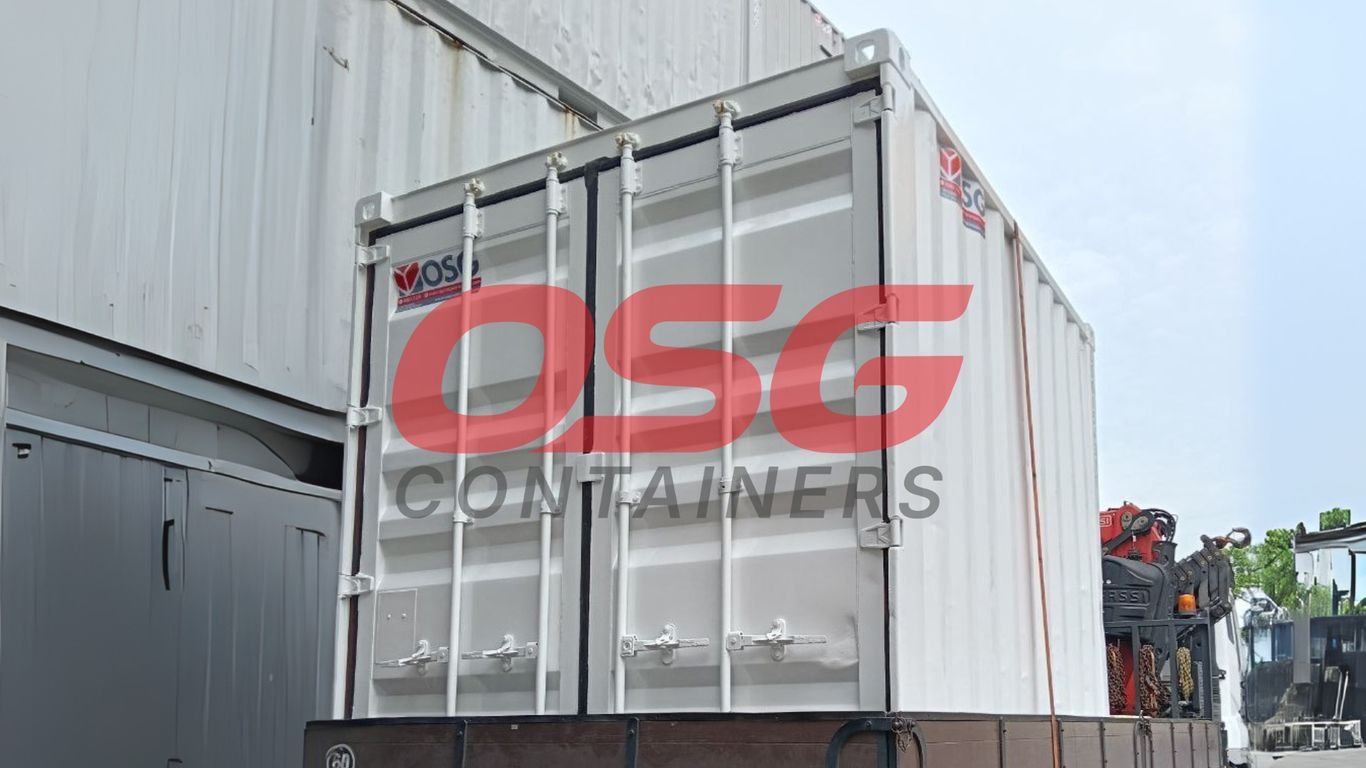
So, you’re trying to figure out if a 40ft High Cube (40 HQ) container is the right choice for you, or if a standard 40-foot container will do the job. It’s a common question, and honestly, it’s not as complicated as it might seem. Both are workhorses in the shipping world, but that extra foot of height in the high cube can make a big difference depending on what you’re hauling. Let’s break down what you need to know to make sure you get the best bang for your buck.
Key Takeaways
- The main difference between a 40ft standard and a 40 HQ container is height; the high cube is a foot taller, offering more vertical space.
- This extra height in a 40 HQ container means a larger internal volume, making it suitable for taller items or maximizing cargo space.
- Standard 40ft containers are generally less expensive and easier to find globally, making them a cost-effective option for many.
- While 40 HQ containers offer more space, they can sometimes have transportation restrictions due to their increased height.
- The best choice depends on your cargo’s dimensions, budget, and any potential transport limitations you might encounter.
Understanding Container Dimensions
When you’re looking at shipping options, especially for international transport, you’ll run into a few standard container sizes. The two big players we’re talking about here are the standard 40ft container and its taller cousin, the 40ft High Cube (often called 40ft HC or 40ft HQ). They look pretty similar from the outside, but that extra bit of height in the High Cube makes a surprising difference.
Think of them as metal boxes designed to move stuff around the globe. They’ve got pretty specific measurements, and knowing these is key to figuring out how much you can actually fit inside and if it’s going to be cost-effective for your shipment. It’s not just about the length and width, which are the same for both standard and High Cube 40-footers, but that extra vertical space is where the magic happens for the High Cube.
Here’s a quick look at the basic specs:
- Standard 40ft Container:
- 40ft High Cube Container:
See that difference in height? It might not seem like much, but that extra 30 cm (about a foot) can really add up when you’re trying to pack things in efficiently. It’s the main reason people choose one over the other, depending on what they’re shipping.
The dimensions of shipping containers are standardized by the International Organization for Standardization (ISO) to ensure they can be handled by cranes, ships, and trains worldwide. While external dimensions are largely consistent, internal usable space can vary slightly due to wall thickness and internal fittings.
Height Difference: Standard vs. High Cube
So, you’re looking at shipping containers and wondering about the "High Cube" versus the "Standard" 40-footer. The biggest, most obvious difference is right there in the name: height. A standard 40-foot container stands at 8 feet and 6 inches tall. That’s pretty standard, right? But the High Cube? It adds a whole extra foot to that, bringing it up to 9 feet and 6 inches.
This extra foot might not sound like much, but it can make a surprising difference, especially when you’re trying to fit more stuff or taller items. Think about stacking things – that extra foot means you can stack higher, which is a big deal for maximizing space.
Here’s a quick look at the height difference:
- Standard 40ft Container: 8′ 6" (2.59 meters)
- 40ft High Cube Container: 9′ 6" (2.90 meters)
This extra vertical space in a high cube container is often the deciding factor for many businesses. It allows for more efficient loading and can prevent the need for a second container just because of height limitations.
When you’re deciding which one to go with, it really boils down to what you’re putting inside. If you’ve got items that are just a bit too tall for a standard container, or if you want to stack goods higher to save space, the High Cube is probably your best bet. But if height isn’t an issue, the standard container might be perfectly fine and potentially a bit cheaper.
Volume and Space Comparison
When you’re trying to figure out how much stuff you can actually fit into a shipping container, the difference between a standard 40-foot container and a 40-foot High Cube (HC) really comes down to one thing: height. It might not sound like much, but that extra foot in height makes a noticeable difference in how much you can pack.
A standard 40-foot container gives you a decent amount of space, usually around 2,390 cubic feet. That’s a lot of room, right? But the High Cube version, because it’s a full foot taller, bumps that up to about 2,694 cubic feet. That’s an extra 300 cubic feet of potential storage space.
Think about it like this:
- Standard 40ft Container: Offers roughly 2,390 cubic feet of internal volume.
- 40ft High Cube Container: Provides approximately 2,694 cubic feet of internal volume.
This extra space in the High Cube isn’t just about cramming more in. It can mean the difference between fitting items that are just a bit too tall for a standard container, or being able to stack goods more efficiently. For example, if you’re shipping furniture, machinery, or even building materials, that extra height can be a game-changer. It might allow you to fit an extra layer of pallets or accommodate taller pieces without having to worry about them hitting the ceiling.
The extra height in a High Cube container can be particularly useful for items that are awkward in shape or just slightly too tall for standard containers. This can prevent needing a larger container or making multiple trips, saving time and money.
So, while both containers share the same length and width, the High Cube’s added vertical dimension significantly increases its overall capacity. This makes it a popular choice when maximizing every inch of space is important.
Cost Considerations
When you’re figuring out which container to use, the price tag is obviously a big deal. You might think a standard 40ft container is always the cheapest, but it’s not always that simple. Sometimes, a 40ft High Cube can actually be less expensive, especially if there are a lot of them available in the market where you’re looking. It really depends on supply and demand in that specific location.
Here’s a general idea of how prices can stack up, though remember these are just estimates and can change:
- Standard 40ft Container: Generally, these tend to be a bit cheaper than their high cube counterparts. They’re the workhorses of shipping, so there are tons of them out there.
- 40ft High Cube Container: Because they offer that extra foot of height, they usually cost a little more. This extra space can be worth the price if you need it, though.
The actual price you pay can swing wildly based on where you’re buying from. For instance, a container might be much pricier in a place like New York or Ningbo compared to somewhere like Antwerp. It pays to shop around and check prices in different regions.
Don’t just look at the sticker price. Think about the total cost of shipping. If a high cube lets you fit more goods, it might actually save you money per item, even if the container itself costs a bit more upfront. It’s all about how efficiently you can use the space.
Also, keep in mind that specialized containers, like reefer (refrigerated) or pallet-wide ones, will almost always cost more than standard or high cube containers. They’re built for specific jobs and aren’t as common, so their prices reflect that.
Ease of Finding Containers
When you’re trying to figure out if a standard 40ft container or a 40ft High Cube (HC) is the better choice for your shipment, one thing to consider is how easy it is to actually get your hands on one. Generally speaking, both standard 40ft and 40ft HC containers are pretty common. They’re the workhorses of the shipping world, so most major ports and depots will have a good stock of them.
However, standard 40ft containers have been around longer and are arguably more ubiquitous. This means that in some less common locations or during periods of high demand, you might find a standard 40ft slightly easier to source or potentially a bit cheaper, just because there are so many of them in circulation. High Cubes are definitely gaining ground, but if you’re in a pinch or in a more remote area, the standard might be your go-to.
Here’s a quick rundown:
- Standard 40ft Containers: Widely available globally. Often the default option for many shipping lines and rental companies.
- 40ft High Cube Containers: Also very common, especially for businesses shipping lighter, bulkier goods. Availability is excellent in major trade lanes but might be slightly less so in very niche markets compared to standard 40fts.
The sheer volume of standard 40ft containers produced and used over the decades means they have a deeply established presence in the global logistics network. While High Cubes are increasingly popular, the sheer number of standard units still in operation can sometimes translate to broader availability, especially in less frequented ports.
Think of it like this: if you need a basic sedan, you can find one almost anywhere. If you need a specific model of SUV, you might have to look a little harder in certain places. It’s not a huge difference, but it’s something to keep in mind when planning your logistics.
Transportation Compatibility
When you’re figuring out how to get your stuff from point A to point B, the container type really matters. Both the standard 40ft and the 40ft High Cube (HC) are built to fit into pretty standard transport setups, which is good news for most shipping needs.
Think about how these containers move. They’re designed to slot into specific places on ships, trains, and trucks. The main difference, the extra foot of height in the HC, usually doesn’t cause problems with most standard transport equipment. Most cranes, rail cars, and truck chassis are built with a bit of wiggle room.
Here’s a quick look at how they generally fit:
- Ships: Both container types are designed to be stacked on container ships. The extra height of the HC might mean it goes on a higher tier, but ship designs account for this.
- Trains: Standard rail cars can typically accommodate both 40ft containers. The height difference of the HC is usually within the clearance limits for most rail lines.
- Trucks: Flatbed trucks and container chassis are designed to carry standard 40ft containers. The HC’s extra height is generally manageable, though it’s always wise to check local road height restrictions.
While both container types are generally compatible with standard transport methods, it’s always a good idea to double-check specific requirements for your route and chosen carriers. Sometimes, very specific routes or older infrastructure might have limitations.
So, for most common shipping scenarios, you won’t run into major compatibility issues. The choice between standard and high cube often comes down to how much stuff you have and its dimensions, rather than whether it can physically be moved.
Usage and Applications
So, when do you actually use one type of 40ft container over the other? It really boils down to what you’re shipping and how you plan to pack it.
Standard 40ft containers are your go-to for a lot of general cargo. Think furniture, machinery parts, packaged goods – stuff that fits neatly within the standard height. They’re also a solid choice if you’re on a tighter budget or if finding a container quickly is your main concern, since they’re so common.
High Cube (40HQ) containers, on the other hand, are fantastic when you’ve got taller items or if you want to maximize your space by stacking goods higher. This extra foot of height can make a big difference for things like electronics, appliances, or even certain types of manufactured goods that have a bit more vertical bulk. It’s also great for lighter, bulkier items where you want to fill up the volume without hitting weight limits.
Here’s a quick rundown:
- Standard 40ft: Best for regular-sized cargo, cost-sensitive shipments, and when ease of availability is key.
- 40ft High Cube (40HQ): Ideal for taller items, maximizing vertical space through stacking, and shipping lighter, bulkier goods.
The choice between a standard 40ft and a 40HQ isn’t just about a few extra inches; it’s about optimizing your shipping costs and ensuring your cargo fits safely and efficiently. Sometimes that extra height means you can fit more in, potentially reducing the number of containers you need, which can save money in the long run.
Basically, if your cargo is on the taller side, or if you’re looking to really pack things in, the 40HQ is probably your best bet. If your items are standard height and you’re focused on cost and availability, the regular 40ft container does the job just fine.
What Fits Inside
So, you’re wondering what exactly you can cram into these big metal boxes, right? It really depends on what you’re shipping and, of course, whether you’re looking at a standard 40ft or the taller High Cube version.
Generally, a standard 40ft container can hold about as much as a 3 to 4-bedroom house. Think furniture, appliances, boxes of belongings – that kind of stuff. If you’re moving a whole household, this is often the go-to.
But what about those oddly shaped items or things that just need a bit more headroom? That’s where the High Cube really shines. That extra foot of height can make a surprising difference, especially if you’re stacking items or have taller pieces.
Here’s a rough idea:
- Standard 40ft Container: Can typically fit around 54-58 cubic meters of goods. This is often enough for things like machinery, packaged goods, or a large amount of smaller items packed efficiently.
- 40ft High Cube Container: This one can hold about 60-68 cubic meters. That extra height means you might be able to fit an additional row of goods, or taller items that wouldn’t fit in a standard container.
It’s not just about volume, though. The shape and weight of your items matter a lot. Bulky, awkwardly shaped items might leave a lot of wasted space, even if you have room left. Conversely, if you have a lot of small, stackable items, you might be able to fit more than the average.
Always, always ask your supplier or logistics partner for advice. They deal with loading containers every day and can give you a much better estimate based on the specific items you’re shipping. Don’t just assume you can fill every last inch!
For example, a standard 40ft container might hold around 400 mattresses, or three to four cars depending on their size. If those cars were SUVs, you might need that extra height from a High Cube. It’s all about the specifics of your cargo.
Benefits of High Cube Containers
So, you’re looking at shipping containers and wondering about the 40ft High Cube. What’s the big deal with that extra foot? Well, it actually makes a pretty significant difference, especially if you’re trying to pack a lot in or deal with taller items.
The main advantage of a high cube container is simply more space. That extra foot of height, bringing it to 9 feet 6 inches instead of the standard 8 feet 6 inches, adds up. It’s not just a little bit more room; it’s a noticeable increase in volume.
Here’s a quick look at what that extra height gives you:
- Increased Volume: A standard 40ft container offers about 2,390 cubic feet of space. A 40ft High Cube bumps that up to roughly 2,694 cubic feet. That’s an extra 300 cubic feet to play with!
- Accommodating Taller Goods: If you’re shipping items that are just a bit too tall for a standard container – think certain types of machinery, furniture, or stacked goods – the high cube is your go-to. It can make the difference between fitting something or not.
- Better Stacking Potential: That extra vertical space means you can often stack items higher, making more efficient use of the container’s floor space. This can be a game-changer for maximizing how much you can ship in a single container.
- Versatility for Varied Cargo: Whether it’s bulky items, palletized goods stacked high, or even materials that need a bit of clearance, the high cube offers more flexibility for a wider range of cargo.
While the extra height is great for capacity, it’s worth remembering that high cube containers are, well, taller. This means you need to double-check transportation routes and any potential overhead restrictions. It’s not usually a problem for standard shipping, but it’s something to be aware of, especially if your cargo is going to be moved by road or rail in areas with low bridges or tunnels.
Basically, if you’re looking to maximize your cargo capacity, especially with taller items, or just want that bit of extra breathing room, the 40ft High Cube container is a really solid choice.
Benefits of Standard Containers
When you’re looking at shipping containers, the standard 40-foot model is a real workhorse. It’s been around forever, and for good reason. One of the biggest pluses is the price. Generally, you’ll find these containers are cheaper to buy or rent than their high-cube cousins. This can make a big difference for businesses trying to keep costs down, especially for regular shipments where every dollar counts.
Another thing is availability. Standard 40-footers are everywhere. You can usually find them pretty easily, whether you’re shipping across the country or overseas. This makes logistics a bit simpler because you’re not hunting around for a specific type of container.
Plus, they fit into the standard transport system without any fuss. Trucks, trains, and ships are all set up to handle these dimensions. You don’t have to worry about special handling or whether they’ll fit on a particular mode of transport.
Here’s a quick rundown:
- Lower upfront cost: Easier on the budget.
- Widespread availability: Less hassle finding one.
- Standard compatibility: Fits most transport setups.
- Proven reliability: They’re a tried-and-true option.
While the extra height of a high-cube container is great for some things, it’s not always needed. For many types of cargo, the standard height is perfectly fine, and you save money and hassle by sticking with what’s most common and cost-effective. It’s about getting the job done without overspending or overcomplicating things.
Think of it this way: if you’re shipping items that aren’t particularly tall, like furniture, machinery, or general goods that can be stacked to a standard height, the regular 40-foot container is often the smarter choice. You get the space you need without paying for extra height you won’t use.
Choosing the Right Container
So, you’ve been looking at 40ft containers and maybe the High Cube (HC) version, and now you’re wondering which one is actually the better pick for your stuff. It’s not a one-size-fits-all situation, you know? What works for one person’s cargo might be a total miss for another’s.
Think about what you’re actually shipping. Are your items tall? Like, really tall? Or maybe you’ve got a bunch of smaller things that you could stack up pretty high. If you’re dealing with bulky furniture, machinery, or even just a lot of boxes that can be stacked, that extra foot of height in a High Cube can make a surprising difference. It’s like getting a little bonus room for free.
Here’s a quick rundown to help you decide:
- For maximum space and tall items: A 40ft High Cube is usually your best bet. It gives you that extra vertical room.
- For standard-sized goods and budget concerns: A regular 40ft container might be perfectly fine and often costs a bit less.
- Consider transportation limits: Remember, High Cubes are taller. Make sure your shipping route and any loading docks can handle that extra height. It’s easy to forget this detail until it’s too late.
The decision really boils down to the specifics of your cargo and your budget. Don’t just grab the first container you see; take a moment to measure your items and think about how they’ll fit. Sometimes, that extra height is a game-changer, and other times, it’s just unnecessary extra cost and potential hassle.
If you’re still scratching your head, it’s always a good idea to talk to your supplier or a logistics expert. They’ve seen it all and can offer advice based on your particular needs. It’s better to ask now than to find out later that your stuff barely fits or, worse, doesn’t fit at all.
Frequently Asked Questions
So, you’re trying to figure out the difference between a standard 40ft container and a 40ft High Cube (HC)? It’s a common question, and honestly, it boils down to a few key things.
The main difference is height. A standard 40ft container is about 8 feet 6 inches tall, while a High Cube is a full foot taller, at 9 feet 6 inches. That extra foot might not sound like much, but it can make a big difference when you’re trying to pack more in.
Here’s a quick rundown of what you might be wondering:
- What’s the actual volume difference? A standard 40ft container holds about 67 cubic meters, but a 40ft HC can fit around 76 cubic meters. That’s a decent jump in space!
- Can I put more pallets in a High Cube? Generally, you can fit the same number of pallets (around 18 standard ones) in both, but the extra height in an HC means you might be able to double-stack shorter pallets, potentially fitting up to 36 if they’re under 120cm high. Always check your pallet dimensions, though.
- Does the extra height cause problems? It can. Because High Cubes are taller, you need to be mindful of transportation limits. Bridges, tunnels, and even some loading docks might have height restrictions. It’s always smart to check your route beforehand.
- Are High Cubes more expensive? Yep, they usually cost a bit more than standard 40ft containers, both for purchase and sometimes for shipping, simply because you’re getting more usable space.
When you’re deciding, think about what you’re shipping. If you have tall items, or if maximizing every inch of space is important, the High Cube is probably your best bet. But if your cargo is standard height and you’re watching your budget, a regular 40ft might be perfectly fine. It’s all about matching the container to your specific needs.
Still scratching your head? Don’t worry, lots of people do. It’s worth taking a moment to consider your cargo’s dimensions and your transport route before you commit.
40ft High Cube Container Prices
So, you’re wondering about the cost of a 40ft High Cube container? It’s a common question, and the answer isn’t a simple number because prices can really bounce around.
Generally, a new 40ft High Cube container might set you back somewhere between $3,500 and $4,500. But if you’re looking to save some cash, a used one, often called ‘cargo-worthy,’ could be in the $1,900 to $2,500 range. Keep in mind, ‘cargo-worthy’ means it’s seen some action and might have a few dents or dings, but it’s still good to go for shipping.
Here’s a rough idea of what you might see:
- New 40ft High Cube: $3,500 – $4,500
- Used (Cargo-Worthy) 40ft High Cube: $1,900 – $2,500
The price you actually pay depends a lot on where you’re buying it from and how many containers are available in that area. Think of it like any other market – supply and demand play a big role. Sometimes, you might find a better deal in one city compared to another, even for the same type of container.
It’s also worth noting that buying one 40ft High Cube is usually more economical than getting two 20ft High Cubes. So, if you’ve got a lot to move, that bigger container can actually be a smarter financial choice.
40ft Standard Container Prices
When you’re looking at shipping options, the price of a standard 40ft container is a big factor. These are the workhorses of the shipping world, and their cost can really depend on a few things. Generally, a used, cargo-worthy 40ft standard container will be cheaper than a brand-new one.
Prices aren’t set in stone, though. They shift based on where you are in the world. Think about supply and demand – if there are tons of containers sitting around in one port, they might be cheaper there than in a place where everyone’s grabbing them up. Location is a huge part of the price tag.
Here’s a rough idea of what you might see:
- Used (Cargo-worthy): You might find these for around $1,500 to $2,500.
- New (One-trip): Expect to pay more, maybe in the $2,500 to $4,000 range.
- New (Factory fresh): These will be at the higher end, potentially $3,500 and up.
It’s always a good idea to shop around and check prices in different locations. Sometimes, moving a container from a less busy port to where you need it can still be cheaper than buying it at a premium price locally. Remember, we’re talking about the standard 40ft container, not the high cube version, which usually costs a bit more due to the extra height.
The cost of a cont 40 feet container isn’t just about the sticker price. You also need to think about shipping it to your location if it’s not already there, and any modifications you might need. Always get a few quotes to compare.
Specialized Container Options
Beyond the standard 40ft and 40ft High Cube, the shipping world offers a bunch of specialized containers designed for specific needs. It’s not just about fitting more stuff; it’s about fitting the right stuff safely and efficiently. Think of them as tools for particular jobs.
Here are a few you might run into:
- Open Top Containers: These are great when you’ve got really tall or awkwardly shaped items that are tough to load through a regular door. They have a removable tarpaulin roof, making it easy to load from the top with a crane or forklift. Perfect for machinery or bulky construction materials.
- Ventilated Containers: If your cargo is sensitive to moisture or condensation, these are your go-to. They have vents built into the walls to let air circulate, keeping things dry without taking up too much space. Good for things like certain types of food or textiles.
- Insulated Containers: These are like a thermos for your goods. They’re built to maintain a steady temperature, which is super important for things like pharmaceuticals, perishable foods, or biotech products. They help keep your shipment at the right temp, whether it’s hot or cold outside.
- Reefer Containers: Basically, a refrigerated shipping container. If you’re shipping anything that needs to stay cold, like fresh produce or frozen goods, these are what you need. They can keep temperatures really low, sometimes down to -20 degrees Celsius.
- Pallet-Wide Containers: These are a bit wider than standard containers, making it much easier to fit standard pallets snugly. This means you can often fit more pallets in, saving space and hassle. They come in different lengths, including 40ft HC versions.
- Double-Door Containers: As the name suggests, these have doors on both ends. This makes loading and unloading a breeze, as you can access your cargo from either side. It can really speed things up, especially if you’re dealing with a lot of items or need quick turnaround.
When you’re looking at options, especially if you’re sourcing from places like container sg, it’s worth asking about these specialized types. They might cost a bit more upfront, but they can save you a lot of trouble and potential damage down the line.
Sometimes, the standard box just won’t cut it. For unique cargo or specific transport requirements, these specialized containers are the answer. They’re built to solve problems that regular containers can’t.
Don’t forget to check compatibility, though. A taller High Cube or a specialized container might have height restrictions on certain routes, so always confirm before you book.
Reefer Containers
When you’ve got stuff that needs to stay cold, like fruits, veggies, or certain medicines, you’re going to be looking at reefer containers. Think of them as giant, mobile refrigerators for your cargo. They’re built with insulation and a built-in refrigeration unit, which means they need a power source to keep things at the right temperature.
These specialized containers are a bit pricier than your standard dry van, and the cost can go up depending on how cold you need it to be.
Here’s a quick look at what they offer:
- Temperature Control: They can maintain a wide range of temperatures, often from as low as -20°C (-4°F) up to about 30°C (86°F). This flexibility is key for different types of reefer cargo.
- Power Requirements: They need a constant power supply, usually from the ship, truck, or terminal, to run the refrigeration unit.
- Ideal For: Perishable goods, pharmaceuticals, and anything sensitive to temperature fluctuations.
Keeping reefer cargo at the correct temperature isn’t just about quality; it’s often a regulatory requirement. Spoilage or damage due to temperature issues can lead to significant financial losses and even health risks.
Finding these containers can sometimes be a challenge because they’re not as common as standard ones. Their availability can also change a lot depending on where you are in the world. If you’re shipping temperature-sensitive items, planning ahead and securing a reefer container early is a smart move.
Pallet-Wide Containers
So, you’ve probably seen standard shipping containers, right? They’re pretty much everywhere. But what if you’re shipping a lot of pallets, especially those European-sized ones? That’s where pallet-wide containers come into play.
These aren’t your everyday containers. They’re built a bit wider than the standard ones. This extra width is a game-changer when you’re trying to fit in pallets efficiently. It means you can often fit more pallets inside, or at least load them without all the hassle of trying to jam them in. Think about it – less wasted space, less struggling to get things loaded, and potentially fewer containers needed for the same amount of goods.
They come in a few different lengths, like 20ft, 40ft, and even 45ft High Cube versions, so you can pick the size that best suits how many pallets you’re moving. It’s all about making that loading and unloading process smoother and quicker.
The main idea behind pallet-wide containers is to maximize the use of space when shipping standard pallet sizes, particularly Euro pallets. This optimization can lead to significant cost savings and improved logistics efficiency for businesses that rely heavily on palletized freight.
Here’s a quick look at why they’re a good idea:
- Better Pallet Fit: Designed specifically to accommodate standard pallet dimensions without needing to angle them awkwardly.
- Increased Capacity: Often allows for an extra row of pallets compared to a standard container of the same length.
- Faster Loading/Unloading: Easier to maneuver pallets in and out, saving time and labor costs.
- Reduced Damage Risk: Less chance of pallets shifting or getting damaged during transit due to a snugger fit.
Double-Door Containers
So, you’ve got your standard shipping containers, but what if you need a bit more flexibility when it comes to loading and unloading? That’s where double-door containers come in. These aren’t your everyday boxes; they’re built with doors on both ends, which can make a world of difference.
Think about it: instead of having to back up a truck perfectly or use a forklift to reach the very back, you can just open up both ends. This makes getting stuff in and out way faster, especially if you’re dealing with a lot of items or need to do it quickly. It’s like having a drive-through for your cargo.
These containers are available in different sizes, including the popular 40ft High Cube (HC) models. So, whether you’re shipping a lot of goods or need a temporary space, like for office containers for rent, the double-door feature adds a practical layer.
Here’s a quick rundown of why they’re handy:
- Faster Loading and Unloading: Access from both ends speeds up the whole process.
- Improved Accessibility: Makes it easier to organize and retrieve items within the container.
- Versatile Use: Great for cross-docking or when you need to create a through-way.
- Potential for Temporary Structures: Can be adapted for various uses beyond just shipping.
While they offer great convenience, double-door containers might sometimes come with a slightly higher price tag compared to their single-door counterparts. It’s always good to weigh the extra cost against the time and labor savings you’ll get from the improved access. For many businesses, especially those with high turnover or specific logistical needs, the investment is well worth it.
Open Top Containers
Sometimes, the standard container just won’t cut it. That’s where the open-top container comes in. Think of it as the convertible of the shipping world. Instead of a solid roof, it has a removable tarpaulin or a bow that covers the top. This makes loading and unloading really straightforward, especially for tall or bulky items that you can’t easily get through a regular door.
These containers are a lifesaver when you need to load cargo from above using a crane or other lifting equipment. It’s not just about height, though. If your goods are awkward shapes or just too heavy to maneuver through side doors, an open-top makes the whole process much simpler.
Here’s a quick rundown of why you might pick one:
- Crane Loading: Perfect for items that need to be lifted straight in from the top.
- Oversized Cargo: Great for machinery, construction materials, or anything that’s too tall or wide for a standard container.
- Easier Access: Simplifies the loading and unloading process, saving time and effort.
While they offer a lot of flexibility, remember that the tarpaulin roof isn’t as secure as a solid metal one. So, while they’re great for specific jobs, they might not be the best choice for highly sensitive or valuable goods that need maximum protection from the elements and potential tampering.
Open-top containers are designed for convenience when dealing with cargo that presents loading challenges. Their open roof allows for vertical access, making them ideal for specific types of freight that wouldn’t fit or be easily handled in a conventional container.
Ventilated Containers
Sometimes, the stuff you’re shipping just can’t handle moisture. Think textiles, certain types of food products, or even some machinery that could rust. That’s where ventilated containers come into play. They’re designed with small vents, usually located near the top of the container walls. These vents allow for a bit of air circulation, which helps prevent condensation from building up inside.
The main goal is to keep the air inside from getting too stagnant and damp, which can ruin goods.
Here’s a quick rundown of why you might need one:
- Prevents Condensation: The primary benefit is reducing moisture buildup, a common issue during long sea voyages where temperature changes can cause water vapor to condense on cargo.
- Protects Sensitive Goods: Ideal for items like coffee beans, grains, textiles, or even some types of paper products that can be damaged by humidity.
- Aids Airflow: While not actively cooled or heated, the vents allow for passive airflow, helping to equalize temperature and humidity to some extent.
These aren’t your typical sealed boxes. They have these little openings that let the outside air in, but they’re designed so that rain or direct water spray won’t get inside. It’s a pretty simple concept, but it makes a big difference for certain types of cargo.
While they offer ventilation, it’s important to remember these containers don’t control temperature or humidity actively. They rely on natural air exchange to mitigate issues. For goods requiring strict climate control, you’d need a reefer or insulated container instead.
Insulated Containers
Sometimes, you’ve got stuff that just can’t handle temperature swings. Think about it – shipping certain medicines, specialty foods, or even some high-tech components. Regular containers just won’t cut it because the temperature inside can go all over the place. That’s where insulated containers come in.
These containers are basically like a thermos for your cargo. They’re built with special lining to keep the inside temperature steady, matching what it was when you loaded the goods. They’re designed to maintain a consistent internal environment, protecting sensitive items from external heat or cold.
Here’s a quick look at what makes them different:
- Construction: They have an extra layer of insulation built into the walls, floor, and ceiling. This layer is usually made of materials like polyurethane foam or fiberglass.
- Purpose: Primarily used for pharmaceuticals, biotech products, perishable foods, and other items that need a stable temperature range.
- Temperature Control: While they don’t actively cool or heat like a reefer container, they significantly slow down temperature changes. You might still need to use things like dry ice or special cooling packs inside to keep things really cold or frozen.
Using an insulated container means you’re adding a layer of protection against the elements during transit. It’s not about creating a specific cold or hot environment from scratch, but rather about preserving the temperature that’s already there when you seal the doors. This can be a game-changer for products that would otherwise spoil or degrade during a long journey.
While they offer great protection, they do come at a higher cost than standard containers, and their availability might be a bit more limited. But if your cargo is temperature-sensitive, the investment can prevent much larger losses down the line.
New vs. Used Containers
When you’re looking to buy a shipping container, whether it’s a standard 40ft or a high cube, you’ll quickly run into the choice between new and used. It’s not just about the price tag, though that’s a big part of it. The condition and lifespan of the container are also major factors to consider.
New containers, often called ‘one-trip’ containers, are essentially brand new. They’ve typically only made one journey from the factory to their first point of sale. This means they’re in pristine condition, with minimal wear and tear. They’re built to last, usually around 25 years, and require very little maintenance. If you’re looking for the best quality and plan to use the container for a long time, or perhaps even resell it later, a new container can be a solid investment. Think of it like buying a new car – you know its history, and it’s ready to go.
Used containers, on the other hand, have seen some action. They come in various grades, with ‘cargo-worthy’ and ‘wind and watertight’ (WWT) being common terms. Cargo-worthy means it’s still fit for shipping goods, though it might have some dents or cosmetic issues. WWT containers are guaranteed to be free from leaks, which is important for protecting your cargo from the elements. While they might not look as pretty and may need a bit more upkeep, used containers are significantly cheaper upfront. They can still be perfectly functional for many purposes, especially if your needs aren’t extremely demanding.
Here’s a quick look at what you might expect:
- New (One-Trip): Highest quality, longest lifespan (approx. 25 years), minimal maintenance, higher initial cost.
- Used (Cargo-Worthy): Good condition for shipping, potential cosmetic flaws, shorter remaining lifespan than new, lower initial cost.
- Used (Wind & Watertight): Guaranteed leak-free, suitable for storage and some shipping, condition varies, lowest initial cost among usable options.
The decision between new and used really boils down to your budget, how you plan to use the container, and how long you expect it to last. For simple storage, a used container might be perfectly fine. If you’re shipping sensitive goods or need something for a long-term project, investing in a new one could save you headaches down the road.
Prices can vary a lot depending on the container’s condition, age, and where you’re buying it from. It’s always a good idea to compare prices from different suppliers and check the container’s condition thoroughly before making a purchase. Sometimes, the difference in price between a new and a used container can be quite substantial, making the used option very attractive for budget-conscious buyers.
Global Availability
When you’re looking at shipping containers, whether it’s a standard 40ft or a high cube, you’ll probably wonder how easy it is to actually get your hands on one. The good news is, both types are pretty common worldwide. Major shipping routes and ports usually have a good stock of both.
Think of it like this: the big shipping companies need a lot of containers to keep things moving. They’ve got fleets of both standard and high cube units crisscrossing the oceans all the time. So, whether you’re shipping from Shanghai to Rotterdam or from Los Angeles to Tokyo, you’re very likely to find the container you need.
Here’s a quick rundown of what that means for you:
- Ubiquitous Presence: Standard 40ft and 40ft High Cube containers are the workhorses of international trade. You’ll find them in almost every major port city.
- Regional Differences: While generally available, some regions might have a slightly higher concentration of one type over the other, depending on local trade patterns and the types of goods typically moved.
- Leasing and Buying: You can usually lease or buy both types from various suppliers globally. Online platforms and local agents can help you locate them.
The sheer volume of global trade means that the most common container types, like the standard 40ft and the 40ft High Cube, are manufactured and distributed in massive quantities. This widespread availability makes them accessible for most shipping needs across different continents.
So, while you might need to do a little searching depending on your exact location and timeline, finding either a standard 40ft or a 40ft High Cube container isn’t usually a major hurdle. They’re out there, ready to be loaded.
Making an Informed Choice
So, you’ve been looking at 40ft High Cube versus Standard containers, and now it’s time to actually pick one. It’s not just about grabbing the first one you see, you know? You really gotta think about what you’re shipping or storing.
The biggest thing to consider is how much space you actually need and what you’re putting in there. If you’ve got tall items, or you just want to stack things up higher to get more in, the High Cube is probably your best bet. It gives you that extra foot of height, which can make a surprising difference. But, if your stuff is pretty standard height and you’re trying to save a few bucks, the Standard 40ft might be the way to go. They’re usually a bit cheaper.
Here’s a quick rundown to help you decide:
- Volume Needs: Do you need to maximize vertical space? High Cube.
- Item Dimensions: Are your items unusually tall? High Cube.
- Budget: Are you looking for the most cost-effective option? Standard.
- Transportation: Will the extra height of a High Cube cause issues with bridges, tunnels, or loading docks? Check this carefully!
Remember, while High Cubes offer more space, that extra height can sometimes complicate things. Always double-check clearance heights for any transport routes or storage facilities you plan to use. It’s better to be safe than sorry.
Think about it like packing a suitcase. Sometimes you can cram more in if you roll your clothes just right, but other times, you just need a bigger suitcase. It’s kind of the same idea with these containers. You’re picking the right size tool for the job.
Conclusion and More
So, we’ve gone through the nitty-gritty of 40ft standard versus High Cube containers. It really boils down to what you’re shipping. If you’ve got a lot of tall stuff or bulky items, that extra foot of height in a High Cube can make a world of difference. Think furniture, large machinery, or even those oddly shaped products.
On the flip side, if your cargo is more standard-sized or you’re really watching the budget, the regular 40ft container is often the go-to. They’re usually a bit cheaper to rent or buy and are super common, meaning you can find them pretty much anywhere without much hassle.
Here’s a quick rundown:
- 40ft Standard Container: Generally more affordable, widely available, and fits standard shipping infrastructure well.
- 40ft High Cube Container: Offers about 10% more cubic capacity due to its extra height, ideal for voluminous or tall cargo.
Ultimately, the ‘better value’ isn’t a one-size-fits-all answer. It’s about matching the container’s specs to your cargo’s needs and your budget. Don’t forget to factor in availability in your shipping region and how easily it integrates with your transport chain.
Beyond just shipping, remember these containers are versatile. People use them for everything from on-site storage at construction projects to building unique homes or workshops. So, whether you’re moving goods across the ocean or starting a creative project, understanding these container types is your first step to making a smart choice. Keep these points in mind, and you’ll be well on your way to finding the perfect container for your needs.
So, Which Container Wins?
Alright, so we’ve looked at the 40ft standard and the 40ft high cube containers. Honestly, there’s no single ‘better’ one for everyone. It really boils down to what you’re shipping or storing. If you’ve got taller items or just want to squeeze every last bit of space out of your container, the high cube is probably your best bet. Just remember it might cost a little more and you’ll need to double-check any height restrictions for transport. On the other hand, if you’re on a tighter budget or just need a reliable, easy-to-find option for regular-sized stuff, the standard 40ft container is a solid choice. Both are super versatile, though – people use them for all sorts of projects beyond just shipping. So, think about your cargo, your budget, and any transport limits, and you’ll figure out which one is the right fit for you.
Frequently Asked Questions
What’s the main difference between a 40ft standard container and a 40ft high cube container?
The biggest difference is their height! A standard 40ft container is 8 feet 6 inches tall. A high cube container is a foot taller, making it 9 feet 6 inches. This extra height gives you more room inside.
Which container is better for storing tall items?
If you have tall items or want to use all the vertical space you can, the 40ft high cube container is your best bet. It has that extra foot of height, which makes a big difference for taller goods.
Do I need to worry about the height of a high cube container when moving it?
Yes, you definitely should! Since high cube containers are taller, you need to make sure that the roads, bridges, and tunnels you’ll be using for transport can handle the extra height. It’s important to check this beforehand to avoid problems.
Are high cube containers much more expensive than standard ones?
Generally, yes. Because they offer more space, high cube containers usually cost a little more than standard 40ft containers. But, if that extra space helps you fit more or taller items, it can still be a good deal.
How do I choose between a standard and a high cube container?
Think about what you’re shipping or storing. How big and tall are your items? Do you need to stack things high? Also, consider your budget and how easily you can find each type. These factors will help you decide which one is right for you.
Can I use these containers for something other than shipping?
Absolutely! Many people use both standard and high cube containers for storage. They’re also popular for building projects, like turning them into tiny homes, offices, or workshops. The extra height of a high cube can be handy for these uses too.