Singapore
 Australia
 Indonesia
 Japan
Japan Malaysia
 New Zealand
 Philippines
 South Korea
 Taiwan
 Thailand
 VIETNAM
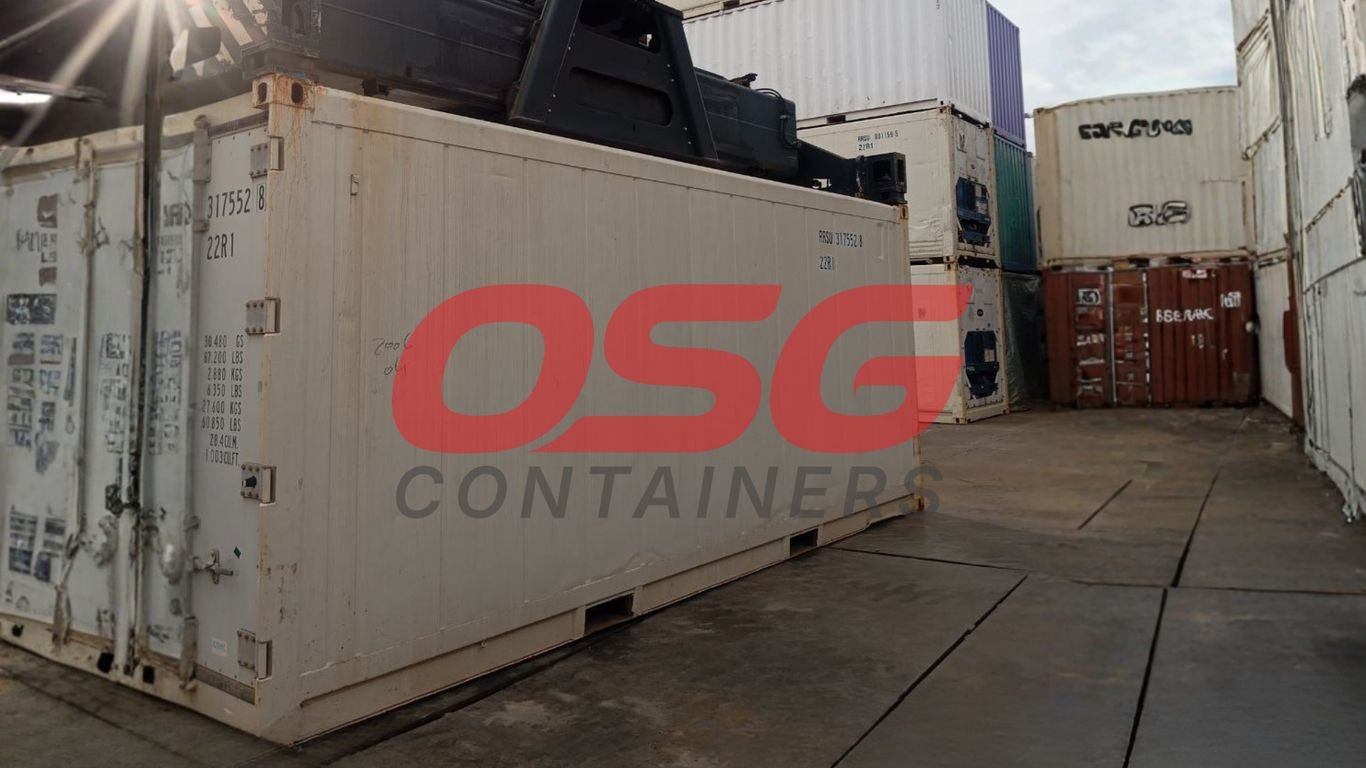
When shipping goods overseas, making the most of the space inside a 40ft container is a big deal. It’s not just about stuffing as much as possible in there; it’s about doing it smartly. Getting this right can seriously cut down on shipping costs and make sure everything arrives in one piece. We’re talking about techniques that help you pack more efficiently, keep your cargo safe, and avoid headaches at the port.
Key Takeaways
- Using the 60/40 weight distribution rule helps keep your 40ft container stable during transit, with 60% of the weight towards the front half and 40% in the rear.
- Vertical stacking is a smart way to use the full height of your 40ft container, but make sure your items are uniform and the stacks are secure.
- Properly securing your cargo with straps, chains, or blocking materials is vital to prevent shifting and damage inside the 40ft container.
- Filling empty spaces with airbags or dunnage not only maximizes the volume in your 40ft container but also adds protection.
- Modern tools like 3D simulation software and AI can help plan the most efficient way to load your 40ft container, considering weight and space.
1. 60/40 Weight Distribution
When you’re loading up a 40ft container, getting the weight distribution right is a big deal. It’s not just about cramming stuff in; it’s about making sure the container is stable, especially when it’s out at sea. The general idea is to follow a 60/40 rule. This means you want about 60% of your total cargo weight loaded in the front half of the container and the remaining 40% in the back half.
Why bother with this? Well, it helps keep the center of gravity low and centered. A well-balanced load is less likely to tip or shift during transit, which is super important for safety and to avoid damage to your goods. Plus, with stricter weight checks happening more often, especially in places like the US and Europe, getting this right from the start can save you a lot of headaches and potential fines.
Here’s a quick look at typical weight limits for a standard 40ft container:
| Limit Type | Approximate Weight (kg) | Notes |
|---|---|---|
| Max Gross Weight | 30,480 kg | Total weight of container and cargo |
| Max Payload | ~26,800 kg | Weight of cargo only (after tare weight) |
Remember, these numbers can change a bit depending on the specific container and the shipping line. Always double-check your actual cargo weight before you seal the container. It’s better to be safe than sorry, right?
Proper weight distribution isn’t just about hitting a number; it’s about creating a stable foundation for your entire shipment. Think of it like balancing a seesaw – you need the weight distributed correctly to keep things level and secure.
2. Vertical Stacking
When you’re packing a 40ft container, thinking about how high you can stack things is a pretty big deal. It’s all about using that vertical space efficiently. The goal is to get as much product in there as possible without making it unstable or unsafe.
This means you’ve got to be smart about it. If you’re shipping boxes, for example, and they’re all the same size, you can usually stack them pretty high. But if you’ve got a mix of different-sized items, it gets trickier. You don’t want to put heavy stuff on top of fragile items, right? That’s just asking for trouble.
Here’s a quick rundown of what to keep in mind:
- Uniformity is Key: If your cargo comes in uniform boxes or on standard pallets, stacking becomes much simpler. You can plan out how many layers will fit.
- Weight Distribution Matters: Even when stacking, remember the 60/40 rule. Heavier items should generally be lower down to keep the center of gravity stable.
- Consider the Container’s Limits: Don’t just stack to the ceiling. There are limits to how high you can go safely, especially considering how the container will be handled and moved.
- Fill the Gaps: Sometimes, even with good stacking, you’ll have small spaces left over. Using dunnage or airbags in these spots can help secure the load and make sure every inch is accounted for.
It’s not just about cramming stuff in. It’s about a planned approach to make sure everything arrives in one piece and that you’re getting the most bang for your buck with each shipment.
3. Secure Restraints
Alright, so you’ve got your stuff loaded, but what keeps it from becoming a chaotic mess halfway across the ocean? That’s where secure restraints come in. Think of them as the seatbelts for your cargo. Without them, a sudden stop or a bit of rough weather could send everything tumbling, potentially damaging your goods and even the container itself.
The main goal here is to stop any movement inside the container during transit. This means everything needs to be snug and accounted for. We’re talking about preventing shifting, sliding, and tipping, which can happen from vibrations, acceleration, deceleration, and the general rocking of the ship.
Here are some common ways to keep things locked down:
- Straps and Chains: These are your go-to for securing heavier items or entire pallets. Make sure they’re rated for the weight you’re dealing with and tensioned properly. You don’t want them too loose, but over-tightening can also damage the cargo or the container walls.
- Blocking and Bracing: This involves using materials like timber, cardboard, or even inflatable airbags to fill any empty spaces. The idea is to create a solid block that prevents the cargo from moving forward, backward, or sideways.
- Load Lock Bars: These are metal bars that can be adjusted to fit snugly between the container walls, often used to secure partial loads or to create dividers within the container.
It’s not just about throwing a few straps on and calling it a day. A good restraint plan considers the weight, shape, and fragility of each item. You’ve got to think about how the forces will act on the cargo during the journey and plan your restraints accordingly. Sometimes, a combination of methods works best.
When you’re choosing your restraints, always check their weight capacity. Using something that’s not strong enough is just asking for trouble. And don’t forget to inspect them before you seal the container – a quick check can save a lot of headaches later on.
4. Airbags
When you’re loading up a 40ft container, especially with goods that might shift around, airbags can be a real lifesaver. These aren’t your typical party balloons, mind you. They’re heavy-duty inflatable cushions made from tough materials like woven polypropylene. You slide them into the empty spaces between your cargo, and then inflate them using compressed air. The main job of these airbags is to fill voids and brace your cargo, stopping it from moving during transit.
Think about it: a container is going to get jostled around quite a bit on its journey, whether it’s on a truck, a train, or a ship. If there are gaps, your goods can slide, bang into each other, or even shift against the container walls. This can lead to damaged products, which nobody wants. Airbags act like a shock absorber and a brace all in one.
Here’s a quick rundown of how they help:
- Prevent Shifting: They push against your cargo from all sides, keeping it snug and stable.
- Absorb Impact: They can cushion minor impacts, reducing the risk of damage.
- Fill Voids Efficiently: They conform to irregular spaces, making good use of otherwise wasted room.
- Easy to Use: Most are pretty straightforward to inflate with a simple air compressor.
When you’re using them, it’s important to pick the right size and strength for the gap you need to fill. You don’t want an airbag that’s too small to do the job, or one that’s so powerful it could actually damage your cargo. Also, make sure you inflate them properly – not too much, not too little. Getting this right means your cargo arrives in one piece, which is the whole point, right?
5. Dunnage
So, dunnage. It’s basically the stuff you use to fill up those annoying empty spaces in your container. Think of it like packing peanuts for your big shipping box, but way more industrial. It’s not just about filling gaps, though; it’s also about making sure your cargo doesn’t go on a wild ride inside the container during transit.
When you’re loading up a 40ft container, you’re going to have some awkward gaps. These aren’t just wasted space; they’re potential hazards. If your goods can shift around, they can get damaged, or worse, they could shift enough to compromise the stability of the whole load. That’s where dunnage comes in. It acts as a buffer, a filler, and a stabilizer, all rolled into one.
Here’s a quick rundown of why it’s important and what it does:
- Prevents Shifting: Dunnage wedges into empty spaces, stopping your cargo from sliding, tipping, or bouncing around.
- Absorbs Shock: Some types of dunnage can actually absorb some of the bumps and vibrations that happen during shipping, giving your goods a bit of extra protection.
- Maximizes Space: By filling those voids, you’re making sure you’re getting the most out of the space you’re paying for. No point in paying for empty air, right?
- Supports Cargo: It can provide a base or support for lighter items stacked on top of heavier ones, helping to distribute weight more evenly.
There are a bunch of different materials you can use for dunnage. You’ve got your basic cardboard or wood bracing, but you can also get more advanced stuff like inflatable airbags (which are pretty cool, actually) or specialized foam. The key is to pick something that’s strong enough for your cargo but won’t damage it.
Choosing the right dunnage is a bit of an art. You need to think about the shape and weight of your goods, how they’re packed, and the kind of journey they’re going to take. It’s not just about shoving some cardboard in there; it’s a calculated move to keep your stuff safe and sound until it reaches its destination.
6. Load Lock Bars
Load lock bars are pretty handy for securing cargo, especially when you don’t have a full container. Think of them as adjustable poles that you can wedge between the walls of the container. They’re great for stopping lighter loads from shifting around during transit.
These bars are particularly useful for partial loads, preventing goods from moving forward or backward. They come in different lengths and materials, usually aluminum or steel, so you can pick what works best for your specific needs.
Here’s a quick rundown of why they’re a good idea:
- Prevents Forward/Backward Movement: They act as a barrier, stopping your cargo from sliding.
- Adjustable Fit: Most bars can be extended or retracted to fit snugly in various container widths.
- Reusable: Unlike some other bracing materials, lock bars can be used over and over again.
- Easy to Install: You don’t need special tools to put them in place; just a bit of muscle to tension them.
When using them, make sure you tension them properly. You don’t want them so loose that they don’t do anything, but you also don’t want them so tight that they damage the container walls. It’s a bit of a balancing act, really.
Load lock bars are a simple yet effective way to add an extra layer of security to your shipments, especially when you’re not filling the entire container. They help keep things stable and reduce the risk of damage during the journey.
7. ISO Tie-Down Points
You know, those little metal loops you see on the inside walls and floor of a shipping container? Those are ISO tie-down points, and they’re pretty important for keeping your stuff from moving around.
Basically, they’re specifically designed anchor points that meet international standards. This means you can trust them to hold a good amount of weight. When you’re loading up a 40ft container, especially with heavy or awkwardly shaped items, you’ll want to use these points. They’re your best bet for securing cargo properly.
Here’s a quick rundown of why they matter:
- Strength and Reliability: They’re built tough to handle significant forces, which is a big deal when your cargo is sloshing around on a ship.
- Versatility: You can attach various securing devices to them, like chains, straps, or cables, depending on what you’re shipping.
- Standardization: Because they’re ISO standard, you know what to expect no matter where in the world you are. This makes planning much easier.
Using these points correctly is key to preventing cargo damage and ensuring safety during transit. It’s not just about throwing a strap over something; it’s about connecting it securely to the container structure itself.
When you’re planning your load, take a good look at where these tie-down points are located. Sometimes they’re spaced out, and you might need to get creative with your securing methods to reach them effectively, especially if you have a lot of oddly shaped items. Think about how the forces will act on the cargo and the tie-downs during the journey.
8. Pallet Nesting
Pallet nesting is a clever way to save space, especially when you’re dealing with certain types of goods. Basically, it’s about arranging pallets so they fit into each other, kind of like those Russian nesting dolls. This works best when you have pallets that are designed to be nested, meaning they have a specific shape that allows one to sit inside another.
This technique can significantly increase the number of pallets you can fit into a 40ft container, potentially by up to 15% if done right. It’s particularly useful for lightweight, bulky items that might otherwise leave a lot of empty space. Think about things like empty plastic containers, certain types of packaging materials, or even some furniture components.
Here’s a quick rundown of why and how it helps:
- Space Savings: The primary benefit is fitting more units per container, reducing the number of shipments needed.
- Reduced Shipping Costs: Fewer containers mean lower freight charges and associated fees.
- Optimized for Specific Goods: It’s not a one-size-fits-all solution, but it’s great for items where pallet dimensions allow for nesting.
It’s important to note that not all pallets are designed for nesting. Standard ones, like the common 48×40 inch GMA pallet, usually don’t nest well. You’ll often see nesting capabilities in lighter-duty plastic pallets or specially designed wooden ones. Always check the pallet specifications to see if nesting is a viable option for your cargo.
When considering pallet nesting, always verify that the nested pallets still provide adequate support and protection for the goods they contain. The goal is to save space without compromising the integrity of your shipment during transit.
9. Timber Bracing
Timber bracing is a pretty straightforward way to keep things from moving around inside your 40ft container. Basically, you’re using pieces of wood to wedge cargo in place, stopping it from shifting during transit. This is especially useful for oddly shaped items or when you have a lot of empty space that needs filling.
The main goal is to create a solid barrier that prevents your goods from sliding or toppling over.
Here’s a quick rundown of why and how it’s used:
- Stability: It adds extra support to stacks of goods, making them more stable.
- Void Filling: It’s great for filling those awkward gaps between pallets or boxes.
- Protection: Properly placed bracing can prevent damage by stopping items from rubbing against each other or the container walls.
When you’re using timber, make sure it’s strong enough for the job. You don’t want it snapping halfway through the journey. Also, be mindful of the container’s internal dimensions so you can cut your bracing pieces to fit just right. It’s a bit of a hands-on method, but it gets the job done.
Using timber bracing requires careful planning to ensure it’s effective without taking up too much valuable space. The wood needs to be strong enough to withstand the forces of transit, and its placement should complement, not hinder, the overall load stability.
10. Inflatable Bags
Inflatable bags, often called Dunnage bags, are a pretty neat way to fill up those awkward empty spaces in your 40ft container. Think of them as big, tough balloons you can pump up once they’re in place. They’re super useful for stopping your cargo from shifting around during transit, which, let’s be honest, can be a real headache.
These bags come in different sizes and strengths, so you can pick the right one for the job. They’re usually made of strong paper or plastic with a plastic bladder inside. You just slide them into the gaps between your goods, and then use compressed air to inflate them. The key is to get them snug enough to brace the cargo without over-inflating and damaging anything.
Here’s a quick rundown of why they’re handy:
- Prevent Shifting: They act like cushions, stopping boxes or pallets from sliding, tipping, or falling over.
- Absorb Shock: They can soak up some of the bumps and vibrations that happen during shipping, protecting your goods.
- Versatile: You can use them with all sorts of cargo, from boxes and drums to machinery parts.
- Easy to Use: With a simple air compressor, you can inflate them pretty quickly.
It’s important to use the right size and type of bag for the void you’re filling. Too small, and they won’t do much. Too big, and you might struggle to get them in or even damage the bag or your cargo. Always check the manufacturer’s recommendations for inflation pressure – you don’t want them bursting!
Using inflatable bags is a smart move for securing your load. They’re a flexible and effective way to fill voids, add stability, and protect your shipment from damage during its journey. Just make sure you’re using them correctly and with the right pressure.
11. 3D Simulation Software
You know, before you even think about loading a single box, there’s this really neat tech called 3D simulation software. It’s like having a virtual cargo hold right on your computer screen. You can play around with different loading plans, see how everything fits, and figure out the best way to pack your 40ft container without actually touching a single item.
This software uses advanced algorithms to map out your cargo. You input the dimensions and weight of each item, and it spits out a plan. It helps you maximize every inch of space while keeping the weight balanced, which is super important for safe transport.
Here’s a quick look at what it can do:
- Visualize Load Plans: See exactly where each item will go before it’s loaded.
- Optimize Space Utilization: Find the most efficient way to pack, reducing wasted space.
- Ensure Weight Distribution: Prevent dangerous imbalances by distributing weight evenly.
- Identify Potential Conflicts: Spot issues like items blocking doors or exceeding weight limits.
It’s pretty cool because you can try out different scenarios. What if you load the heavier stuff first? What if you arrange the boxes this way instead of that way? The software lets you experiment without any real-world consequences. This means fewer mistakes on the loading dock and less chance of damage during transit.
Using this kind of simulation upfront can save a lot of headaches later on. It takes the guesswork out of packing and helps make sure your container is loaded correctly the first time, every time. It’s a smart way to get more out of your shipping space and keep your cargo safe.
12. AI-Driven Optimization
Artificial Intelligence is really starting to change the game when it comes to packing containers efficiently. Instead of just guessing or using basic rules, AI can look at all sorts of data – like the exact dimensions and weight of every single item you need to ship, plus the container’s specs – and figure out the absolute best way to load it. This means squeezing more into each container without going over weight limits or making it unstable.
Think about it: AI can run thousands of simulations in seconds to find that perfect arrangement. It’s not just about filling up the space, but also about making sure the weight is distributed correctly, which is super important for safety during transit. It can even take into account things like how fragile certain items are and adjust the plan accordingly.
Here’s a quick look at what AI can do:
- Maximize Cubic Capacity: Finds the tightest possible fit for all your goods.
- Optimize Weight Distribution: Ensures the container is balanced, reducing risks.
- Consider Cargo Fragility: Protects delicate items by planning their placement.
- Reduce Loading Time: Provides a clear, step-by-step loading plan.
Using AI for load planning isn’t just a fancy tech trend; it’s becoming a practical way to cut down on shipping costs and make your supply chain more reliable. It helps reduce the number of shipments needed, which is good for your wallet and the planet too.
This kind of smart planning can really make a difference, especially when you’re dealing with a lot of different types of cargo or trying to meet tight deadlines. It takes a lot of the guesswork out of the process.
13. Integrated Scales
Having scales built right into the container itself might sound like something out of a sci-fi movie, but it’s becoming a real thing in logistics. These integrated scales give you the weight of your cargo as you’re loading it, right there and then. This means you can avoid nasty surprises at the weighbridge and make sure you’re not overloading or underloading the container.
Think about it: no more guessing games or having to find a separate scale. You load, the scale tells you the weight. Simple.
Here’s why they’re a big deal:
- Real-time Data: You get instant feedback on how much weight you’ve added. This helps you balance the load properly as you go, keeping that center of gravity in check.
- Compliance: It makes hitting those weight limits for different regions or transport modes much easier. You know exactly where you stand before the container is even sealed.
- Efficiency: Less time spent on weighing and re-weighing means faster loading times and getting shipments out the door quicker.
These systems can also feed data directly into your logistics software. This means all your documentation is more accurate from the start, and you have a clearer picture of your shipping costs and capacity utilization without any extra manual work.
While they might add a bit to the initial cost of the container, the benefits in terms of accuracy, speed, and avoiding fines can really add up. It’s a smart move for anyone serious about optimizing their container loads.
14. High Cube Containers
When you’re looking to squeeze more product into your shipments, the 40 feet high cube container is a real game-changer. Think of it like a standard 40 footer, but with a little extra height inside. This isn’t a massive difference, maybe six inches or so, but it adds up. This extra vertical space can mean the difference between fitting all your goods in one container or needing a second one.
This makes them particularly awesome for lightweight but bulky items. Stuff like furniture, textiles, or even packaged consumer goods can really benefit. Instead of having a bunch of air at the top of a regular container, you can stack more product. It’s all about maximizing that cubic capacity.
Here’s a quick rundown of why they’re so popular:
- More Volume: You get more usable space without needing a bigger footprint.
- Cost Savings: Fitting more in fewer containers cuts down on freight costs and handling.
- Versatility: They work with standard shipping equipment, so no special gear is needed.
- Efficiency: Great for industries that deal with lots of lighter, bulkier items.
So, if you’re shipping anything that takes up a lot of space but doesn’t weigh a ton, a 40 foot container might be your best bet. It’s a simple tweak to the standard design that can lead to some pretty significant savings and better logistics overall. Many businesses find that working with reliable 40 Feet High Cube Container manufacturers helps them get the right equipment for their specific needs.
Using high cube containers is a smart way to optimize your shipping. It’s not just about fitting more; it’s about making your entire logistics process more efficient and potentially more environmentally friendly by reducing the number of trips needed.
15. Standardized Pallets
Using standardized pallets is a pretty straightforward way to make sure your cargo fits well inside a 40ft container. Think about it, if everyone uses the same size, things just stack up better, right? It cuts down on all that awkward empty space that costs you money.
The most common pallet sizes you’ll run into are the US standard (48" x 40") and the Euro pallet (1200mm x 800mm). Knowing which one your goods are on, or which one you’ll be using, helps a lot when you’re planning the load.
Here’s a quick look at how many of each might fit:
- US Standard Pallets (48" x 40"): You can typically fit around 20-21 of these in a standard 40ft container. If you’re using a High Cube container, you might squeeze in a couple more, depending on how high you can stack.
- Euro Pallets (1200mm x 800mm): These are a bit smaller, so you can usually get about 24-25 in a standard 40ft container. High Cube containers might allow for a similar number, but the extra height is less of a factor here compared to the US standard.
It’s not just about fitting more; it’s about making the loading process smoother. When pallets are uniform, you can stack them more reliably, reducing the risk of them toppling over during transit. This also makes it easier to use other securing methods, like load bars or straps, because you have a more predictable surface to work with.
When you’re shipping internationally, sticking to common pallet sizes can really simplify things. It means less guesswork when you’re trying to figure out how your shipment will fit, and it often makes it easier to find logistics partners who are familiar with your setup. Plus, it helps avoid those surprise charges for using non-standard space.
16. Custom Cradles
Sometimes, standard packing just won’t cut it, especially when you’re dealing with oddly shaped items or heavy machinery. That’s where custom cradles come into play. These aren’t your everyday pallets or bracing; they’re purpose-built supports designed to hold specific cargo securely within the container. Think of them as tailor-made beds for your goods.
These specialized supports are crucial for items that can’t be stacked or easily secured with conventional methods. They ensure that even the most awkward or heavy pieces of equipment stay put during transit, preventing damage and ensuring safety.
Custom cradles are particularly useful for:
- Heavy Machinery: Engines, generators, or industrial equipment often have unique shapes and weight distributions that require a cradle to keep them stable and prevent shifting.
- Oddly Shaped Items: Things like sculptures, large pipes, or specialized industrial components might not fit neatly into standard configurations. A custom cradle can provide the necessary support.
- Fragile or Sensitive Goods: For items that need to be kept perfectly still and protected from vibration or impact, a well-designed cradle can offer superior protection.
Building these cradles involves understanding the exact dimensions, weight, and center of gravity of the cargo. They are often constructed from sturdy materials like timber or metal, and sometimes include padding or specific tie-down points to further secure the load. It’s all about creating a perfect fit to eliminate movement.
When you’ve got something that doesn’t conform to standard shipping shapes, a custom cradle isn’t just a good idea, it’s often the only way to get it there in one piece. It takes a bit more planning and material, but the peace of mind and protection it offers for specialized cargo is well worth the effort.
17. IMDG Labels
When you’re shipping goods that fall under the dangerous goods category, paying attention to the labels is super important. We’re talking about the IMDG labels here, which stand for the International Maritime Dangerous Goods code. These labels are basically a universal language for warning everyone involved in the shipping process about the specific hazards associated with a particular type of cargo.
Proper labeling is not just a suggestion; it’s a legal requirement and a critical safety measure.
These labels aren’t just random stickers. They’re designed to be easily recognizable and convey vital information at a glance. Think of them as the cargo’s ID card, telling you what it is and what precautions to take. For example, you’ll see symbols for flammability, toxicity, corrosiveness, and so on. Each symbol corresponds to a specific hazard class defined by the IMDG code.
Here’s a quick rundown of why they matter and what you might see:
- Hazard Identification: The primary purpose is to clearly identify the danger. This helps handlers, port authorities, and emergency responders know what they’re dealing with.
- Segregation: Different hazard classes can’t be stored together. The labels help ensure incompatible goods are kept apart, preventing dangerous reactions.
- Handling Instructions: Some labels might indicate specific handling needs, like keeping the container upright or away from heat.
- Emergency Response: In case of an incident, these labels are the first clue for emergency services to understand the situation and act appropriately.
Commonly, you’ll find labels indicating classes like:
- Class 1: Explosives
- Class 2: Gases (flammable, non-flammable, toxic)
- Class 3: Flammable Liquids
- Class 4: Flammable Solids; Spontaneously Combustible; Dangerous When Wet
- Class 5: Oxidizing Substances and Organic Peroxides
- Class 6: Toxic and Infectious Substances
- Class 7: Radioactive Material
- Class 8: Corrosives
- Class 9: Miscellaneous Dangerous Goods
It’s really about making sure that everyone who comes into contact with the shipment understands the risks involved. This isn’t just about following rules; it’s about preventing accidents that could harm people, property, or the environment. Getting the labeling wrong can lead to delays, fines, and, worst of all, dangerous situations.
18. Reefer Vents
When you’re shipping temperature-sensitive goods in a 40ft reefer (refrigerated) container, paying attention to the vents is a small detail that can make a big difference. These vents aren’t just random holes; they’re designed to manage airflow and humidity inside the container, which is super important for keeping your cargo in good condition.
Properly managing reefer vents helps maintain the precise temperature and humidity levels required for perishable items, preventing spoilage and ensuring product quality upon arrival.
Here’s a quick rundown of why they matter and what to consider:
- Airflow Control: The vents allow for controlled exchange of air between the inside and outside of the container. This is key for removing heat generated by the cargo itself and for managing humidity levels. Too much humidity can lead to mold or condensation, while too little can cause products to dry out.
- Temperature Regulation: While the reefer unit does the heavy lifting for temperature control, the vents play a supporting role. They help ensure that the cold air circulates effectively throughout the container and that stale or warm air can escape.
- Cargo Type Specifics: Different types of cargo have different ventilation needs. For example, some fruits and vegetables release gases as they ripen, and these need to be vented out to prevent premature spoilage. Other goods might require a more sealed environment to maintain a specific humidity.
Always check the specific requirements for your cargo. Some goods might need vents fully open, partially open, or even closed, depending on their nature and the external environmental conditions. Consulting with your logistics provider or the cargo’s supplier is a good idea to get this right.
Ignoring the vents can lead to problems like:
- Uneven temperature distribution within the container.
- Excessive condensation forming on the walls and cargo.
- Premature spoilage or degradation of temperature-sensitive goods.
- Potential damage to packaging due to moisture.
19. Blockchain Tracking
You know, keeping tabs on where your stuff is during shipping can be a real headache. That’s where blockchain tracking comes into play, and it’s pretty neat. Basically, it’s like a super secure, shared digital ledger that records every step a container takes.
Think of it this way:
- Every movement, every hand-off, every scan gets logged. This creates a clear, unchangeable history of your cargo’s journey.
- It’s transparent for everyone involved. Shippers, carriers, and even the end customer can see the same information, which cuts down on a lot of confusion and disputes.
- Security is way up. Because the data is spread across many computers, it’s incredibly hard for anyone to tamper with it or fake records.
This technology helps make sure that what’s supposed to be in the container is actually there, and it’s been handled correctly along the way. It’s a big step towards making the whole shipping process more trustworthy and efficient.
Using blockchain means you get a really solid, reliable record of your shipment’s path. It’s not just about knowing where your container is, but having confidence in the data about its journey.
20. Smart Containers
So, what’s the deal with these "smart containers"? Basically, they’re regular shipping containers, but with some tech gadgets thrown in. Think of them like your smartphone, but for cargo. They’ve got sensors and stuff built right into them.
These sensors can track all sorts of things in real-time. We’re talking about location, temperature, humidity, and even how much stuff is actually inside. This is pretty neat because it means you can keep a close eye on your goods from the moment they’re loaded until they reach their destination. No more guessing games about where your shipment is or if it’s being kept at the right temperature.
Here’s a quick rundown of what these smart features can do:
- Real-time Location Tracking: Know exactly where your container is on a map, all the time.
- Environmental Monitoring: Get alerts if the temperature or humidity goes outside the set range, which is super important for sensitive cargo like food or medicine.
- Condition Monitoring: Some advanced ones can even detect if the container has been opened unexpectedly or if it’s been dropped.
- Data Logging: All this information is recorded, giving you a detailed history of your shipment’s journey.
Using smart containers can really cut down on a lot of the guesswork and potential problems in shipping. It’s like having a remote control for your cargo, letting you see and manage its condition from afar. This kind of visibility helps prevent losses and makes the whole process smoother.
It’s not just about knowing what’s happening; it’s about being able to react. If a temperature alert pops up, you can potentially reroute the shipment or notify the receiver to be prepared. This proactive approach can save a lot of headaches and money down the line. While they might cost a bit more upfront, the peace of mind and the ability to prevent costly issues often make them a worthwhile investment for businesses that ship valuable or sensitive goods.
21. Euro Pallets
When you’re looking to pack a 40ft container, the type of pallet you use can make a surprising difference. Euro pallets, also known as EUR-pallets, are a common choice in many parts of the world, especially Europe. They’re a bit smaller than the standard US pallet, measuring 800mm x 1200mm (about 31.5 inches x 47.2 inches).
Using Euro pallets can allow you to fit more units into your container, potentially increasing your cargo density. Because of their standardized dimensions, they often nestle together more efficiently within the confines of a 40ft container compared to their North American counterparts. This means you might be able to squeeze in an extra layer or two, or simply arrange them in a way that leaves less wasted space.
Here’s a quick look at how they stack up:
- Standard 40ft Container Capacity (Approximate):
- Key Benefits of Euro Pallets in Container Loading:
It’s not just about fitting more, though. The consistency of Euro pallets means your loading plan can be more predictable. You know that each pallet has the same footprint, making it easier to calculate how many will fit and how to arrange them for stability. This predictability helps in creating a solid load plan, which is half the battle in getting your goods to their destination without any issues.
While Euro pallets offer a space advantage in many 40ft container scenarios, always double-check your specific cargo dimensions and weight limits. Sometimes, the slight difference in size might not be the deciding factor if your goods are already reaching the container’s weight capacity. It’s a balance between volume and weight that needs careful planning.
22. Gap Fillers
Sometimes, even with the best loading plan, you end up with awkward empty spaces in your 40ft container. That’s where gap fillers come in handy. These aren’t usually the main stars of the show, but they play a really important role in making sure your cargo stays put and doesn’t shift around during transit. Think of them as the unsung heroes that prevent a whole lot of potential damage and lost space.
The main job of gap fillers is to take up any leftover room in the container, making the entire load more stable. When you have empty pockets between boxes or pallets, your cargo can slide, tumble, or get crushed, especially when the container is moving on a ship or truck. Filling these gaps stops that movement before it starts.
There are a few different types of gap fillers you might see:
- Inflatable Dunnage Bags: These are super common and versatile. They’re basically heavy-duty plastic bags that get inflated with air once they’re placed in the empty space. You can get them in different sizes and strengths, and they’re great because they can conform to irregular shapes. Plus, they’re relatively lightweight.
- Air Pillows: Similar to dunnage bags but often smaller and used for lighter items or smaller gaps. They provide cushioning as well as filling space.
- Foam Blocks or Sheets: These are solid materials that can be cut to size to fit specific voids. They offer good support and can also provide some impact protection.
- Cardboard or Paper Void Fill: Sometimes, crumpled paper or specially designed cardboard structures are used. This is a more budget-friendly option, though it might not offer as much structural support as other methods.
Using the right kind of gap filler is key. You don’t want something that’s too weak and will just collapse, but you also don’t want something so rigid that it puts undue pressure on your actual cargo. It’s all about finding that balance to create a snug, secure load.
When you’re deciding what to use, consider the weight of the cargo surrounding the gap and the potential movement it might experience. For heavy loads, you’ll need stronger, more robust gap fillers like heavy-duty dunnage bags. For lighter goods, simpler materials might do the trick. Getting this right means your cargo arrives in the same condition it left, which is pretty much the whole point of shipping, right?
23. Heavy Machinery Cradles
When you’re shipping big, heavy stuff like industrial machines, just tossing them into a container isn’t going to cut it. That’s where heavy machinery cradles come in. These aren’t just random bits of wood; they’re custom-built supports designed specifically to hold a particular piece of equipment securely. Think of them as a tailor-made bed for your machinery.
The main goal is to prevent any movement during transit, which could damage both the machine and the container itself.
Here’s why they’re so important:
- Custom Fit: Each cradle is made to match the exact shape and weight distribution of the machinery. This means no awkward gaps or pressure points.
- Stability: They provide a solid base, keeping the heavy item from shifting, rolling, or tipping, especially when the container is on a ship or being moved.
- Protection: By holding the machinery firmly, cradles protect it from impacts and vibrations that happen during shipping.
Building these cradles involves understanding the machine’s dimensions, its center of gravity, and how it will be loaded and unloaded. Often, they’re made from strong timber or steel, and they’ll be secured directly to the container floor or walls using ISO tie-down points. It’s a bit more work upfront, but it saves a lot of headaches and potential costs down the line.
Loading heavy machinery requires a specialized approach. Simply placing it inside a container without proper support is a recipe for disaster. Custom cradles are designed to distribute the weight evenly and prevent any shifting, ensuring the cargo arrives in the same condition it left.
24. Load Securing Chains
When you’re dealing with heavy or awkwardly shaped cargo, standard straps might just not cut it. That’s where load securing chains come into play. These heavy-duty chains are designed to provide serious muscle when it comes to keeping your goods locked down tight inside a 40ft container. They’re particularly useful for items that have strong anchor points or are prone to shifting due to their weight or shape, like machinery or large industrial components.
Using chains offers a robust way to prevent movement during transit, which is super important for safety and avoiding damage.
Here’s a quick rundown on why and how they’re used:
- Strength and Durability: Chains are made from hardened steel, offering a much higher tensile strength compared to webbing straps. This means they can handle significant forces without stretching or breaking.
- Versatility: They can be used in conjunction with other securing methods, like corner protectors or specialized hooks, to create a comprehensive restraint system.
- Reusability: Unlike some disposable bracing materials, chains can be used over and over again, making them a cost-effective option in the long run.
When you’re setting up chains, it’s not just about wrapping them around the cargo. You need to connect them to the container’s ISO tie-down points, which are specifically engineered to handle these kinds of loads. Make sure the chains are tensioned properly – not so tight that they damage the cargo, but tight enough to eliminate any slack. It’s also a good idea to check them periodically, especially after the container has been moved around a bit, to ensure they haven’t loosened.
Proper chain selection and application are key. Using chains that are too weak for the load or attaching them incorrectly can lead to failure, potentially causing damage to the cargo and the container, or even posing a safety risk during handling.
25. Digital Load Planners and more
So, we’ve talked a lot about the physical stuff you can do to pack a 40ft container better. But what about the brains behind the operation? That’s where digital load planners and other tech come into play. These aren’t just fancy apps; they’re serious tools that can make a big difference in how much you fit and how safely it travels.
Think of it like this: you wouldn’t try to pack a whole house into a moving truck without a plan, right? Digital load planners do that for your containers. They take all the details about your cargo – its size, weight, shape, even how fragile it is – and figure out the absolute best way to arrange it. This software can often find space-saving solutions that a human might miss. It’s all about maximizing every cubic inch and making sure the weight is spread out just right.
Here’s a quick look at what these digital tools can do:
- Optimize Space: They use algorithms to arrange items in a way that minimizes empty space, often fitting more into a single container.
- Ensure Weight Balance: They help you meet the 60/40 weight distribution rule, keeping the container stable during transit.
- Reduce Planning Time: Instead of hours of manual planning, these tools can generate a load plan in minutes.
- Integrate with Other Systems: Many can connect with your inventory or shipping management software for a smoother workflow.
Beyond just the planning software, there’s a whole ecosystem of tech helping out. We’re talking about things like integrated scales that tell you the weight as you load, or even AI that learns over time to create even smarter plans. It’s all about making the loading process faster, more efficient, and less prone to errors.
Using these digital tools isn’t just about fitting more stuff. It’s about making your shipping more predictable, reducing the risk of damage, and ultimately, saving money. It’s a smart move for anyone serious about export logistics.
Wrapping Up: Making the Most of Your 40ft Container
So, we’ve talked a lot about how to pack a 40ft container efficiently. It’s not just about shoving stuff in there; it’s about smart planning. Using techniques like the 60/40 weight rule helps keep things stable, and stacking items carefully can really open up space. Don’t forget to secure everything properly so it doesn’t move around during the trip. By paying attention to these details, you can fit more in, keep your cargo safe, and maybe even save some money on shipping. It might seem like a small thing, but getting your container loading right makes a big difference in the long run.
Frequently Asked Questions
What is the main goal of using the 60/40 weight distribution technique in a 40ft container?
The 60/40 weight rule helps keep the container balanced. It means putting about 60% of the weight in the front half and 40% in the back. This makes the container more stable, especially when it’s on a ship, and helps prevent it from tipping over.
How does stacking cargo vertically help maximize space in a 40ft container?
Stacking items straight up, one on top of another, uses the full height of the container. If you have boxes that are all the same size, you can stack them higher, which means you can fit more in without needing an extra container. Just make sure the stacks are stable and don’t go higher than recommended.
Why are secure restraints like straps and chains important when loading a 40ft container?
Secure restraints are like seatbelts for your cargo. They stop items from sliding around or falling over during the bumpy journey of shipping. Using strong straps, chains, or even wooden blocks helps keep everything in place, protecting your goods and making the journey safer.
What are ‘dunnage’ and ‘airbags’ used for in container loading?
Dunnage and airbags are used to fill empty spaces inside the container. Dunnage can be things like wood or cardboard, while airbags are inflatable bags. They stop cargo from shifting and can also provide extra cushioning to prevent damage.
Can you explain the purpose of ‘load lock bars’ and ‘ISO tie-down points’?
Load lock bars are strong metal bars used to secure the last bit of space in a container, especially if it’s not completely full. ISO tie-down points are strong metal loops built into the container’s walls and floor. They are used to attach straps or chains to firmly secure very heavy items, like machinery.
What are some of the newer technologies helping with 40ft container loading?
New technologies like special computer software that creates 3D models of how to load the container can help plan the best way to fit everything. Artificial intelligence (AI) can also figure out the most efficient way to pack based on weight and space. Some containers even have built-in scales to check the weight as you load.