Singapore
 Australia
 Indonesia
 Japan
Japan Malaysia
 New Zealand
 Philippines
 South Korea
 Taiwan
 Thailand
 VIETNAM
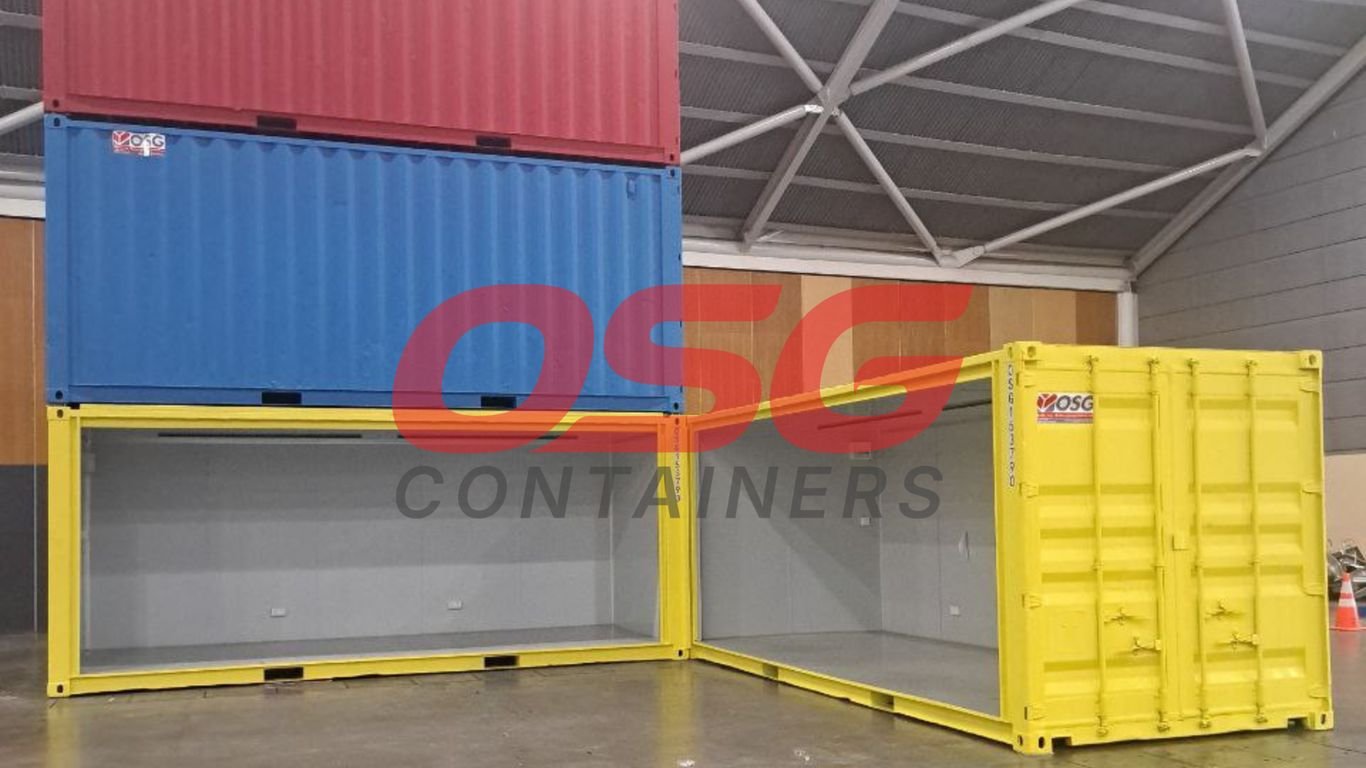
So, you’re trying to figure out the difference between a regular 40-foot shipping container and a 40 high q container? It’s not as complicated as it sounds. Basically, they look pretty similar, but one has a bit more height. This extra foot can make a big difference depending on what you’re trying to ship or store. We’ll break down what you need to know so you can pick the right one without any fuss.
Key Takeaways
- The main difference between a standard 40ft container and a 40 high q container is the height; the high cube is one foot taller.
- This extra height in a 40 high q container means more usable space, good for taller items or maximizing storage.
- Standard containers are generally cheaper and easier to find, fitting into most transport systems without issues.
- High cube containers might cost a bit more but offer flexibility for larger goods or creative projects like container homes.
- Always check height restrictions for transport and consider the weight difference, especially for the 40 high q container, before making a choice.
1. Height Difference
When you look at a 40-foot standard container and a 40-foot high cube container side-by-side, the most obvious difference is their height. It’s not a huge gap, but that extra foot makes a difference, especially for certain types of cargo or projects.
A standard 40-foot container stands at 8 feet 6 inches tall on the outside. The high cube version, however, is a full foot taller, reaching 9 feet 6 inches externally. This might not sound like much, but it translates to more usable space inside.
Here’s a quick look at the external heights:
| Container Type | External Height |
|---|---|
| 40ft Standard | 8 ft 6 in (2.59 m) |
| 40ft High Cube | 9 ft 6 in (2.90 m) |
This extra height in the high cube is why it’s often the go-to for shipping taller items or when you’re trying to maximize storage space. Think about stacking goods or using the container for a build project – that extra vertical room can be pretty handy.
The difference in height, while seemingly small, can significantly impact what you can fit inside and how you might need to handle the container during transport and storage. It’s not just about fitting more; it’s about fitting differently.
So, while they share the same length and width, this height variation is the primary visual and functional distinction. It’s the first thing you’ll notice and often the most important factor when deciding which one to use.
2. Volume and Space
When you’re looking at shipping containers, the "volume and space" aspect is pretty much what it’s all about, right? It’s the core reason you’re even considering one. The main difference between a standard 40-foot container and its high cube cousin boils down to that extra foot of height.
Think of it like this:
- Standard 40ft Container: Offers a solid amount of space, usually around 2,350 cubic feet. It’s your go-to for a lot of standard shipping needs and storage.
- 40ft High Cube Container: This one gives you about 2,694 cubic feet. That extra 344 cubic feet might not sound like a ton, but it can make a big difference, especially for taller items.
So, while the length and width stay the same – they’re both 40 feet long and 8 feet wide externally – that extra height in the high cube really opens up possibilities. It’s not just about fitting more stuff; it’s about fitting different kinds of stuff.
The choice between standard and high cube really hinges on what you plan to put inside. If your items are all relatively short, you might be paying for space you don’t actually need with a high cube. But if you’ve got anything tall, that extra foot is a game-changer.
Here’s a quick look at the internal space:
| Feature | 40ft Standard Container | 40ft High Cube Container |
|---|---|---|
| Internal Height | 7 ft. 10 in. | 8 ft. 10 in. |
| Internal Volume | ~2,350 cu ft | ~2,694 cu ft |
3. External Dimensions
When you look at a 40-foot standard container and a 40-foot high cube container side-by-side, they seem pretty similar, right? They’re both 40 feet long and 8 feet wide. That’s the part that keeps them compatible with standard shipping infrastructure – ships, trains, and trucks are all set up for these basic measurements. But here’s where things get a little different, and it’s all about that extra height.
The external height is the main giveaway between the two.
Here’s a quick look at the outside measurements:
| Dimension | 40ft Standard Container | 40ft High Cube Container |
|---|---|---|
| Length | 40 feet (12.19 meters) | 40 feet (12.19 meters) |
| Width | 8 feet (2.44 meters) | 8 feet (2.44 meters) |
| Height | 8 feet 6 inches (2.59 meters) | 9 feet 6 inches (2.90 meters) |
See that? The high cube is a full foot taller on the outside. This extra foot might not sound like much, but it makes a difference, especially when you’re thinking about where the container will go. You’ve got to make sure it can actually fit where you need it to go. Think about overhead clearance in tunnels, under bridges, or even in a warehouse with a low ceiling. That extra foot can be the difference between a smooth delivery and a major headache.
This difference in external height is important to note for logistics planning. While the length and width keep them compatible with most transport systems, the added height of a high cube requires specific considerations for loading, unloading, and storage locations. Always check clearance limits before arranging transport.
So, while they share the same footprint in terms of length and width, that extra height on the high cube is the key external difference to keep in mind.
4. Internal Dimensions
When you’re looking at shipping containers, the inside space is what really matters for fitting your stuff. For both the standard 40-foot container and the high cube version, the length and width are pretty much the same. You get about 39 feet and 5 inches of length, and just under 7 feet and 8 inches of width to work with. That’s a decent amount of room for most things.
The big difference, as you might guess, is the height. A standard 40-foot container gives you an interior height of around 7 feet and 10 inches. That’s usually enough for typical cargo. But if you’ve got taller items, like certain types of machinery, furniture that’s already put together, or even if you just want to stack things higher, the high cube really shines.
Here’s a quick look at the numbers:
| Dimension | 40ft Standard Container | 40ft High Cube Container |
|---|---|---|
| Internal Length | 39′ 5" (12.03 m) | 39′ 5" (12.03 m) |
| Internal Width | 7′ 8" (2.34 m) | 7′ 8" (2.34 m) |
| Internal Height | 7′ 10" (2.39 m) | 8′ 10" (2.69 m) |
So, that extra foot of height in the high cube adds up. It means you can fit more in vertically, which can be a game-changer for certain loads.
Think about it this way: if you’re shipping a lot of lightweight but bulky items, like foam products or even some agricultural goods, that extra vertical space can make a big difference in how much you can pack. It’s not just about fitting more; it’s about fitting things more efficiently.
If your cargo is on the shorter side or extremely heavy, paying for that extra height in a high cube might not make sense. You’d be paying for space you’re not really using. For those situations, a standard container is often the more practical and cost-effective choice.
5. Weight Differences
When you’re looking at 40-foot containers, both the standard and the high cube versions share the same length and width, but there’s a noticeable difference in how much they weigh. This might not seem like a big deal at first glance, but it can actually affect how you transport them and what kind of equipment you need.
The high cube container is heavier because it’s taller, meaning it uses more steel.
Here’s a quick look at the numbers:
| Metric | 40ft Standard Container | 40ft High Cube Container |
|---|---|---|
| Tare Weight | 8,160 lbs (3,700 kg) | 8,775 lbs (3,980 kg) |
| Net Payload | 59,040 lbs (26,780 kg) | 58,425 lbs (26,500 kg) |
| Max Gross Weight | 67,200 lbs (30,480 kg) | 67,200 lbs (30,480 kg) |
As you can see, the high cube container weighs about 615 pounds more when it’s empty. This means you can carry slightly less cargo in a high cube if you’re hitting the maximum weight limit. It’s not a huge difference, but it’s something to keep in mind, especially if you’re dealing with very heavy items or strict weight regulations.
This extra weight can matter more than you think. If you’re moving a lot of containers, that difference adds up. Plus, the ground where you store them needs to be able to handle that extra load. It’s not just about fitting things inside; it’s about the whole system supporting the container.
So, while the extra height of a high cube is great for volume, remember that it comes with a bit more heft. Always check the tare weight and payload capacity to make sure your transport and storage plans are solid.
6. Usage and Applications
So, you’ve got these big metal boxes, right? And they’re not just for hauling stuff across the ocean anymore. Both the standard 40-foot container and its taller cousin, the High Cube, are super versatile. Think of them as giant, sturdy Lego bricks for grown-ups.
The main difference really comes down to what you need to fit inside and how you plan to use the space.
For straightforward shipping and storage, especially if you’re dealing with heavy items or just need a basic, no-frills solution, the standard 40-footer is often the go-to. It’s like the reliable workhorse of the container world.
But when you start thinking outside the box – literally – the High Cube really shines. That extra foot of height makes a huge difference for a bunch of projects:
- Living Spaces: Building a tiny home or a backyard office? That extra headroom makes a world of difference in how spacious and comfortable it feels. No more ducking every time you move!
- Retail and Commercial: Need a pop-up shop, a cafe, or even a bar? The High Cube gives you more room to work with for shelving, equipment, and customer flow.
- Specialized Storage: Storing tall equipment, bulky furniture, or even large art pieces? The High Cube can accommodate items that simply wouldn’t fit in a standard container.
- Workshops and Studios: If you’re setting up a creative space, that extra vertical space can be invaluable for tools, machinery, or just having room to move around.
Here’s a quick look at what each is generally best suited for:
| Container Type | Primary Uses | Key Advantage |
|---|---|---|
| 40ft Standard | Shipping heavy goods, general storage, budget-conscious transport | Cost-effective, fits standard clearances |
| 40ft High Cube | Shipping bulky/tall items, container homes, offices, retail spaces, workshops | Extra vertical space, increased volume |
It’s easy to get caught up in the extra space a High Cube offers, but always double-check if that extra height will cause any issues with where you’re putting it or how you’re getting it there. Sometimes, the standard size is just simpler to manage logistically.
7. Cost Comparison
When you’re looking at buying or renting a shipping container, the price tag is usually a big factor. Generally speaking, a standard 40-foot container is going to be a bit cheaper than a 40-foot high cube. This difference isn’t huge, but it can add up, especially if you need several containers.
The extra foot of height in a high cube means more steel and a bit more manufacturing, which bumps up the cost. Also, high cubes are really popular for things like building homes or offices, so sometimes demand can push their prices up a little more than standard ones. Think about it like buying a slightly bigger car – it usually costs more than the standard model.
Here’s a quick rundown:
- Standard 40ft Container: Typically has a lower purchase price and rental rate.
- High Cube 40ft Container: Usually costs more due to the extra height and materials.
- Transportation Costs: While the base price differs, remember that transportation costs can also vary. Sometimes, the extra height of a high cube might mean it needs special permits or handling, which could add to the overall expense.
If your cargo fits comfortably within the standard height and you don’t need that extra vertical space for stacking or specific projects, sticking with a standard container can lead to noticeable savings. It’s a practical choice when budget is a primary concern and the extra height isn’t a necessity.
So, while the high cube offers more space, the standard container often wins when you’re trying to keep costs down. It really comes down to what you’re putting inside and how much you’re willing to spend.
8. Accessibility and Transportation
When it comes to getting your container where it needs to go, both standard and high cube 40-foot containers have their own set of considerations. Think about how you’ll be moving it – will it be by truck, train, or ship? The good news is that both types are designed with transport in mind. They both have those handy corner castings, which are basically like built-in handles for cranes and other lifting gear. This makes loading and unloading pretty straightforward, no matter which height you choose.
However, that extra foot of height on a high cube container can sometimes be a bit of a snag. You’ve got to make sure your route and destination can handle the taller profile. Bridges, tunnels, power lines, and even just standard loading docks might have height limits. It’s not usually a problem for most common shipping routes, but it’s definitely something to check, especially if you’re moving it to a less conventional spot or if you’re dealing with older infrastructure.
Here’s a quick rundown:
- Standard 40ft Container: Generally easier to fit under most height restrictions. Think of it as the default option that plays well with standard transport setups.
- High Cube 40ft Container: Offers more vertical space inside, but requires careful planning to ensure it clears all overhead obstacles during transit.
The weight difference, while not huge, can also play a role in transportation. A high cube is heavier when empty, meaning you might be able to carry slightly less cargo within legal weight limits, or it might affect the cost of transport depending on the carrier’s pricing structure.
So, while both are built for the journey, the high cube’s extra height means you need to be a bit more diligent about checking clearances. It’s all about making sure your container can actually reach its final destination without any unexpected bumps or detours.
9. Modifications and Customization
When you’re looking at 40-foot containers, whether they’re standard or high cube, you’ve got options for changing them up. Think of them as big metal boxes, sure, but they’re also like blank canvases for all sorts of projects.
Both standard and high cube containers can be modified, but the high cube’s extra height often makes it a better starting point for projects needing more headroom.
Here’s a quick rundown of what you might do:
- Adding Doors and Windows: Need easier access or some natural light? You can cut openings for standard doors, sliding doors, or even windows. This is super common for turning containers into offices, workshops, or even small homes.
- Insulation and Interior Walls: If you’re planning to spend time inside, or store temperature-sensitive items, adding insulation is a must. After that, you can put up interior walls to create separate rooms or just a cleaner finish.
- Electrical and Plumbing: Yep, you can run electricity and plumbing inside. This is how you get lights, outlets, heating, and cooling, or even a functional bathroom or kitchen area.
- Structural Changes: For more involved projects, you might reinforce walls, add shelving systems, or even connect multiple containers together.
The possibilities for customization are pretty vast. It really comes down to what you want to achieve with the container. Whether it’s a simple storage solution or a complex living space, modifications can make it work.
While a standard container is perfectly fine for basic storage or shipping, if you’re dreaming up something like a tiny home, a portable office with room to stand up comfortably, or a unique retail space, that extra foot of height in a high cube container really makes a difference. It means less bending over, more space for overhead storage, and generally a more comfortable feel inside.
10. What Fits in 40-Foot Shipping Containers
So, you’re wondering what exactly you can cram into a 40-foot shipping container, right? It’s a pretty common question, whether you’re looking to ship goods, store stuff, or even build something cool.
A standard 40-foot container is a workhorse for moving a lot of items. Think about the contents of a typical 3 to 4-bedroom house – furniture, appliances, boxes, you name it. It can usually handle that. If you’re shipping cars, you can typically fit three to four standard-sized vehicles in there, depending on how you arrange them. For smaller items, like mattresses, you’re looking at around 400 of them fitting inside.
When you step up to a 40-foot High Cube container, that extra foot of height really opens up possibilities. It’s not just about fitting taller items; it’s about optimizing space for oddly shaped cargo or maximizing the volume. This makes it a popular choice for specific types of freight that might be a tight squeeze in a standard container.
Here’s a quick look at what you might expect:
- Standard 40ft Container:
- Contents of a 3-4 bedroom home
- 3-4 standard cars
- Around 400 mattresses
- Bulkier goods where height isn’t the main issue
- 40ft High Cube Container:
- Taller items like machinery or specialized equipment
- Larger furniture pieces
- Materials for construction projects where height is a factor
- Anything that benefits from that extra vertical space
It’s important to remember that these are general guidelines. The actual amount you can fit depends on the specific dimensions and shapes of your items, how efficiently you pack them, and whether you’re using a standard or a high cube model. If you’re considering a container for a specific project, like a tiny home or an office space, the high cube often provides more flexibility. For general cargo or when budget is a primary concern, a standard 40ft container is often the go-to. You can even rent a container if you need one temporarily.
When you’re planning what goes into your cargo container, always double-check the internal dimensions against your items. That extra foot of height in a high cube can make a big difference, especially for bulky or tall goods, potentially saving you from needing a second container or a different size, like a 20 ft sea container.
Ultimately, the choice between a standard and a high cube 40-footer comes down to the specifics of your cargo and your space needs. Both are incredibly useful for moving and storing a wide variety of things.
11. Choosing the Right Container
So, you’re in the market for a shipping container, and you’ve noticed there are a couple of main types, especially when you’re looking at the 40-footers. It’s not just about picking the cheapest one; you’ve got to think about what you’re actually going to do with it. The biggest difference, as we’ve talked about, is that extra foot of height in the High Cube. This might not sound like much, but it can make a world of difference depending on your needs.
When you’re trying to figure out which one is best, here are a few things to chew on:
- What are you putting inside? If you’re shipping or storing items that are just a bit too tall for a standard container, or if you want a bit more wiggle room for loading and unloading, the High Cube is probably your go-to. Think about machinery, tall furniture, or even if you’re planning to stand up inside it for any reason.
- Where is it going? This is a big one. Standard containers are generally easier to move around because they fit under more bridges and overpasses. If your container is going to be on the road a lot, or if you have height restrictions at your delivery site, a standard container might save you a headache.
- What’s your budget looking like? High Cube containers usually cost a bit more upfront than their standard counterparts. If you’re trying to keep costs down and don’t need that extra height, the standard model is a solid, more budget-friendly choice.
- How much does it weigh? Remember, High Cubes are a little heavier even when empty. This can matter for transportation costs and also for the ground where you plan to put it. You don’t want it sinking into soft soil, right?
Here’s a quick look at the weight difference, just to keep it in mind:
| Container Type | Approximate Empty Weight |
|---|---|
| 40ft Standard | 8,000 lbs |
| 40ft High Cube | 8,500 lbs |
Ultimately, the choice boils down to a practical assessment of your specific requirements. Don’t just assume you need the extra height; figure out if you really do. Sometimes, the simpler, standard option is the smarter play, especially if it means saving money or avoiding logistical snags.
If you’re planning a project that involves modifications, like turning it into an office or a workshop, that extra headroom in a High Cube can make the space feel much more comfortable and usable. But if it’s just for basic storage of standard-sized goods, a standard container might be perfectly fine and a bit easier on the wallet.
12. Frequently Asked Questions
So, you’re trying to figure out the difference between a standard 40-foot container and a 40-foot high cube, right? It’s a common question, and honestly, it boils down to one main thing: height.
The biggest difference is that high cube containers are a full foot taller than standard ones. This extra height can make a surprising amount of difference, especially if you’re dealing with tall items or trying to maximize every inch of space.
Let’s break down some of the common questions people have:
- What’s the actual height difference? A standard 40-foot container has an exterior height of about 8 feet 6 inches. A high cube? It’s 9 feet 6 inches. That extra foot means more room inside, which is great for stacking or for items that just won’t fit in a regular container.
- When should I pick a high cube? If you’re storing tall equipment, furniture, or anything that needs that extra vertical clearance, the high cube is usually the way to go. It gives you about 344 extra cubic feet of space compared to a standard container.
- Are there any downsides to high cubes? Because they’re taller, you might run into transportation issues. Think about bridges, tunnels, or even just loading docks – that extra foot can matter. Always check your route and destination for height restrictions.
- Do high cubes cost more? Generally, yes. That extra space comes at a slightly higher price, both for purchasing and sometimes for shipping. It’s a trade-off between cost and capacity.
- How much heavier are they? High cube containers typically weigh around 775 pounds more than their standard counterparts. This might not seem like a lot, but it can affect shipping costs and how many you can move at once, especially if you’re close to weight limits.
Choosing the right container isn’t just about picking the biggest one. You’ve got to think about what you’re putting inside, where it’s going, and how much you’re willing to spend. Sometimes, the standard container is perfectly fine and more budget-friendly. Other times, that extra height of the high cube is absolutely necessary.
Here’s a quick look at the internal capacity difference:
| Container Type | Internal Volume (approx.) | Extra Volume vs. Standard |
|---|---|---|
| 40ft Standard | 2,350 cubic feet | – |
| 40ft High Cube | 2,694 cubic feet | 344 cubic feet |
So, when you’re deciding, just ask yourself: do I really need that extra foot of height, and is it worth the potential extra cost and transportation considerations?
13. Conclusion
So, we’ve gone over the ins and outs of 40-foot standard containers versus their high cube cousins. It really boils down to what you’re trying to do.
If you’re shipping standard goods and trying to keep costs down, the standard container is probably your best bet. They’re everywhere, easy to move around, and generally cheaper to buy. Think of them as the reliable workhorses of the shipping world.
But, if you’ve got taller items, or you’re planning a cool project like a tiny home or a unique shop, that extra foot of height in a high cube container makes a huge difference. It gives you that much-needed breathing room.
Here’s a quick rundown:
- Standard 40ft Container:
- More budget-friendly.
- Easier to find and transport.
- Great for typical cargo.
- High Cube 40ft Container:
- Offers an extra foot of vertical space.
- Ideal for bulky or tall items.
- Popular for creative builds and storage solutions.
Ultimately, the choice isn’t about which container is ‘better,’ but which one fits your specific needs and budget. Don’t overthink it; just match the container to the job.
Making the right choice now saves you headaches later. Whether it’s for shipping goods across the ocean or building something awesome on land, understanding these differences is key to a smooth process.
14. Importance of Understanding Differences
So, you’re looking at shipping containers, and you see "standard" and "high cube." They look pretty similar, right? Both are 40 feet long, same width. But that extra foot of height in a high cube isn’t just for show; it really changes things.
Getting this detail wrong can mess with your whole operation.
Think about it. If you’re shipping a bunch of tall items, a standard container just won’t cut it. You’ll either have to leave space unused or, worse, try to cram things in, risking damage. On the flip side, if you’re shipping shorter goods, paying for that extra height in a high cube might be unnecessary. It’s like buying a huge truck when you only need to haul a few bags of groceries.
Here’s a quick rundown of why knowing the difference matters:
- Cargo Fit: Does your stuff fit comfortably? High cubes are great for taller items, machinery, or even if you just want to stack more.
- Logistics Snags: That extra foot can be a problem. Some bridges, tunnels, or even warehouse doors might have height limits. A high cube might not make it through without some serious planning or a different route.
- Cost Efficiency: Standard containers are usually a bit cheaper to buy or rent. If your cargo doesn’t need the extra space, sticking with standard saves you money.
- Storage Solutions: If you’re using containers for on-site storage or building projects, the height difference impacts how much you can fit and how you’ll access it.
It’s not just about the numbers on paper; it’s about how those numbers affect the real-world movement and storage of your goods. A little bit of foresight now can save you a lot of headaches and cash down the line. Don’t just grab the first container you see; make sure it’s the right one for the job.
Choosing the right container type is about making smart decisions that streamline your supply chain, avoid unexpected costs, and ensure your cargo arrives safely and efficiently. It’s a small detail that has a big impact.
15. Benefits of 40 Ft Standard Containers
When you’re looking at shipping containers, the 40-foot standard model is a real workhorse. It’s been around forever and for good reason.
One of the biggest pluses is that they’re generally cheaper than their high cube cousins. If you’re on a tight budget or just need a solid, no-frills option for moving goods, this is often the way to go. Think about it: saving a bit on the container itself can add up, especially if you’re buying a bunch.
Plus, these containers are everywhere. You can find them pretty much anywhere you need them, whether you’re shipping from a major port in container singapore or a smaller inland location. This availability makes them easy to source and often means quicker delivery times.
Here are a few key advantages:
- Cost-effectiveness: Lower purchase or rental price compared to high cube models.
- Widespread availability: Easy to find and source globally.
- Standardized fit: Designed to work well with most standard transport equipment like trucks and trains.
While they don’t offer the extra height of a high cube, standard 40-foot containers provide a reliable and practical solution for a vast range of shipping and storage needs. They are the go-to for many businesses because they just work.
They’re also really straightforward to handle. Because they stick to the standard height, they usually don’t cause any headaches when it comes to loading them onto ships, trains, or trucks. Everything is built to accommodate this size, so you avoid potential issues with clearance or special equipment.
16. Benefits of 40 Ft High Cube Containers
So, you’re looking at the 40-foot high cube container and wondering what makes it stand out. Well, the most obvious perk is that extra foot of height. Seriously, that one foot makes a big difference.
This extra vertical space is a game-changer for a lot of different situations.
Here’s a quick rundown of why you might pick a high cube:
- More Room for Tall Stuff: If you’re shipping or storing items that just don’t fit in a standard container because they’re too tall, the high cube is your answer. Think large machinery, tall furniture, or even specialized equipment.
- Better for Bulky, Lightweight Goods: Sometimes, you have a lot of items that aren’t heavy but take up a lot of space. The extra volume in a high cube lets you pack more of these in, potentially saving you trips or making better use of your shipping budget.
- Creative Project Potential: Beyond just shipping, these containers are super popular for building projects. That extra height is fantastic if you’re thinking about converting one into a tiny home, an office space, or a unique shop. It just gives you more flexibility to work with.
Let’s look at the space difference:
| Container Type | Internal Volume (approx.) |
|---|---|
| 40 ft Standard | 2,390 cubic feet |
| 40 ft High Cube | 2,694 cubic feet |
That’s about a 13% increase in usable space, which adds up.
While the high cube offers more volume, it’s important to remember it also has a slightly higher tare weight. This means its maximum payload capacity is a bit less than a standard container. For really heavy, dense cargo, you might hit the weight limit before you fill up the space.
Basically, if you need that extra bit of height or just more overall volume, the 40 ft high cube container is a really solid choice. It opens up possibilities that a standard container just can’t match.
17. Budget Considerations
When you’re looking at shipping containers, the price tag is definitely a big part of the decision-making process. It’s not just about the initial purchase price, though; you’ve got to think about the long haul, too.
Generally speaking, standard 40-foot containers are going to be easier on your wallet than their high cube counterparts. This difference comes down to a few things. For starters, high cubes use a bit more steel, which adds to their manufacturing cost. Then there’s the demand – high cubes are super popular for all sorts of projects, from tiny homes to pop-up shops, so that extra demand can also push prices up a little.
Here’s a quick look at what you might expect:
- Standard 40ft Container: Typically costs less to buy and rent. Think of it as the reliable, no-frills option.
- High Cube 40ft Container: Comes with a slightly higher price tag, both for purchasing and monthly rentals. You’re paying for that extra foot of vertical space.
But here’s the thing: sometimes, that extra foot is totally worth the extra cash. If you’re stacking items, need to fit taller equipment, or are building something where headroom matters, the cost of a high cube might actually save you money in the long run by letting you fit more or making the space more usable.
Don’t just look at the sticker price. Think about how much you can fit inside and how that impacts your overall project costs. Sometimes, paying a bit more upfront for a high cube means you won’t need a second container, or it makes the space functional for your needs, saving you headaches and money down the line.
Also, remember transportation costs. While the difference in weight between a standard and a high cube isn’t massive, it can sometimes affect shipping fees, especially if you’re moving a lot of them or dealing with weight restrictions on certain routes. It’s always a good idea to get quotes for both types to see the full picture before you commit.
18. Weight Considerations
When you’re figuring out which container to go with, don’t forget about the weight. It might not seem like a big deal at first, but it can actually matter quite a bit, especially when you’re moving these things around.
A 40-foot High Cube container is a bit heavier than its standard counterpart. We’re talking about an extra 775 pounds or so. Now, for a single trip, that might not sound like much. But if you’re moving a lot of them, or if you’re dealing with transportation companies that charge by weight, those extra pounds can add up.
Here’s a quick look at the empty weights:
- 40ft Standard Container: Around 8,000 lbs
- 40ft High Cube Container: Around 8,775 lbs
This difference is important for a few reasons:
- Transportation Costs: Some shipping methods or carriers might have weight limits or charge more for heavier loads. That extra weight in a High Cube could mean higher shipping fees.
- Equipment Capacity: Make sure whatever equipment you’re using to lift, move, or stack the containers can handle the total weight, including the container itself and its contents. You don’t want any accidents.
- Ground Support: If the container is going to sit in one spot for a while, especially on softer ground, the extra weight could be a factor in how stable it is.
While the extra weight of a High Cube container is usually manageable, it’s always smart to check the specifics of your transport and site conditions. It’s better to know beforehand than to run into problems later.
So, while the extra height of a High Cube is great for fitting more stuff, remember that it comes with a bit more heft. Always factor this into your planning to avoid any surprises down the road.
19. Making the Right Choice
So, you’ve been looking at 40-foot containers and now you’re wondering whether to go with the standard or the high cube. It’s not a super complicated decision, but you do need to think about a few things.
First off, what exactly are you putting in there? If you’re shipping or storing things that are pretty standard in height, like furniture or boxes, a regular 40-foot container is probably going to do the trick just fine. It’s a bit cheaper, and honestly, it’s easier to move around.
But, if you’ve got taller items, or maybe you’re planning to use the container for something a bit more creative, like a workshop or even a small living space, that extra foot of height in a high cube really makes a difference. It gives you more wiggle room, literally.
Here’s a quick rundown to help you decide:
- Standard 40ft Container:
- Good for general shipping and storage.
- Lower cost.
- Easier to handle with standard transport and height restrictions.
- 40ft High Cube Container:
- Ideal for tall items or maximizing vertical space.
- Better for conversion projects (offices, homes).
- Offers about 344 more cubic feet of space.
Don’t forget to check the weight. High cubes are a bit heavier when empty, and you need to make sure your lifting equipment and transport can handle it. It’s easy to overlook, but it’s important for safety and staying within regulations.
Think about your budget too. High cubes usually cost a little more upfront. If you don’t really need that extra height, sticking with the standard might save you some cash that you can put towards something else for your project. Ultimately, the best choice depends on what you need the container to do.
20. Key Insight: Cost Savings
When you’re trying to keep costs down, the standard 40-foot container often wins out. It’s usually cheaper to buy or rent than its high cube cousin. Plus, because it’s a bit shorter, it can sometimes be easier and cheaper to move around, especially if you have to deal with bridges or tunnels with lower clearances.
Think about it this way:
- Lower Purchase Price: You’ll generally spend less upfront for a standard container.
- Reduced Transportation Fees: Sometimes, lower height means lower shipping costs.
- Simpler Logistics: Less worry about height restrictions can simplify planning.
If your project doesn’t absolutely need that extra foot of height, sticking with a standard container can save you a noticeable amount of money.
Of course, the "cheaper" aspect isn’t always straightforward. You have to weigh it against how much space you actually need. If you can fit everything you need into a standard container, then yes, it’s the more budget-friendly option. But if you’re struggling to fit things or need that extra headroom for a specific purpose, the higher cost of a high cube might be worth it in the long run.
The initial price difference between a standard and a high cube container might seem small, but it can add up, especially if you’re buying multiple units or need them for a long-term project. Always do the math to see where your money is best spent.
21. Key Insight: Container Weight
When you’re looking at shipping containers, the weight difference between a standard 40ft and a 40ft High Cube might not seem like a huge deal at first glance. But trust me, it can actually matter quite a bit, especially when you’re dealing with logistics and transportation.
A standard 40ft container usually tips the scales at around 8,000 pounds. Now, a High Cube version of the same 40ft container is a bit heavier, typically around 8,500 pounds. That extra 500 pounds might not sound like much, but it adds up.
Here’s a quick look at the empty weights:
- 40ft Standard Container: Approximately 8,000 lbs
- 40ft High Cube Container: Approximately 8,500 lbs
Why does this matter? Well, think about how you’re moving these things. If you’re using a crane, a forklift, or a truck, that extra weight needs to be accounted for. Your equipment needs to be rated to handle it safely. Plus, there are weight limits for trucks on roads, and exceeding those can lead to fines or delays. So, if you’re planning on moving a lot of containers, or if you’re operating near weight restrictions, that 500-pound difference could be the deciding factor.
It’s not just about the container itself; it’s about the entire system supporting it. Always check the payload capacity of your transport vehicles and lifting equipment to make sure they can handle the container’s tare weight plus your cargo. Ignoring this can lead to equipment damage or safety hazards.
So, while the extra height of a High Cube is great for volume, remember that you’re also adding a bit more weight to the equation. It’s just another piece of the puzzle when you’re trying to figure out which container is the best fit for your needs.
22. Key Insight: Height Restrictions
When you’re looking at shipping containers, especially the 40-footers, that extra foot of height in a High Cube can seem like a big deal. And it is! But it’s not always a good thing. You’ve really got to think about where that container is going and how it’s getting there.
Standard containers are generally easier to move around because they fit under most standard height clearances without a fuss. Think about bridges, tunnels, or even just the loading docks at a warehouse. A standard container is usually a safe bet.
High Cube containers, on the other hand, are taller. This means they can run into problems with height restrictions on roads, in certain parking areas, or even when you’re trying to stack them.
Here’s a quick rundown of what to keep in mind:
- Standard Container Height: Around 8 feet 6 inches (2.59 meters) externally. This is the more common height and usually causes fewer transport issues.
- High Cube Container Height: Around 9 feet 6 inches (2.90 meters) externally. That extra foot is great for volume, but it’s also an extra foot to worry about hitting something.
- Transportation Limits: Always check the maximum height allowed for trucks on the routes you plan to use. Some older roads or specific areas might have lower limits.
- Site Access: If you’re using the container on-site, make sure there are no overhead obstructions like tree branches or low-hanging wires where you plan to place it.
It’s easy to get caught up in the extra space a High Cube offers, but don’t forget the practicalities of getting it from point A to point B, and then to its final spot. Sometimes, the simpler, lower profile of a standard container saves a lot of headaches and potential extra costs down the line.
23. Key Insight: Creative Projects
When you start thinking outside the box, shipping containers really shine. They’re not just for hauling goods anymore; people are turning them into all sorts of cool stuff. Think tiny homes, quirky coffee shops, art studios, or even extra office space.
For these kinds of projects, the extra height of a 40-foot High Cube container often makes a big difference. That extra foot might not sound like much, but it can mean the difference between feeling cramped and having a comfortable, usable space. It’s especially helpful if you’re planning on adding things like overhead lighting, ventilation systems, or even a loft area.
Here’s a quick look at why High Cubes are popular for creative builds:
- More Headroom: That extra foot means you can stand up straight without hitting your head, making the space feel much more open and livable.
- Easier to Outfit: Installing shelves, cabinets, or even complex electrical and plumbing systems is simpler with more vertical room to work.
- Stacking Potential: If you’re building a multi-story structure, the consistent height makes stacking more straightforward.
While a standard container can certainly be adapted, the High Cube often provides a more comfortable and practical starting point for many creative endeavors. It reduces the need for extensive modifications just to gain a bit more vertical clearance, saving time and effort.
So, if you’re dreaming up a unique project, definitely give the 40-foot High Cube a serious look. It might just be the perfect foundation for your next big idea.
24. Other Sizes and Variations
So, we’ve talked a lot about the 40-footers, both standard and high cube. But what if neither of those quite fits the bill? It turns out the shipping container world is way bigger than just those two. You’ve got options ranging all the way from 20 feet up to 53 feet, and if you’ve got a really specific need, you can even get them custom-built. It’s pretty wild how adaptable these things are.
Beyond just length and height, containers come in different flavors for different jobs. Think about open-top containers – they’re great for stuff like grains or liquids because you can load them from the top. Or maybe side-loading containers, which are super handy if you’re moving big machinery and need easy access from the side. Some can even be kitted out with windows or regular doors if you’re thinking of using them for something other than just shipping, like a workshop or an office.
Here’s a quick look at some common variations:
- Reefers (Refrigerated Containers): These are your go-to for temperature-sensitive goods, keeping things chilled or frozen.
- Open Tops: As mentioned, great for bulk cargo or items too tall to fit through standard doors.
- Flat Racks: Designed for oversized cargo like vehicles or heavy equipment that won’t fit in a standard box.
- Tank Containers: Used for transporting liquids, gases, and powders in bulk.
It’s easy to get caught up in the standard sizes, but remember that the container industry is built around flexibility. Don’t be afraid to explore the less common options if they solve your problem more efficiently.
Ultimately, the best container isn’t always the most common one. It’s the one that does exactly what you need it to do, whether that’s fitting a specific piece of equipment or meeting a unique project requirement. So, before you settle, take a peek at what else is out there.
25. Related: Traffic Management and more
When you’re deep into planning a project involving shipping containers, whether it’s for storage, a unique build, or just moving goods, it’s easy to get tunnel vision. You focus on the container itself – its size, its height, its weight. But there’s a whole world of related considerations that can trip you up if you’re not careful.
Think about how these containers actually get from point A to point B. That’s where traffic management comes into play. A standard 40-foot container, at 8’6" tall, is generally easier to maneuver through areas with height restrictions. High cube containers, being a foot taller, can present challenges. This isn’t just about bridges; it’s about loading docks, warehouse ceilings, and even overhead power lines.
Here are a few things to keep in mind beyond the container specs:
- Transportation Logistics: How will the container be moved? Will it fit on standard trucks? Are there specific routes with height or weight limits?
- Site Accessibility: Can your site accommodate the container’s dimensions, especially if it’s a high cube? Think about driveways, turning radius, and placement.
- Local Regulations: Some areas have specific rules about where containers can be placed or how long they can remain on a property.
- Stacking and Storage: If you plan to stack containers, the extra height of high cubes needs to be factored into stability and safety.
The ripple effect of choosing one container type over another can extend far beyond the initial purchase. It influences everything from how it’s transported to where it can be stored and even how it’s used on-site. Proactive planning is key.
Beyond traffic and site access, there are other variations and related services. You might need specialized containers like open-tops for bulkier items or side-loading containers for easier access to machinery. Sometimes, a standard 40-footer just won’t cut it, and you might need to look at different lengths or even custom builds. It’s all part of making sure your container solution actually works for your specific situation.
Wrapping It Up: Standard vs. High Cube 40-Footers
So, after looking at all the details, picking between a standard 40-foot container and a high cube version really just boils down to what you’re putting inside. If you’ve got stuff that’s a bit taller than usual, or maybe you’re planning to stack things up, that extra foot of height in a high cube really makes a difference. It’s great for things like machinery or even for building projects where you need that extra headroom. On the other hand, if your cargo is pretty standard height and you’re watching your budget, the regular 40-footer is usually a bit cheaper and easier to find. Both are solid choices for moving goods or setting up storage, but knowing the height difference is the main thing to consider. Think about your cargo, your budget, and where it’s going, and you’ll find the right fit.
Frequently Asked Questions
What’s the main difference between a 40-foot standard container and a 40-foot high cube container?
The biggest difference is height. A high cube container is a whole foot taller than a standard one. This extra space can be really useful for certain items.
Which container is better for storing really tall things?
If you have tall items or want to make the most of vertical space, the high cube container is your best bet. It gives you that extra foot of height to work with.
Do I need to worry about how I’ll move a high cube container?
Yes, you should definitely think about transportation. Because high cube containers are taller, they might not fit everywhere. Always check if your route and any bridges or tunnels can handle the extra height.
Are high cube containers much more expensive than standard ones?
Generally, yes. High cube containers usually cost a bit more than standard containers because you’re getting more space. The price difference might not be huge, but it’s something to consider.
How do I decide which 40-foot container is right for my stuff?
Think about the size and height of your items. If you’re storing bulky furniture or have tall items, a high cube might be better. For smaller or very heavy things, a standard container might be just fine and more budget-friendly.
Can I use these containers for more than just shipping?
Absolutely! Many people use both standard and high cube containers for storage, building projects like homes or offices, and even for unique creative spaces. The extra height of a high cube can be especially helpful for these kinds of projects.