Singapore
 Australia
 Indonesia
 Japan
Japan Malaysia
 New Zealand
 Philippines
 South Korea
 Taiwan
 Thailand
 VIETNAM
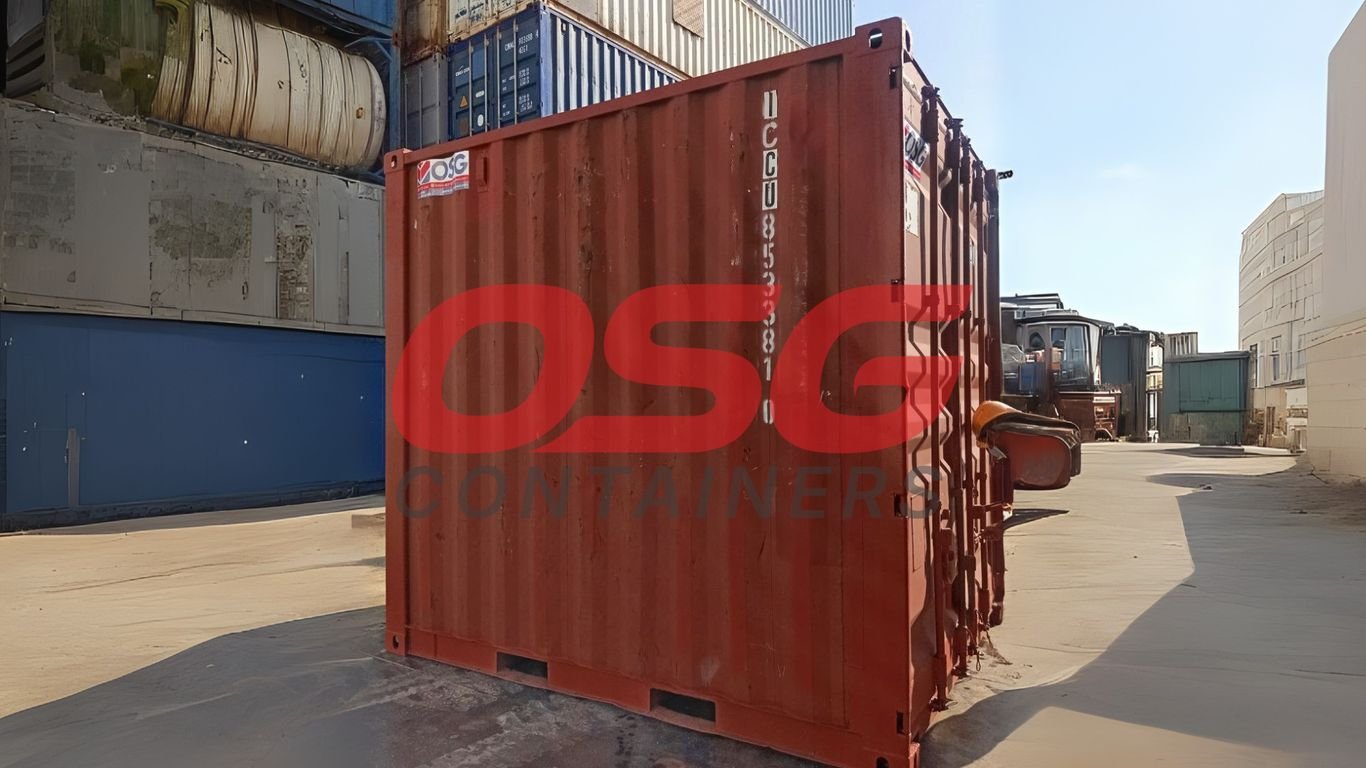
So, you’re looking into shipping containers, huh? Specifically, the big ones – the 40-footers. They’re everywhere, and for good reason. Think of them as the workhorses of moving stuff around the world, whether it’s across the ocean or just to a storage yard. We’re going to break down what makes these 40 footer container units tick, from how much they can actually hold to where they make the most sense to use. It’s not as complicated as it sounds, and understanding the basics can save you a lot of hassle and cash.
Key Takeaways
- A standard 40-foot container is roughly 40 feet long, 8 feet wide, and 8.5 feet tall, offering a significant amount of space for cargo.
- These containers can hold about 67 cubic meters or 2,390 cubic feet of goods, making them suitable for large shipments, furniture, or even vehicles.
- There are different types of 40-foot containers, like High Cube (extra height) and Reefer (refrigerated), designed for specific cargo needs.
- Using a 40-footer often makes sense for larger loads (Full Container Load – FCL) as it can be more cost-effective per cubic meter than smaller options.
- Whether buying or renting, understanding the condition (grade) of a 40 footer container is important for its intended use, be it shipping or on-site storage.
1. Understanding 40-Foot Container Dimensions
Alright, let’s talk about the big kahuna of shipping containers: the 40-footer. When people talk about moving serious amounts of stuff, especially across oceans, this is usually the box they mean. It’s a pretty standard size, which is a good thing because it means it fits pretty much everywhere – ships, trains, trucks, you name it. This standardization is what makes global shipping actually work without a hitch.
So, what are we working with, dimension-wise? You’ve got the outside measurements, which are pretty straightforward: 40 feet long, 8 feet wide, and 8 feet 6 inches tall. That’s the shell. But what really matters for packing is the inside space.
Here’s a quick rundown of the typical dimensions:
- Exterior Dimensions:
- Length: 40 ft (12.19 m)
- Width: 8 ft (2.44 m)
- Height: 8 ft 6 in (2.59 m)
- Interior Dimensions (Approximate):
- Length: 39 ft 5 in (12.03 m)
- Width: 7 ft 9 in (2.35 m)
- Height: 7 ft 10 in (2.39 m)
These interior numbers are what you’ll use when you’re trying to figure out how much stuff you can actually cram inside. It’s a bit less than the outside because of the walls and structure of the container itself. The usable internal volume is usually around 67 cubic meters or about 2,390 cubic feet. That’s a decent chunk of space, right?
It’s important to remember that these are standard dimensions. While they are very consistent, slight variations can occur between manufacturers. Always double-check the specific measurements if you have very precise packing requirements.
When you’re planning, think about how your goods will fit. The width and length are designed to accommodate standard pallet sizes, which makes loading and unloading much smoother. The height is also a key factor, especially if you’re stacking items or using specialized equipment. Knowing these numbers helps avoid nasty surprises when your cargo arrives, or worse, when you’re trying to load it up.
2. Calculating 40-Foot Container Capacity
So, you’re looking at a 40-foot container and wondering just how much stuff you can actually fit inside? It’s a pretty common question, and thankfully, the answer is fairly straightforward thanks to standardization.
The standard 40-foot container offers a usable internal volume of approximately 67.7 cubic meters, or about 2,390 cubic feet. This is the magic number that helps you figure out if your cargo will fit, whether you’re shipping goods overseas or just need some serious storage space.
When we talk about capacity, it’s not just about volume. Weight is a big deal too. You’ve got the container’s own weight (tare weight), the maximum weight it can carry (payload capacity), and the total weight when it’s fully loaded (maximum gross weight).
Here’s a quick look at the typical numbers for a standard 40-foot dry container:
| Specification | Metric (approx.) | Imperial (approx.) |
|---|---|---|
| Tare Weight (Empty) | 3,750 kg | 8,268 lbs |
| Payload Capacity (Max) | 27,600 kg | 61,200 lbs |
| Max Gross Weight | 30,480 kg | 67,196 lbs |
It’s important to remember that these figures can vary slightly depending on the manufacturer and the specific type of container (like a High Cube, which is taller). Always double-check the specs for the exact container you’re using.
Think about it like this:
- Volume: This is your "how big is the space?" number. It’s great for bulky items that aren’t super heavy.
- Weight: This is your "how much can it hold before it’s too heavy?" number. It’s critical for dense materials like metal parts or machinery.
You need to balance both volume and weight when packing. Sometimes you might fill the container with lighter goods but not reach the maximum weight limit. Other times, you might have heavy items that get you close to the weight limit long before the container is visually full. Planning your load carefully is key to making the most of the space and staying within legal limits.
So, before you start loading, grab a tape measure and a scale, and do a little math. It’ll save you a lot of headaches down the road.
3. What Fits Inside a 40-Foot Container
So, you’ve got a 40-foot container, and you’re wondering what exactly can be crammed inside? It’s a pretty big box, so the possibilities are quite extensive. Think of it as a mobile warehouse. You can fit a whole lot of stuff in here, from household goods to industrial equipment.
The sheer volume means you can often consolidate shipments, saving you time and hassle.
Here’s a general idea of what typically goes into a 40-footer:
- Furniture: An entire house’s worth of furniture, from sofas and beds to tables and chairs, can usually be accommodated. Just make sure to pack it well to avoid damage.
- Machinery and Equipment: Larger pieces of machinery, construction equipment, or industrial components are common cargo. This is where the robust build of containers really shines.
- Vehicles: Yes, you can often fit multiple cars, motorcycles, or even small trucks inside, especially if you use specialized loading techniques.
- Bulk Goods: Whether it’s textiles, insulation materials, or even certain types of raw materials, these containers are designed for large quantities.
- Palletized Goods: If you’re shipping items on pallets, a 40-foot container can hold a significant number. For example, you can typically fit around 20 to 24 standard Euro pallets, depending on how you stack them.
It’s also worth noting the difference between a standard 40-foot container and a 40-foot high cube container. The high cube version gives you an extra foot of vertical space, which is a game-changer if you’re shipping tall items or want to maximize stacking. This extra height can make a big difference for things like assembled furniture or foam products.
For liquids, specialized containers like an iso tank container are used, but for general dry goods, the standard or high cube 40-footer is your go-to.
When loading, always think about weight distribution. You don’t want one side to be much heavier than the other. Secure everything properly so it doesn’t shift during transit. It might seem like a lot of space, but a shifting load can cause damage or even be dangerous.
Here’s a quick look at what you might fit, keeping in mind that exact numbers depend on the item size and how you pack:
| Item Type | Approximate Quantity/Capacity |
|---|---|
| Standard Pallets | 20-24 Euro pallets (stacked) |
| Cars | 2-4 standard cars (depending on size and loading method) |
| Furniture | Contents of a 3-bedroom house |
| Industrial Parts | Varies greatly; large machinery or many smaller components |
4. Types of 40-Foot Shipping Containers
So, you’re looking into 40-foot containers, and it turns out there isn’t just one kind. Who knew, right? They’ve actually got a whole lineup designed for different jobs. It’s pretty neat how they’ve figured out how to make these big metal boxes work for almost anything.
Here’s a quick rundown of the main players:
- Standard Dry Van: This is your everyday, all-purpose container. Think of it as the workhorse. It’s a closed box, usually with doors at one end, perfect for general cargo that doesn’t need any special treatment. If you’re shipping clothes, furniture, or electronics, this is probably what you’ll be using.
- High Cube (HC): This one’s just like the standard, but it’s a foot taller. That extra height can make a big difference, especially if you’re shipping bulky items or trying to maximize space. It’s great for things like machinery or even if you’re stacking goods.
- Reefer (Refrigerated): These are the temperature-controlled units. They’ve got built-in refrigeration systems, so they’re ideal for anything that needs to stay cold or frozen, like food, pharmaceuticals, or certain chemicals. They’re a bit more complex and usually cost more, but for sensitive cargo, they’re a lifesaver.
- Open Top: As the name suggests, these containers don’t have a solid roof. Instead, they have a tarp that can be rolled back. This makes loading from the top super easy, especially with a crane. They’re good for tall items that wouldn’t fit through the doors, like large machinery parts or construction materials.
- Flat Rack: These are pretty unique. They have no side walls or roof, just a base and end walls that can sometimes fold down. They’re built for oversized or oddly shaped cargo that just won’t fit in a regular container, like boats, large pipes, or construction equipment. They’re the go-to for really awkward loads.
There are also some more specialized types, like car carriers designed specifically for vehicles, or pallet-wide containers that are a bit wider to fit more pallets. It really just depends on what you’re shipping and how you need to get it there.
Choosing the right type of container is more than just picking the biggest one. It’s about matching the container’s features to the specific needs of your cargo. Getting this right from the start can save you a lot of headaches and money down the line, preventing damage and ensuring your goods arrive in the condition you expect.
5. Best Applications for 40-Foot Containers
So, you’ve got a 40-footer. What’s it good for, besides just shipping stuff across the ocean? Turns out, quite a lot.
These big metal boxes are workhorses, and their applications go way beyond just moving goods from point A to point B.
For starters, they’re fantastic for storage. Think about it: if you’re a business with seasonal inventory or just need extra space for equipment, a 40-foot container parked on your property is a solid, secure option. It’s way cheaper than renting warehouse space, and you can put it pretty much anywhere.
Then there’s the whole "repurposing" thing. People are getting really creative with these. You see them turned into:
- Pop-up shops and cafes: Imagine a cool, industrial-looking coffee stand or a boutique store made from a container. They’re eye-catching and relatively easy to set up.
- Temporary offices or workshops: Need a place to work on a construction site or set up a temporary office for an event? A container can be outfitted with insulation, lighting, and whatever else you need.
- Extra living space or studios: Some folks even convert them into small homes, art studios, or guest houses. It’s a budget-friendly way to get extra square footage.
- Agricultural uses: Farmers use them for tool storage, or even to create controlled environments for growing things like hydroponics.
Basically, if you need a sturdy, weather-resistant, and relatively affordable structure, a 40-foot container is worth considering. They’re built tough, so they can handle a lot, whether that’s a hurricane or just a bunch of tools.
The real beauty of these containers is their adaptability. They’re designed for the rough and tumble of international shipping, which means they’re incredibly durable. This inherent toughness makes them suitable for a wide range of uses, from simple storage to more complex architectural projects, all while offering a cost-effective solution.
6. Cost Factors for 40-Foot Containers
So, you’re looking at getting a 40-foot container, huh? It’s a big step, and naturally, you’re wondering about the price tag. It’s not just a simple number, though. A bunch of things can nudge that price up or down, and it’s good to know what you’re getting into.
First off, the condition of the container is a huge deal. Are you going for brand new, straight from the factory? That’s going to cost more, but you get that pristine, untouched quality. Or maybe a used one, a "one-trip" container that’s only been used once to bring goods over from overseas? These are often in pretty good shape and can save you some cash. Then there are older, "cargo-worthy" containers. They’ve seen more action, might have a few dents or rust spots, but they’re still solid for storage or shipping if they pass inspection. The cheaper they are, the more likely they’ve had a rougher life.
Here’s a quick look at what influences the price:
- Condition: New, one-trip, cargo-worthy, or wind-and-watertight (WWT). The better the condition, the higher the price.
- Type: Standard 40-footer, or a High Cube (HC) with extra height? HC models usually cost a bit more.
- Location: Where you’re buying it from matters. Prices can vary a lot between different cities or regions due to local demand and transport costs.
- Market Demand: Just like anything else, if everyone wants containers, prices go up. Supply chain hiccups can really mess with this.
- Delivery: Getting the container to your site isn’t usually free. You’ll need to factor in trucking costs, which depend on distance and accessibility.
When you’re comparing prices, make sure you know exactly what you’re getting. A super cheap container might need repairs down the line, costing you more in the long run. Always ask for details about its history and condition.
Let’s say you’re looking at buying a container. As of late 2025, a new 40-foot container might set you back anywhere from $2,000 to $5,000. Used ones, depending on their grade, could range from $1,000 up to $3,000 or more. High Cube versions will likely be at the higher end of these ranges. Remember, these are just ballpark figures, and actual prices can swing quite a bit.
Don’t forget about potential extra costs too. Things like modifications, painting, or adding security features will add to your initial outlay. It’s always a good idea to get a few quotes and really understand all the charges before you commit.
7. Buying a 40-Foot Container
So, you’ve decided a 40-foot container is the way to go. Awesome! Buying one is pretty straightforward, but there are a few things to keep in mind to make sure you get exactly what you need. Think of it like buying a used car – you want to know what you’re getting into.
The easiest way to buy a 40-foot container is usually through a specialized dealer. These companies deal with containers all the time and can help you find new or used ones. They often have a range of options based on condition and price, which is super helpful.
Here’s a quick rundown of what to expect:
- New Containers: These are "one-trip" containers, meaning they’ve only made one journey from the factory overseas. They’re in great shape, practically like new, and will last you a long time with minimal fuss. They cost more, obviously, but you get what you pay for.
- Used Containers: These have seen more action. They might have a few dents, some rust spots, or faded paint, but they’re still perfectly functional for many uses, especially storage. You can often find "cargo worthy" or "wind and watertight" grades, which means they’re structurally sound and won’t leak. These are a good budget-friendly option.
- "As Is" Containers: These are the cheapest but also the most worn. They might need some work before they’re ready for anything serious, but for basic storage on your property, they can still do the job.
When you’re looking, pay attention to the container’s condition. A good dealer will be upfront about any issues. You’ll want to know:
- Structural Integrity: Are the walls, roof, and floor solid? No major holes or buckling?
- Door Functionality: Do the doors open and close smoothly? Are the seals intact?
- Rust and Dents: How much are there, and where? Surface rust is usually fine, but deep rust can be a problem.
Buying a container outright means you own it. This gives you total freedom to modify it, move it around, or use it for whatever you want, long-term. It’s a solid investment if you know you’ll need the space for a while.
Don’t forget to factor in delivery costs. Getting a big metal box to your location can add a significant chunk to the total price, so always get a quote that includes shipping.
8. Renting a 40-Foot Container
So, you need a 40-footer, but maybe buying one outright feels like a bit much right now? Renting is a totally solid option, especially if your needs are temporary. Think of it like leasing a car instead of buying it – you get to use it for what you need, when you need it, without the long-term commitment.
Renting is often the go-to for short-term projects, seasonal storage needs, or when you’re testing the waters with a new business venture that might require extra space for a while. It’s a flexible way to get your hands on that big, sturdy container without tying up a lot of capital.
Here’s a quick rundown of why renting makes sense:
- Flexibility: You can rent for a few months or longer, depending on your project timeline. When you’re done, you just hand it back.
- Cost-Effective for Short Term: If you only need the container for, say, six months during a renovation or for a big event, renting is usually cheaper than buying.
- No Long-Term Hassle: You don’t have to worry about reselling it later or finding a permanent spot for it if your needs change.
- Try Before You Buy: Some rental companies offer rent-to-own programs. You can rent for a bit, and if you decide you love it and want to keep it, you can often put your rental payments towards the purchase price.
When you’re looking into renting, companies usually have different rental agreements. Some might be month-to-month, while others have set terms. It’s always a good idea to ask about delivery and pickup fees, as those can add up. Also, check what condition the container is in – you want something that’s still watertight and structurally sound, even if it’s not brand new.
Renting a 40-foot container offers a practical solution for temporary space requirements. It allows businesses and individuals to access large-scale storage or transport capacity without the significant upfront investment of purchasing. This approach is particularly beneficial for managing fluctuating inventory levels, supporting event logistics, or accommodating construction project needs over a defined period.
9. Customization Options for 40-Foot Containers
So, you’ve got a 40-foot container, and you’re thinking, ‘How can I make this thing work better for me?’ Well, you’re in luck. These containers are surprisingly adaptable. You can actually modify them to fit all sorts of specific needs, way beyond just hauling cargo.
Think about adding extra doors. Maybe you need a roll-up door for easy access to equipment, or a simple personnel door if you’re turning it into a small office or workshop. High-security doors are also an option if you’re storing valuable items. And windows? Yep, you can add those too. Fixed windows let in light, while sliding or security windows offer ventilation and a bit more privacy. It really changes how you can use the container.
Here are some common ways people customize them:
- Adding Doors: Roll-up, personnel, or high-security doors for better access and security.
- Installing Windows: Fixed, sliding, or security windows for light and ventilation.
- Modifying the Interior: Adding insulation, flooring, or partitions to create specific environments.
- Exterior Modifications: Painting, adding extra security features, or even attaching awnings.
The beauty of customizing a 40-foot container is that it transforms a basic steel box into a functional space tailored precisely to your requirements. Whether it’s for storage, a temporary office, a workshop, or even something more creative, the possibilities are pretty wide open with a few smart modifications.
It’s not just about doors and windows, though. People get creative with shelving, insulation, and even climate control systems depending on what they’re storing or how they plan to use the space. It really depends on your budget and what you’re trying to achieve.
10. Accessories for 40-Foot Containers
So, you’ve got a 40-foot container, and you’re thinking about how to make it work even better for you. It’s not just about the big metal box itself; there are actually a bunch of accessories that can really change how you use it. Think of it like outfitting a new workshop or a storage unit – the right tools and additions make all the difference.
First off, let’s talk about organization. If you’re using the container for storage or as a workspace, shelving and racking systems are a game-changer. They let you use all that vertical space, keeping things tidy and easy to find. You can get heavy-duty shelves for tools, or lighter ones for boxes. Some systems even let you customize the layout, which is handy if you’ve got oddly shaped items.
Then there’s getting stuff in and out. Loading heavy equipment or pallets can be a real pain without the right setup. Ramps are super useful here. You can get full-width ramps or smaller ones, depending on what you’re moving. It makes a huge difference in safety and effort.
Security is another big one. Good locks and lock boxes are a must-have to keep your belongings safe. A sturdy padlock is one thing, but a lock box that covers the padlock makes it much harder for someone to tamper with or cut it off. It’s a small addition that offers a lot more peace of mind.
Here are some common accessories you might consider:
- Shelving and Racking: For organizing goods and maximizing vertical space.
- Ramps: To make loading and unloading heavy items easier.
- Locks and Lock Boxes: To enhance security and protect against theft or tampering.
- Shelving Brackets: For custom shelving configurations.
- Ventilation Systems: To prevent moisture buildup and keep the air fresh, especially if storing sensitive items.
- Lighting: Internal lighting can be added for better visibility, particularly if the container is used as a workshop or temporary office.
When you’re looking at accessories, think about what you’ll actually be doing with the container. Are you storing seasonal items? Using it as a workshop? Shipping goods? The answers to these questions will point you toward the accessories that will be most helpful. Don’t just buy stuff because it’s available; make sure it solves a problem or makes your life easier with the container.
Some people even add windows or personnel doors to their containers, turning them into offices, studios, or even small living spaces. While these are more like modifications, they function similarly to accessories by adding functionality. It really shows how adaptable these containers can be with a few smart additions.
11. Loading a 40-Foot Container
Alright, so you’ve got your stuff ready to go into a 40-footer. Loading it up isn’t just about shoving things in there; there’s a bit of a method to the madness to make sure everything arrives in one piece and you’re not paying for wasted space. Proper loading is key to maximizing your container’s capacity and ensuring cargo safety.
First off, think about the weight. You can’t just pile everything heavy on one side. You need to distribute the weight evenly. This keeps the container stable on the truck, the ship, or the train, and it prevents damage to the container floor and the cargo itself. High cube containers, with their extra height, offer more space, but you still have to respect those weight limits. It’s easy to get carried away with all that room, but there are rules.
Here’s a quick rundown of what to keep in mind:
- Weight Distribution: Aim for an even spread of weight from front to back and side to side. Heavy items should generally be on the bottom and closer to the center.
- Securing Cargo: Use straps, airbags, or bracing to fill any gaps and prevent items from shifting during transit. Loose cargo is a recipe for disaster.
- Stacking: Stack boxes or pallets neatly and securely. Avoid stacking too high if the items aren’t strong enough to support the weight above them.
- Pallet Placement: If you’re using pallets, arrange them efficiently. For standard Euro pallets, you can usually fit 24-25. If you have pallet-wide containers, you might squeeze in a few more.
Loading isn’t just about fitting things in; it’s about strategic placement. Think about how the container will be handled and moved. Items that are fragile or need to stay upright should be clearly marked and positioned where they’re least likely to be disturbed. It’s a bit like playing Tetris, but with real-world consequences if you mess up.
When you’re loading, especially if you’re dealing with different types of goods, try to group similar items together. This makes unloading easier at the destination. And always, always double-check that the doors can close properly without anything getting pinched. A properly sealed container is your first line of defense against the elements and tampering.
12. Pallet Capacity in a 40-Foot Container
So, you’ve got a 40-footer and you’re wondering how many pallets you can actually cram in there. It’s a pretty common question, and the answer isn’t always a simple number because it really depends on the type of pallet you’re using and how you arrange them.
The standard 40-foot container is designed with pallet loading in mind, making it a workhorse for shipping.
Generally, you’re looking at fitting a certain number of pallets in a single layer on the floor. For the common US standard pallet (40" x 48"), you can usually fit around 20 to 21 pallets. If you’re using the Euro pallet (1200 mm x 800 mm), which is a bit smaller, you can squeeze in about 24 to 25.
Here’s a quick rundown:
- US Standard Pallets (40" x 48"): Typically 20-21 pallets per layer.
- Euro Pallets (1200 mm x 800 mm): Typically 24-25 pallets per layer.
Now, if you’re using a "pallet-wide" container, which is a bit wider than the standard ISO container (though not technically ISO), you might be able to fit even more Euro pallets, sometimes up to 30. That’s a nice little boost in capacity if your goods fit that configuration.
It’s not just about the number of pallets, though. How you load them matters. You want to make sure they’re snug and secure to prevent shifting during transit. Sometimes, you can fit an extra pallet or two by arranging them very tightly or using specific loading patterns. It’s all about maximizing that space without going over the weight limits, of course.
Loading pallets efficiently is key to getting the most out of your container. It’s not just about stuffing them in; it’s about smart placement to avoid wasted space and ensure the load is balanced. Think about how the weight is distributed and how the pallets fit together like a puzzle. This careful planning can make a real difference in how much you can ship and how safely it arrives.
Remember, these numbers are for a single layer. If your goods are light enough and the packaging allows, you might be able to stack pallets. However, this is less common for standard dry containers due to height restrictions and the risk of crushing lower layers. Always double-check the specific dimensions and weight limits for your container and cargo.
13. Weight Limits and Safety
When you’re getting ready to ship something in a 40-foot container, knowing the weight limits is super important. It’s not just about fitting stuff in; it’s about making sure everything stays safe and legal.
Every container has a few key weight figures you need to know:
- Tare Weight: This is the weight of the container itself when it’s empty. Think of it as the container’s own body weight.
- Payload Capacity: This is the maximum weight of cargo you can actually put inside the container. It’s the ‘stuff’ weight.
- Maximum Gross Weight: This is the grand total – the tare weight plus the payload capacity. It’s the absolute heaviest the container can be when it’s fully loaded.
Always check these numbers before you start loading. Exceeding them can cause serious problems, from damaging the container and the cargo to causing accidents during transit.
Here’s a quick look at typical weights for a standard 40-foot container:
| Weight Type | Typical Weight (kg) | Typical Weight (lbs) |
|---|---|---|
| Tare Weight | 3,750 | 8,268 |
| Payload Capacity | 27,600 | 61,200 |
| Maximum Gross Weight | 30,480 | 67,196 |
Remember, these are general figures. Always confirm the exact specs for the container you’re using, as they can vary slightly.
Beyond just the total weight, how you load your cargo matters a lot for safety. Spreading the weight evenly across the floor helps prevent the container from becoming unbalanced. Heavy items should generally go on the bottom, and you want to avoid having all the weight concentrated on one side. Securing your cargo properly with straps or bracing is also key to stop things from shifting around during the journey. This not only keeps your goods safe but also protects the container and the transport equipment.
Before any shipment leaves the port, you’ll often need to declare something called the Verified Gross Mass (VGM). This is basically confirming the total weight of your packed container. It’s a safety measure required by shipping lines and ports to make sure everything is within safe operating limits and to prevent accidents at sea or during handling. Getting this right is part of being a responsible shipper.
14. Container Grades and Conditions
When you’re looking to get your hands on a 40-foot container, you’ll quickly find out they aren’t all created equal. They come in different conditions, and knowing these grades helps you pick the right one for what you need.
Think of it like buying a used car; some are practically brand new, while others have seen better days. The condition significantly impacts both the price and how long the container will last you.
Here’s a quick rundown of the common grades you’ll run into:
- One-Trip / Like New: These containers have only made one journey from the factory overseas. They’re in excellent shape, with minimal signs of wear and tear. If you need something that looks good and will last a long time with little fuss, these are your best bet.
- Cargo Worthy (CW) / Wind and Watertight (WWT): These containers have been used for shipping but are still structurally sound and meet industry standards for transport. They’ll be watertight and windproof, but you might see some dents, scratches, or minor rust. They’re a solid choice for many shipping and storage needs.
- As Is / Used: These containers have had a longer life in the shipping world. Expect more noticeable cosmetic issues like rust, dents, and maybe even some patches. While they might not be ideal for international shipping anymore, they can still be perfectly functional for on-site storage or projects where appearance isn’t the top priority.
When you’re deciding, always think about what you’ll be using the container for. A container for storing garden tools doesn’t need to be as pristine as one you plan to ship goods across the ocean in. Your budget and the container’s intended lifespan are key factors here.
It’s always a good idea to inspect a container yourself if possible, or at least ask for detailed photos and a clear description of its condition before you buy.
15. Advantages of Using 40-Foot Containers
So, why are 40-foot containers such a big deal in shipping and storage? Well, there are a bunch of reasons why people keep coming back to them. For starters, they just offer a ton of space. Think about it – you can fit a lot more stuff in one big container than in several smaller ones. This really cuts down on the hassle of managing multiple shipments.
The standardization of 40-foot containers is a massive plus, making them easy to move between ships, trains, and trucks without a fuss. This intermodal compatibility is key to keeping logistics running smoothly, especially on a global scale. It means less time spent transferring goods and more time getting them where they need to go.
Here are some of the main benefits:
- Space Efficiency: You get a lot of internal volume, which is great for both large items and bulk quantities. This means fewer trips and potentially lower shipping costs.
- Cost-Effectiveness: While they’re big, the cost per cubic foot is often quite good. It’s usually more economical to ship a full 40-footer than to fill up multiple smaller containers.
- Versatility: Whether you need a standard dry van, a high cube for extra height, or even a refrigerated unit, there’s a 40-foot option available for many different types of cargo.
- Global Availability: You can find these containers pretty much anywhere in the world, which simplifies planning international shipments.
- Security: Built tough and designed to be sealed, they offer solid protection for your goods against the elements and tampering during transit.
Using a 40-foot container often means you’re dealing with fewer individual units. This simplification can lead to quicker loading and unloading times at ports and warehouses, which translates to faster delivery schedules and reduced labor costs. It’s a straightforward way to make your supply chain more efficient.
16. FCL vs. LCL Shipping
When you’re shipping goods, especially using a big 40-foot container, you’ll run into two main ways of doing things: FCL and LCL. They sound similar, but they make a big difference in how your stuff gets moved and how much it costs.
FCL stands for Full Container Load, and LCL means Less than Container Load.
Think of it like this: with FCL, the whole 40-footer is yours and yours alone. You book it, you fill it up, and it goes straight from your pickup point to its destination without anyone else’s cargo mixing in. This is usually the way to go if you have enough stuff to fill at least half the container, or if you’re shipping items that need special handling or security. You get to control the seal, and your goods aren’t being handled by other people along the way.
LCL, on the other hand, is like sharing a ride. Your goods are consolidated with shipments from other people into one 40-foot container. This can be a good option if you only have a small amount of cargo, maybe less than 15 cubic meters. It’s often cheaper per cubic meter for smaller loads because you’re only paying for the space you use. However, there are a few catches. Your shipment will need to be consolidated at a warehouse before it goes into the container, and then de-consolidated at the other end. This means more handling, more potential for delays, and you don’t have control over who else is in the container with you.
Here’s a quick rundown:
- FCL (Full Container Load):
- You rent the entire 40-foot container.
- Your cargo is the only cargo inside.
- Generally more cost-effective when your shipment is over 15-20 cubic meters or weighs over 10-15 tons.
- Offers greater control over loading, sealing, and transit times.
- Reduced risk of damage due to less handling.
- LCL (Less than Container Load):
- Your cargo shares space with other shippers’ goods.
- Ideal for smaller shipments, typically under 15 cubic meters.
- Can be more economical for very small volumes.
- Involves consolidation and de-consolidation processes, adding time and handling.
- Potential for increased transit times and handling-related risks.
So, when you’re figuring out what works best for your shipment, it really comes down to how much stuff you have. If you’ve got a decent amount, going FCL with a 40-footer usually makes more sense. It’s simpler, faster, and often cheaper in the long run because you’re not paying for all those extra handling steps that come with LCL.
Deciding between FCL and LCL isn’t just about the immediate price tag. You need to think about how much space your goods actually take up, how heavy they are, and how much time you have. For a 40-foot container, if you’re using more than about 60% of its capacity, FCL is almost always the better bet. It simplifies the whole process and gives you peace of mind.
17. Packing Your 40-Foot Container
Alright, so you’ve got your 40-footer ready to go. Now comes the part where you actually fill it up. This isn’t just about shoving stuff in; it’s about making sure everything arrives in one piece and that you’re not wasting precious space. Think of it like packing for a really, really long trip where you can’t go back and get something you forgot.
First off, you gotta think about how you’re going to arrange things. Weight distribution is super important. You don’t want all the heavy stuff on one side, making the container wobbly. Try to balance it out, putting heavier items on the bottom and lighter ones on top. Also, make sure things are snug. Use packing materials like airbags or straps to keep everything from sliding around when the container is moving. Nobody wants their stuff getting bashed up during transit.
Here are a few pointers to keep in mind:
- Use the right pallets: If you’re shipping on pallets, make sure they’re treated (like ISPM-15) so they don’t cause customs headaches. They’re pretty much the standard for international shipping.
- Protect against moisture: Even though containers are built to be tough, moisture can still be an issue, especially on long sea voyages. Using shrink wrap and maybe some desiccant packs can help keep your goods dry.
- Secure everything: Don’t just stack boxes and hope for the best. Use ratchet straps, dunnage, or airbags to fill any gaps and prevent shifting. This is especially true for fragile items or oddly shaped cargo.
- Labeling matters: If you’re shipping anything that’s considered hazardous, make sure it’s labeled correctly according to international rules. It’s a big deal for safety and legality.
When you’re packing, always think about the journey. The container will be moved by trucks, trains, and ships. It’ll be lifted, tilted, and jostled. What seems secure in your warehouse might not stay that way on the open sea. So, take the extra time to brace, strap, and fill any empty spaces. It’s way cheaper to use a bit of extra packing material than to deal with damaged goods.
If you’re using a standard 40-foot container, you can usually fit about 24-25 standard Euro pallets if you load them carefully. If you’ve got a pallet-wide container, you might squeeze in a few more. But remember, this is if you’re loading them floor-style. If you’re stacking, you’ll fit fewer, but you’ll use the vertical space better. Just make sure you don’t go over the weight limit – that’s a whole other headache you don’t want.
18. Seasonal Volatility and Booking Windows
Shipping isn’t always a smooth, predictable ride. You’ve got to think about when you book your 40-footer, because things change. The timing of your shipment can seriously impact both availability and cost.
Certain times of the year are just busier for shipping. Think about holidays, or when retailers are stocking up for big sales. This means more people are trying to get their goods moved, and guess what? Container space gets tight, and prices can go up. It’s like trying to get a last-minute flight around Christmas – not ideal.
Here’s a rough idea of what to expect:
- July to November (Peak Season): This is when retailers are busy stocking shelves for the holiday rush. Demand for shipping space really climbs, and you’ll likely see extra charges, often called Peak Season Surcharges (PSS). It’s smart to book your container about 4 to 6 weeks ahead if you’re shipping during this period.
- Chinese New Year (Late January/February): Before the holiday, factories often ramp up production to get goods out. After the holiday, things can be a bit slower. If you need to ship before the break, try to get your container booked two sailings in advance. Otherwise, you might end up waiting.
- Golden Week (October): This is a short but busy holiday period in China. It can cause a quick spike in congestion. To get ahead of it, aim to secure your equipment for shipments two sailings before Golden Week.
Planning ahead is key. If you wait too long, you might find yourself stuck with limited options, higher prices, or even delays. Understanding these busy periods helps you make better decisions and avoid unnecessary headaches. It’s all about being strategic with your booking windows.
So, keep an eye on the calendar and try to book your 40-foot container well in advance, especially if you’re shipping during these peak times. It can save you a lot of hassle and potentially some money too.
19. Freight Cost Drivers
So, you’re looking at shipping something in a 40-footer and wondering why the price tag looks the way it does. It’s not just one thing, you know? A bunch of factors play into the final cost, and understanding them can help you plan better.
First off, there’s the base ocean freight. This is pretty much the cost of moving your container from one port to another. It can jump up if you’re shipping on a really busy route or if there’s a shortage of containers available. Then you’ve got the fuel adjustment factor, or BAF. Basically, when fuel prices go up, so does this part of your bill. It’s usually updated every few months.
Currency fluctuations also matter. That’s where the Currency Adjustment Factor (CAF) comes in. If the exchange rates are all over the place, carriers might add this to buffer themselves. On top of that, you’ll see port and terminal handling charges. These cover all the work done at the docks – cranes lifting your container, moving it around, and all that jazz. These fees often get a once-over once a year.
Here’s a quick rundown of what influences the price:
- Base Ocean Freight: The core cost of sea transport. Spikes happen with high demand or limited equipment.
- Fuel Surcharges (BAF): Directly tied to global oil prices. If gas is expensive, this goes up.
- Currency Adjustments (CAF): Protects carriers against unfavorable exchange rate shifts.
- Terminal Handling Charges (THC): Fees for loading, unloading, and storage at ports.
- Special Fees: Things like piracy surcharges, canal transit fees, or congestion charges can pop up unexpectedly.
Sometimes, unexpected things can really bump up the cost. Think about major shipping lanes getting blocked, like the Suez Canal, or a sudden surge in demand because everyone’s trying to ship goods before a holiday. These events can cause temporary price hikes or require you to pay extra for faster service or specific routes.
Finally, don’t forget about other potential costs. Depending on your route, you might run into things like piracy surcharges, fees for using specific canals, or extra charges if a port is really congested. It’s a lot to keep track of, but knowing these drivers helps you get a clearer picture of your shipping expenses.
20. Container Volume Calculator
Figuring out how much stuff you can actually fit into a 40-foot container can feel like a puzzle. That’s where a container volume calculator comes in handy. It’s not just about knowing the external dimensions; you need to think about the usable space inside.
The internal volume of a standard 40-foot container is typically around 67 cubic meters (or about 2,360 cubic feet). For a High Cube version, you get a bit more, usually around 76 cubic meters (about 2,680 cubic feet) thanks to that extra foot of height.
Here’s a quick look at the usable internal space:
- Standard 40-foot Container:
- Length: ~12.03 m (39 ft 6 in)
- Width: ~2.35 m (7 ft 9 in)
- Height: ~2.39 m (7 ft 10 in)
- Volume: ~67 m³ (2,366 ft³)
- 40-foot High Cube Container:
- Length: ~12.03 m (39 ft 6 in)
- Width: ~2.35 m (7 ft 9 in)
- Height: ~2.69 m (8 ft 10 in)
- Volume: ~76 m³ (2,680 ft³)
When you’re planning your shipment, it’s smart to think about how your items will be packed. Are you using pallets? What size are they? How high can you stack your goods without risking damage or exceeding weight limits?
Using a calculator helps you avoid common mistakes. For instance, simply multiplying the internal dimensions might not account for the space lost due to dunnage, bracing, or the irregular shapes of your cargo. It’s always better to estimate slightly less than the maximum volume to be safe.
For example, if you’re shipping Euro pallets (1.2m x 0.8m), you can typically fit around 24-25 of them snugly on the floor of a standard 40-footer. If you’re using US standard pallets (40in x 48in), you might get about 20-21 per layer. These numbers can change based on how you arrange them and if there’s any overhang.
21. 40-Foot Container Uses and Applications
So, you’ve got a 40-foot container. What can you actually do with it besides just shipping stuff? Turns out, quite a lot. These big metal boxes are way more versatile than you might think.
First off, their original job is still a huge one: moving goods. Whether it’s across the ocean, by train, or truck, they’re the workhorses of international trade. Think furniture, machinery, textiles, you name it. They’re especially good when you have a lot of cargo and want to use fewer boxes, which often saves cash.
But that’s just the start. Lots of people repurpose them for storage. Need a secure spot for equipment on a job site? Or maybe extra warehouse space for your business? A 40-footer fits the bill. They’re built tough and keep things dry and safe.
Then there’s the whole modular building thing. People are turning these containers into offices, small homes, classrooms, even shops. They’re pretty much ready-made structures that can be set up relatively quickly. It’s a neat way to get a functional space without building from scratch.
Here are some common ways people use them:
- Shipping Goods: The classic use, moving everything from raw materials to finished products globally.
- On-Site Storage: Perfect for construction sites, farms, or businesses needing temporary or long-term storage for tools, inventory, or materials.
- Modular Structures: Converted into offices, workshops, event stages, pop-up shops, or even basic living quarters.
- Mobile Workspaces: Equipped with tools and utilities, they become functional workspaces at remote locations or event venues.
The beauty of a 40-foot container lies in its standardized design and robust construction. This means they’re easy to handle, transport, and modify, making them a go-to option for a wide range of practical needs beyond just shipping.
If you’re shipping items that are a bit taller than usual, like assembled furniture or certain types of machinery, you might want to look into a 40-foot High Cube. They give you that extra bit of height without adding a ton to the cost, which is pretty handy for maximizing what you can fit.
22. Why SMEs and Corporates Love 40-Footers
It’s no surprise that both small businesses and big corporations have a soft spot for 40-foot containers. Honestly, they just make a lot of sense for a bunch of reasons.
First off, there’s the sheer volume you can pack into one. Compared to two 20-footers, you get more bang for your buck, meaning a lower cost per cubic meter. This is a huge deal when you’re moving a lot of product or equipment. Plus, they’re built to play nice with pretty much all global shipping infrastructure – think port cranes, trains, and trucks. They’re practically the universal standard.
Here’s a quick rundown of why they’re so popular:
- Economies of Scale: You’re getting more space for less money per unit compared to smaller containers.
- Versatility: Need to ship something temperature-sensitive? There’s a 40-foot reefer. Got oversized machinery? A flat rack might be your answer. They come in different flavors.
- Global Compatibility: Ports and transport systems worldwide are set up to handle the 40-foot footprint.
- Cargo Security: They’re built tough and seal up tight, keeping your goods safe from the elements and sticky fingers.
Businesses, big or small, often find that the 40-foot container hits that sweet spot between capacity, cost, and ease of use. It simplifies logistics, whether you’re shipping across town or across the ocean, making it a go-to choice for efficient trade.
And let’s not forget their adaptability. Beyond just shipping, people are turning these containers into everything from pop-up shops and temporary offices to storage solutions. They’re sturdy, reliable, and can be modified to fit a wide range of needs, which is pretty appealing when you’re trying to be resourceful.
23. Is a 40-Foot Container Watertight?
So, you’re wondering if that big metal box, the 40-foot container, can actually keep your stuff dry. The short answer is: yes, generally they are designed to be watertight and windtight.
These containers are built to strict international standards (ISO). This means they’re put together with tight seals, especially around the doors, and made from materials that can handle harsh weather at sea. Think of them as big, sturdy metal boxes meant to protect cargo from rain, sea spray, and wind.
However, "watertight" doesn’t always mean "bone dry" inside.
- Condensation is the Enemy: Even if no water leaks in from the outside, temperature changes can cause moisture to form on the inside walls and ceiling. This is especially true if you’re shipping goods in humid climates or if there’s a big temperature swing between where it’s loaded and where it’s going.
- Door Seals Matter: The rubber seals around the doors are key. If they’re old, damaged, or not properly closed, water can get in. Always check these seals if you can.
- Damage Can Compromise Integrity: A container that’s been in a serious accident or has significant dents might have compromised seals or structural issues that could let water in.
What to do about it?
- Use Desiccants: These are those little packets you find in new shoes or electronics. They absorb moisture. For a 40-footer, you’ll need a good number of them, especially for long trips or sensitive cargo.
- Proper Loading: Make sure your cargo is packed well and doesn’t leave large air gaps where condensation can easily form and drip.
- Inspect Before Use: If you’re buying or renting, give the container a good look-over, especially the door seals and any obvious damage.
While a standard 40-foot container is built to keep the elements out, relying solely on its construction for absolute dryness isn’t always enough. Factors like internal condensation and the condition of the seals mean you should always take extra precautions, like using moisture absorbers, to protect your goods on long journeys.
So, while they’re built tough and watertight, a little extra care goes a long way in keeping your cargo perfectly dry.
24. Loading Hazardous Materials
Shipping hazardous materials, or ‘hazmat,’ in a 40-foot container isn’t like sending your average shipment of t-shirts. It’s a whole different ballgame with strict rules to keep everyone safe. You absolutely must comply with the International Maritime Dangerous Goods (IMDG) Code. This isn’t just a suggestion; it’s the law for international sea transport.
Before you even think about loading, you need to know exactly what you’re dealing with. This means having the Material Safety Data Sheet (MSDS) for your product, its UN number, and making sure it’s properly classified. The carrier needs this info way in advance, and they have the final say on whether they’ll take it.
Here’s a quick rundown of what’s generally required:
- Proper Classification: Identify the hazard class (e.g., flammable, corrosive, toxic) and packing group.
- Correct Packaging: Hazmat must be in approved packaging that can withstand the rigors of shipping.
- Labeling and Placarding: The container and packages need specific hazard labels and placards so everyone knows what’s inside.
- Documentation: MSDS, UN number, and other required paperwork must be accurate and readily available.
- Carrier Approval: Always get pre-approval from your shipping line. Not all carriers transport all types of hazmat.
Loading itself needs careful planning. You can’t just toss drums of chemicals in there. The cargo needs to be secured so it doesn’t shift, and you have to make sure incompatible materials aren’t loaded together. Think about ventilation requirements too, depending on the substance.
Loading hazardous materials requires a deep dive into regulations and meticulous preparation. It’s not a DIY project for the uninitiated. Mistakes can lead to serious fines, delays, and dangerous situations.
If your goods fall under hazmat regulations, working with a specialized freight forwarder who understands these rules is highly recommended. They can help ensure all the paperwork is correct and that the loading process meets all safety standards.
25. 40-Foot Container Specifications and More
So, you’re looking at the nitty-gritty details of a 40-foot container, huh? It’s more than just a big metal box. Understanding the specs is key to making sure your stuff fits, stays safe, and gets where it needs to go without any headaches. These containers are the workhorses of global trade for a reason.
Let’s break down what makes a 40ft container tick. They’re built tough, usually from steel, to handle pretty much anything the weather or the journey throws at them. Plus, they’re designed to stack and move easily at ports and terminals.
Here’s a quick look at the typical measurements you’ll find:
| Feature | Imperial (Approx.) | Metric (Approx.) |
|---|---|---|
| External Length | 40 ft | 12.19 m |
| External Width | 8 ft | 2.44 m |
| External Height | 8.5 ft | 2.59 m |
| Internal Length | 39.5 ft | 12.03 m |
| Internal Width | 7.7 ft | 2.35 m |
| Internal Height | 7.9 ft | 2.39 m |
| Internal Volume | 2,360 cu ft | 67 CBM |
When you’re planning what to put inside, remember these points:
- Weight Limits: Don’t just fill it up! Every 40 ft container has a maximum gross weight and a payload capacity. Overloading is a big no-no and can cause serious problems.
- Internal Space: The internal dimensions are what really matter for fitting your goods. Think about how you’ll arrange items to use the space efficiently.
- Door Access: The door opening size is important for getting your items in and out. Make sure your cargo can actually fit through the doors.
It’s easy to get caught up in just the external size, but the internal space and weight limits are where the real planning happens. Getting these details right means fewer surprises and a smoother shipping process.
There are also variations, like the High Cube 40ft container, which gives you an extra foot of height. This can be a game-changer if you’re shipping taller items or want to maximize vertical space. Knowing these specifications helps you pick the right container and pack it smart.
Wrapping It Up
So, there you have it. The 40-foot container, a real workhorse in moving stuff around the world. We’ve looked at how much it can hold, what it costs to use, and where it really shines. Whether you’re shipping goods overseas, need a solid storage solution, or even thinking about building something cool with them, these big metal boxes are pretty handy. They’re tough, they fit pretty much everywhere in the shipping world, and they usually make good financial sense for bigger jobs. Keep these points in mind, and you’ll be well on your way to figuring out if a 40-footer is the right choice for whatever you’ve got planned.
Frequently Asked Questions
What are the exact outside and inside measurements of a 40-foot container?
A standard 40-foot container is about 40 feet long, 8 feet wide, and 8.5 feet tall on the outside. Inside, it’s a little smaller, around 39.5 feet long, 7.8 feet wide, and 7.9 feet tall. Think of it like the walls taking up a little bit of space.
How much stuff can actually fit inside a 40-foot container?
You can fit about 67 cubic meters of stuff inside, which is a lot! That’s roughly 2,390 cubic feet. It’s enough space for a large amount of furniture, many pallets of goods, or even a few cars.
Can I put different types of items in a 40-foot container?
Yes, you can! These containers are super versatile. You can ship furniture, electronics, machinery, building supplies, and even temperature-sensitive items if you get a special refrigerated one (called a reefer). There are also special types for things like cars or oversized equipment.
What’s the difference between a standard 40-foot container and a High Cube container?
A High Cube container is basically the same size as a standard one, but it’s about a foot taller. This extra height is great if you have tall items or want to pack more vertically, giving you more space without taking up more floor space.
How many pallets can I fit in a 40-foot container?
You can typically fit around 20 to 21 standard US pallets (40×48 inches) or 24 to 25 Euro pallets (1.2×0.8 meters) if you pack them tightly on the floor. If you use a special ‘pallet-wide’ container, you might fit even more.
Are 40-foot containers completely waterproof?
Yes, they are designed to be wind and watertight, meaning they should keep rain and sea spray out. However, sometimes moisture can get inside and cause condensation, especially with big temperature changes. It’s a good idea to use moisture absorbers (desiccants) if your items are sensitive to dampness.